Trachurus novaezelandiae
Silvery schools of Jack Mackerel are a reliable find off New South Wales, drifting through temperate water from 13 to 21C year-round.
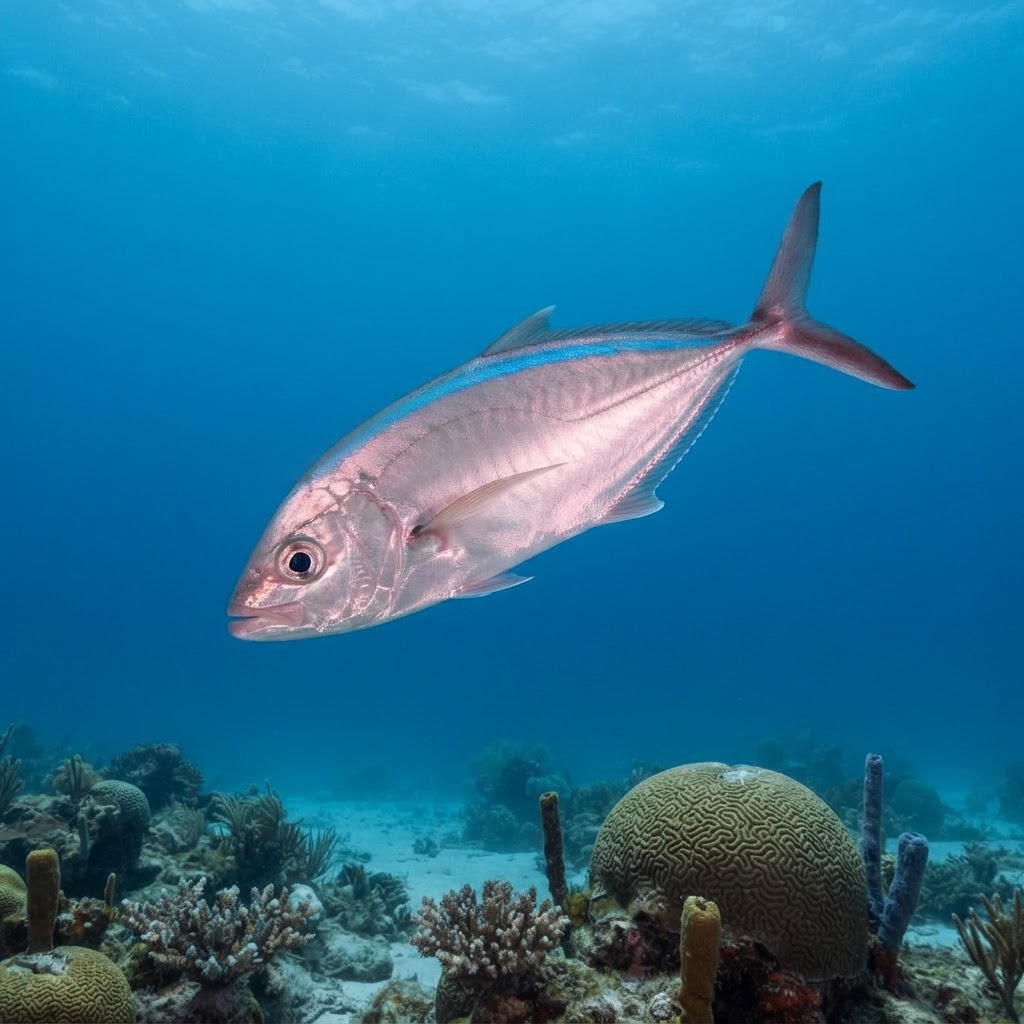
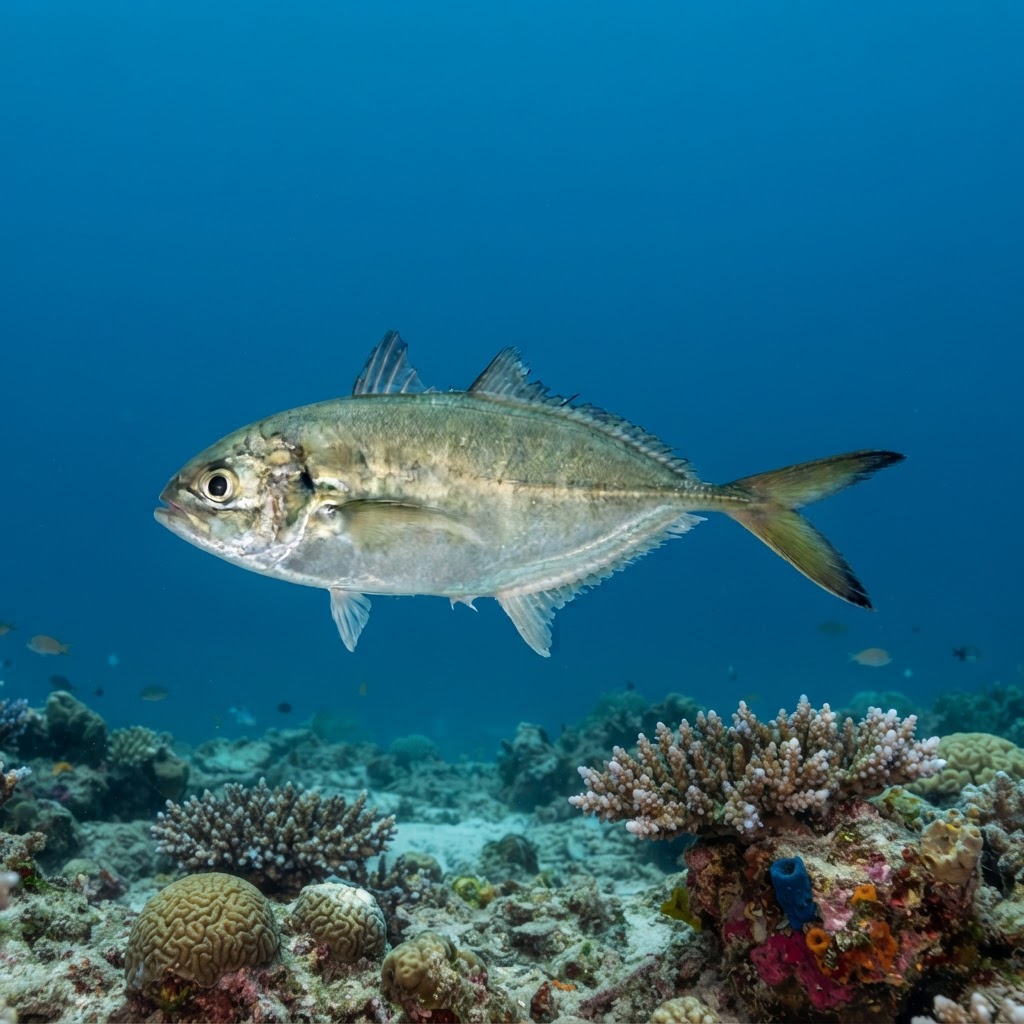
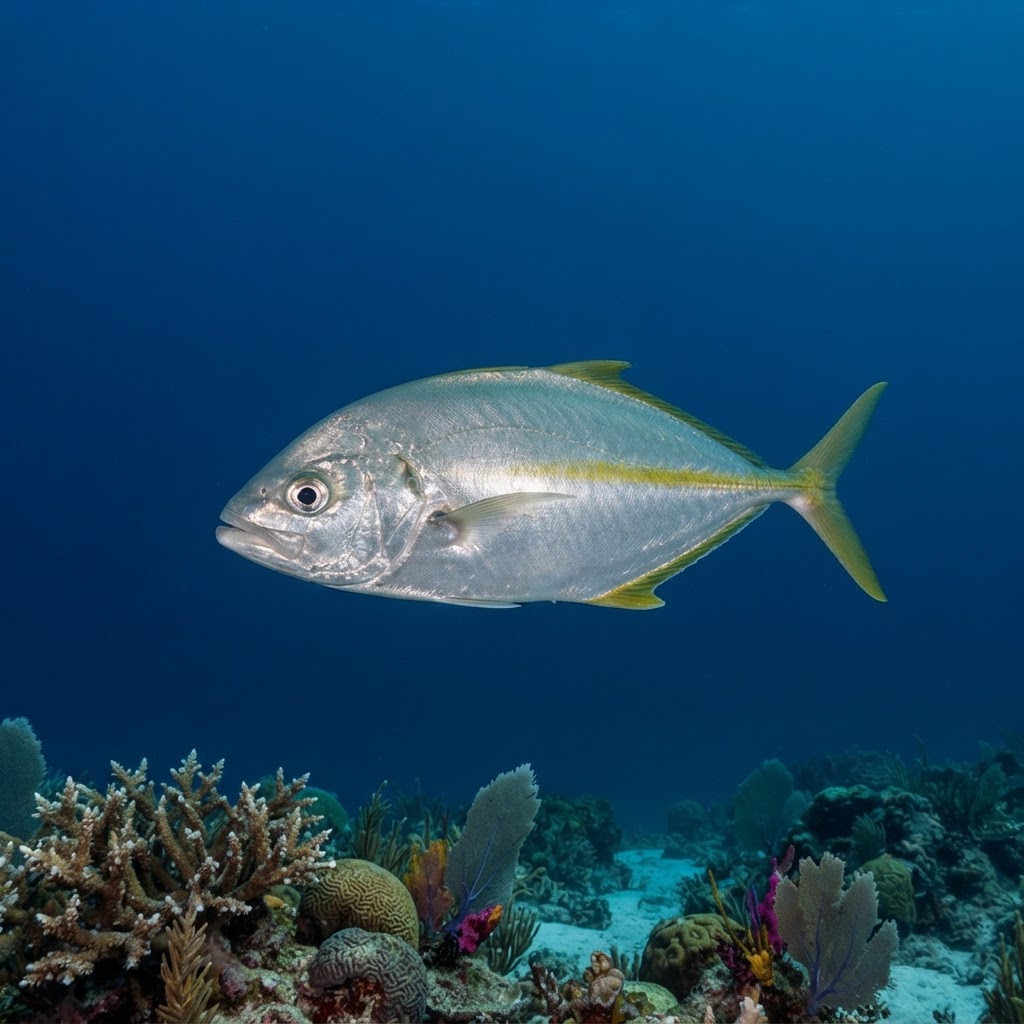
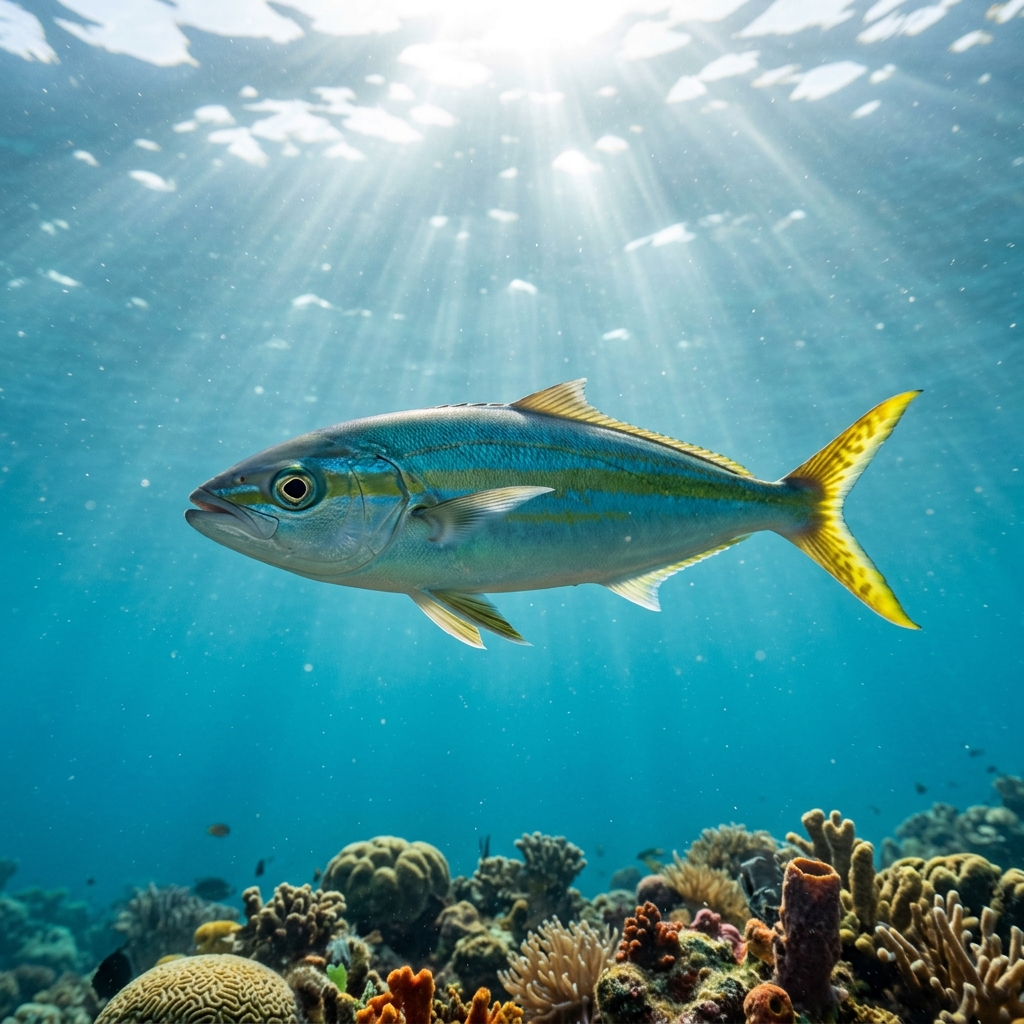
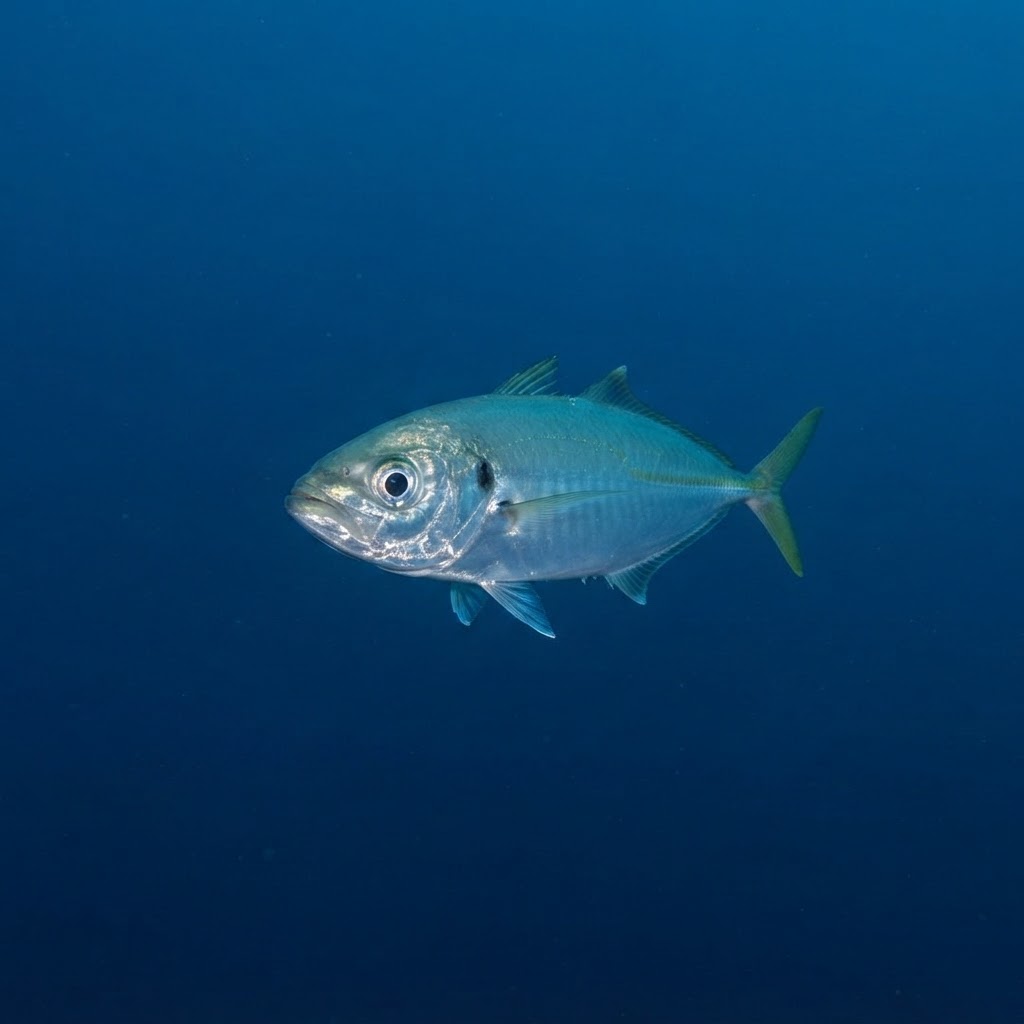
A slim, torpedo-shaped fish around 35 cm long with a bright silver flank and a faint golden or greenish sheen along the back. Look for the distinct scute line (a row of hard, bony plates) running along the lower rear half of the body, a classic jack family giveaway. It typically shows up in tight, fast-moving schools rather than as a lone fish, which is often the first clue to its identity underwater.
Divers most often encounter it as a moving wall of silver, schooling in midwater over reef and rocky structure rather than hugging the bottom. It tends to keep some distance from divers, wheeling away as a unit if approached too directly, and is more often glimpsed passing through a site than lingering at one spot. Most logs mark it as uncommon to common, so it is a plausible but not guaranteed sighting on any single dive.
Its bony lateral scutes and schooling habit are shared traits across the wider jack family, an anti-predator strategy that makes a fast-moving group harder for a single predator to target.
Sightings run year-round with no strong seasonal pattern in the data, which fits its wide comfort range of roughly 13 to 21C. Temperate reef divers in New South Wales and North Island New Zealand can reasonably expect a chance of schools on any given dive through the year.
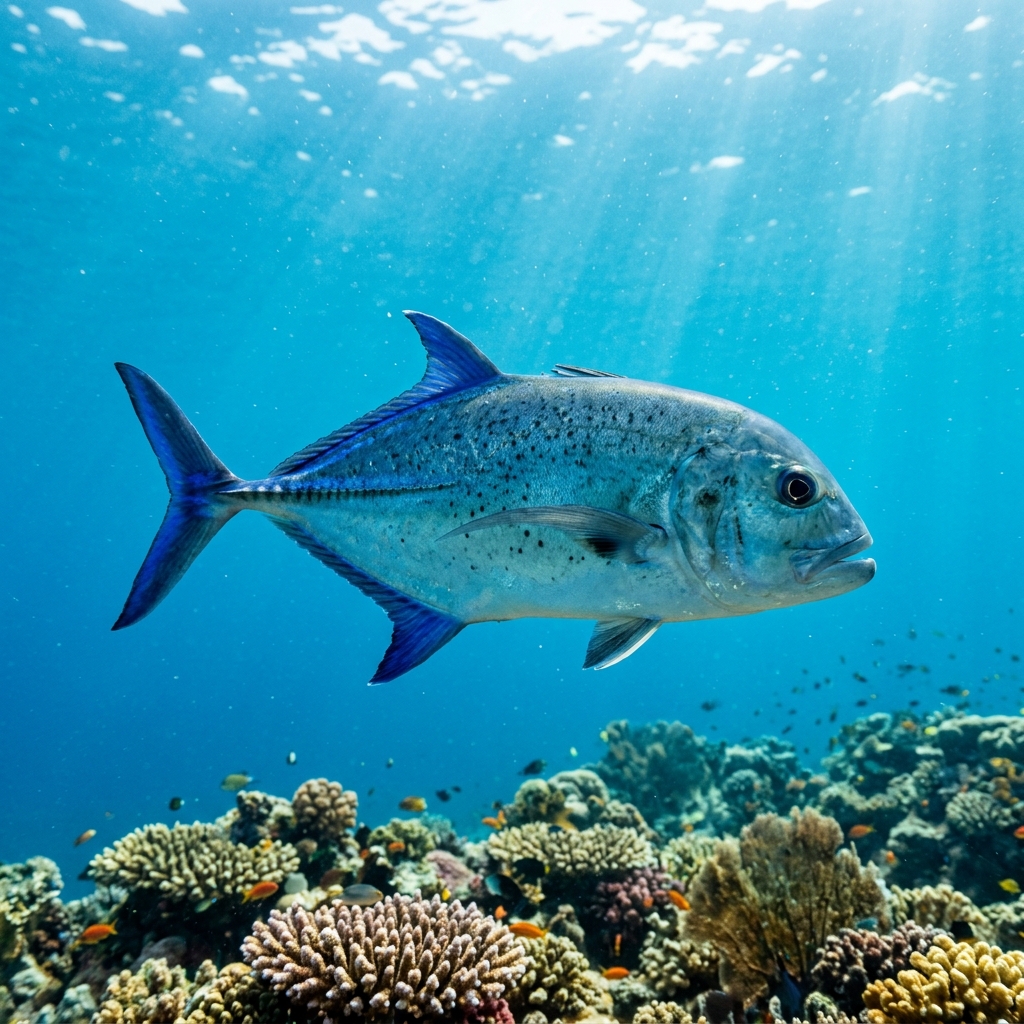
Reef neighbours a diver could mistake it for. Use the identification notes above to tell them apart.
Most reliably logged off New South Wales, Australia, where the vast majority of dive site records come from, with additional sightings around Queensland, Western Australia and South Australia. Across the Tasman it turns up regularly on North Island, New Zealand, making these two countries the main places to plan a dive around this species.
Mapping where Jack Mackerel is logged…
New South Wales, Australia is by far the strongest area for sightings, with further records from Queensland, Western Australia and South Australia. In New Zealand, North Island sites also produce regular sightings.
There is no clear seasonal pattern in the sighting data, so it is best treated as a year-round possibility on temperate reef dives, consistent with its wide 13 to 21C temperature range.
Look for a slim silver fish around 35 cm long moving in a tight school, with a row of bony scutes along the lower rear body. The schooling behaviour combined with that scute line is the quickest way to separate it from similar-looking jacks.
They typically reach around 35 cm in length, a modest size compared to larger jacks like Giant Trevally, and are usually seen as adults of similar size within a school.
No, they pose no danger to divers. They are a shy, fast-swimming schooling fish that keeps its distance rather than approaching divers.
Site and sighting data is aggregated from diver logs, iNaturalist and GBIF. For taxonomy and conservation status:
Bigeye Trevally
2,591 sites