Hypselodoris lacuna
A rare nudibranch find logged in Mindanao, Philippines, in warm 25-31C reef water year-round.
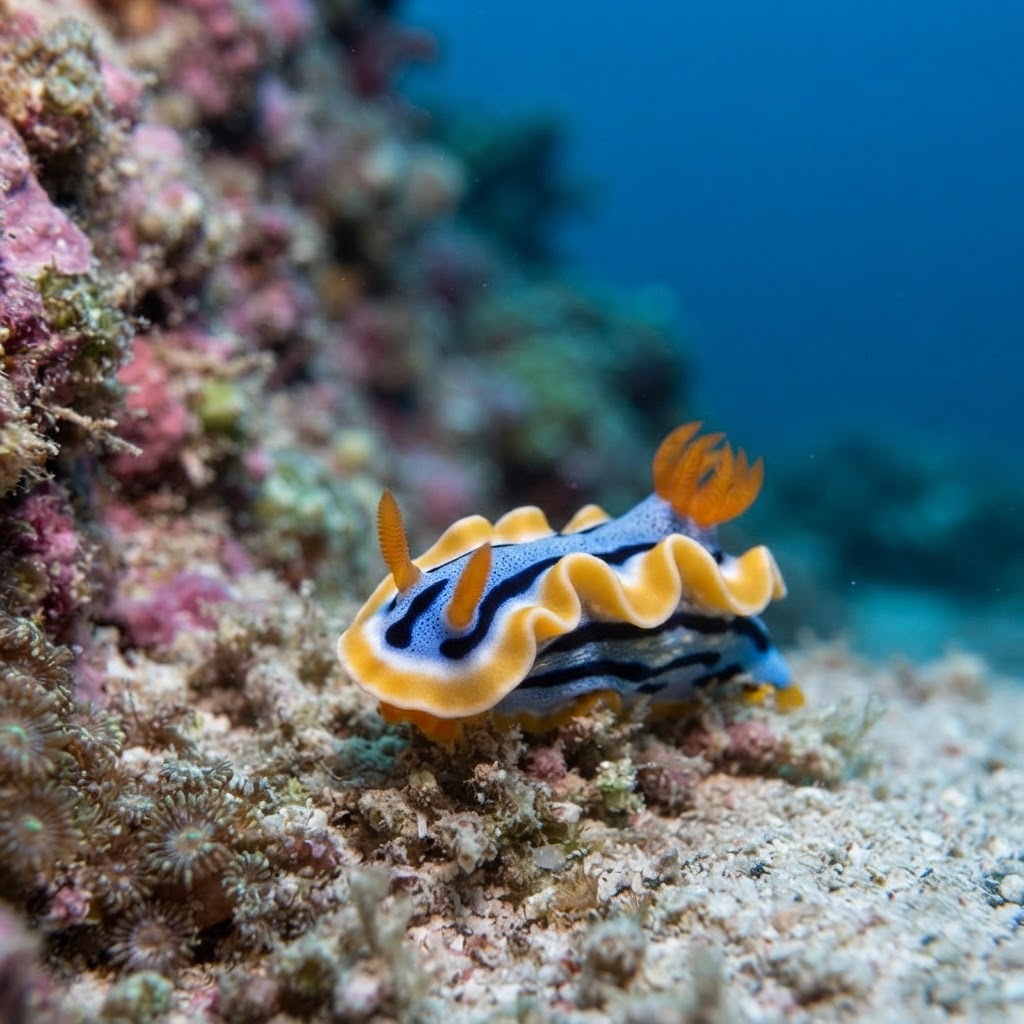
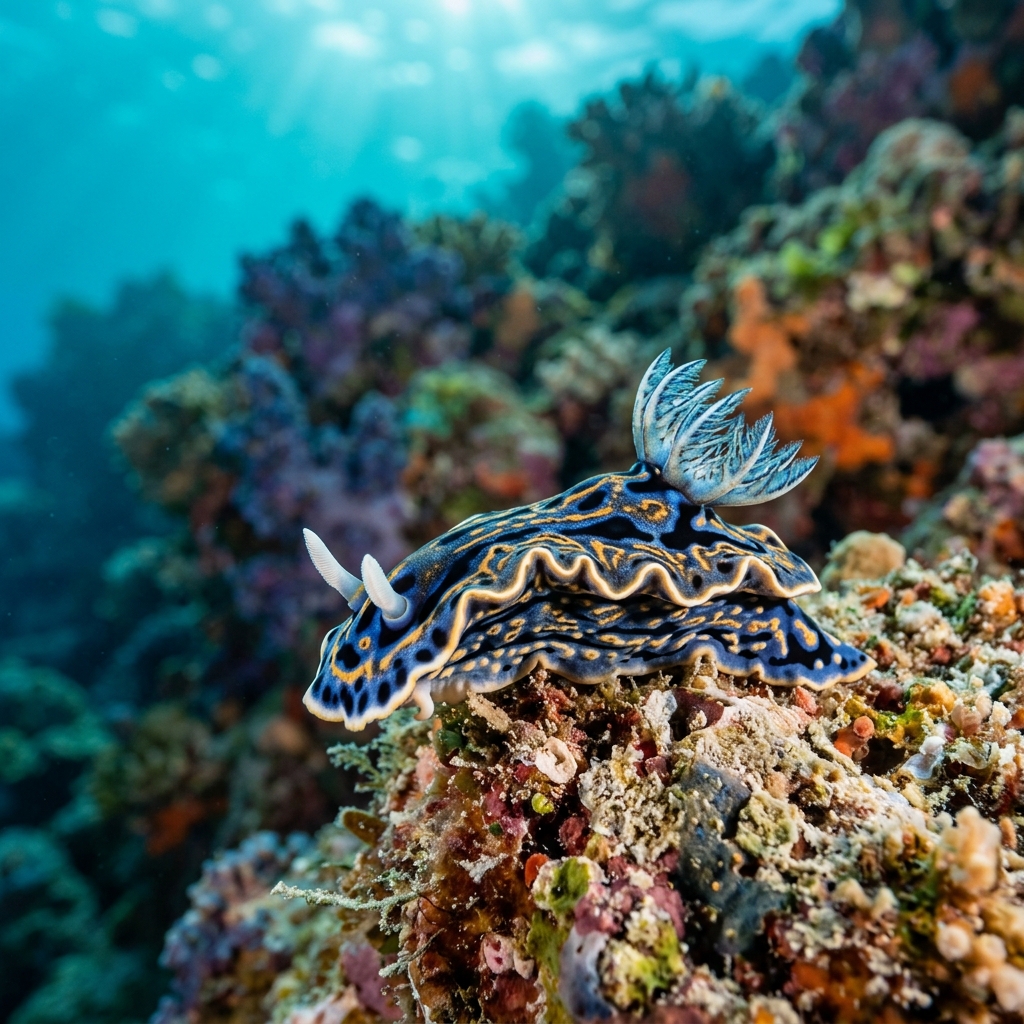
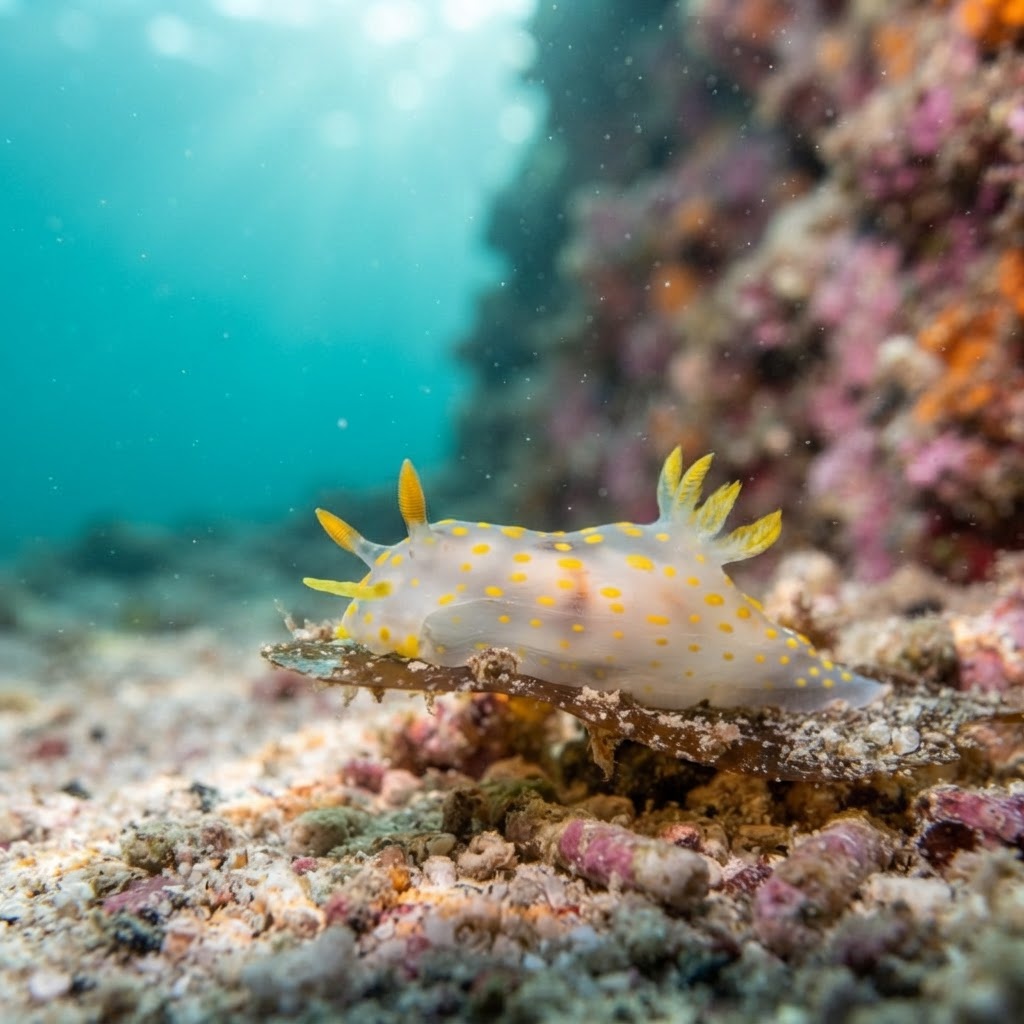
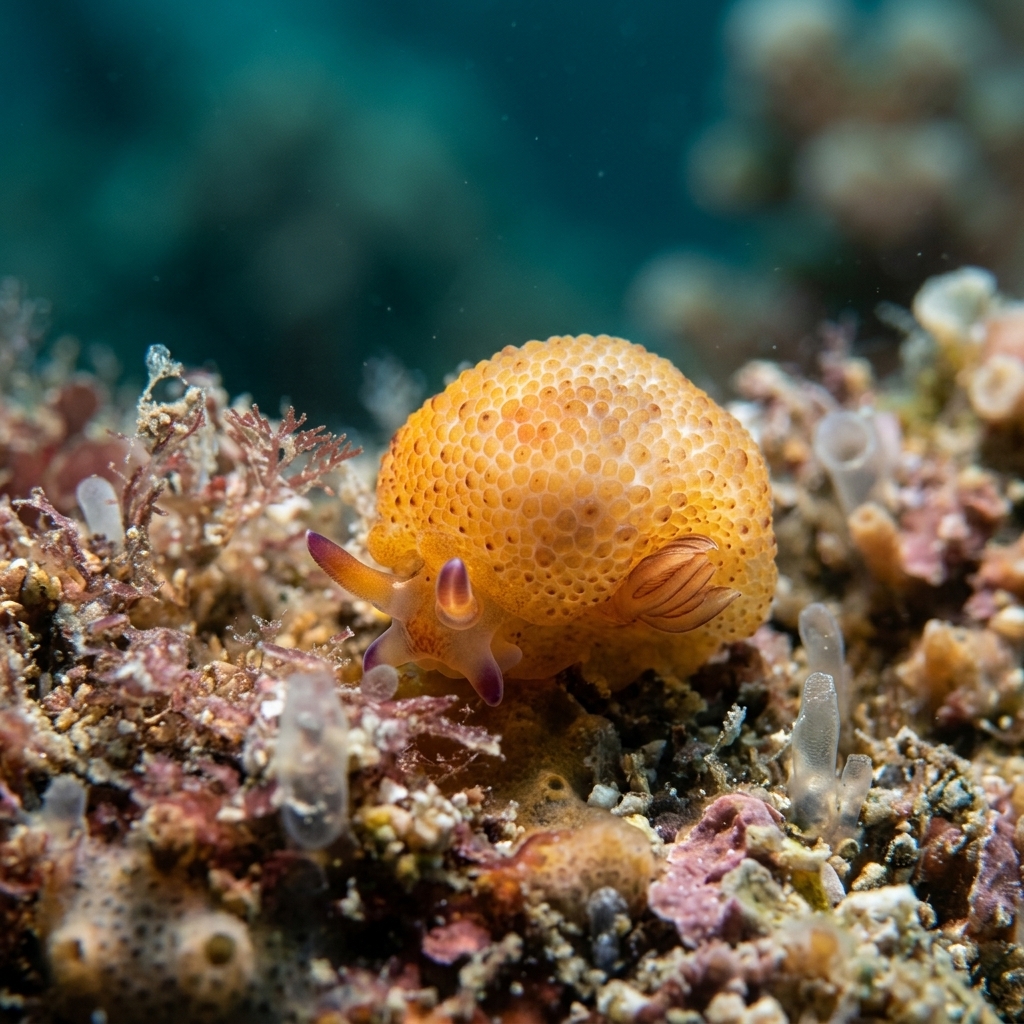
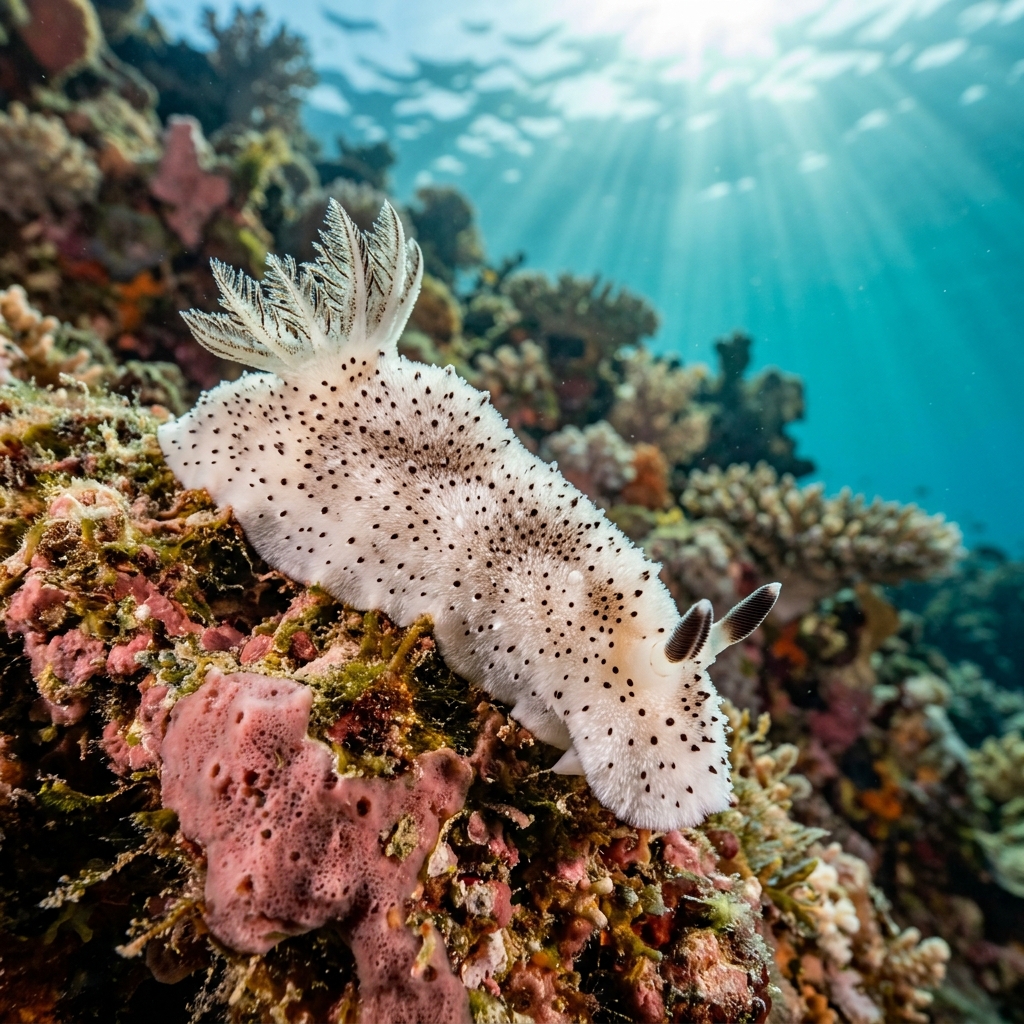
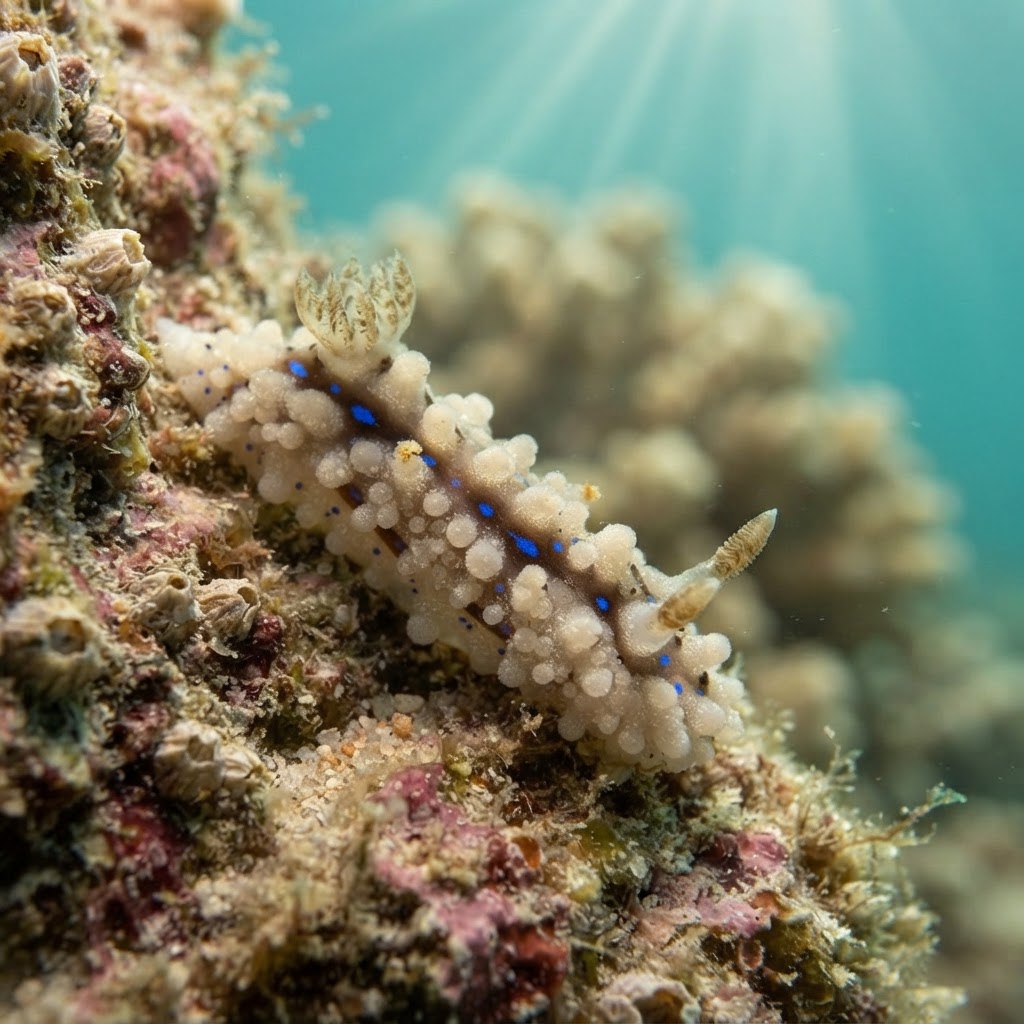
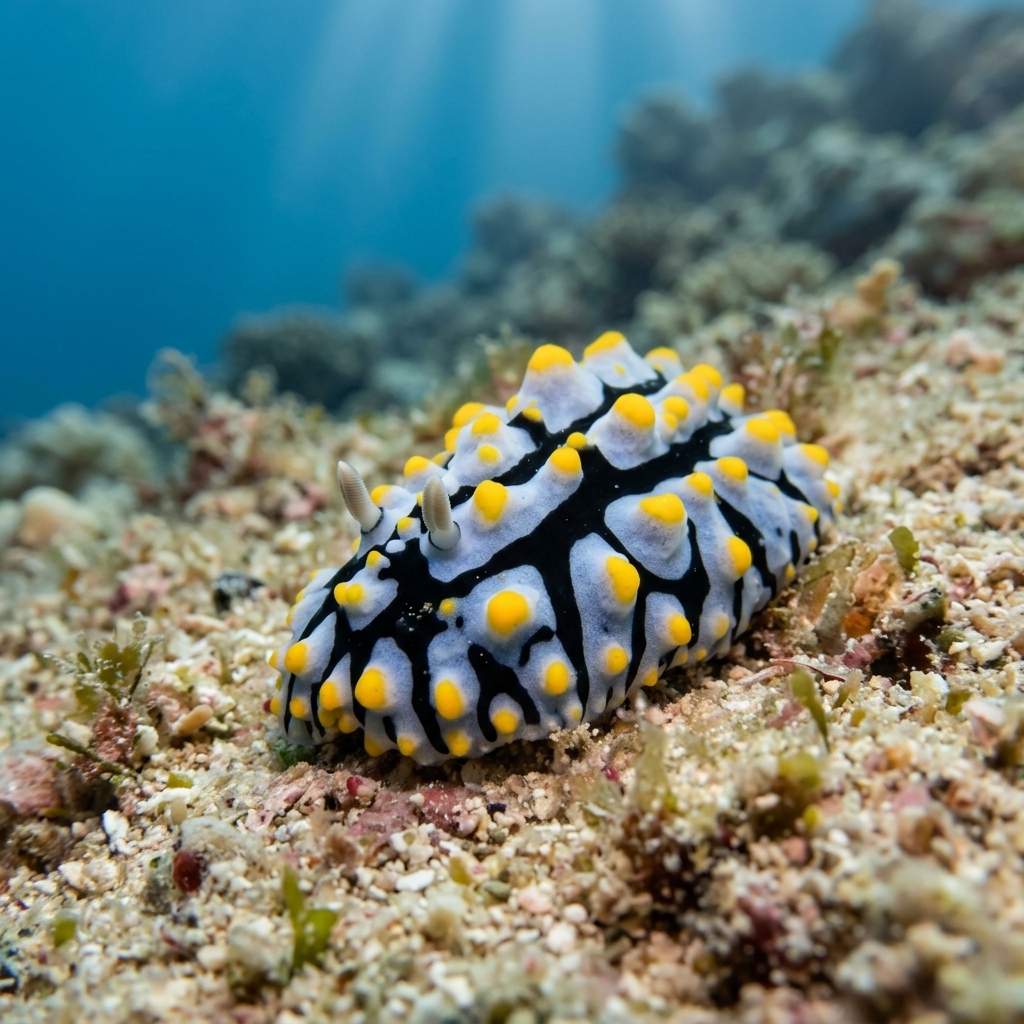
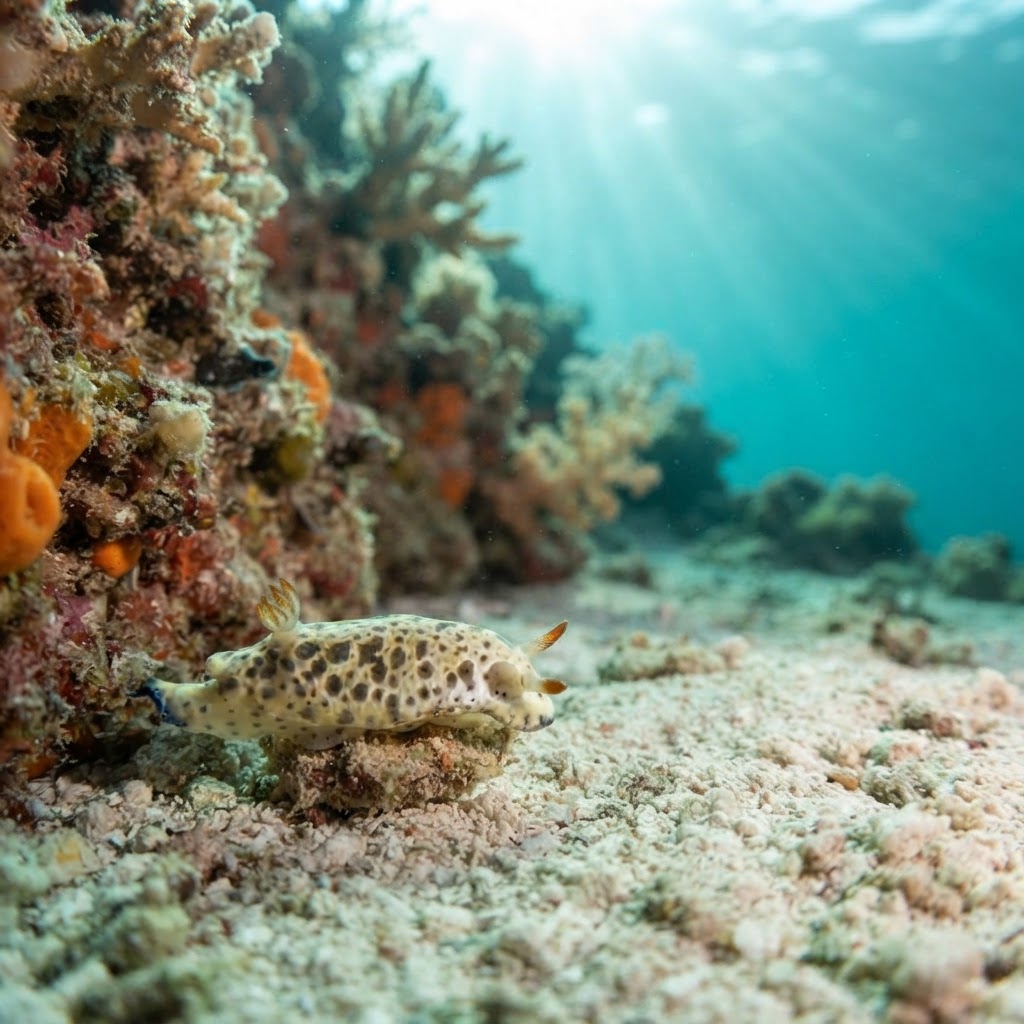
A small dorid nudibranch (a soft-bodied sea slug with a rosette of feathery gills on its back) with a body pattern that includes the pitted or holed marking that gives it its common name. Sightings so far are too limited to pin down a reliable size or exact colour range, so look for the general chromodorid shape: an oval, slightly ruffled mantle edge with a distinct gill cluster near the rear. Confirm any find with a clear photo of the mantle pattern, since this species is easy to overlook among similar dorids.
Like other dorid nudibranchs, expect it moving slowly across reef substrate or rubble, likely grazing on sponges, with no reaction to divers beyond continuing its crawl. Its rarity in logs suggests it stays low-profile and is easy to swim past unless you are searching macro-style close to the bottom.
It has been logged as rare at the only site tracking it, making it one of the harder chromodorid finds for macro divers in the Philippines to actually confirm.
Observed in water between 25.3 and 31.3C, comfortably within tropical year-round range, and there is no detectable seasonal pattern in sightings, so any time of year in Mindanao gives you a shot.
Reef neighbours a diver could mistake it for. Use the identification notes above to tell them apart.
Currently confirmed only from Mindanao in the Philippines, based on the dive sites logging it. It is not yet reported elsewhere, so Mindanao is the only place to specifically target it right now.
Mapping where Holey Split-tooth Dorid is logged…
The only confirmed sightings come from Mindanao in the Philippines. It has not been logged elsewhere yet, so this region is currently your best and only real shot.
There is no clear seasonal pattern in the sightings so far. It has been recorded in water from 25.3 to 31.3C, which holds year-round on tropical reefs, so any month in Mindanao works.
Look for a small dorid nudibranch with a distinctive pitted or holed pattern on the mantle and a gill rosette near the rear. Because sightings are rare, a close photo of the mantle markings is the best way to confirm an ID against similar chromodorids.
Exact size data is not yet available for this species. As with most dorid nudibranchs in the Chromodorididae family, expect a small, easily overlooked animal typically only a few centimetres long.
No. It poses no danger to divers and, like most nudibranchs, relies on chemical defences from its diet rather than any threat to people.
Site and sighting data is aggregated from diver logs, iNaturalist and GBIF. For taxonomy and conservation status:
Blue Dragon
3,163 sites