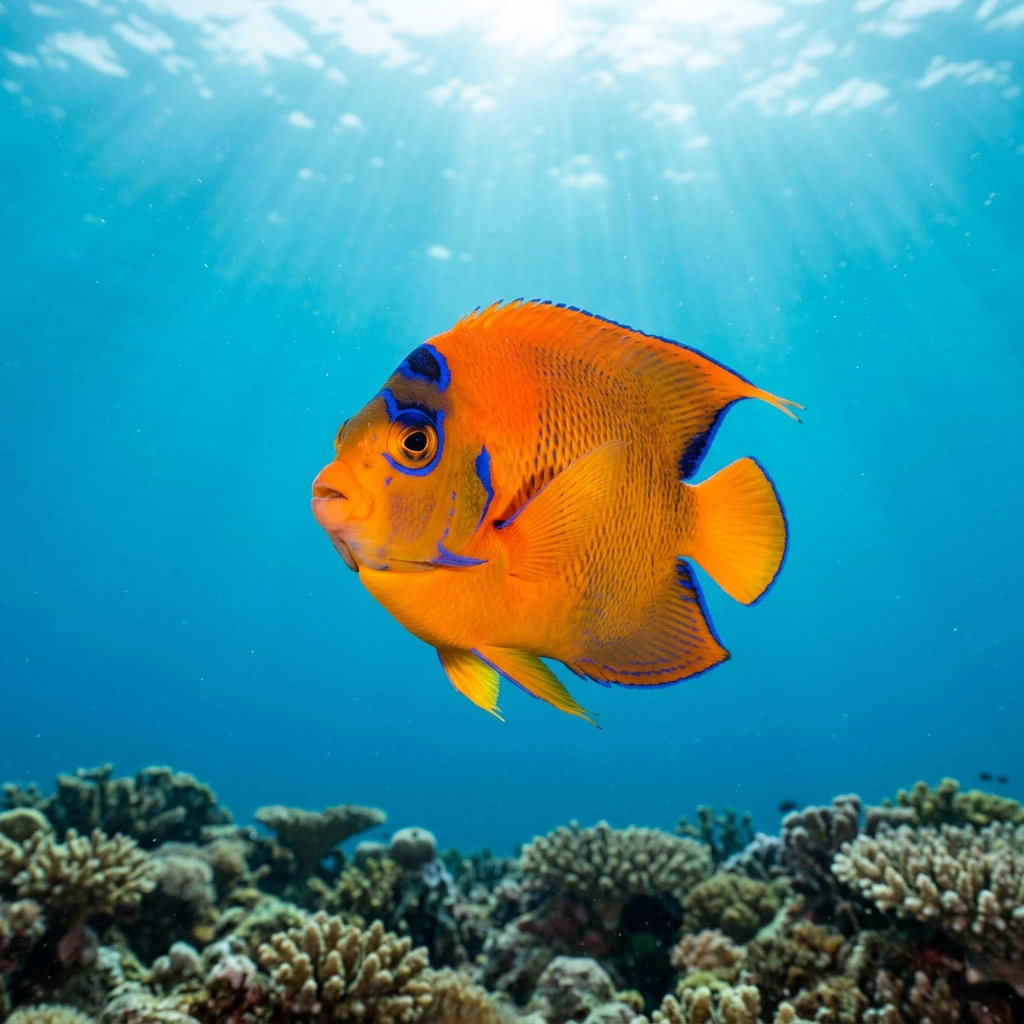
Holacanthus clarionensis
Spot the rare Clarion Angelfish in Baja California, Mexico, a warm-water species found between 21-28°C with vivid orange and blue markings.
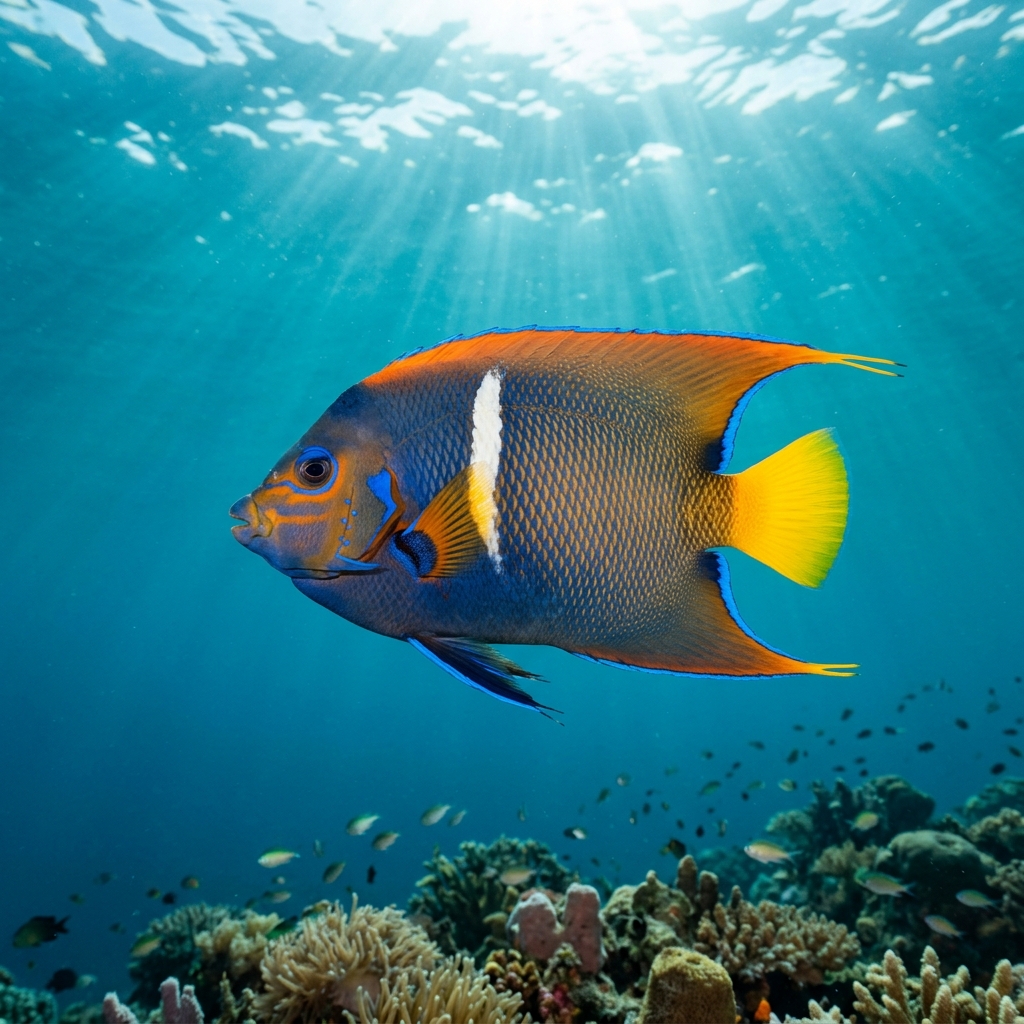
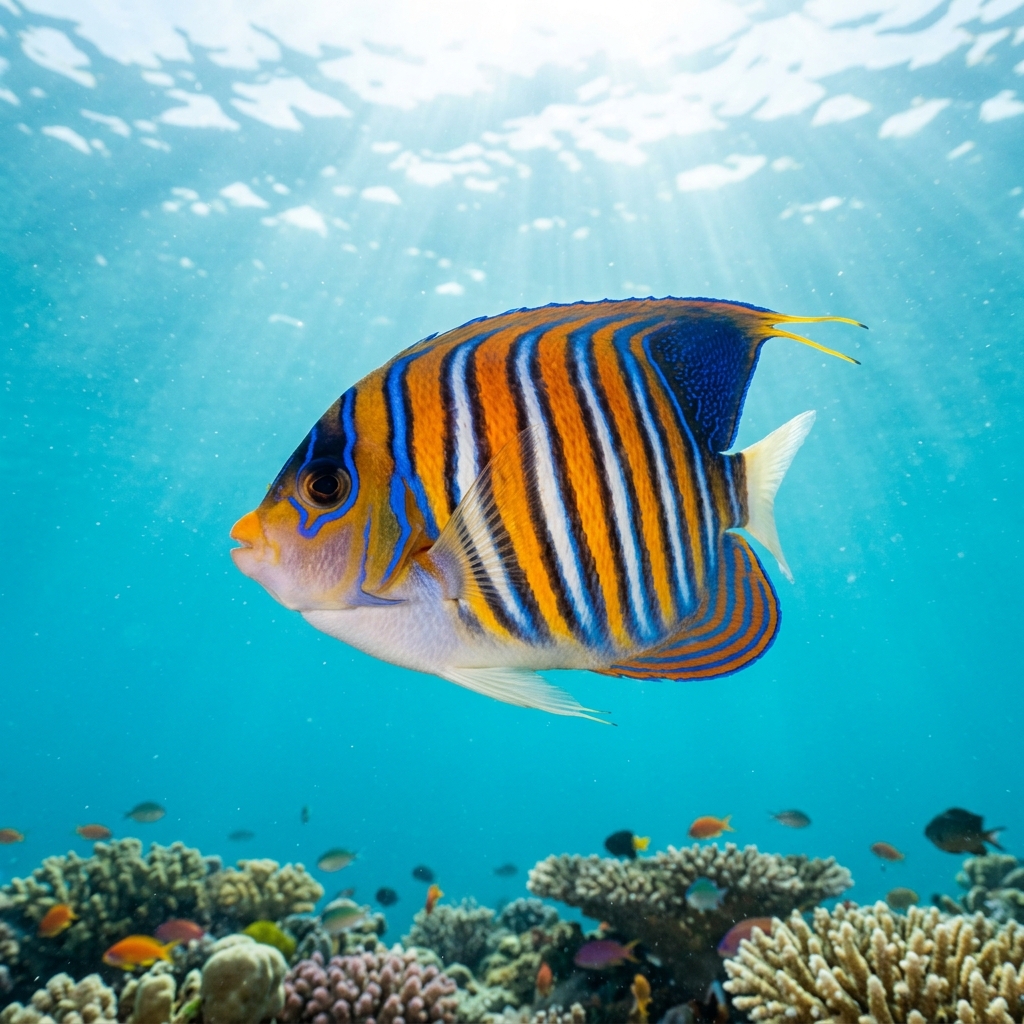
A large, disc-shaped angelfish dressed in rich orange to amber-orange across the body, with electric blue edging along the dorsal, anal, and pectoral fins and a yellow tail. The bold colour contrast between the warm orange flanks and the cool blue fin margins is the key field mark underwater. Juveniles show striking vertical blue and yellow stripes on a dark body, looking almost like a different species entirely. Adults carry a small spine at the base of the gill cover, typical of the angelfish family.
Clarion Angelfish are typically seen moving deliberately along rocky reefs and reef edges, picking at sponges, tunicates, and algae. They tend to be curious but cautious around divers, often pausing to assess before retreating into crevices if approached too quickly. Slow, patient approaches from a distance give the best chances of a prolonged sighting.
This species is largely endemic to the Revillagigedo Archipelago, a remote chain of volcanic islands off the Pacific coast of Mexico, which means the global population is concentrated in a very small geographic area and is therefore particularly sensitive to local disturbance.
There is not enough monthly sighting data to point to a peak season, so it is best treated as a year-round resident within its range. It tolerates water temperatures from around 21°C to nearly 29°C, meaning conditions across Baja California sites can suit it throughout the year.
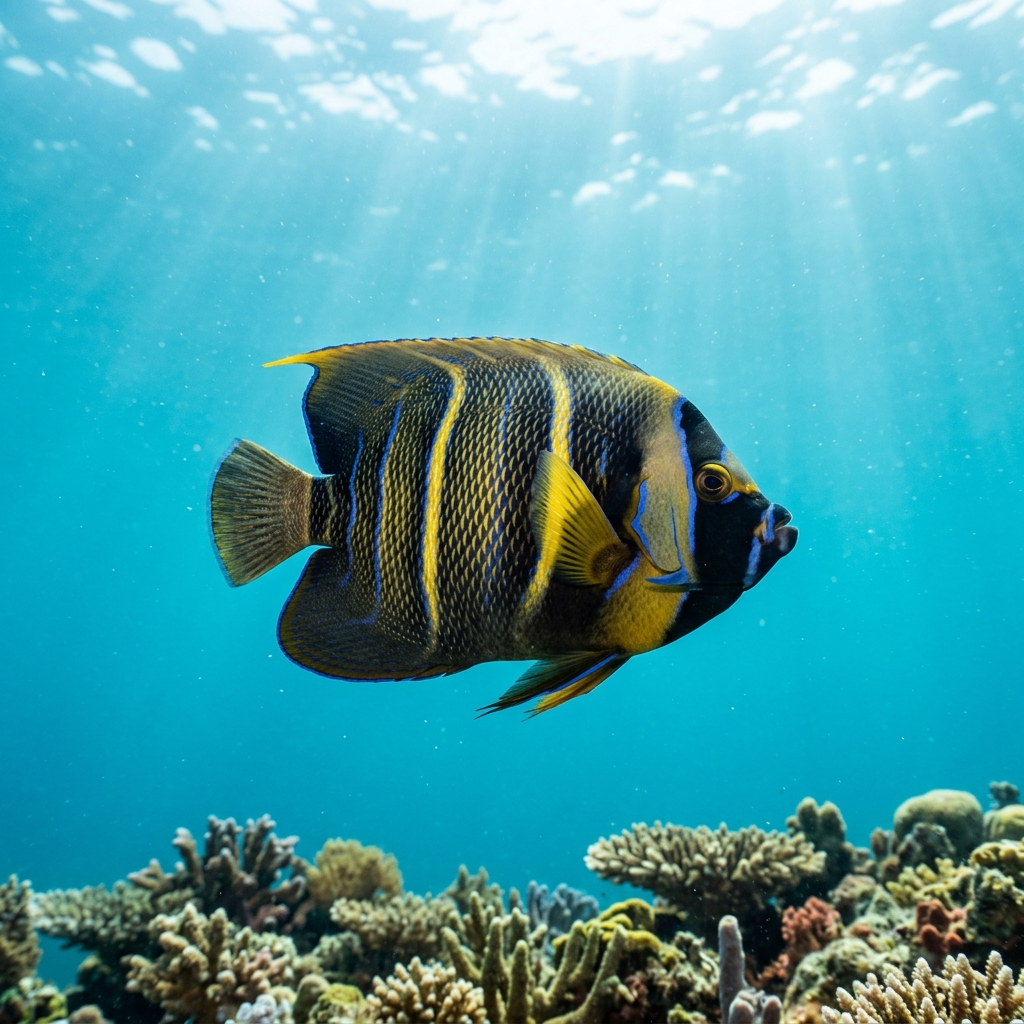
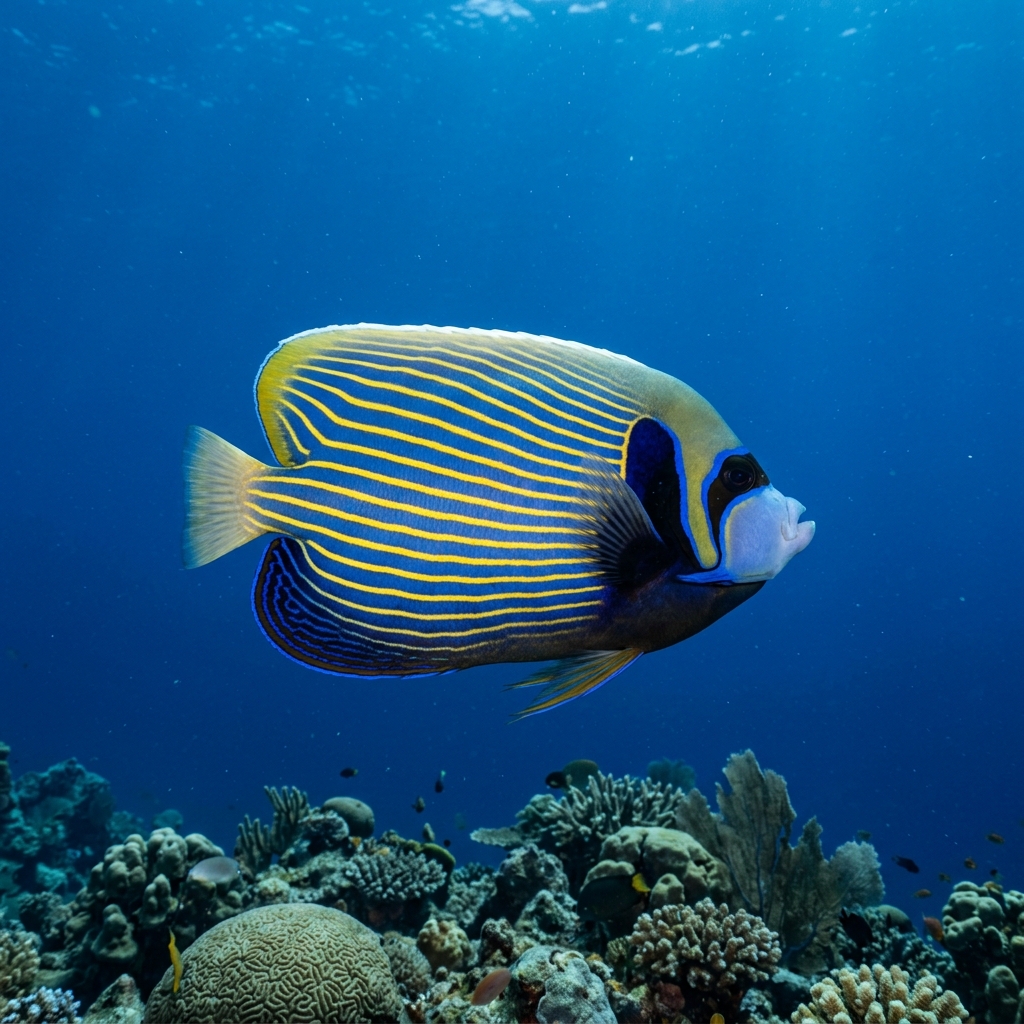
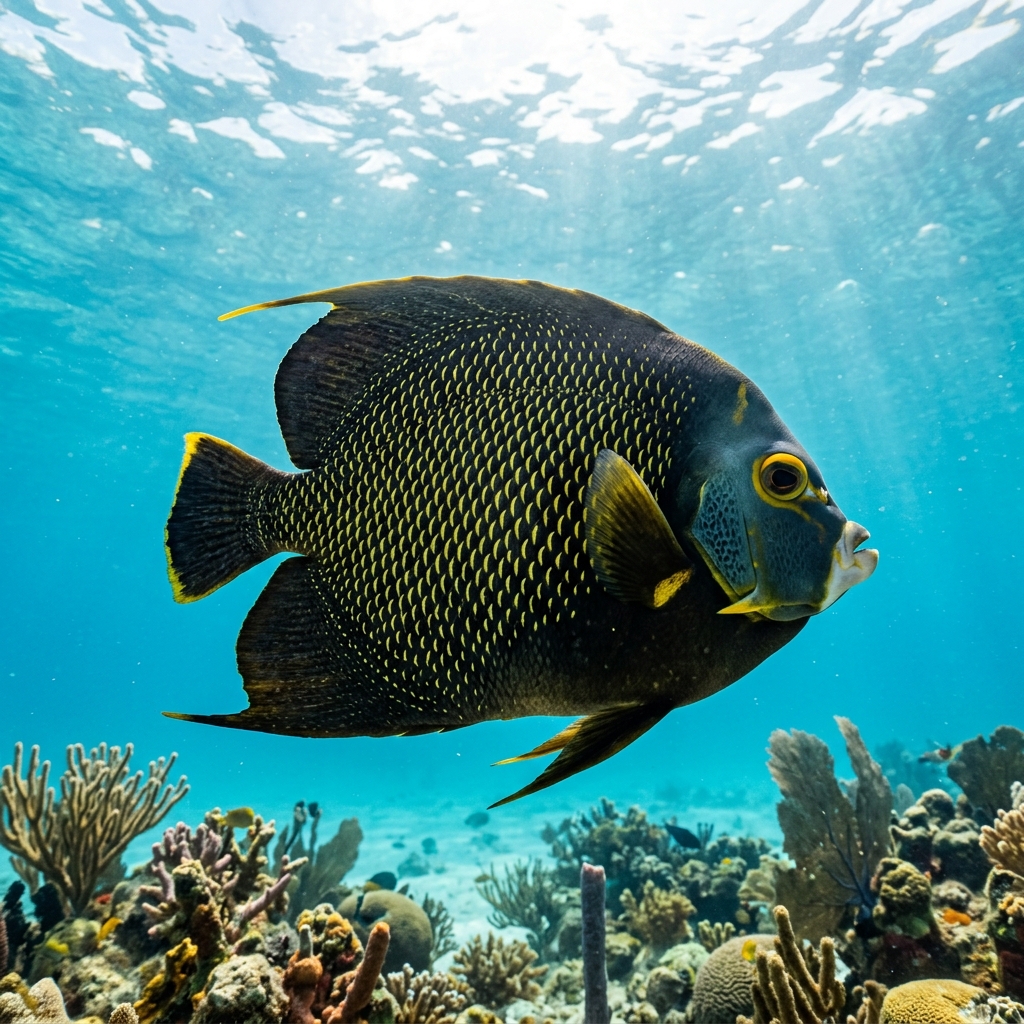
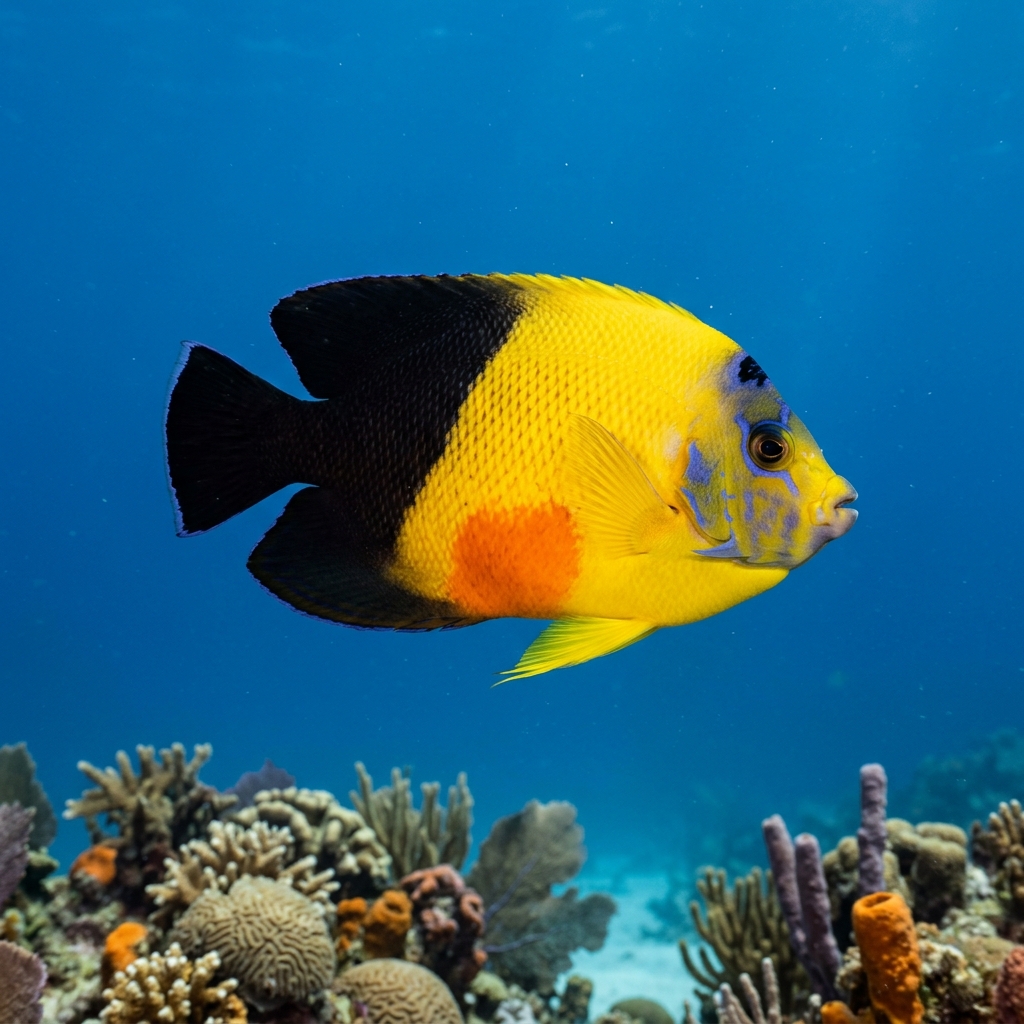
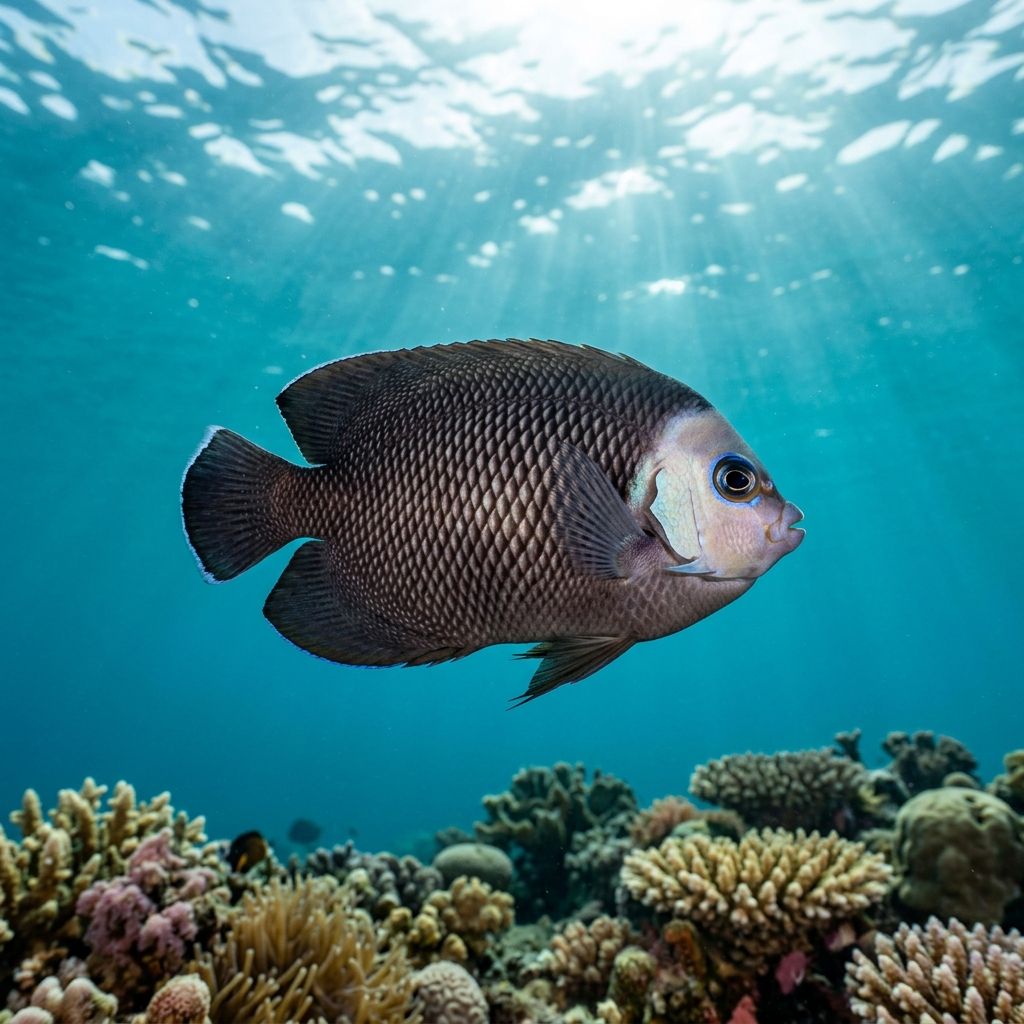
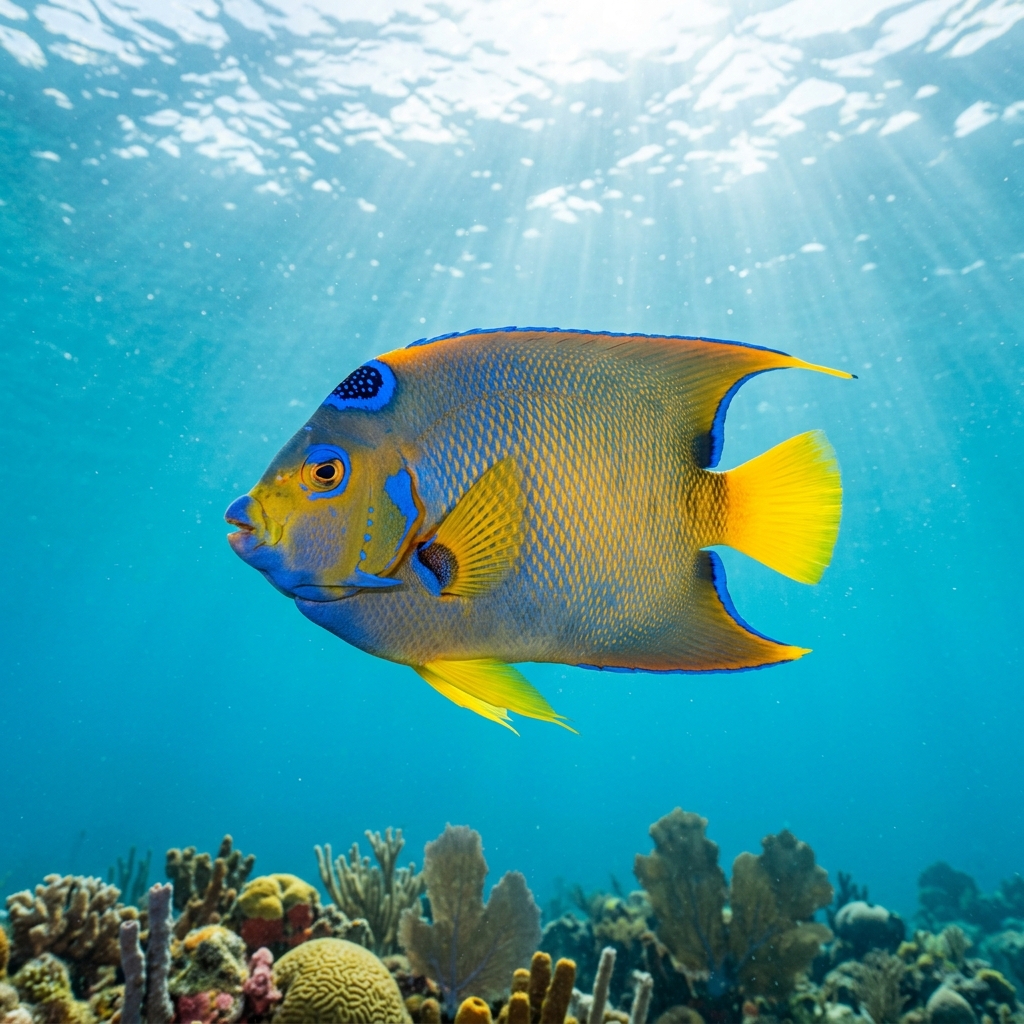
Reef neighbours a diver could mistake it for. Use the identification notes above to tell them apart.
Every diver sighting on record comes from Mexico, concentrated along Baja California. This is a fish with a very restricted natural range centred on the Revillagigedo Archipelago and surrounding eastern Pacific waters, so Baja California is effectively the place to look. Sightings are logged across a handful of sites in the region, though the species remains rare to uncommon at all of them.
Mapping where Clarion Angelfish is logged…
All recorded diver sightings come from Mexico, specifically along Baja California and the wider eastern Pacific region that includes the Revillagigedo Archipelago. This is a species with a naturally restricted range, so Mexico is effectively the only reliable destination.
There is no clear seasonal peak in the data, so the species can be treated as a year-round resident within its Baja California range. Water temperatures at observed sites run from roughly 21°C to 29°C, covering most of the annual temperature cycle in that region.
Look for a large, round-bodied fish with a vivid orange body and bright blue edging along the dorsal and anal fins, plus a yellow tail. That orange-and-blue contrast is the clearest field mark. Juveniles are very different, showing a dark body with curved blue and yellow vertical stripes.
Yes, they are listed as Vulnerable by the IUCN. Their restricted range, centred on the remote Revillagigedo Archipelago, means the entire population is concentrated in a small area and is sensitive to habitat disturbance, collection pressure, and environmental change.
Quite rare. At the majority of sites where it has been recorded, divers log it as a rare encounter, with only a few sites classing it as uncommon. Slow, unhurried dives along rocky reef structure give the best chance of a sighting.
The Clarion Angelfish is listed as vulnerable by the IUCN. Observe from a distance, avoid touching or feeding it, and report sightings to local marine research organisations.
The Clarion Angelfish is classified as Vulnerable on the IUCN Red List, reflecting its restricted range and the pressures that come with it. Divers can help by maintaining good buoyancy to avoid reef contact and by reporting sightings through citizen science platforms to build a clearer picture of population trends.
Site and sighting data is aggregated from diver logs, iNaturalist and GBIF. For taxonomy and conservation status:
Rock Beauty
1,573 sites