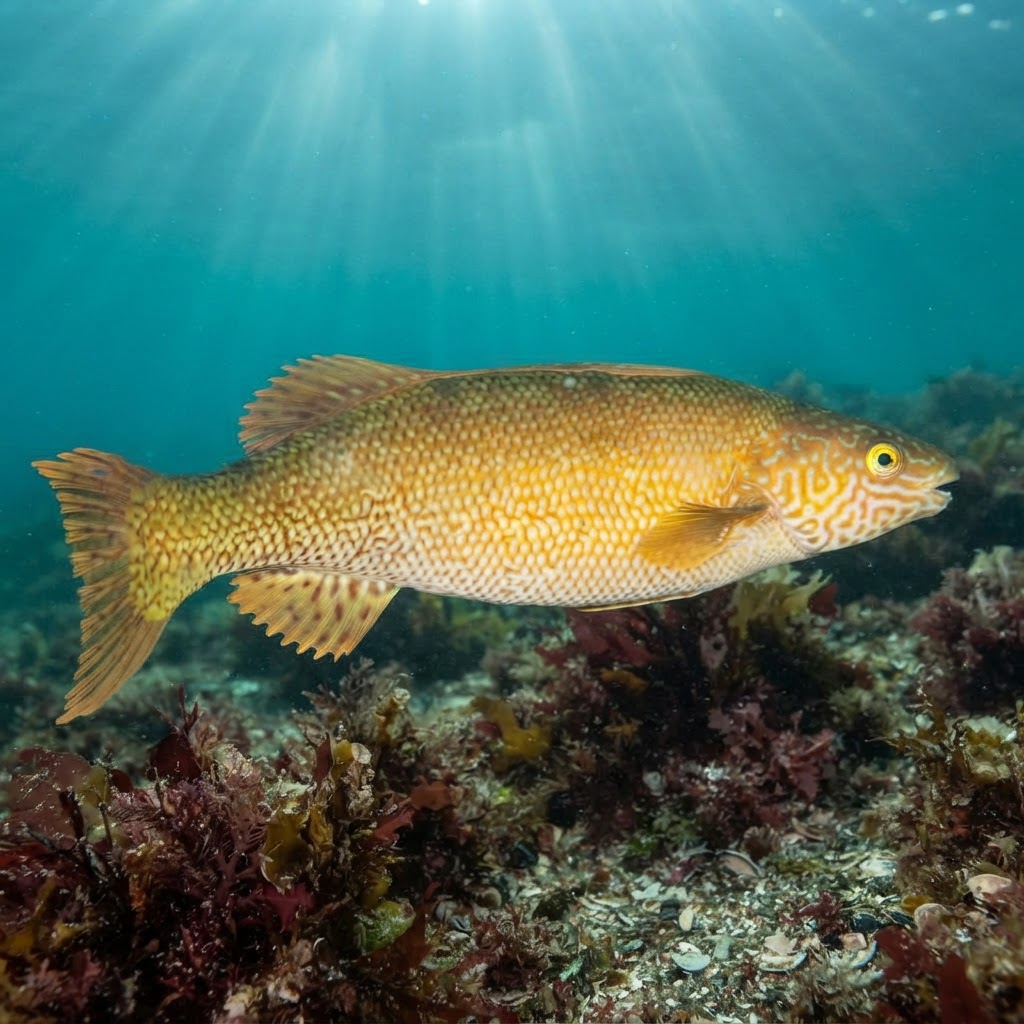
Olisthops cyanomelas
Olive-green wrasse common off New South Wales, spotted year-round in water from 14.7 to 22 C on shallow Australian reefs.
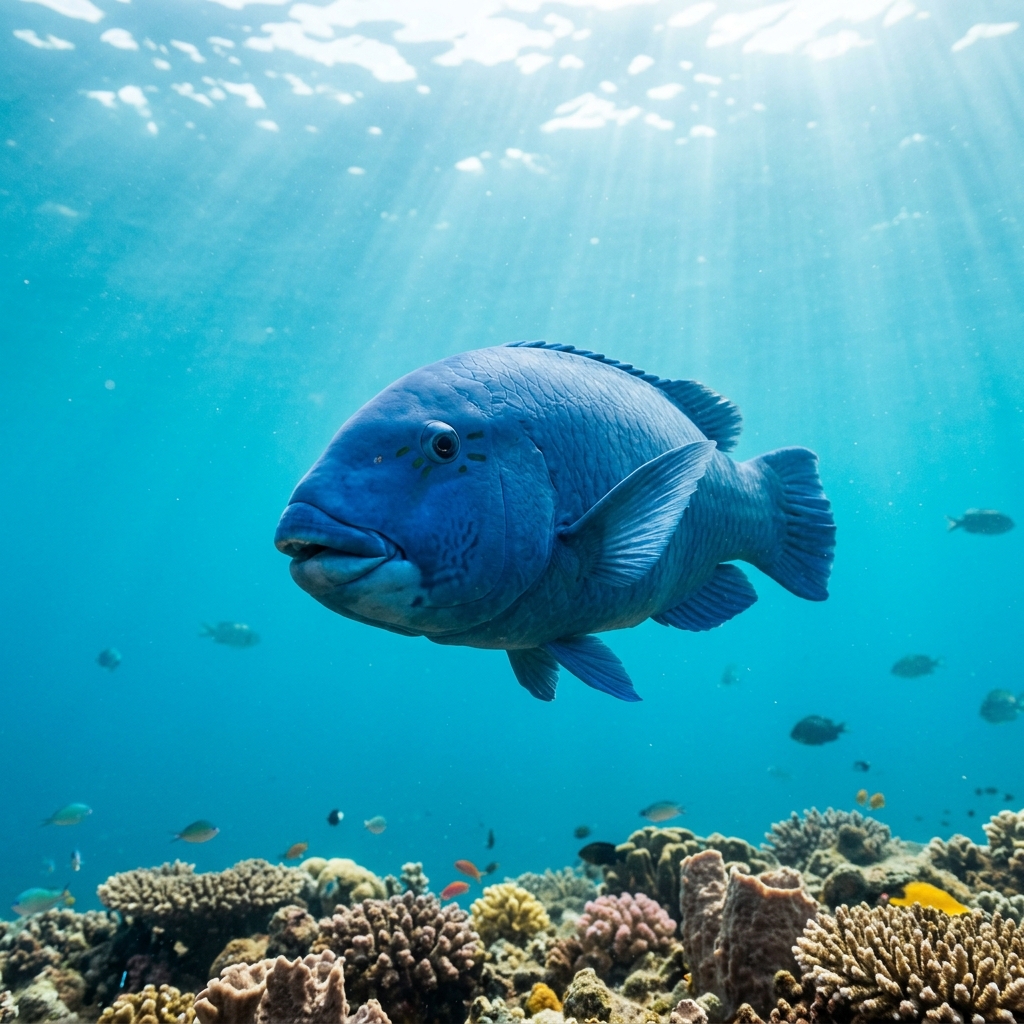
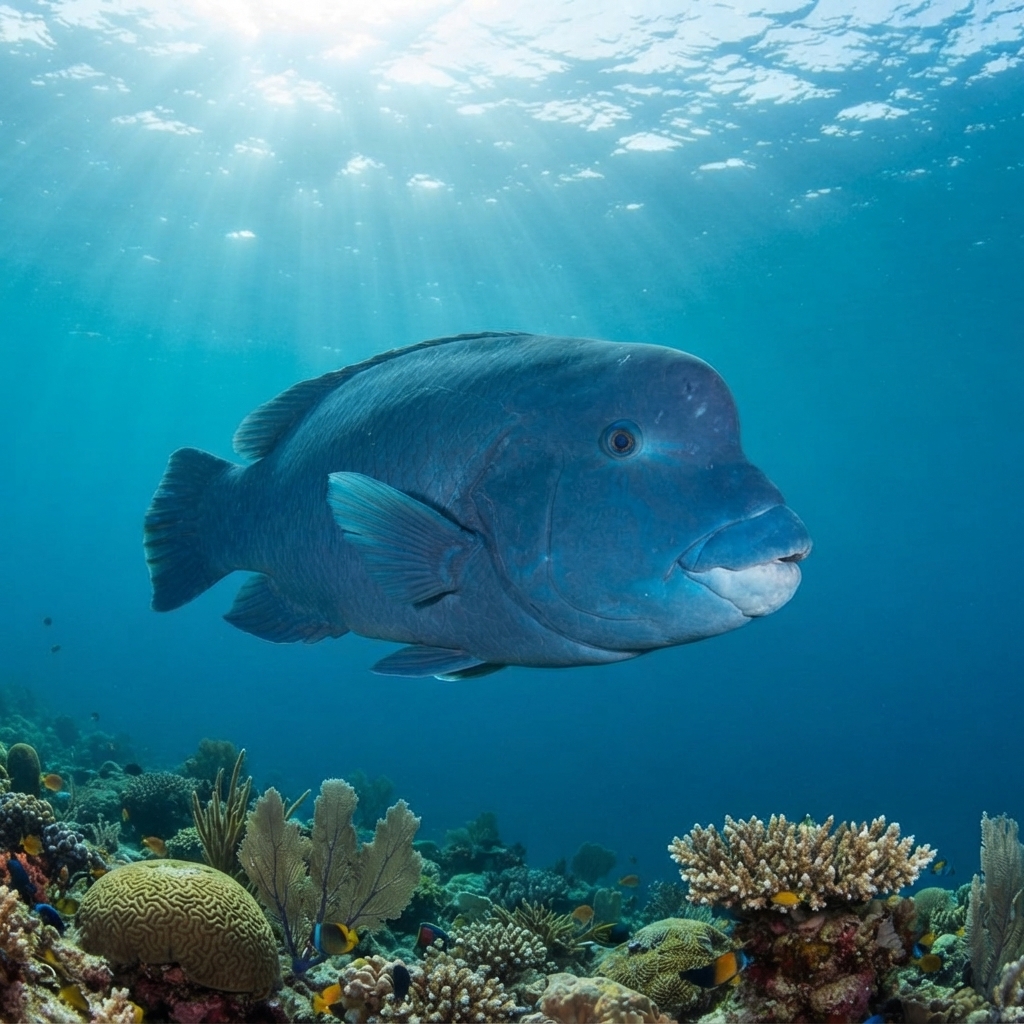
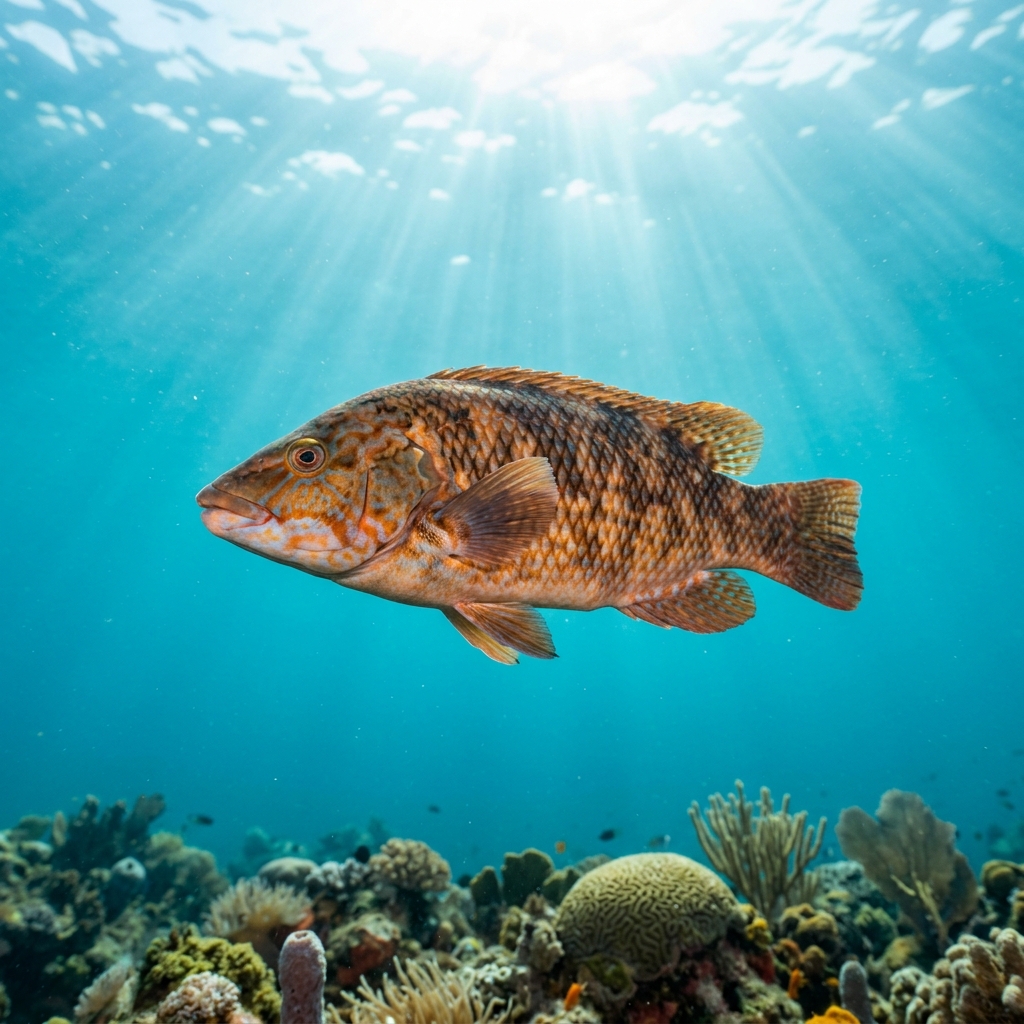
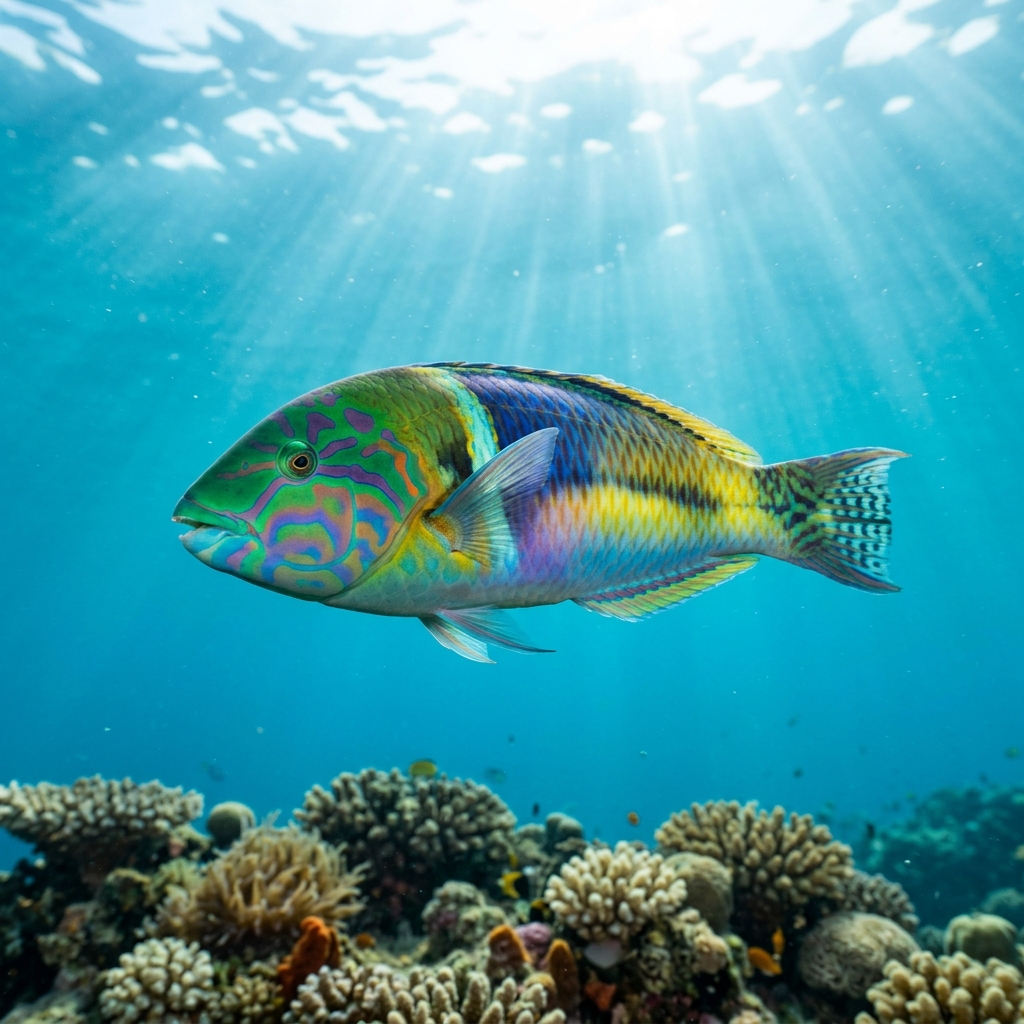
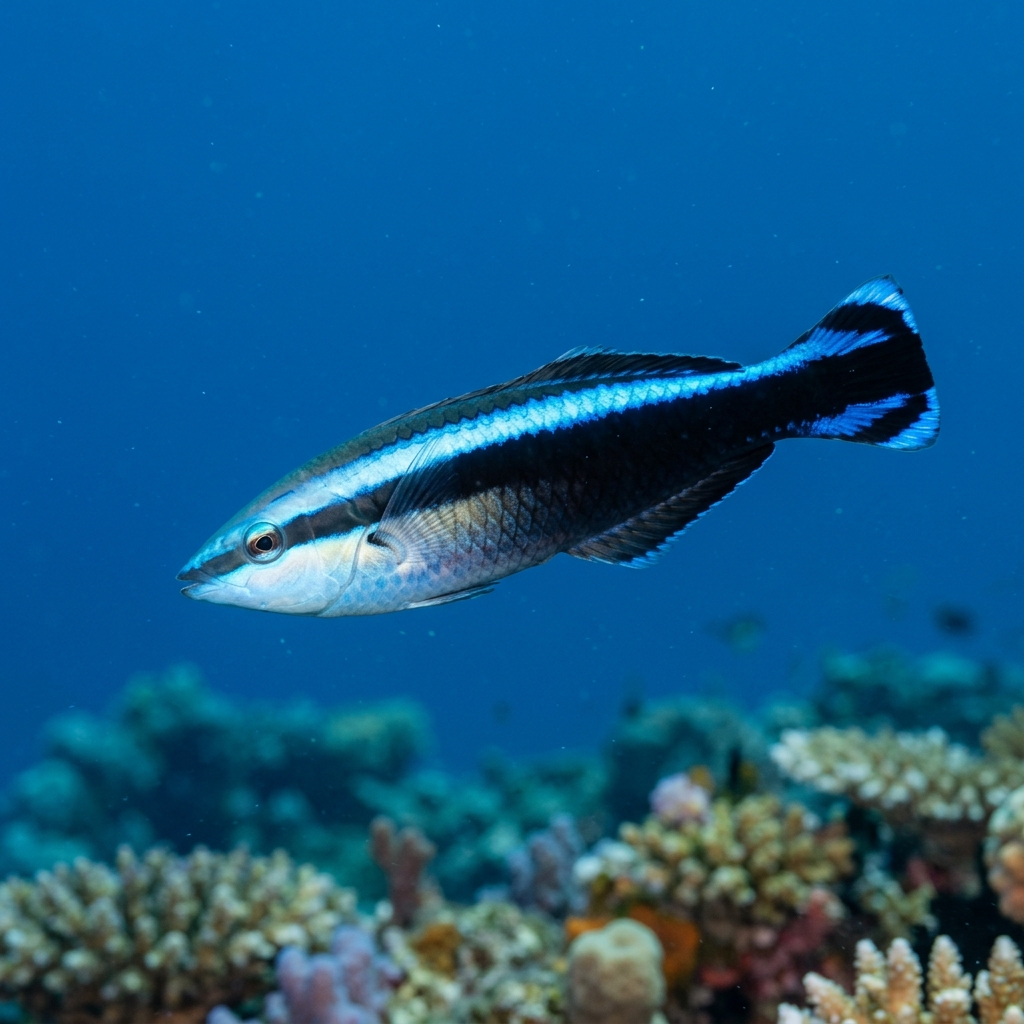
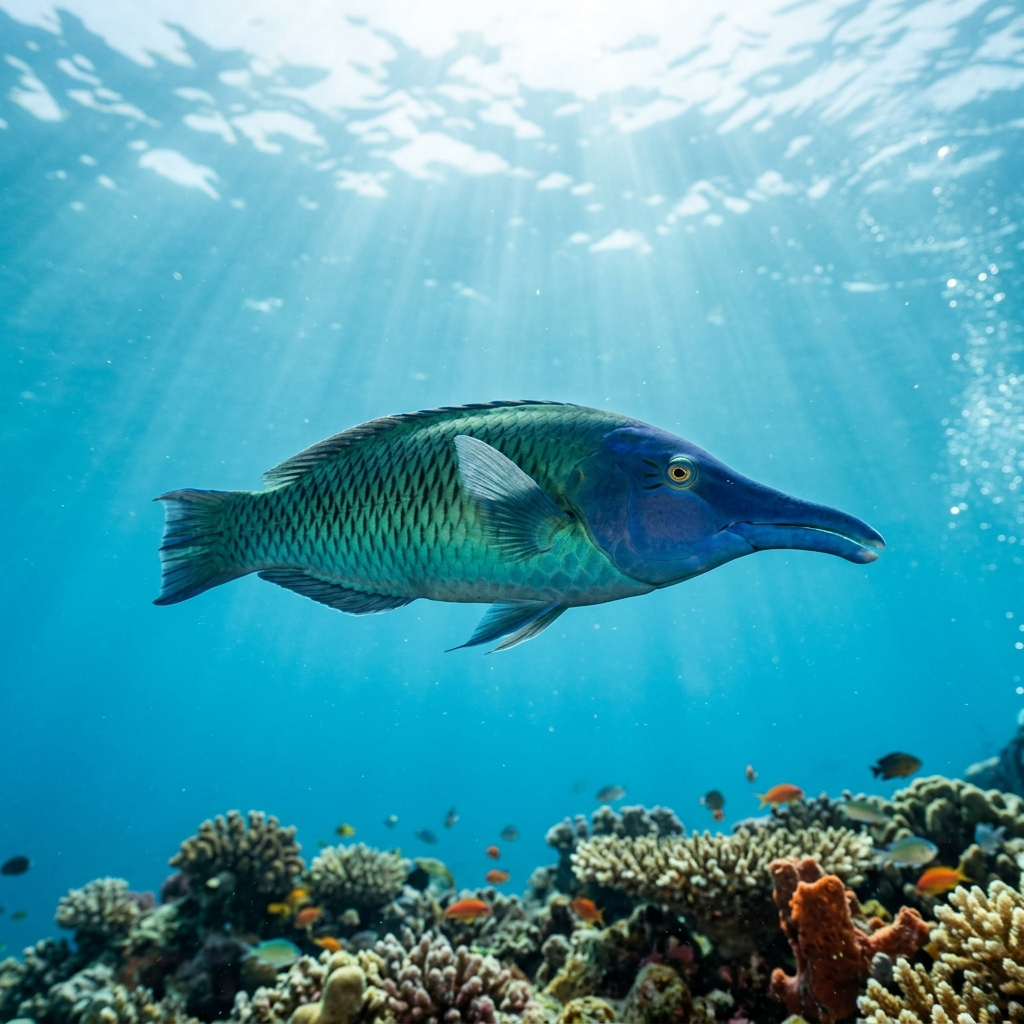
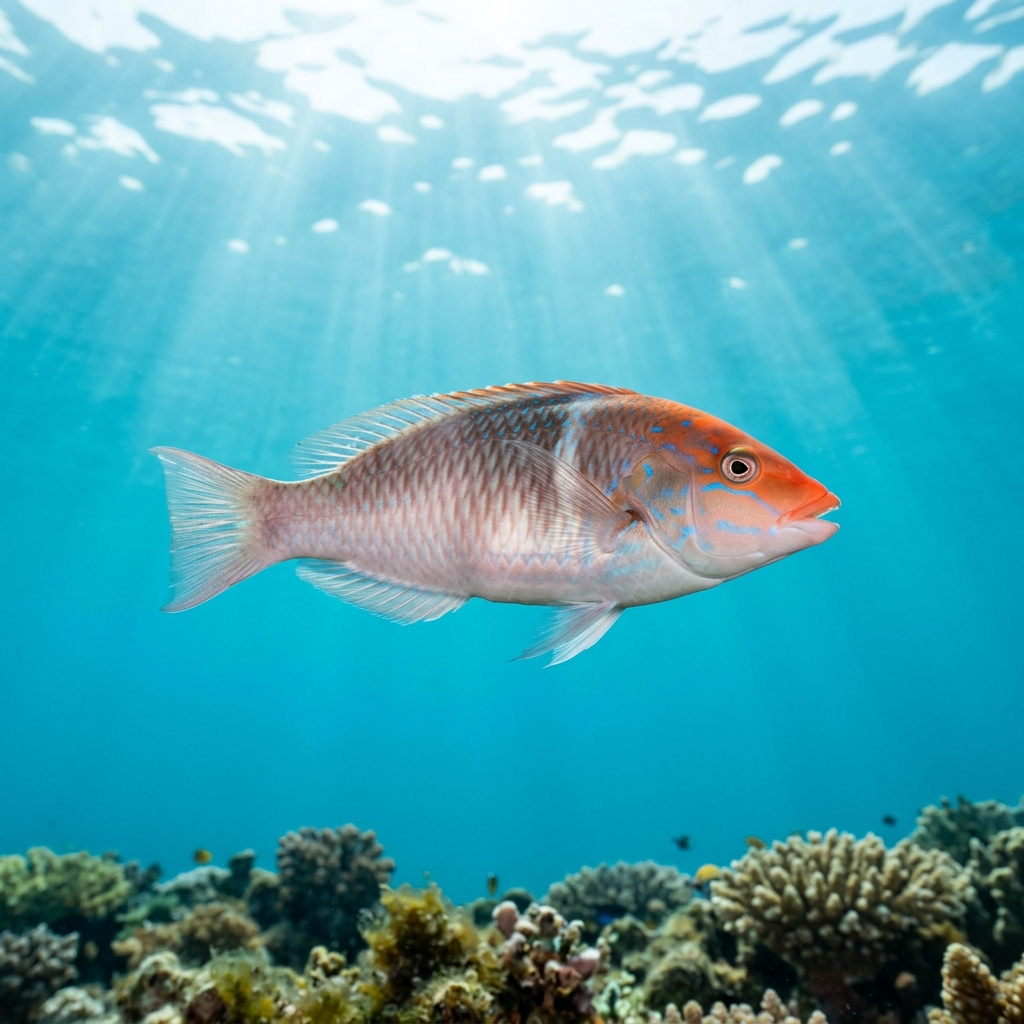
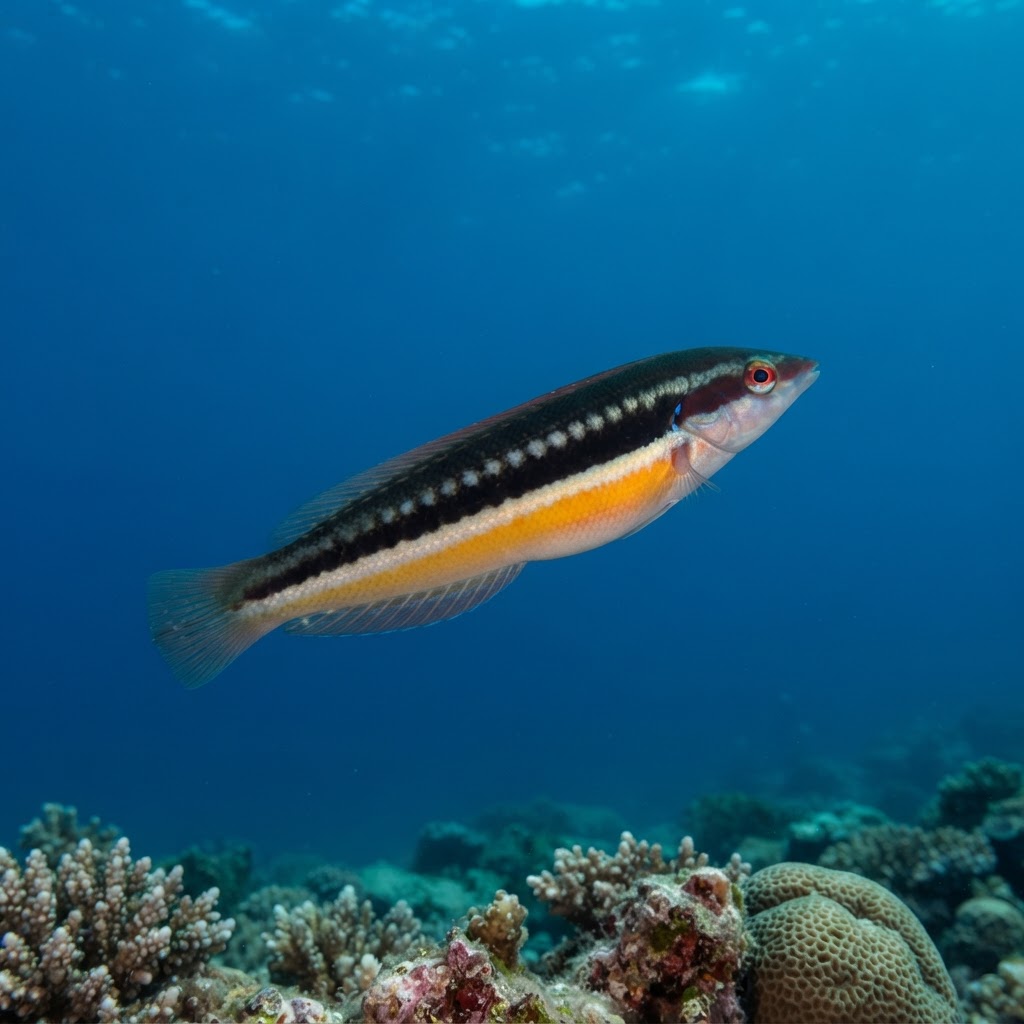
Look for an elongated, torpedo-shaped wrasse around 24 cm, coloured olive-green to brownish with faint pale streaking along the flanks. It swims with a steady, unhurried undulation close to rock and weed cover rather than darting like smaller wrasses. There is no strong sex-based colour split reported, so most individuals you see will look broadly similar regardless of sex.
Divers most often find it cruising slowly over shallow rocky reef and weedy ground between 1 and 15 metres, grazing along the substrate rather than schooling in open water. It tends to hold its distance from divers without fleeing outright, making it an easy but not always obvious spot among kelp and algae cover. Most logs describe it as uncommon rather than abundant, so a sighting on any given dive is a nice bonus rather than a guarantee.
As a labrid grazer on algae-rich temperate reef, it fits an ecological niche closer to browsing than the more predatory feeding style typical of many reef wrasses.
Sightings show no detectable seasonal pattern, so treat it as a year-round resident on the reefs where it occurs. Its recorded temperature range of 14.7 to 22.0 C spans the cooler temperate conditions typical of southern Australian waters across most of the year.
Reef neighbours a diver could mistake it for. Use the identification notes above to tell them apart.
This is an Australia-only fish in the logged data, and a reliable sighting across New South Wales, which holds the bulk of records, followed by Western Australia, then Victoria and South Australia. Sites around New South Wales are your best bet for a confident encounter, with Western Australian temperate reefs a solid second option.
Mapping where Herring Cale is logged…
It is logged almost exclusively in Australia, with New South Wales holding the most records, followed by Western Australia, Victoria and South Australia. New South Wales reefs give you the best odds of a sighting.
There is no clear season in the sighting data, so it is considered a year-round fish on the temperate reefs it inhabits. Its recorded water temperature range of 14.7 to 22.0 C covers most of the year in southern Australian waters.
It is an olive-green to brownish wrasse around 24 cm long with a streamlined, elongated body and faint pale streaking along the sides. Look for its slow, steady swimming style over shallow rocky or weedy reef rather than fast darting movement.
They typically reach about 24 cm in length, a modest size that keeps them easy to overlook among kelp and reef structure.
Its conservation status is listed as not evaluated, meaning there is no formal assessment of population trends. There is currently no specific conservation concern flagged for divers to watch for.
Site and sighting data is aggregated from diver logs, iNaturalist and GBIF. For taxonomy and conservation status:
Bird Wrasses
3,632 sites