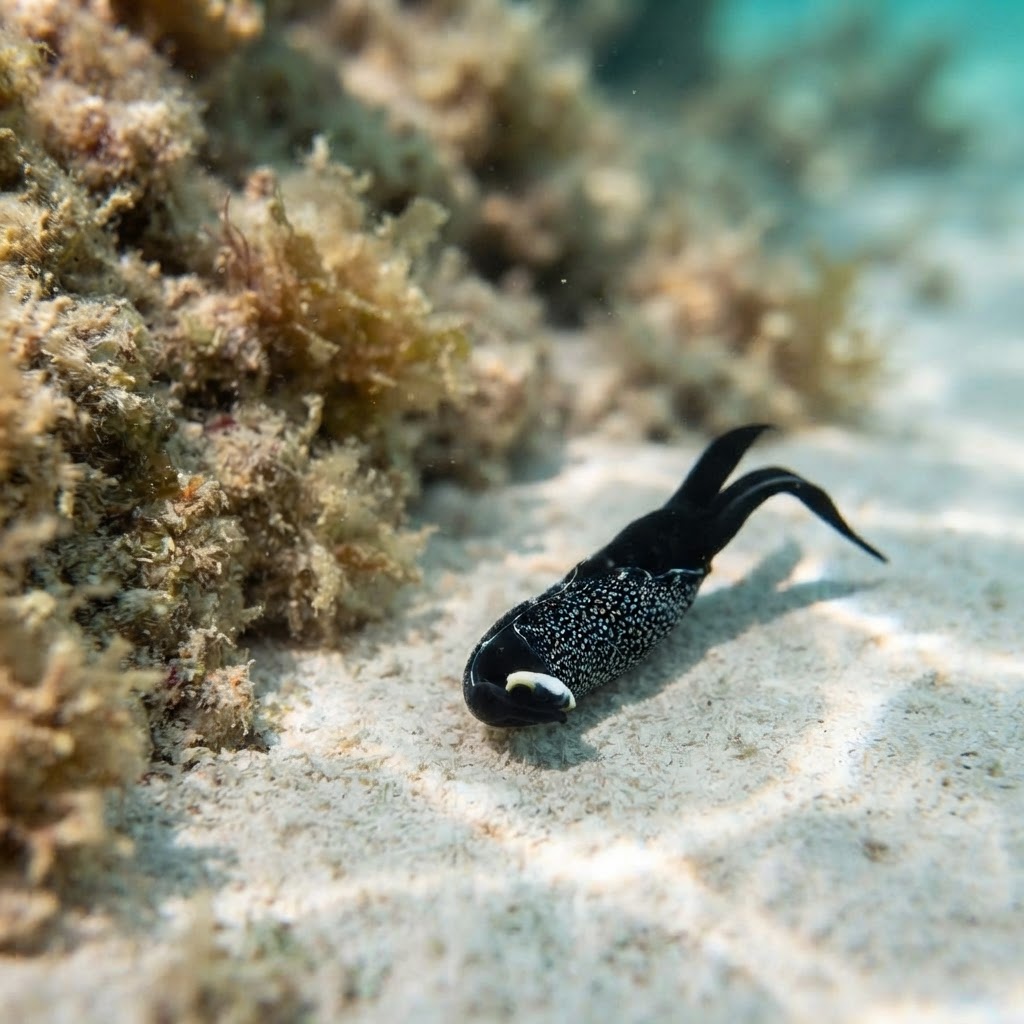
Mariaglaja inornata
A small, easily-missed sand slug most often logged on dives in New South Wales, Australia, in water from 19.6 to 29.6°C.
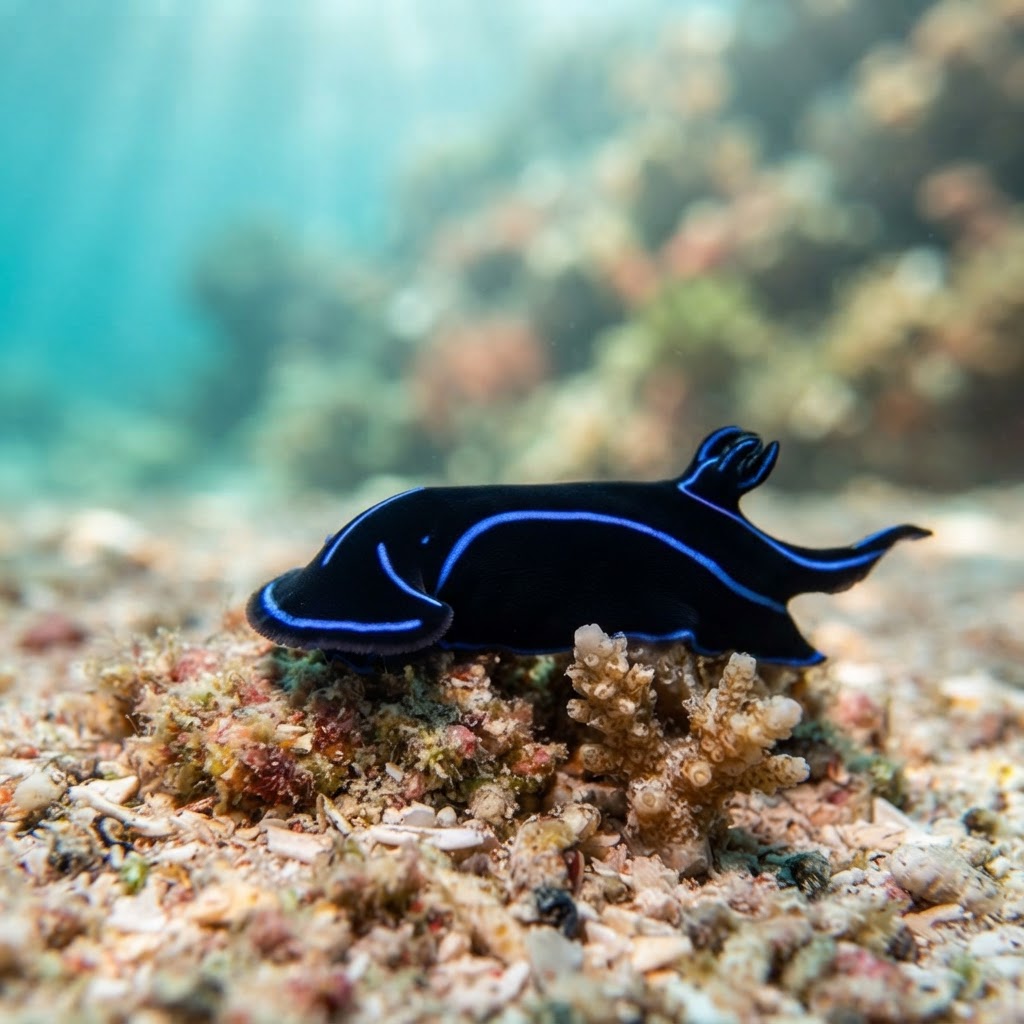
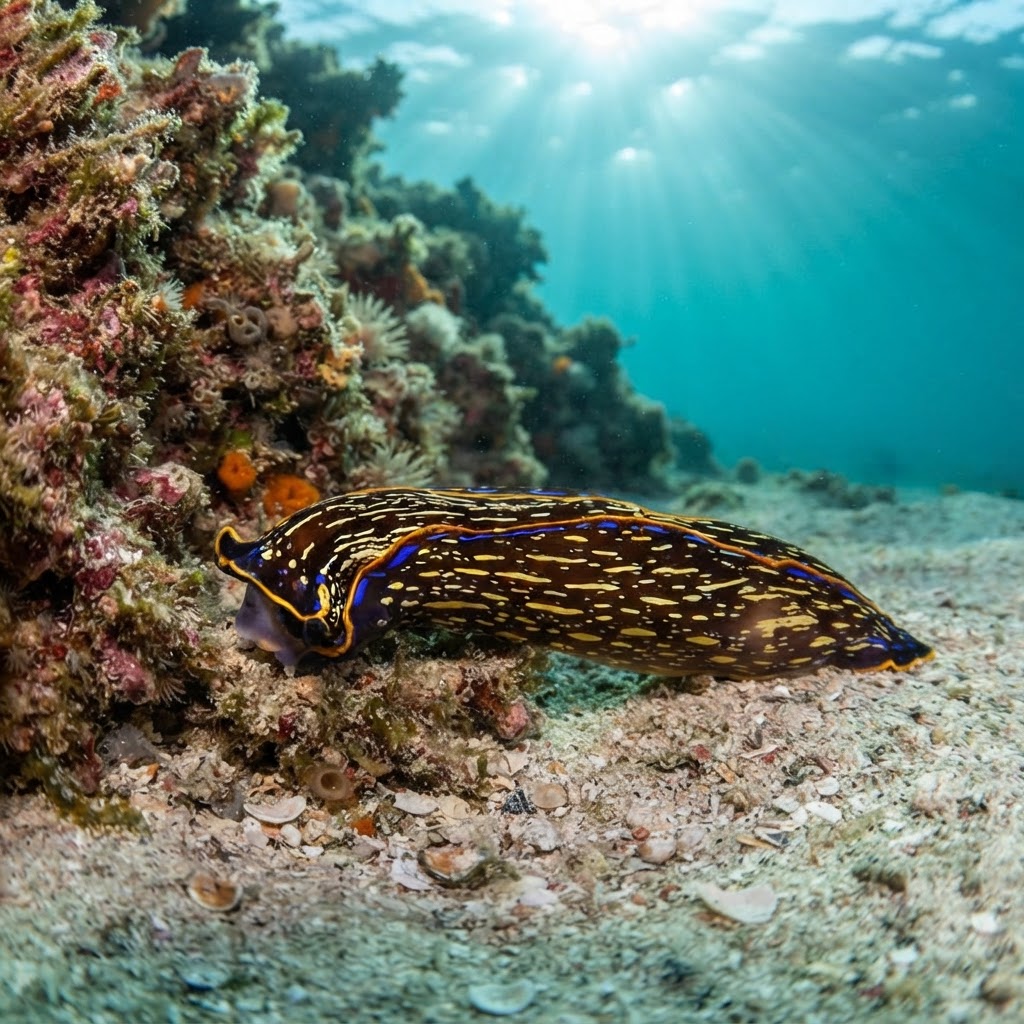
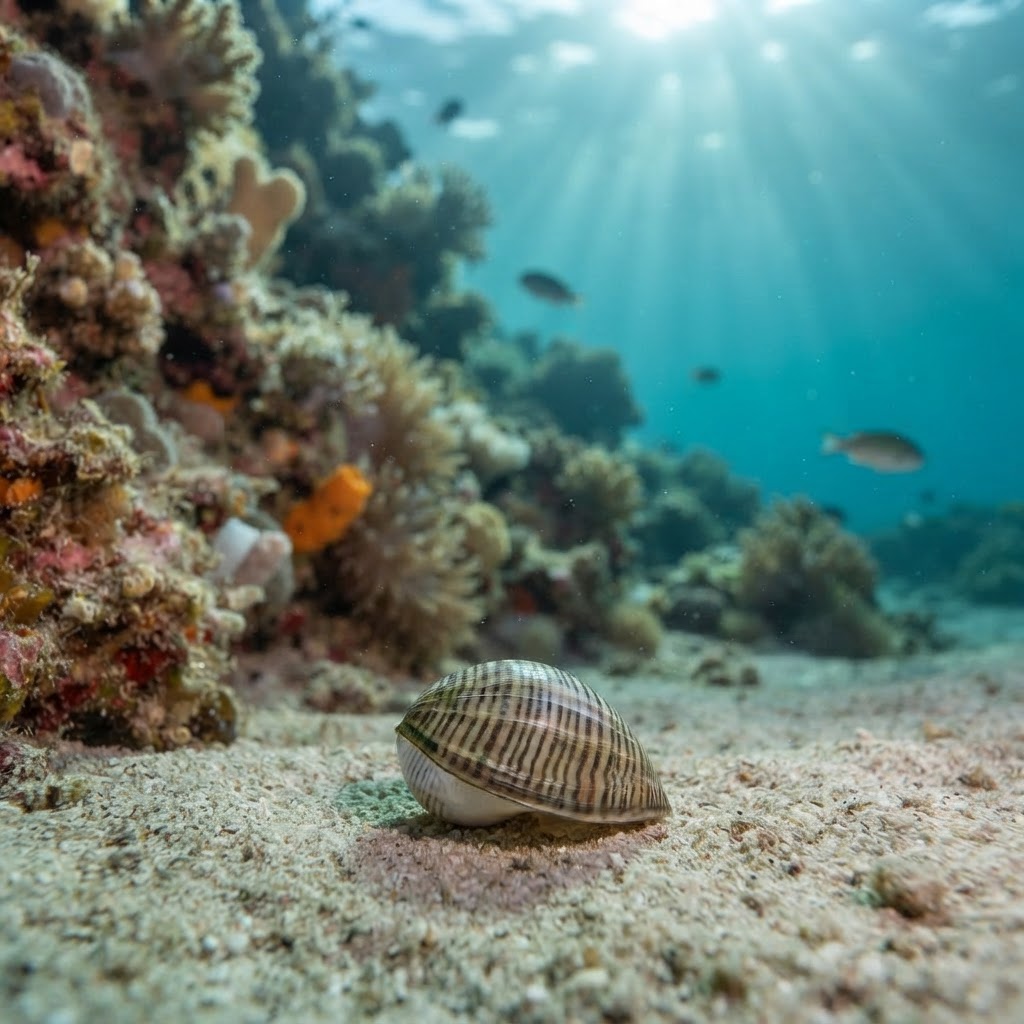
A small, smooth-bodied slug around 3 cm long, with a rounded, shield-like head that gives the whole family its name rather than the usual coiled shell of a snail. Colouring is muted and mottled, blending into sand and rubble, so it reads underwater as a low, glossy lump rather than anything boldly patterned. Look for the flattened, tucked-in head shield and the way the body seems to glide rather than crawl, no obvious tentacles or rhinophores standing up like you'd see on a nudibranch.
Divers mostly find it moving slowly over sand, rubble or low reef structure rather than out in the open water column, often during the day if you know where to look. It is not skittish and will simply keep gliding along at its own pace when a diver approaches, giving you time for a close look or a photo. Given its small size and camouflage colouring, most sightings come from divers specifically scanning the substrate rather than spotting it by chance.
Like other headshield slugs, it uses that flattened head shield to plough through sand and burrow just under the surface when hunting or hiding, which is why so many sightings are logged as uncommon or rare rather than reliable.
No clear seasonal pattern shows up in the sighting data, so treat it as a year-round find. Its observed temperature range of 19.6 to 29.6°C spans cooler temperate NSW conditions through to warm tropical Pacific reefs, which fits the spread of sites it turns up at.
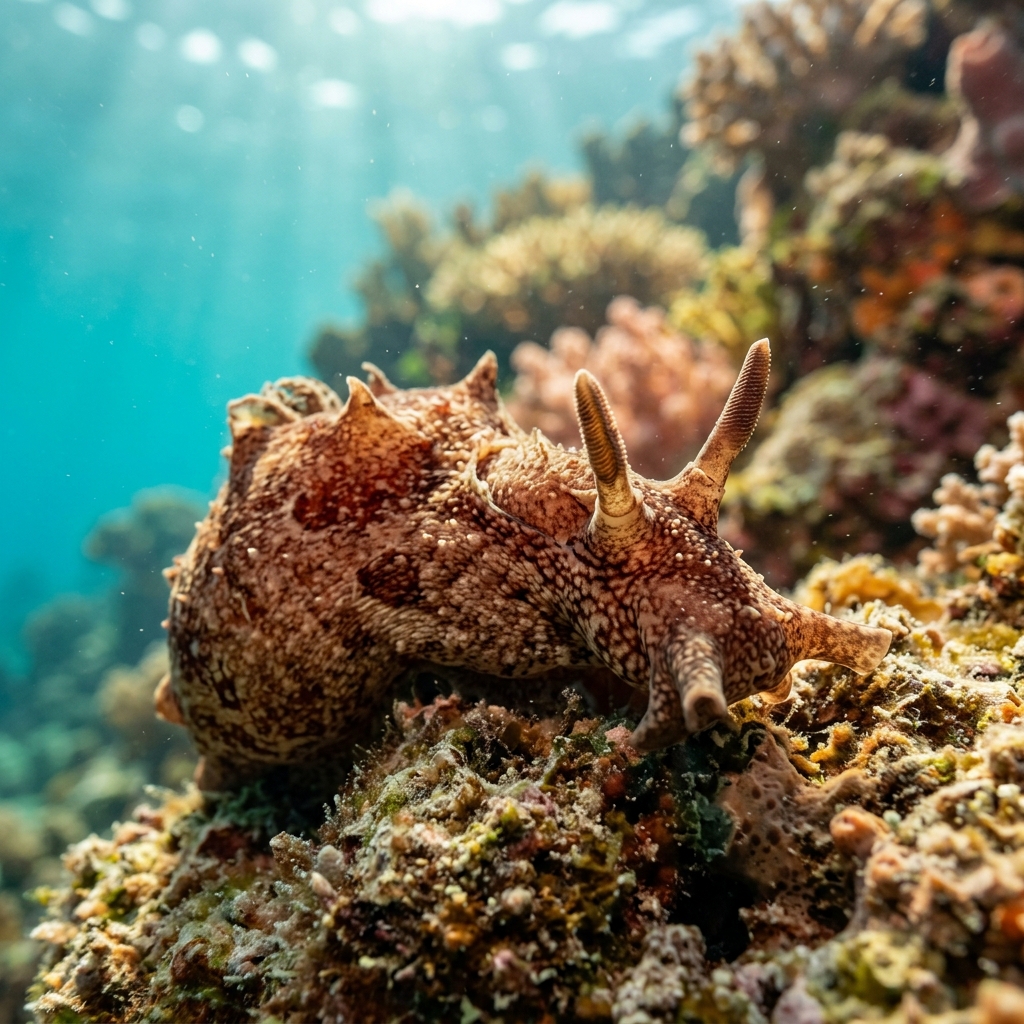
Reef neighbours a diver could mistake it for. Use the identification notes above to tell them apart.
Most consistently logged on dives in New South Wales, Australia, which accounts for the bulk of recorded sightings, with further finds in Queensland, Australia. Outside Australia it turns up around Kwajalein Atoll in the Marshall Islands and has been spotted once off Saipan in the Northern Mariana Islands.
Mapping where Headband Headshield Slug is logged…
New South Wales in Australia has the strongest run of sightings, with additional records from Queensland, Kwajalein Atoll in the Marshall Islands, and Saipan in the Northern Mariana Islands.
There is no detected season in the sighting data, so it is considered a year-round find on dives within its 19.6 to 29.6°C temperature range.
Look for a small, roughly 3 cm slug with a smooth, mottled body and a flattened head shield rather than upright tentacles, usually seen gliding over sand or rubble.
They stay small, typically around 3 cm long, which is one reason they are easy to swim past without noticing.
No, they pose no risk to divers and can be safely observed or photographed at close range without any need for caution.
Its head shield is not just for looks, it doubles as a tool for ploughing through sand, letting the slug burrow just below the surface to hide or hunt.
Site and sighting data is aggregated from diver logs, iNaturalist and GBIF. For taxonomy and conservation status:
Light-spotted Aegires
3,168 sites