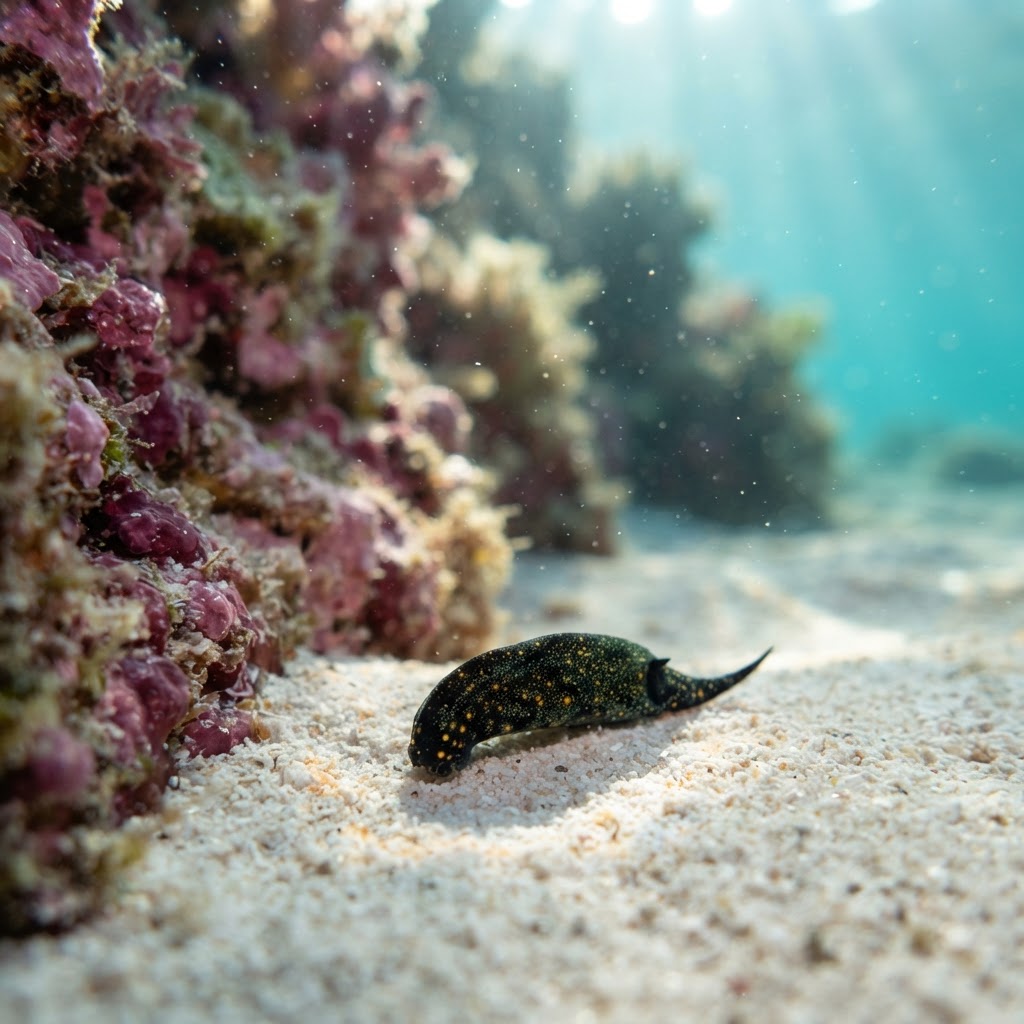
Mariaglaja tsurugensis
A 1cm slug logged mostly along Turkey's Turquoise Coast, in water from 19 to nearly 30C, year-round if you know where to look.
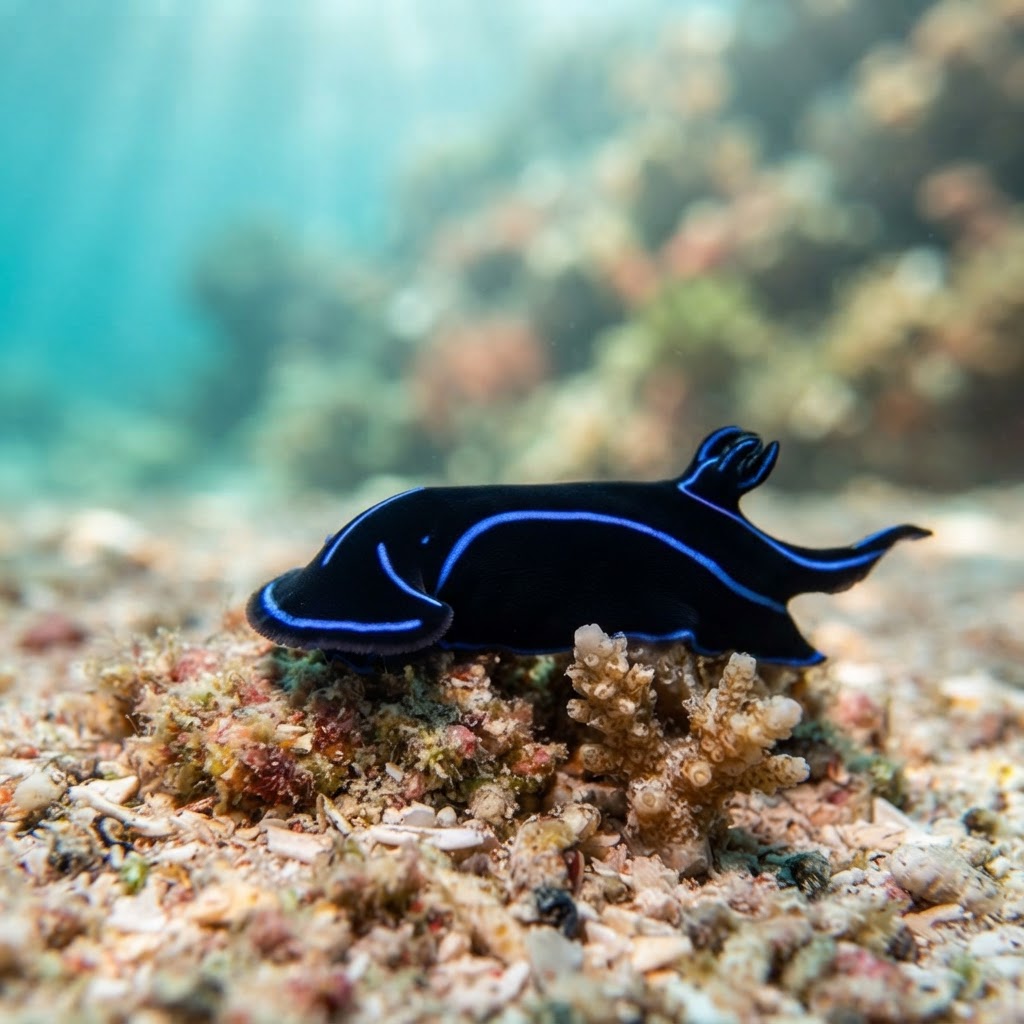
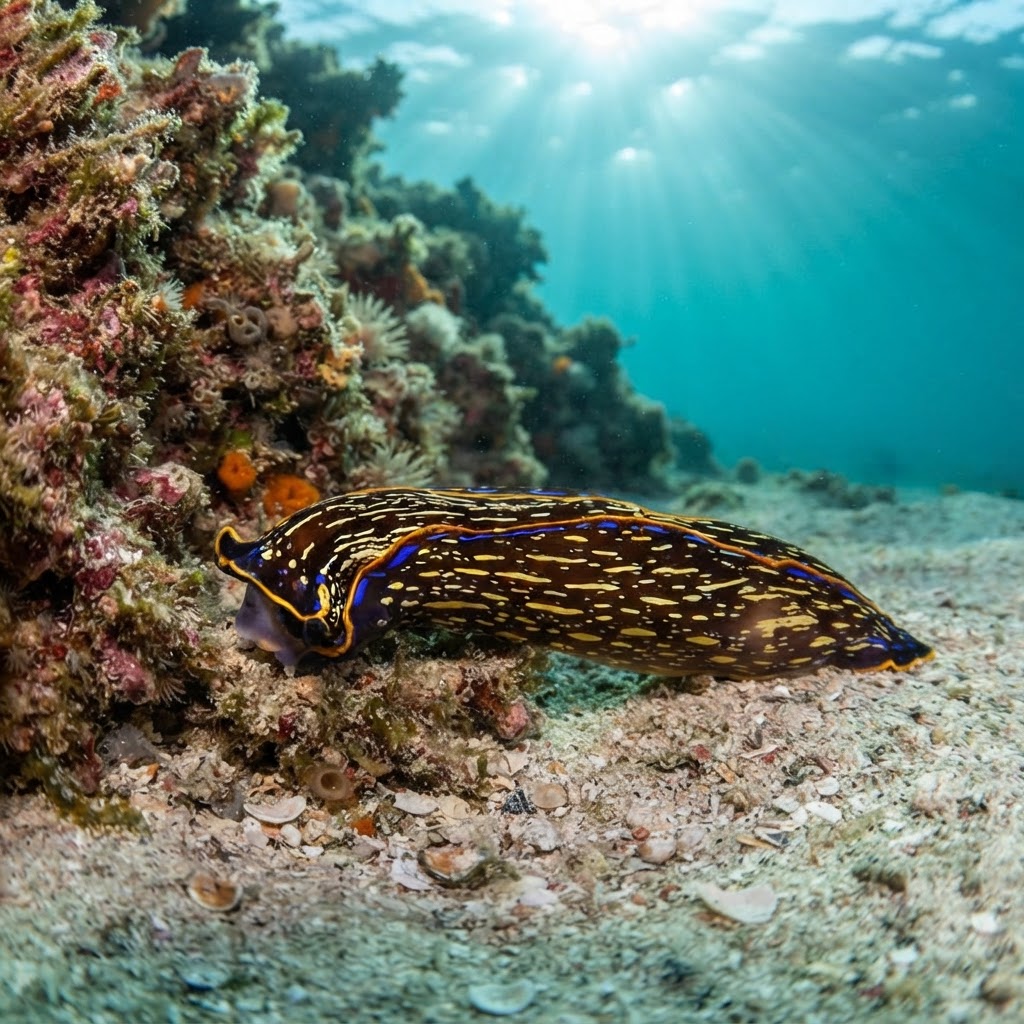
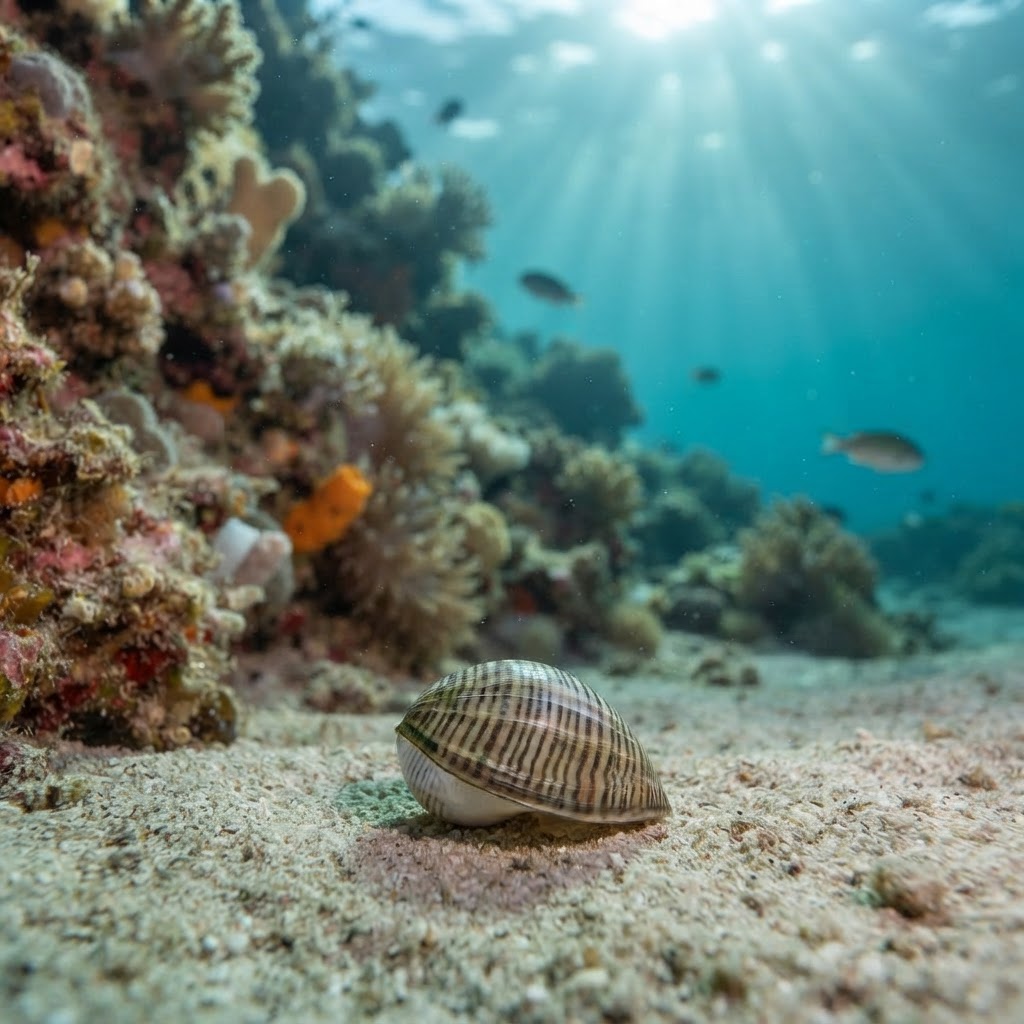
Barely a centimetre long, this slug has a smooth, rounded body with no visible shell and a flattened head shield that gives the family its name, rather than the frilly gills or rhinophores (sensory horns) you'd see on a typical nudibranch. It moves low and slow across sand or fine rubble, usually pale or mottled in tone, and its small size means most divers only spot it once they're already looking closely at the substrate. There's no strong colour pattern to key on here, so size, shape, and habitat are the main giveaways.
Divers find this slug creeping over sand or fine sediment near the reef edge, usually alone and moving at a pace that makes it easy to miss unless you're doing a slow, close-focus scan of the bottom. It shows no reaction to divers beyond continuing on its way, which makes it a good subject for macro photography if you can hold steady and get low. Most logs come from daytime dives rather than night dives, though its small size and muted colouring mean it's probably overlooked more often than it's actually rare.
Like other aglajids, this slug is a headshield slug in the true sense: it lacks an external shell as an adult and instead relies on its smooth, shield-shaped body to plough through sand while hunting other small invertebrates.
Sightings don't show a clear seasonal pattern, and with a comfortable range of roughly 19 to nearly 30C it seems to tolerate a wide temperature spread, so treat it as a year-round find rather than something tied to a particular month.
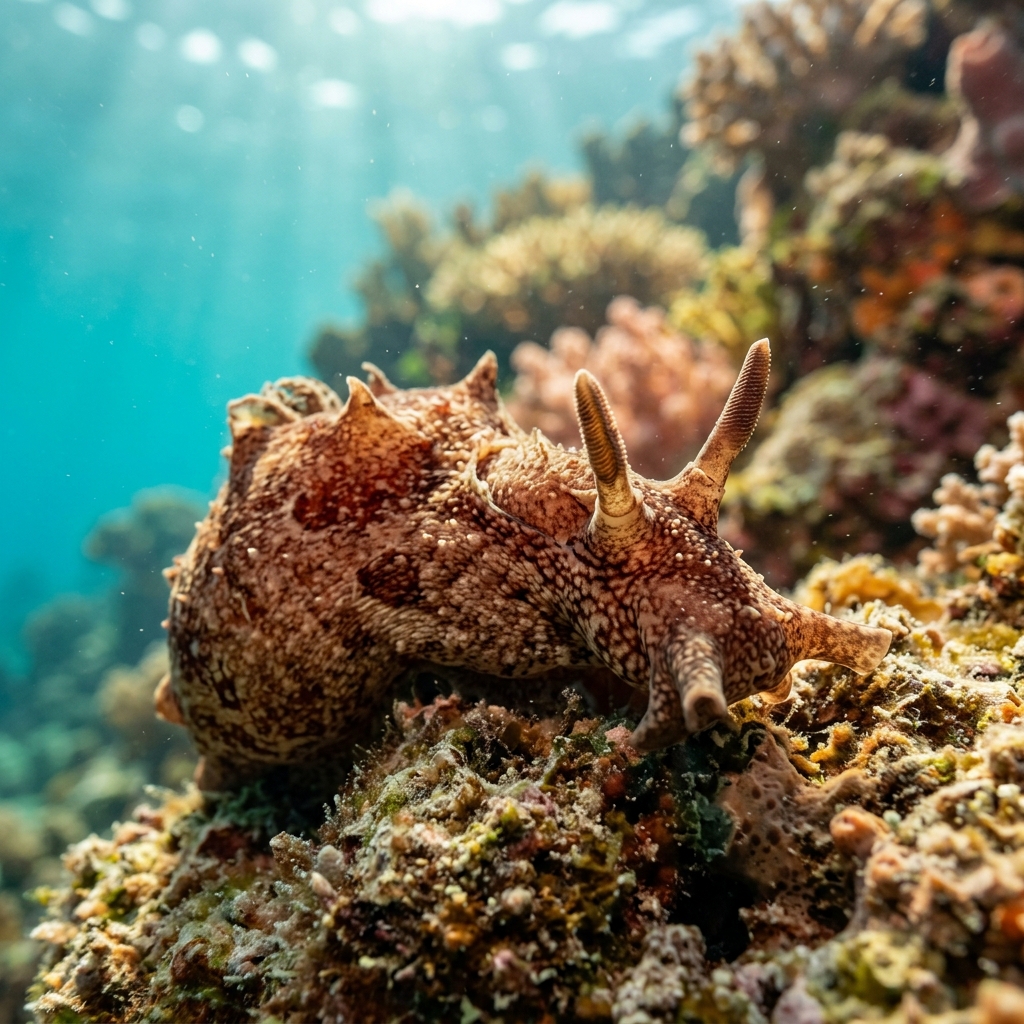
Reef neighbours a diver could mistake it for. Use the identification notes above to tell them apart.
This one is most reliably logged along Turkey's Turquoise Coast, which accounts for the large majority of recorded sightings, making it the strongest bet by far for a planned search. Smaller numbers turn up in Greece's Dodecanese, and it's also been recorded in New South Wales and Queensland in Australia and at Kwajalein Atoll in the Marshall Islands, so it isn't confined to the Mediterranean.
Mapping where Tsuruga Mariaglaja is logged…
The strongest population by far is along Turkey's Turquoise Coast, with additional sightings in Greece's Dodecanese, New South Wales and Queensland in Australia, and Kwajalein Atoll in the Marshall Islands.
There's no detected season in the sighting data, and its comfortable range of roughly 19 to nearly 30C spans most dive conditions, so it's considered a year-round find wherever it's known to occur.
Around 1 centimetre long, making it one of the smaller slugs divers try to spot, and easy to swim straight past without a close look at the sand.
Look for a tiny, smooth-bodied slug with no external shell and a flattened head shield rather than obvious feathery gills. It's usually pale or mottled and found creeping slowly across sand or fine rubble near reef edges.
It's logged as uncommon at nearly all the dive sites where it's been recorded, so it takes a deliberate close-up search of the sand rather than a lucky glance to find one.
Site and sighting data is aggregated from diver logs, iNaturalist and GBIF. For taxonomy and conservation status:
Light-spotted Aegires
3,168 sites