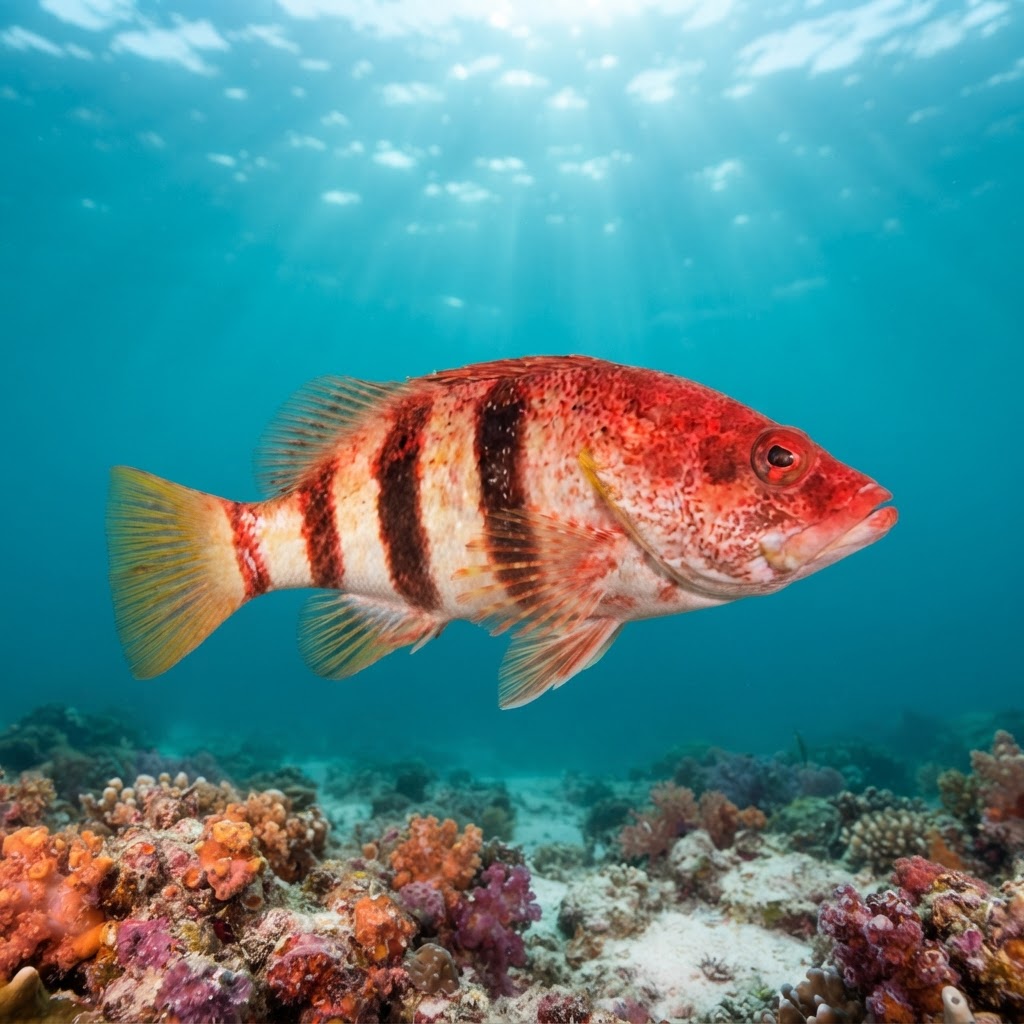
Hypoplectrodes nigroruber
A reef-hugging perch found on temperate rock reefs in New South Wales and Victoria, in 15 to 22 C water, year-round.
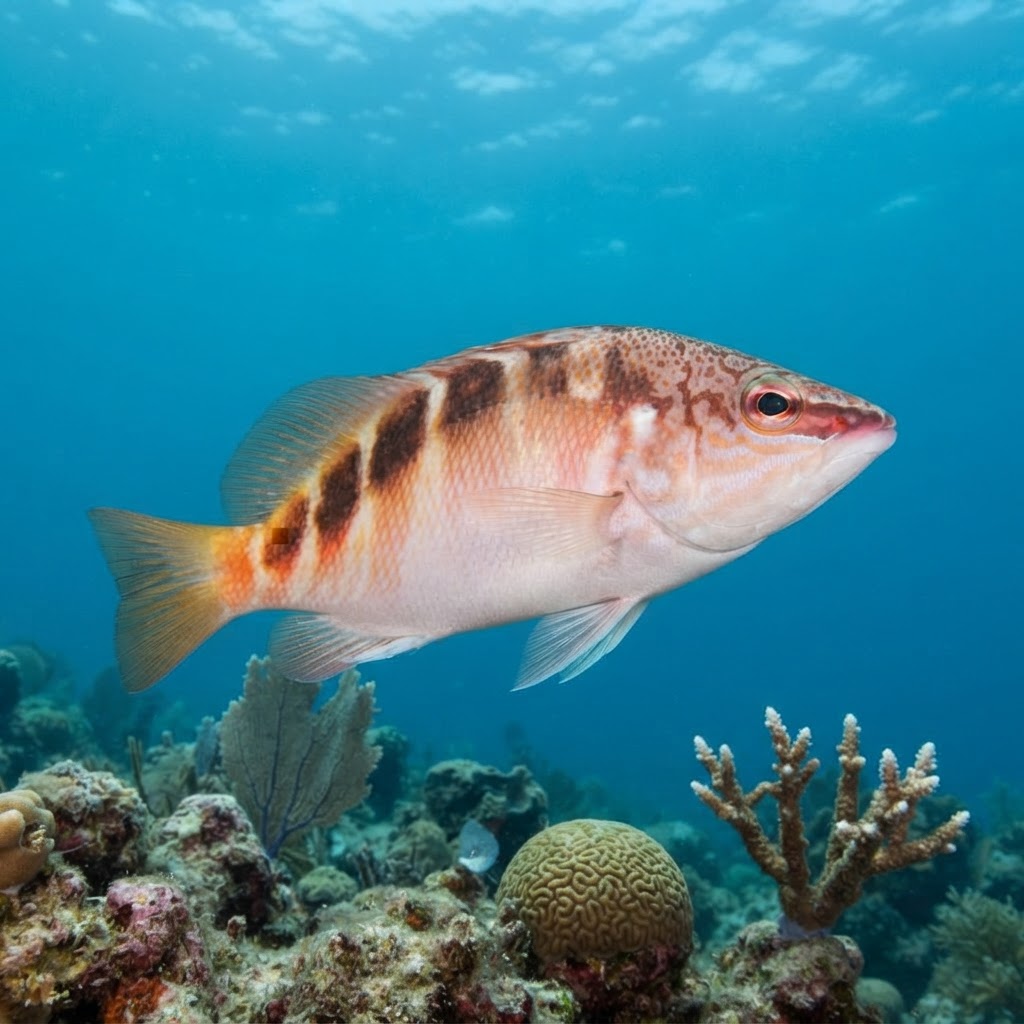
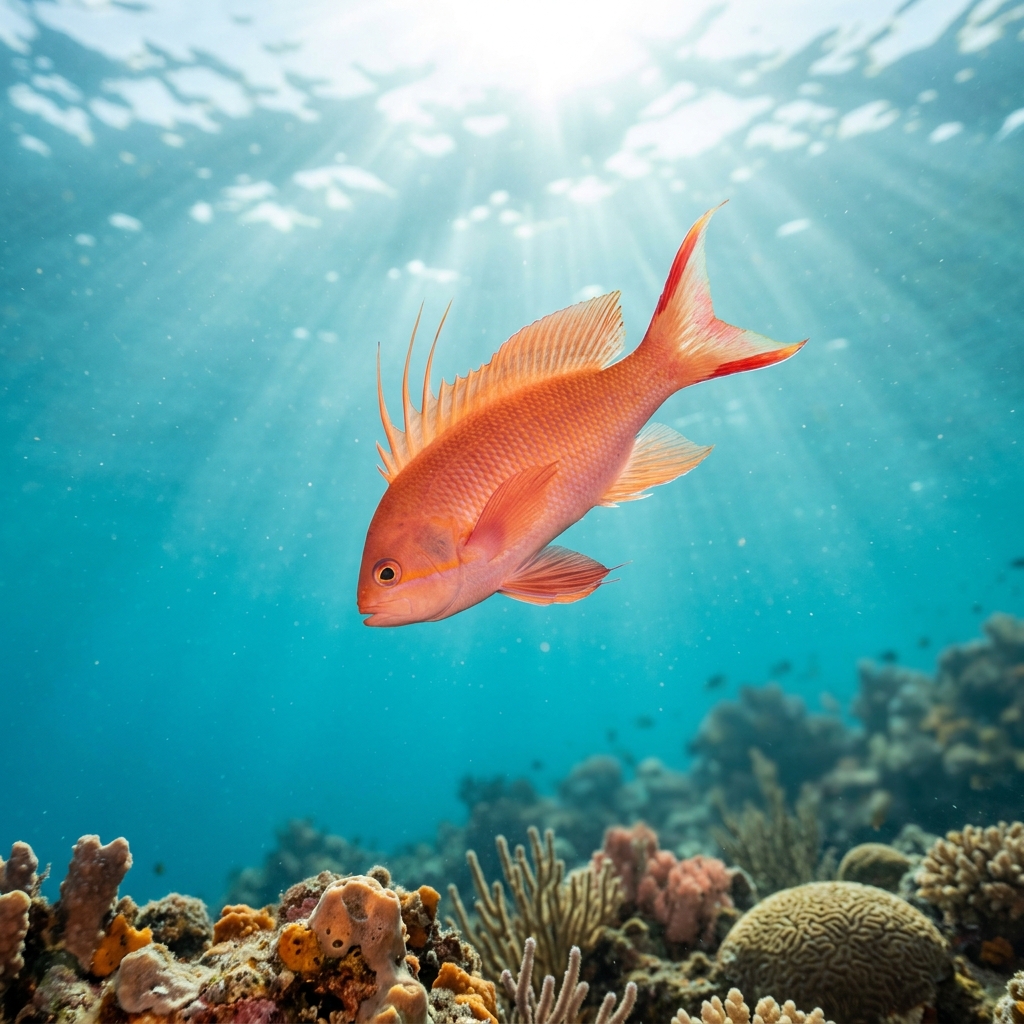
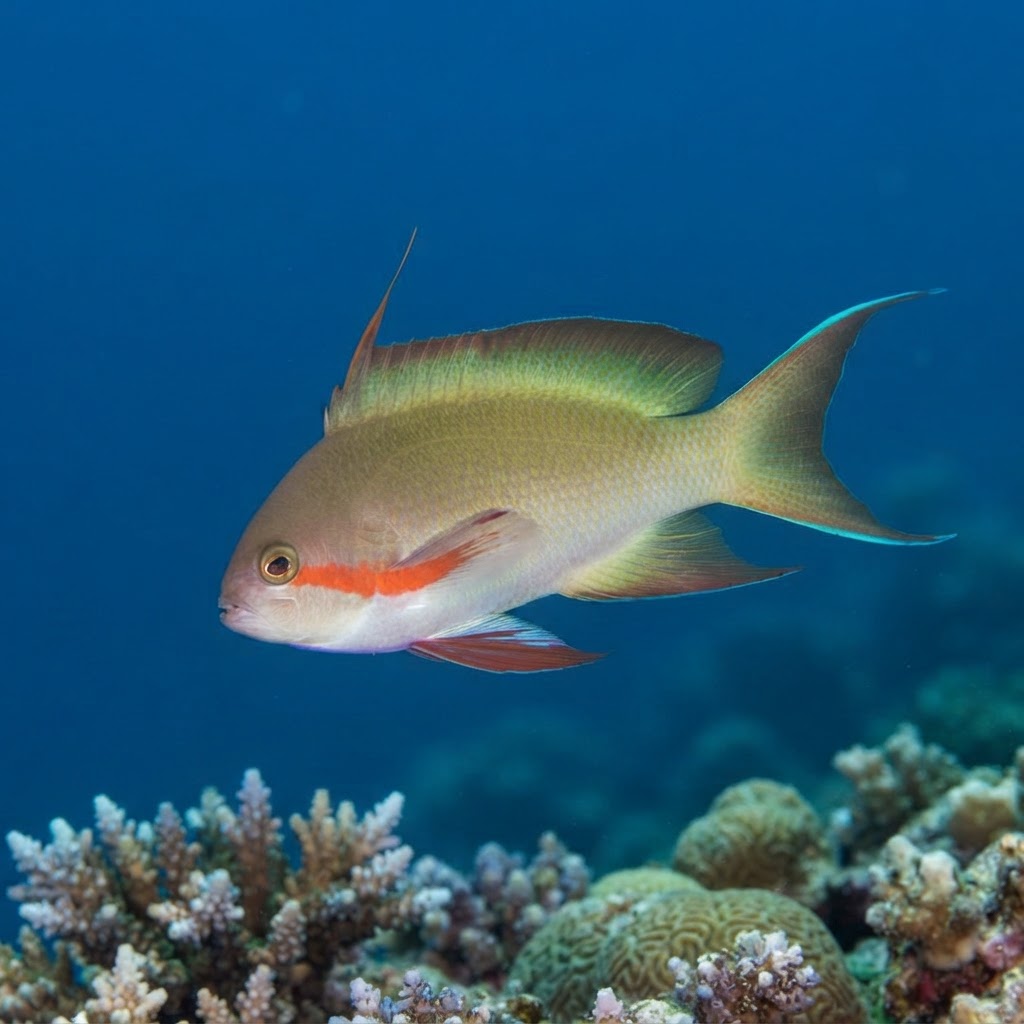
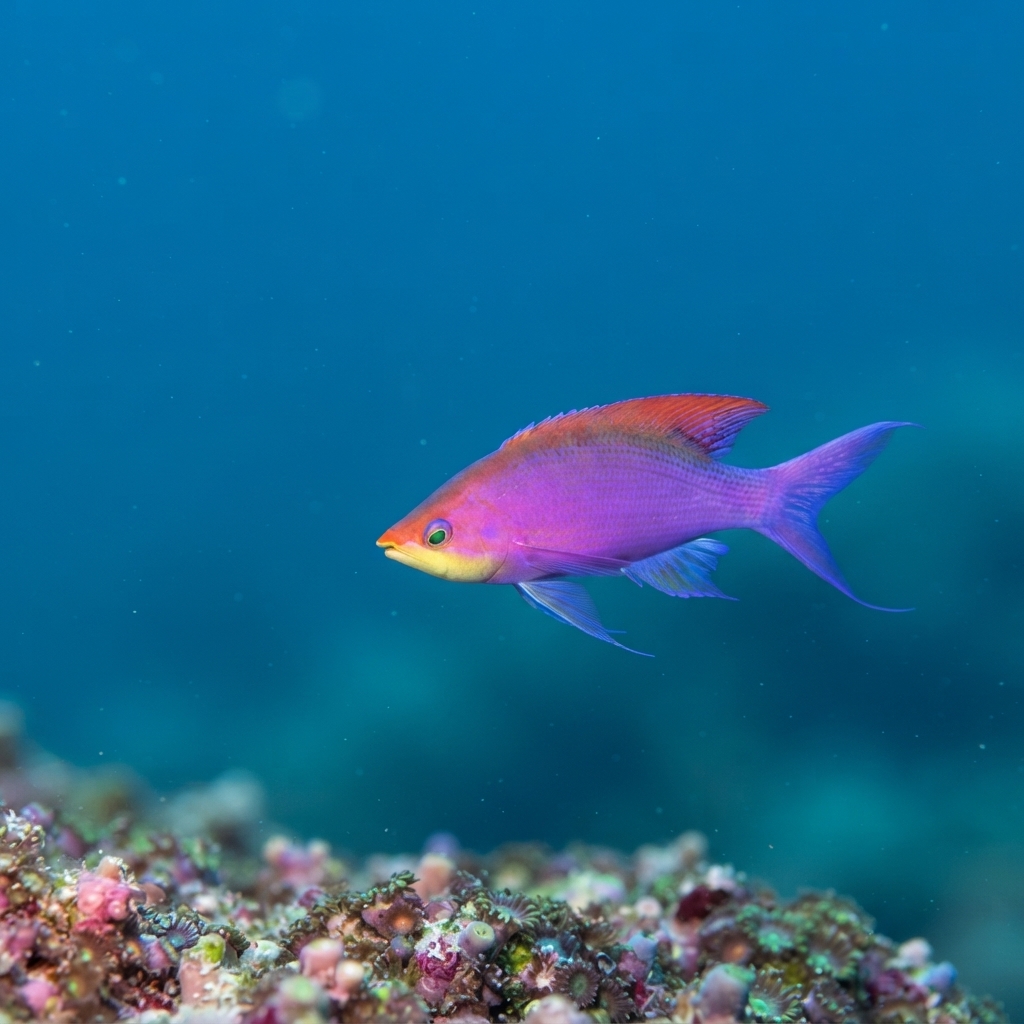
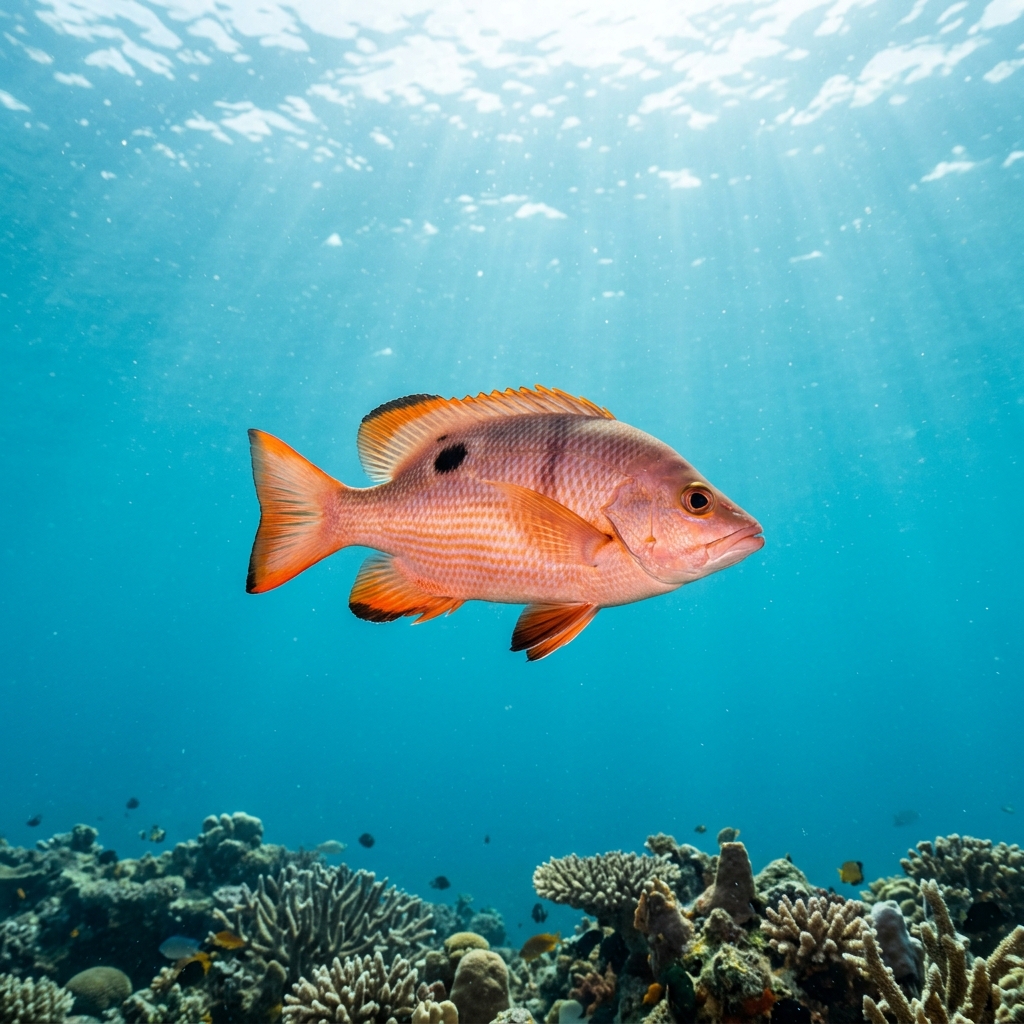
Grows to around 21 cm, with a stocky, perch-like body marked by broad reddish-brown bands running vertically over a paler background. It tends to sit still near the reef structure rather than swim in open water, which makes the banding easier to pick out than on a fast-moving fish. Look for it perched on or close to rock and reef rubble rather than in the water column.
Divers most often find it perched motionless on or near rocky reef structure, using its banding to blend into shadowed ledges and crevices rather than out in open water. It is not a fast or flighty fish and generally holds its position when approached slowly, making it an easy subject once spotted. Most logs describe single fish tucked into reef nooks rather than groups out on open sand.
It belongs to the same broad group as anthias, but unlike its showy tropical relatives it lives a solitary, camouflage-first life on cooler temperate reefs rather than schooling in open water.
Sightings show no detectable seasonal pattern, and the observed temperature range of 15.2 to 22.6 C spans the normal annual swing on southeastern Australian reefs, so it is a fair year-round target rather than a seasonal one.
Reef neighbours a diver could mistake it for. Use the identification notes above to tell them apart.
This is a southeastern and southern Australian species, most reliably logged in New South Wales and Victoria, with smaller numbers of sightings in Western Australia and South Australia. New South Wales holds the strongest run of sites, followed closely by Victoria, so temperate reef dives in either state give the best odds.
Mapping where Banded Seaperch is logged…
It is most consistently logged on temperate reef dives in New South Wales and Victoria, Australia, with fewer records from Western Australia and South Australia.
There is no clear season in the sighting data, and its water-temperature range of 15.2 to 22.6 C covers most of the year on southeastern Australian reefs, so it can be found year-round.
Look for a stocky, perch-shaped fish around 21 cm long with broad reddish bands over a paler body, usually sitting still on rock or reef structure rather than swimming freely.
They reach around 21 cm in length, a modest, reef-hugging size that keeps them tucked close to rock structure rather than out in open water.
No, they are not considered dangerous to divers and simply hold their position on the reef when approached.
Site and sighting data is aggregated from diver logs, iNaturalist and GBIF. For taxonomy and conservation status:
Red-cheeked Anthias
425 sites