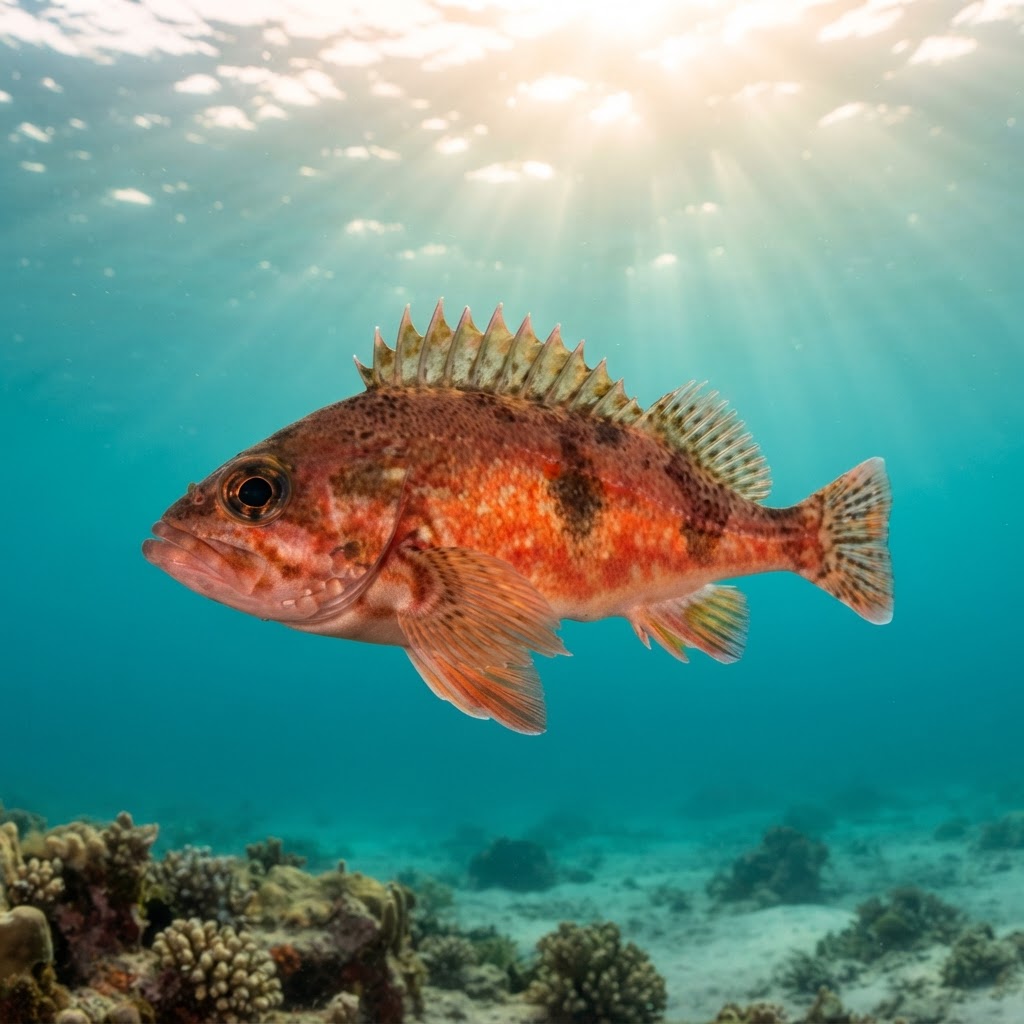
Sebastes semicinctus
An uncommon find in cold California waters (8.4-11.2C): here's how to spot a Halfbanded Rockfish and where divers log it.
Safety warning
Carries venomous spines in its dorsal fin, standard for the scorpionfish family, so a careless hand on the rock it is resting against can result in a painful sting. Keep hands off the substrate near any rockfish and control buoyancy carefully on cold-water rocky reef where visibility can be reduced.
If you're stung
Venomous spinesGeneral first-aid guidance, not a substitute for professional medical care. In an emergency, call your local emergency number.
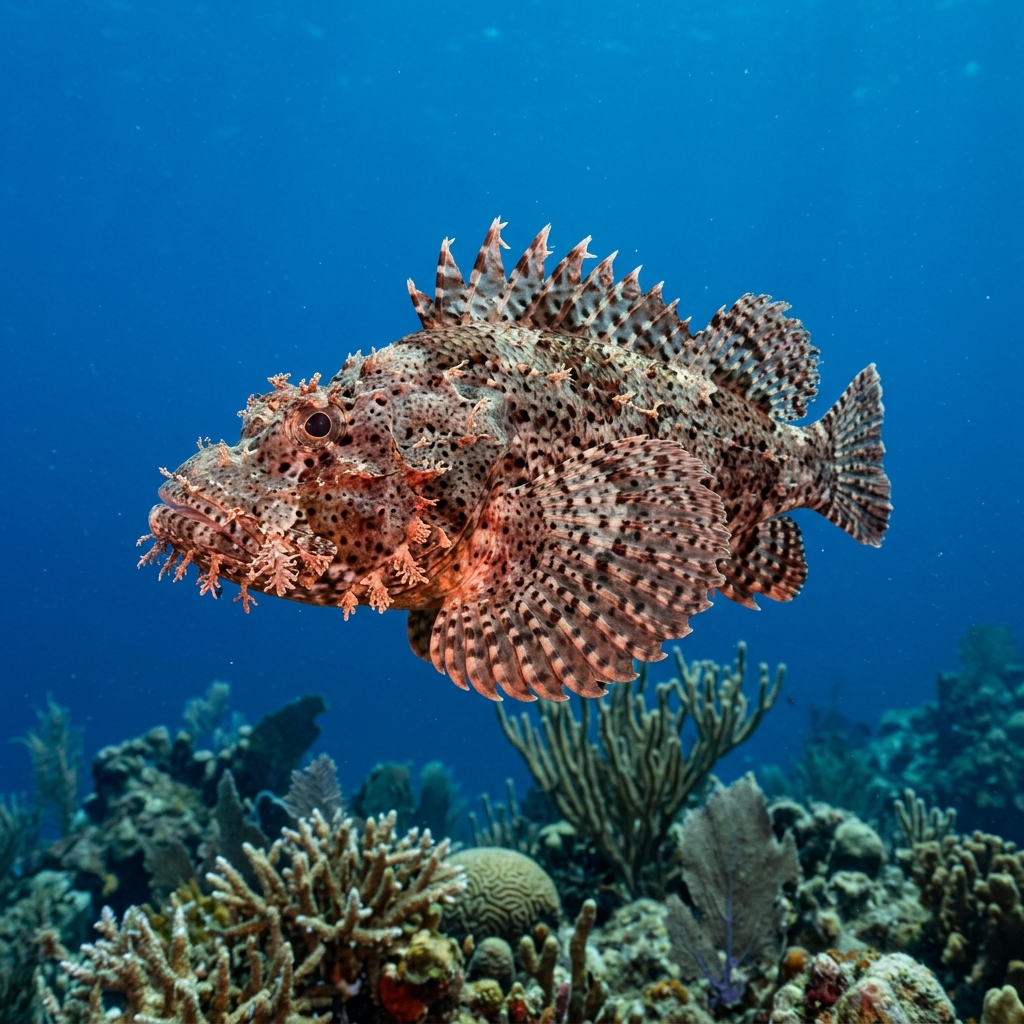
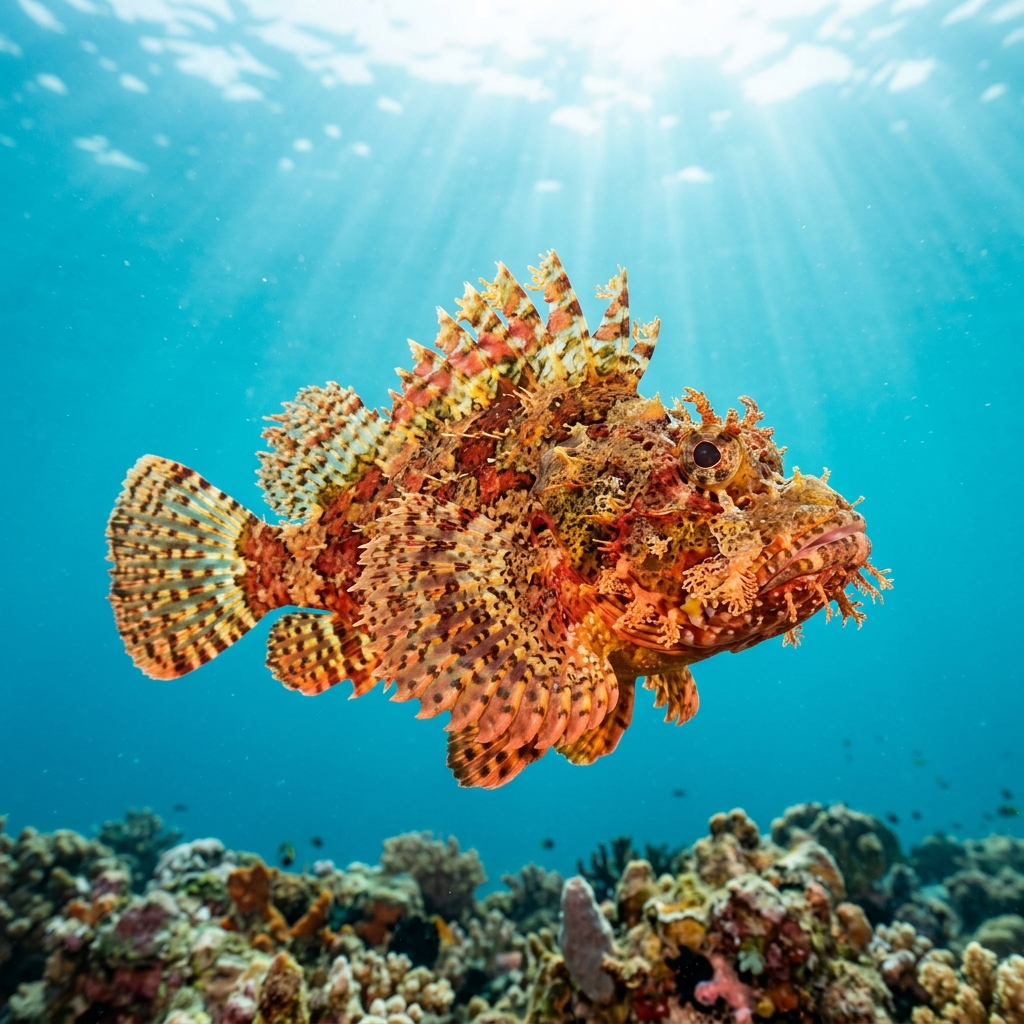
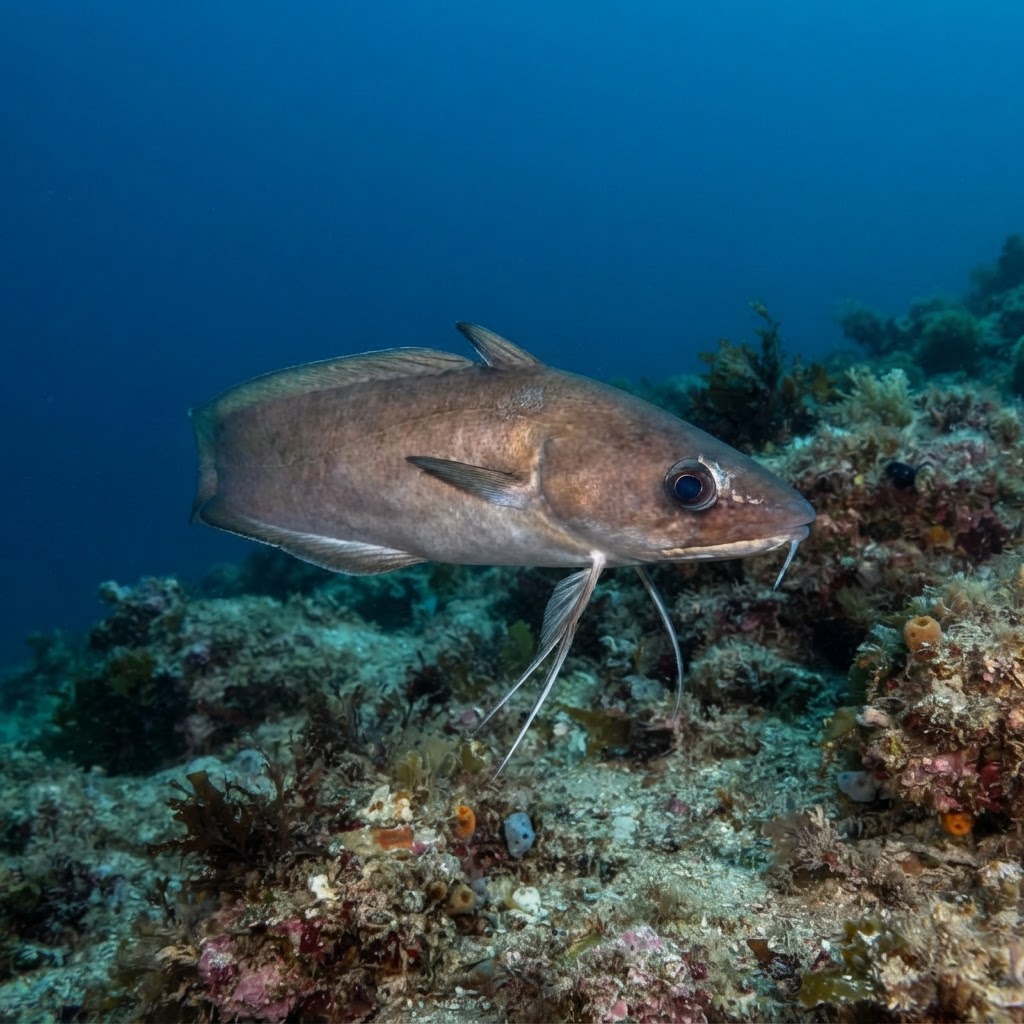
Small, chunky-bodied fish around 18 cm, mottled reddish-brown to pinkish with faint pale bands crossing the upper back that give it the half-banded look. Spiny dorsal fin held high and stiff, typical of the rockfish clan, and eyes set high on a blocky head. It sits low against rock and rubble rather than swimming in open water, which is often the first clue you have found one rather than a similar-looking scorpionfish.
Typically found resting low on rock and rubble bottom, using its mottled colouring to blend into the substrate rather than swimming out in the open. Like most rockfish it is not a fast swimmer and will hold still or make short darting moves to cover when approached, so slow, low approaches give the best look. Divers most often spot it tucked against rock crevices or debris rather than out over open reef.
Rockfish in this genus give birth to live larvae rather than laying eggs, a trait (called ovoviviparity) that is unusual among reef fish and lets them release young-of-the-year directly into the water column.
Sighting records do not show a clear season, so treat it as a year-round possibility on Californian rocky reef whenever water sits in the 8.4 to 11.2 C range it is recorded at. Cold-water divers here typically plan around visibility and swell rather than a fish-specific season.
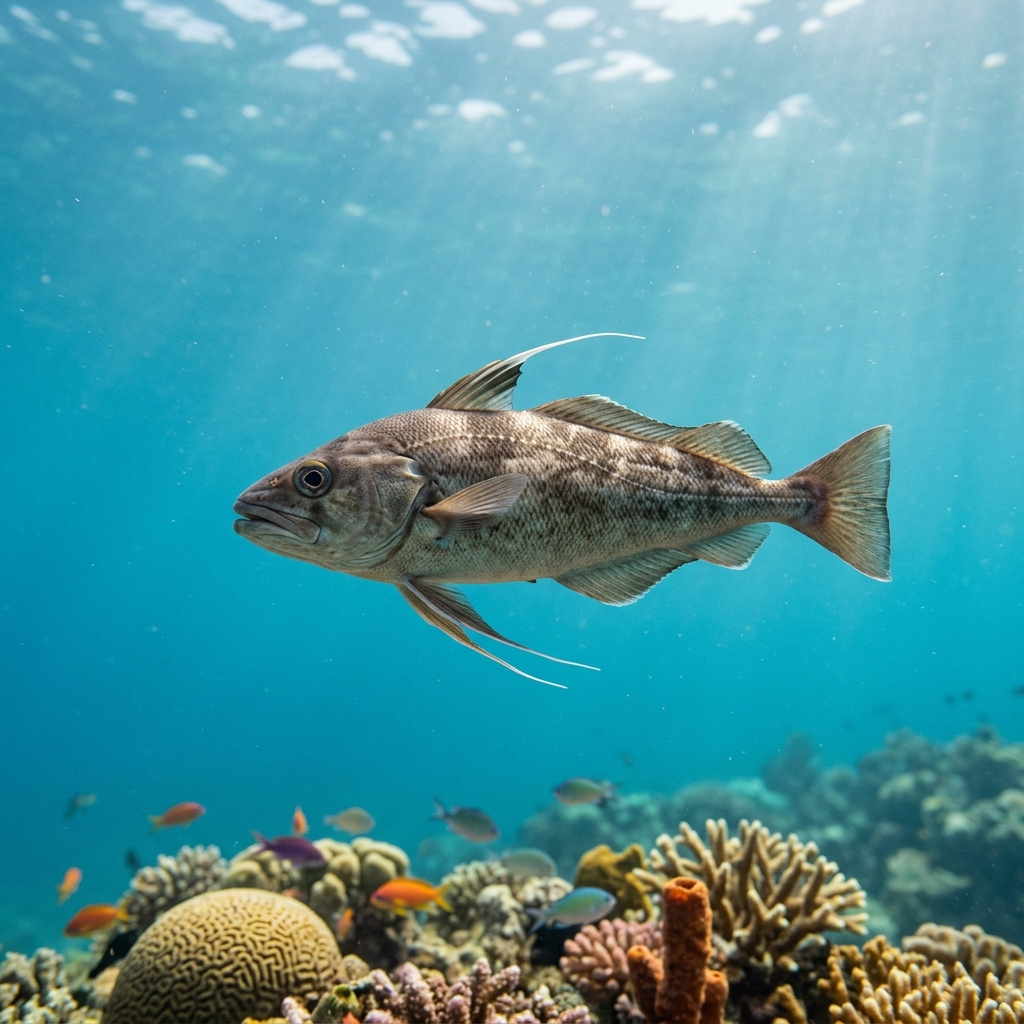
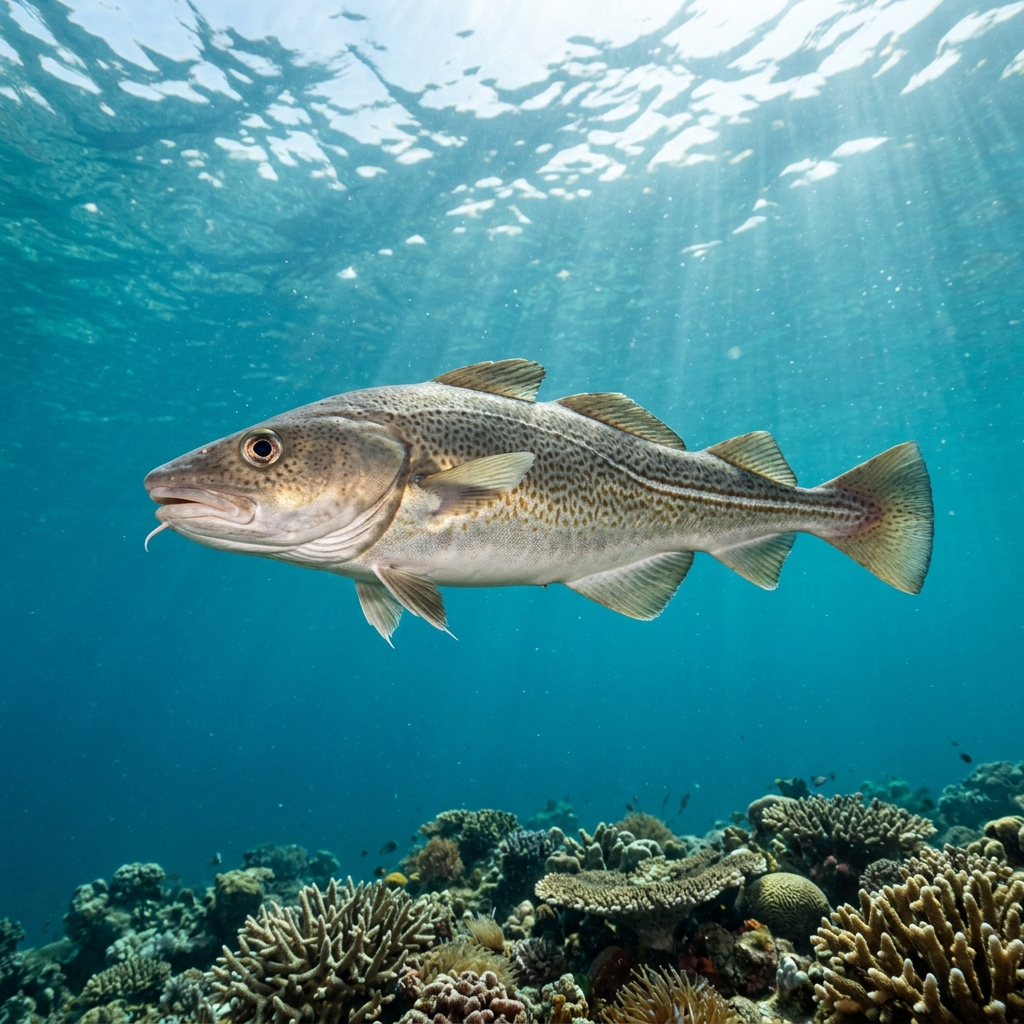
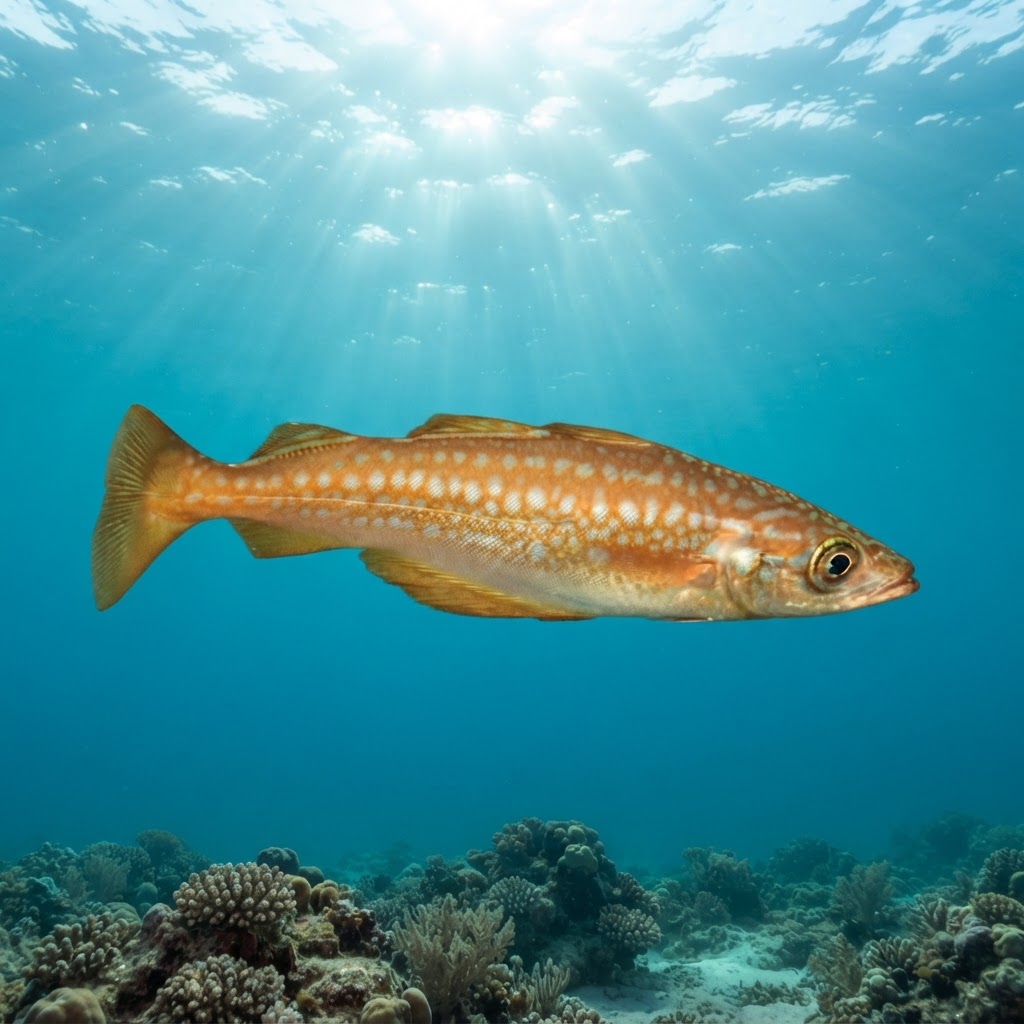
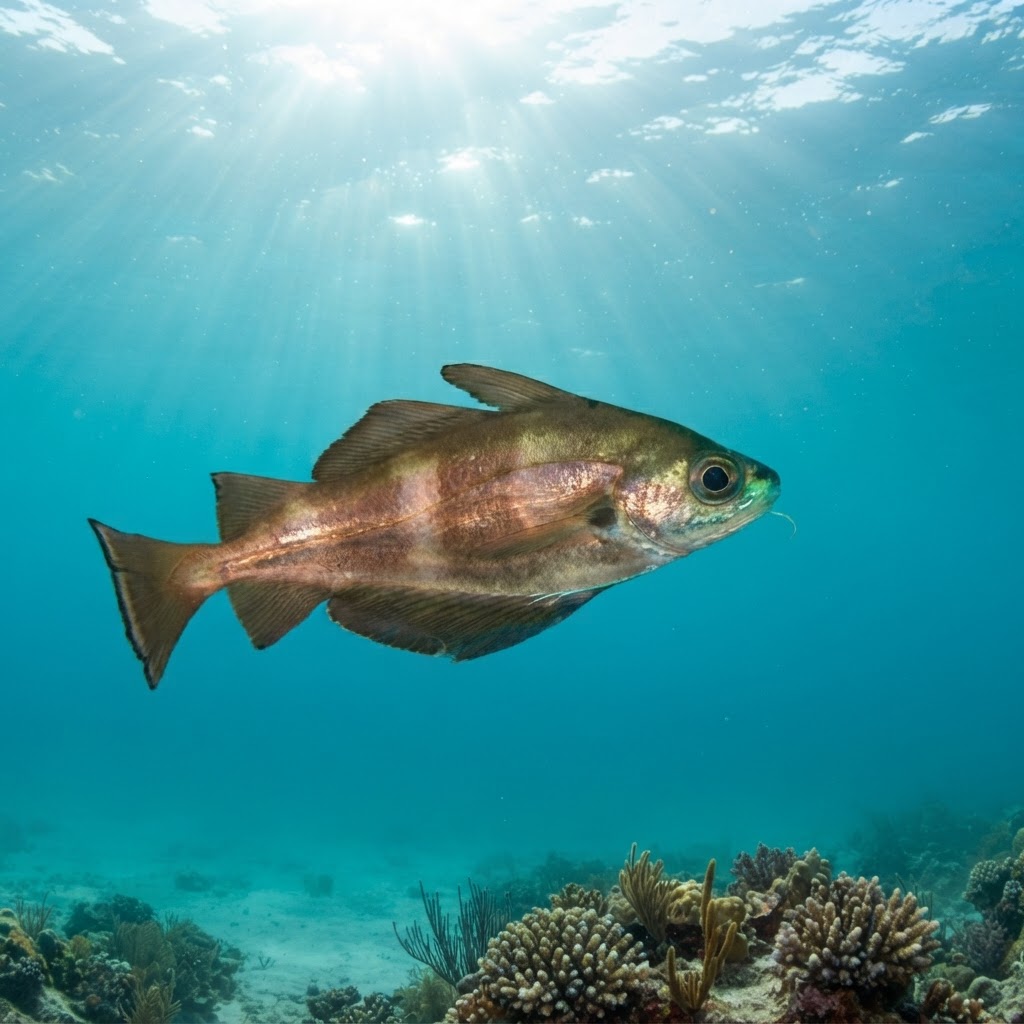
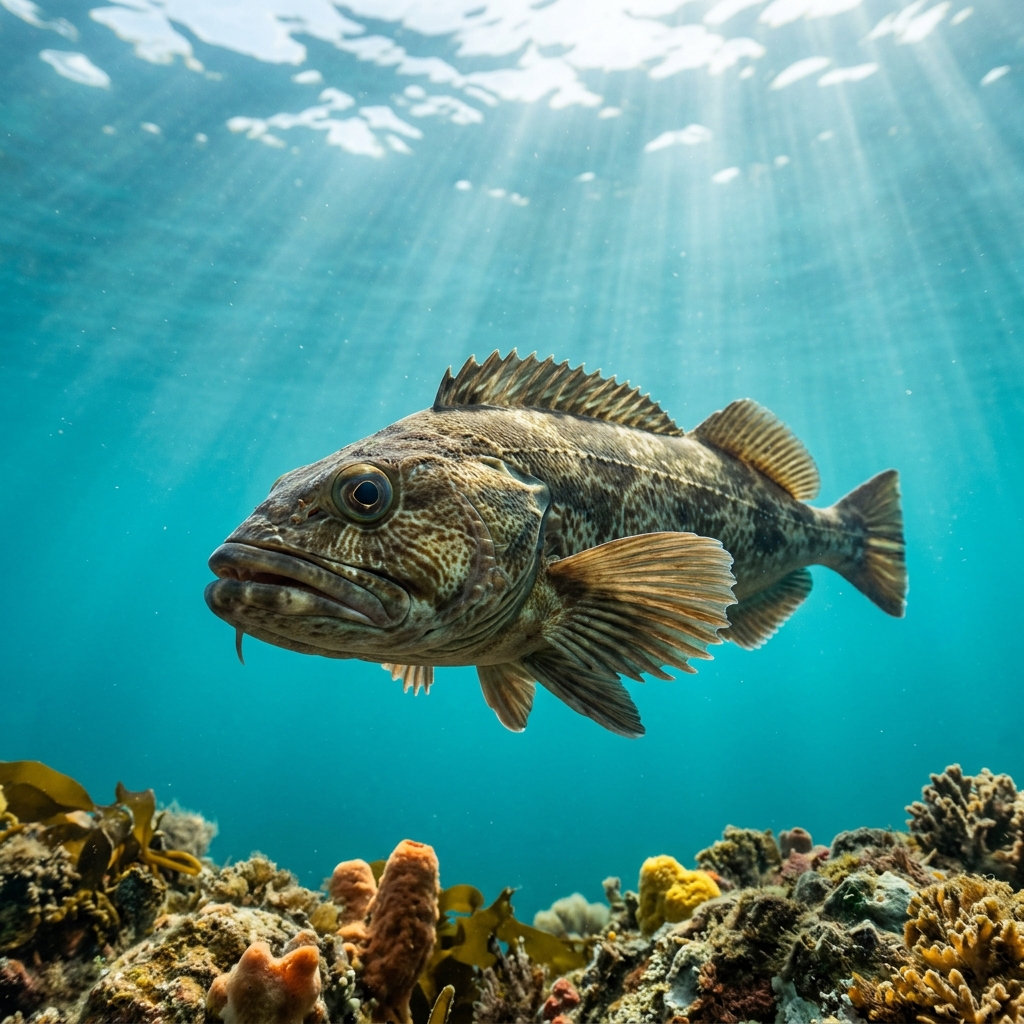
Reef neighbours a diver could mistake it for. Use the identification notes above to tell them apart.
Logged from cold, rocky reef in California, United States, where it turns up as an uncommon sighting rather than a guaranteed one. This is a cold-temperate Pacific species, so it is not a fish to look for on tropical dive trips; California's rocky reef and kelp habitat is the confirmed spot in the data.
Mapping where Halfbanded Rockfish is logged…
The confirmed sighting comes from rocky reef in California, United States. It is a cold-water Pacific species, so look for it on California's temperate rocky reef rather than tropical dive destinations.
There is no detected seasonal pattern in sightings, so it is best treated as a year-round possibility in cold Californian waters running roughly 8.4 to 11.2C.
Yes, it carries venomous dorsal spines typical of the scorpionfish family. It is not aggressive, but a sting can occur if you place a hand on the rock or rubble where it is resting, so keep contact with the substrate to a minimum.
Look for a small, chunky reddish-brown fish around 18 cm with faint pale bands across the upper back and a spiny raised dorsal fin. It sits low against rock rather than swimming in open water, which helps separate it from open-swimming reef fish nearby.
They reach around 18 cm, making them one of the smaller members of the rockfish group divers encounter on Pacific rocky reef.
Like other rockfish, it gives birth to live larvae instead of laying eggs, a reproductive strategy that is unusual among reef-associated fish and helps it colonise cold rocky habitat.
Site and sighting data is aggregated from diver logs, iNaturalist and GBIF. For taxonomy and conservation status:
Pollack
282 sites