Haminoea virescens
A small, translucent bubble shell found on California dives, most reliably logged in cool 14.5 to 20.5 C water year-round.
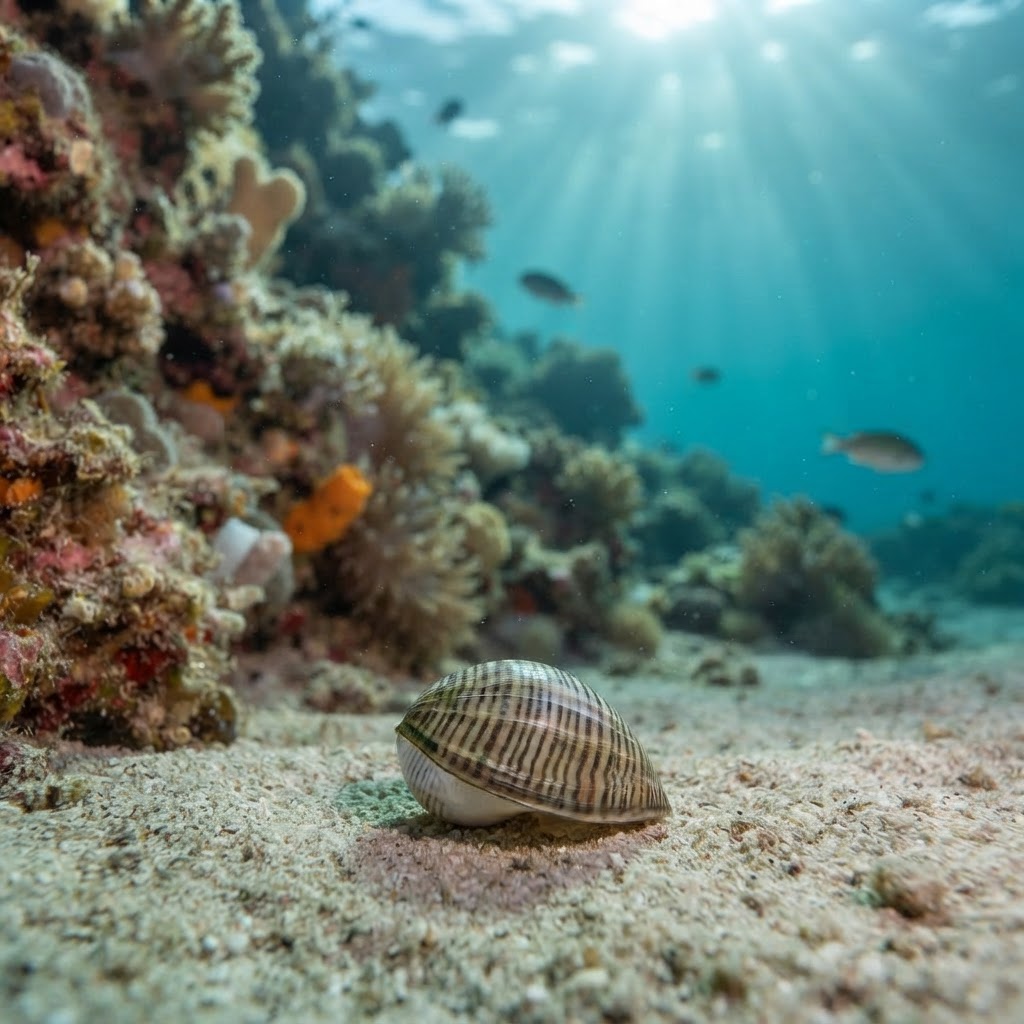
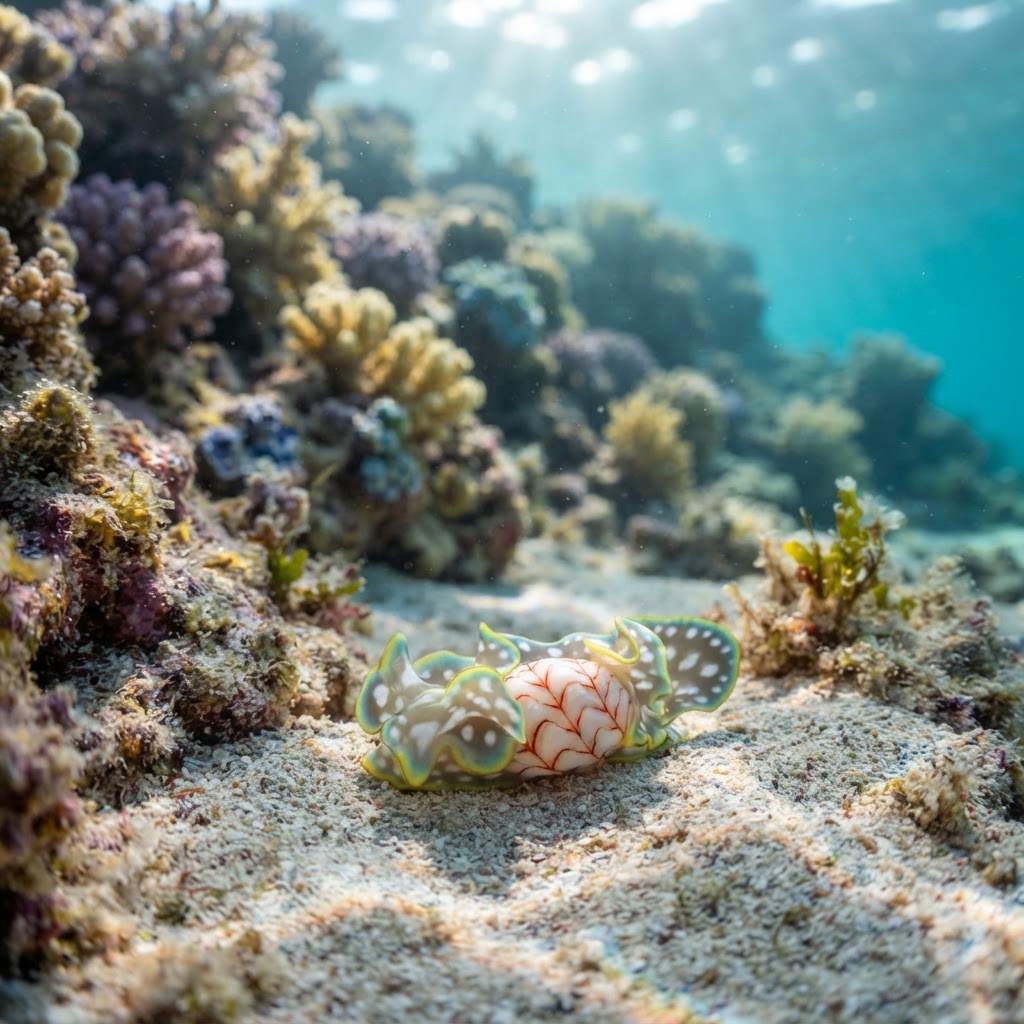
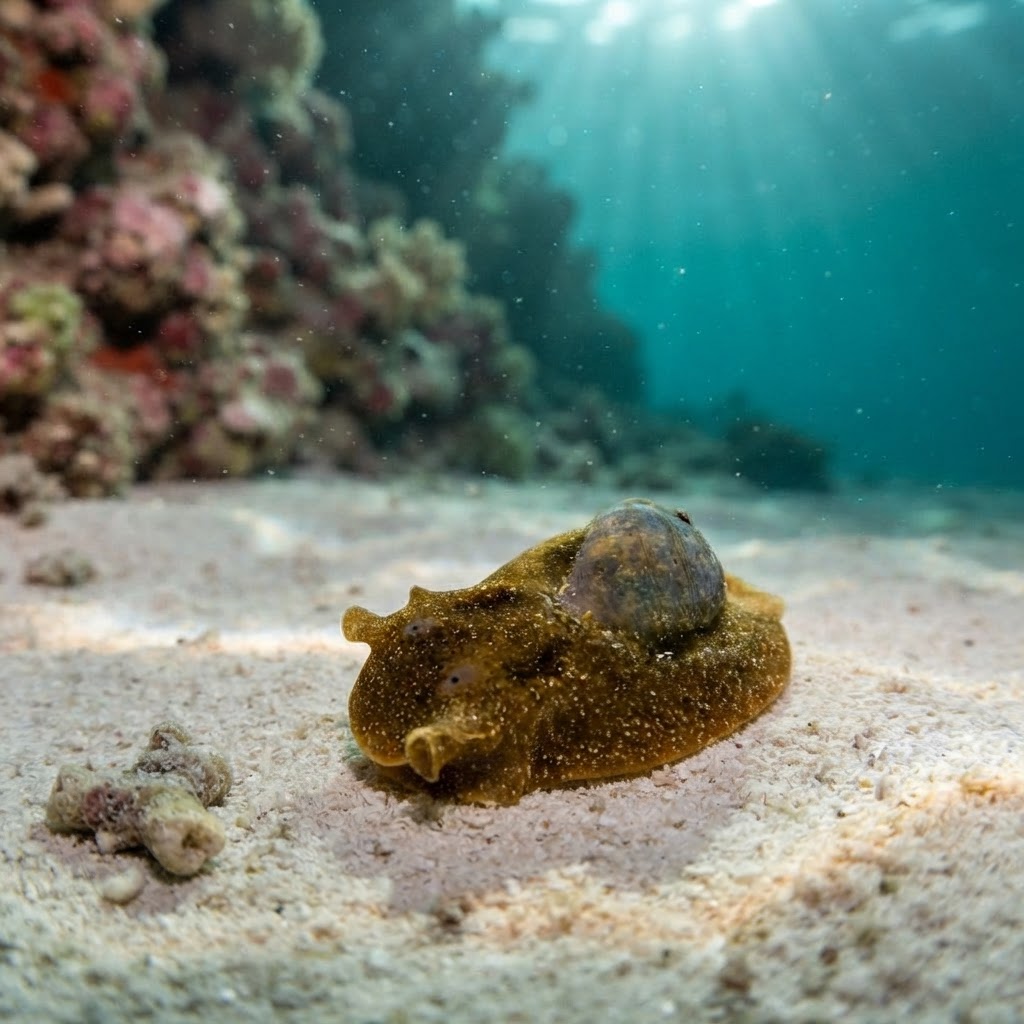
Look for a small, thin, translucent bubble-shaped shell, often tinted green or olive from the algae showing through it, with a soft fleshy body that bulges out beyond the shell's edges. The body itself is usually mottled green or brown with fine speckling, which helps it blend into algae mats and sand patches. There is no obvious head shield spiralling or bright banding, so a diver's best cue is the rounded, glassy-looking shell paired with a body that looks too big to fit inside it.
Divers usually find it sitting still or slowly grazing over sand, algae mats or rocky rubble in shallower, cooler water, doing its own thing rather than reacting to a torch or camera. It's not a fast mover and won't flee when approached, so a slow, careful scan of the substrate near algae patches is the best way to spot one. Most logs describe it as an incidental find during a macro-focused dive rather than a target species people go looking for specifically.
Like other bubble shells, it's a hermaphrodite and can both give and receive sperm during mating, which is part of why pairs and even chains of mating individuals are sometimes spotted together on the sand.
Sightings don't show a clear seasonal pattern, and it's found across a temperature range of roughly 14.5 to 20.5 C, so it's reasonable to treat it as a year-round find on California dives rather than something tied to a specific month.
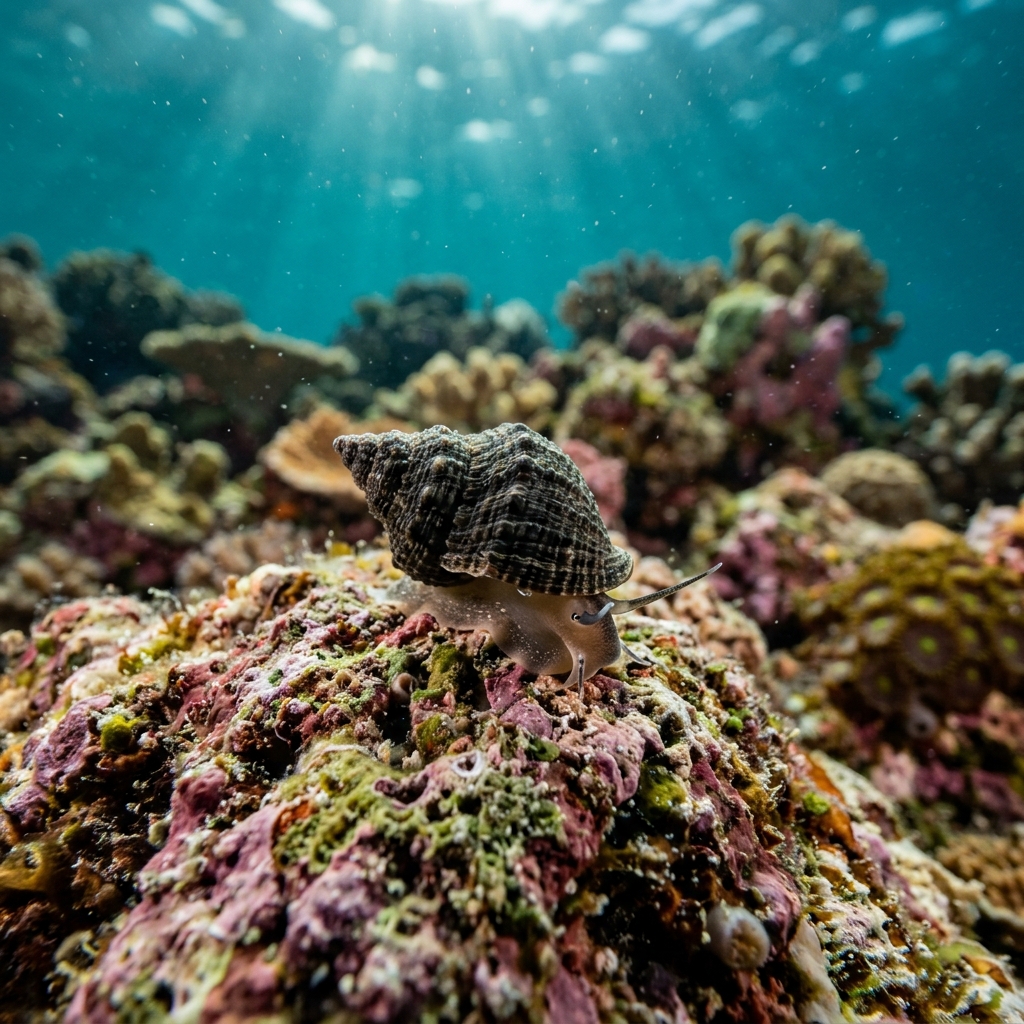
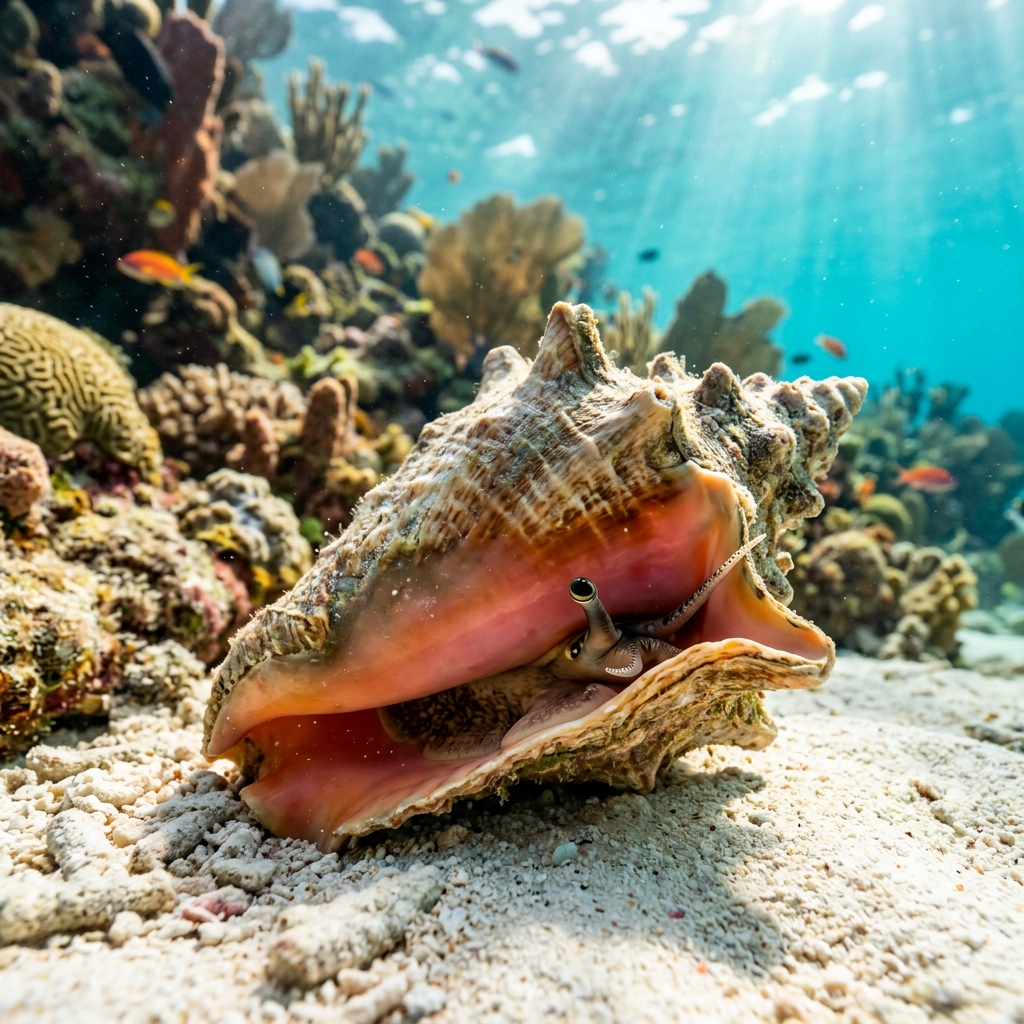
Reef neighbours a diver could mistake it for. Use the identification notes above to tell them apart.
This one is a California speciality, logged almost exclusively at sites along the state's coast, with dive and snorkel sightings concentrated in the Southern and Central California regions. It hasn't turned up in meaningful numbers outside the United States in the data, so California is really the place to look for it.
Mapping where Green Bubble Snail is logged…
It's essentially a California find, logged across dive sites in Southern and Central California. Sightings outside the United States are not reflected in current data, so California is the place to focus a search.
There's no strong seasonal signal in the sightings, and it's recorded across a cool water range of about 14.5 to 20.5 C, so any time of year on a California dive is reasonable.
Check for a thin, translucent, greenish bubble-shaped shell with a fleshy mottled body that spills out past the shell's edges. It sits low on sand or algae and doesn't have bold stripes or banding.
Exact size data isn't confirmed, but like most bubble snails in its family it stays small, generally a few centimetres or less, making it an easy species to miss on a reef scan.
No, it poses no threat to divers. It's a slow-moving, harmless bottom-dweller that can be observed closely without any risk.
Site and sighting data is aggregated from diver logs, iNaturalist and GBIF. For taxonomy and conservation status:
Triton Shell
2,297 sites