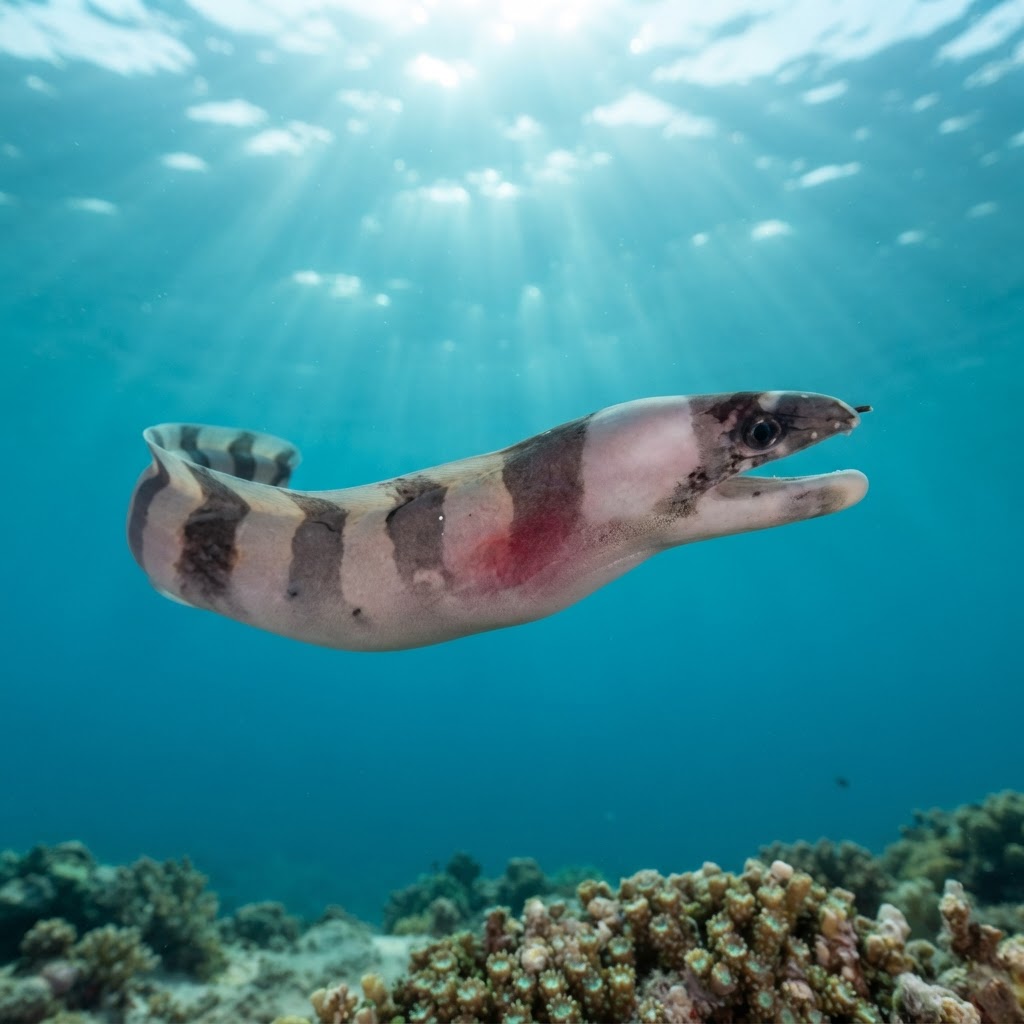
Gymnothorax gracilicauda
A rare Hawaii find: this small moray shows up on reefs around 25 to 29 C, mostly logged by divers in Hawaii.
Safety warning
Like other morays, it has sharp teeth and a strong bite reflex if it feels cornered or is provoked, so the real risk comes from divers reaching into crevices rather than the animal seeking conflict. Keep hands out of holes and cracks, and it will stay tucked away and out of your business.
If you're bitten
BiteGeneral first-aid guidance, not a substitute for professional medical care. In an emergency, call your local emergency number.
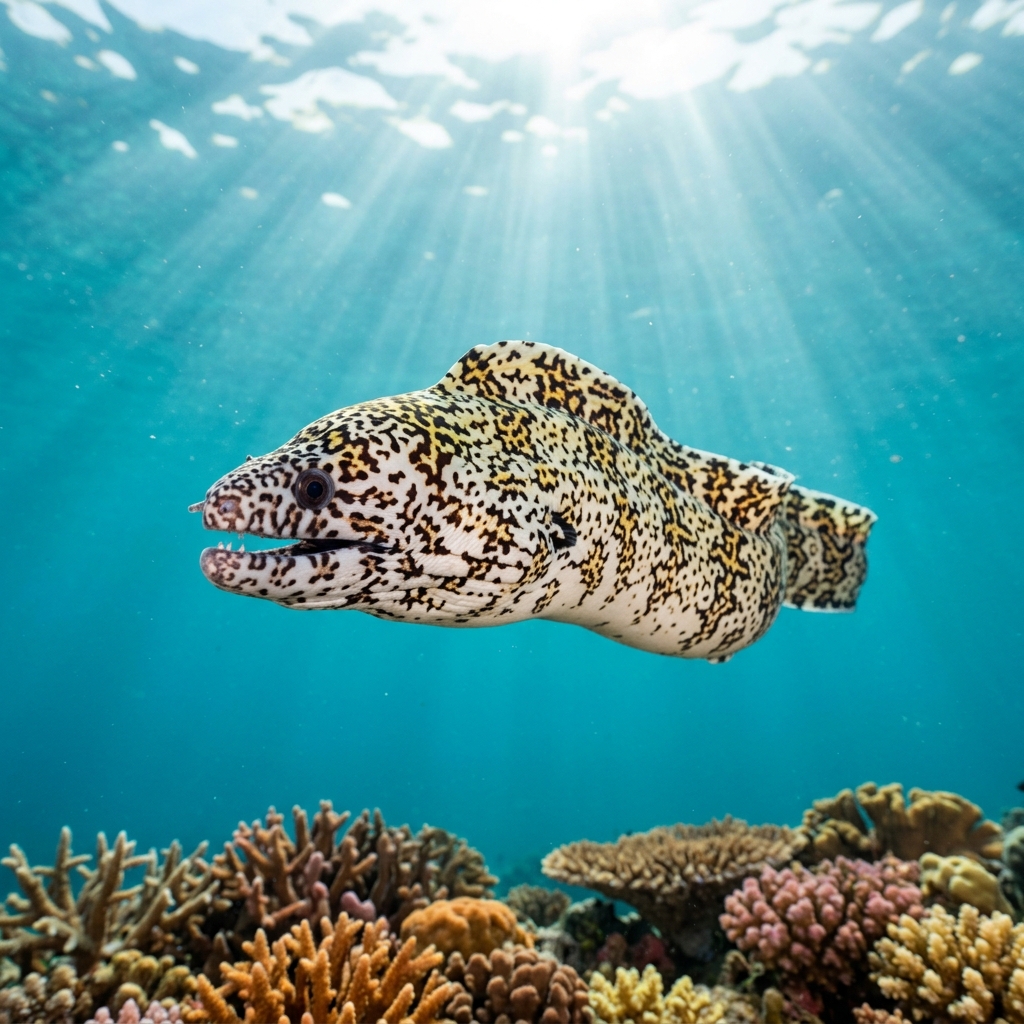
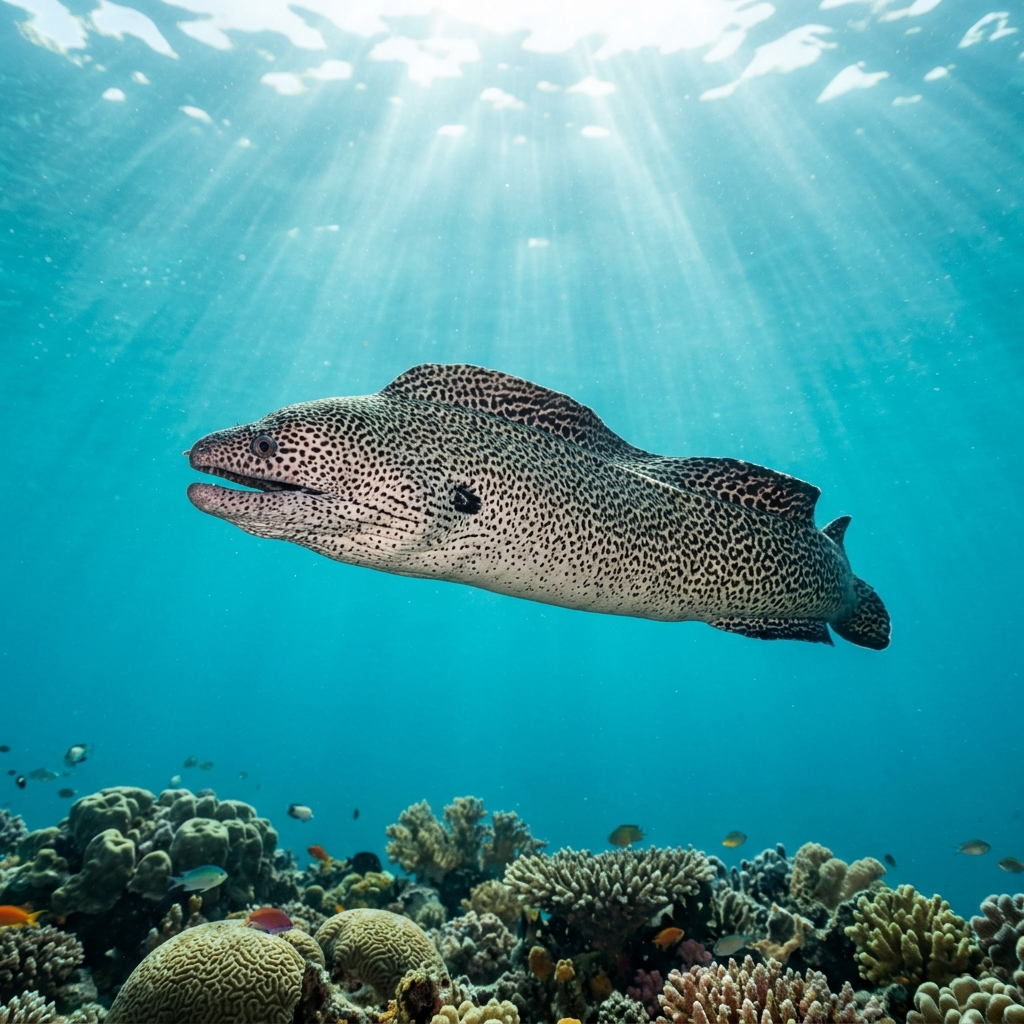
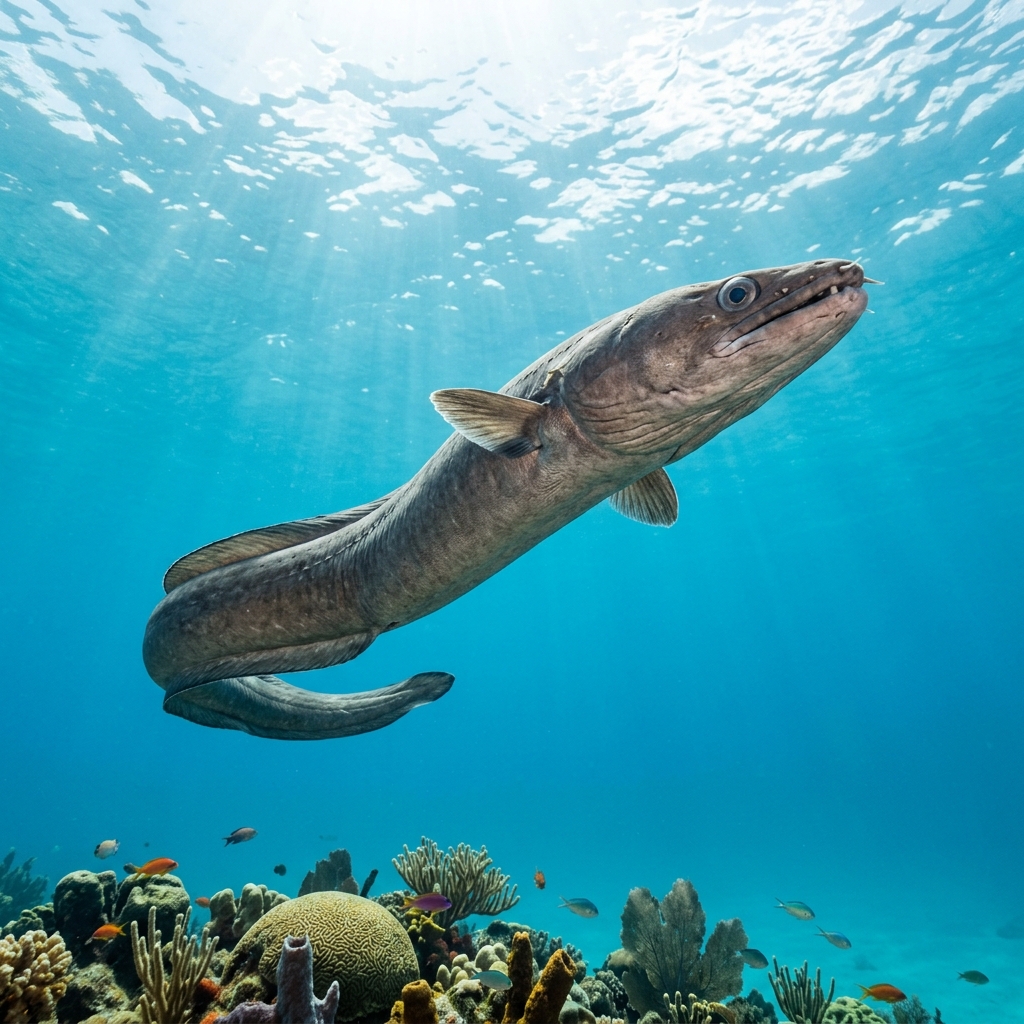
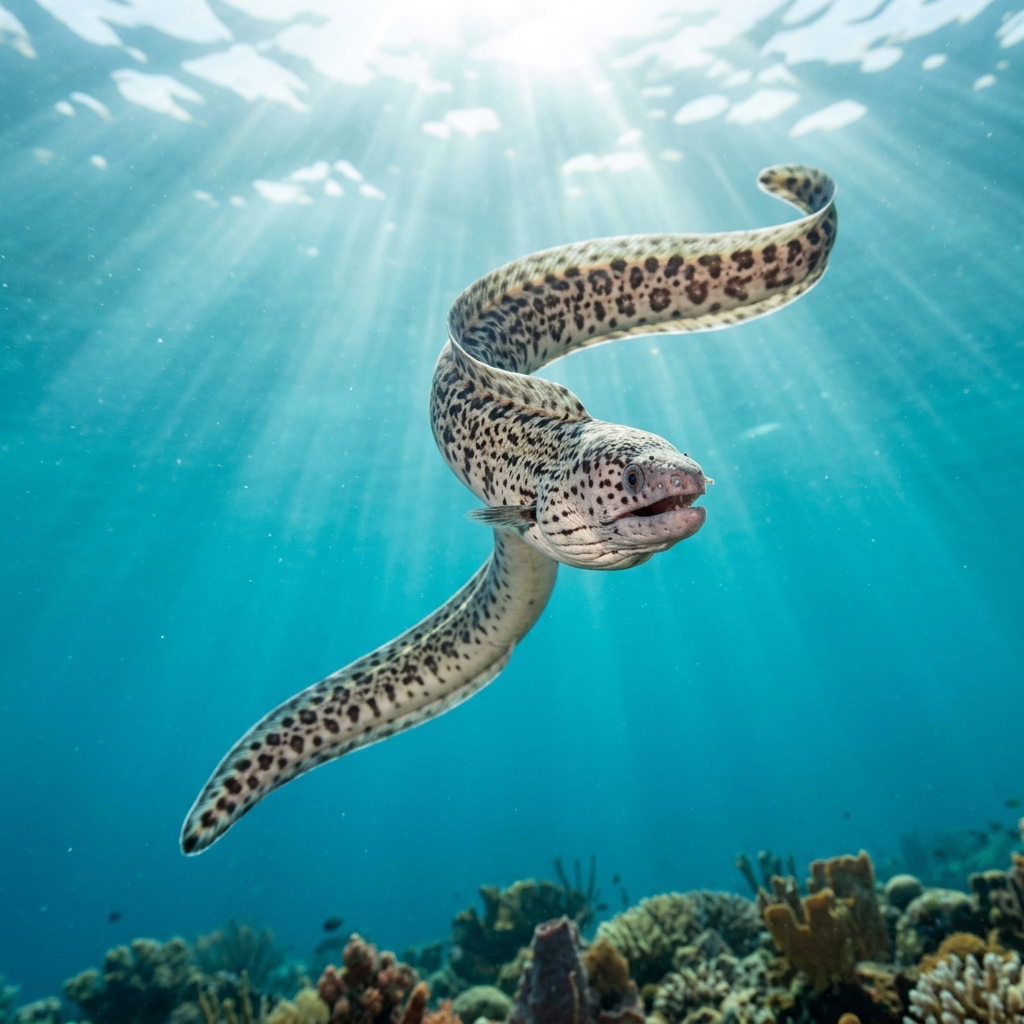
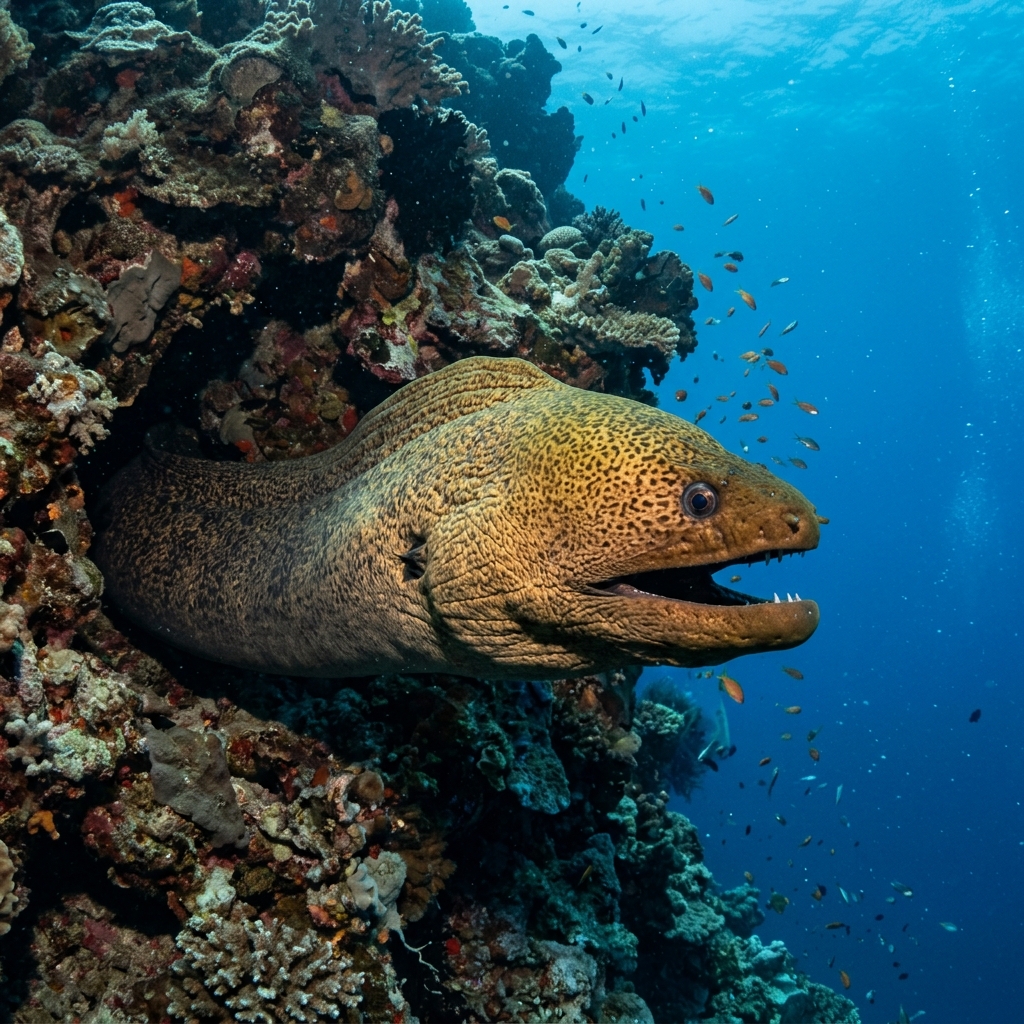
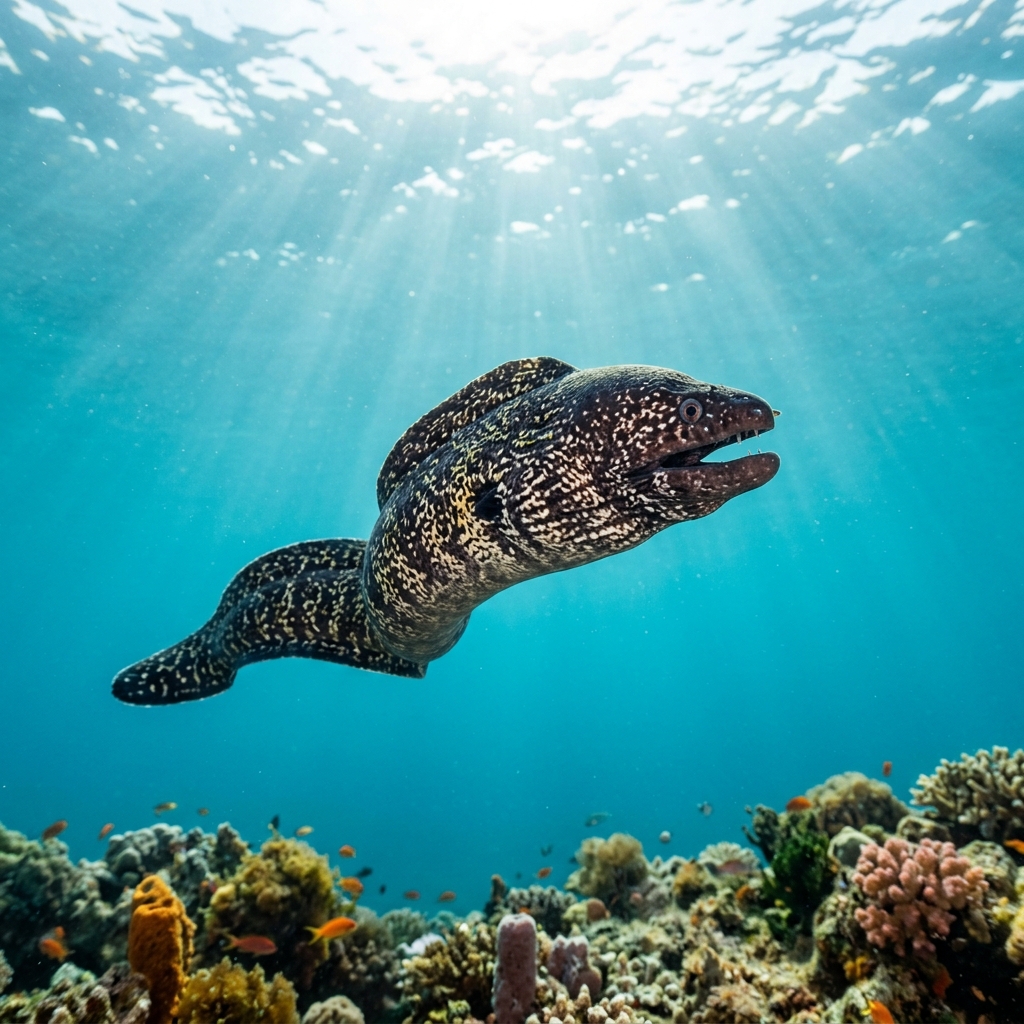
A small moray, topping out around 22 cm, so it reads more like a thick worm than a typical reef eel. Look for a slender, tapering tail that's noticeably finer than the head end, giving the body a distinct front-heavy taper. Colouring is mottled and low-contrast, which helps it disappear into rubble and coral crevices rather than stand out.
Expect to find it wedged into a crevice or tucked under rubble rather than out cruising the reef, which is likely why it's logged as rare even where it occurs. Like most small morays, it's probably most active at night, hunting for small prey in cracks and holes while staying tucked away during the day. Divers who do spot one usually do so by peering into a gap rather than seeing it swim past.
Its scientific name gracilicauda literally means 'slender tail', a nod to the same tapering body shape divers use to pick it out from bulkier moray species.
No clear seasonal pattern shows up in the sighting data, and with water temperatures sitting comfortably between 25 and 29.4 C, Hawaiian reefs stay within its range year-round. Treat this as a species you could turn up on any dive rather than one tied to a particular month.
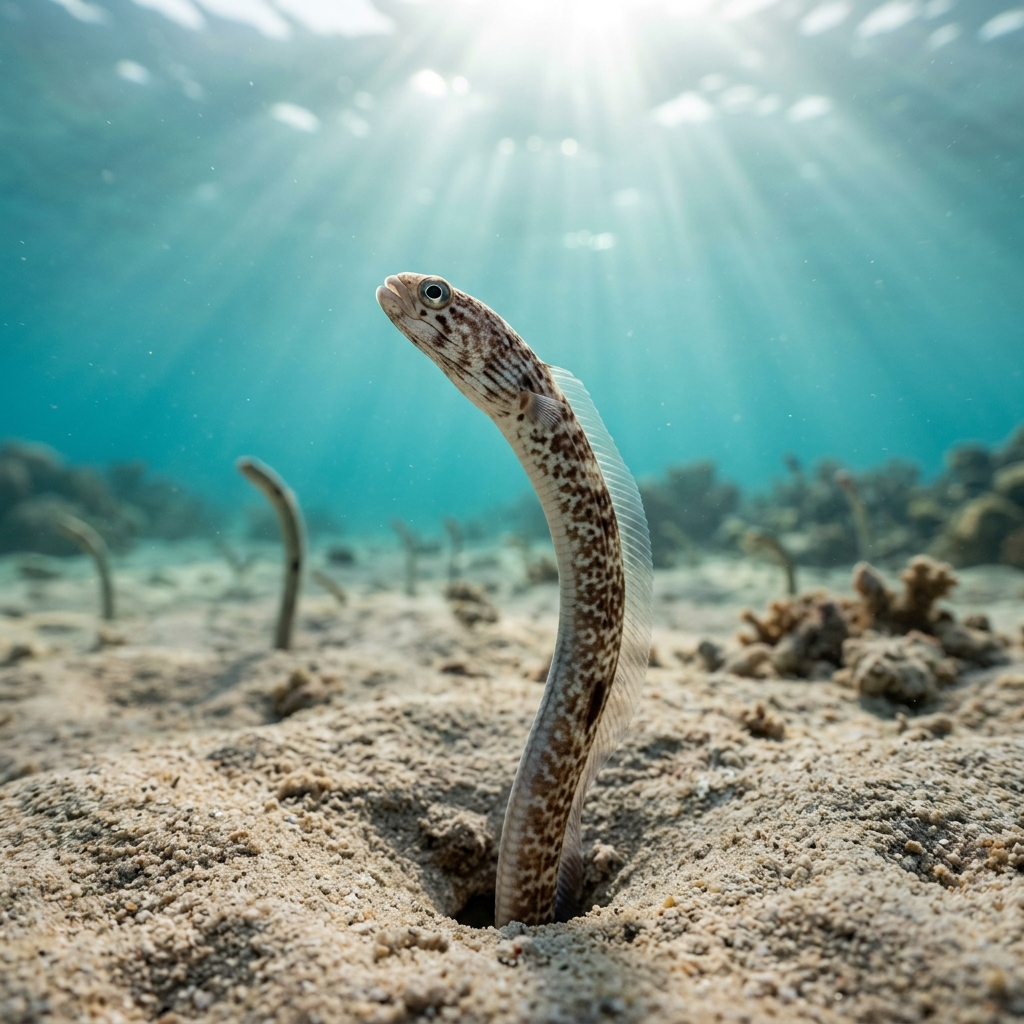
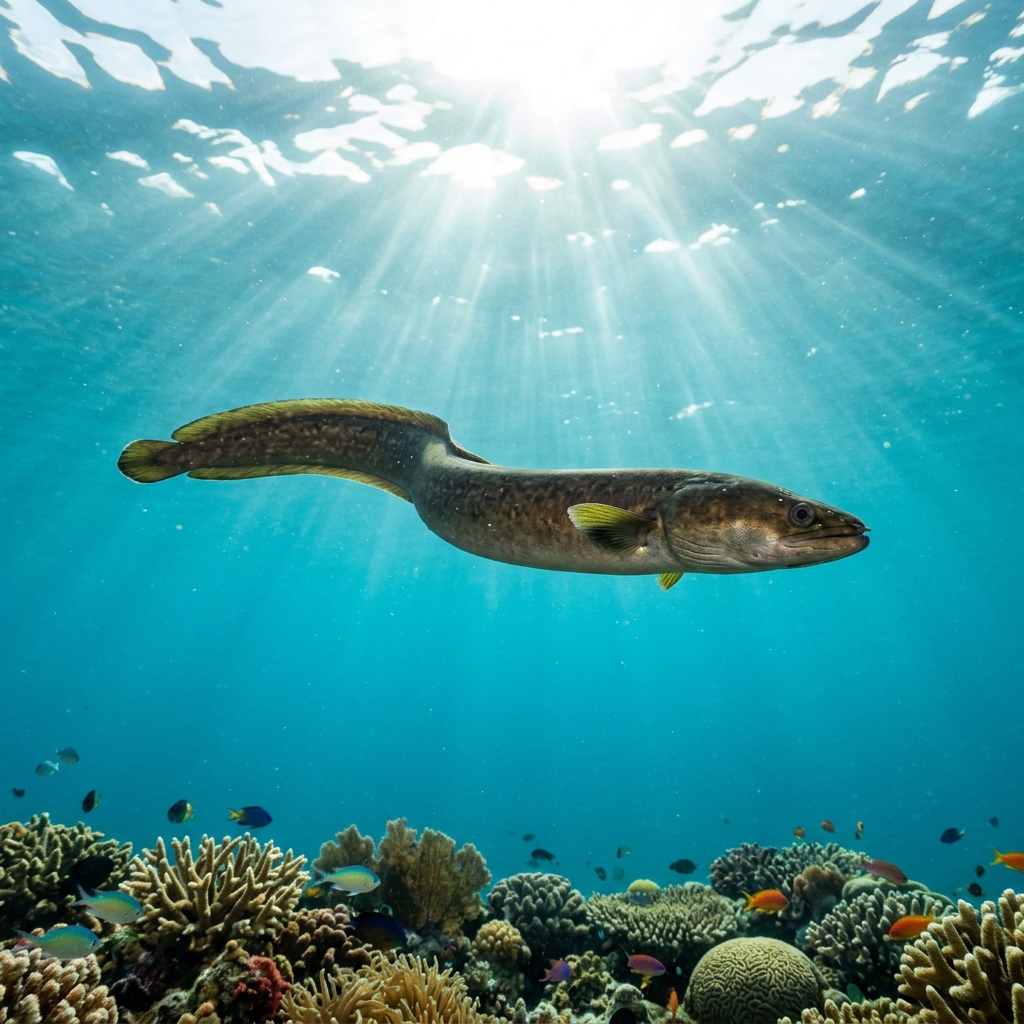
Reef neighbours a diver could mistake it for. Use the identification notes above to tell them apart.
Logged sightings so far come from Hawaii, in the United States, where it's the one confirmed spot for this species on diver records. Given its small size and secretive habits, it's likely under-reported elsewhere in the Indo-Pacific, but Hawaii is the only place with a verified track record right now.
Mapping where Graceful-tailed Moray is logged…
The only confirmed diver sightings come from Hawaii, in the United States, where it's logged as a rare find on local reefs. It may occur more widely across the Indo-Pacific, but Hawaii is currently the sole documented location.
There's no detected season in the sighting data, and it lives in water between 25 and 29.4 C year-round, so it's a possible sighting on any dive rather than a seasonal target.
Look for a small moray, around 22 cm, with a mottled brownish pattern and a body that tapers to a noticeably slender tail. It's usually found tucked into crevices or rubble rather than swimming in the open.
They're small for a moray, reaching only about 22 cm in length, which is a fraction of the size of reef morays like the giant moray.
They can bite if cornered or if a diver puts a hand into their hiding spot, like most morays. Leave crevices and holes alone and there's no real risk on a normal dive.
Site and sighting data is aggregated from diver logs, iNaturalist and GBIF. For taxonomy and conservation status:
Garden Eel
2,448 sites