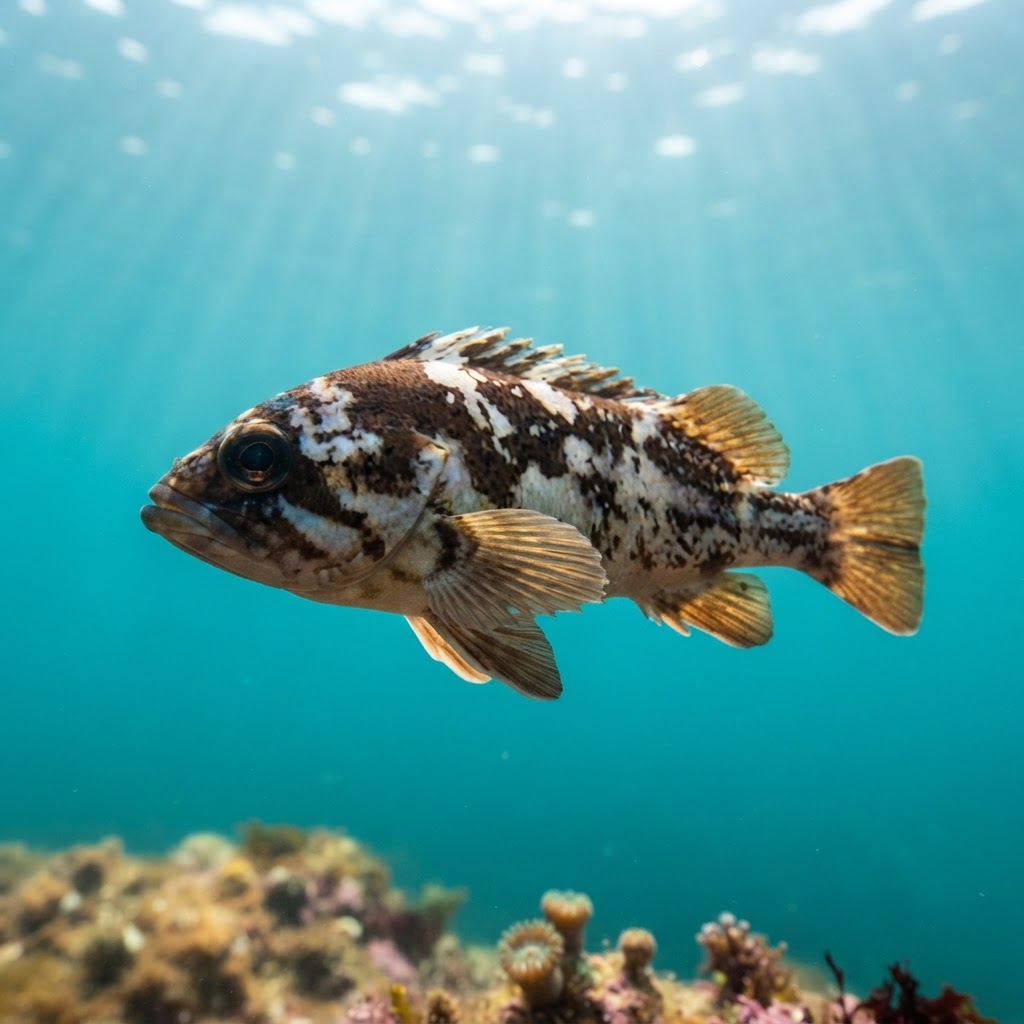
Sebastes carnatus
Uncommon but reliable on California reefs, this mottled rockfish sits tight in rocky crevices at 12 to 19C. Here's where and how to spot one.
Safety warning
It carries venomous spines along its dorsal fin that can deliver a painful sting if handled or brushed against. Keep hands off the rocks it's tucked into and give it space rather than trying to nudge it out for a photo.
If you're stung
Venomous spinesGeneral first-aid guidance, not a substitute for professional medical care. In an emergency, call your local emergency number.
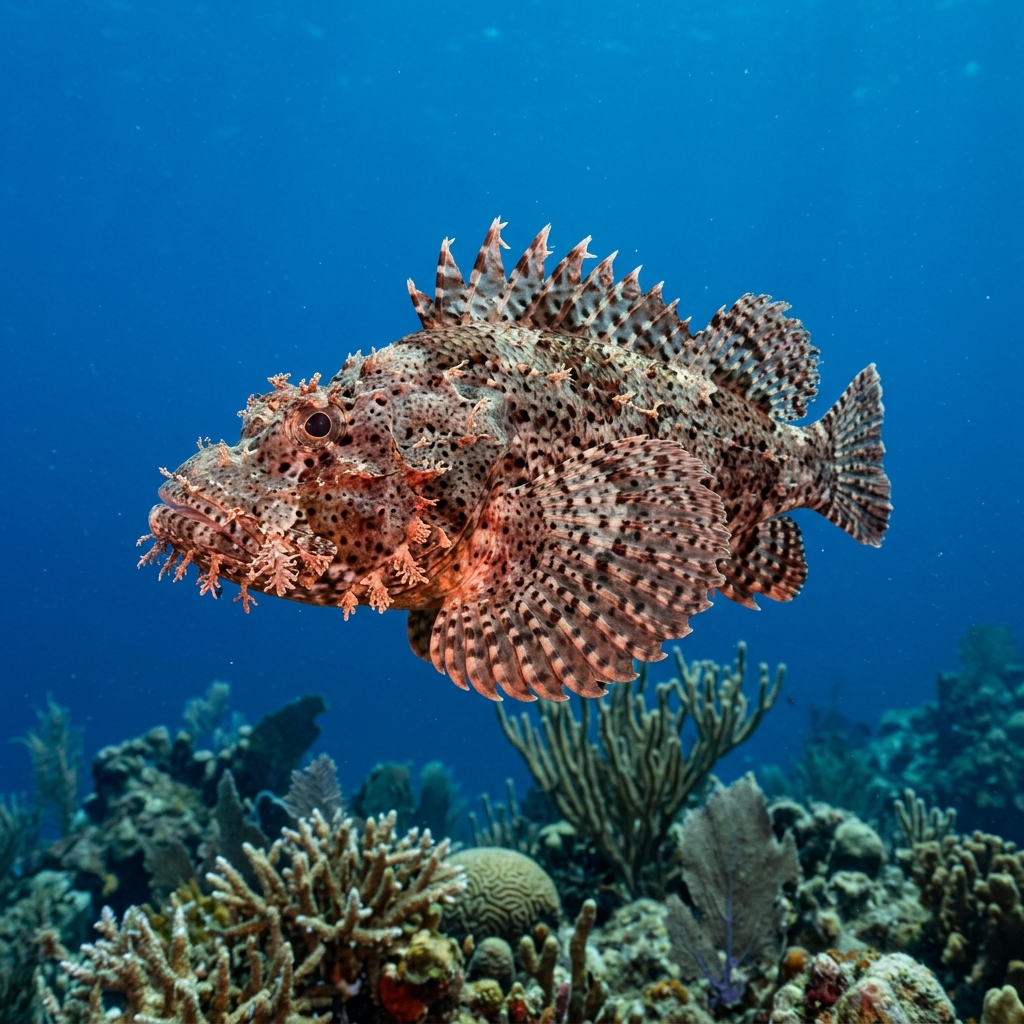
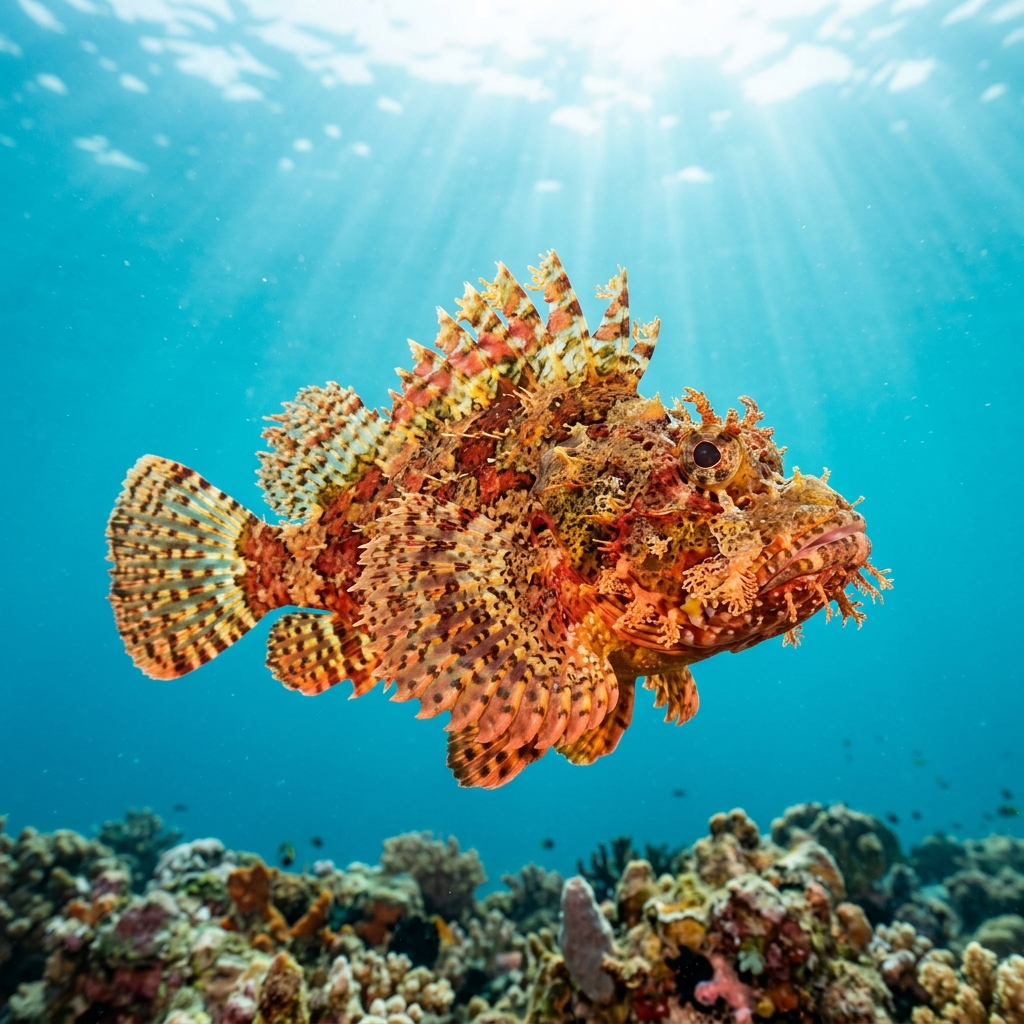
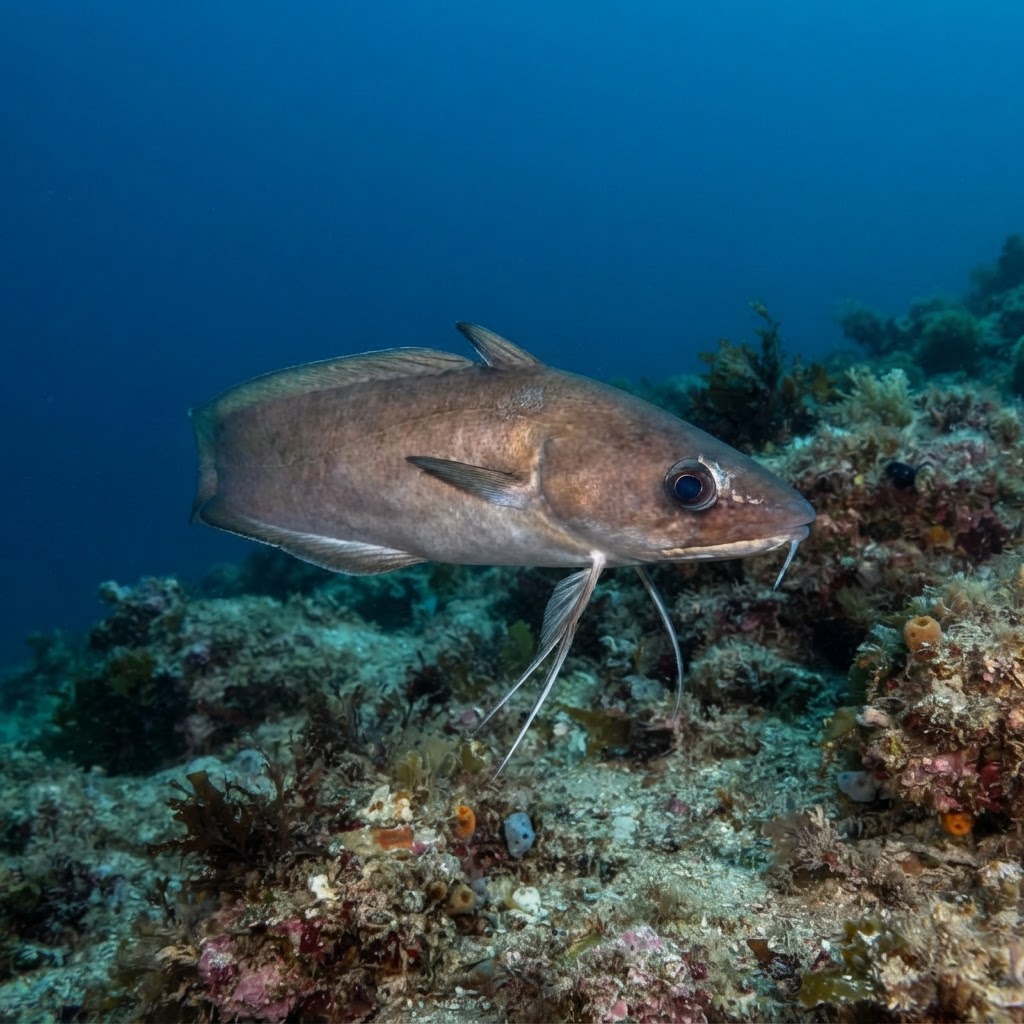
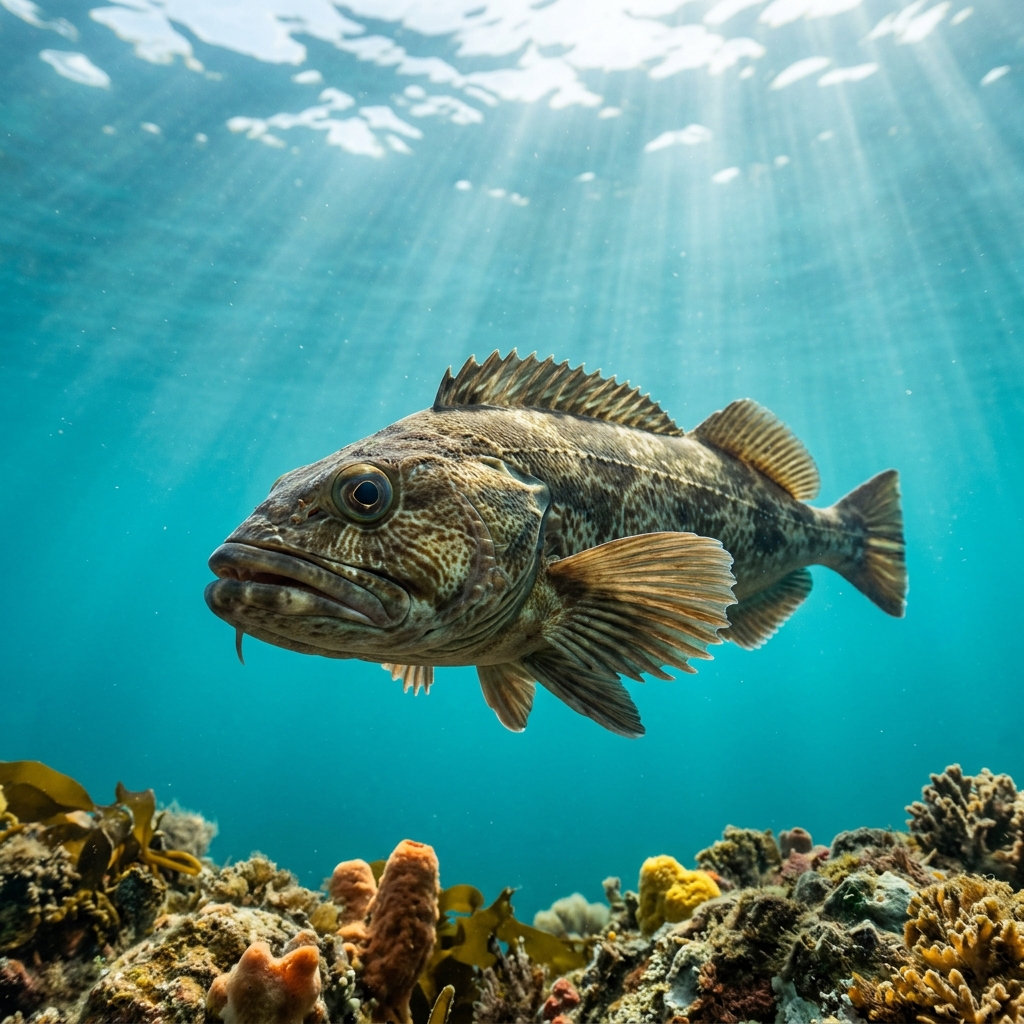
A stocky, thick-bodied rockfish around 27 cm, mottled olive-brown to grey-green with pale blotches that break up its outline against rock and kelp holdfasts. Look for the light saddle-like patches along the back and a relatively short snout compared to other Sebastes species. It usually sits still on or near the bottom rather than swimming in open water, which is often the biggest identification clue.
Divers usually find it wedged into a rock crevice or resting motionless on a ledge, relying on its mottled camouflage rather than fleeing when approached. It tends to hold its ground at close range, only darting a short distance to the next hiding spot if pressed. Most sightings happen on structured rocky reef rather than in open water or over sand.
Like other rockfish in the Sebastes genus, it bears live young rather than laying eggs, with females releasing already-hatched larvae into the water column.
Sightings show no clear seasonal pattern, so it's a fair year-round target on California dives. Its comfort range of roughly 12 to 19C spans the region's typical cool-to-mild water temperatures, so there's no need to chase a particular month.
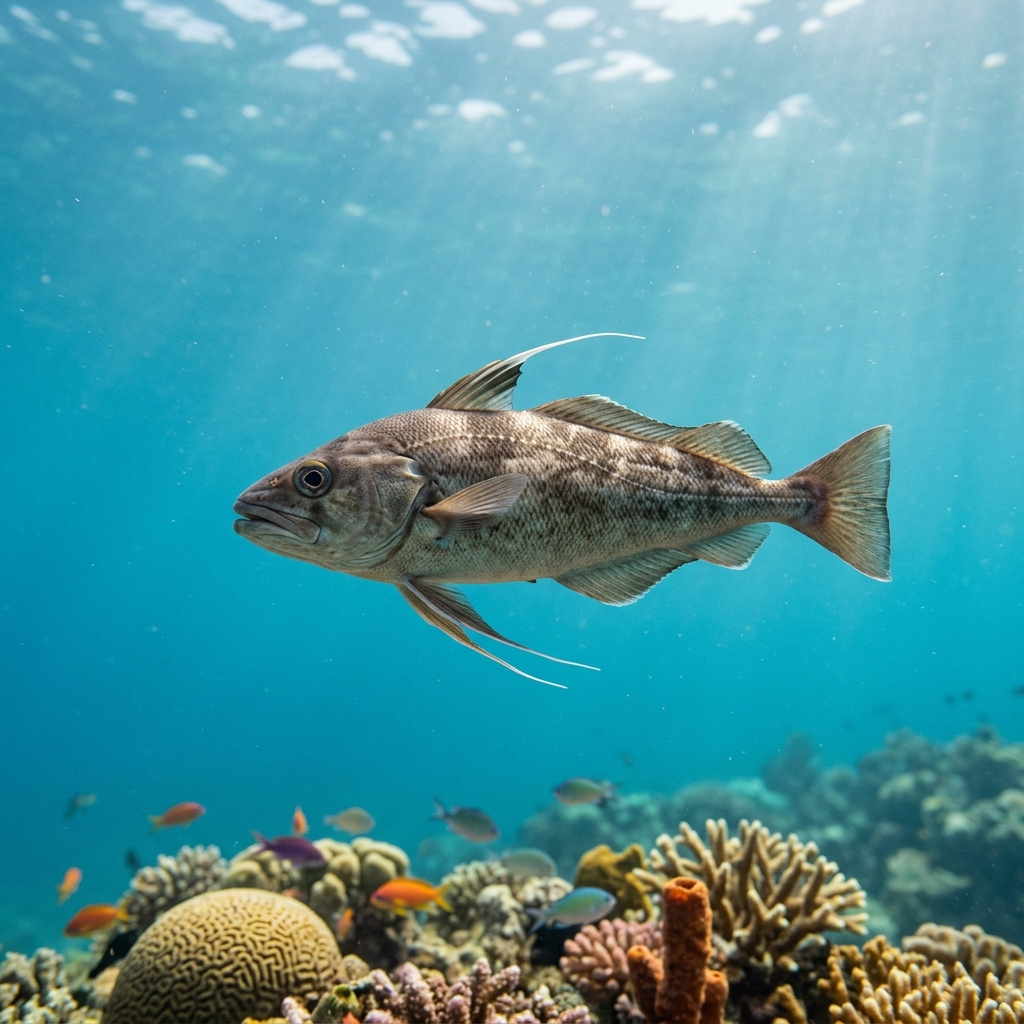
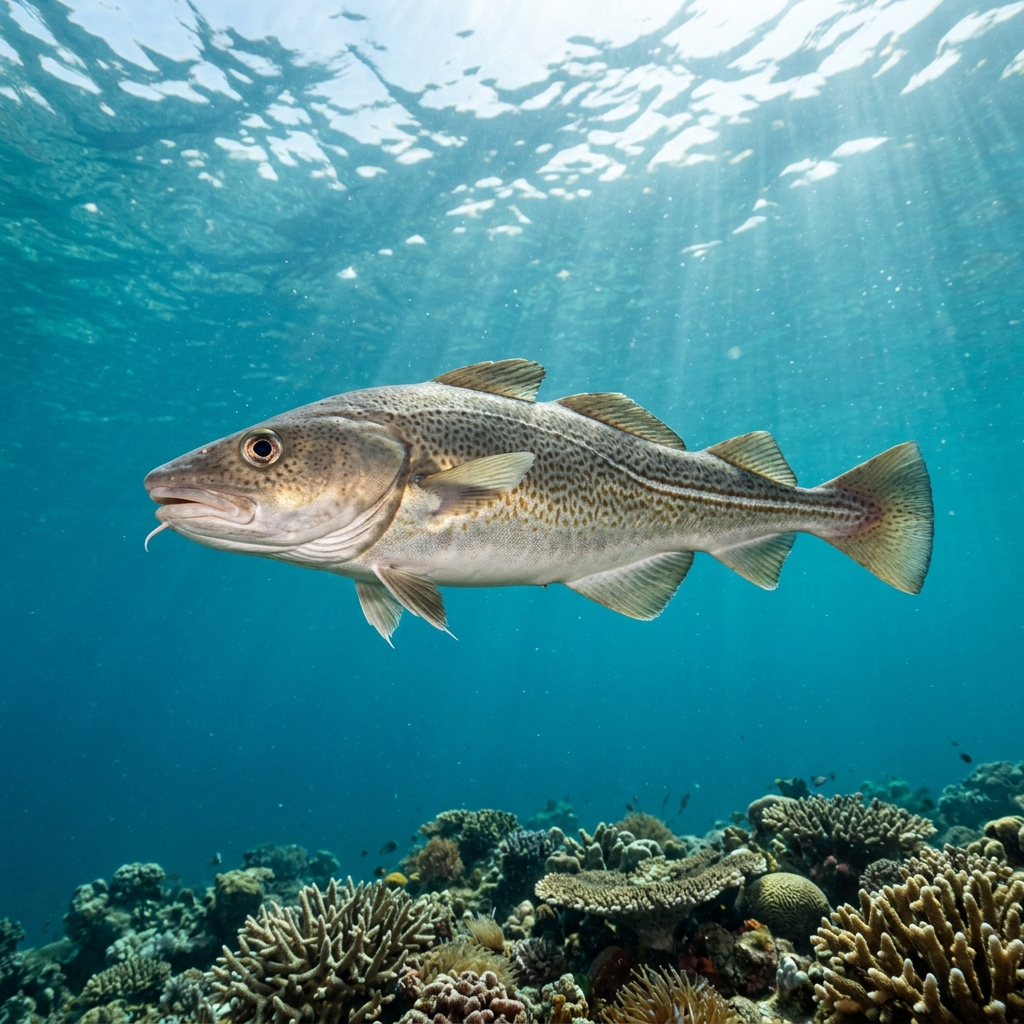
Reef neighbours a diver could mistake it for. Use the identification notes above to tell them apart.
Every logged sighting in the data comes from California, making it a distinctly Californian find rather than a species you'll stumble on elsewhere. Divers report it most consistently along the state's rocky reef coastline, where it tucks into crevices and low relief rock rather than open sand.
Mapping where Gopher Rockfish is logged…
California is the place for this one, with sightings concentrated along the state's rocky reef coastline. It hasn't been logged outside California in current diver data.
There's no strong seasonal pattern, so it's seen year-round. Water temperatures in its comfort range, roughly 12 to 19C, are typical for California diving most months.
They carry venomous dorsal spines that can cause a painful sting if touched. They won't chase you, so the risk only comes up if you reach into the crevice where one is hiding.
Look for a stocky, mottled olive-brown body around 27 cm long, sitting still on rock rather than swimming freely. Pale blotches along the back and a short snout help separate it from similar rockfish and scorpionfish.
They typically reach about 27 cm, a modest size that fits comfortably into small rock crevices and ledges on the reef.
Like other Sebastes rockfish, they give birth to live larvae instead of laying eggs, a trait that sets the genus apart from most reef fish.
Site and sighting data is aggregated from diver logs, iNaturalist and GBIF. For taxonomy and conservation status:
Pollack
282 sites