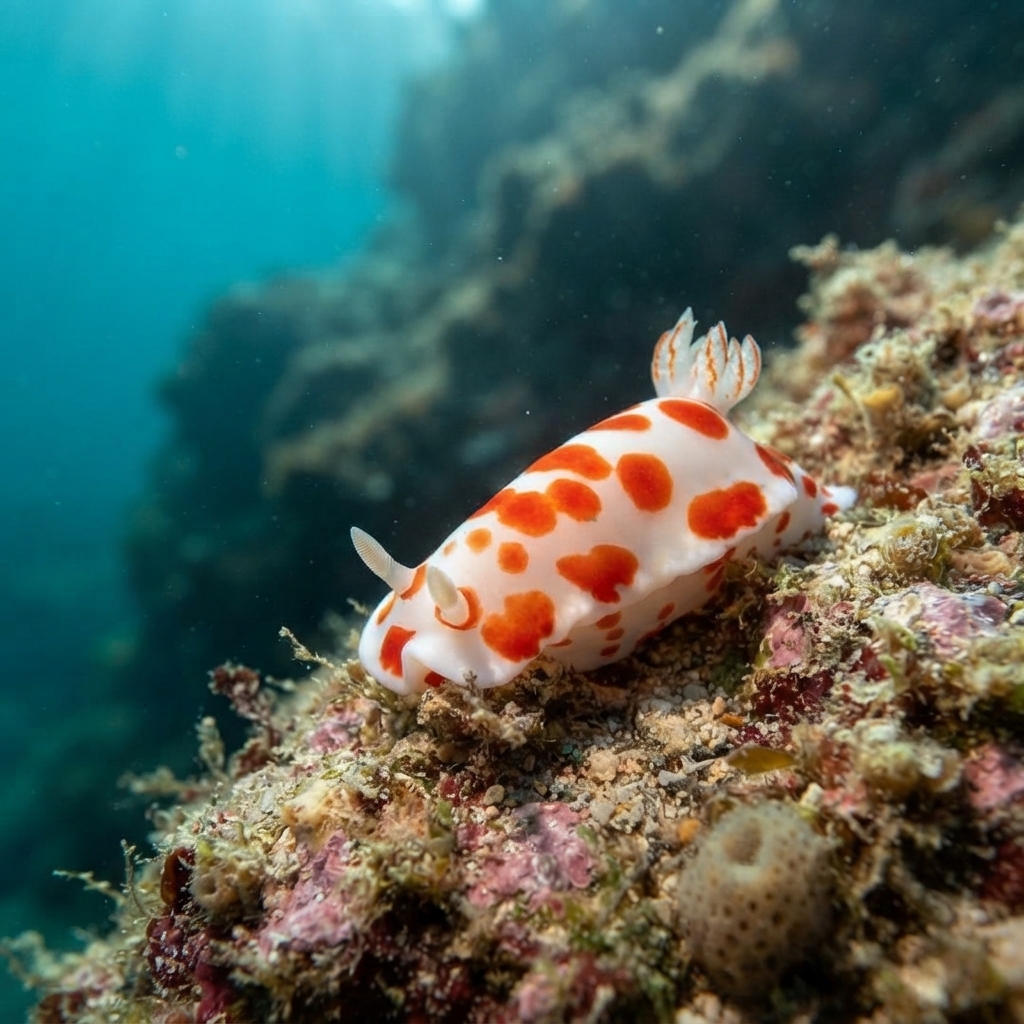
Goniobranchus tasmaniensis
A rare but real find on New South Wales reefs, this small nudibranch turns up in temperate waters from 15 to 21.5C year-round.
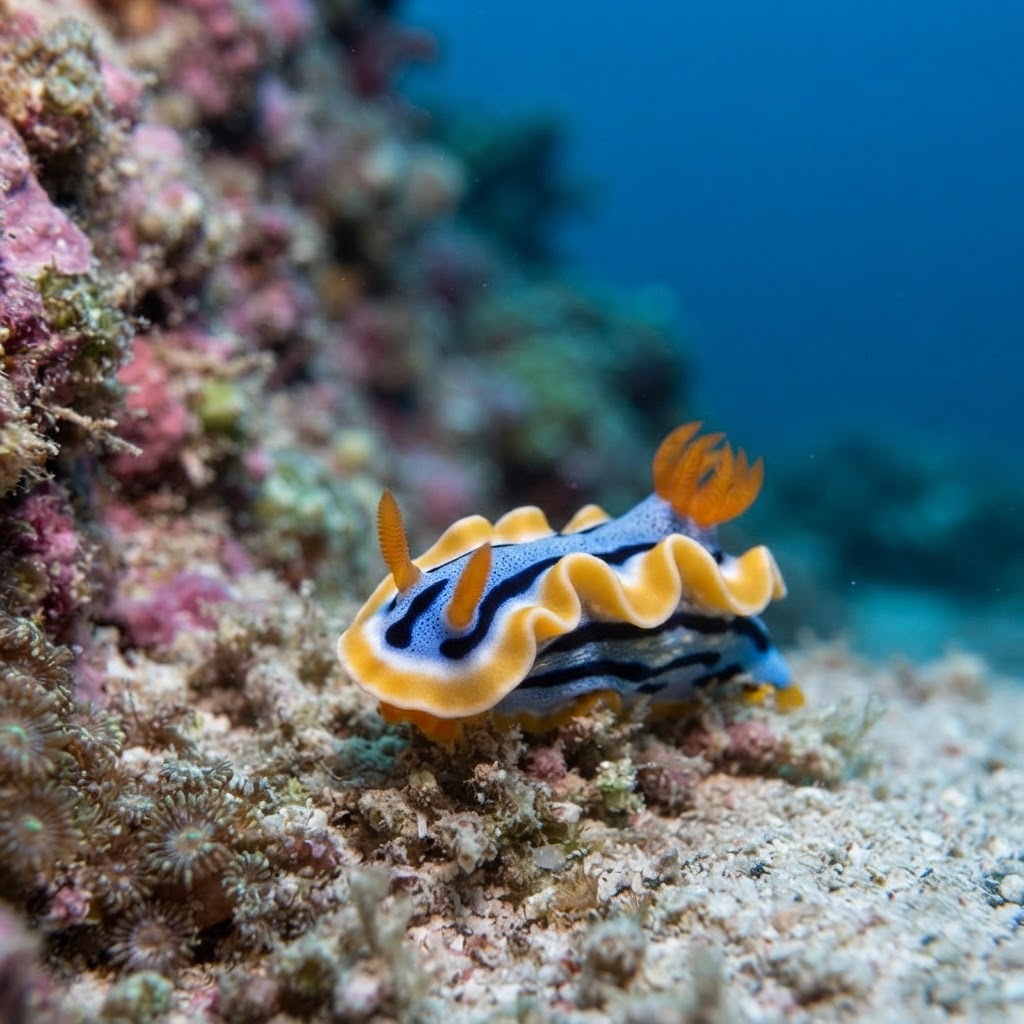
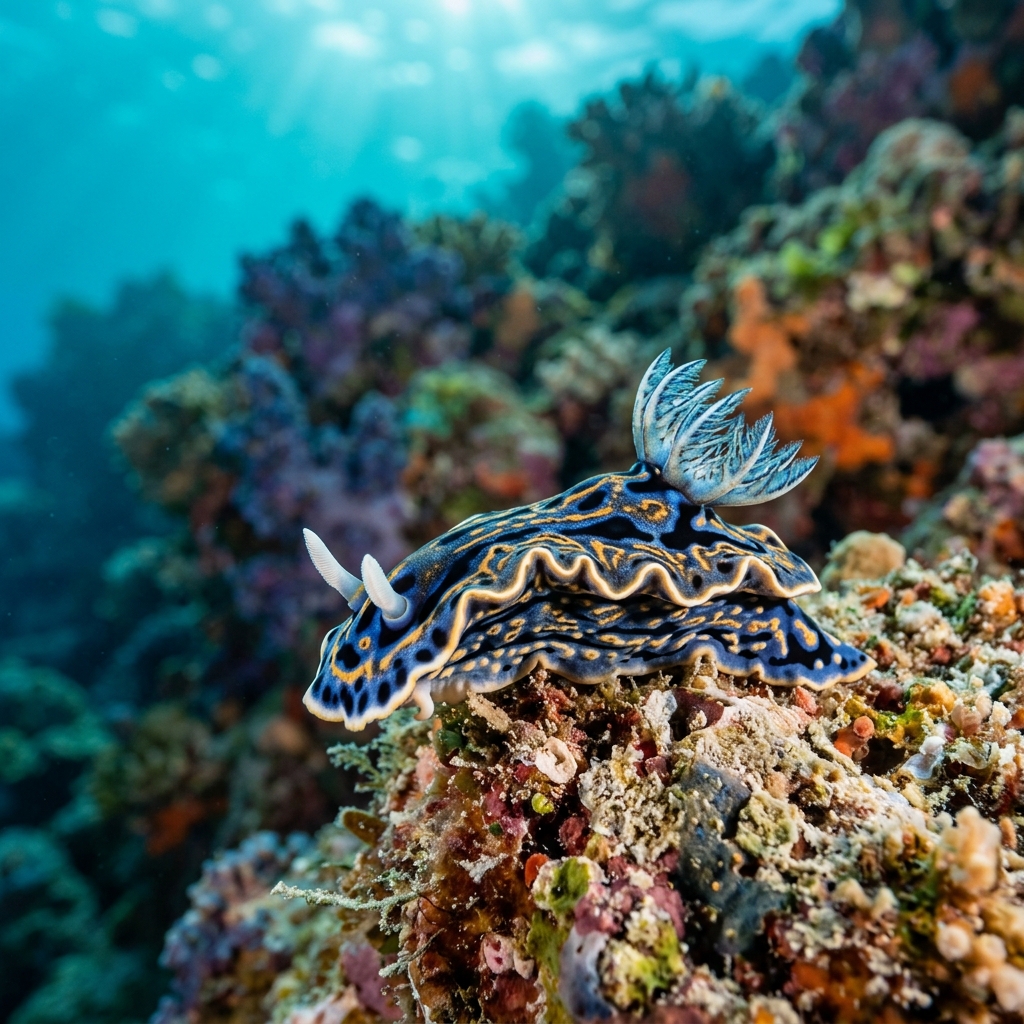
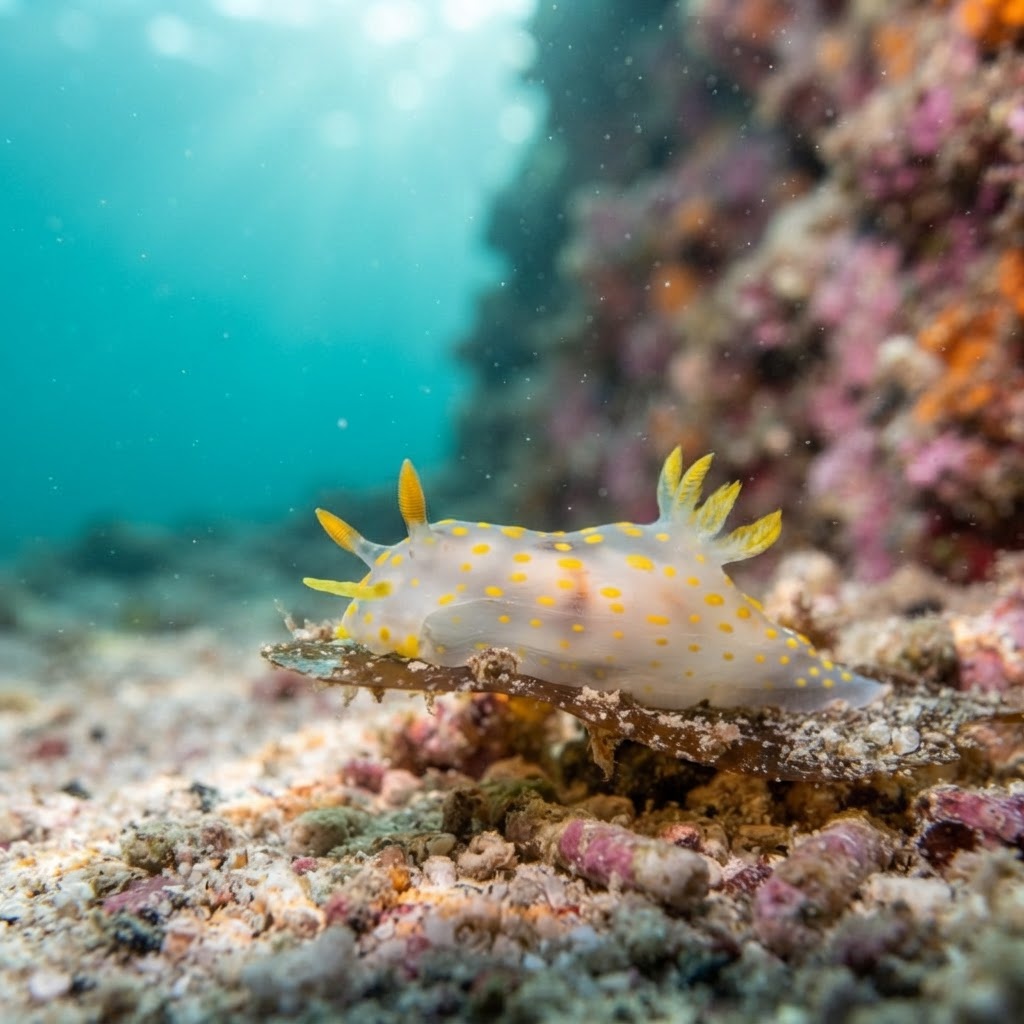
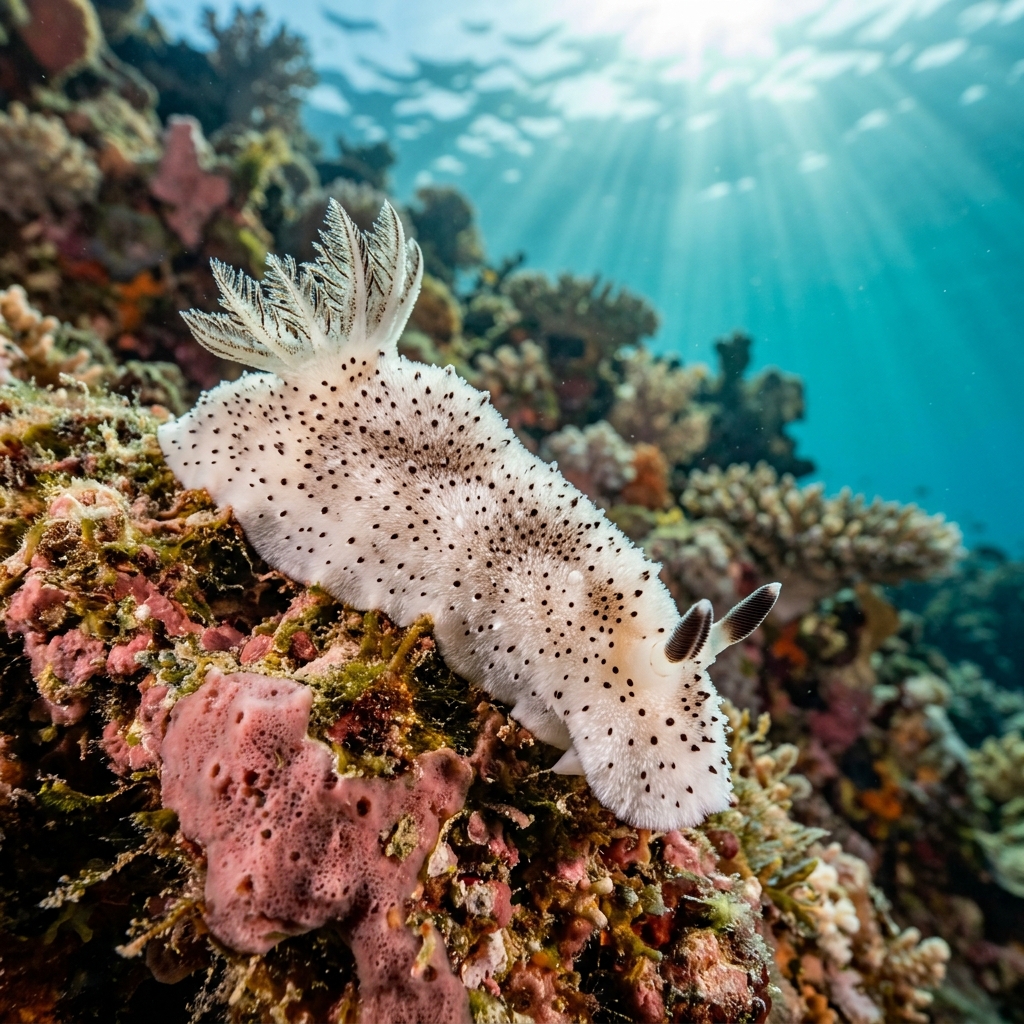
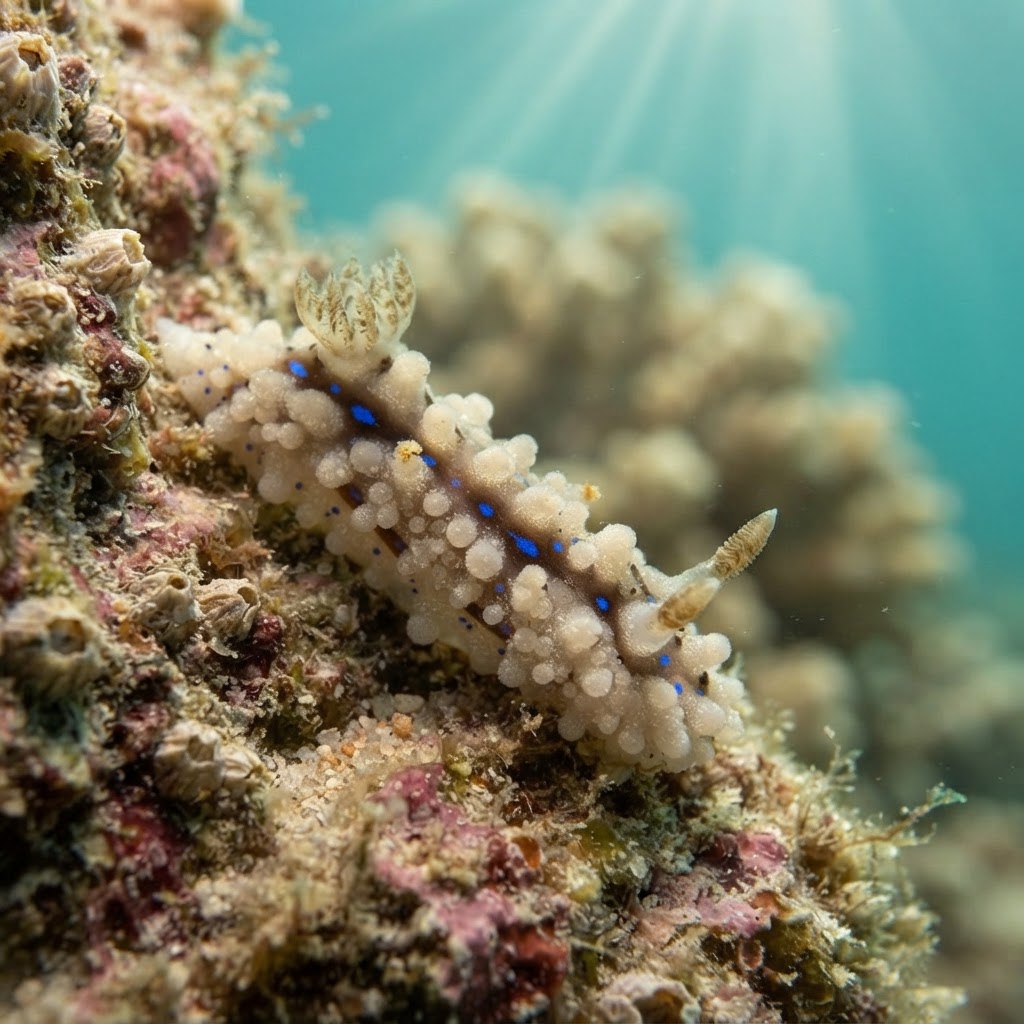
A small, oval-bodied sea slug (nudibranch) with a soft, rounded mantle edged in a darker border that contrasts against its paler body colour. Like other Goniobranchus species, it carries feathery gills and a pair of rhinophores (sensory tentacles) at the front of the mantle that it uses to taste the water. Divers spot it by scanning slowly over reef and rubble rather than by its size, as it is easy to miss among sponge and algae growth.
Divers find it moving slowly across rock and rubble on temperate reefs, grazing in the way most Goniobranchus nudibranchs do, browsing sponges rather than swimming or fleeing. It shows no reaction to divers beyond continuing its slow crawl, making it an easy subject for a macro photo once you've spotted it.
Like other chromodorid nudibranchs, it likely feeds on sponges and stores or modifies their chemical defences in its own tissue, which is part of why so many of these slugs display bold, deterrent colouring despite having no shell.
Sightings don't show a clear seasonal spike, and with observed water temperatures ranging from 14.9 to 21.5C, it appears to be present across the cooler and milder months alike in New South Wales and Victoria.
Reef neighbours a diver could mistake it for. Use the identification notes above to tell them apart.
This one is very much a New South Wales speciality, with Victoria offering a secondary chance further south. All logged sightings so far come from Australia, making the temperate reefs of the country's southeast the place to look.
Mapping where Tasmanian Goniobranchus is logged…
Nearly all recorded sightings come from New South Wales, Australia, with a smaller number from Victoria. It's currently a temperate Australian speciality rather than a species reported elsewhere.
There's no strong seasonal pattern in the sightings, and it's been recorded across a wide temperature range of 14.9 to 21.5C, so it's worth looking for year-round on New South Wales and Victoria reefs.
Look for a small, oval nudibranch with a pale mantle rimmed in a darker border, feathery gills, and a pair of rhinophores at the front. It's often confused with other Chromodoris-type nudibranchs, so a close look at the mantle edge pattern helps confirm it.
Yes, most divers who log it describe it as a rare find, with a smaller number of sites reporting it as uncommon and only one site where it's considered common. It rewards slow, close searching rather than casual reef scanning.
No, this nudibranch poses no danger to divers. It has no means of harming humans and simply continues grazing when approached.
Site and sighting data is aggregated from diver logs, iNaturalist and GBIF. For taxonomy and conservation status:
Light-spotted Aegires
3,168 sites