Goniobranchus loringi
Uncommon nudibranch found on New South Wales reefs in water from 17.8 to 23.8 C, year-round with no strong season.
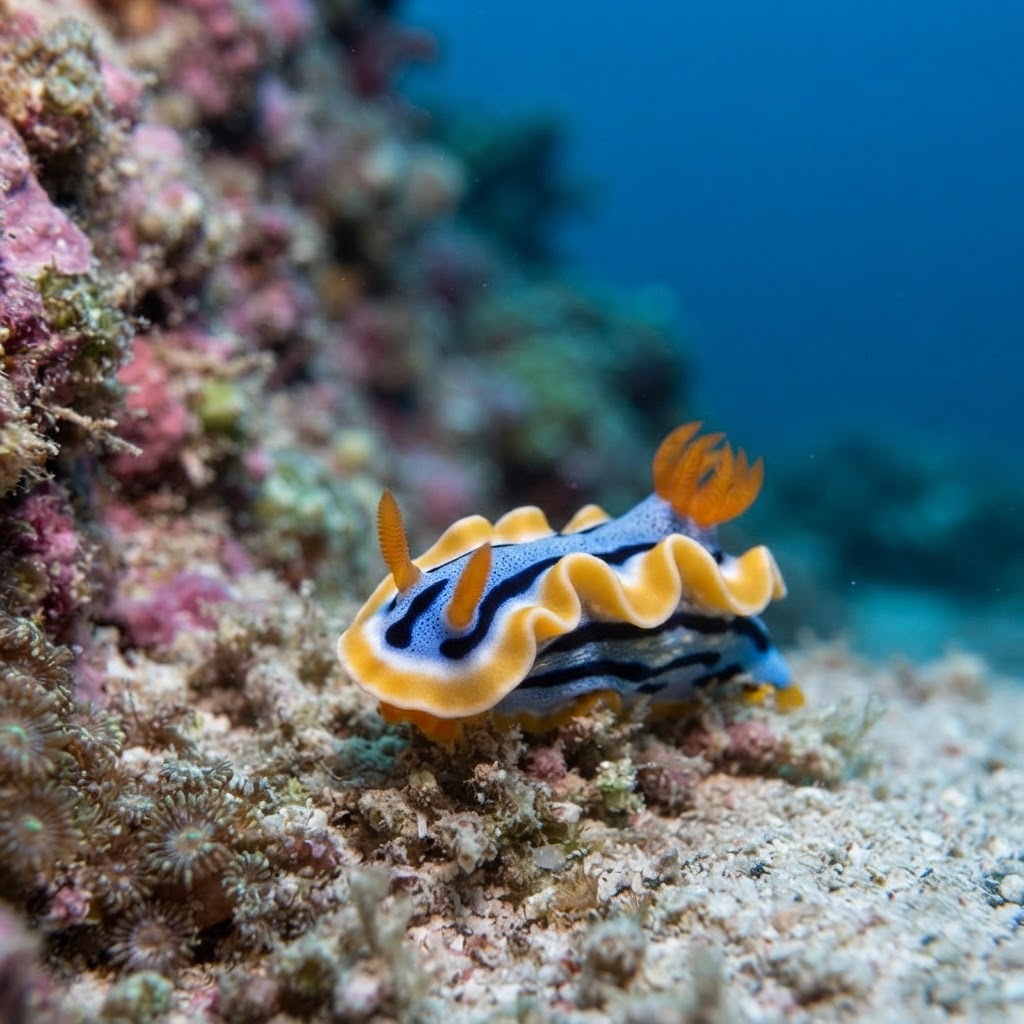
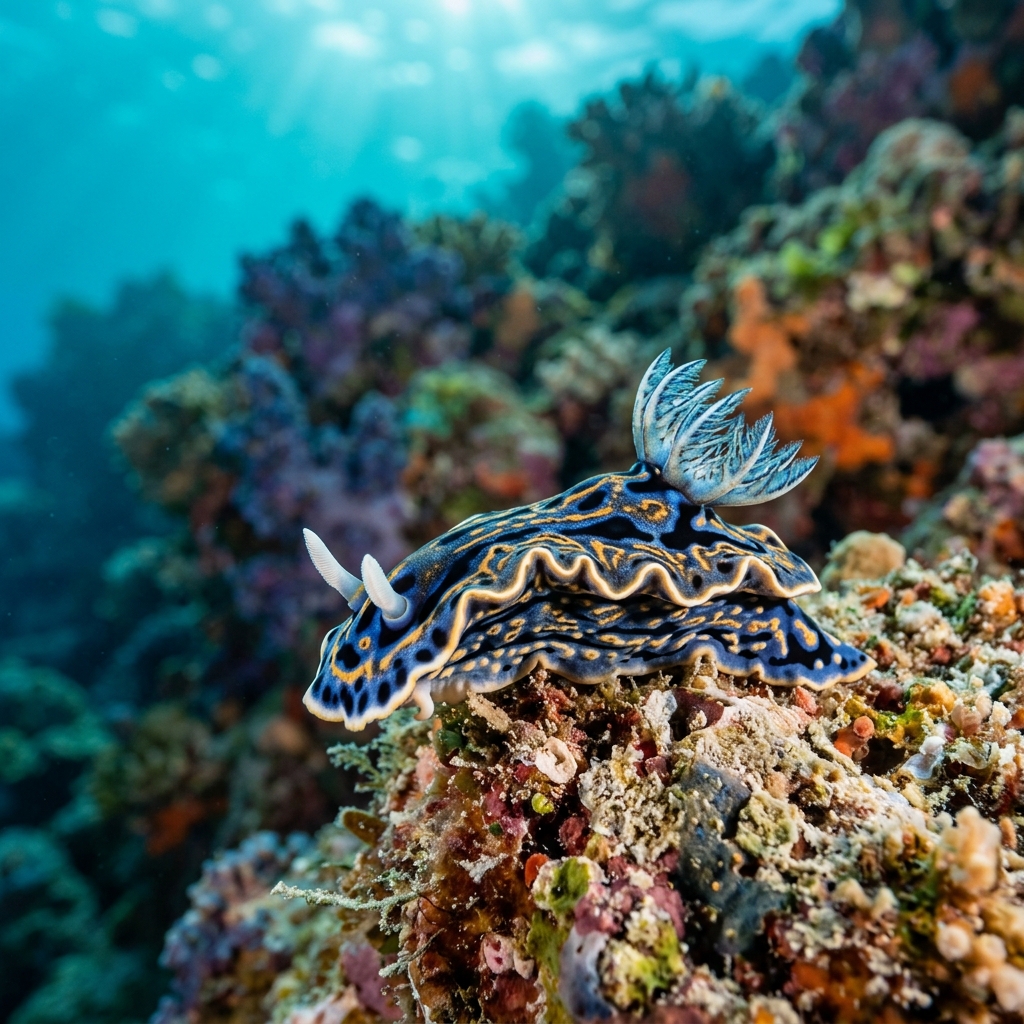
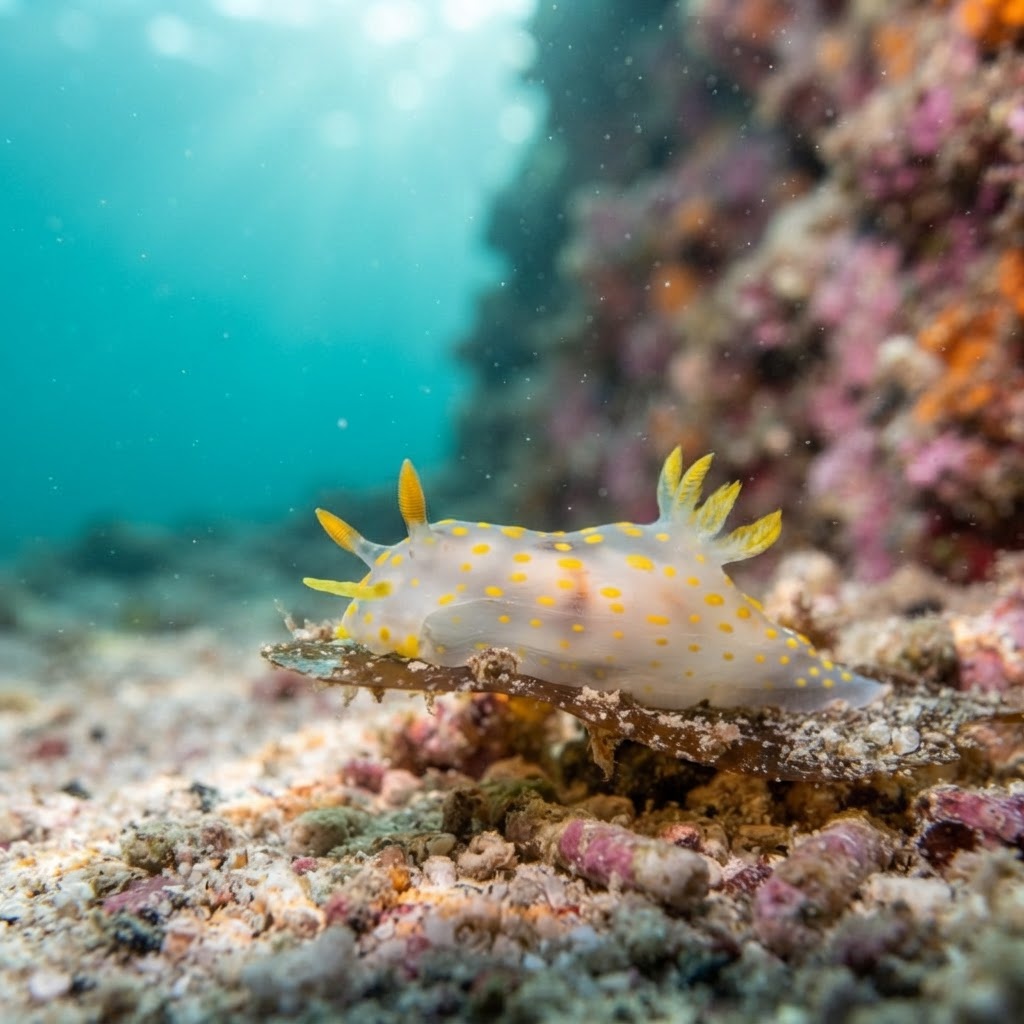
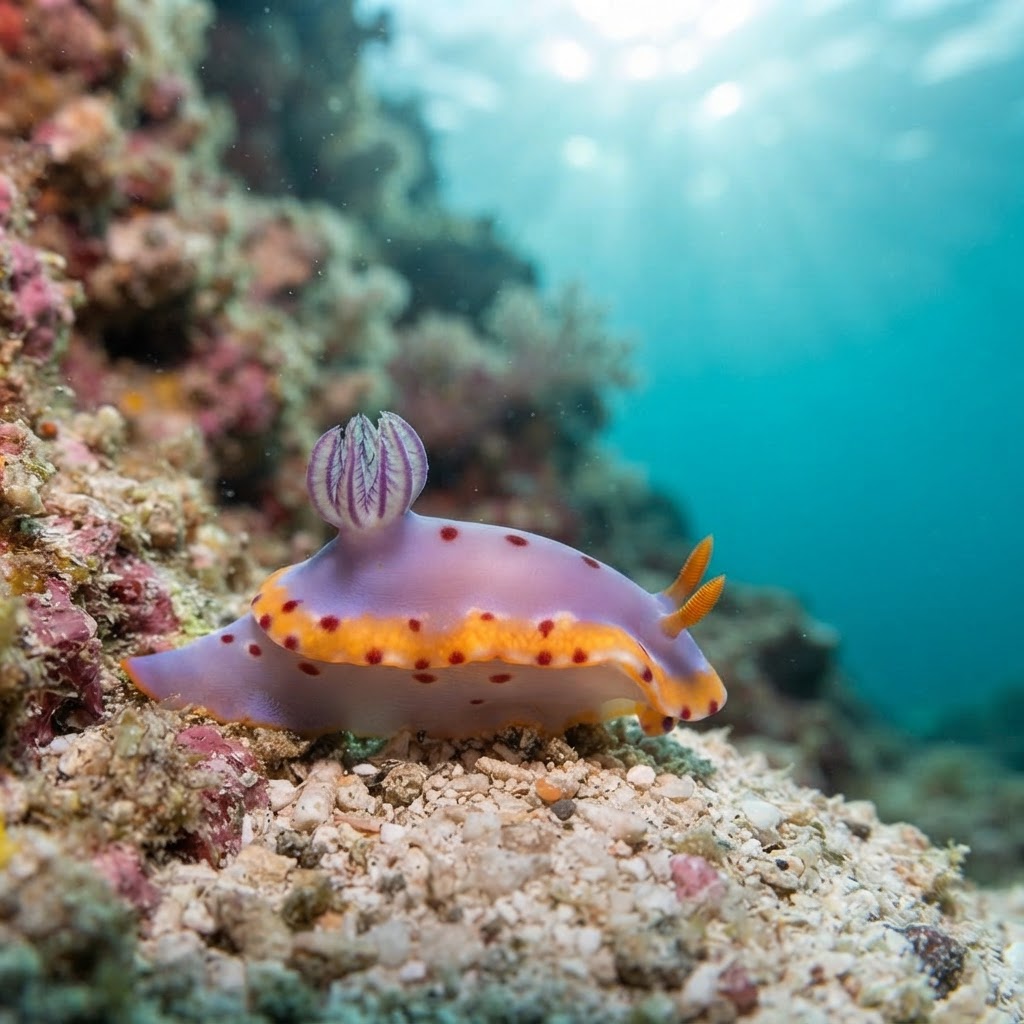
Small oval-bodied nudibranch (sea slug) with the typical Chromodorididae profile: a low, gently ruffled mantle edge and a pair of rhinophores (sensory tentacles) at the front. Look for it moving slowly over rock and rubble rather than open sand, where its size and understated colouring make it easy to swim straight past. Because it turns up as uncommon or rare even at known sites, most sightings come from divers actively scanning ledges and crevices rather than spotting it in open view.
Divers typically find this one moving unhurried across reef and rubble surfaces, doing what most chromodorid nudibranchs do: grazing on sponges rather than reacting to divers at all. It shows no avoidance behaviour and won't move faster because you're there, so a slow, careful look along ledges is the best way to spot one before swimming past it. Given how uncommon it is even at its known sites, most divers who find it are already looking closely at the substrate rather than the open water.
Like other Goniobranchus species, it almost certainly feeds on specific sponge species and stores chemical compounds from that diet in its skin as a defence against predators, a trait shared across the whole family.
Sightings don't show a detectable seasonal pattern, so treat it as a year-round find. The observed water temperature range of 17.8 to 23.8 C spans NSW's cooler and warmer months, which fits with there being no strong seasonal signal.
Reef neighbours a diver could mistake it for. Use the identification notes above to tell them apart.
Every logged sighting of this species comes from New South Wales, Australia, making it the only region with a confirmed diver record so far. Within NSW it has been found across eight separate dive sites, so it's worth asking local dive operators about specific reef and rubble patches rather than expecting it on every dive.
Mapping where Goniobranchus loringi is logged…
Every confirmed sighting comes from New South Wales, Australia, spread across eight dive sites. There's no verified record yet from outside this region.
There's no detectable season in the sighting data, so it's considered a year-round find in NSW waters, which range from about 17.8 to 23.8 C.
It's a small, oval nudibranch with a gently ruffled mantle edge and paired rhinophores at the front, typically seen moving slowly over rock or rubble. It lacks the bold, high-contrast patterning of some Chromodorididae relatives, so close, patient searching is usually needed to spot it.
No, it poses no danger to divers. It's a slow-moving grazer with no sting or bite of concern.
It's logged as uncommon at most of its known sites and rare at a few others, so seeing one takes a deliberate close look at reef and rubble surfaces rather than a chance encounter in open water.
Site and sighting data is aggregated from diver logs, iNaturalist and GBIF. For taxonomy and conservation status:
Blue Dragon
3,163 sites