Goniobranchus collingwoodi
Find Collingwood's Goniobranchus in New South Wales and the Philippine Visayas. Tips on ID, seasonality, and water temps from real diver sightings.
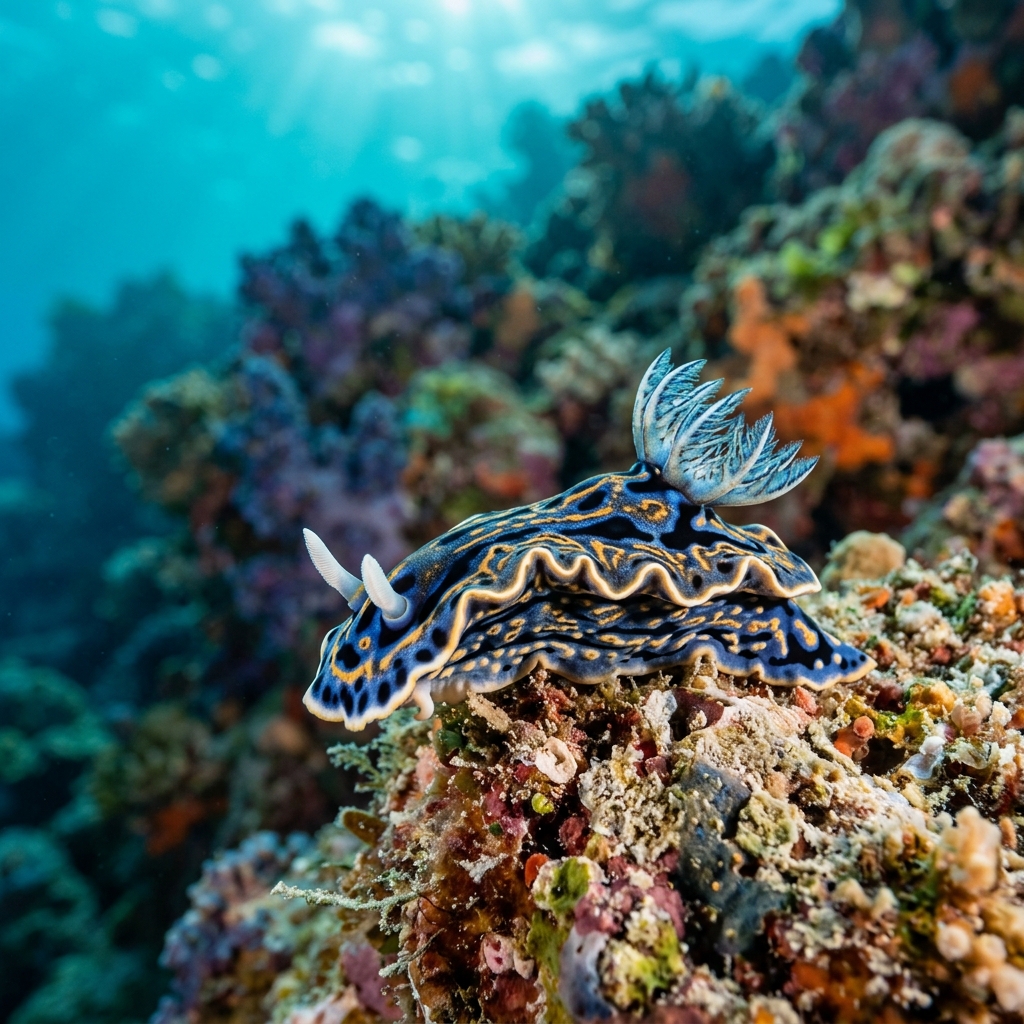
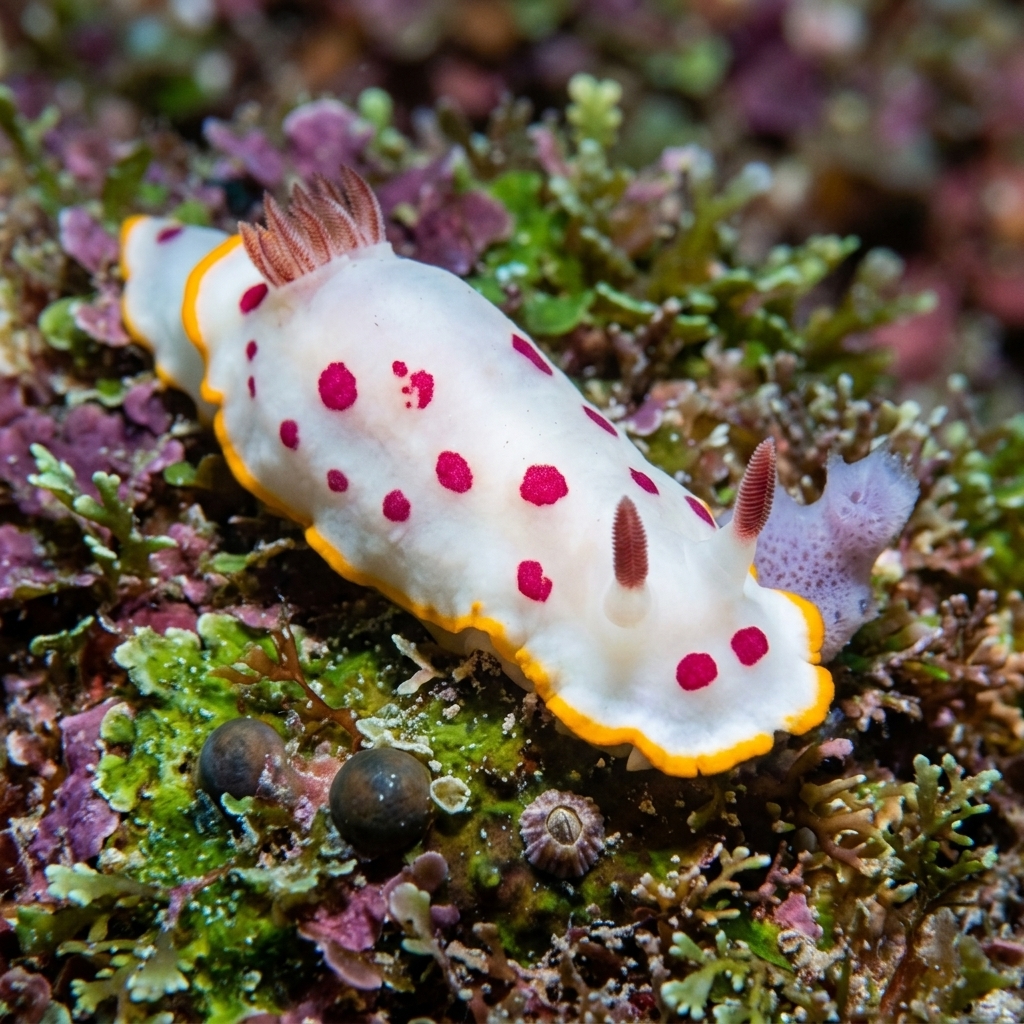
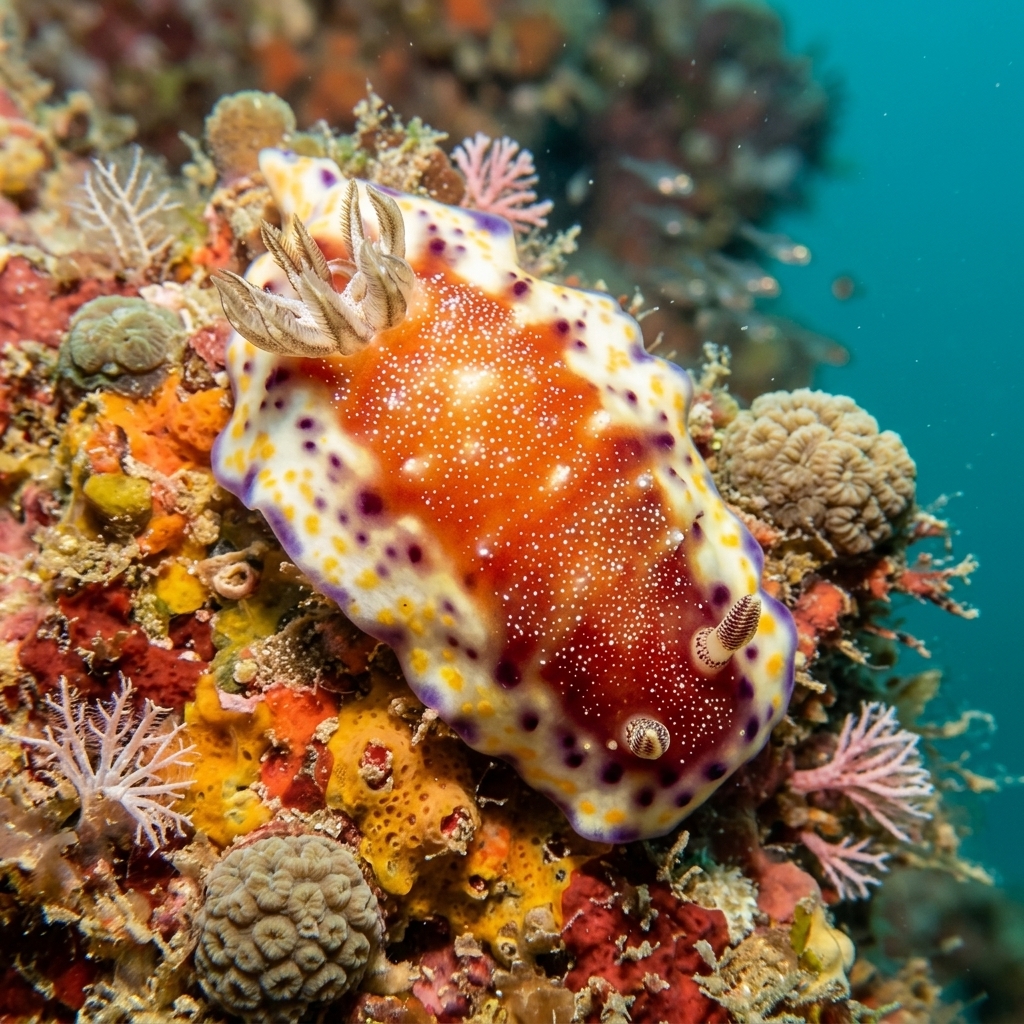
A mid-sized chromodorid nudibranch with a white to cream mantle edged by a distinct coloured margin, characteristic of the Goniobranchus genus. Look for the feathery gill plume at the rear of the body and a pair of rhinophores (chemical-sensing clubs) at the front, both typically banded or tipped in contrasting colour. It moves slowly across hard substrate, making the margin pattern the easiest field mark to key on. Depth and size records are sparse, so any Goniobranchus with this marginal patterning in Australian or Philippine waters is worth a second look.
Like most chromodorids, Collingwood's Goniobranchus is a slow crawler, typically found moving across rocky or coralline reef surfaces where it grazes on sponges. Divers usually spot it during daylight searches of rubble and reef ledges, it makes no attempt to flee and will continue feeding as you watch. Its small footprint on the reef means patience and a slow, methodical search pattern pays off far more than luck.
Goniobranchus nudibranchs are simultaneous hermaphrodites, meaning every individual carries both male and female reproductive organs and two animals can fertilise each other in a single mating event, which is why you occasionally find them paired up on the reef.
In the Southern Hemisphere, sightings concentrate between December and March, so austral summer is the season to plan around for New South Wales dives. The species has been observed across a water-temperature range of roughly 19 to 29 °C, suggesting it can tolerate both temperate and tropical conditions.
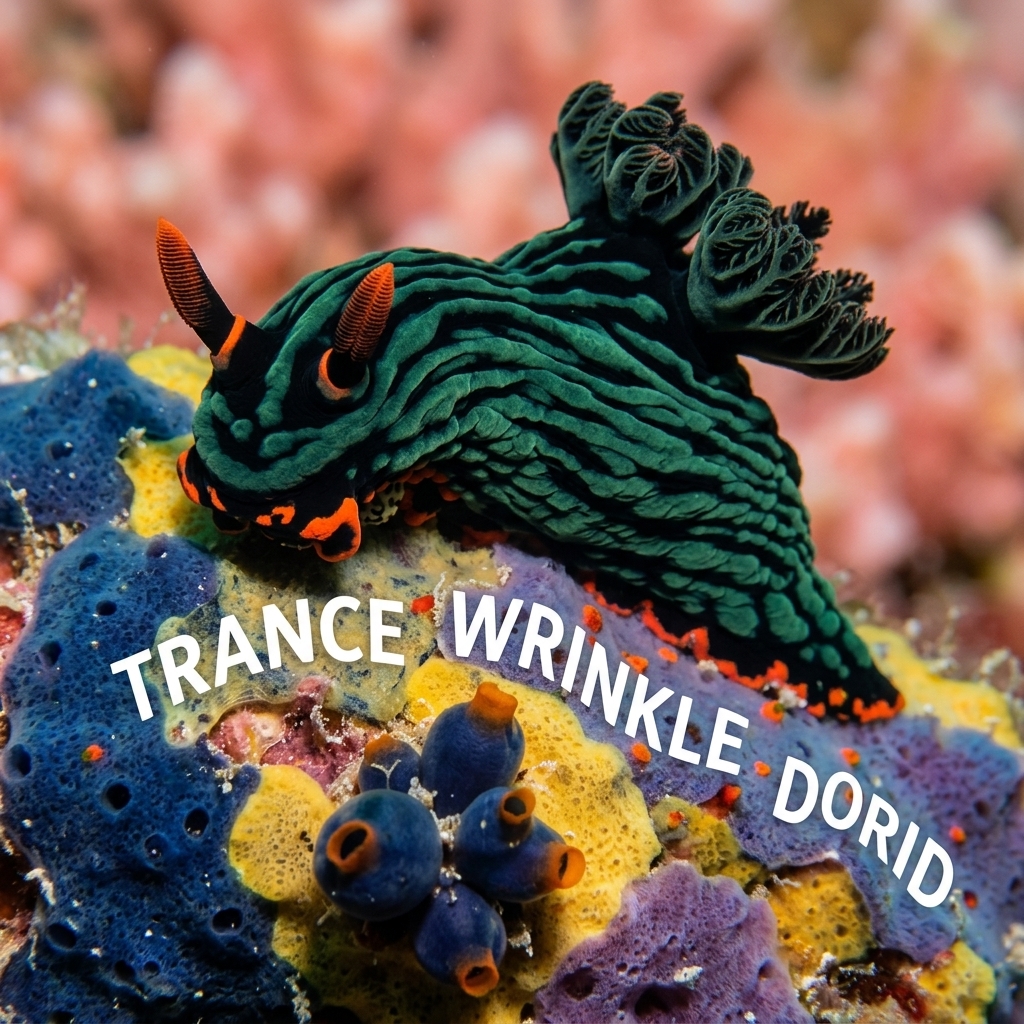
Reef neighbours a diver could mistake it for. Use the identification notes above to tell them apart.
Most sightings come from New South Wales, Australia, where it is logged across a strong spread of dive sites, making it the single most reliable destination for this species. The Philippine Visayas, particularly the East and North Visayas region, account for a solid share of records, with additional sightings from Bali, Lombok and Java in Indonesia. If you are targeting this nudibranch, New South Wales coastal reefs are your best starting point.
Mapping where Collingwood's Goniobranchus is logged…
The strongest concentration of sightings is in New South Wales, Australia, followed by the Visayas region of the Philippines and, to a lesser extent, Bali and Lombok in Indonesia. New South Wales coastal reefs are currently the most reliable destination based on logged diver records.
In Australia, sightings peak during the austral summer months of December through March. For the Philippines and Indonesia, year-round conditions may support encounters, though recorded data is thinner there so the Australian summer season is the safest bet.
Look for a white or cream mantle with a distinctly coloured marginal band running around the edge, paired with banded rhinophores and a feathery gill plume at the rear. The slow crawling pace and sponge-grazing behaviour on hard reef surfaces are also consistent clues. Compare carefully with the Splendid Goniobranch and similar chromodorids, which share the same body plan.
It is most often rated as uncommon at the sites where divers do log it, with some sites recording it as common and others as rare. Expect to work for the sighting rather than stumbling across it, slow reef searches in the right season improve your odds considerably.
No, they pose no risk to divers whatsoever. Like other nudibranchs, they are small, slow, and completely uninterested in anything larger than a sponge. The standard advice applies: look, photograph, but do not touch, as handling can damage these delicate animals.
Site and sighting data is aggregated from diver logs, iNaturalist and GBIF. For taxonomy and conservation status:
Blue Dragon
3,163 sites