Pempheris multiradiata
Copper-bronze schooling fish tucked under ledges in New South Wales and Victoria, in water from 15 to 21 C, year-round.
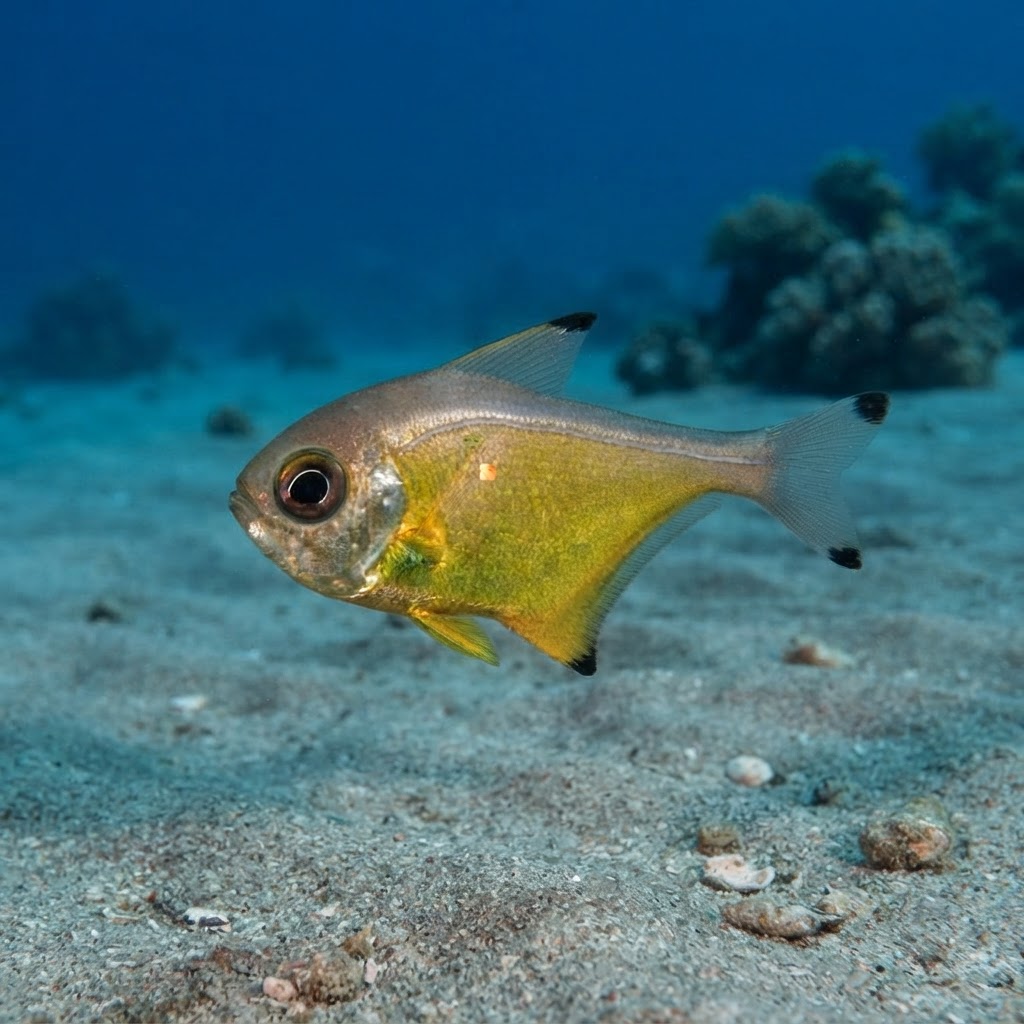
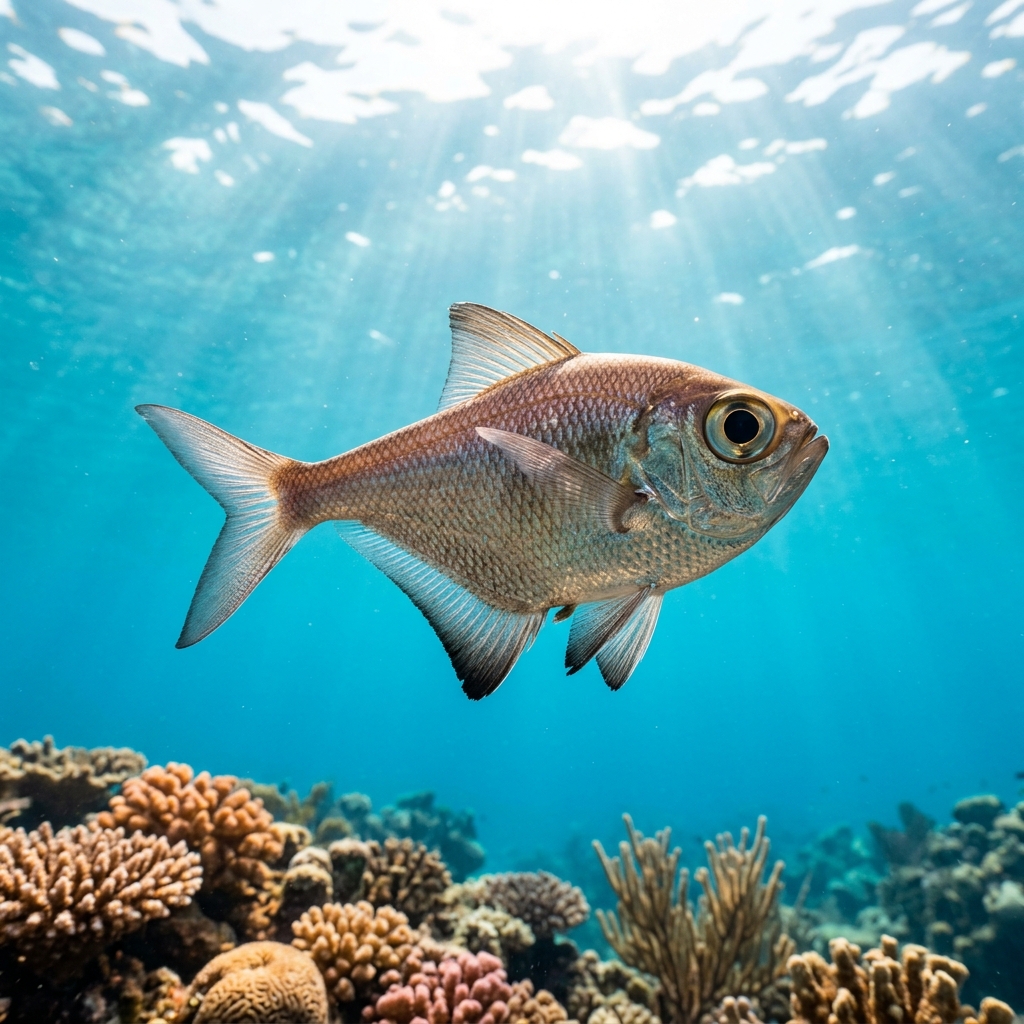
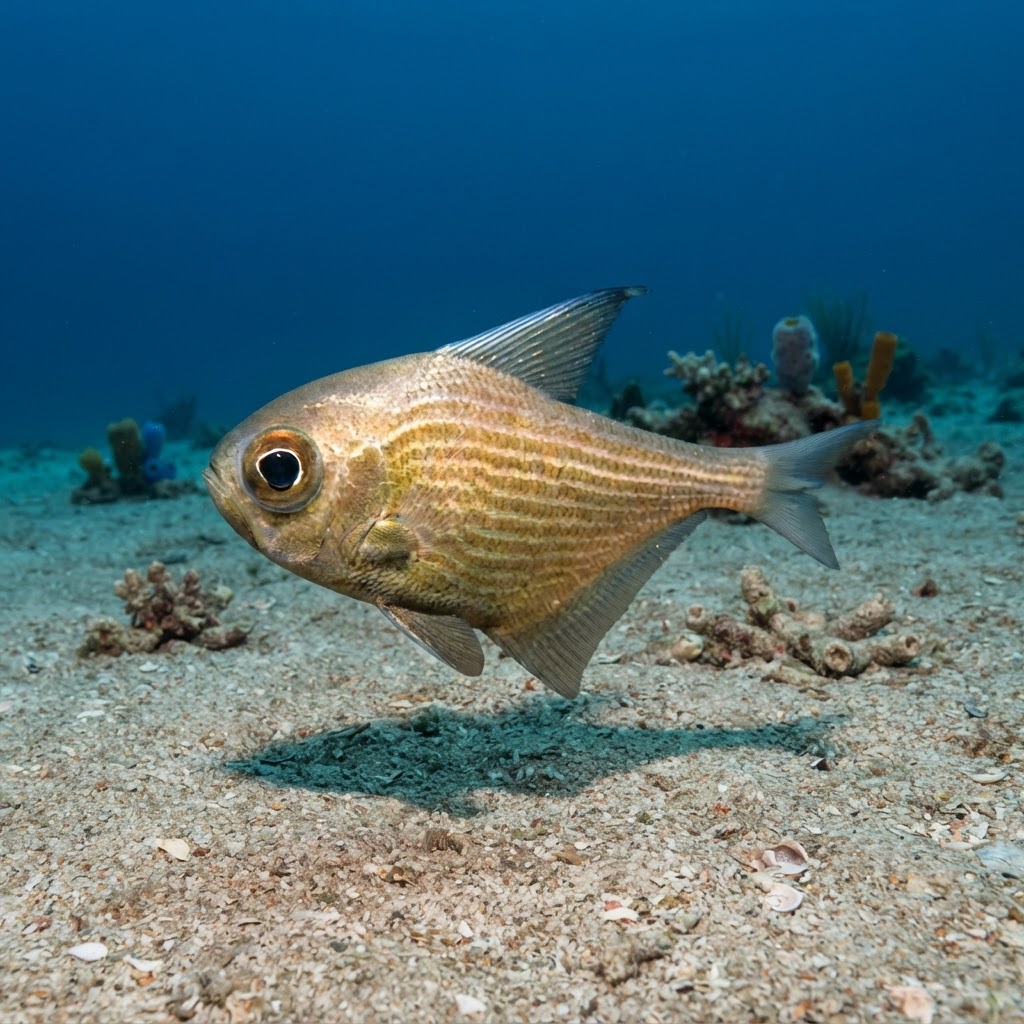
A deep-bodied, slightly compressed fish around 19 cm, coppery-bronze to reddish along the flanks with a paler belly. The eye is noticeably oversized for the body, a giveaway for the family, and the fish tends to hang head-up or at an angle in loose clusters rather than swimming flat like a typical baitfish. No strong stripes or spots to key on, so shape, eye size and its habit of sheltering under overhangs do most of the identification work.
Typically found tucked into the shadows of rocky ledges, overhangs and small caves, often hovering in loose, static groups rather than actively cruising the open reef. Divers usually find them by peering into dark gaps rather than spotting them mid-water, and they tend to sit tight rather than bolt when a torch beam passes over. Most encounters are logged as uncommon rather than a dead cert, so treat a sighting as a nice bonus on a southern Australian reef dive.
That oversized eye is a low-light adaptation, tuned for a fish that spends its days loafing in shaded ledges and caves rather than out in open sunlit water.
Sightings don't show a clear seasonal pattern, and it's recorded across a fairly wide temperate range of 15.3 to 21.2 C, so it's reasonable to plan a dive any time of year and expect a chance of finding it.
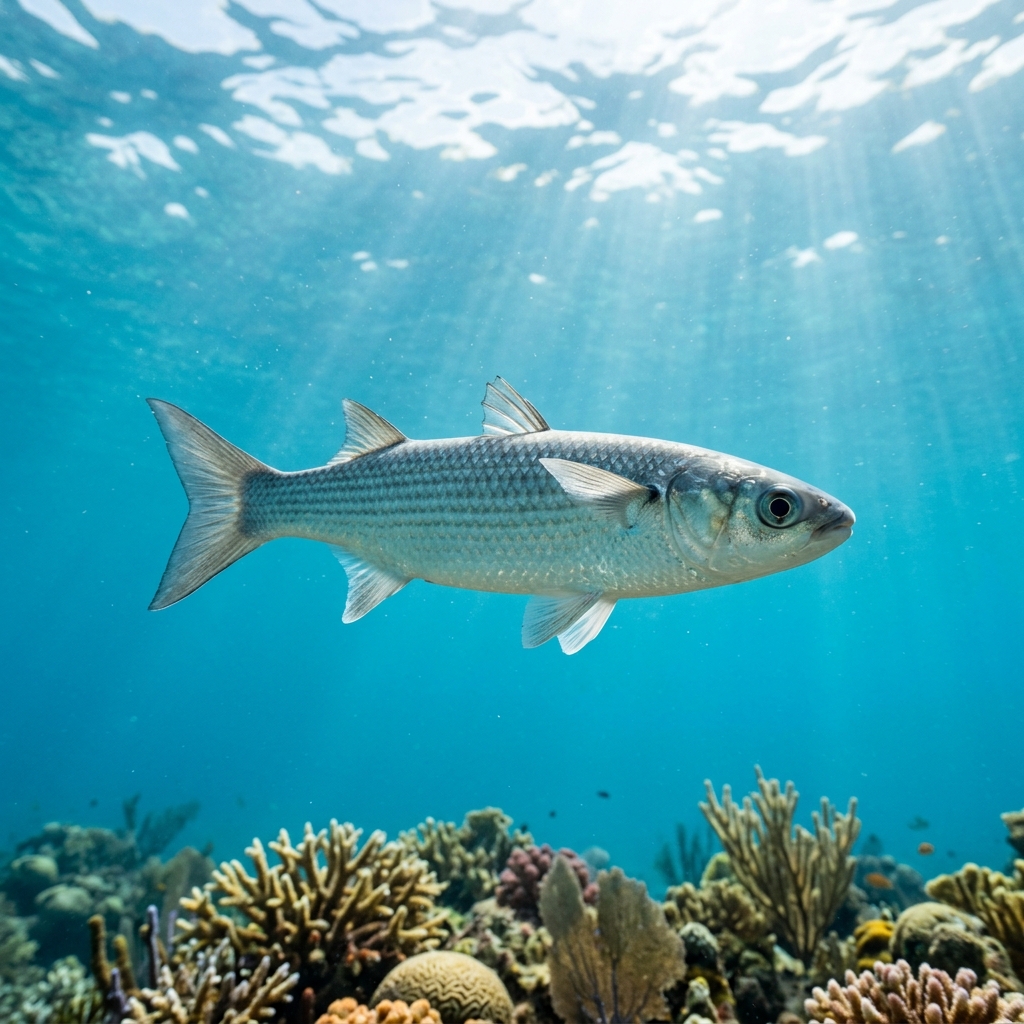
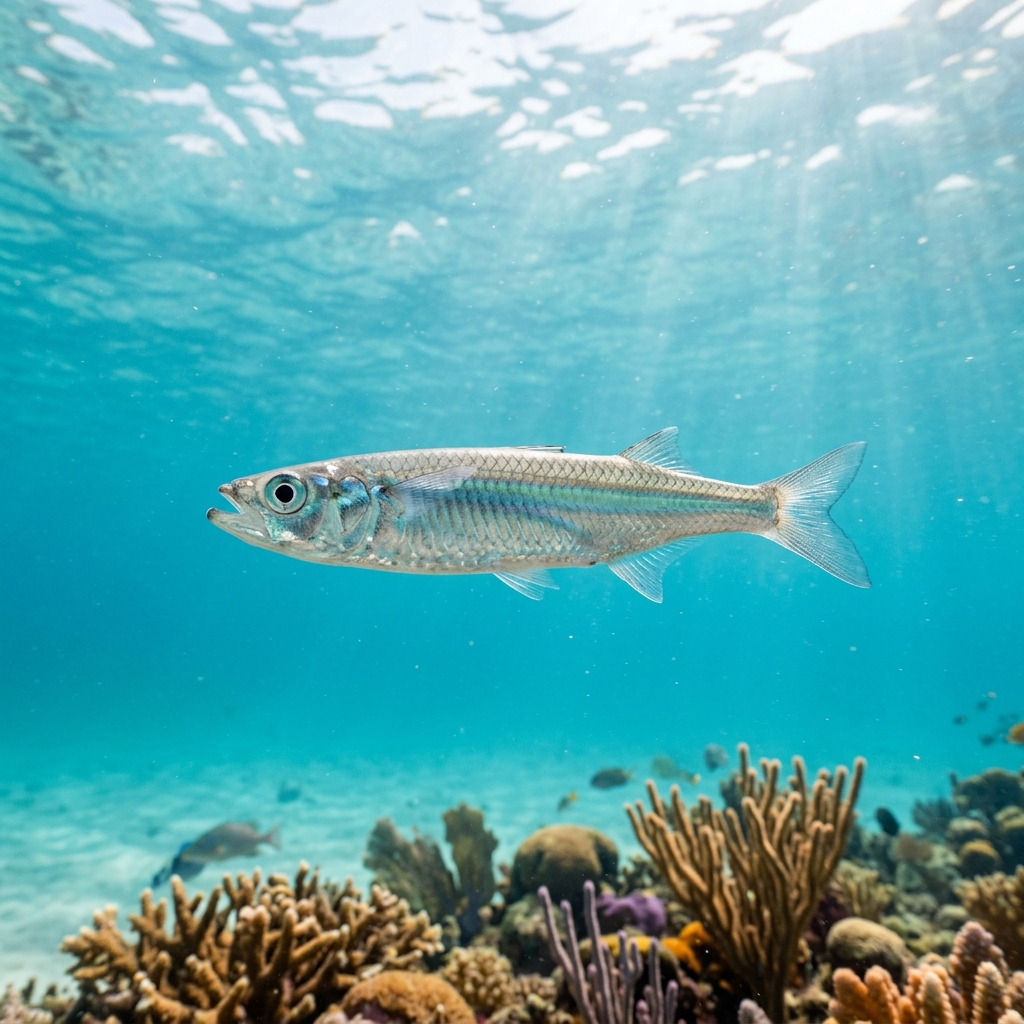
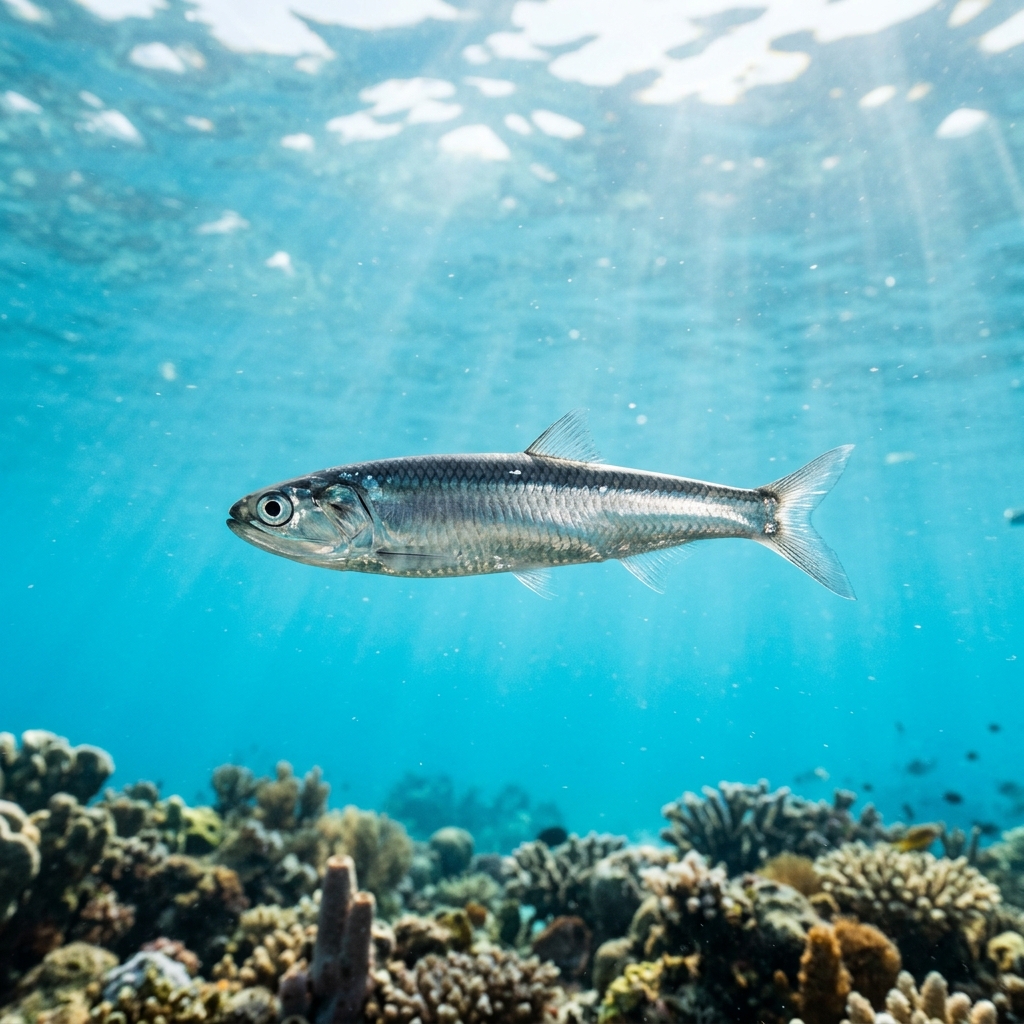
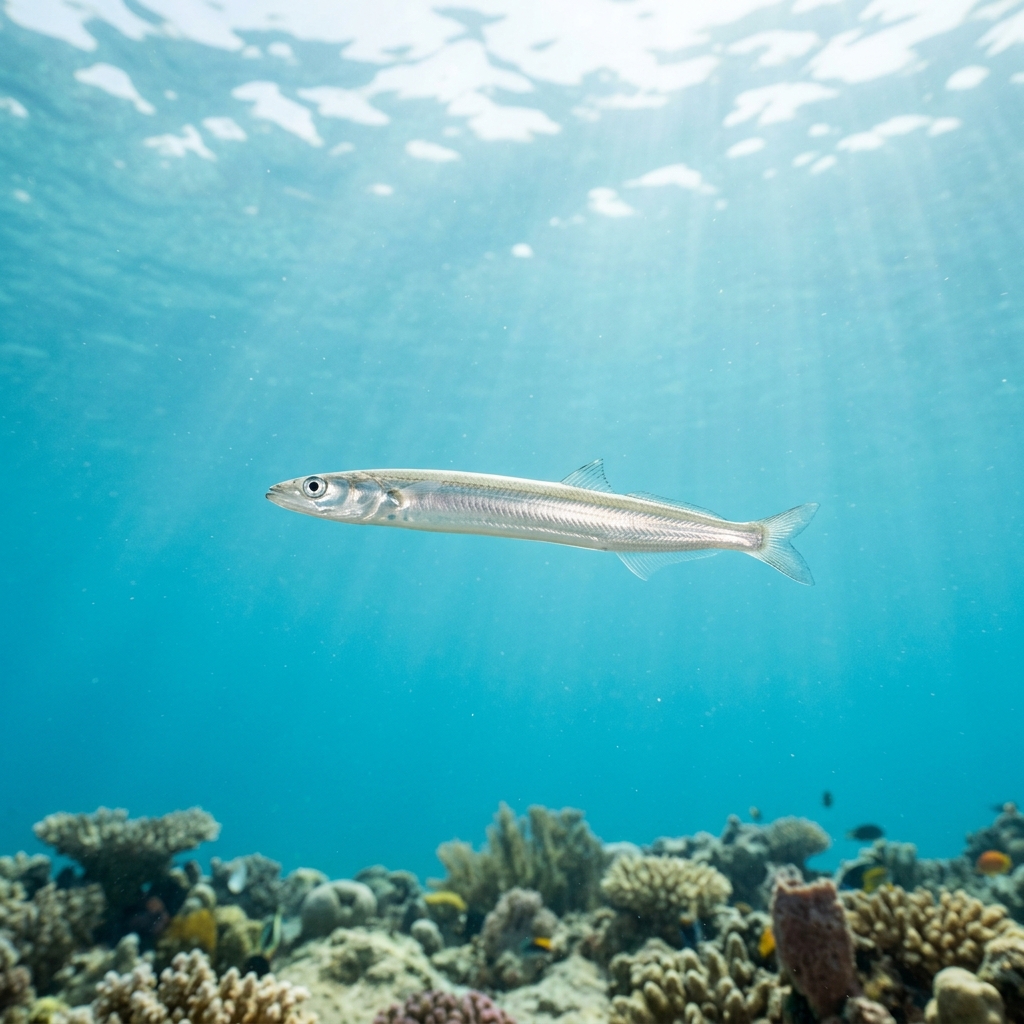
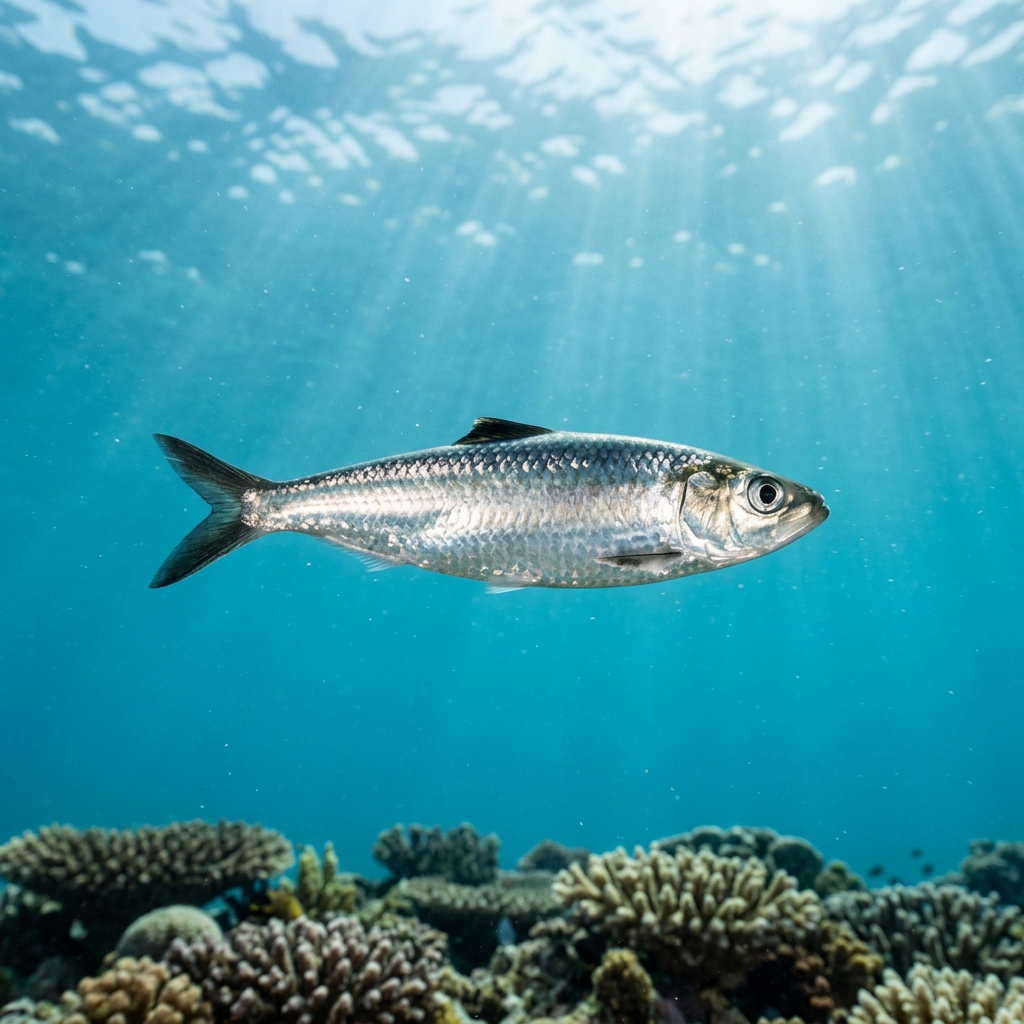
Reef neighbours a diver could mistake it for. Use the identification notes above to tell them apart.
Most reliably logged along the southeastern and southern Australian coast, with the strongest showing in New South Wales and Victoria, followed by South Australia and Western Australia, and occasional records from Tasmania. Look for it on temperate reef dives with rocky overhangs, ledges and caves rather than open sand or tropical coral.
Mapping where Common Bullseye is logged…
They're most often logged in New South Wales and Victoria, with further sightings in South Australia, Western Australia and Tasmania. Look under rocky ledges and in small caves on temperate Australian reef dives rather than open sand.
There's no strong seasonal pattern in the sightings data, so they're considered a year-round find on Australian temperate reefs, turning up in water from about 15 to 21 C.
Look for a deep-bodied, coppery-bronze fish around 19 cm with an unusually large eye, hovering in small groups under ledges and overhangs. It lacks bold stripes, so the big eye and its shaded, sheltering habit are the main clues.
They typically reach around 19 cm, a modest, hand-sized fish rather than anything dramatic in the water.
No, they pose no threat to divers and simply shelter in ledges and overhangs, ignoring passing divers for the most part.
Site and sighting data is aggregated from diver logs, iNaturalist and GBIF. For taxonomy and conservation status:
Anchovy
2,433 sites