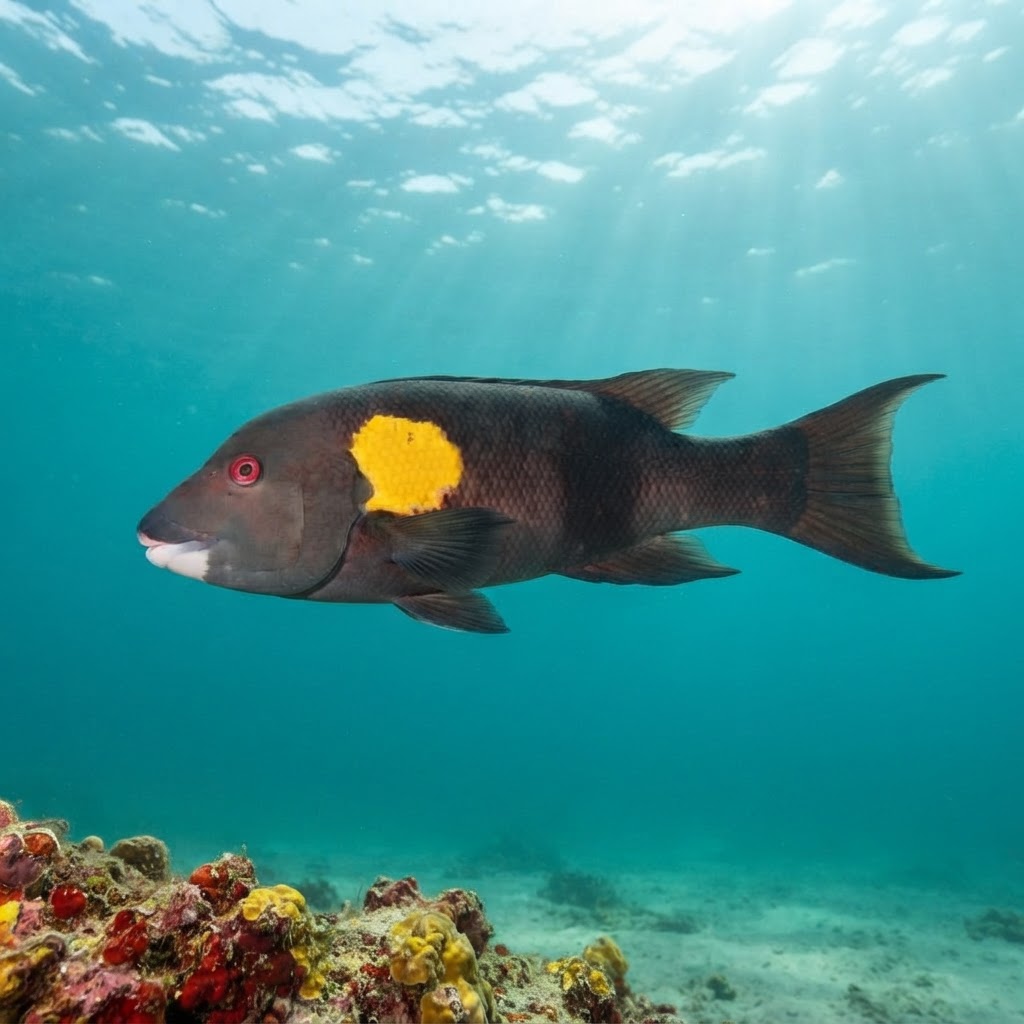
Bodianus darwini
Uncommon endemic wrasse of the Galápagos Islands, found in 16-23C water year-round. Here's how to spot one and where to look.
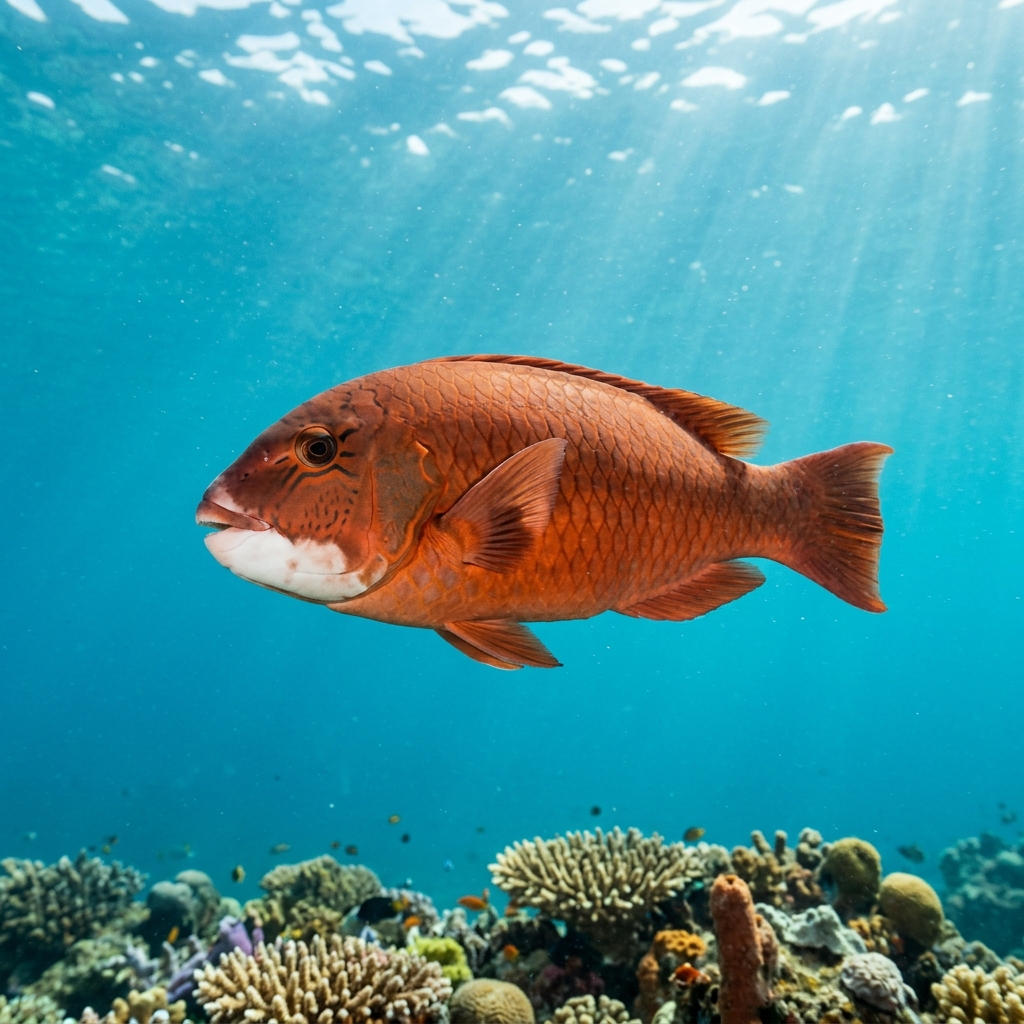
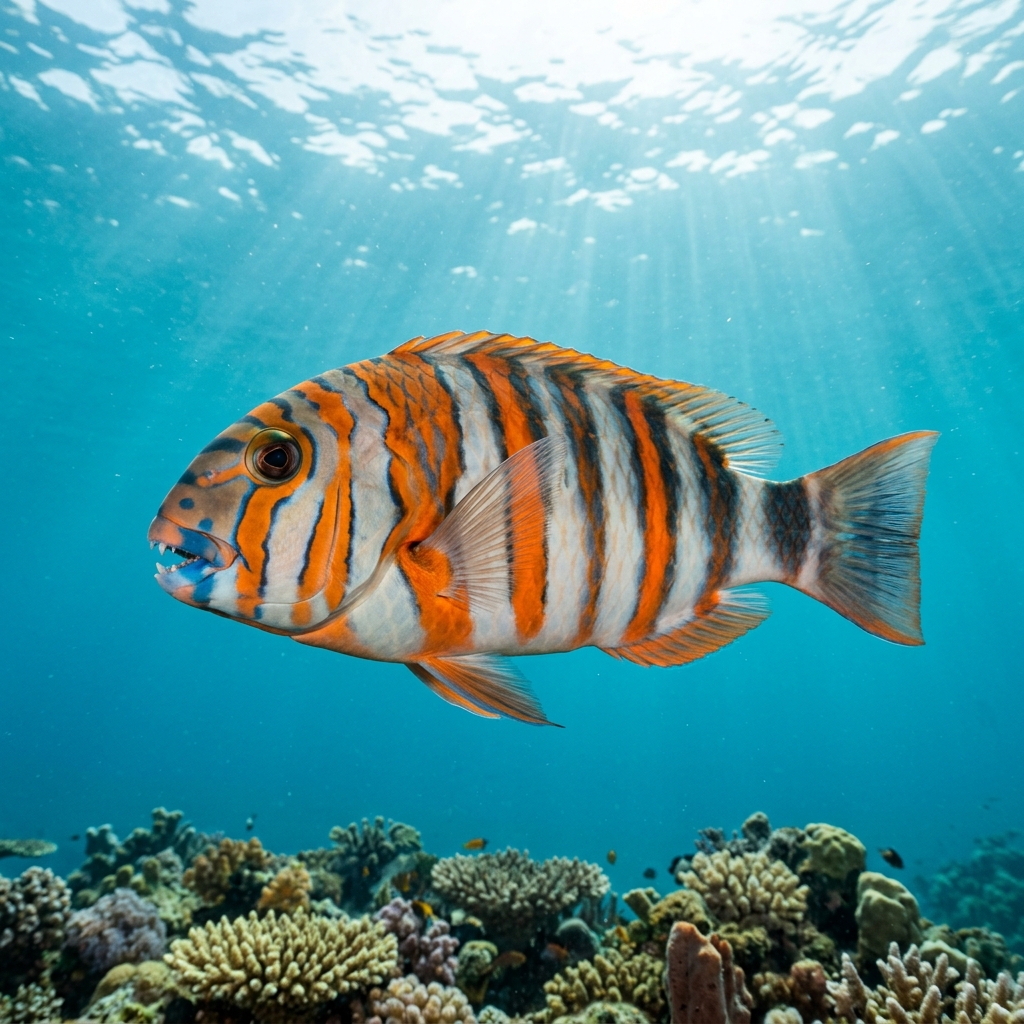
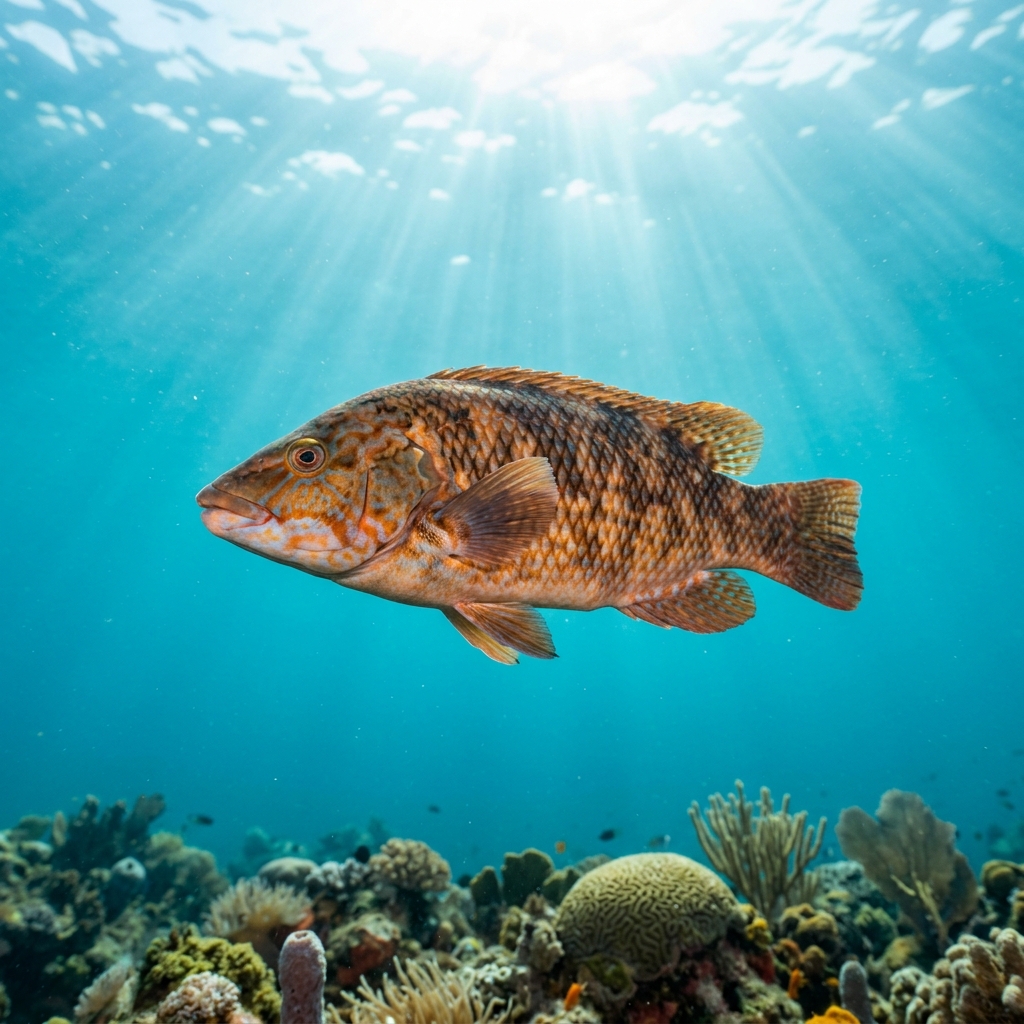
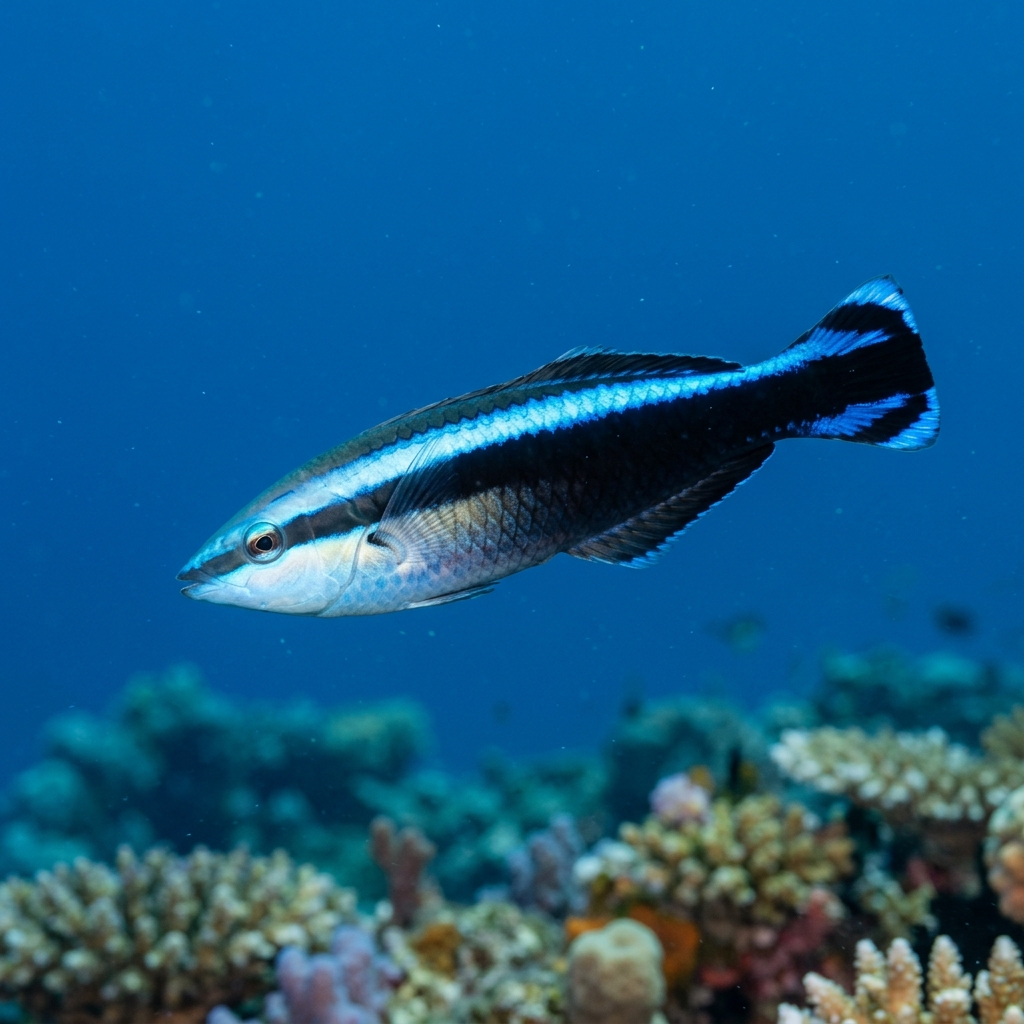
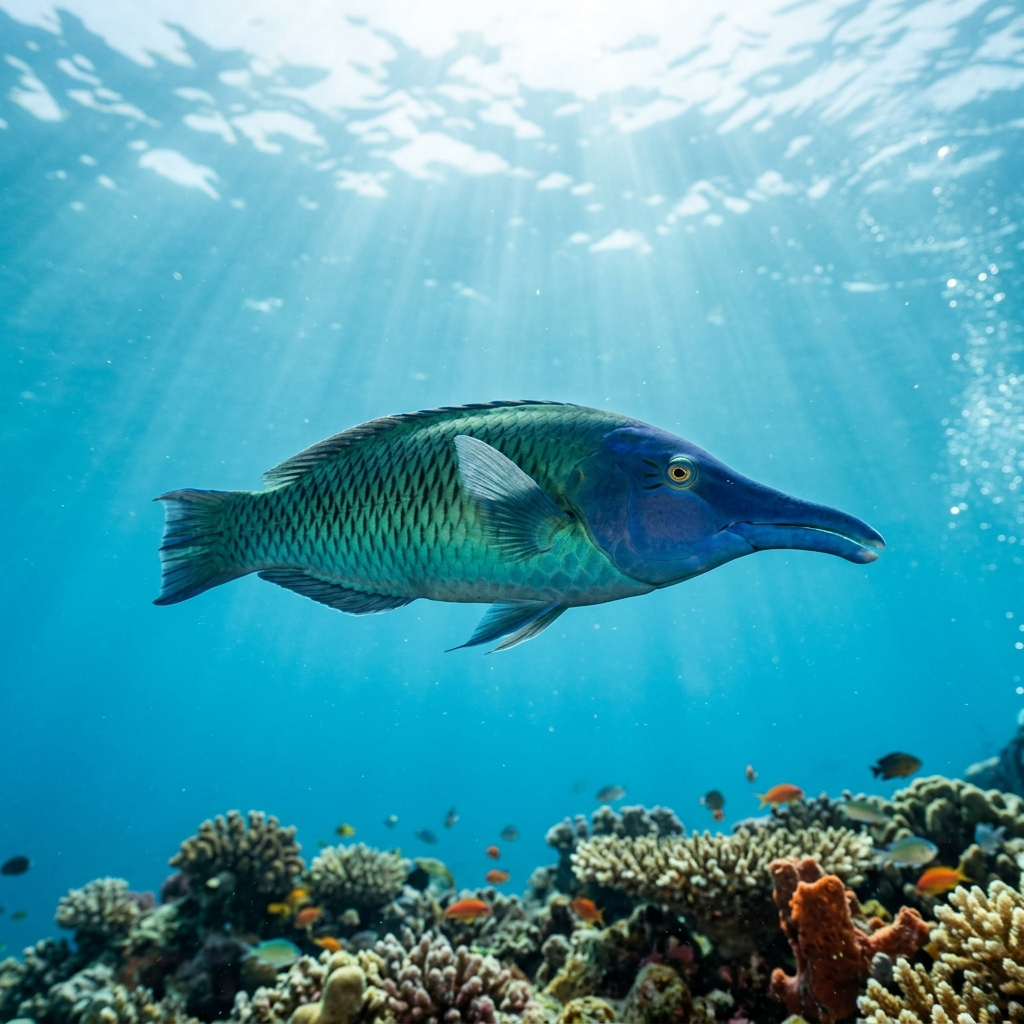
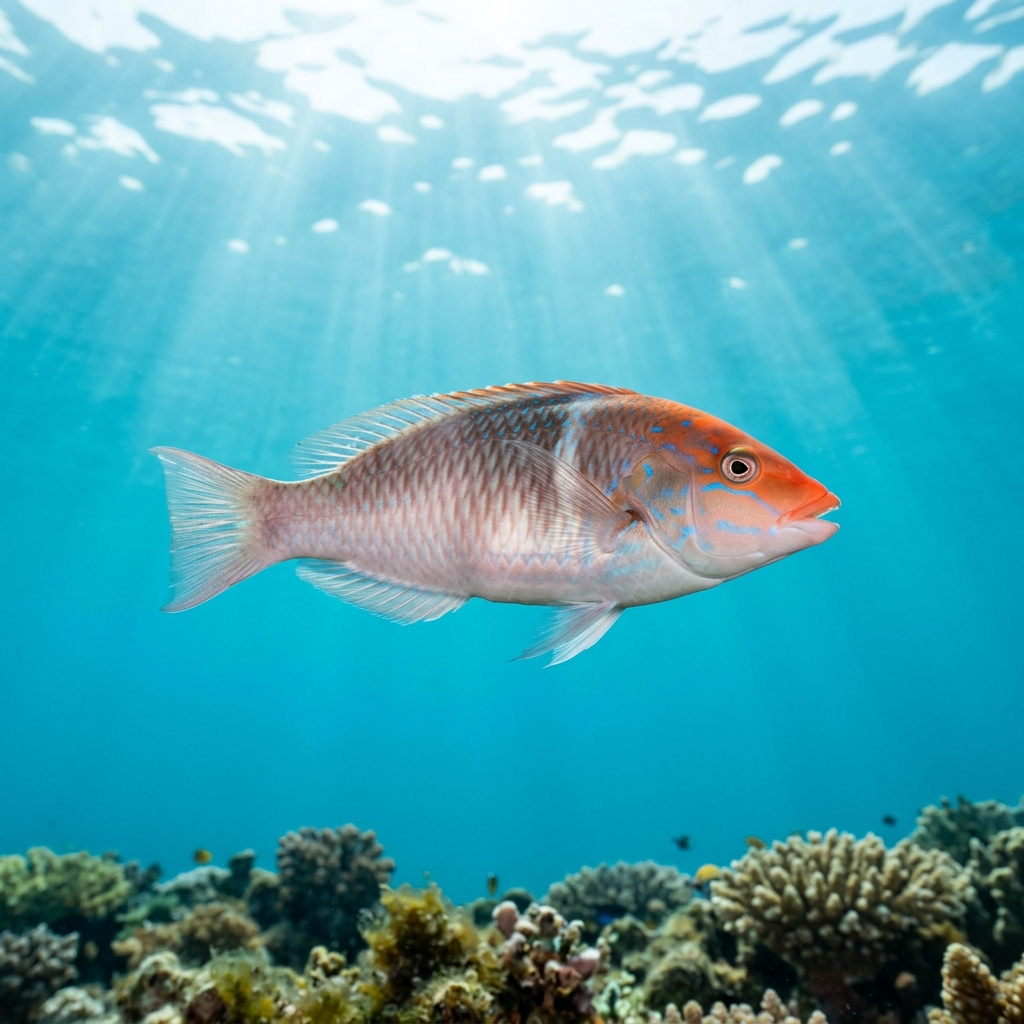
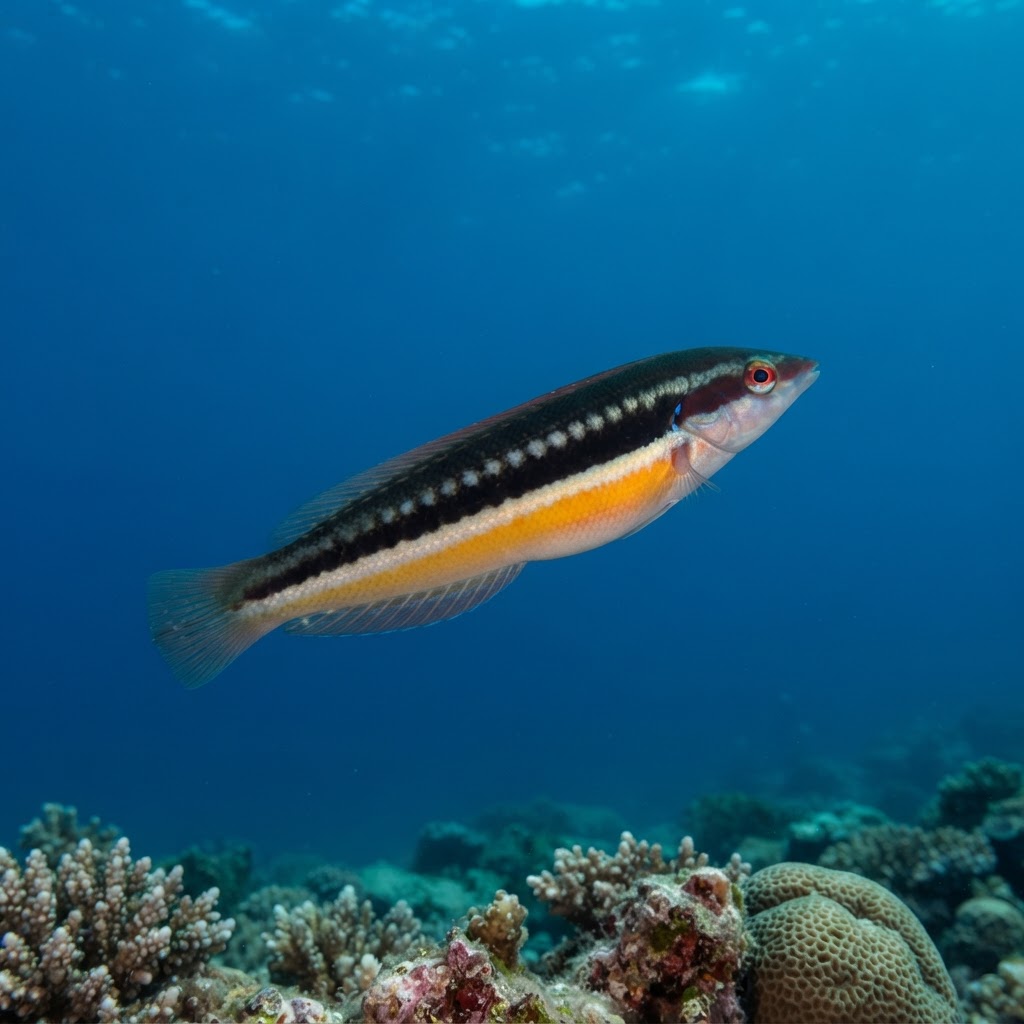
Chunky, deep-bodied wrasse reaching close to half a metre, with a blunt head and thick lips that give it a slightly grumpy look. Colouring runs from reddish-brown to grey-brown over most of the body, often with a paler patch or blotchy shading toward the tail. It swims with slow, deliberate strokes low over rock and reef rather than darting about like smaller wrasses, which combined with its bulk makes it easy to separate from the reef's more streamlined fish.
Divers typically find it working slowly over rocky reef and boulder terrain, picking at the substrate rather than schooling or chasing prey in open water. It's an uncommon sighting even at the sites where it occurs, so treat any encounter as a bonus rather than something to expect on every dive. It doesn't seem particularly bothered by divers, holding its ground or ambling off at its own pace rather than bolting.
It's endemic to the Galápagos, meaning this is one of the relatively few wrasses you can only tick off in one archipelago on the planet.
Sightings don't show a clear seasonal pattern, and it's logged across a temperature range of 16.2 to 23.1 C, so plan around Galápagos diving conditions generally rather than a specific month for this fish.
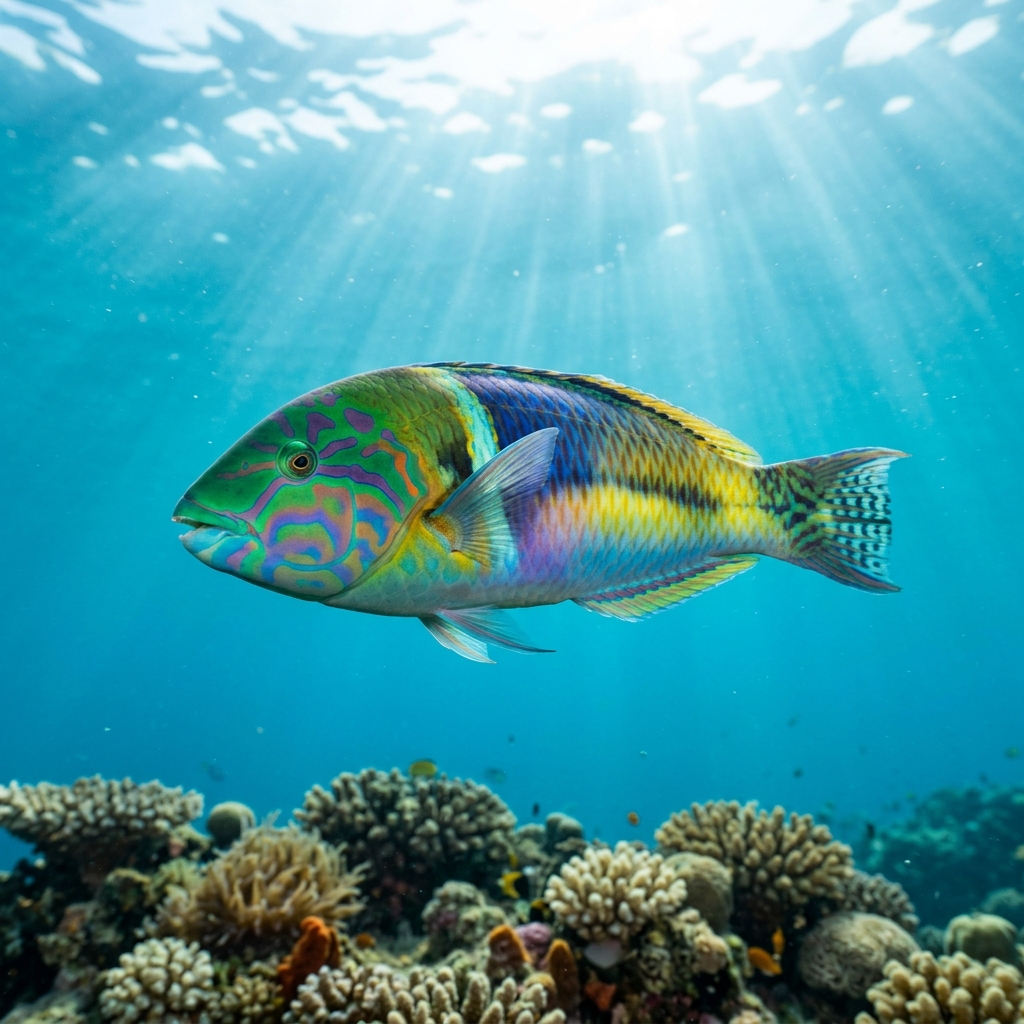
Reef neighbours a diver could mistake it for. Use the identification notes above to tell them apart.
This one is essentially a Galápagos specialty: every logged sighting comes from Ecuador, specifically the Galápagos Islands. If you're diving anywhere else in the eastern Pacific, don't expect to tick this species off your list.
Mapping where Galápagos Sheephead Wrasse is logged…
It's only been logged in the Galápagos Islands, Ecuador, making it a true regional specialty rather than a species you'll bump into elsewhere in the Pacific.
There's no strong seasonal signal in the sighting data, so it's considered a year-round possibility on Galápagos dives, within the area's typical 16 to 23C water.
Look for a stocky, reddish-brown to grey-brown wrasse close to half a metre long, with a blunt head, thick lips, and slow, deliberate movement low over rocky reef.
They typically reach around 49 centimetres, making them one of the larger wrasses you'll encounter on a Galápagos reef.
No, they pose no threat to divers and simply go about foraging over the reef, often tolerating a fairly close approach.
Its conservation status hasn't been formally assessed, so there's no listed threat level. That said, as a Galápagos endemic it's worth respecting standard no-touch, no-chase diving etiquette around it.
Site and sighting data is aggregated from diver logs, iNaturalist and GBIF. For taxonomy and conservation status:
Bird Wrasse
3,632 sites