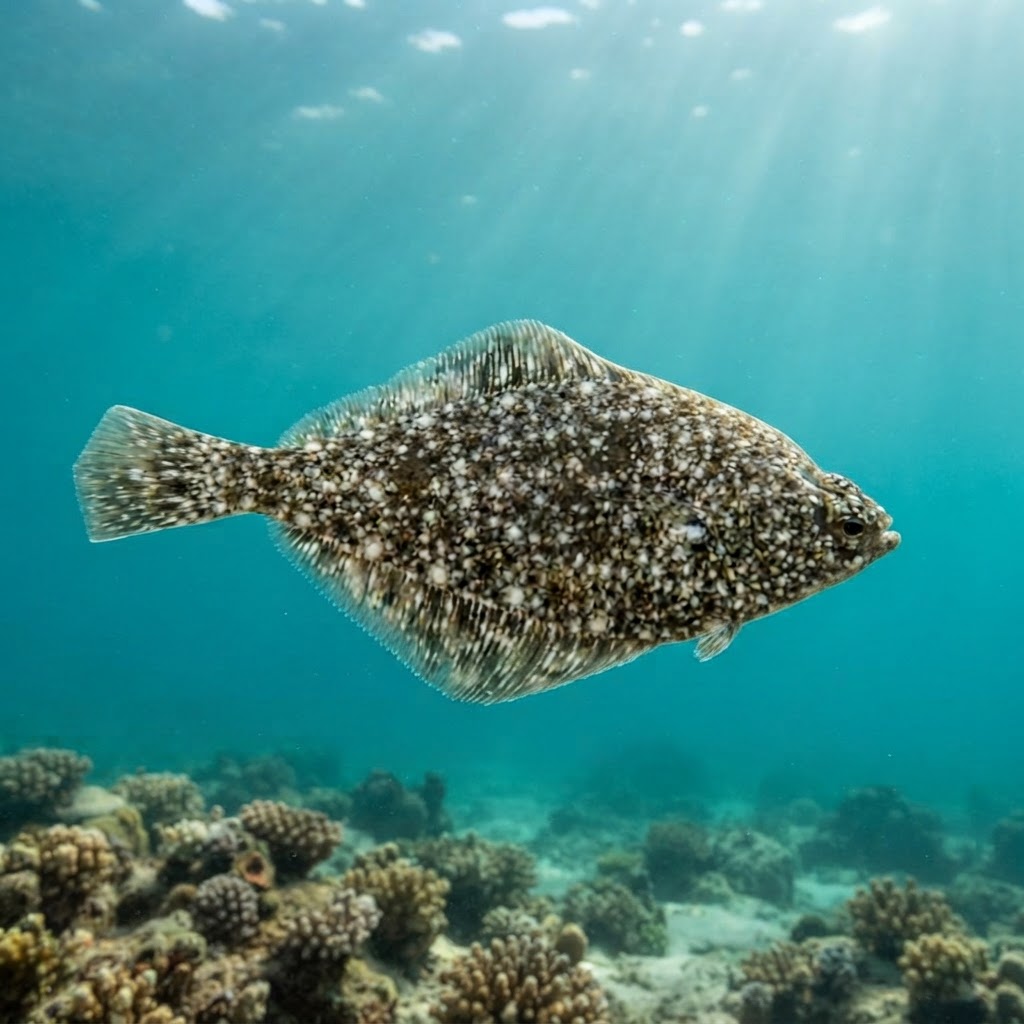
Parophrys vetulus
A cold-water flatfish rarely logged in the Pacific Northwest and British Columbia, comfortable in 3 to 8 C water year-round.
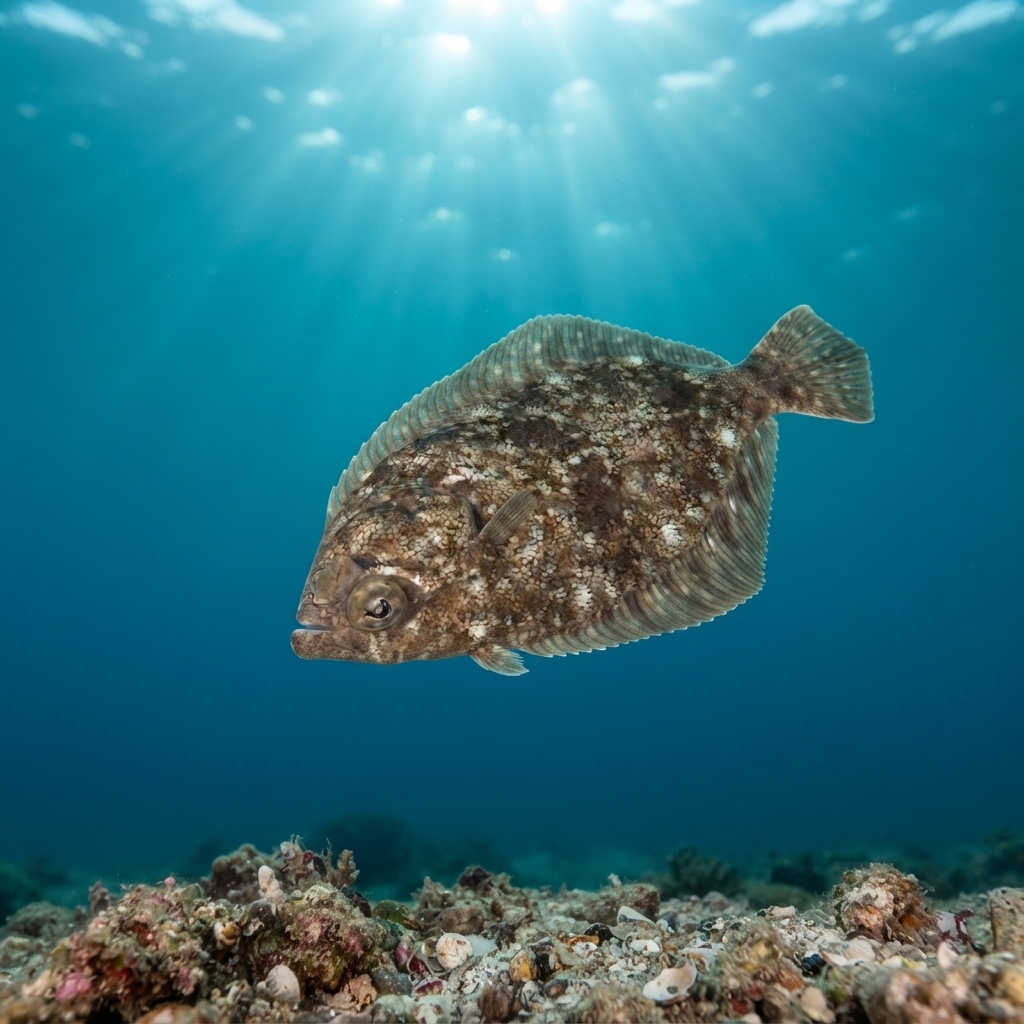
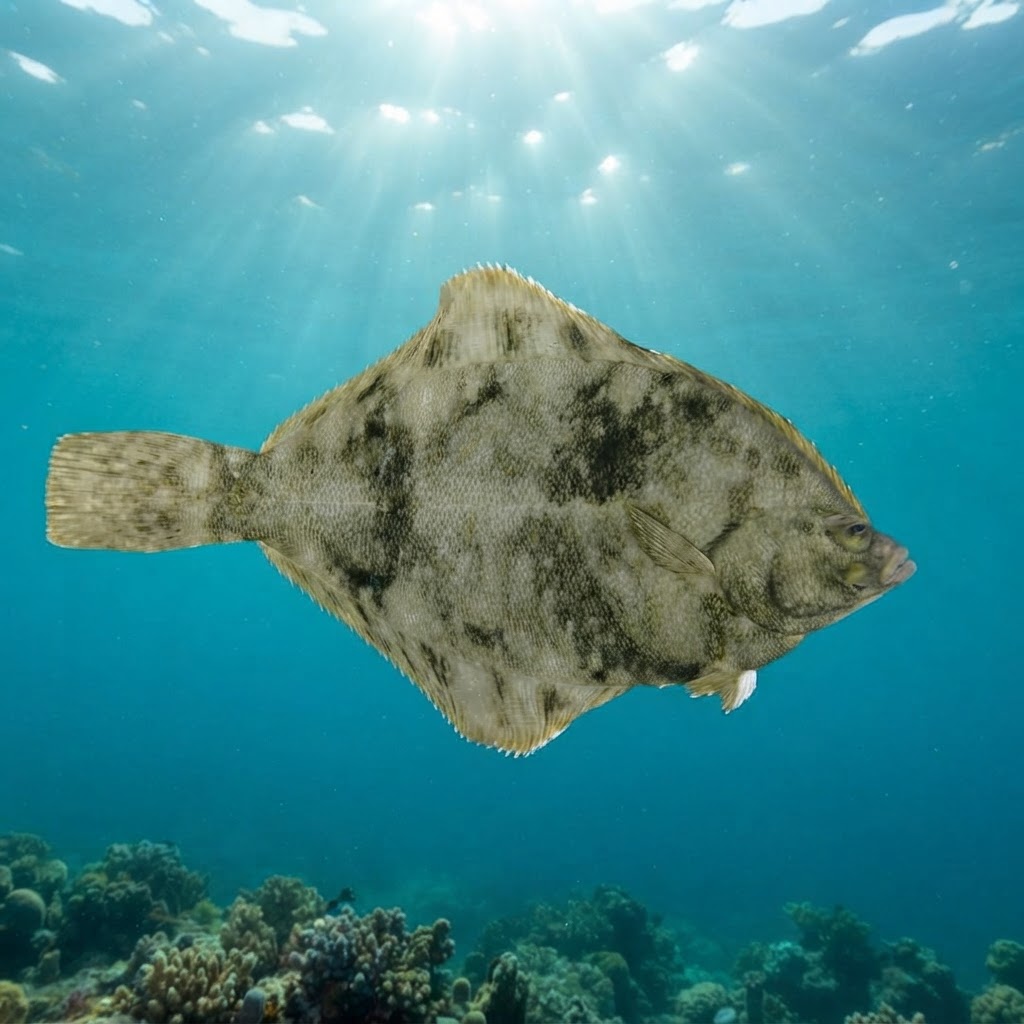
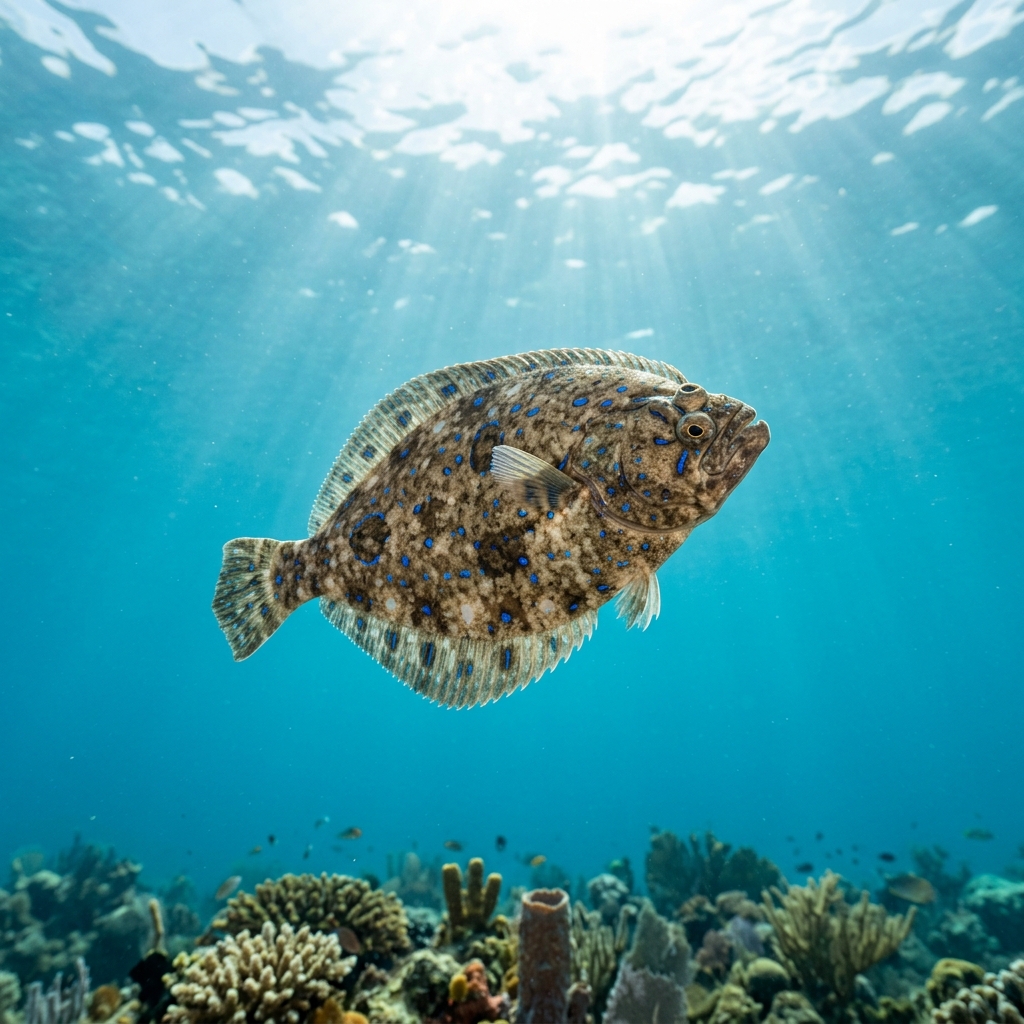
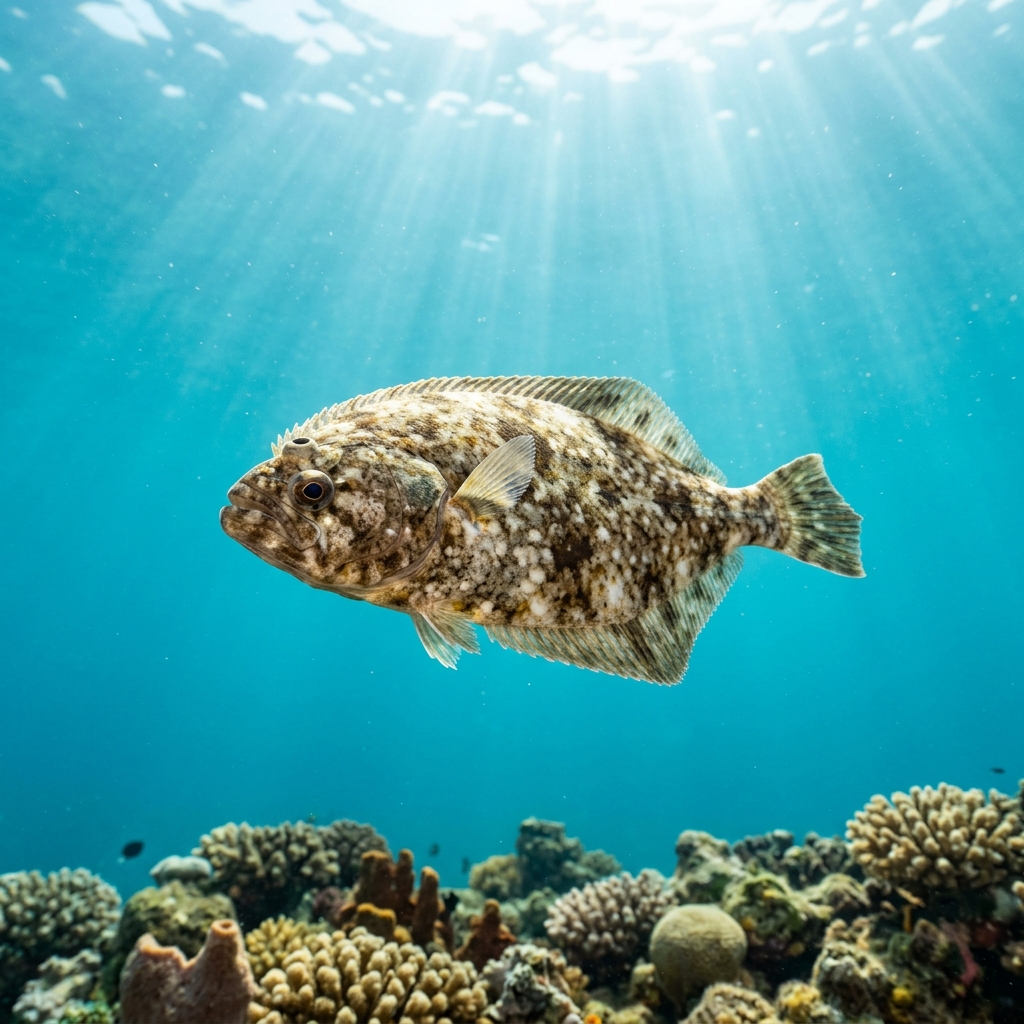
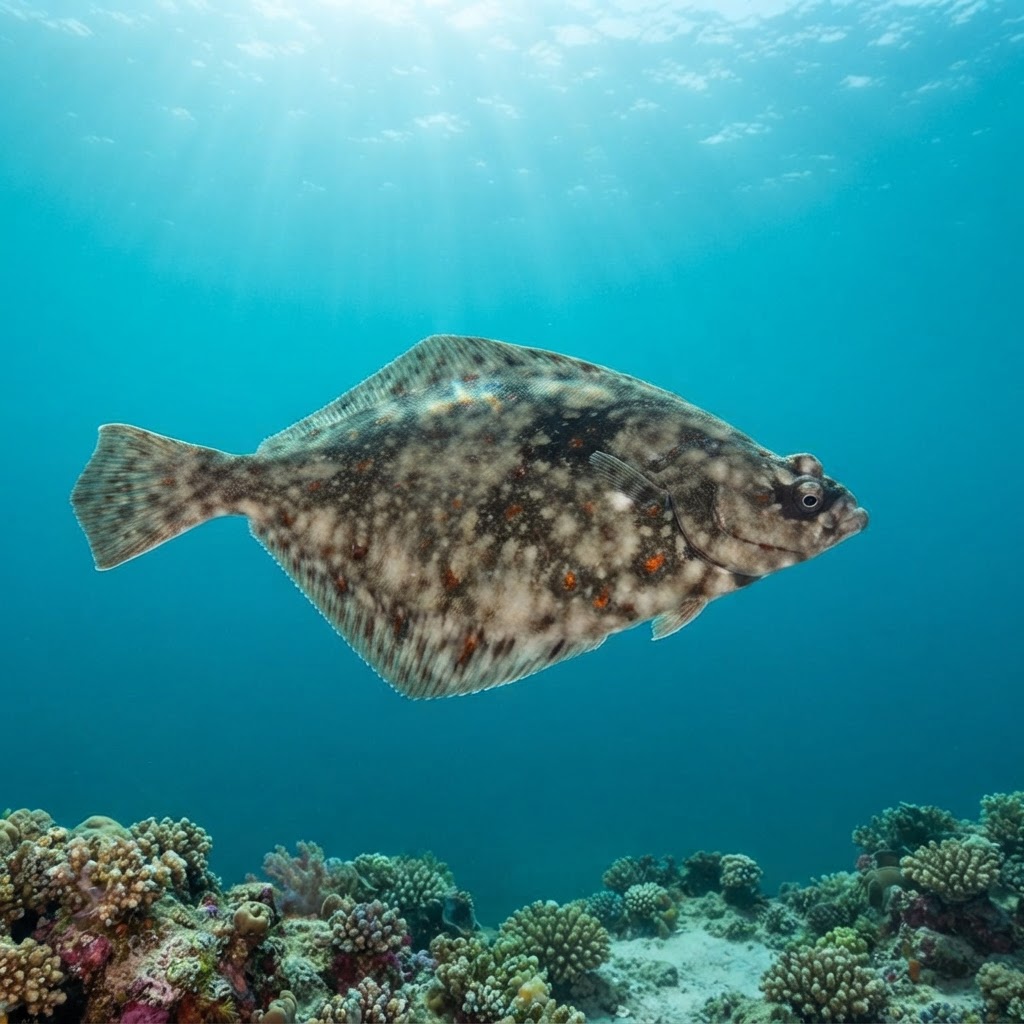
Grows to around 34 cm, with an oval, flattened body that lies right-eyed side up on the seabed, both eyes on the right side of the head. Colouring is a mottled brown to olive on the upper side, blending closely with sand or mud, while the underside stays pale white. Look for the small mouth and the slightly pointed head shape, and expect it to sit almost motionless against the bottom rather than swimming in open water.
Spends most of its time lying flat and still on sand or mud, relying on its mottled colouring to blend in rather than fleeing when divers approach. Divers typically spot it by scanning the bottom closely rather than seeing it move, and it may only dart a short distance if disturbed.
Like other flatfish, it starts life swimming upright with an eye on each side of its head, then one eye migrates across the skull as it settles onto the seabed and adopts its flattened, bottom-dwelling life.
Sightings are logged year-round with no clear seasonal peak, which fits its cold-water niche of roughly 3 to 8 C, conditions that hold steady through much of the year in the Pacific Northwest and British Columbia.
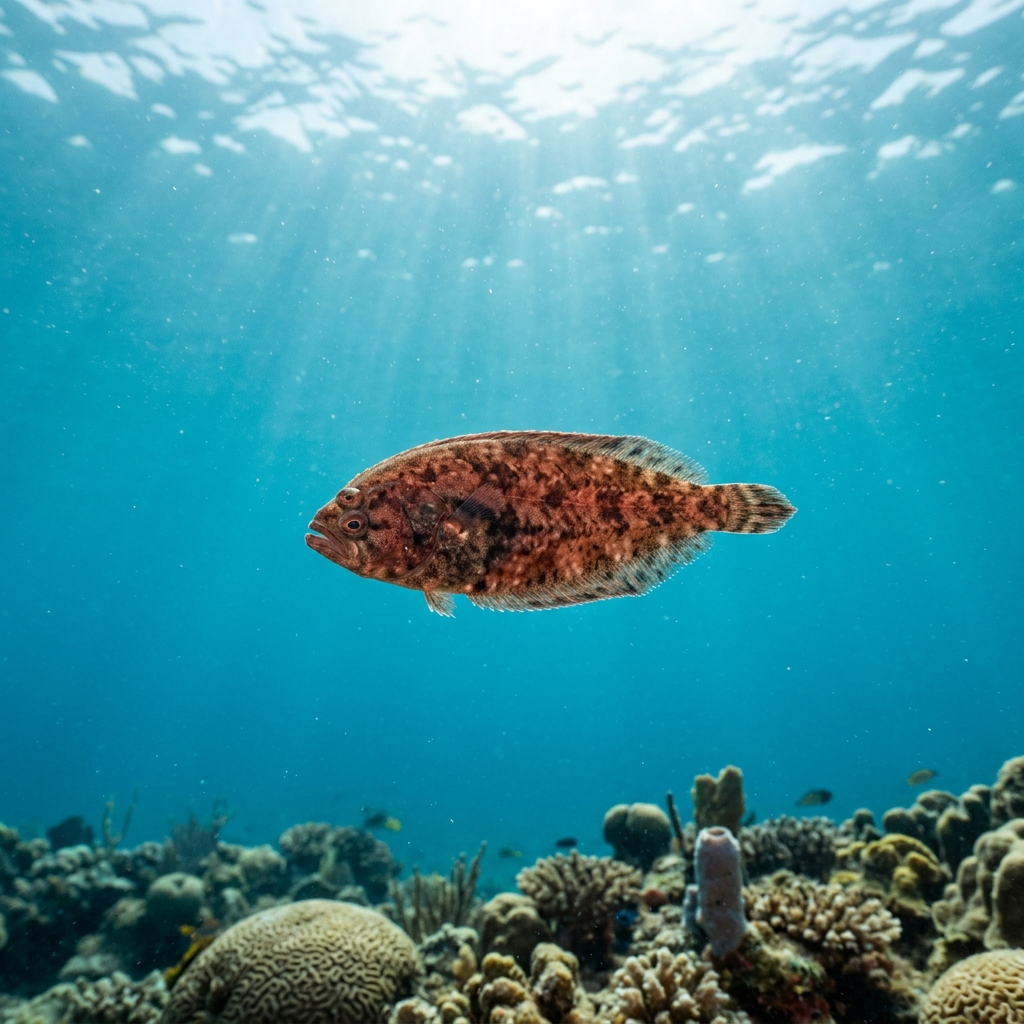
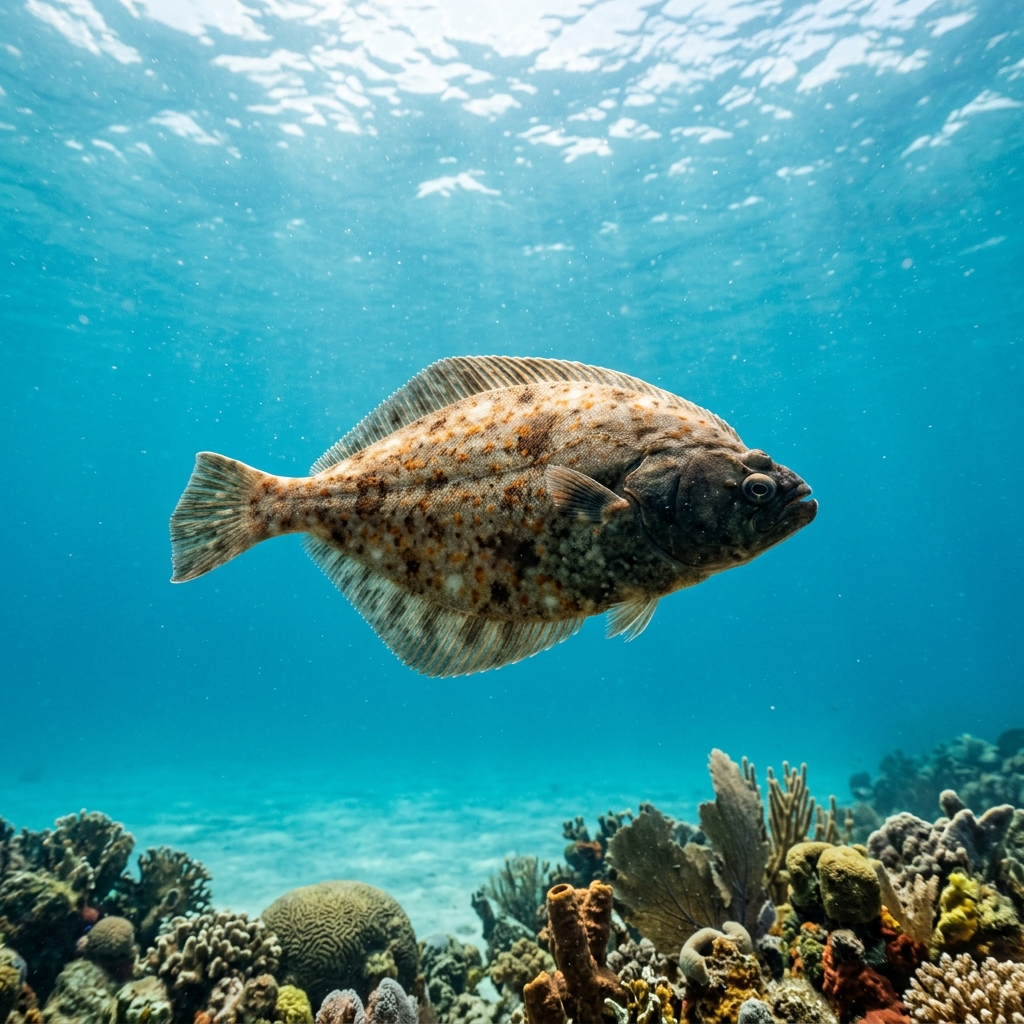
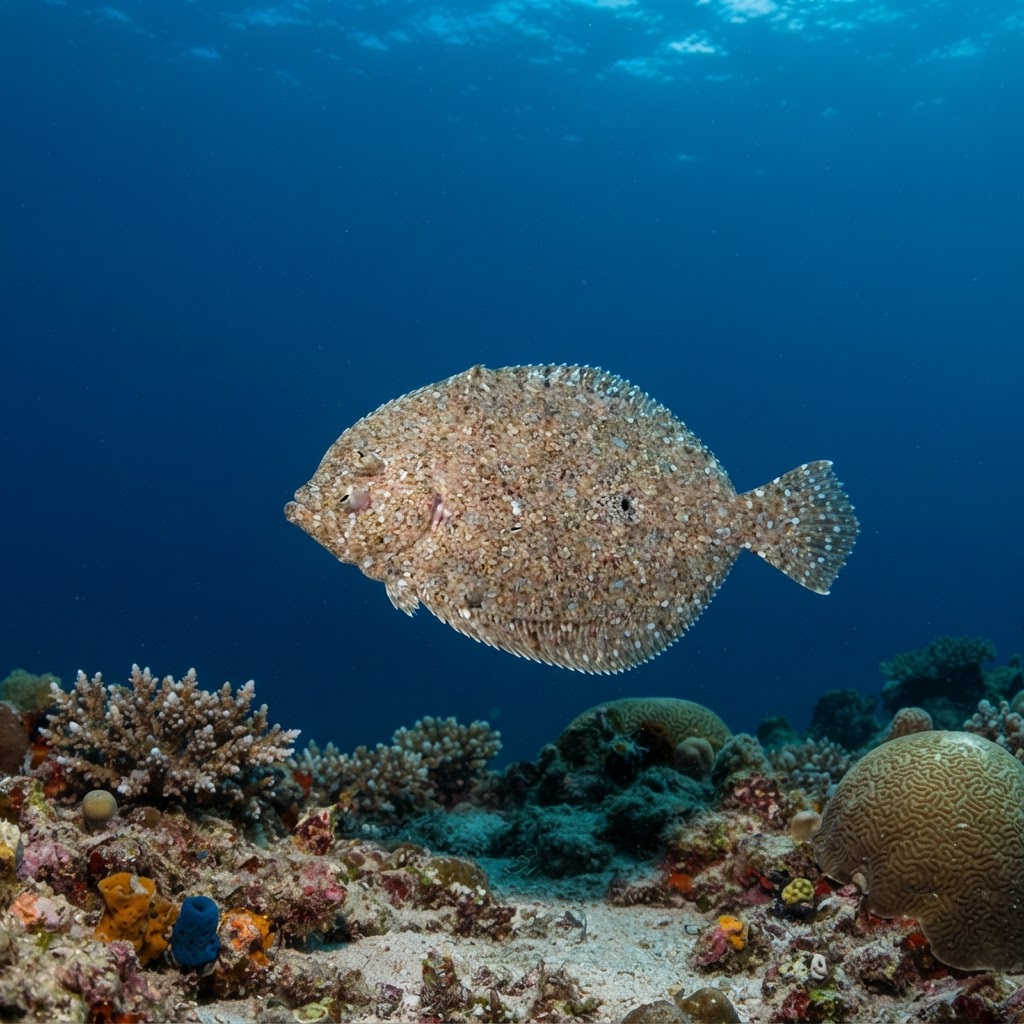
Reef neighbours a diver could mistake it for. Use the identification notes above to tell them apart.
Logged mainly in the Pacific Northwest of the United States, with additional sightings from British Columbia, Canada. Sites are spread thin and sightings are rare, so this is a species you might stumble across rather than plan a dive around, mostly on sand or mud bottoms in these cold-water regions.
Mapping where English Sole is logged…
Sightings come mainly from the Pacific Northwest in the United States, with additional records from British Columbia, Canada. It is not a species tied to a famous dive site, more an occasional find on sandy or muddy seabeds in these cold-water regions.
There is no strong seasonal pattern in sightings, and it is logged across the year. Its comfort range of roughly 3 to 8 C matches the cooler waters of the Pacific Northwest and British Columbia much of the year.
Look for a flattened, oval body up to about 34 cm long, lying right-side up on sand or mud with both eyes on the right side of its head. Its upper surface is mottled brown to olive for camouflage, while the underside is plain white.
They typically reach around 34 cm in length, a modest size for a flatfish, and are usually seen lying flat against the seabed rather than in open water.
Like all flatfish, it hatches looking like a normal, symmetrical fish with one eye on each side, then one eye migrates across the head as it matures, letting it lie flat with both eyes facing upward.
Site and sighting data is aggregated from diver logs, iNaturalist and GBIF. For taxonomy and conservation status:
Wide Eyed Flounder
1,624 sites