Cynoglossidae spp.
Spot dwarf tonguefish across Florida, the Maldives, and Queensland. Tips on ID, when to look (May, Aug in the north), and what sets them apart from other flatfish.
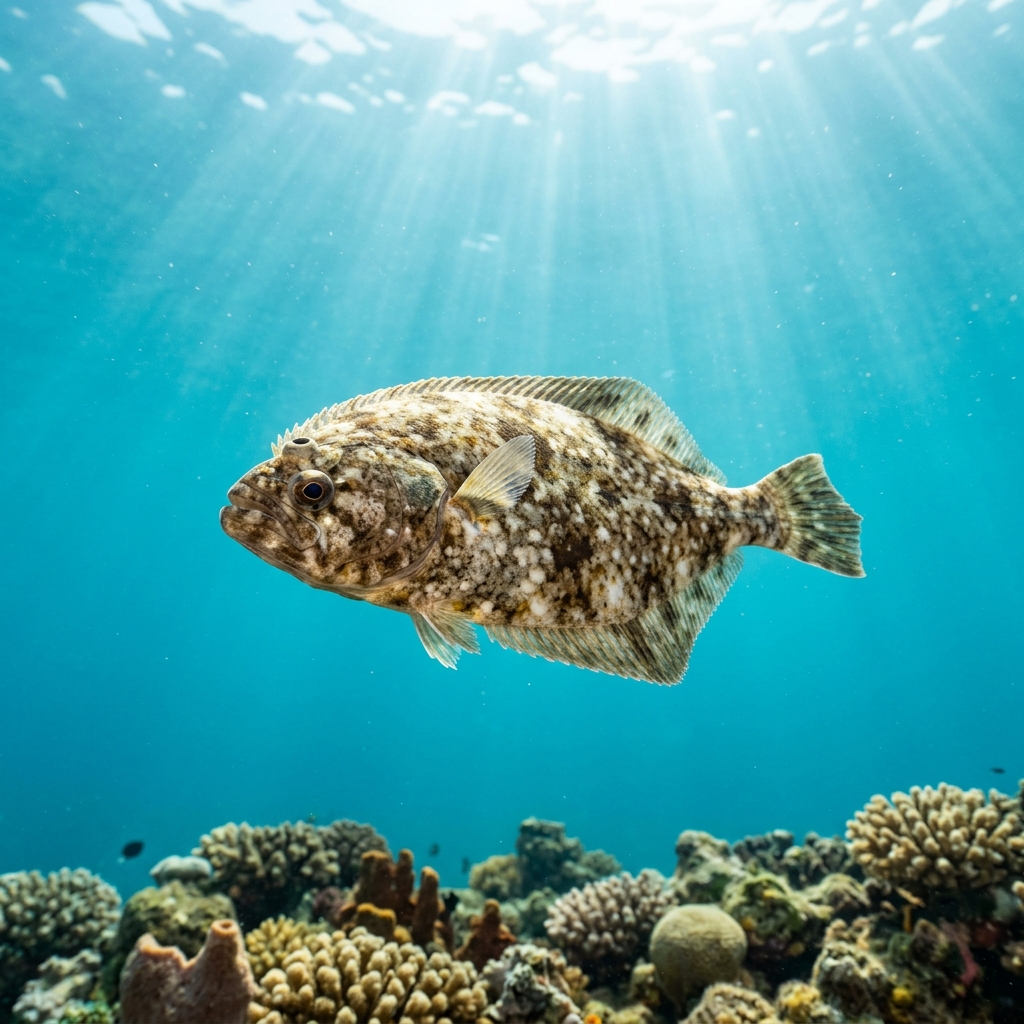
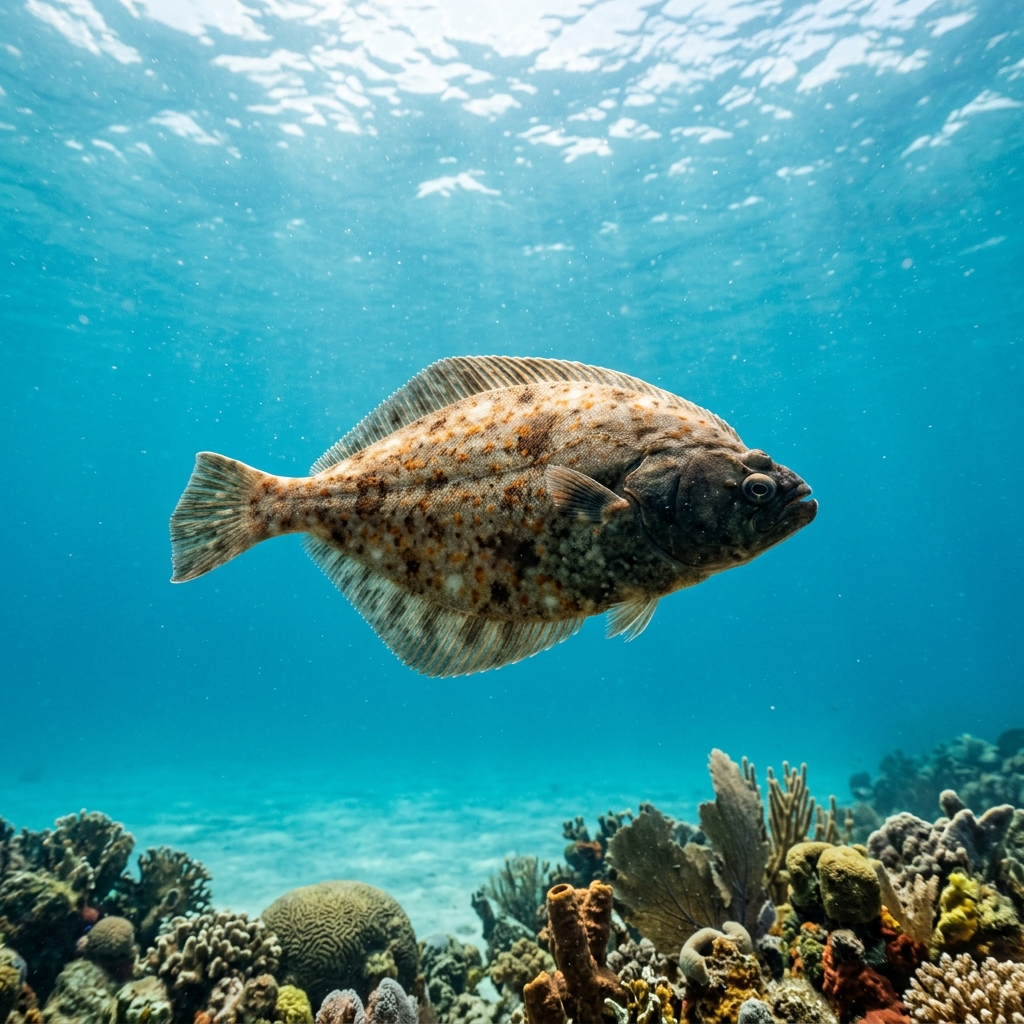
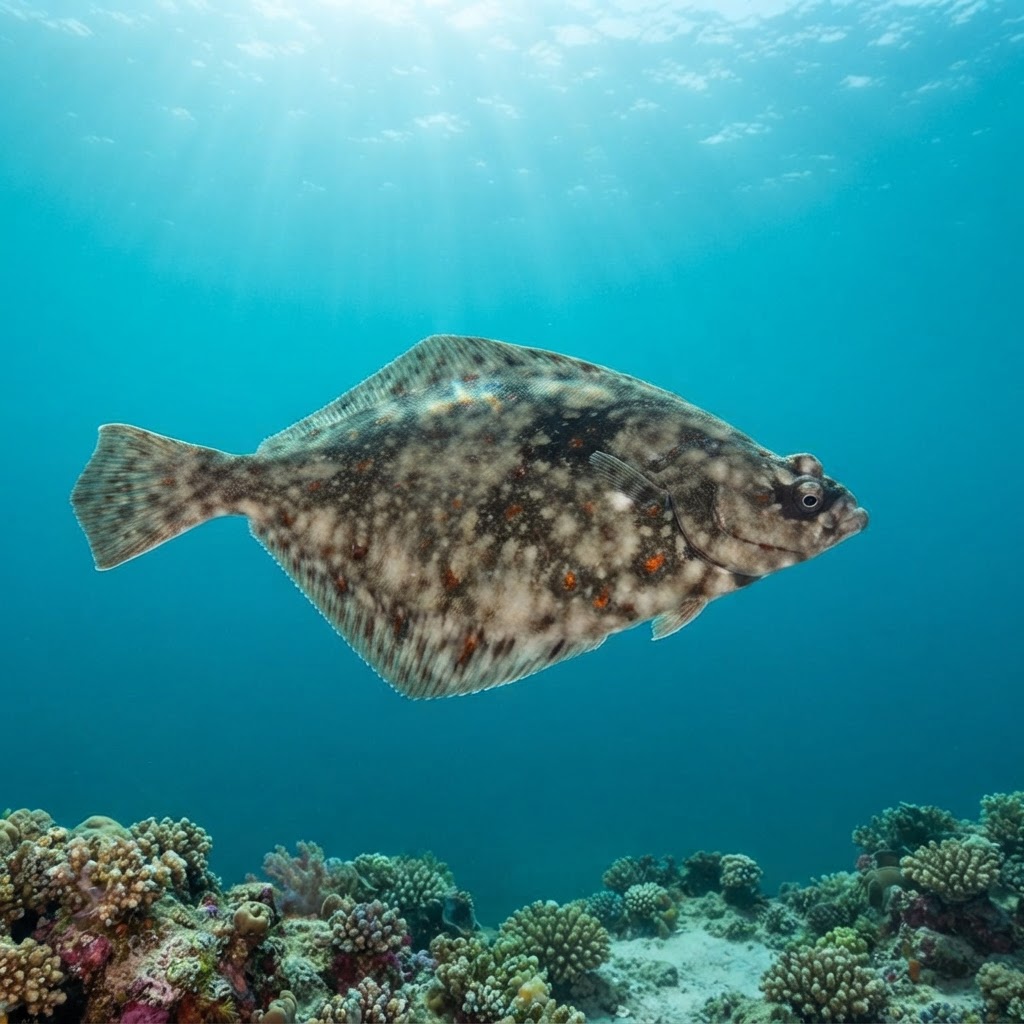
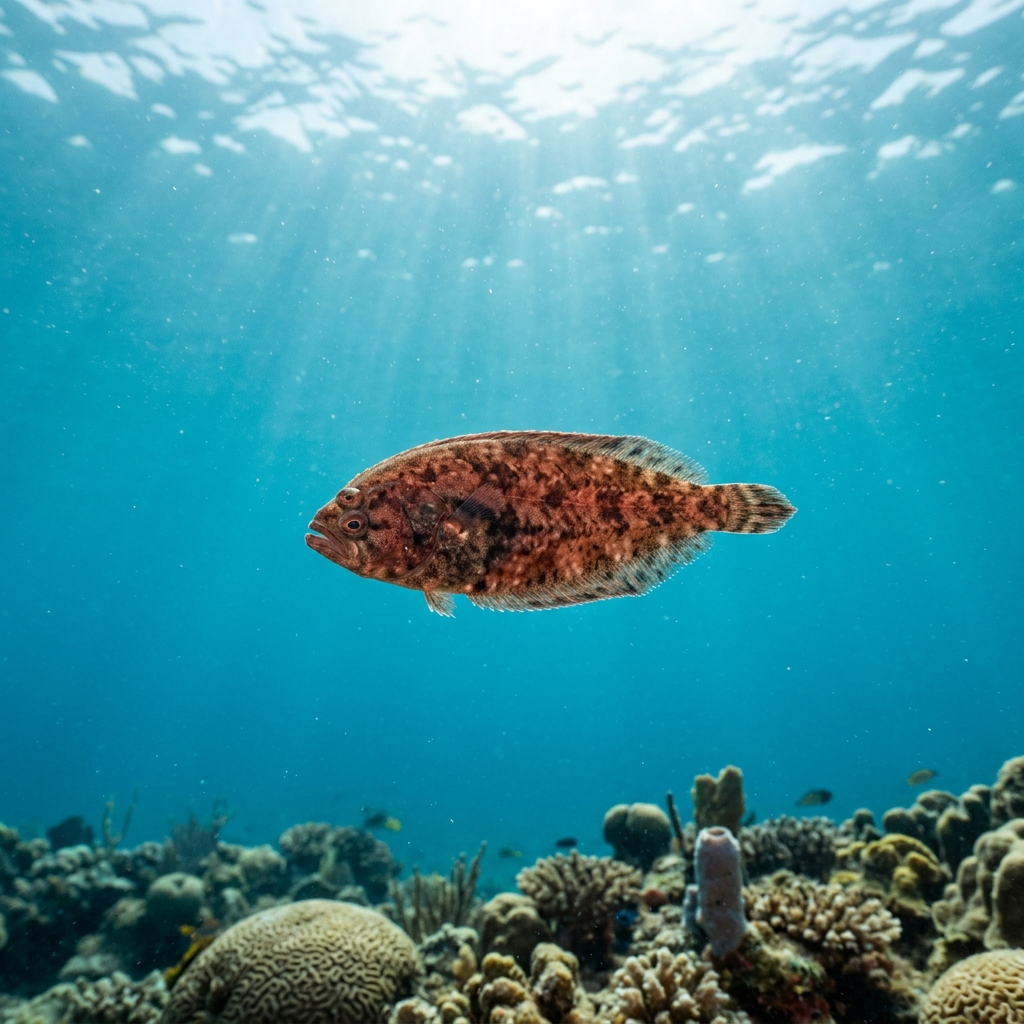
Tonguefish are unmistakably elongated and leaf-shaped, tapered to a pointed tail, more oval and tongue-like than the rounder flounders they share the seafloor with. Both eyes sit on the left side of the head, which sits quite low and close to the substrate. Colouration is typically mottled brown, tan, or grey, matching sand and silt almost perfectly, and the dorsal and anal fins run continuously from behind the head to the tip of the tail with no break.
You will almost always find them pressed flat against soft sandy or silty bottoms, relying on camouflage rather than flight when approached, many divers swim right over one without noticing. When disturbed, they typically make a short burst swim and resettle a metre or two away, burying themselves lightly in the sediment. Encounters are generally at slow-pace, close-focus moments: scanning the sand carefully rather than cruising the reef.
Like all flatfish, tonguefish begin life as conventional upright larvae; one eye migrates across the skull during development so both end up on the same side, permanently tilting the fish to lie flat for life.
In the Northern Hemisphere, real diver sightings concentrate between May and August, aligning with warmer seasonal water temperatures. The group tolerates a wide temperature window (roughly 16 to 29 °C), so in tropical destinations like the Maldives and the Philippines encounters are possible across a longer portion of the year.
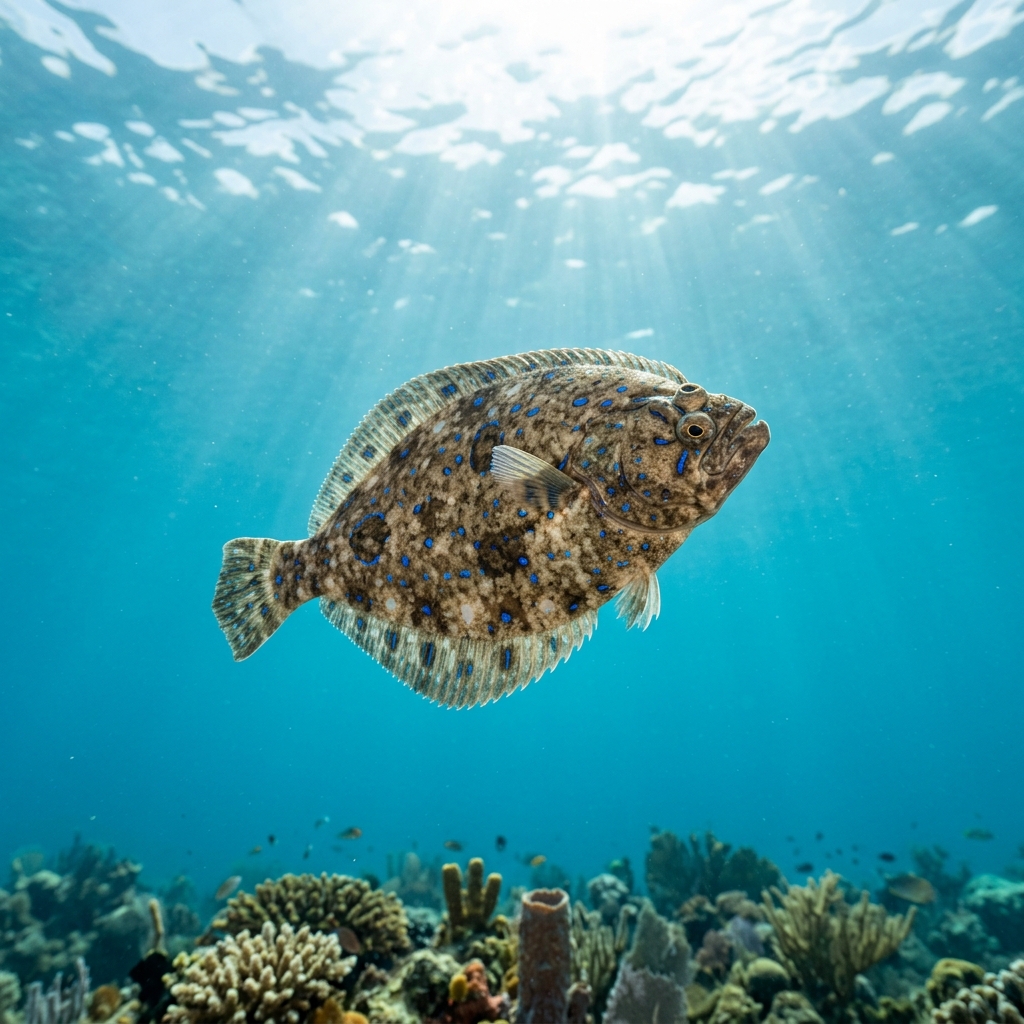
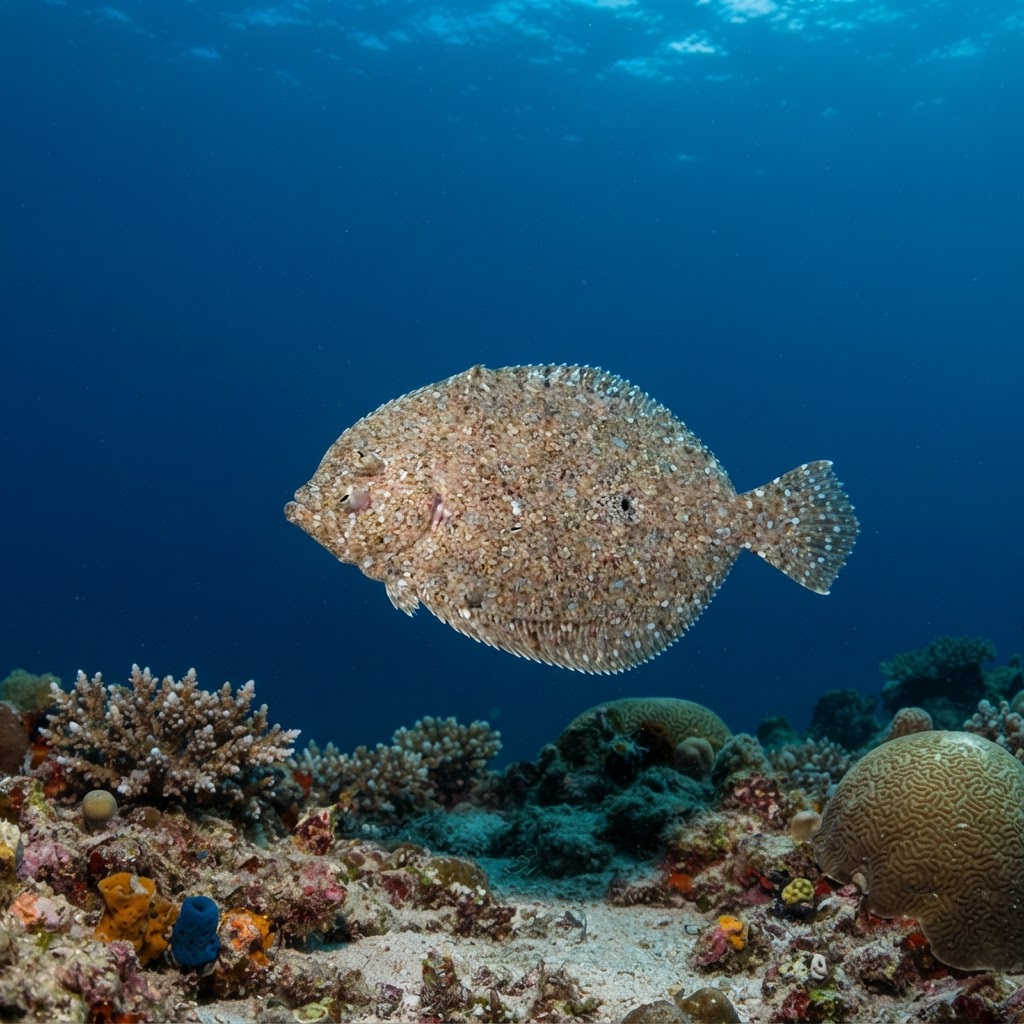
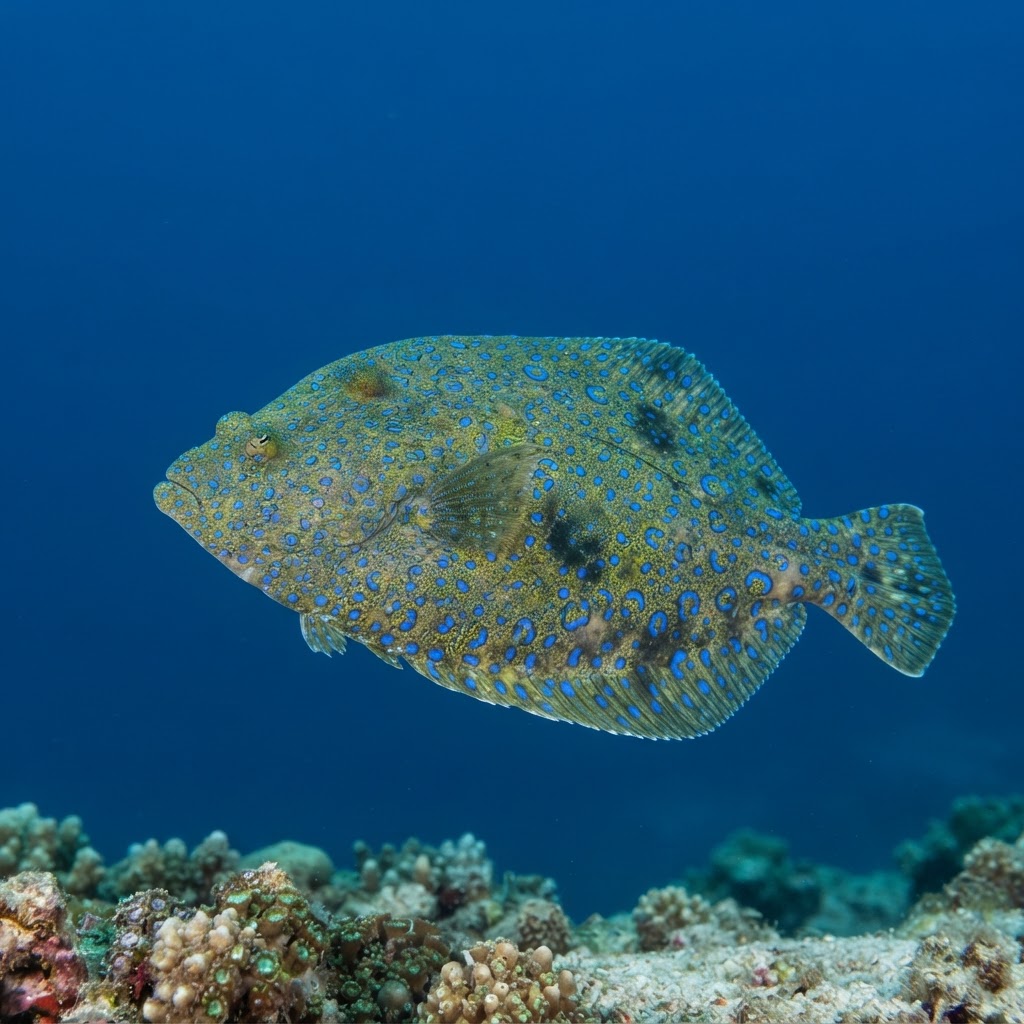
Reef neighbours a diver could mistake it for. Use the identification notes above to tell them apart.
Dwarf tonguefish are logged most consistently in Florida and the wider southeast United States, making that region the single strongest area for encounters. Strong model coverage also extends across the North and Central Atolls of the Maldives, Queensland in Australia, and the Izu Peninsula of Japan. Beyond those hotspots, the family turns up across Indonesia, the Philippines, Greece, and Italy, reflecting a broad warm-to-temperate range.
Mapping where Tonguefish is logged…
The most reliable logged sightings come from Florida and the southeastern United States. Good model coverage also spans Queensland in Australia, the North and Central Atolls of the Maldives, and the Izu Peninsula of Japan. The family is wide-ranging, so encounters are possible across the Philippines, Indonesia, Greece, and Italy too.
Northern Hemisphere diver records cluster between May and August. In year-round tropical destinations the family can be present at any time of year, as they tolerate water temperatures from around 16 °C up to about 29 °C.
Look for the distinctive tongue or leaf shape: an elongated, pointed oval body with a continuous fringe of dorsal and anal fins and no visible tail fin separation. Both eyes are on the left side of the flat upper surface. Colouration is mottled brown or tan to match sandy substrate.
Most members of this family are small, typically a few centimetres to around 15 cm at most, which is part of why they are so easy to overlook against sandy substrate. Their small size and camouflage make them a rewarding find for sharp-eyed divers.
Tonguefish hatch as symmetrical larvae swimming upright in open water. During development one eye migrates across the top of the skull to sit beside the other, allowing the fish to lie permanently on its blind side. This migration is a defining characteristic of all flatfish, and in tonguefish both eyes end up on the left side.
Site and sighting data is aggregated from diver logs, iNaturalist and GBIF. For taxonomy and conservation status:
Leopard Flounder
165 sites