Lepidopsetta bilineata
Mottled Rock Sole turn up on cold-water dives across British Columbia in 1.5 to 10C water, if you know to look at the seafloor, not the reef.
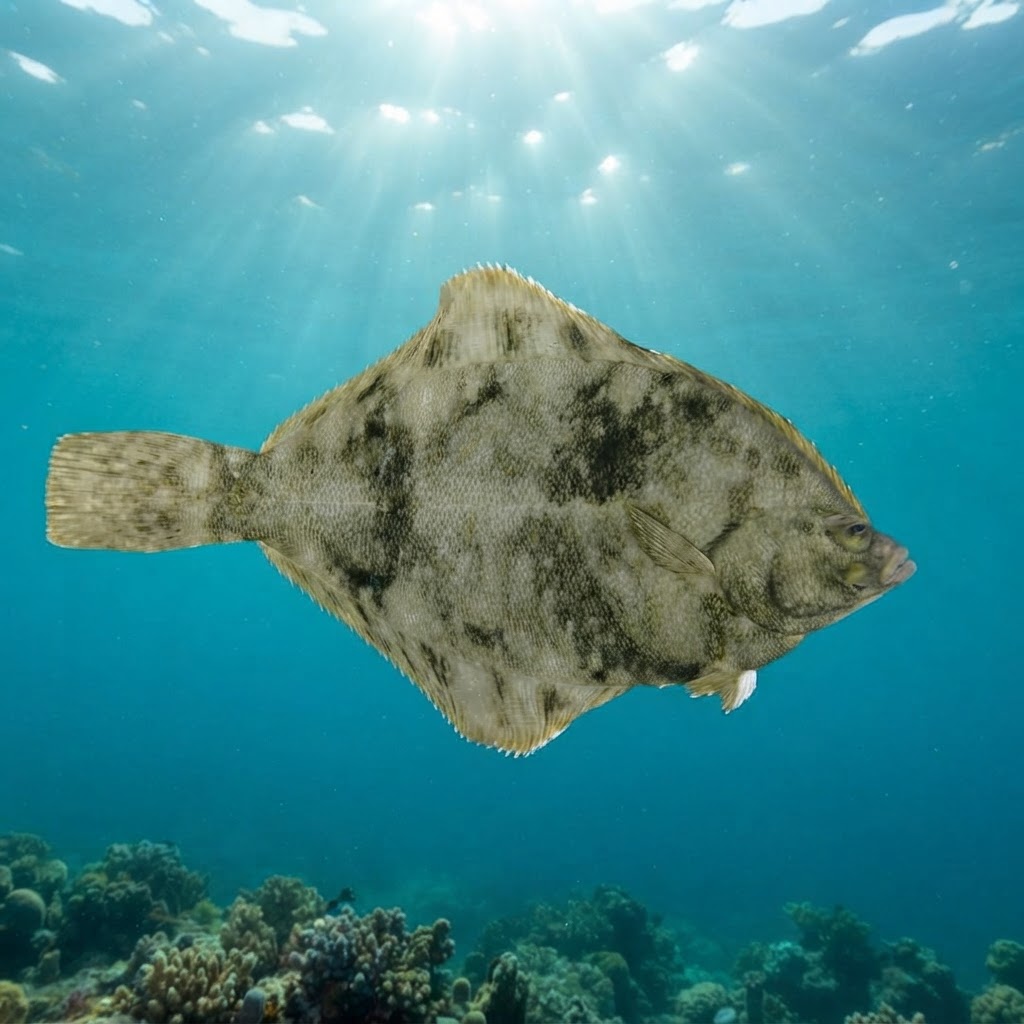
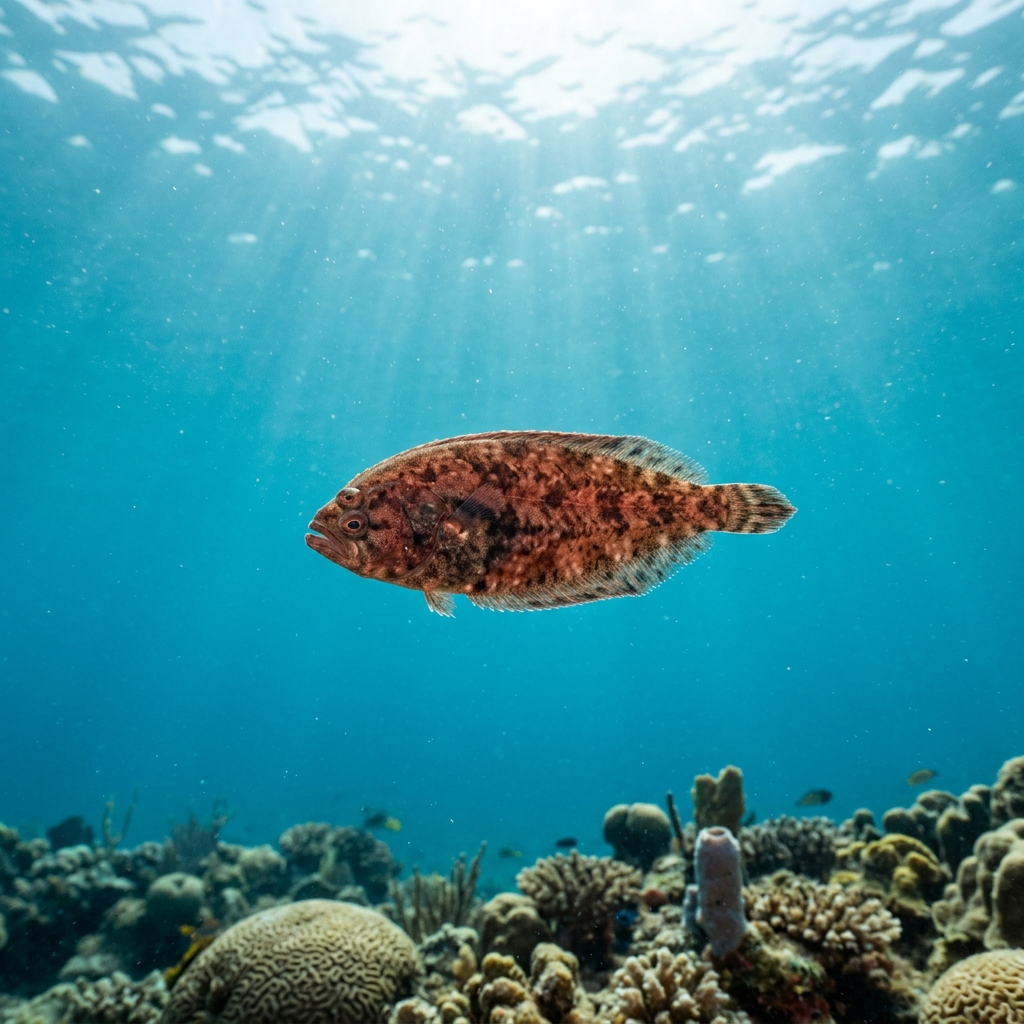
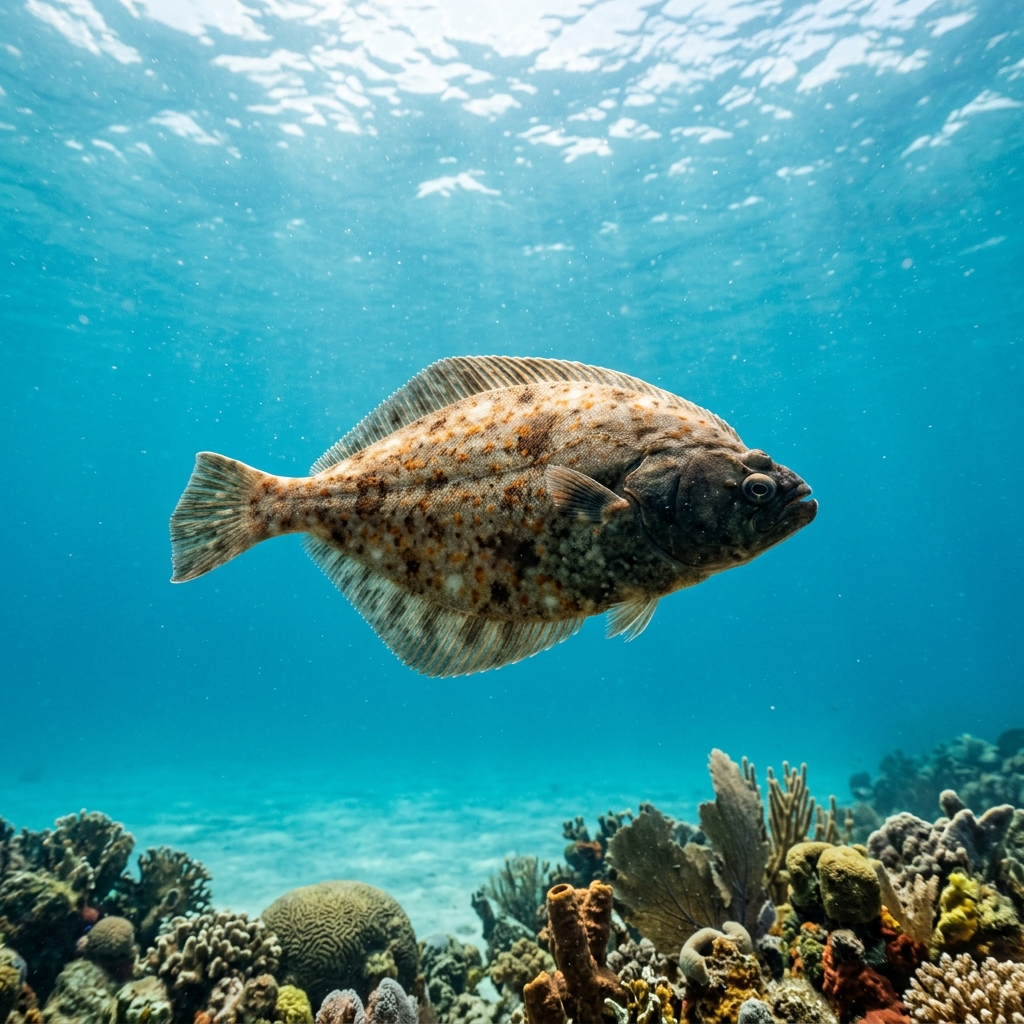
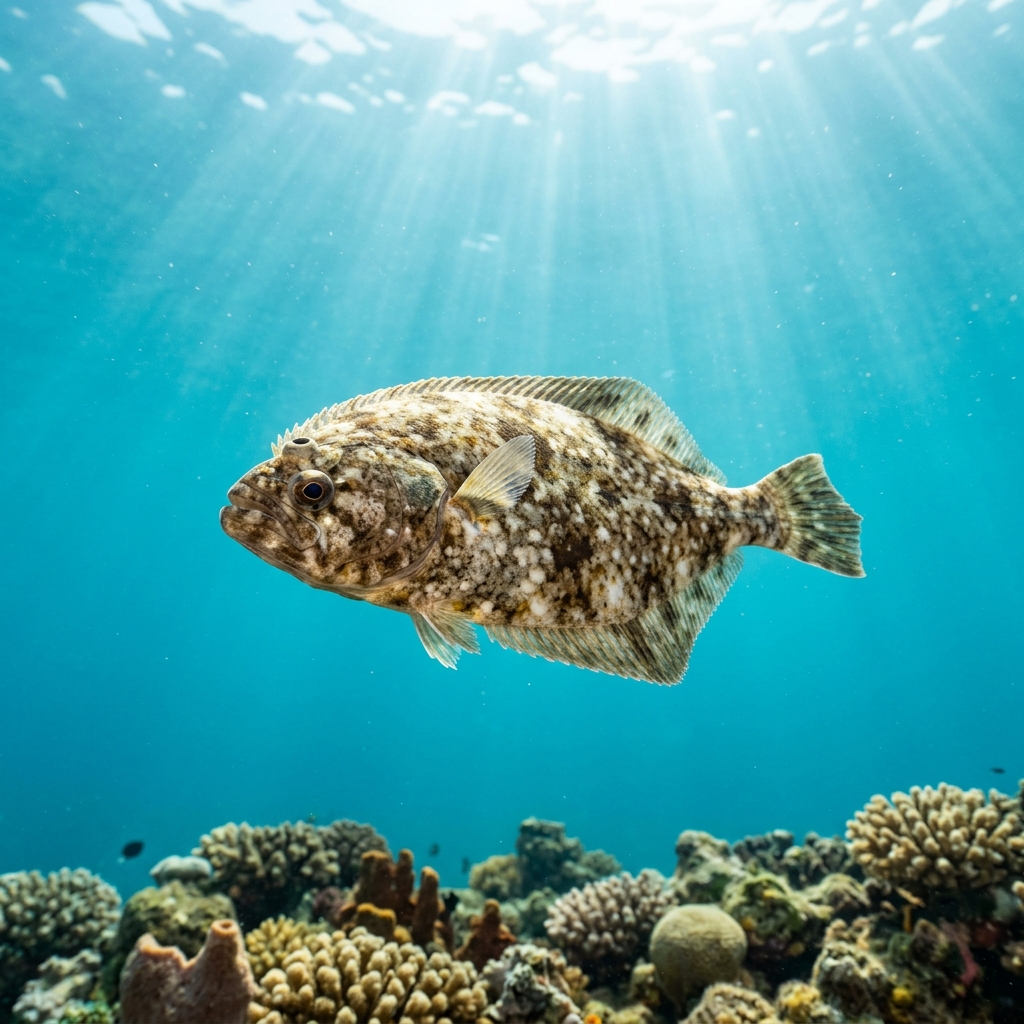
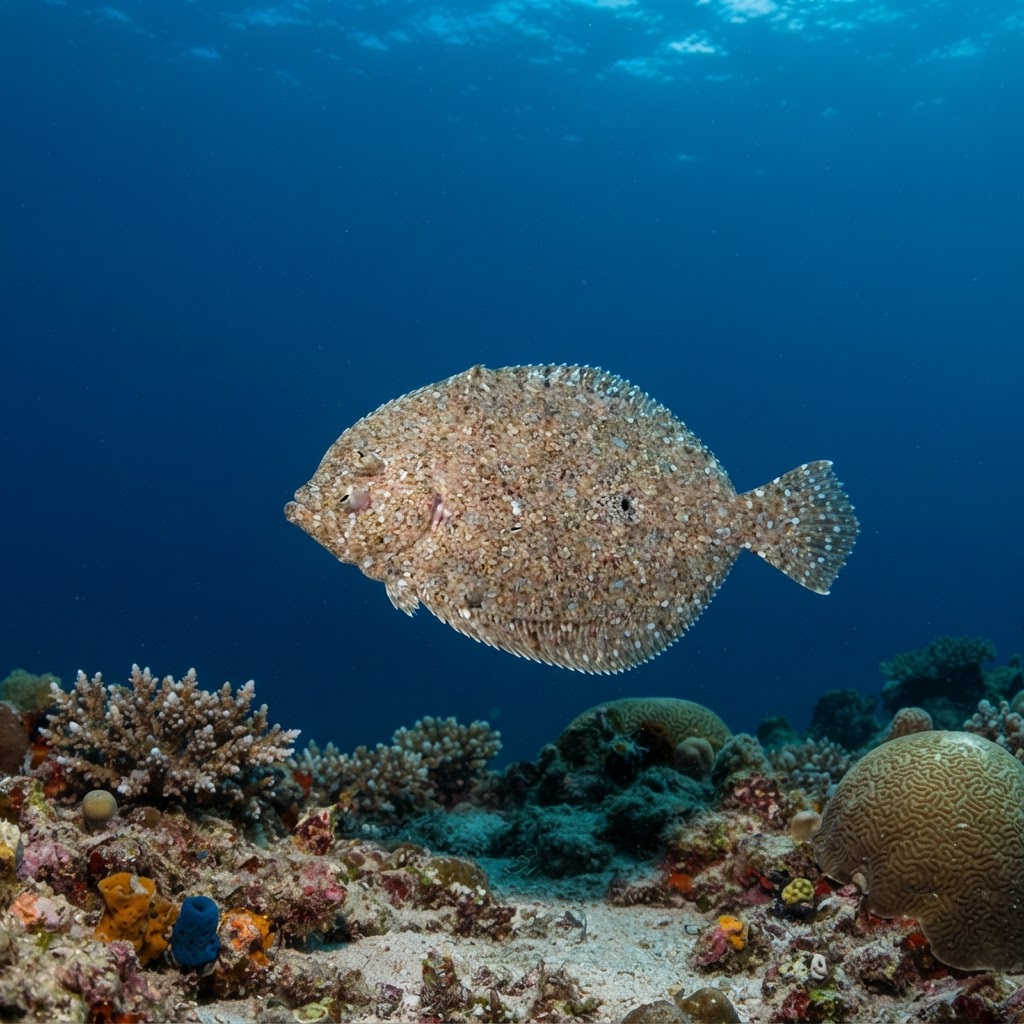
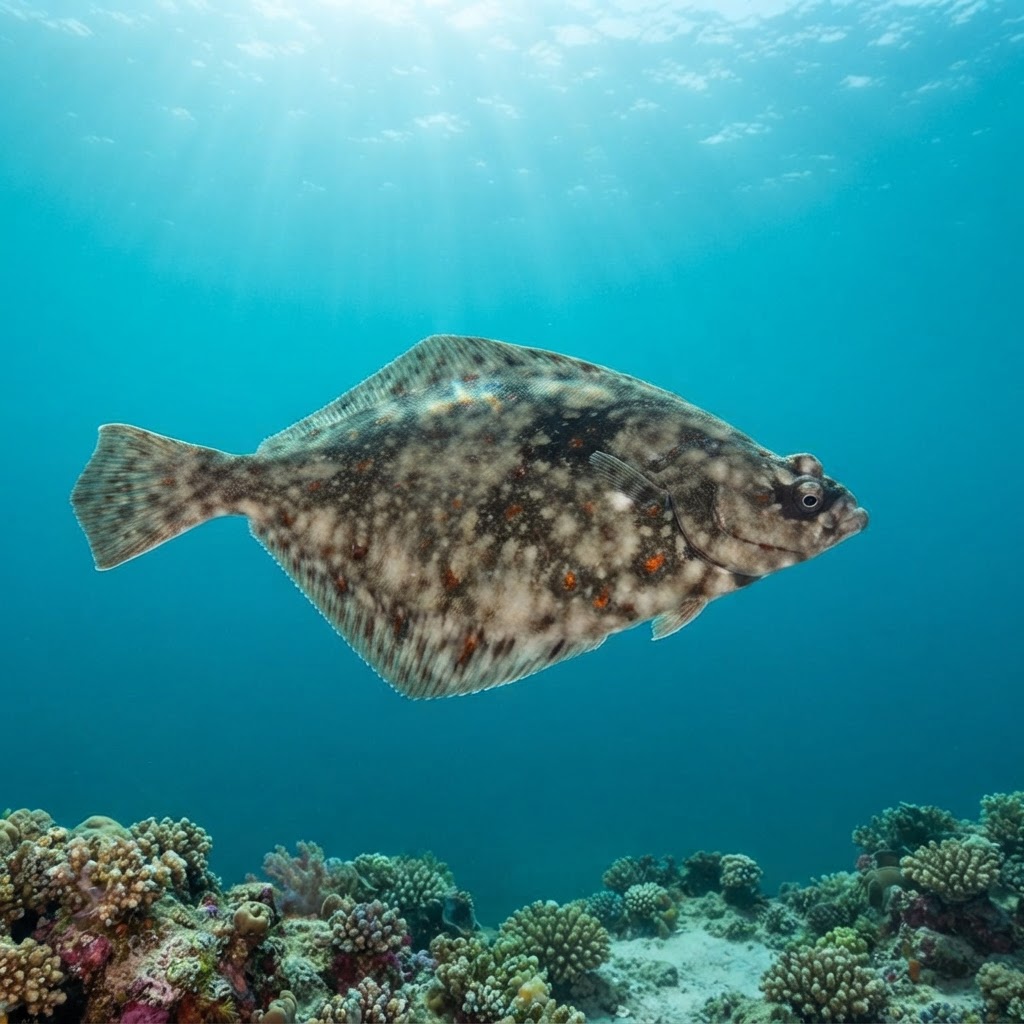
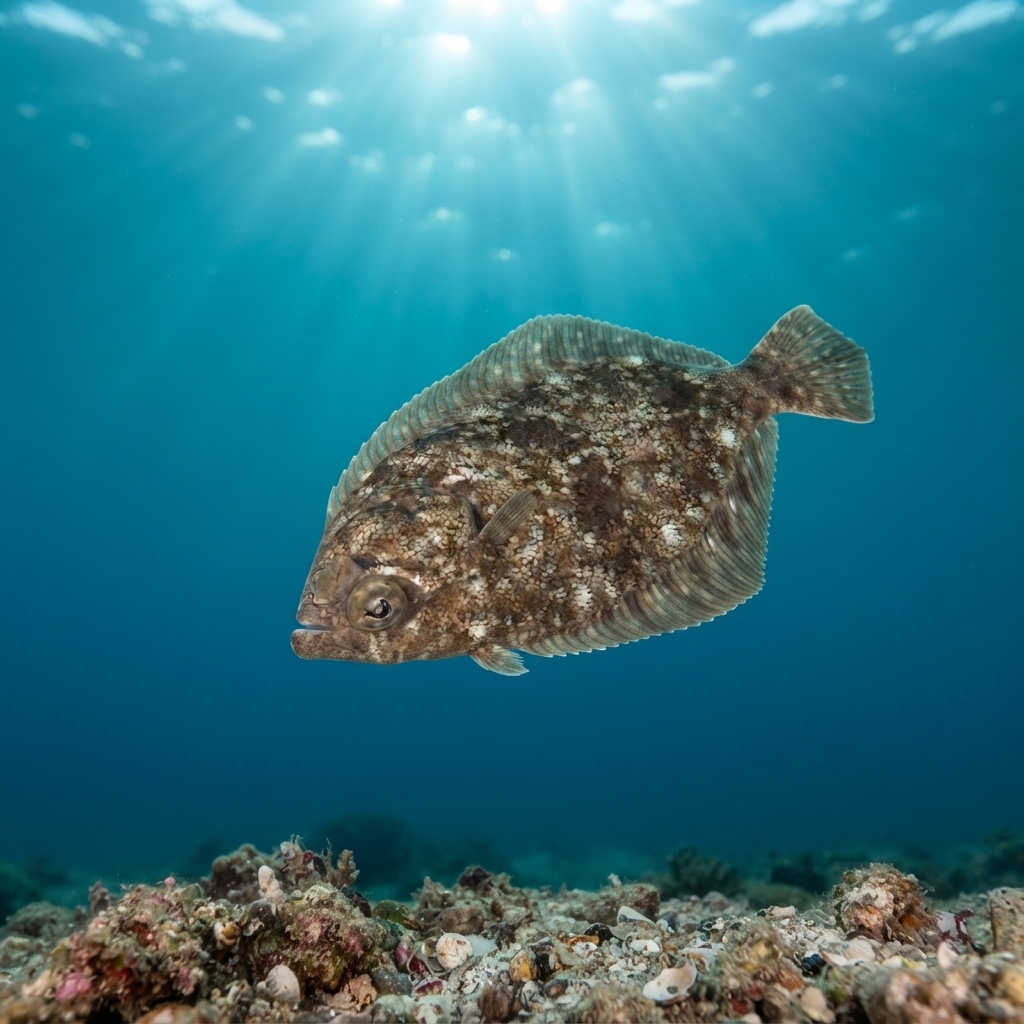
A flat, oval-bodied fish that lies on the seafloor with both eyes on the right side of its body, up to about 41cm long. Colouring is mottled brown, grey and rust, blending closely with sand or gravel bottoms, and the lateral line curves distinctly near the pectoral fin, a useful field mark if you get close. Most divers spot it as a shape that suddenly moves rather than something that stands out at a glance.
Expect to find it lying still on sand, gravel or mixed bottoms, often partly settled into the substrate where its mottled pattern breaks up its outline. It tends to stay put until a diver gets close, then flicks off in a short burst before settling again a short distance away. Most encounters happen while cruising low over flat, open bottom rather than around structure or reef.
Like other flatfish, it starts life swimming upright with an eye on each side, then one eye migrates across the head as it settles into its adult flat-on-the-bottom lifestyle.
Sightings are spread across the year with no clear seasonal peak in the data, consistent with a species comfortable in the 1.5 to 10.1C range typical of Pacific Northwest and British Columbia waters year-round.
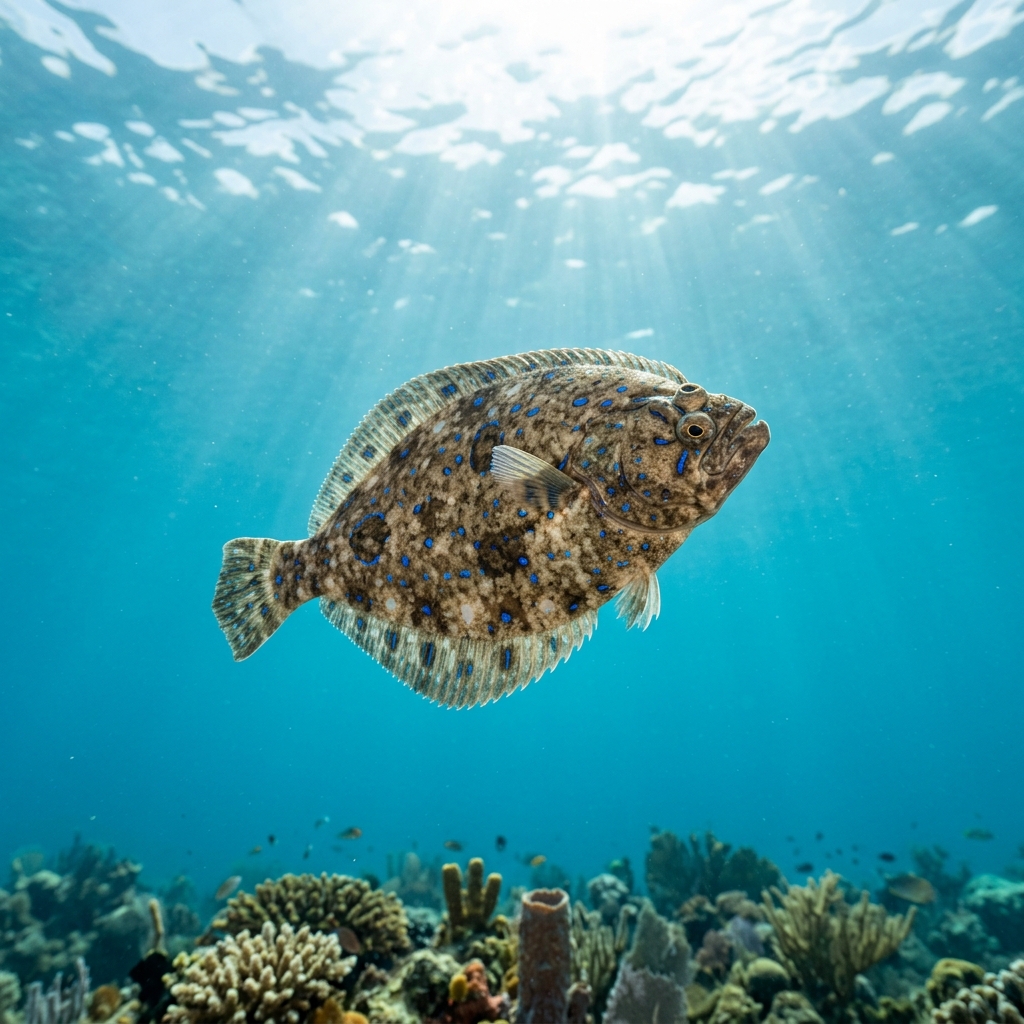
Reef neighbours a diver could mistake it for. Use the identification notes above to tell them apart.
This is a cold-water Pacific species, most reliably logged across British Columbia in Canada, with a strong secondary presence in the Pacific Northwest region of the United States. Sightings are uncommon rather than guaranteed at most sites, so treat it as a nice bonus find on sand or gravel patches rather than a target species.
Mapping where Rock Sole is logged…
British Columbia in Canada is the strongest region for sightings, with additional records from the Pacific Northwest coast of the United States. Look on sandy or gravel seafloor rather than reef structure.
There is no strong seasonal pattern in sightings, so it can turn up on cold-water dives at any time of year in its 1.5 to 10.1C temperature range.
Look for a flat, oval fish up to around 41cm lying on sand or gravel, mottled brown and grey to match the bottom. A distinct curve in the lateral line near the pectoral fin helps separate it from similar flatfish.
They reach roughly 41cm in length, making them a mid-sized flatfish rather than one of the larger Pacific bottom-dwellers.
No, they pose no threat to divers and simply move off if approached too closely.
Like all flatfish, juveniles start out swimming upright with a symmetrical face before one eye migrates across the head as they settle onto the seafloor as flat-bodied adults.
Site and sighting data is aggregated from diver logs, iNaturalist and GBIF. For taxonomy and conservation status:
Wide Eyed Flounder
1,624 sites