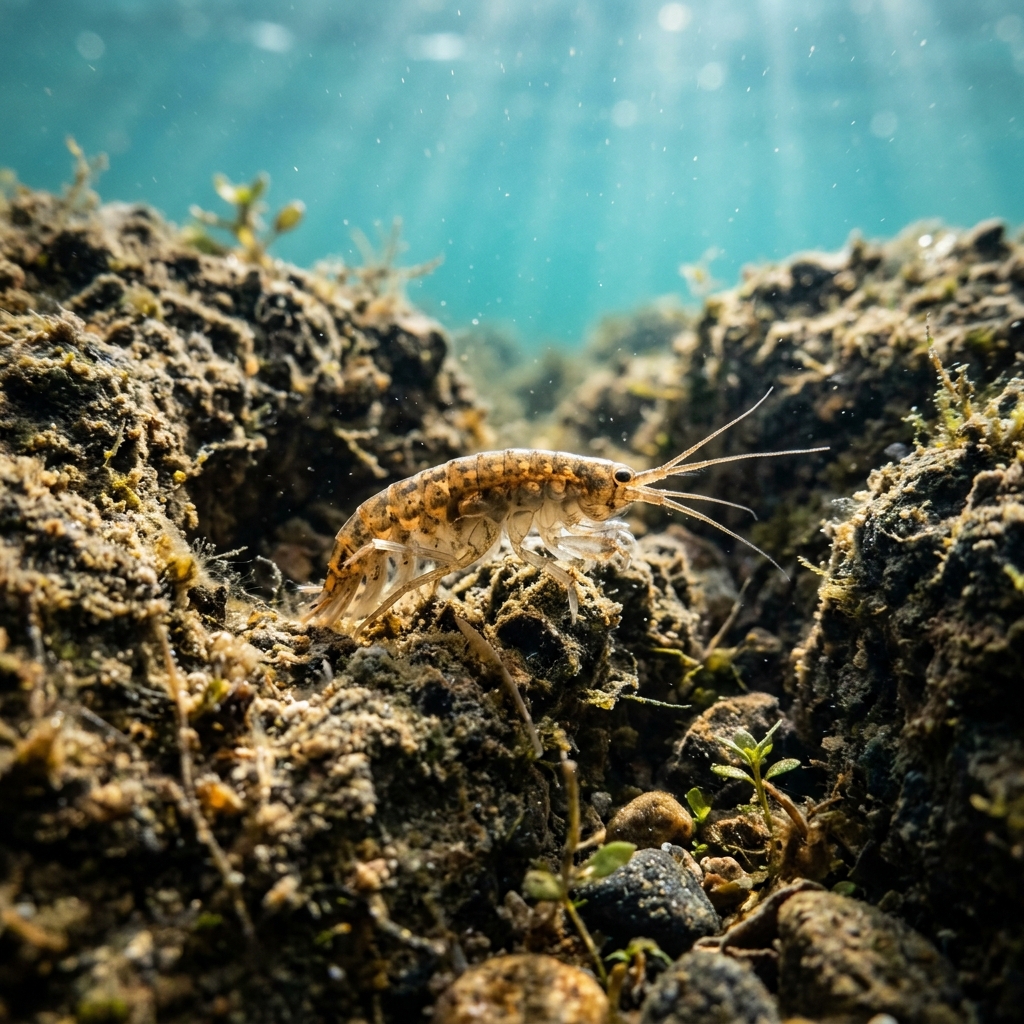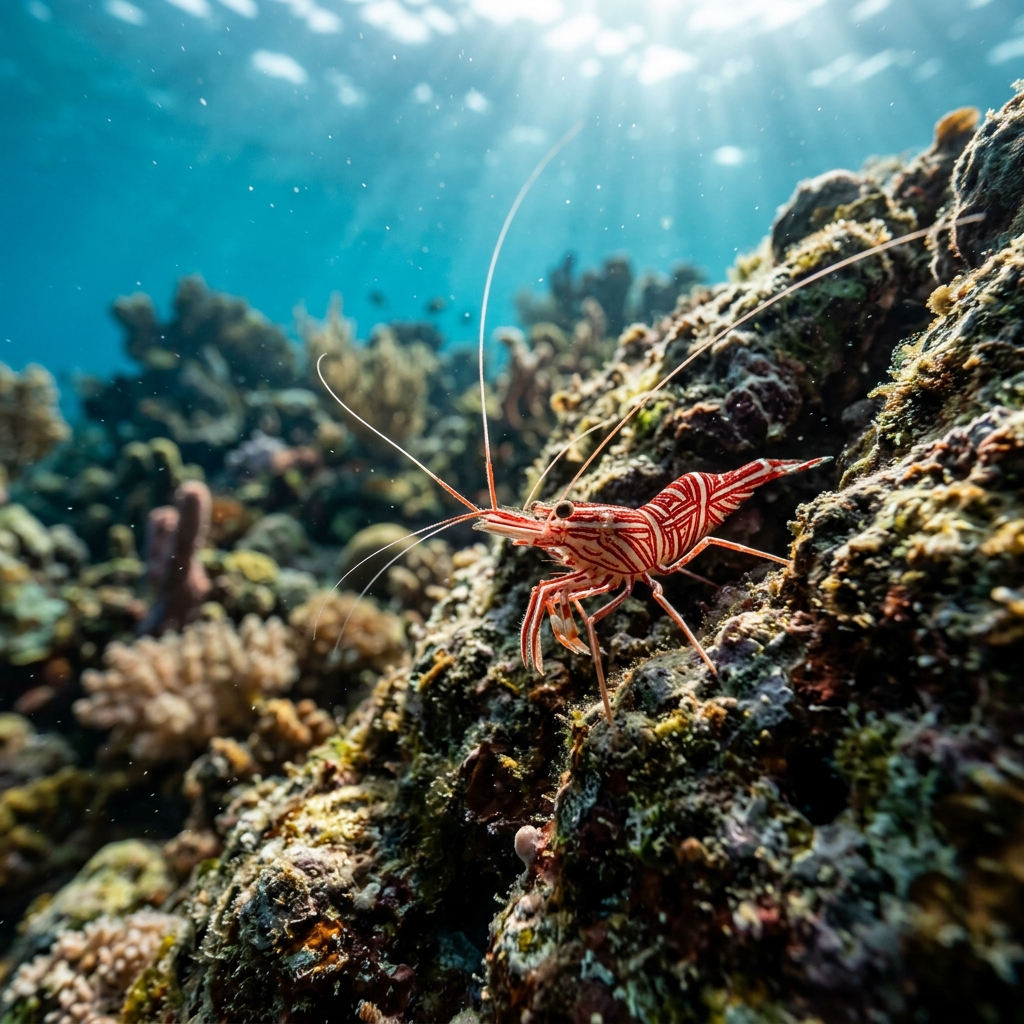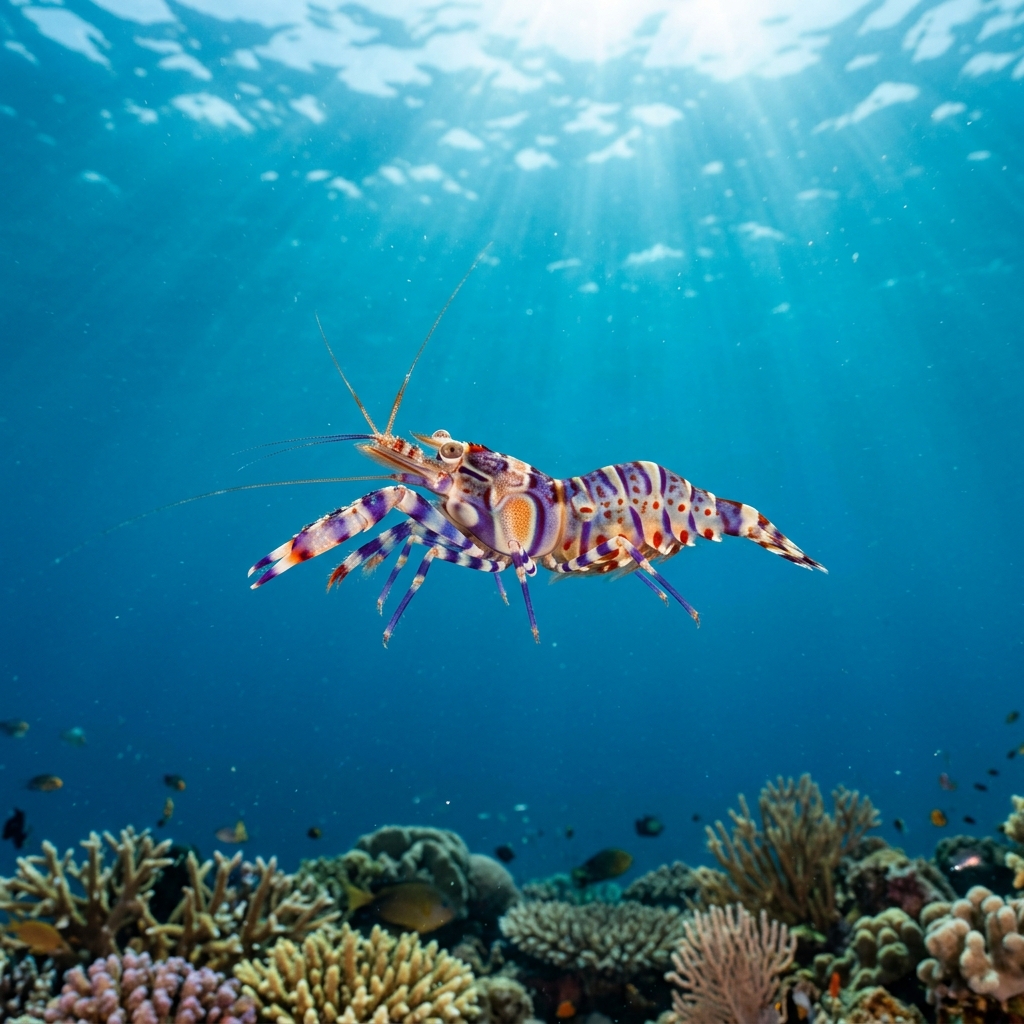
Zenopontonia rex
Tiny, vivid, and surprisingly bold, emperor shrimp ride nudibranch and sea cucumber hosts across Queensland, Sulawesi, and the Philippines. Here's where and when to find them.
Compact and rarely longer than a centimetre, emperor shrimp are best spotted by their bold colouration: a vivid orange-red to purple-red body offset by white or pale markings on the legs and claws. The white-tipped chelae (claws) are a reliable field mark that catches a torch beam well. You'll almost always find them on a host animal, typically a nudibranch, sea cucumber, or flatworm, rather than crawling freely on the reef. Their small size means a good macro lens or dioptre is needed to appreciate the full detail.
When you find one, it's usually in full view, walking deliberately across the skin of its host and apparently picking off parasites or organic debris as it goes. Emperor shrimp are notably unfazed by divers: approach slowly and stay low, and most individuals will carry on without retreating. Sightings occur during daylight hours, so there's no need to wait for a night dive, though night dives can make finding the host animals easier.
Emperor shrimp are commensal (living on another animal without harming it), and a single host individual often carries a pair rather than a solitary shrimp. Checking both ends of a large sea cucumber increases your chances of spotting two at once.
In northern-hemisphere destinations such as the Philippines and Indonesia, sightings concentrate between December and May. Southern-hemisphere hotspots like Queensland see more reports from July through November.
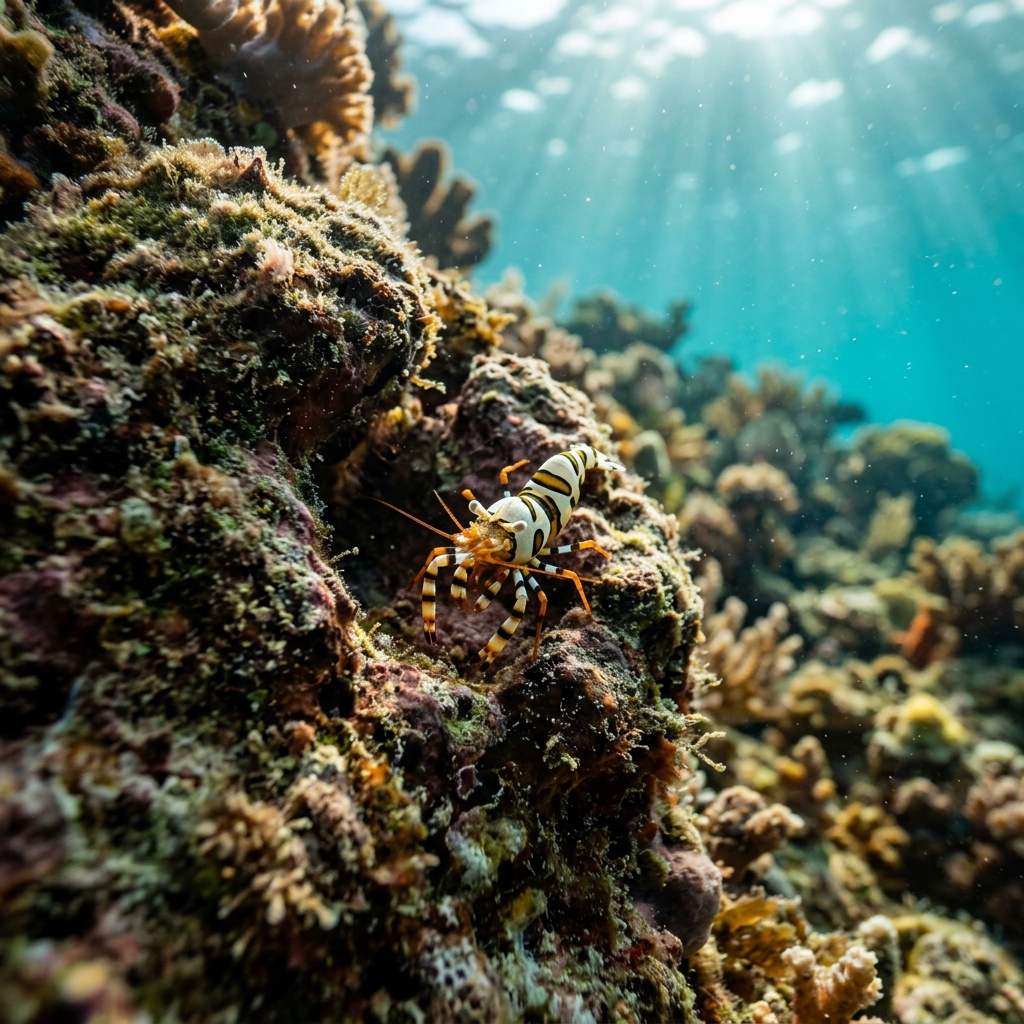
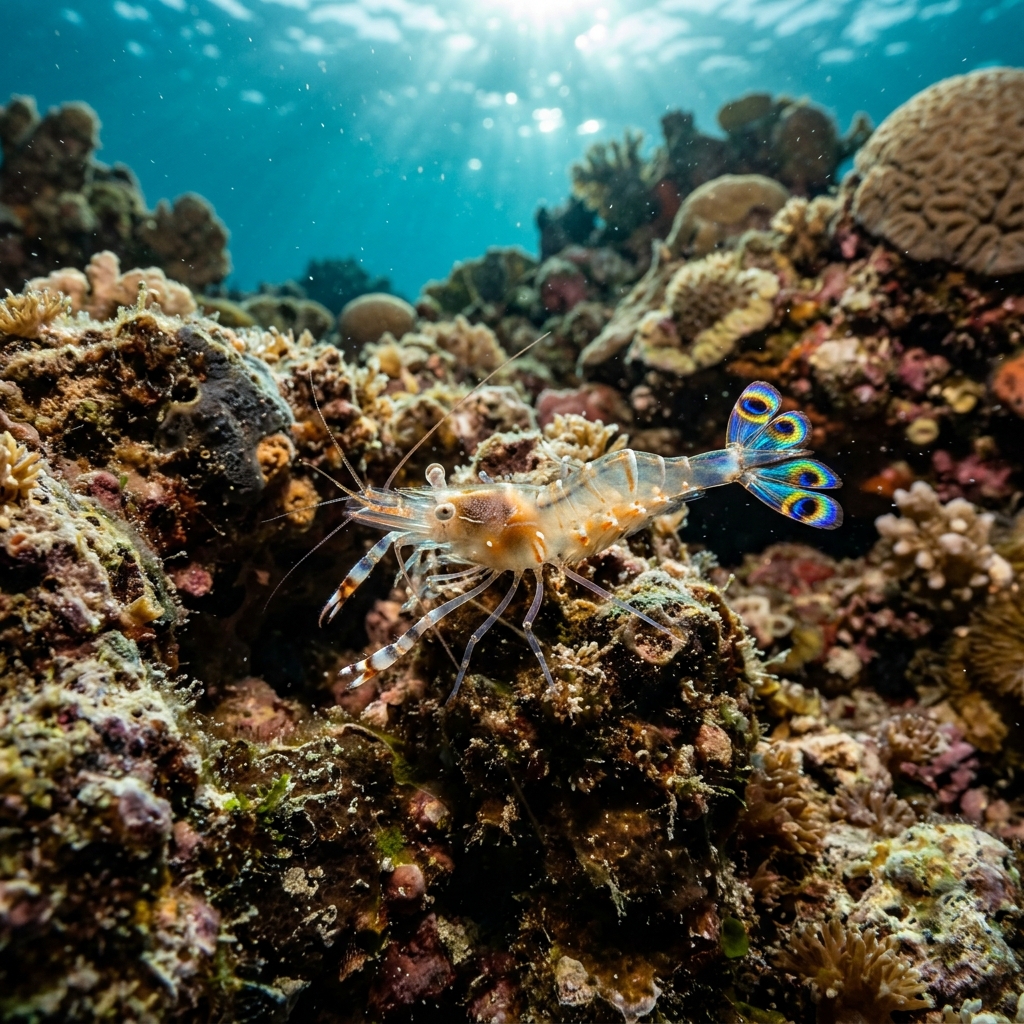
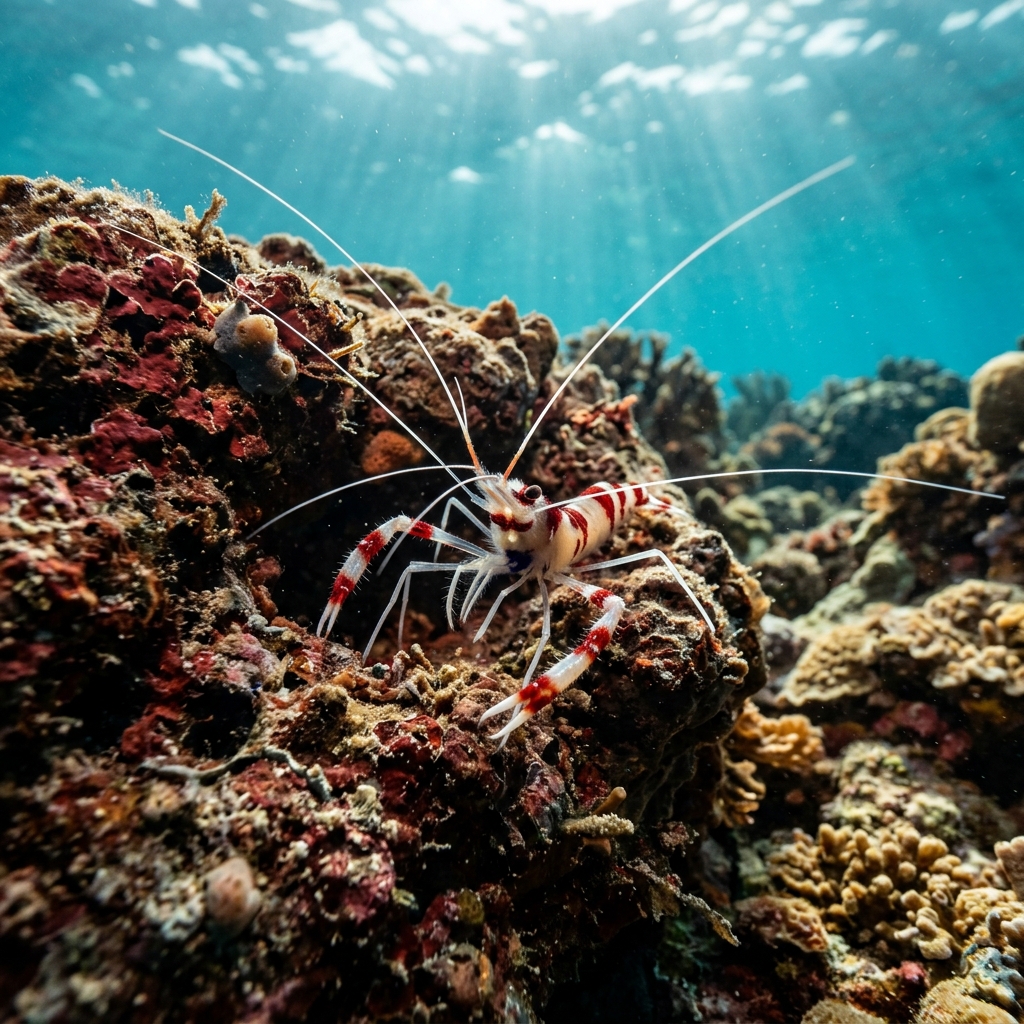
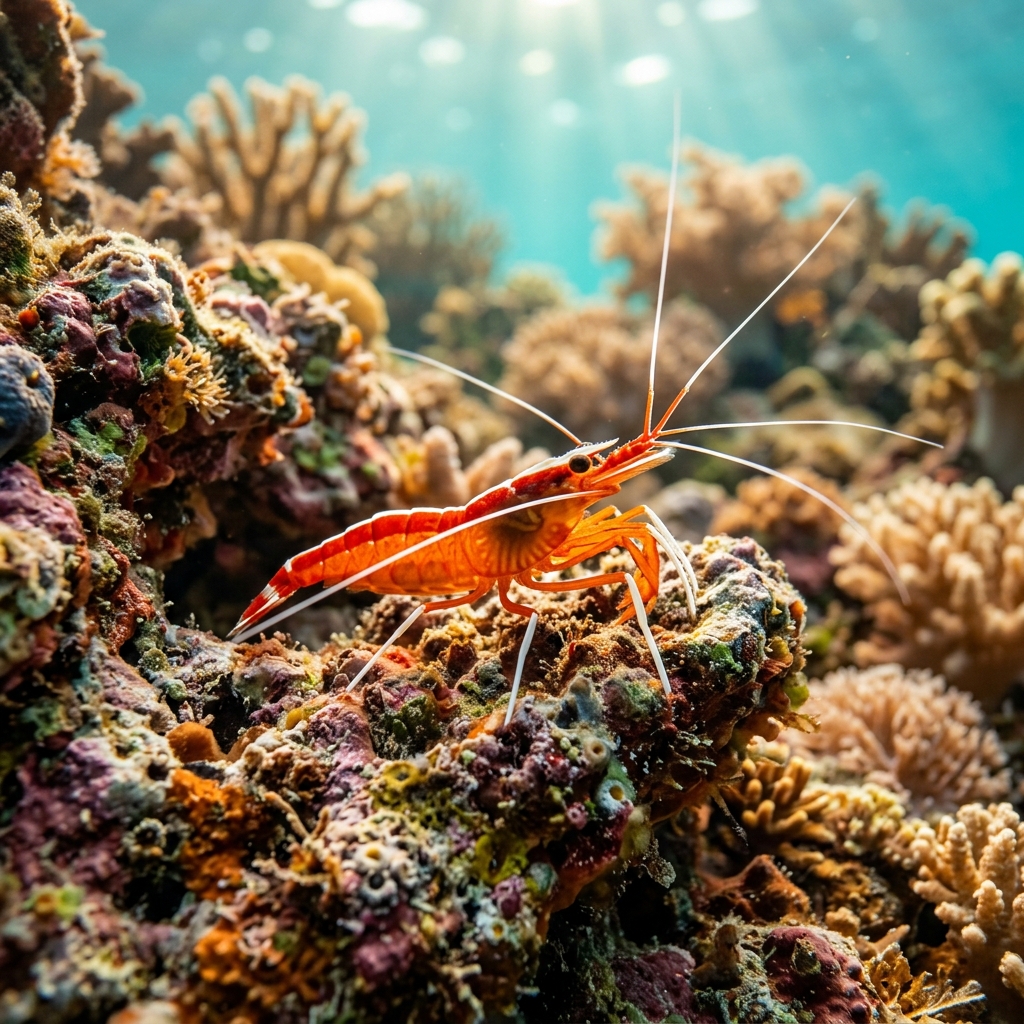
Reef neighbours a diver could mistake it for. Use the identification notes above to tell them apart.
Most records come from Indo-Pacific reefs, with Queensland, Australia leading the tally by a considerable margin. Indonesia is well represented, particularly in Sulawesi and around Bali and Lombok, with strong sightings also from Luzon in the Philippines and Viti Levu in Fiji. Mozambique, Papua New Guinea, and Madagascar round out the reliable areas, making the western Pacific and East African coast the core range for any diver targeting this species.
Mapping where Emperor Shrimp is logged…
Emperor shrimp are most consistently logged across Queensland, Indonesia (especially Sulawesi and Bali), and the Philippines. Fiji, Papua New Guinea, Madagascar, and Mozambique also have solid records. Look for them on sandy reef slopes where nudibranchs and sea cucumbers are common.
In northern-hemisphere destinations like Sulawesi and Luzon, December through May is the peak window. Divers visiting Queensland or other southern-hemisphere sites have the best odds from July to November. They favour warm tropical water between roughly 23 and 30 °C, so conditions at those times tend to be ideal.
Look for a tiny, vivid orange-red shrimp with distinctly white-tipped claws sitting on a nudibranch or sea cucumber. The strong contrast between the body colour and the pale claw tips is the quickest field mark. Their habit of staying on a host rather than free-roaming narrows the ID considerably.
Emperor shrimp are very small, typically under two centimetres in body length. They can be easy to miss with the naked eye, so look carefully across the full surface of any nudibranch or sea cucumber you encounter. A macro lens setup makes observation far more rewarding.
Emperor shrimp are commensal hitchhikers, most often found on nudibranchs, large sea cucumbers, and sometimes flatworms. They appear to feed on the mucus, parasites, or detritus on the host's surface. Hosts are not harmed by the arrangement, and finding the host is nearly always the key to finding the shrimp.
Site and sighting data is aggregated from diver logs, iNaturalist and GBIF. For taxonomy and conservation status:
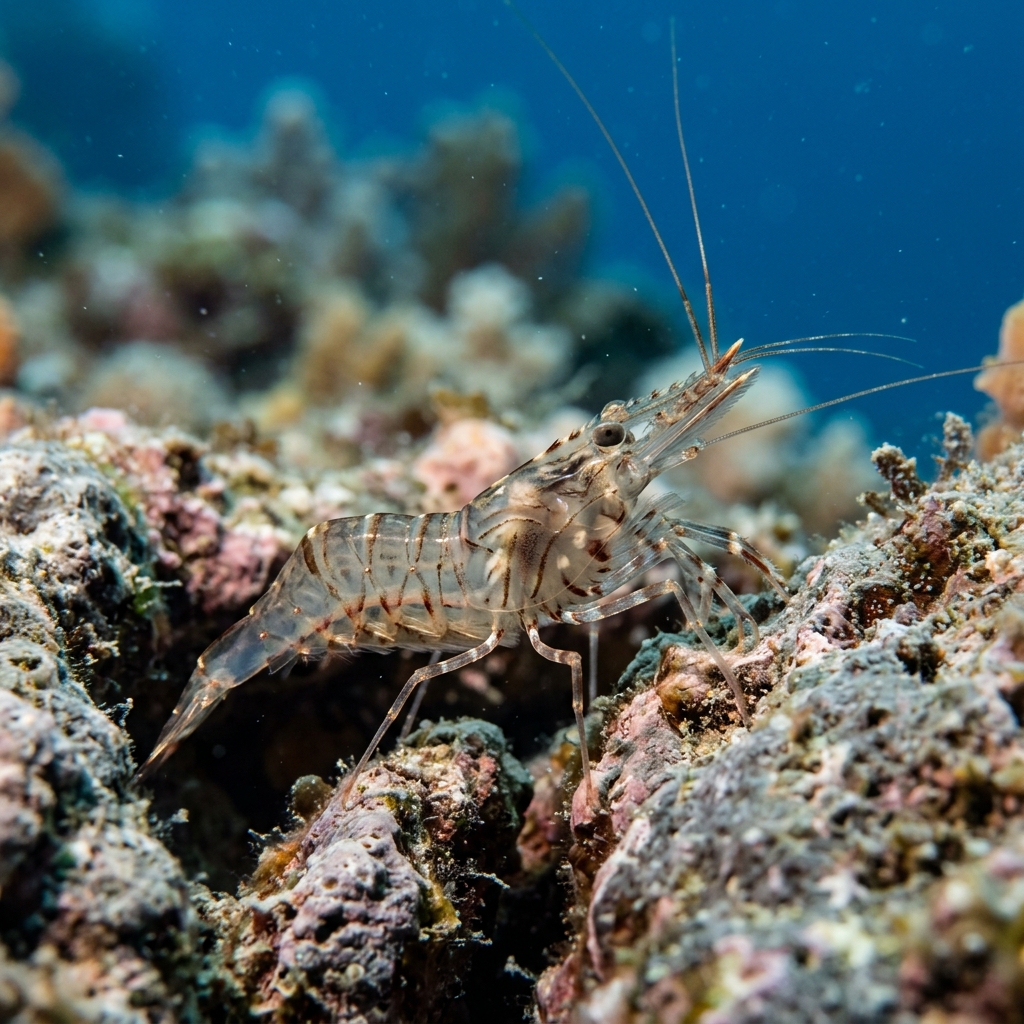
Rockpool Prawn
2,179 sites