Elysia gordanae
A Mediterranean sea slug most reliably logged in France's Riviera and the Balearic Islands, in cool water around 15 to 21C.
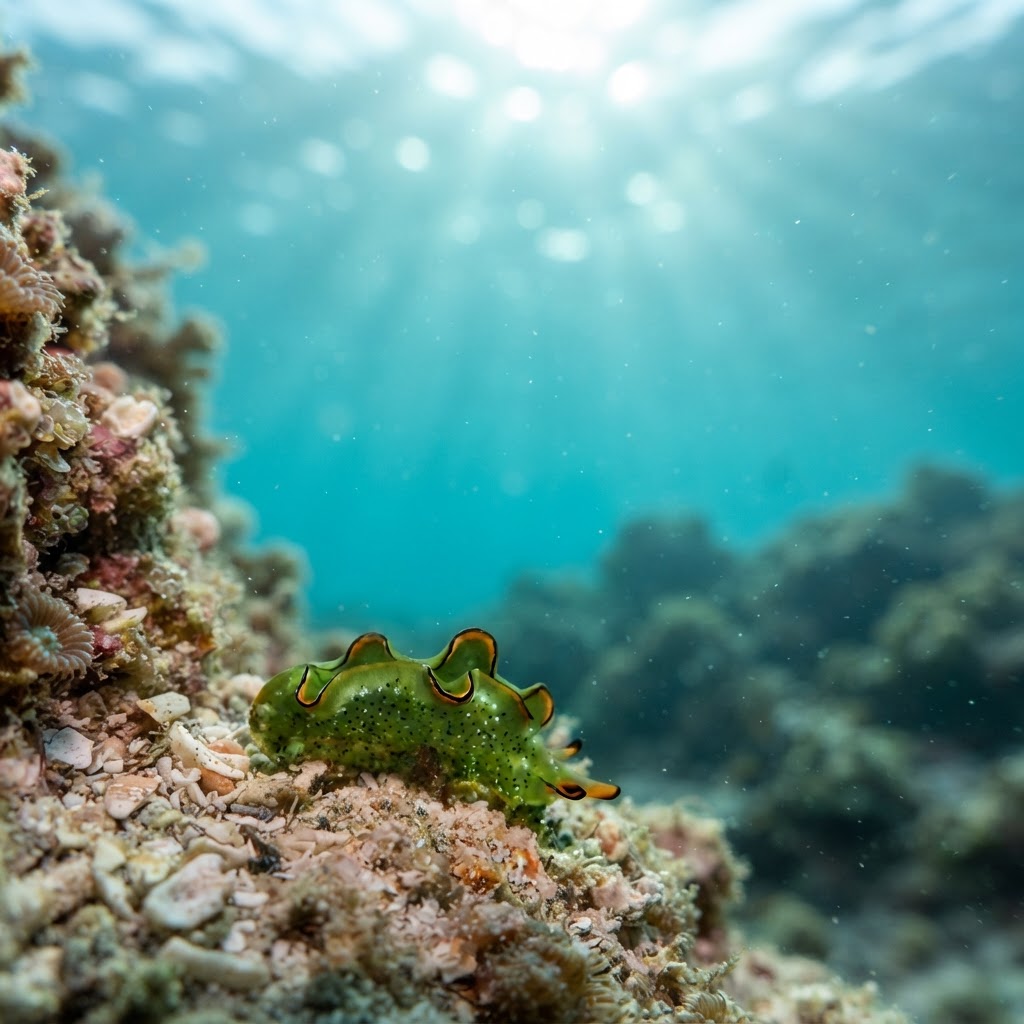
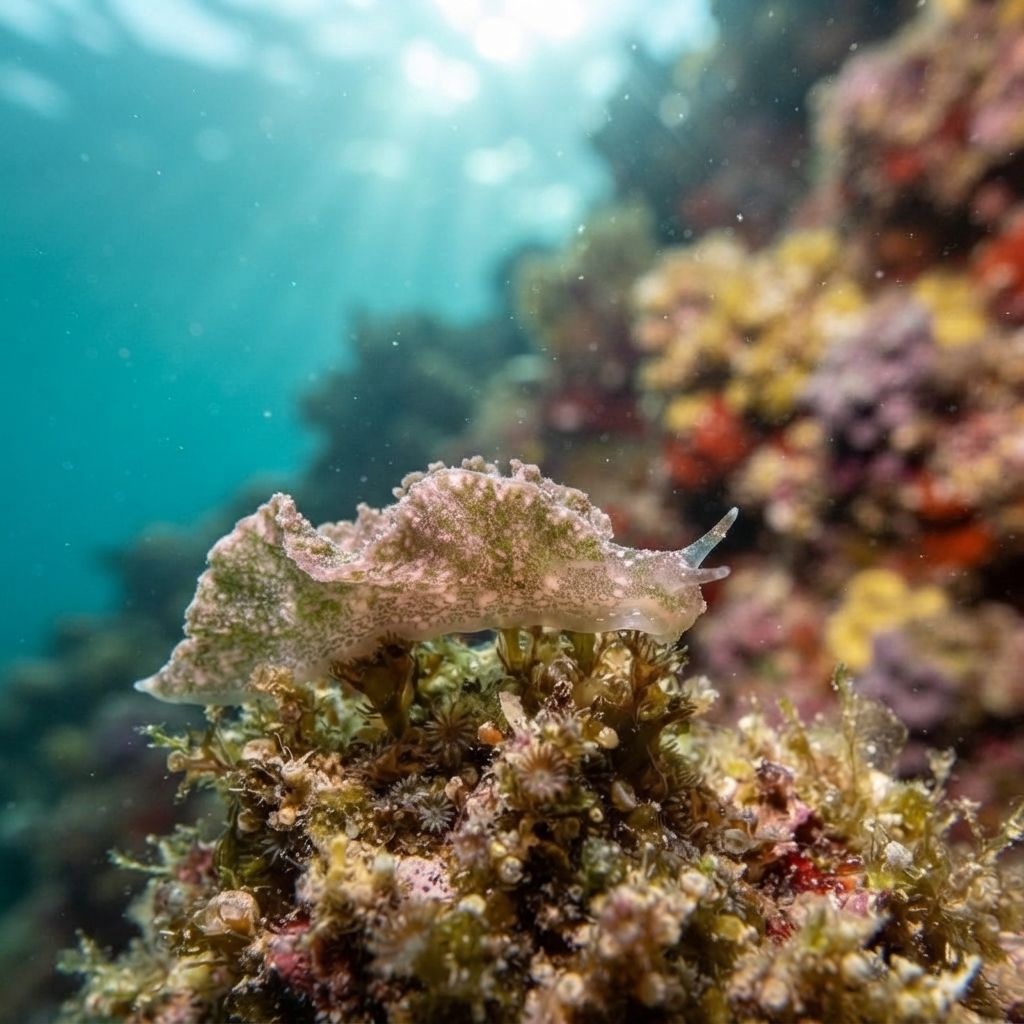
A small sea slug (sacoglossan) with a flattened, leaf-like body and rolled wing-like flaps (parapodia) along its back, typical of the Elysia group. Colour and pattern details are not well documented for this species, so divers usually confirm it by body shape and habitat rather than a single bold marking. Look closely on algae-covered rock and hard substrate rather than open sand.
Divers typically find it grazing slowly over algae-covered rock and rubble, moving little and blending into the texture of the substrate. It shows no reaction to divers beyond its usual unhurried pace, so a slow, close look at likely surfaces is the best way to spot one rather than expecting it to come into view.
Like other Elysia species, it likely practises kleptoplasty, retaining living chloroplasts from the algae it eats and using them to photosynthesise for a period afterwards, a trick shared across this sea slug group.
Sighting data doesn't show a clear season, and with observed water temperatures ranging from 15.3 to 21.3C, it seems to be findable across the cooler-to-mild part of the Mediterranean diving calendar rather than tied to a summer peak.
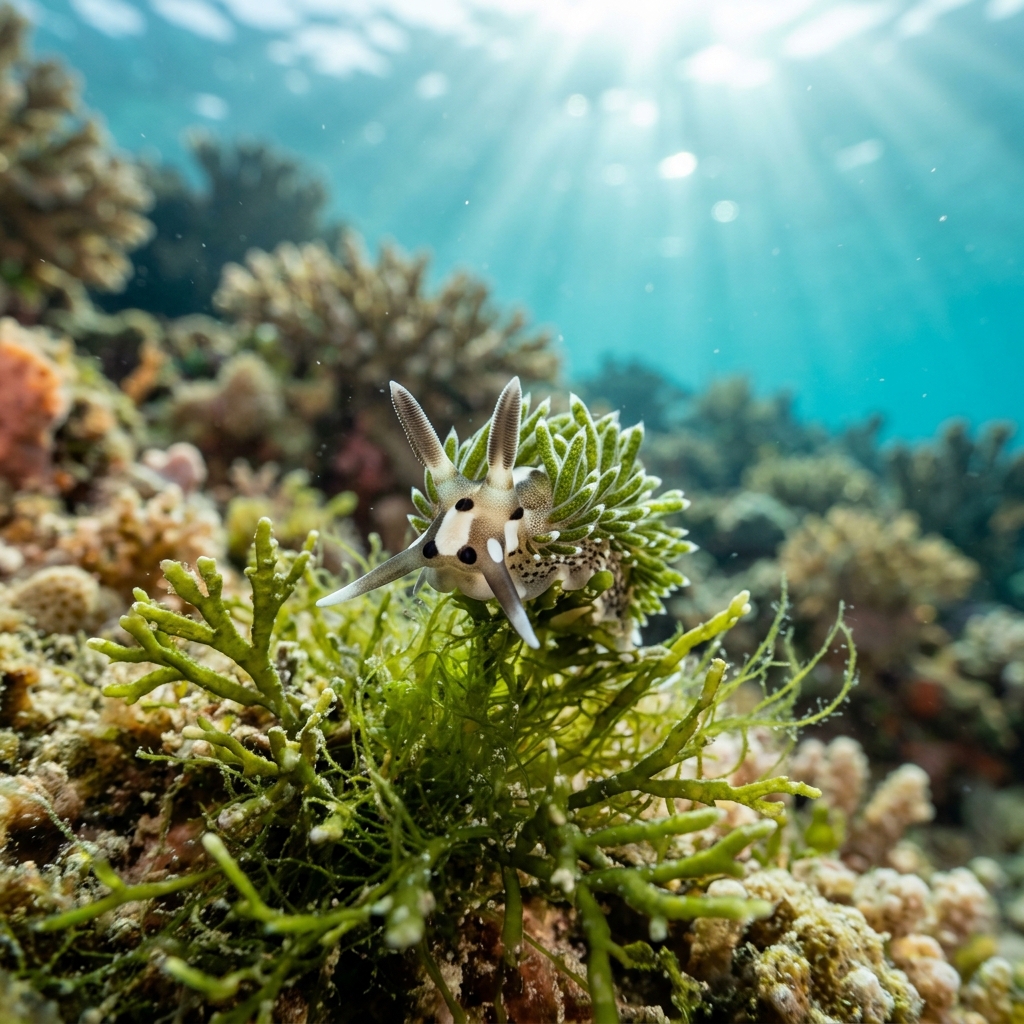
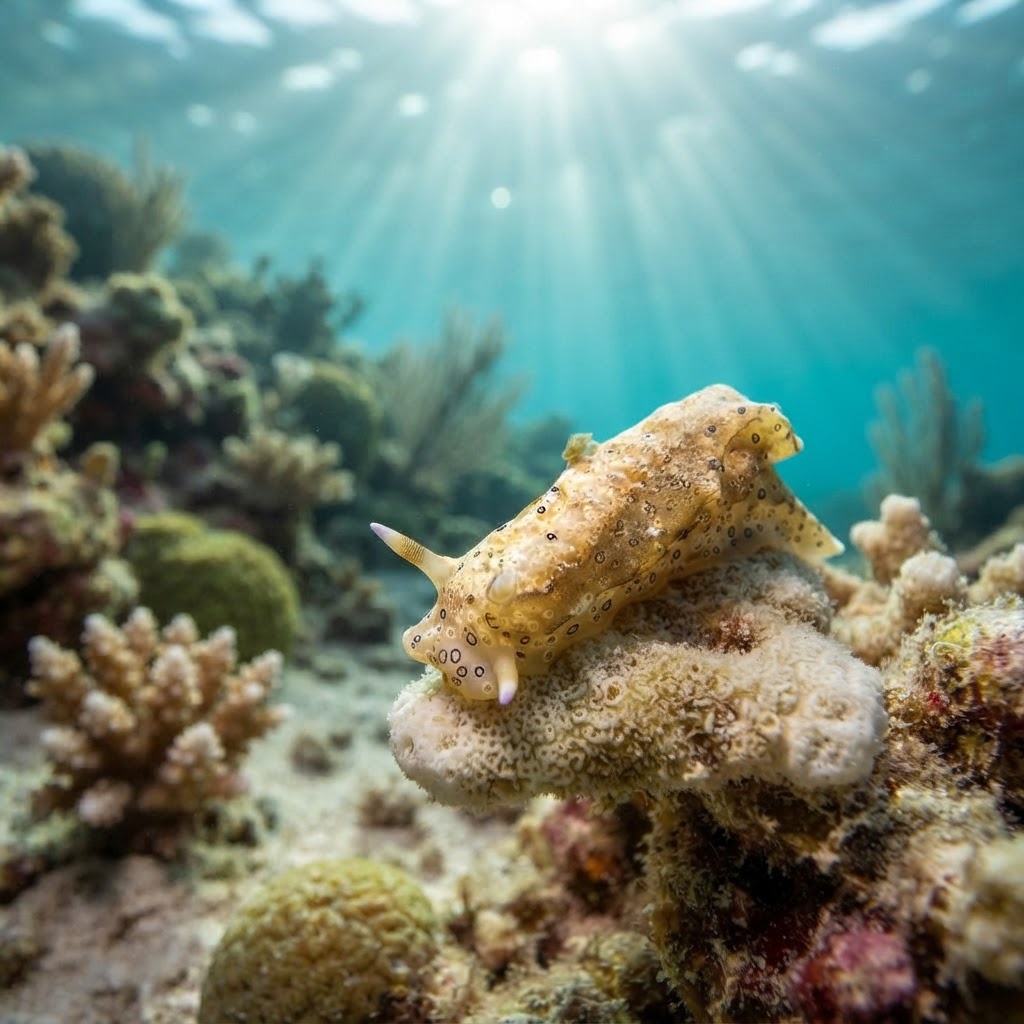
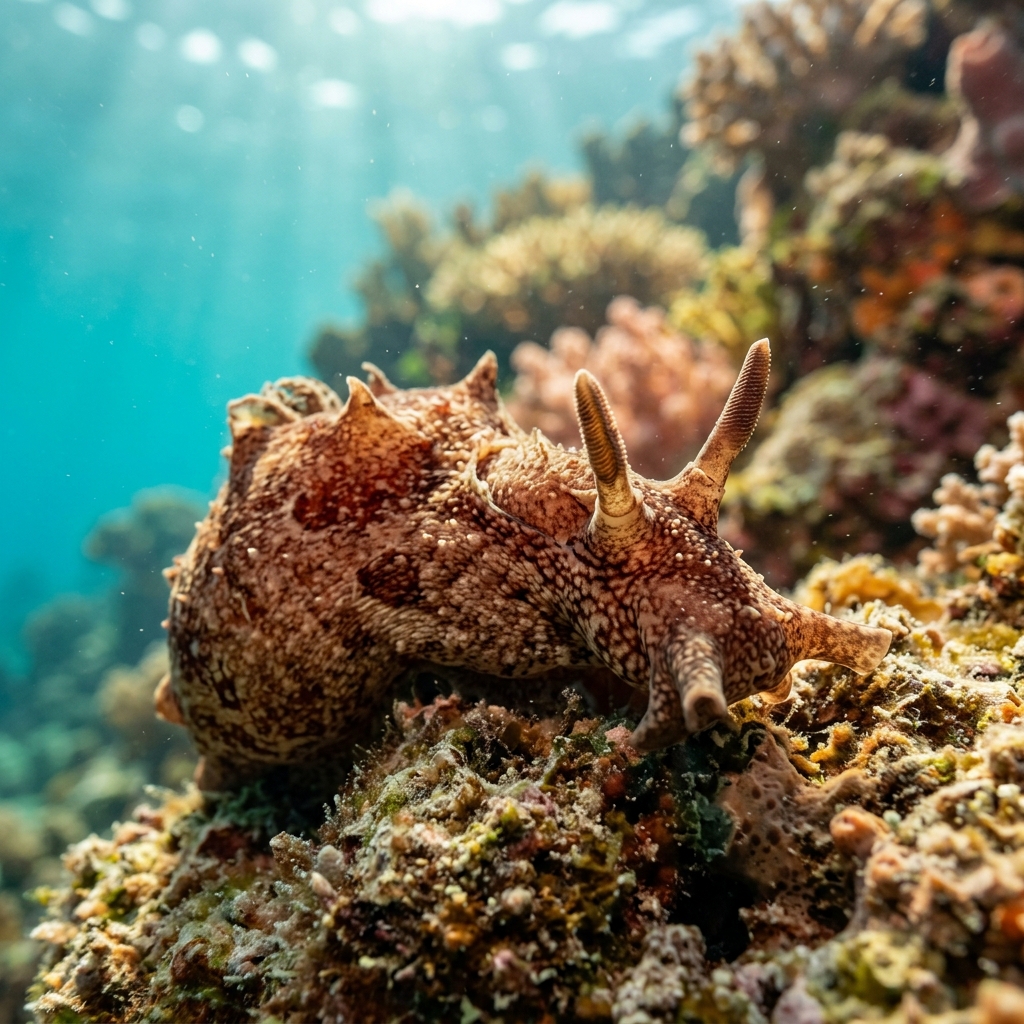
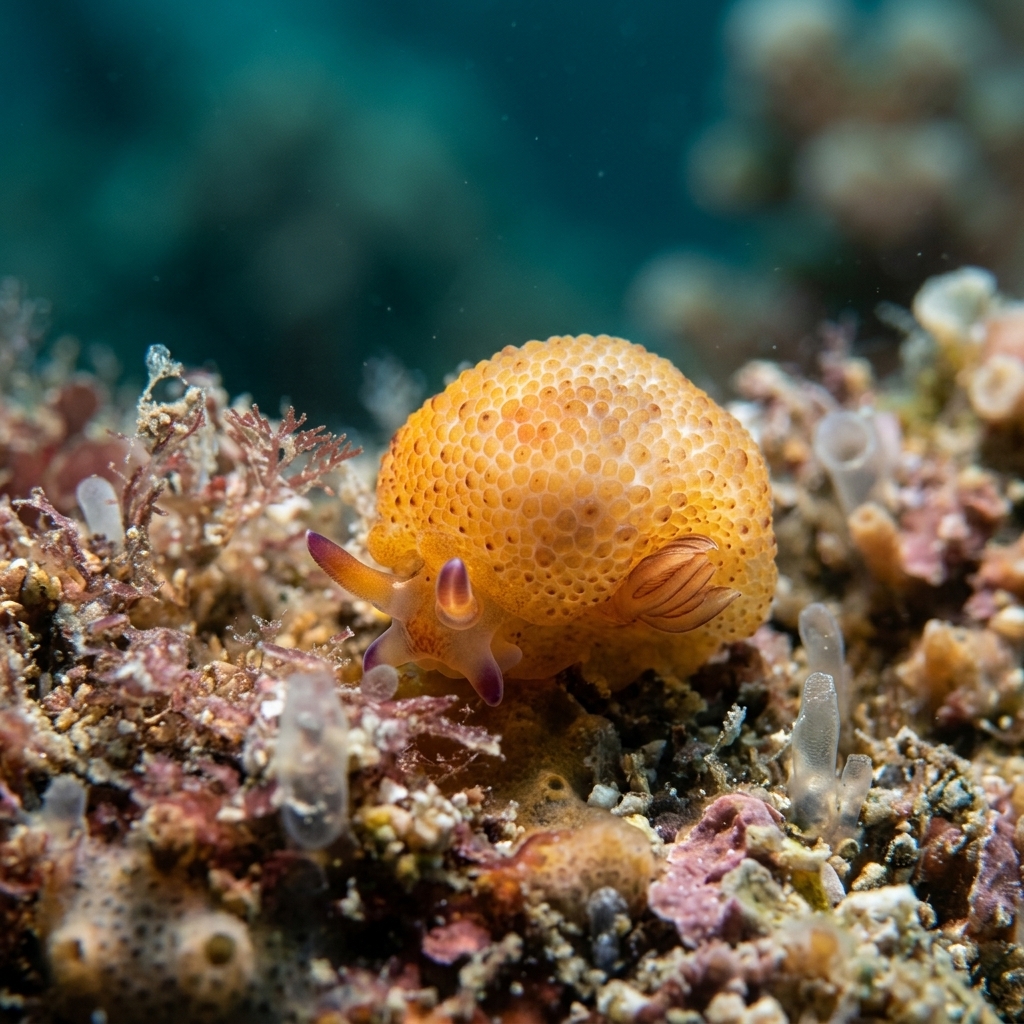
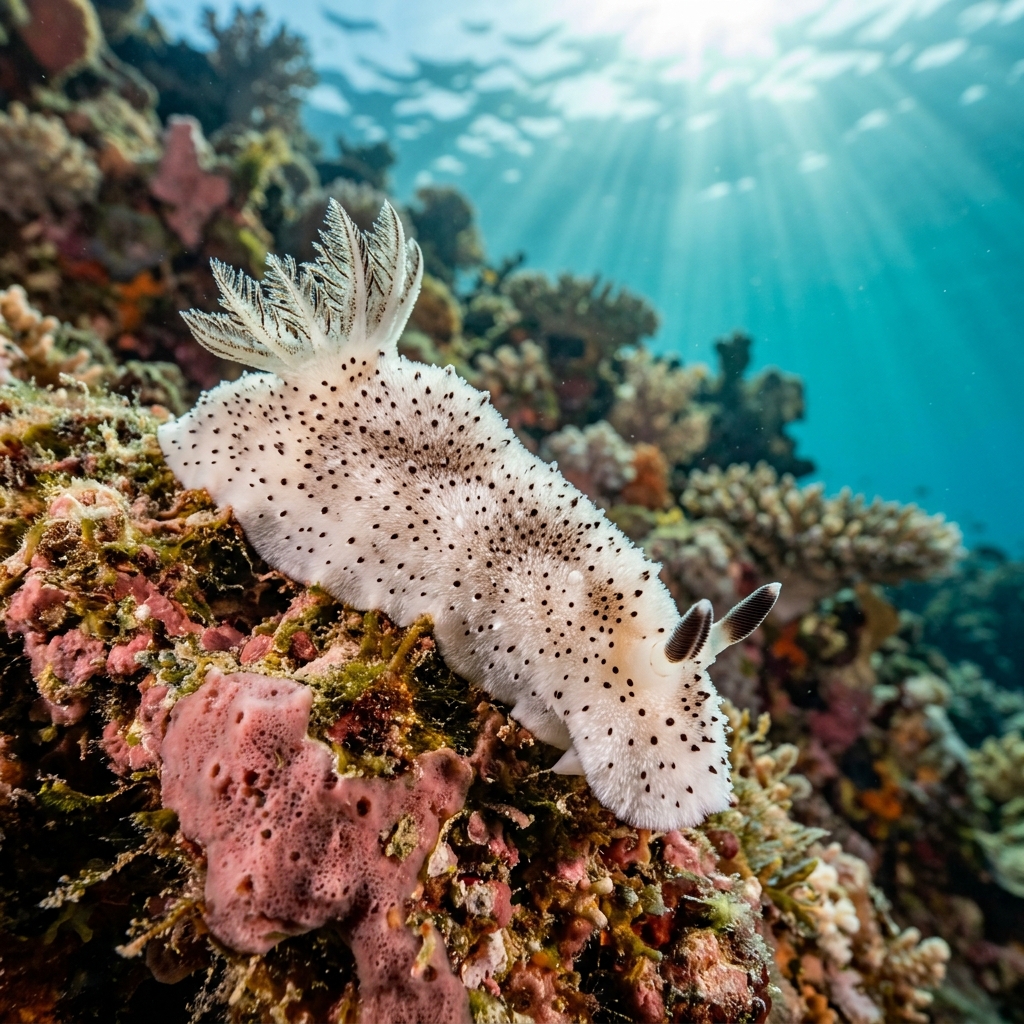
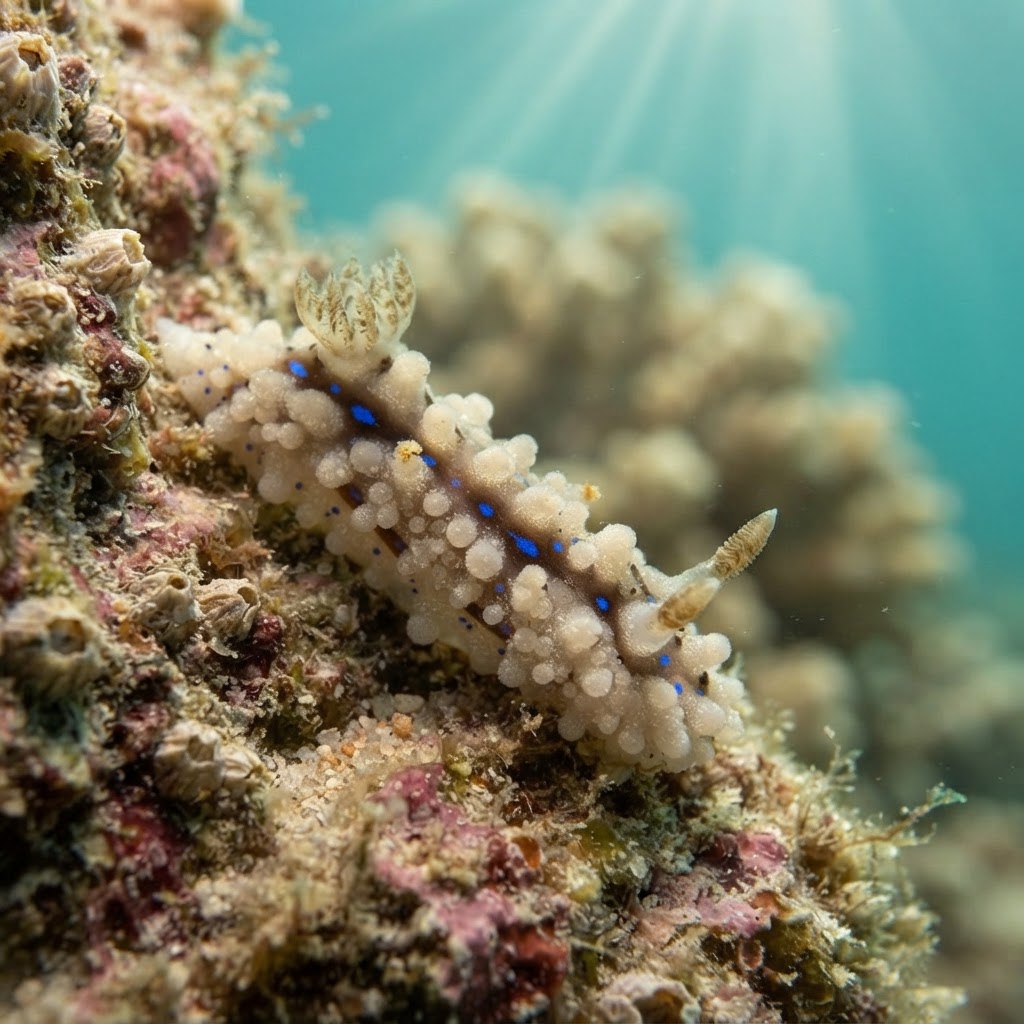
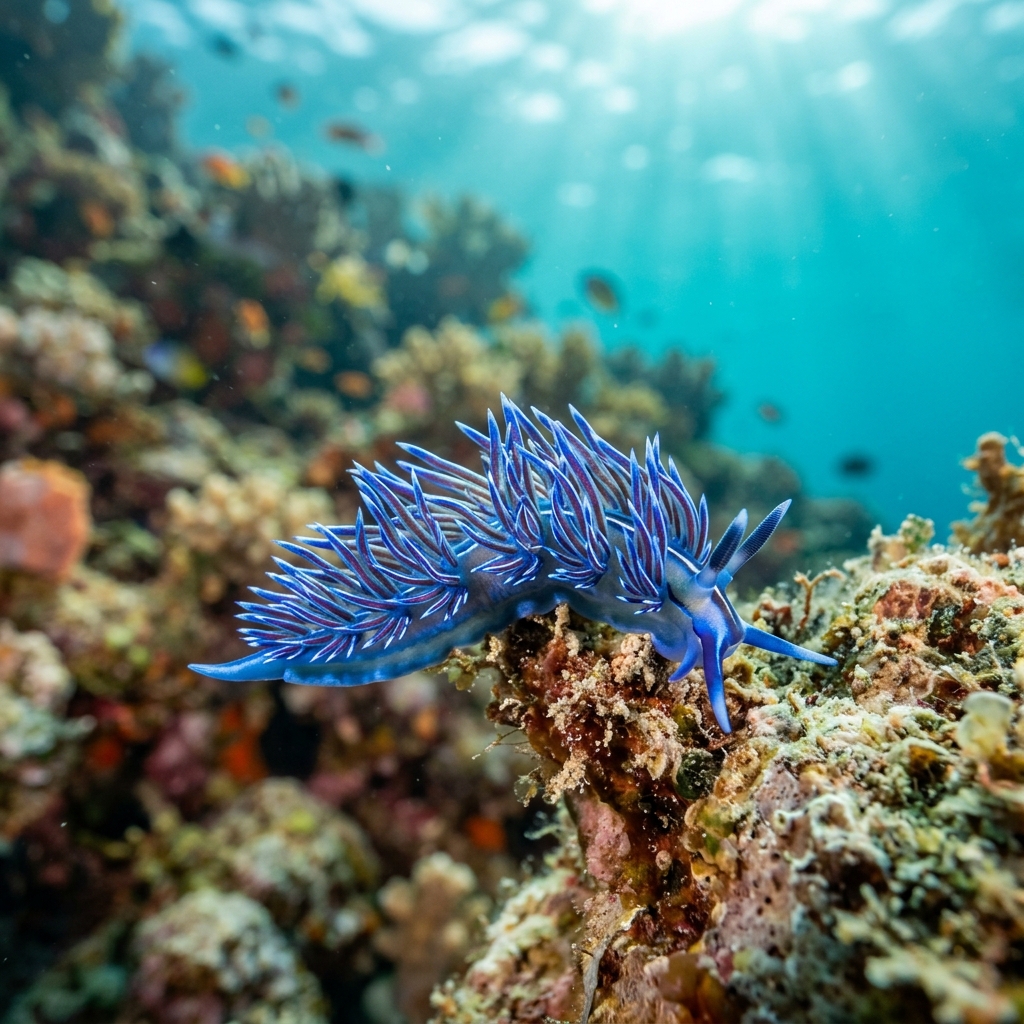
Reef neighbours a diver could mistake it for. Use the identification notes above to tell them apart.
This is a Mediterranean speciality, most commonly logged along the French Riviera and Provence coast and across Spain's Balearic Islands, with a smaller but real presence in Greece's Dodecanese. France and Spain between them account for almost all logged sightings, making the western Mediterranean the strongest bet.
Mapping where Gordana's Elysia is logged…
It's most reliably found in the western Mediterranean, particularly along the French Riviera and Provence coast and around Spain's Balearic Islands. Smaller numbers have also been logged in Greece's Dodecanese.
There's no strong seasonal pattern in the sighting data, so it appears to be a year-round find within its water-temperature range of roughly 15 to 21C.
Look for a small, flattened sea slug with rolled, wing-like flaps along its back, grazing slowly on algae-covered rock rather than open sand. Precise colour markings aren't well documented, so habitat and body shape are the main clues.
Size isn't well documented for this species, but like most Elysia sea slugs it's small, likely only a few centimetres long, and easy to overlook against textured rock.
It probably shares the sacoglossan trick of kleptoplasty, storing living chloroplasts from the algae it feeds on and using them to generate energy from light for a while afterwards.
Site and sighting data is aggregated from diver logs, iNaturalist and GBIF. For taxonomy and conservation status:
Light-spotted Aegires
3,168 sites