Elysia expansa
A rare sea slug find logged almost exclusively around Victoria, Australia in cool 13-19C water. Here's how to spot one.
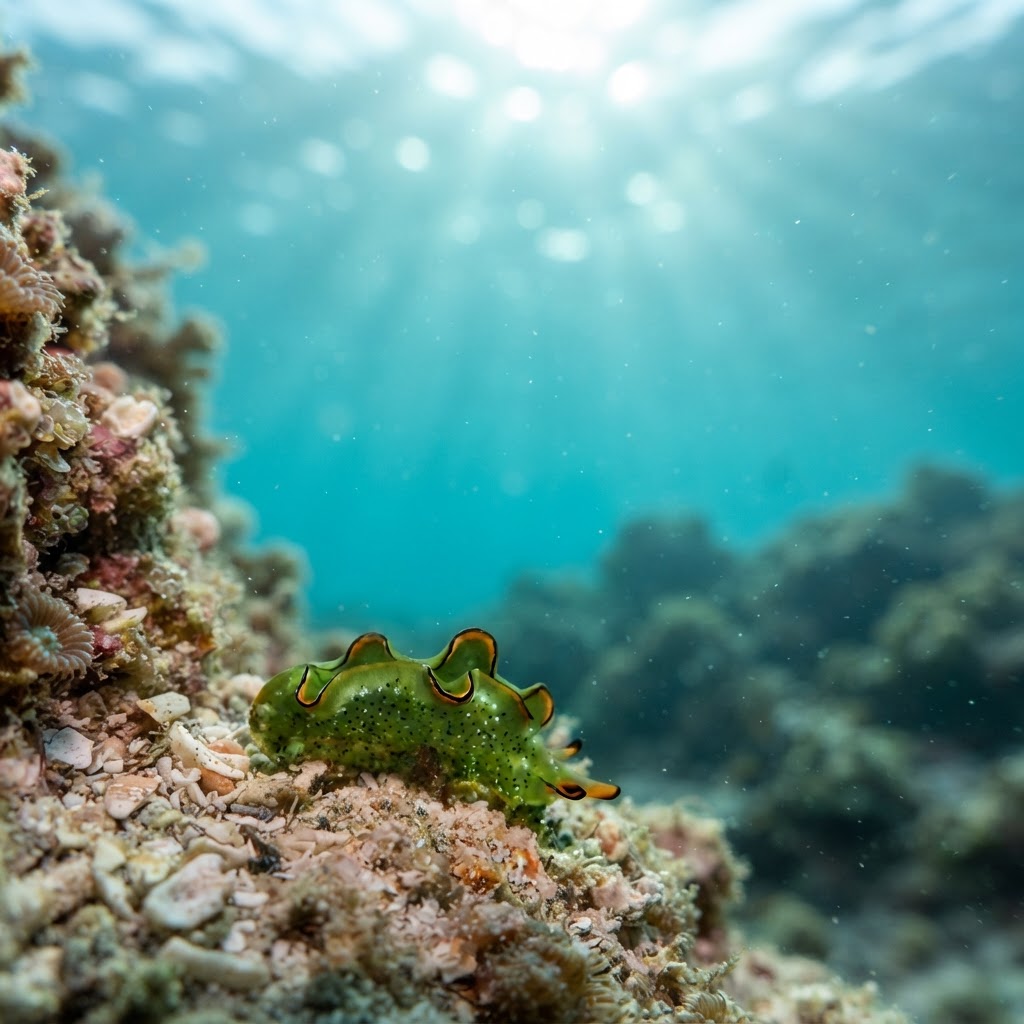
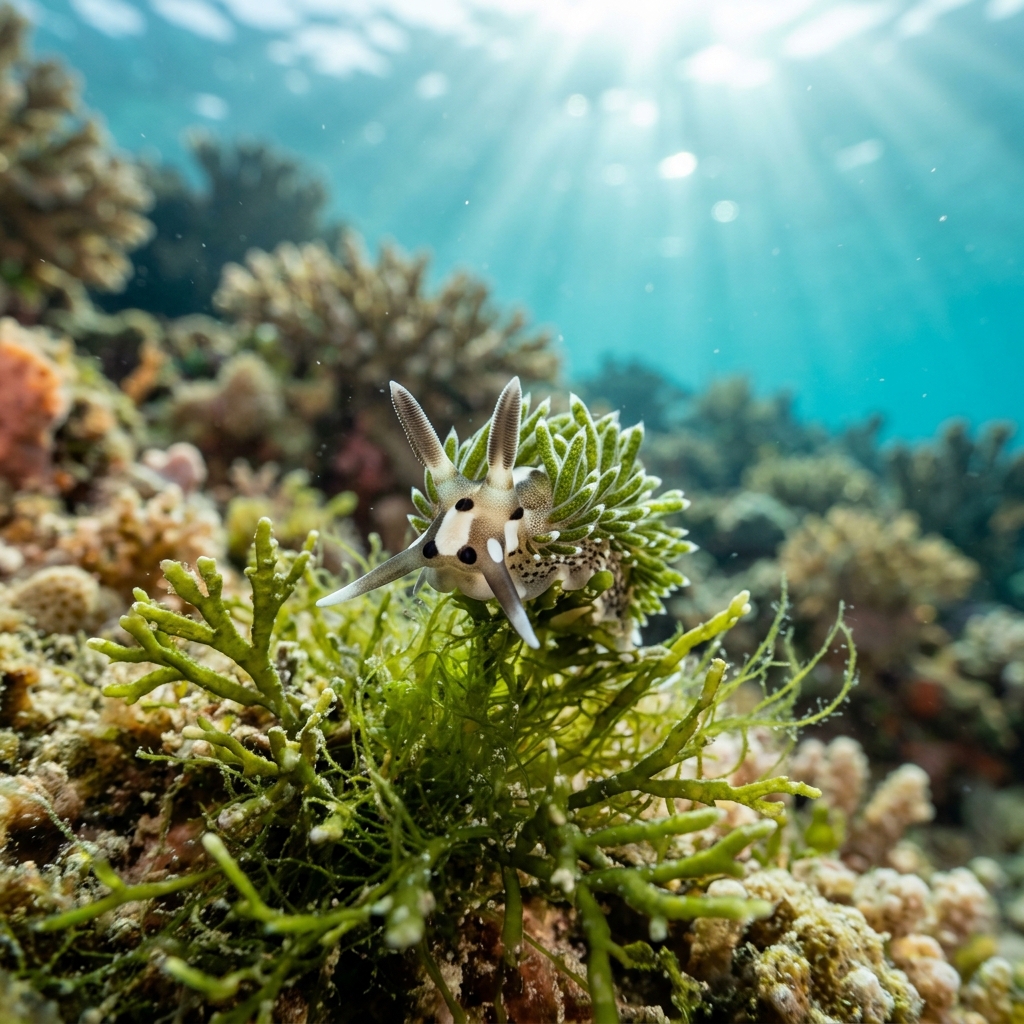
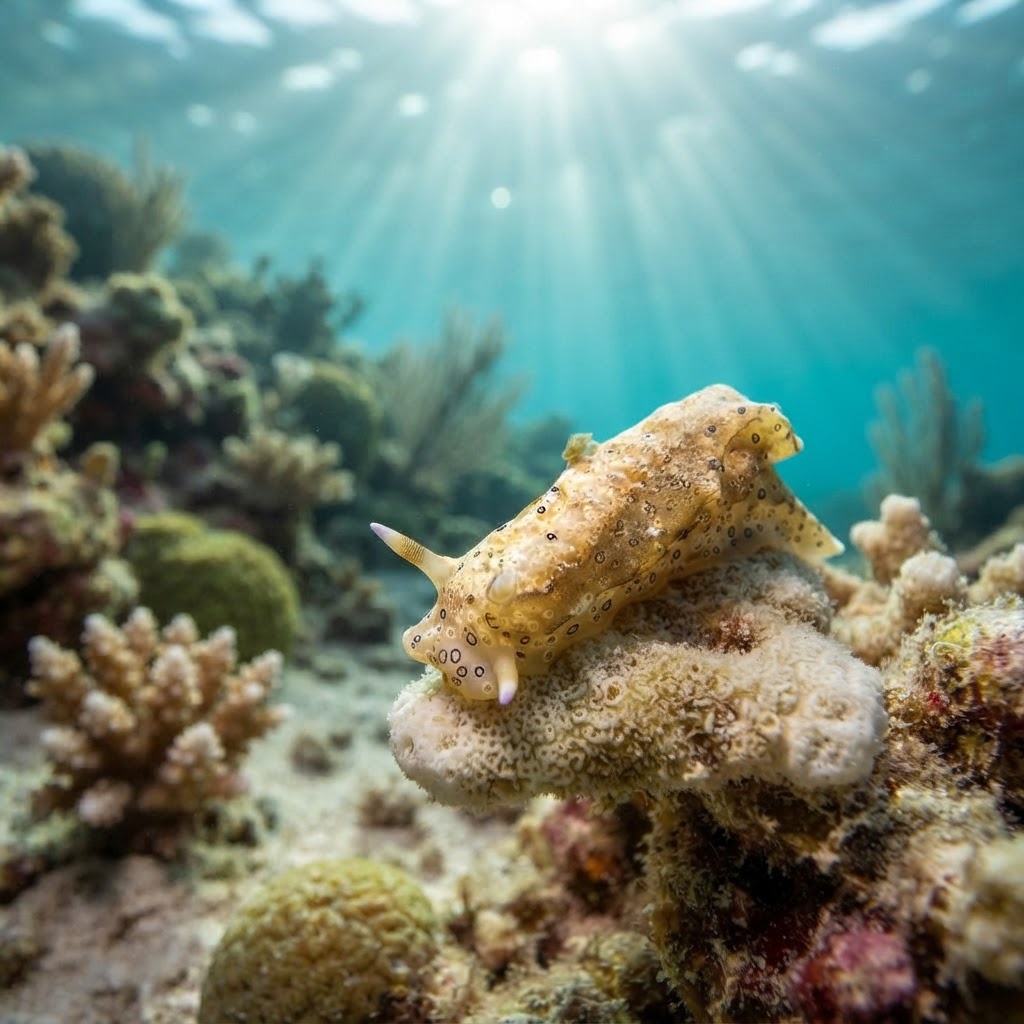
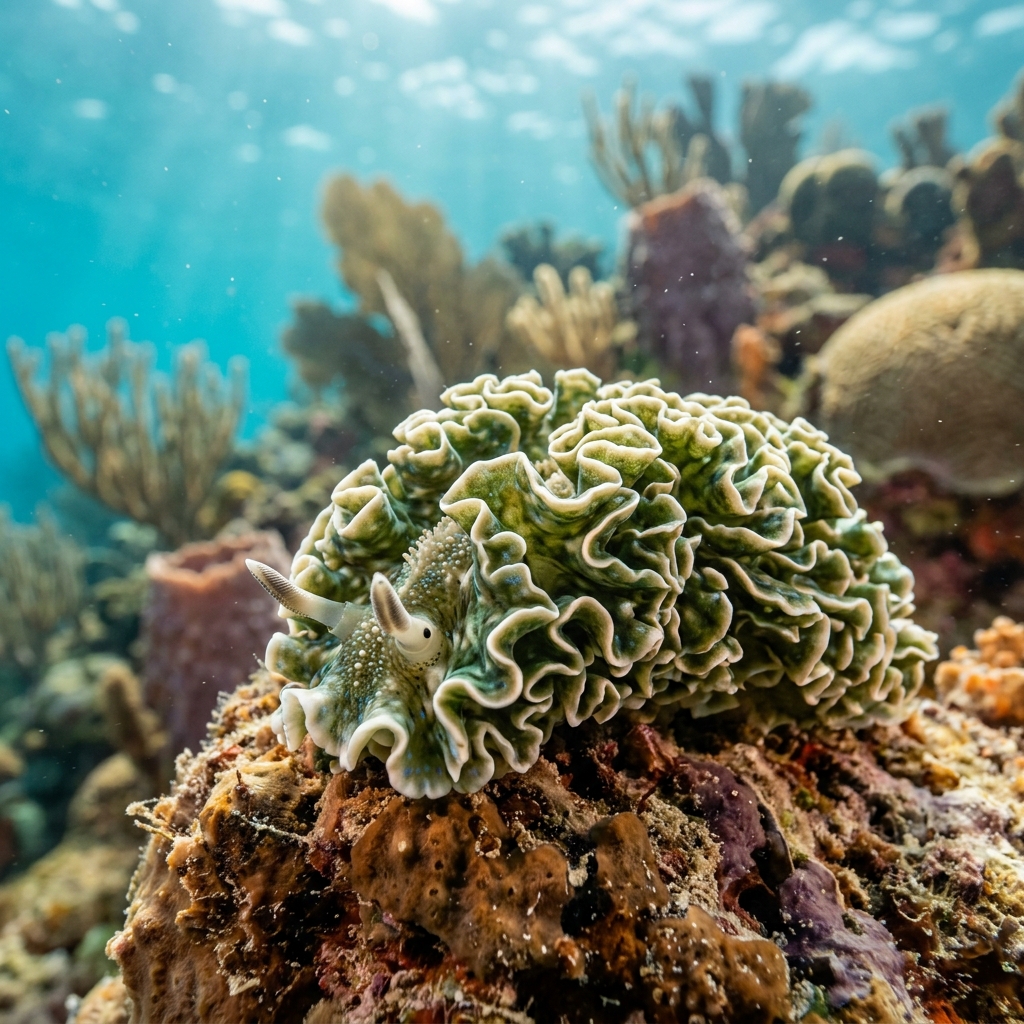
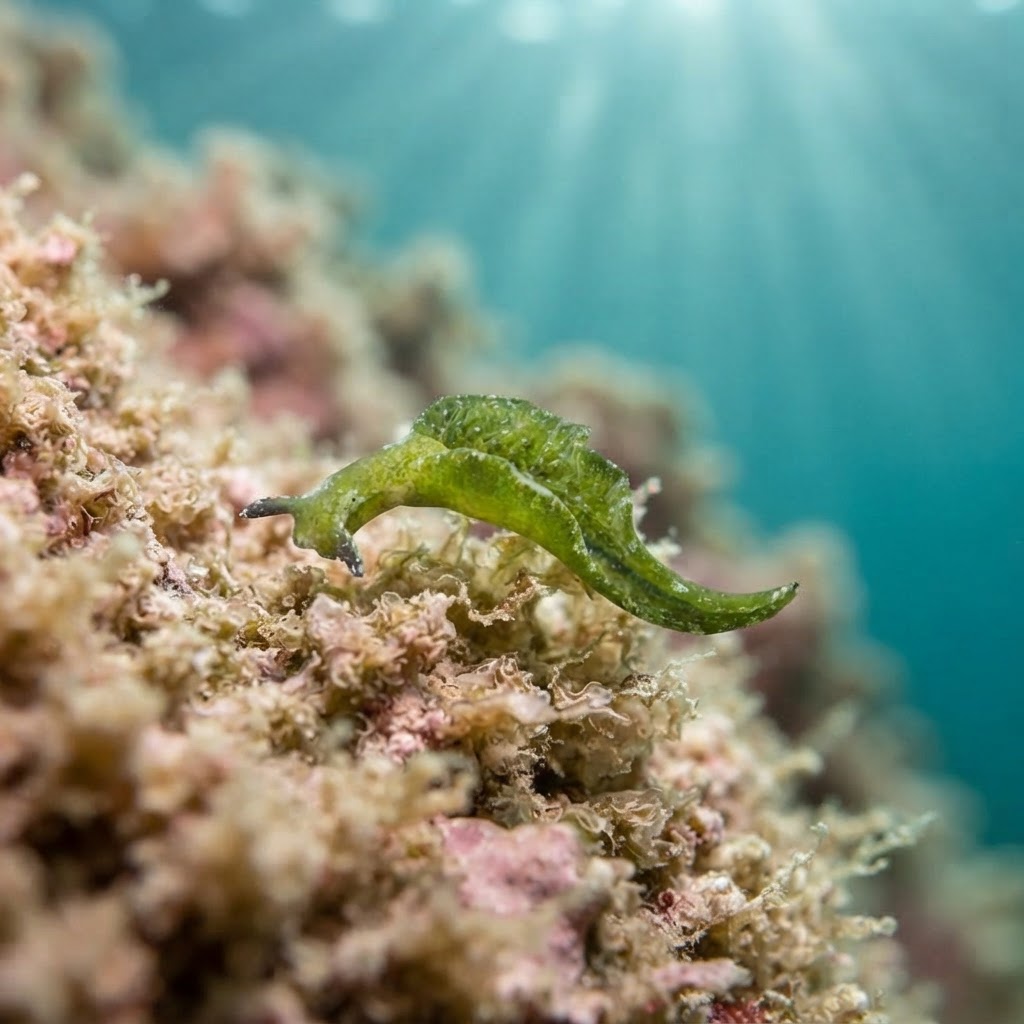
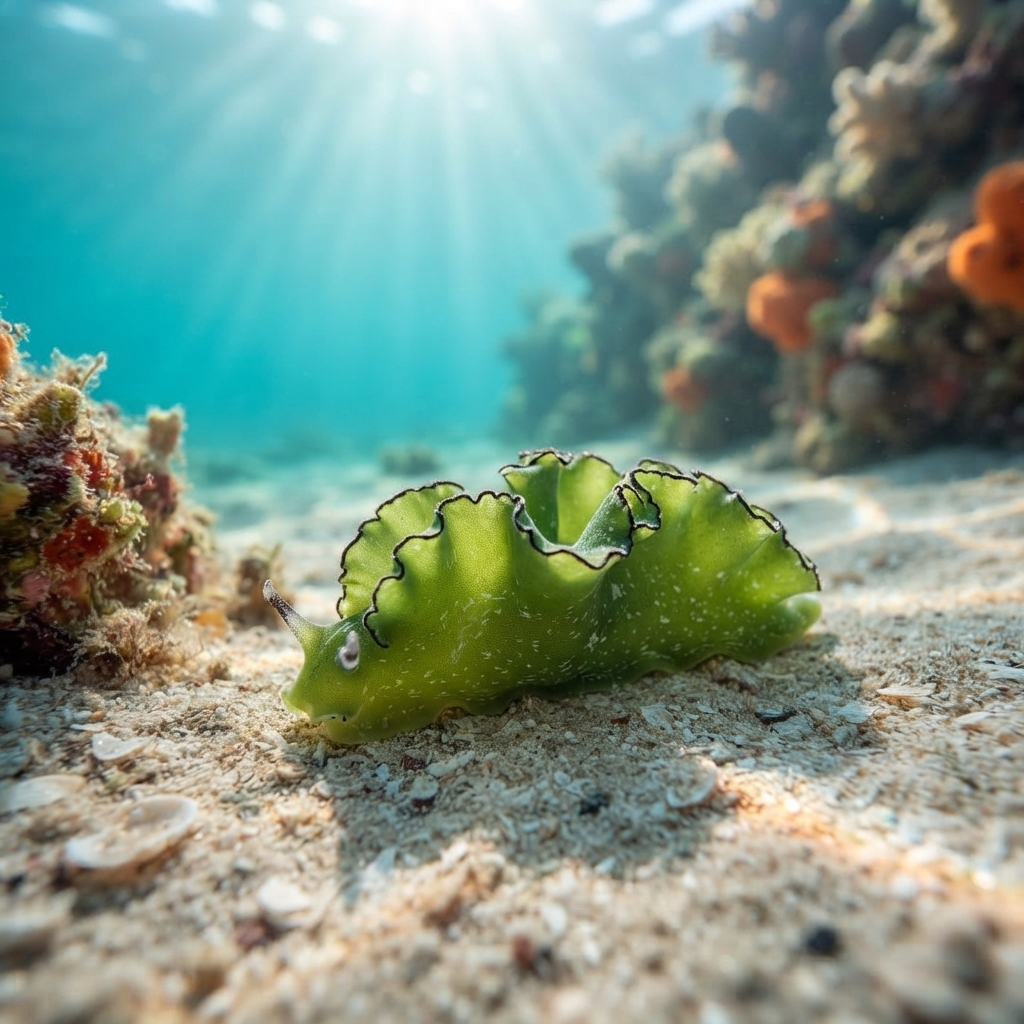
Look for a flattened, leaf-shaped sea slug with broad wing-like extensions of its body (parapodia) that fold over its back, typical of this sap-sucking slug family. Sizing isn't well documented for this species, so approach any small, leafy-bodied slug on cool temperate reef with the same care you'd use for close macro ID. Colour and pattern details aren't well recorded either, so confirming this one usually comes down to close macro photos and habitat context rather than a single flashy marking.
Divers find this slug moving slowly over reef surfaces, grazing in the unhurried way typical of sap-sucking slugs that feed on algae. It shows no reaction to divers beyond its usual slow crawl, and with a rare-to-uncommon sighting frequency at most sites, spotting one takes a slow, careful eye on the substrate rather than a lucky glance.
Like other members of the sacoglossan group, this slug likely feeds by piercing algal cells and can sequester chloroplasts from its food, a trick some relatives use to photosynthesise for a time after feeding.
There's no clear seasonal pattern in the sightings so far, and the observed water temperature range of 12.8 to 18.8C matches Victoria's cool temperate conditions across most of the year, so treat it as a year-round possibility rather than a seasonal target.
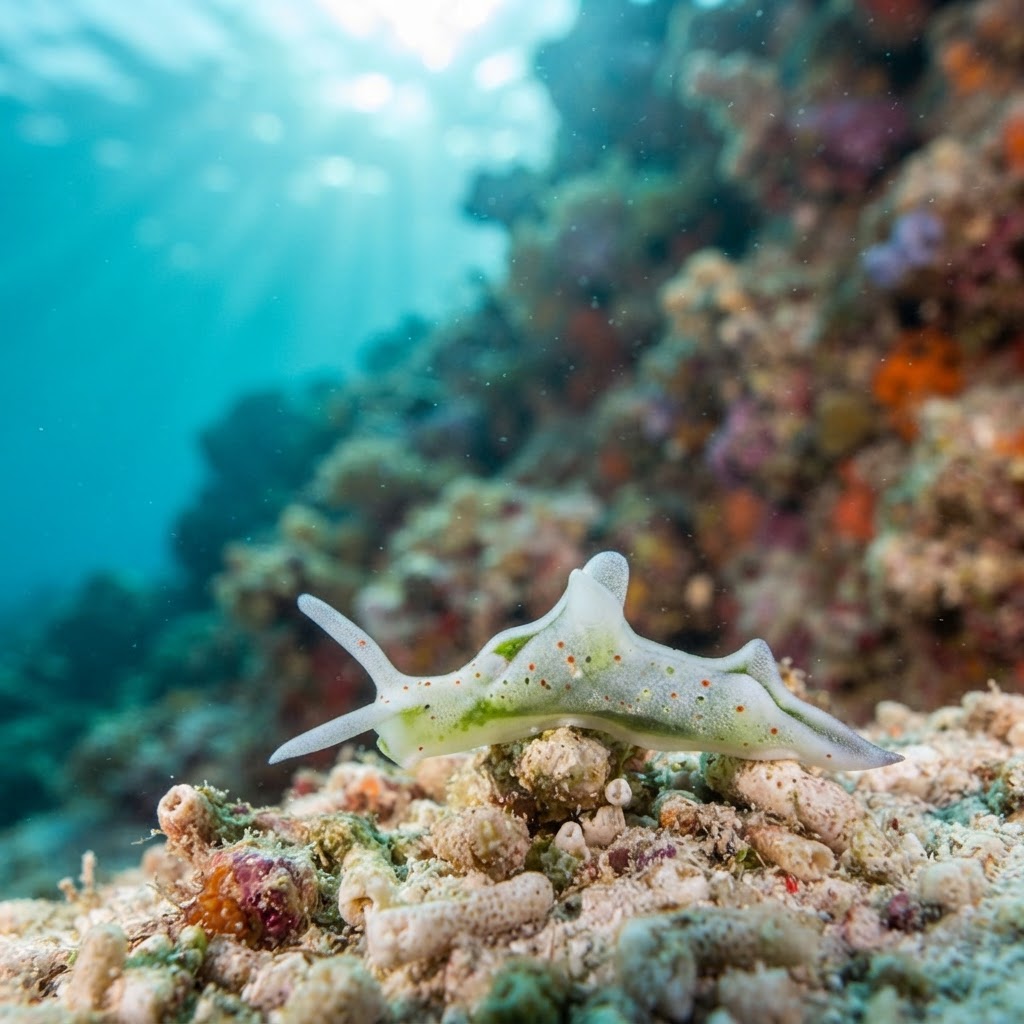
Reef neighbours a diver could mistake it for. Use the identification notes above to tell them apart.
This one is essentially a Victoria, Australia speciality, with every logged sighting so far coming from dive sites in that region. If you're diving the temperate reefs of southern Australia, Victoria is the place to keep an eye out on the reef substrate for it.
Mapping where Elysia Expansa is logged…
Nearly all logged sightings come from Victoria, Australia, making it the region to focus on if you want to find this slug.
There's no detected season in the sighting data, and it's been observed across a 12.8 to 18.8C range, so it's considered a year-round find on Victoria's temperate reefs.
Look for a flattened, leaf-bodied sea slug with folded wing-like parapodia typical of sacoglossan slugs, found on temperate reef substrate. Detailed colour markings aren't well documented, so close macro photos help confirm ID against similar sap-sucking slugs.
No, it poses no danger to divers and can be safely observed and photographed without any special precautions.
Exact size data isn't well documented for this species, but like most Elysia sea slugs it is a small macro subject best spotted with a careful, close look at the reef.
As a member of the sacoglossan slug group, it likely feeds by piercing algae and may retain functioning chloroplasts from its food, a strategy some relatives use to draw extra energy from sunlight.
Site and sighting data is aggregated from diver logs, iNaturalist and GBIF. For taxonomy and conservation status:
Elysia Timida
573 sites