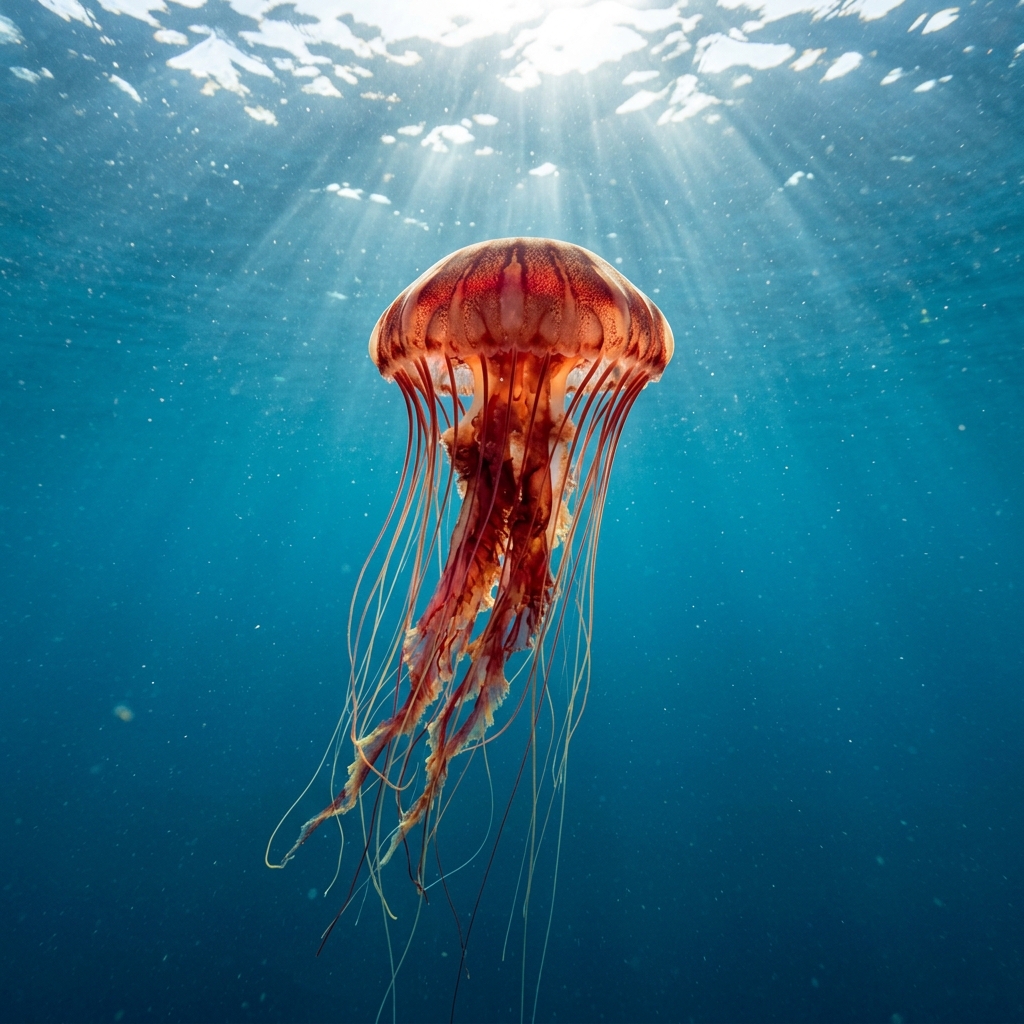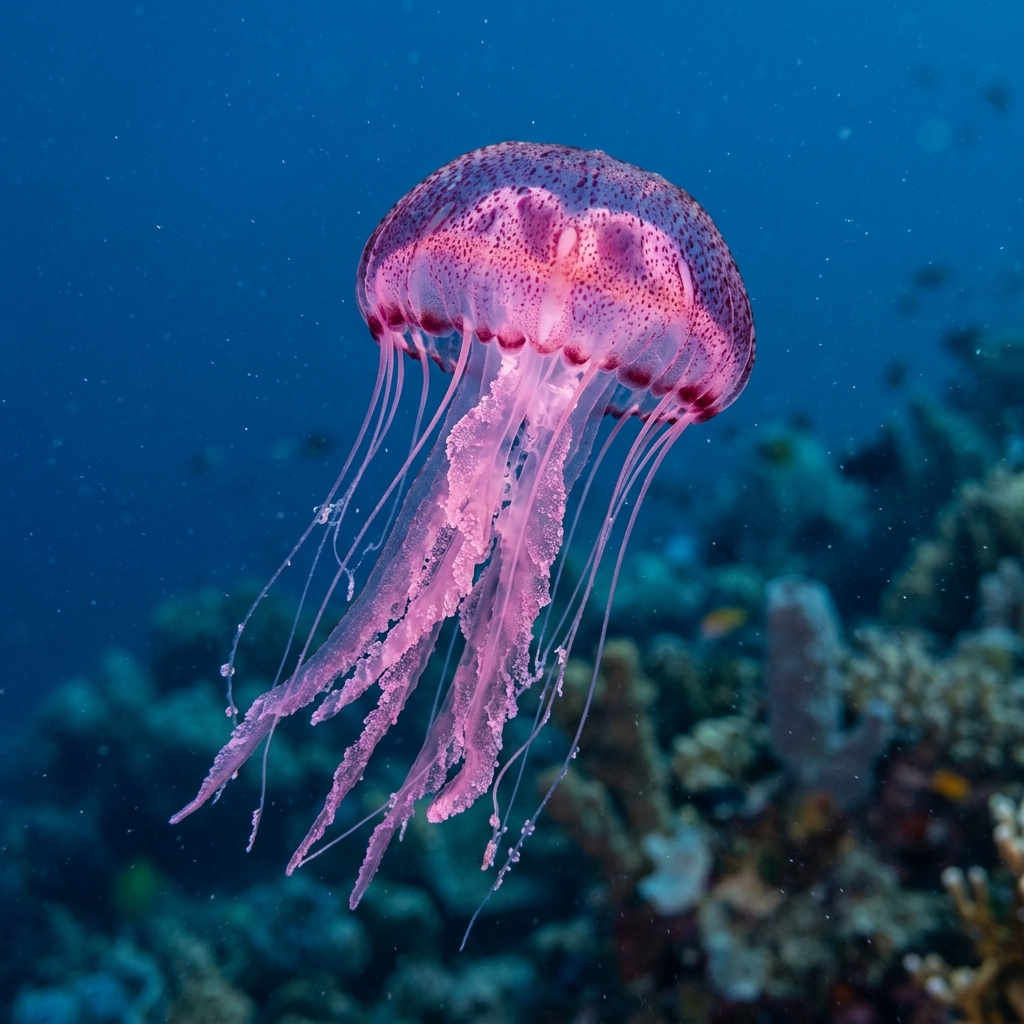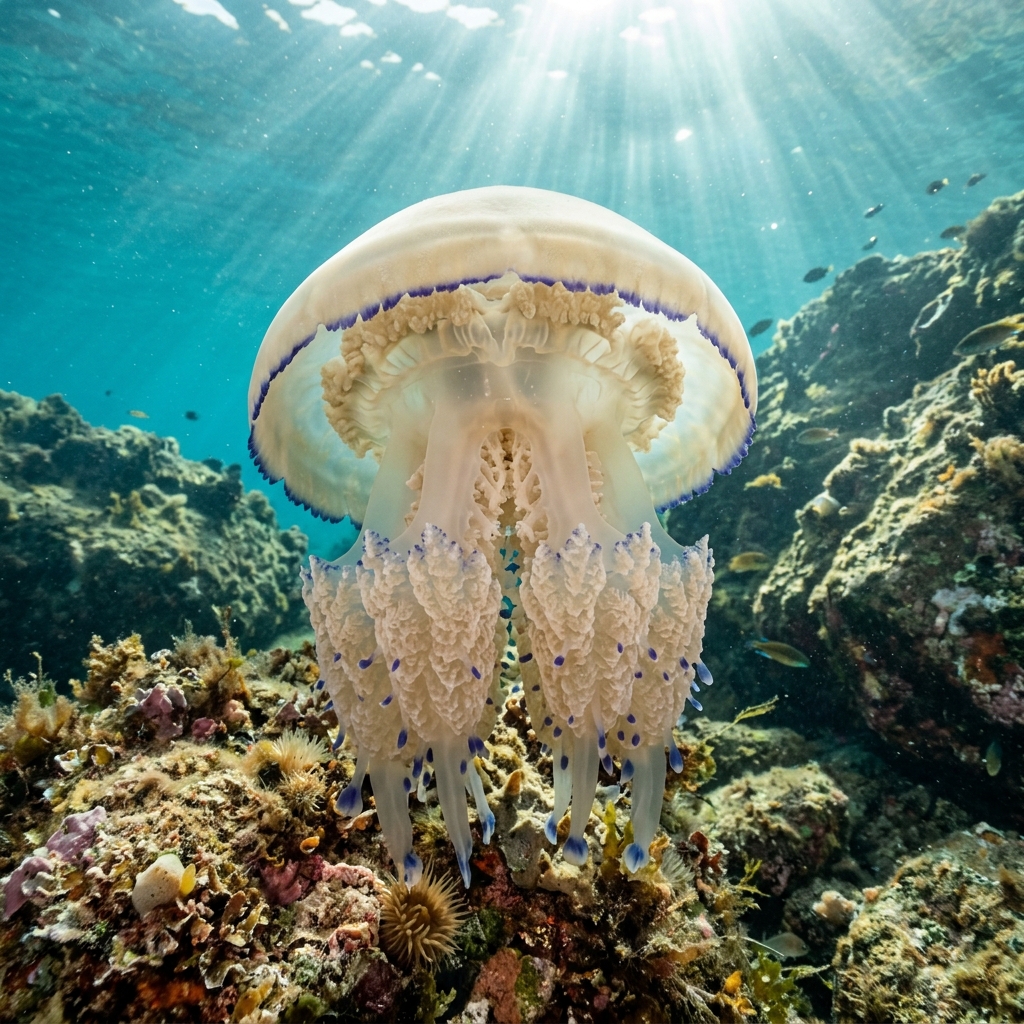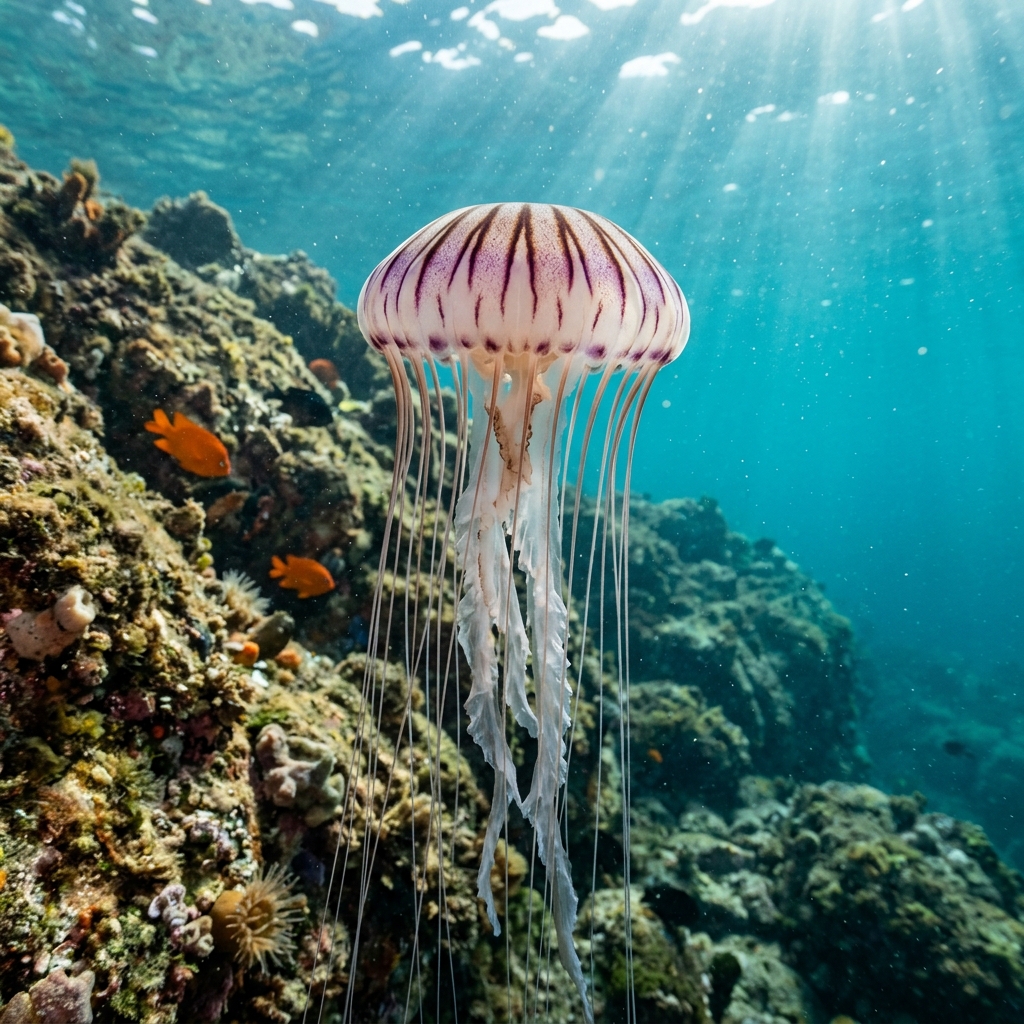
Chrysaora colorata
Spot the purple-striped jellyfish along the US Pacific Coast in cool 12-20°C water. Here's how to ID it and where divers actually see it.
Safety warning
This species can sting on contact with its tentacles, which may trail well beyond the body and can still sting after the animal is dead or washed up. Look but do not touch, and give it a wide berth.
If you're stung
Stinging tentaclesGeneral first-aid guidance, not a substitute for professional medical care. In an emergency, call your local emergency number.
A large, translucent white or pale pink bell covered in bold radial stripes of deep purple or maroon is the key field mark underwater. Long, wispy oral arms and tentacles trail beneath, often banded or fringed in the same purple tones. In juveniles, the bell appears nearly white with faint pinkish blushing, and the stripes intensify with age. The overall silhouette is rounded and dome-shaped, giving it a clean, architectural look as it pulses through open water.
Purple-striped jellyfish drift passively with currents in open water, pulsing their bells in a slow, rhythmic motion to maintain position. Divers typically encounter them in mid-water or near the surface, often alone rather than in dense aggregations. They show no particular response to divers and can be observed closely without disturbing their movement.
Young cancer crabs (particularly Pleuroncodes planipes) are well documented hitching rides inside the bell of this jellyfish, apparently gaining shelter and possibly stealing food scraps, while the jellyfish appears unharmed by the arrangement.
There is not yet enough monthly sighting data to identify a peak season, so treat it as potentially year-round along the California coast. Its observed temperature range of roughly 12 to 20°C aligns with the cool, nutrient-rich upwelling conditions that characterise California current waters throughout the year.
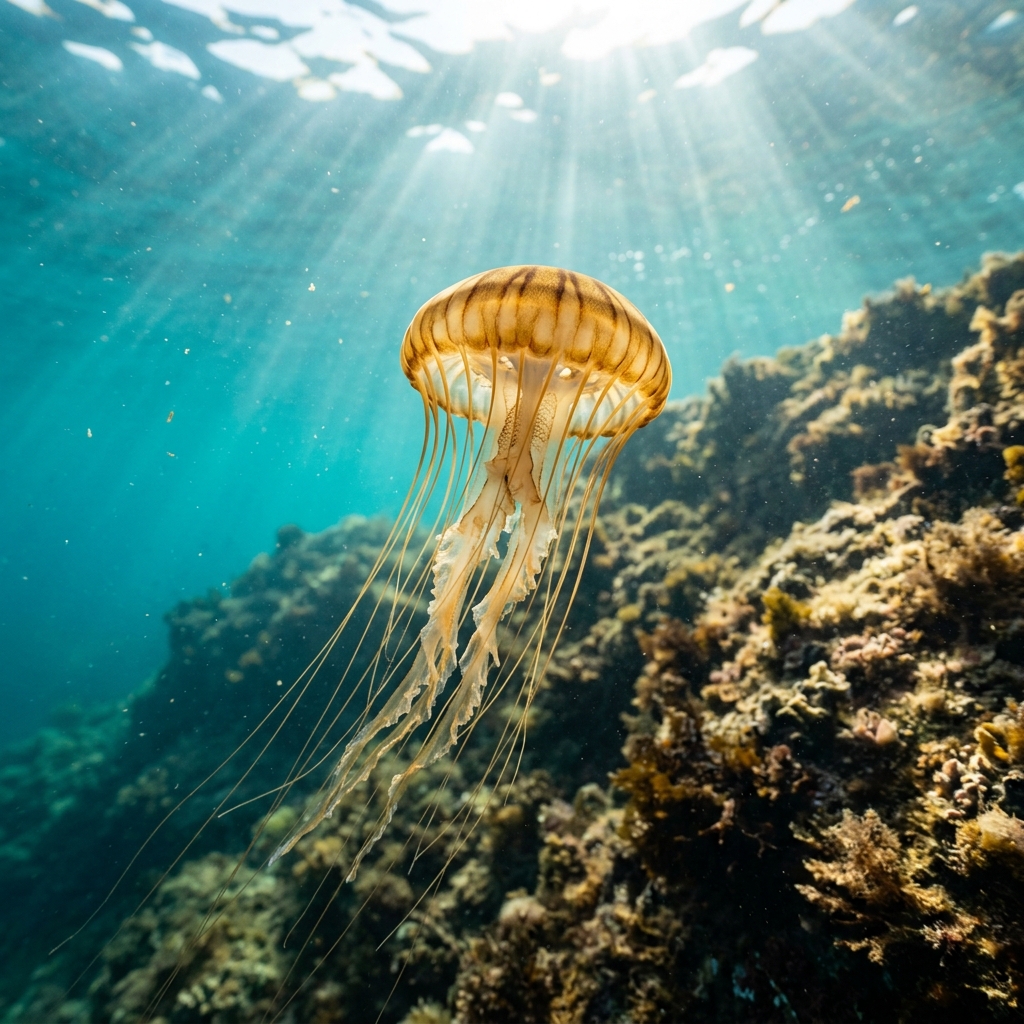
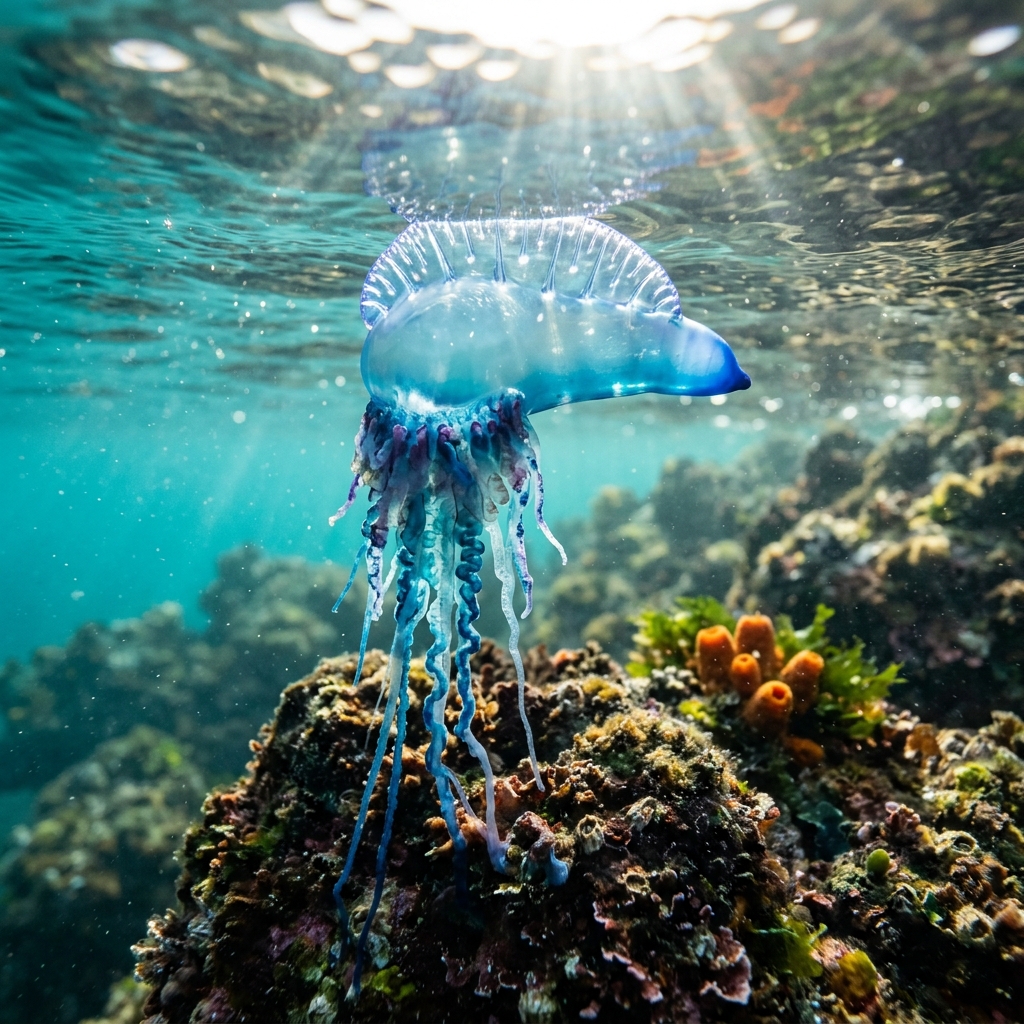
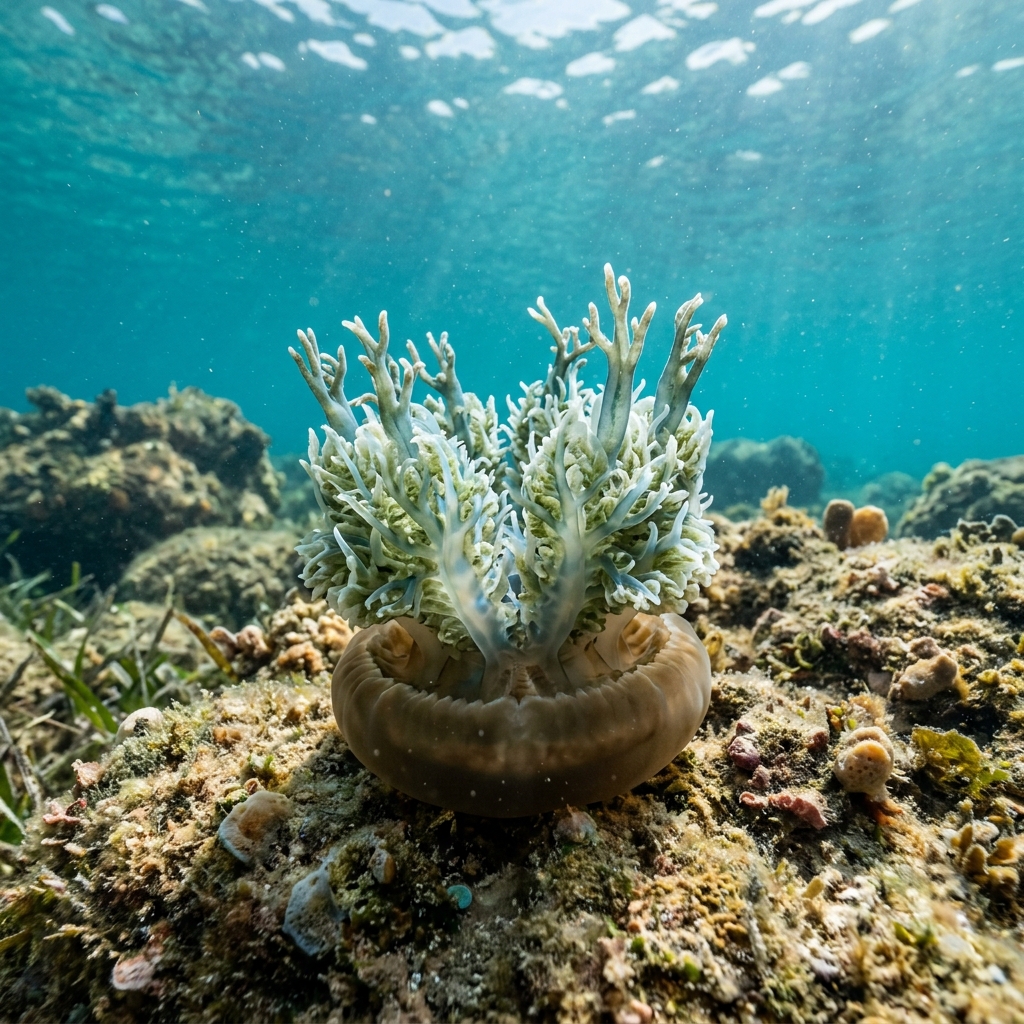
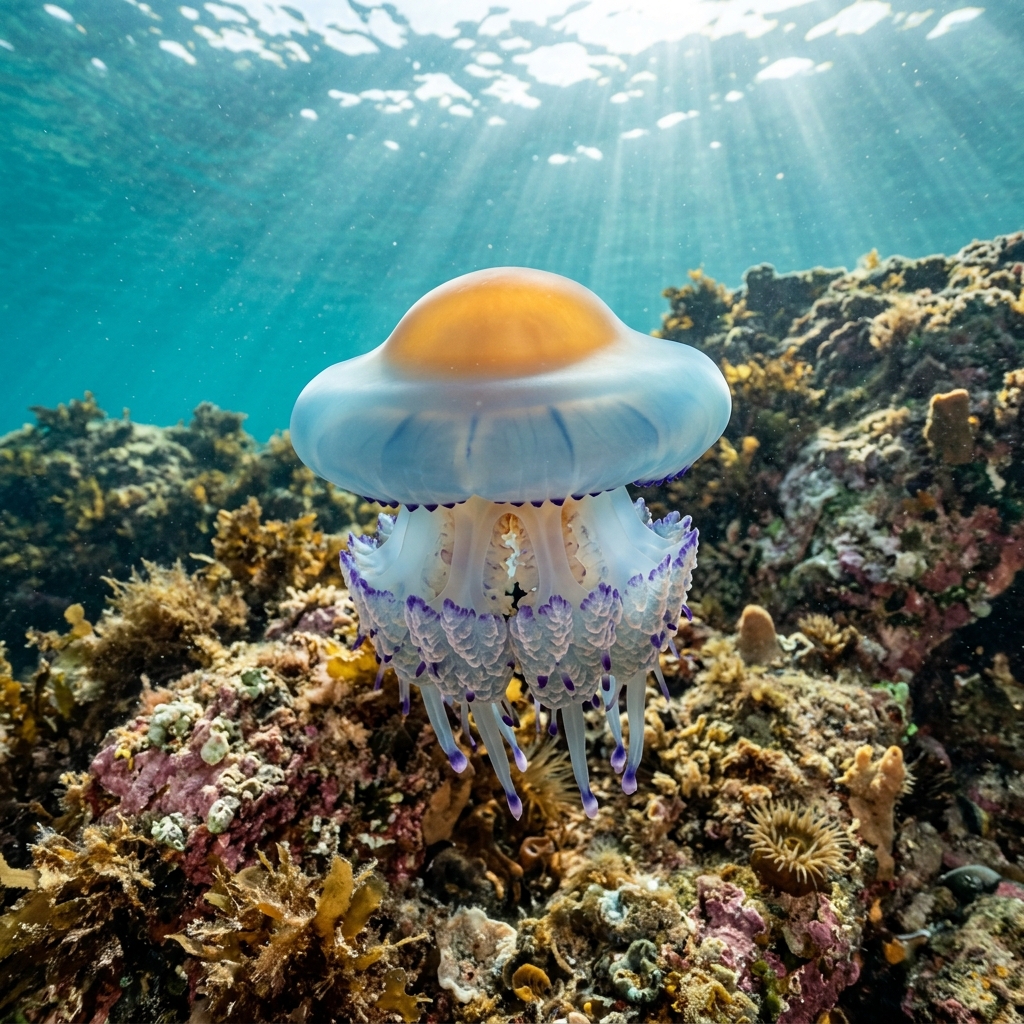
Reef neighbours a diver could mistake it for. Use the identification notes above to tell them apart.
All logged sightings come from the US Pacific Coast, making this an exclusively North American Pacific species in diver records. Sites are spread along California waters, where upwelling keeps temperatures in the cool range this species favours. Encounters are rare to uncommon across all recorded sites, so treat any sighting as a bonus rather than a guarantee.
Mapping where Purple-striped Jellyfish is logged…
All diver-logged sightings are from the US Pacific Coast, particularly along California. It is not commonly recorded elsewhere, so California waters are your best bet for a chance encounter.
Look for a large, translucent dome-shaped bell with bold radial purple or maroon stripes running from the centre outward. Long, frilly oral arms and banded tentacles hang beneath. No other common California jellyfish combines that pale bell with such vivid purple patterning.
They are not considered dangerous to divers. Like most jellyfish they have stinging cells, but encounters are generally regarded as low risk. Standard good practice is to avoid direct skin contact with the tentacles, especially in areas where fragments may be drifting in the water.
They can reach bell diameters of around 60 to 70 cm in larger adults, with trailing tentacles that can extend considerably further. In the water they appear substantial and slow-moving, which makes them relatively easy to spot and photograph.
Yes. Young pelagic crabs, particularly species of cancer crabs, are regularly found living inside the bell. They appear to use the jellyfish as a mobile shelter and possibly feed on particles the jellyfish captures, a relationship that harms neither animal.
Site and sighting data is aggregated from diver logs, iNaturalist and GBIF. For taxonomy and conservation status:
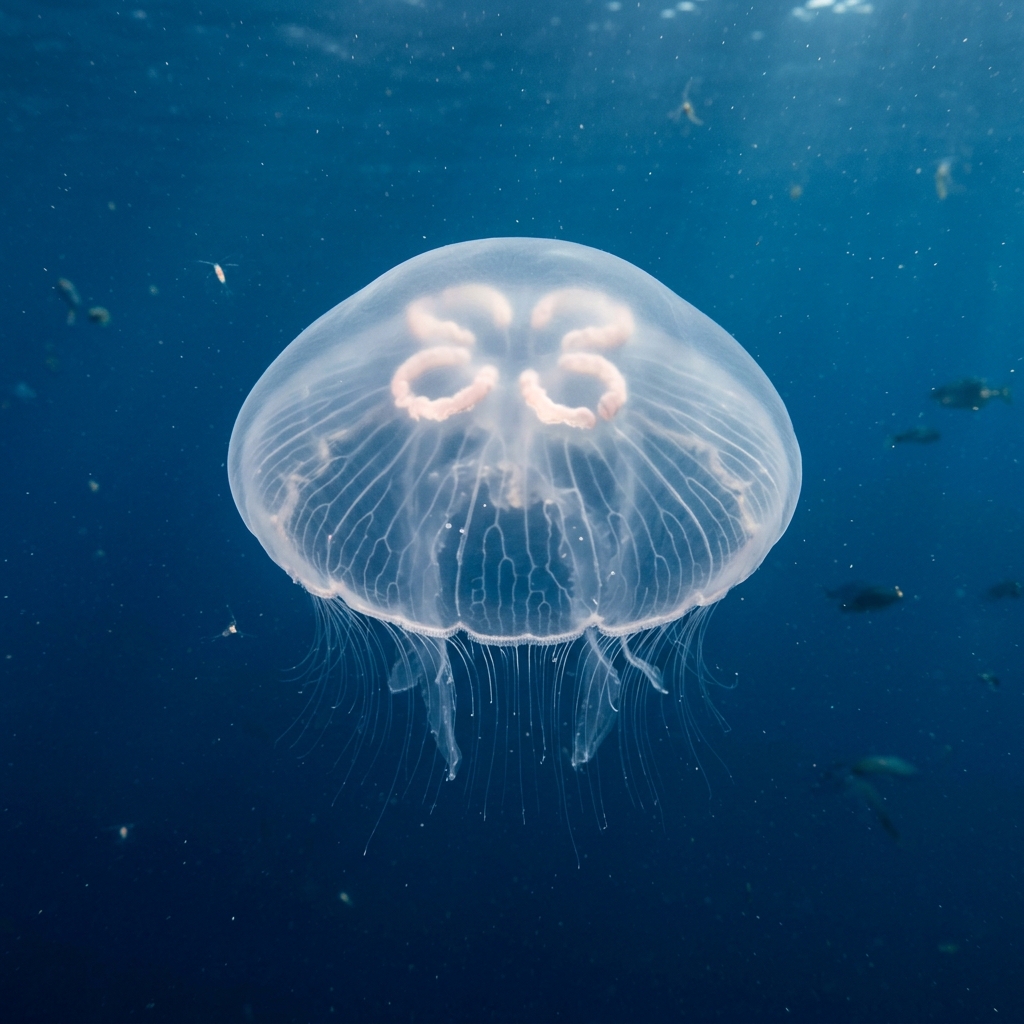
Moon Jellyfish
1,766 sites