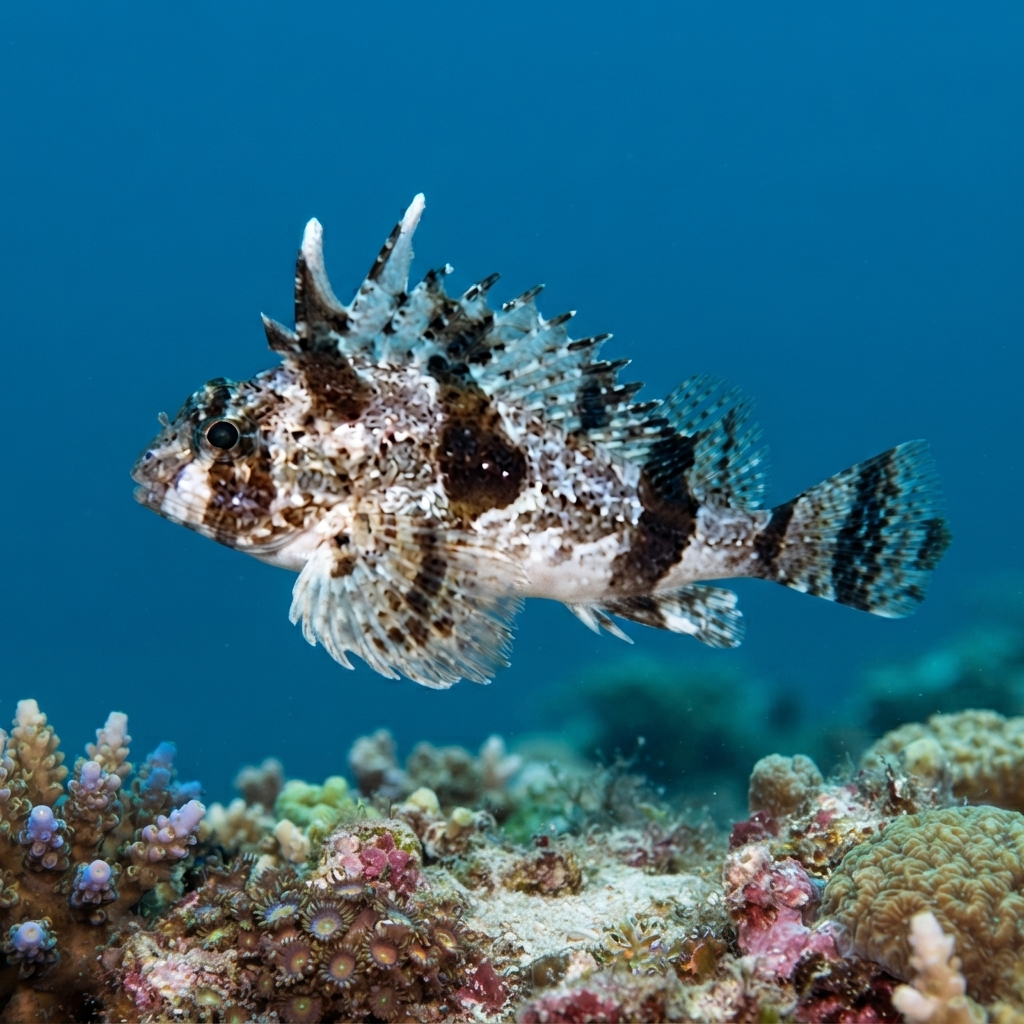
Centropogon australis
A small, venomous reef fish logged at dozens of sites in New South Wales, Australia, blending into rubble and weed year-round.
Safety warning
Carries venomous spines along its dorsal fin, and its camouflage means divers and snorkellers most often get stung by putting a hand or knee down on one rather than by any aggression from the fish. Keep hands off the bottom on rubble and weedy patches in New South Wales and Queensland waters, and treat any sting as needing prompt first aid and medical attention.
If you're stung
Venomous spinesGeneral first-aid guidance, not a substitute for professional medical care. In an emergency, call your local emergency number.
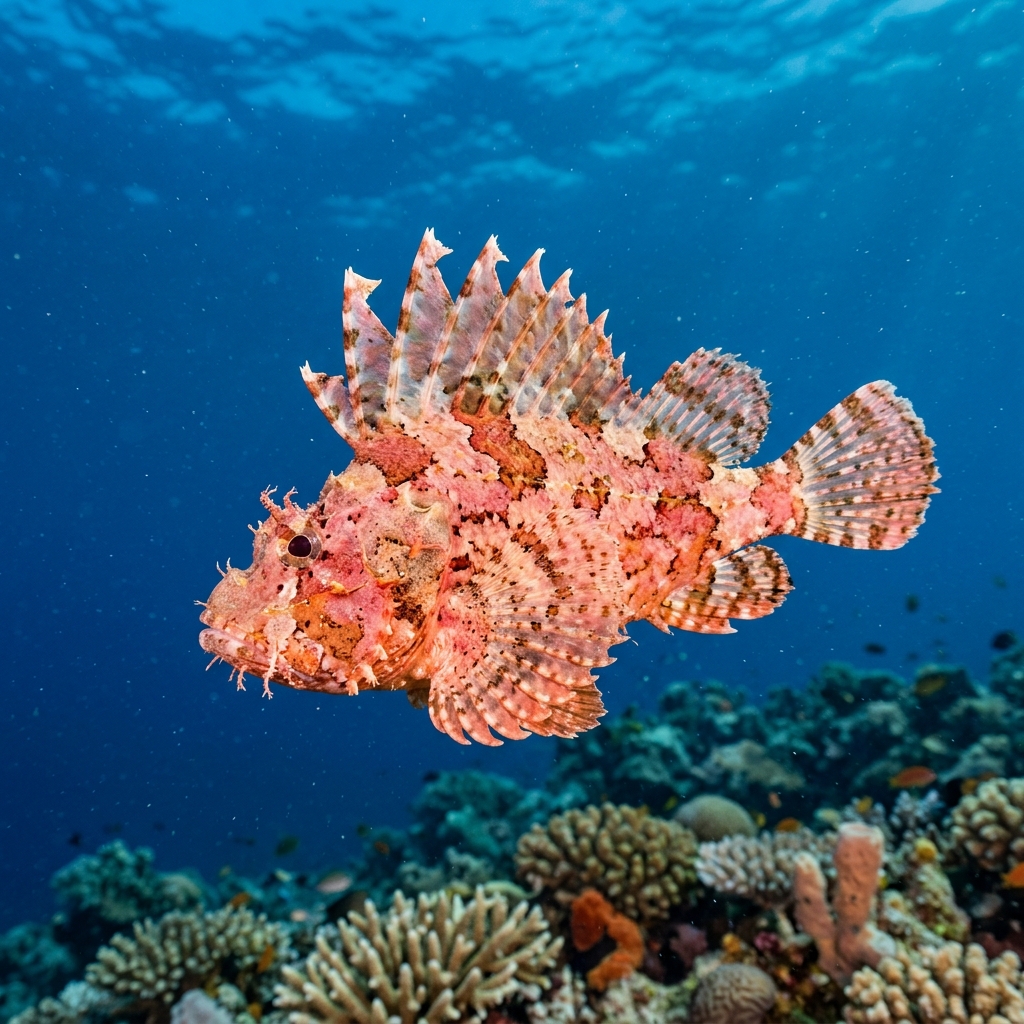
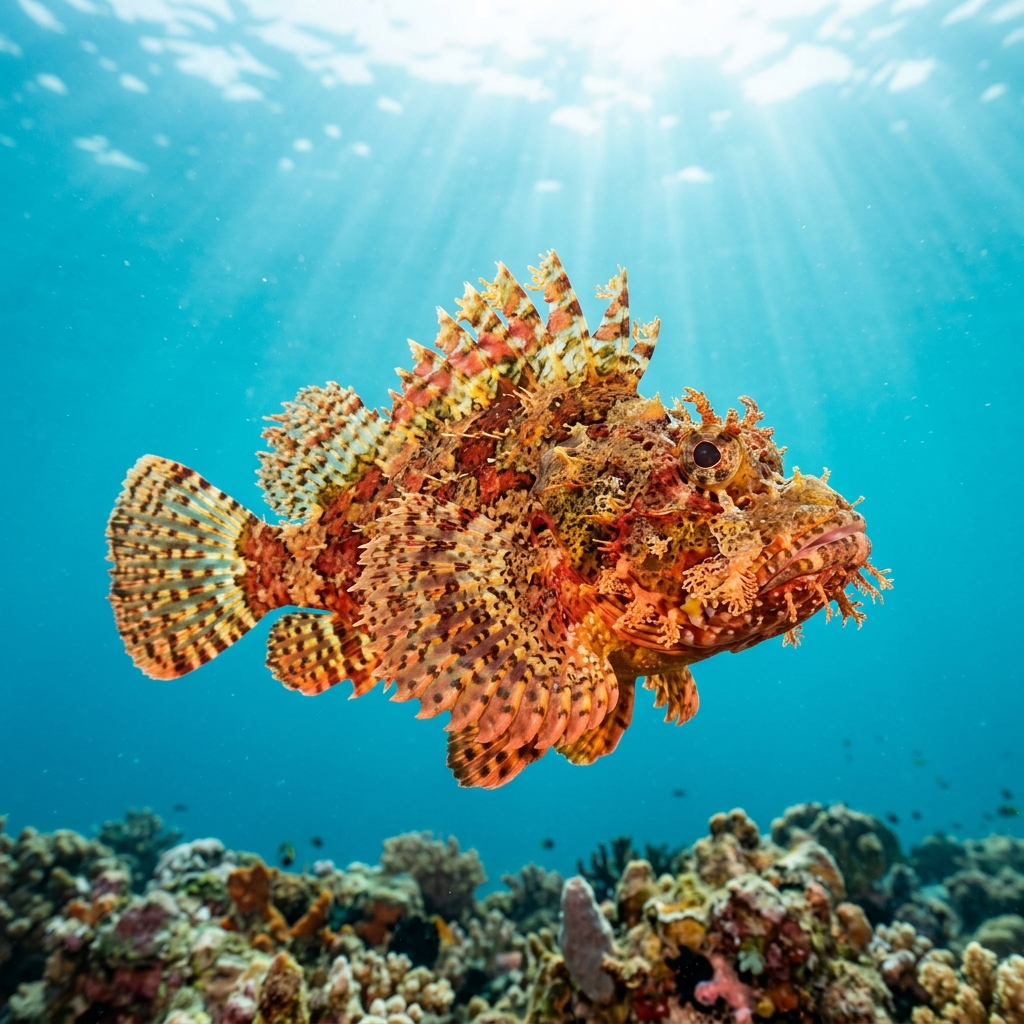
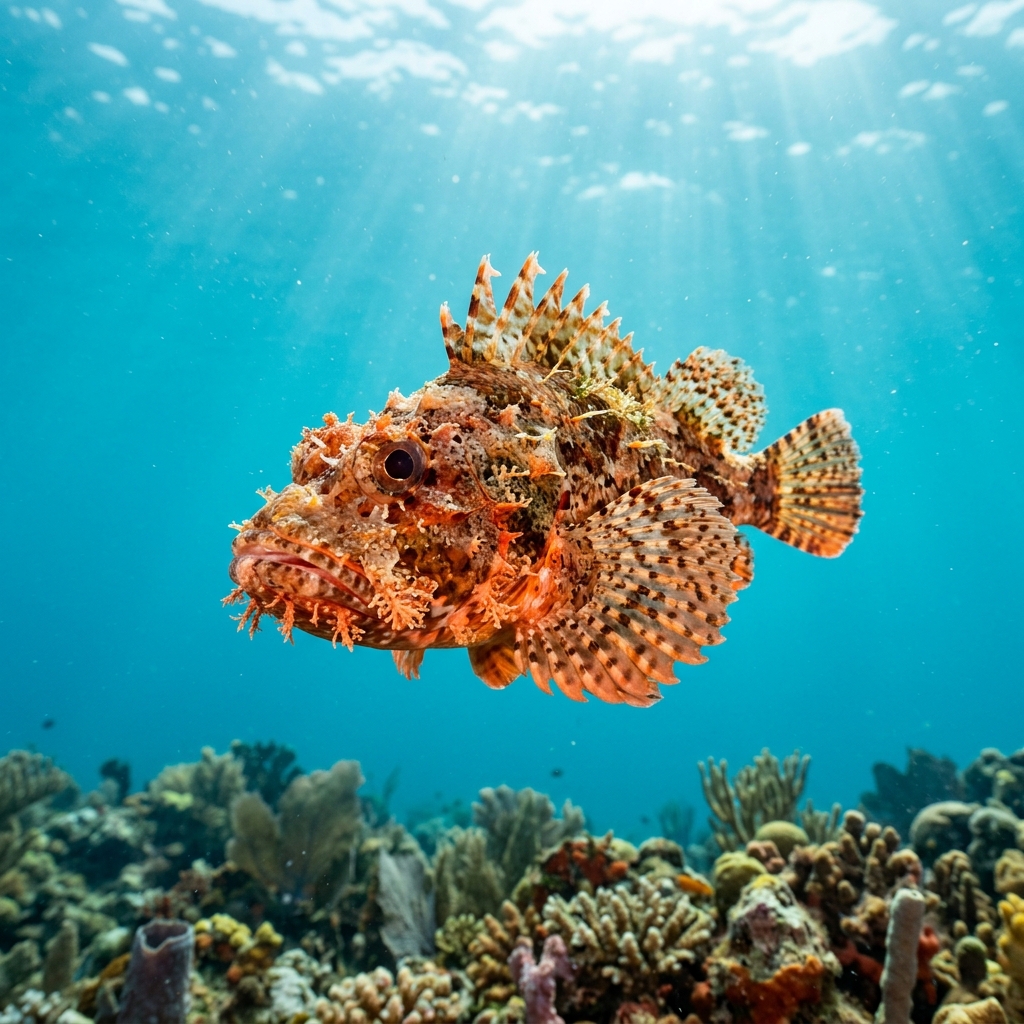
A stocky, big-headed fish that rarely tops 10cm, mottled in browns, greys and cream to match the rubble or weed it sits on. Look for the raised, spiny dorsal fin and a slightly upturned mouth, both classic scorpionfish traits. It sits dead still on the bottom rather than swimming, which is usually how divers spot it in the first place.
Expect to find it motionless on rubble, sand or low weed rather than out swimming, relying on its camouflage to avoid notice. It tends to sit tight even as divers approach, which makes for a good macro subject if you spot it, but it is easy to miss or accidentally put a hand near. Most logs describe it as an uncommon to common find rather than a guaranteed one, so a slow look at the substrate pays off.
Like other scorpionfish it relies on stillness and pattern-matching to the seafloor rather than speed, ambushing small crustaceans and fish that wander too close.
Sightings show no clear seasonal pattern, and the recorded temperature range of 17.6 to 24.2C spans both the cooler and warmer months on this coast, so it is a year-round find rather than a seasonal target.
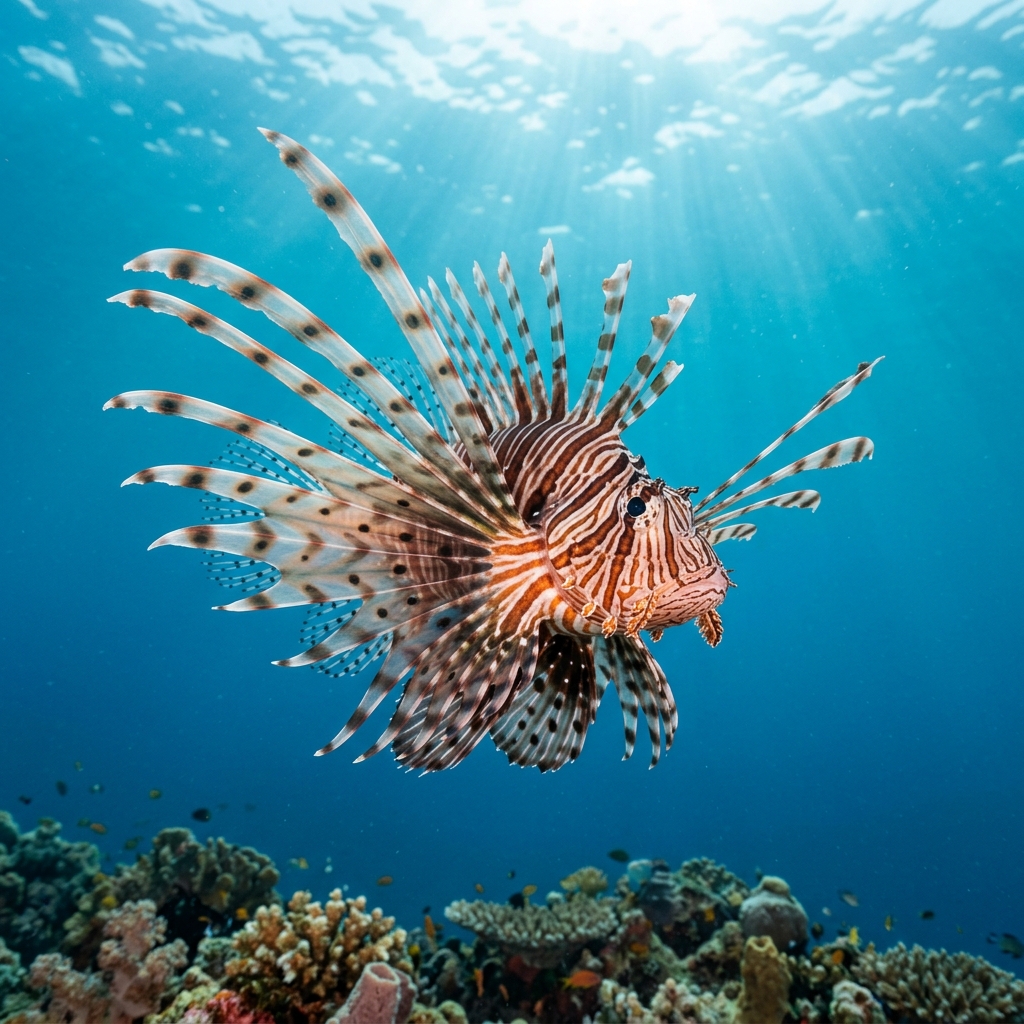
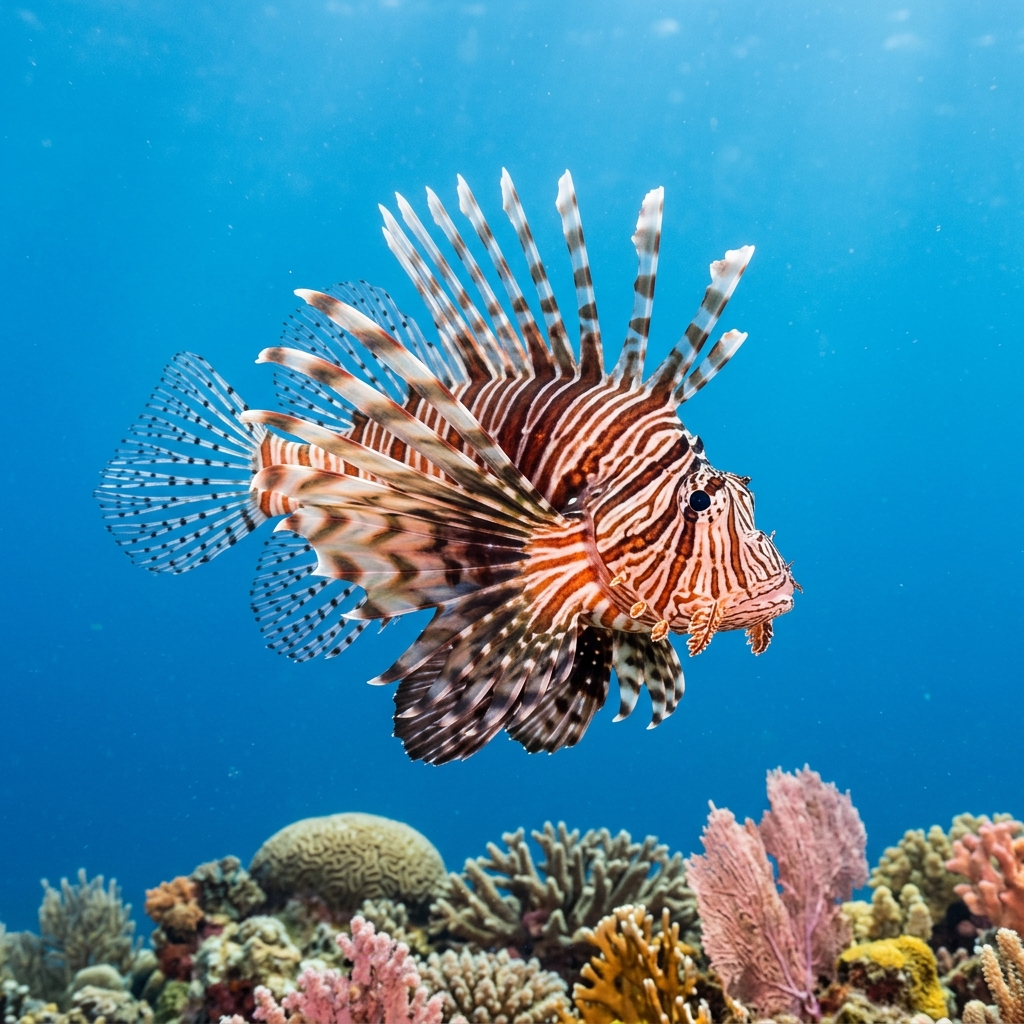
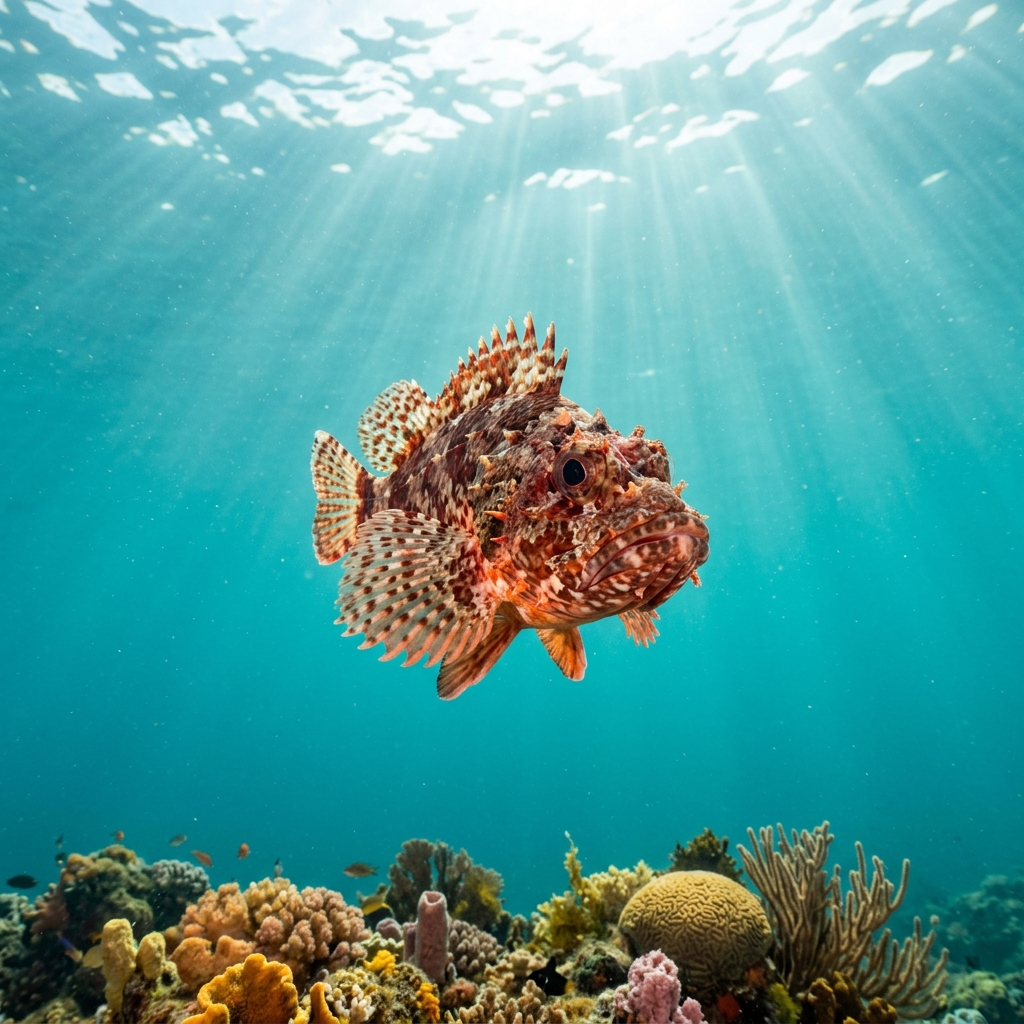
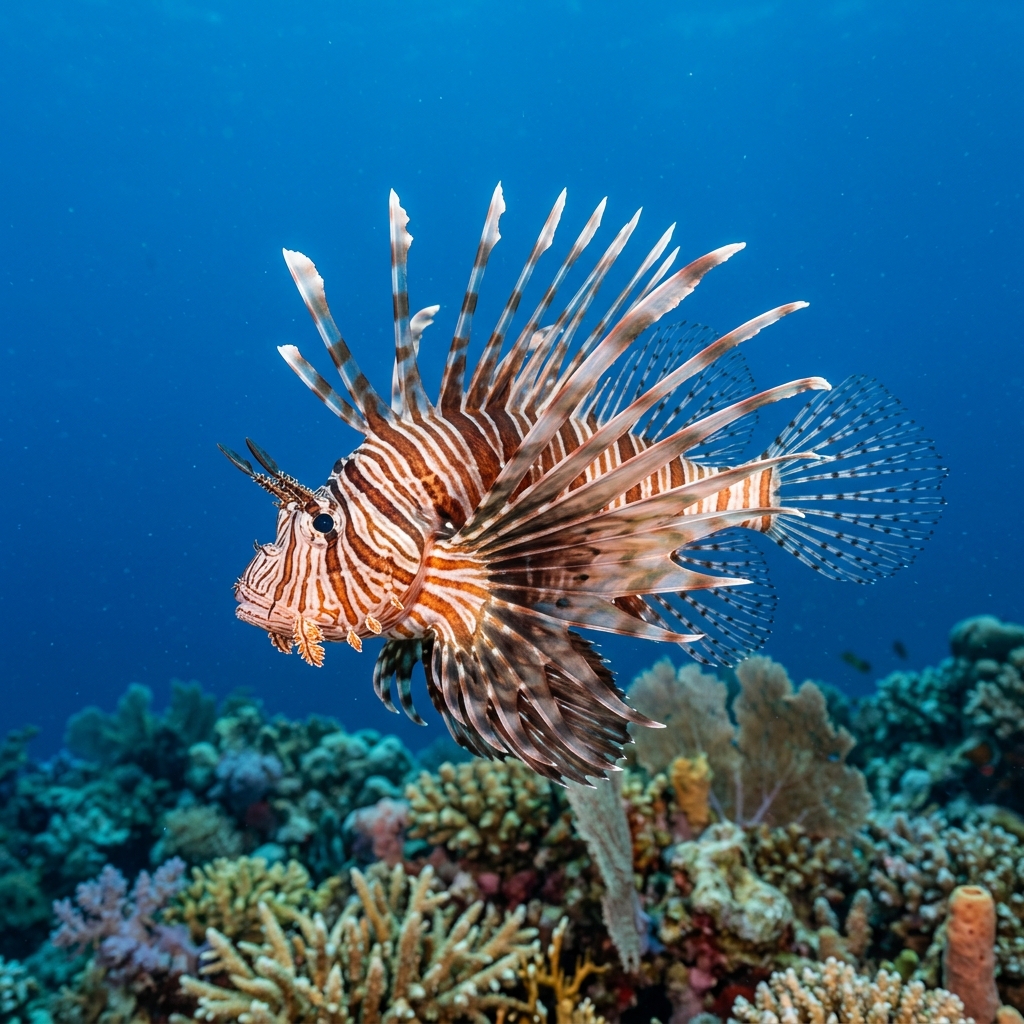
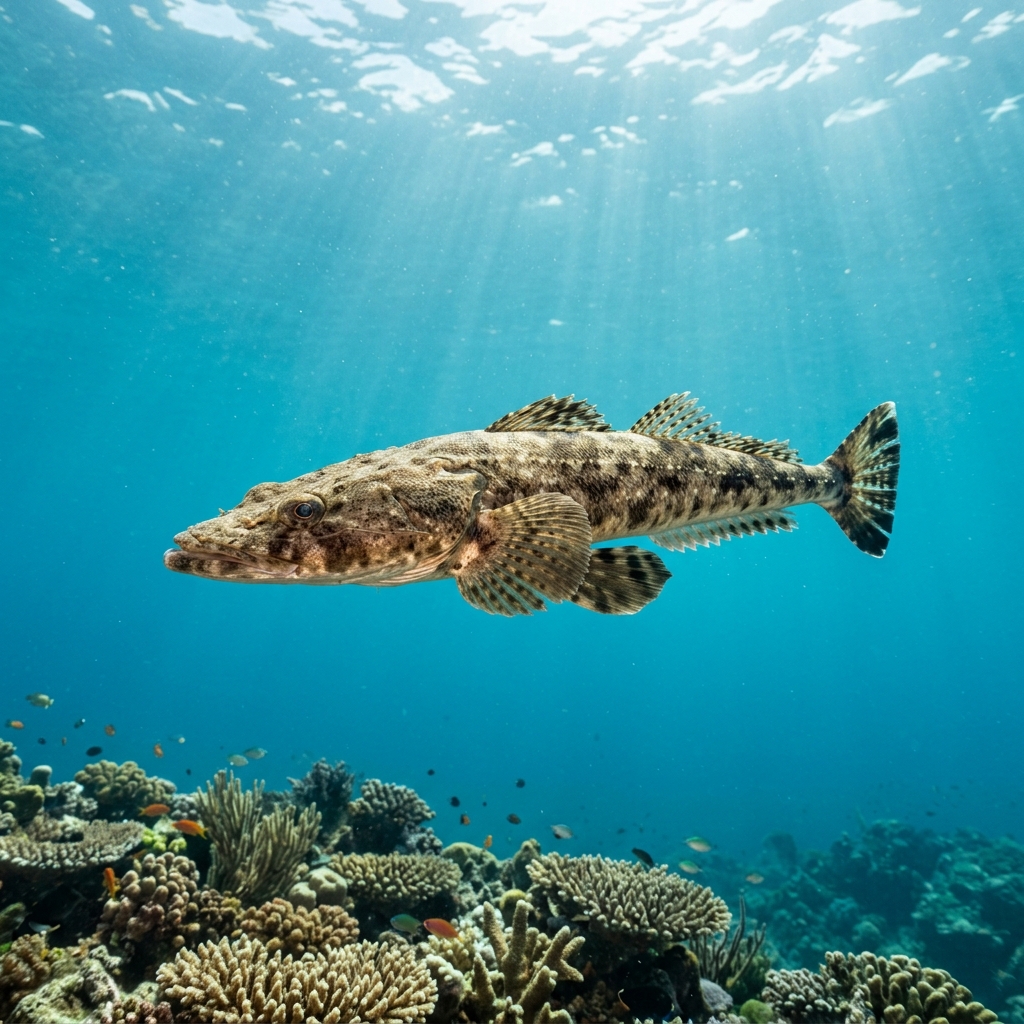
Reef neighbours a diver could mistake it for. Use the identification notes above to tell them apart.
This is very much an Australian speciality, most commonly logged across New South Wales, with sites around Sydney and further along the coast producing steady sightings. Queensland also turns up a reasonable number of records, so it is worth watching for on reef and rubble patches anywhere along the eastern Australian seaboard.
Mapping where Eastern Fortescue is logged…
It is most reliably found in New South Wales, Australia, with additional sightings logged in Queensland. Look on rubble, sand and weedy patches on reef-associated dive sites along the eastern Australian coast.
There is no strong seasonal pattern in sightings, and it is recorded across a temperature range of roughly 17.6 to 24.2C, so divers log it throughout the year rather than in one particular season.
Yes, it carries venomous dorsal spines and its camouflage makes it easy to miss on the seafloor. Most incidents happen when someone kneels or places a hand on one by accident, so keep good buoyancy and avoid touching the bottom on rubble and weed.
Look for a small, big-headed fish around 10cm long, mottled brown and cream to match rubble or weed, with a spiny raised dorsal fin. It stays motionless on the bottom rather than swimming, which is usually the giveaway.
They are a small species, typically growing to around 10cm, so most divers are looking for a fish about the size of a hand rather than anything large.
Site and sighting data is aggregated from diver logs, iNaturalist and GBIF. For taxonomy and conservation status:
Madeira Rockfish
2,773 sites