Halicampus dunckeri
A 10cm reef pipefish logged from Sulawesi to Queensland, comfortable in warm 24-29C water year-round. Know what to look for before you scan the rubble.
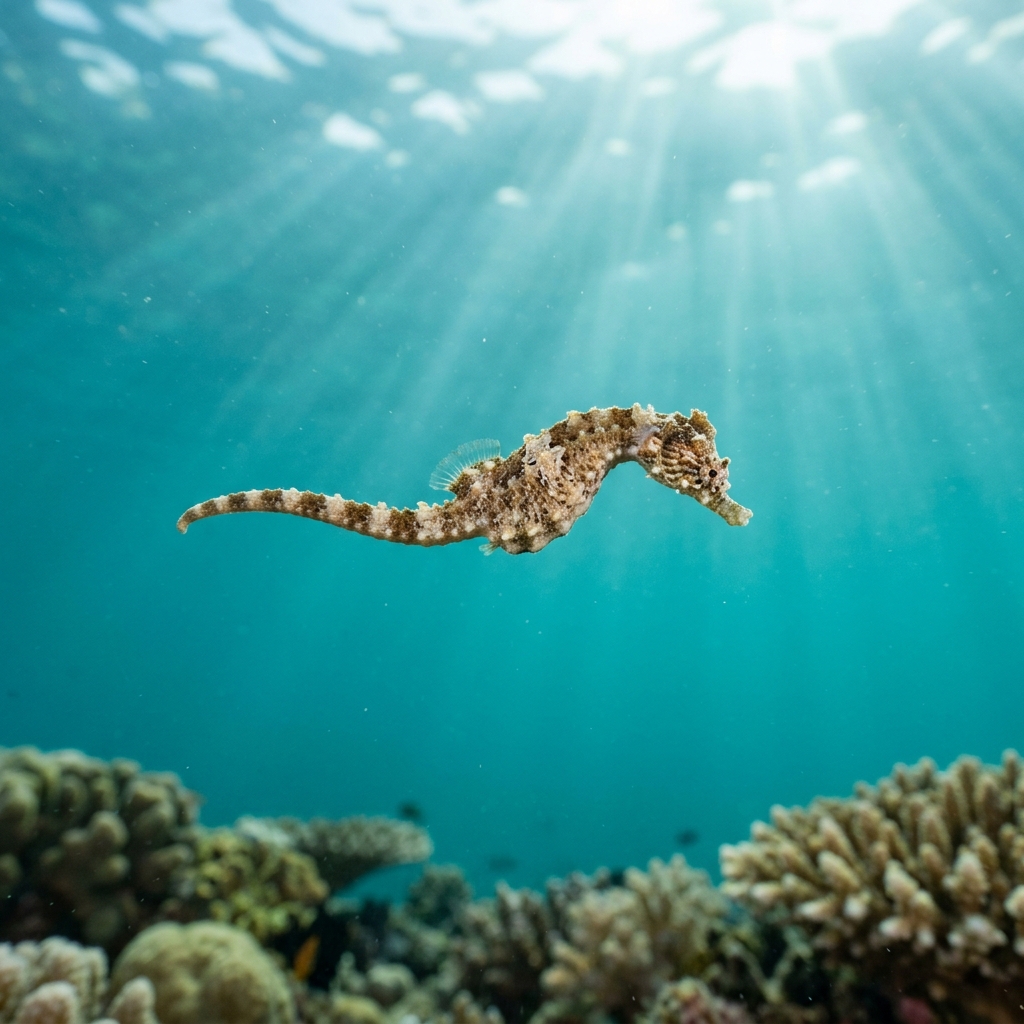
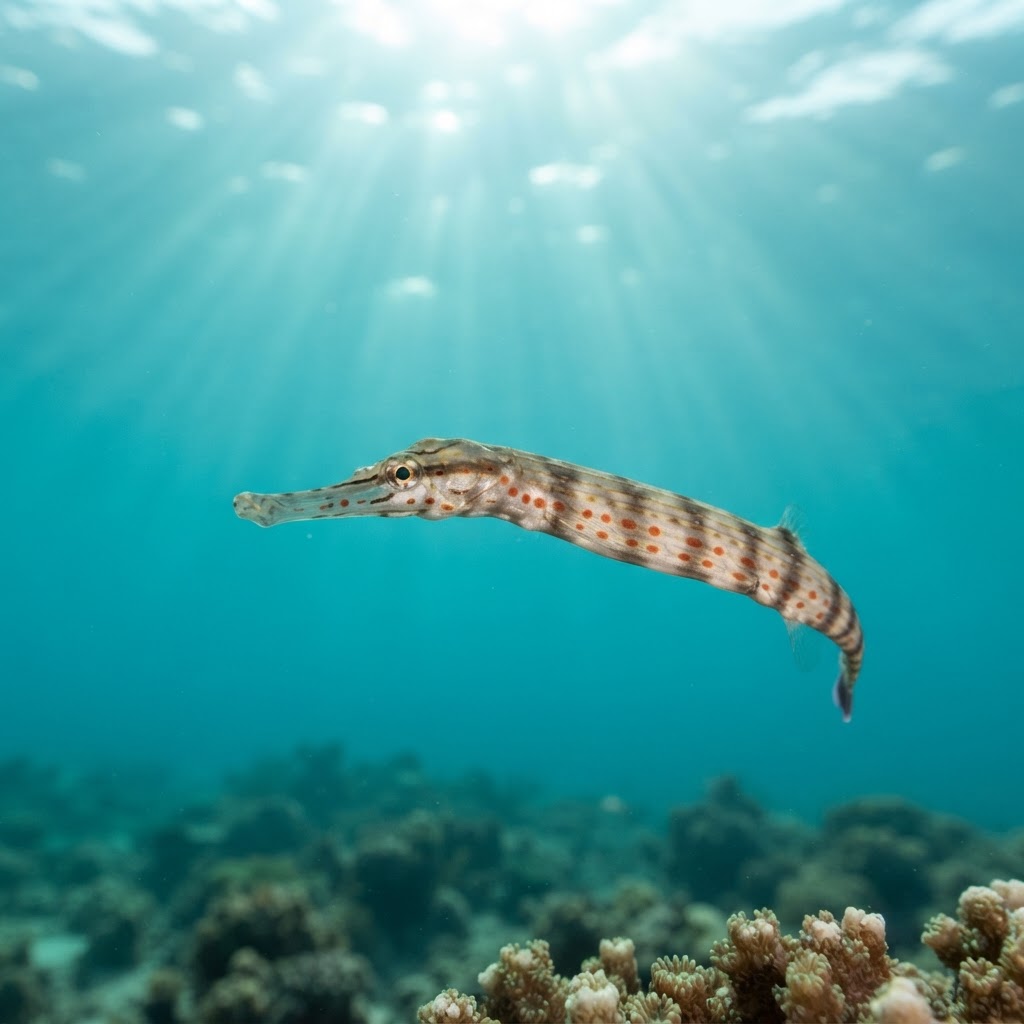
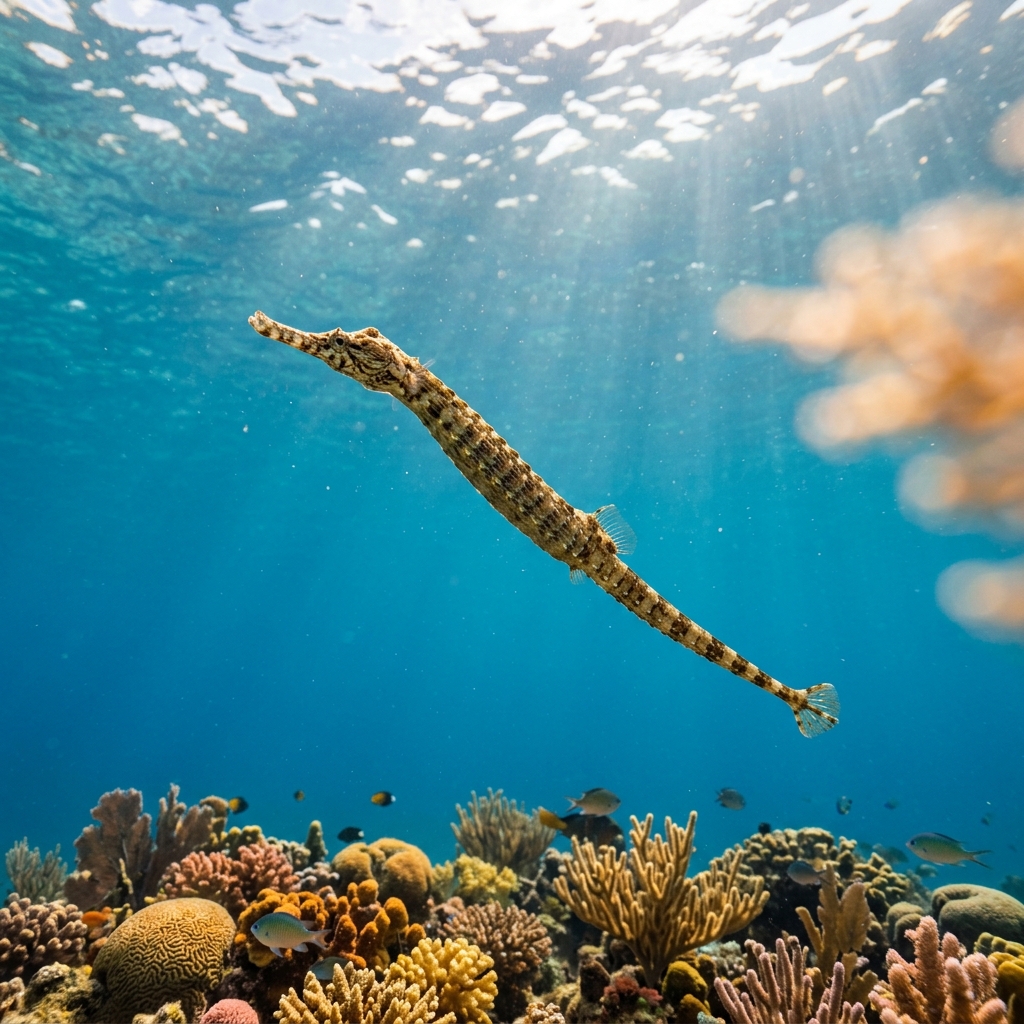
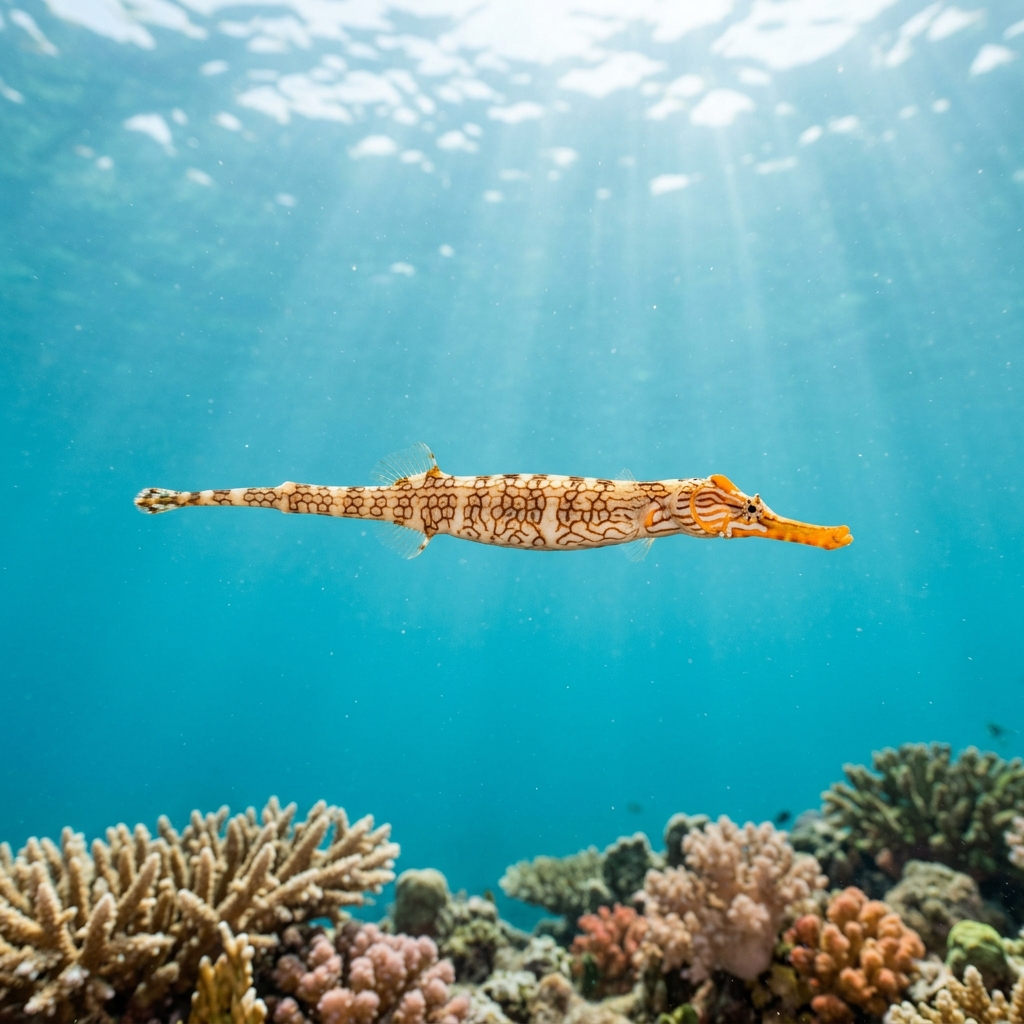
A thin, elongated body maxing out around 10 cm, coloured in mottled browns and tans that blend into rubble and coral debris. Look for the stiff, armour-plated body typical of pipefish, a long tubular snout, and a habit of lying almost motionless along the substrate rather than swimming in open water. There's no strong fin flare or bright pattern to key on, so it's mostly a shape-and-posture ID.
Divers typically find it holding still against rubble, dead coral or reef debris rather than out swimming, relying on its dull mottled colouring to disappear into the background. It doesn't dart off when approached the way a fish would; slow, careful looking close to the substrate is what turns up a sighting. Most encounters happen on the reef floor rather than up in the water column.
Like other pipefish, males carry the fertilised eggs on their body until the young are ready to hatch, meaning the reproductive workload falls on the male rather than the female.
No clear seasonal pattern shows up in the sightings data, and with a comfortable range of roughly 24 to 29.5C across its tropical Indo-Pacific reefs, it's realistically a year-round find wherever it occurs.
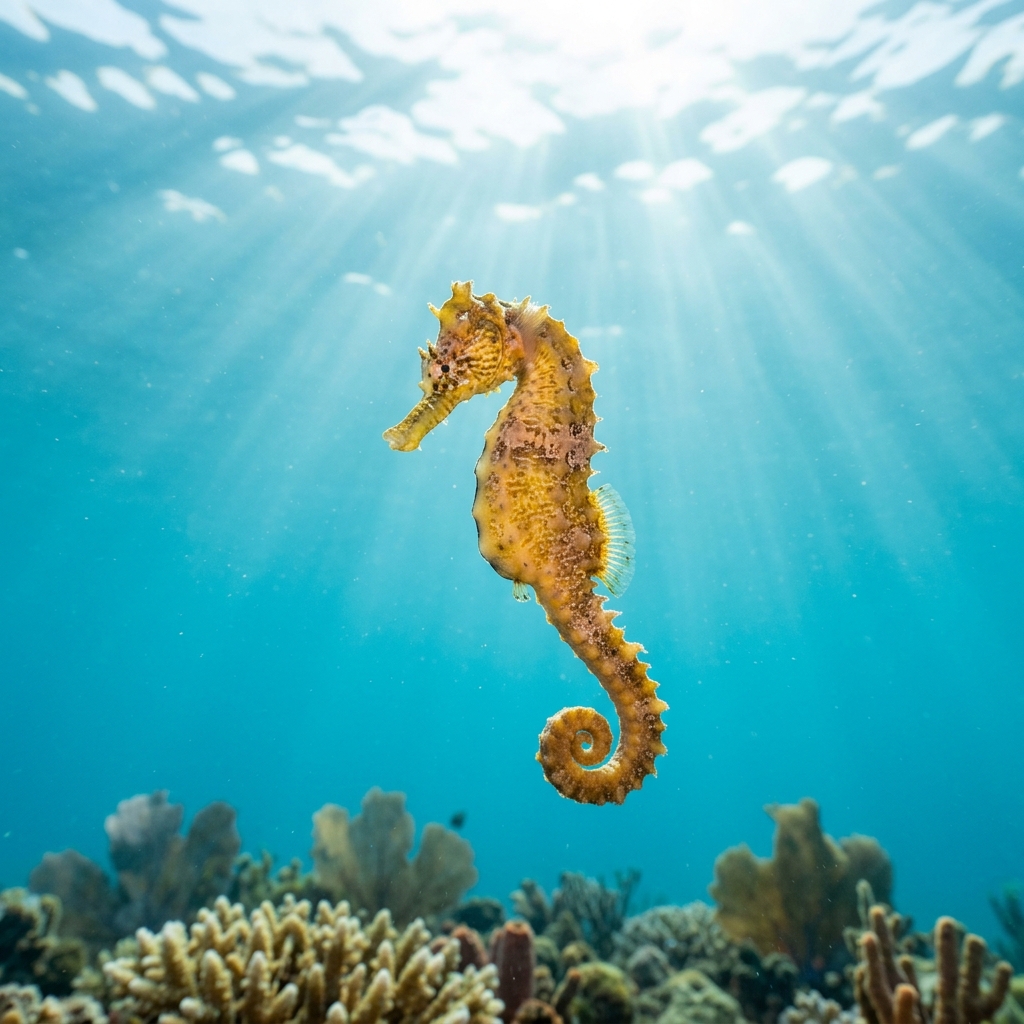
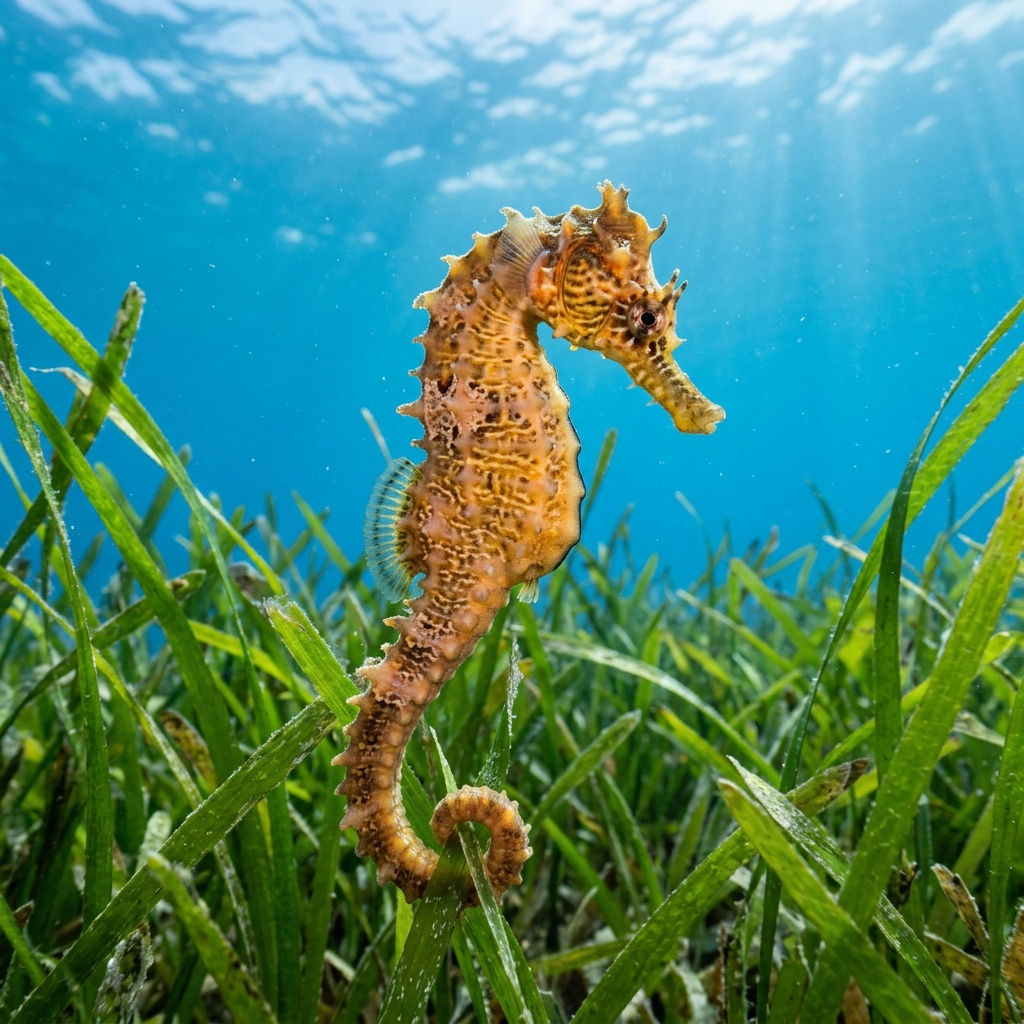
Reef neighbours a diver could mistake it for. Use the identification notes above to tell them apart.
Most commonly logged in the Philippines, particularly Luzon, Palawan, Mindanao and the Visayas, with strong numbers also coming out of Sulawesi in Indonesia. Australia is another reliable option, especially reef sites in Queensland and the Northern Territory, with further records from Sabah in Malaysia and reefs across Micronesia, Fiji, Papua New Guinea and New Caledonia.
Mapping where Duncker's Pipefish is logged…
It's most reliably found in the Philippines (Luzon, Palawan, Mindanao, Visayas) and in Sulawesi, Indonesia, with further sightings across Queensland and Northern Territory in Australia, plus Malaysia, Micronesia, Fiji and Papua New Guinea.
There's no detected seasonal pattern, and its warm-water niche of roughly 24 to 29.5C holds across its range all year, so it's considered a year-round sighting rather than a seasonal one.
Look for a slender, rigid-bodied fish around 10 cm long, mottled brown and tan, with a long thin snout and a still, camouflaged posture against rubble or reef debris rather than active swimming.
They're small, typically reaching around 10 cm in length, which along with their camouflage colouring is exactly why they're easy to swim past unnoticed.
No, they pose no risk to divers. They're small, slow-moving and entirely focused on staying hidden rather than interacting with anything nearby.
As with seahorses and other pipefish, the male carries the developing eggs on his body rather than the female, releasing juveniles once they're ready to fend for themselves.
Site and sighting data is aggregated from diver logs, iNaturalist and GBIF. For taxonomy and conservation status:
Seahorse
1,346 sites