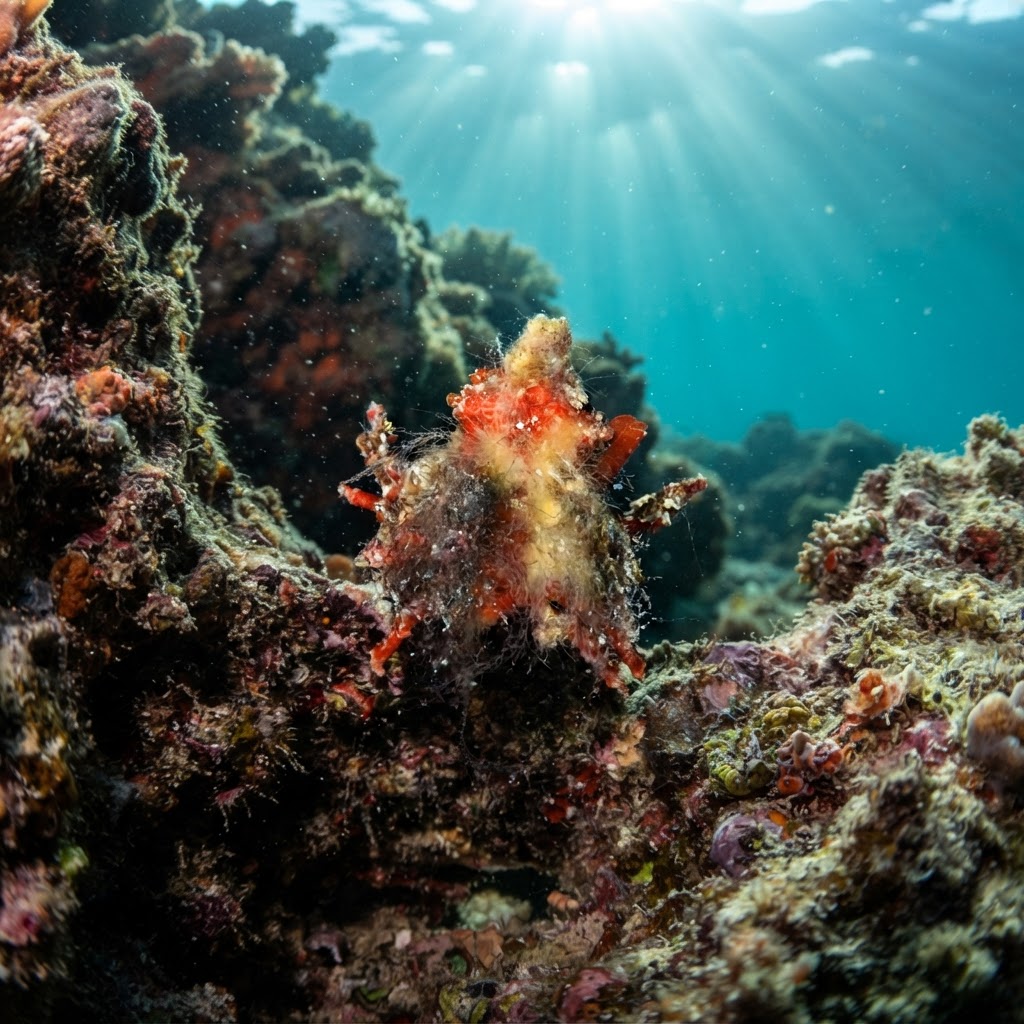
Macrocoeloma trispinosum
Covered in living camouflage, this crab hides in plain sight on reefs near Bayahibe and Soufriere in water around 25 to 31C.
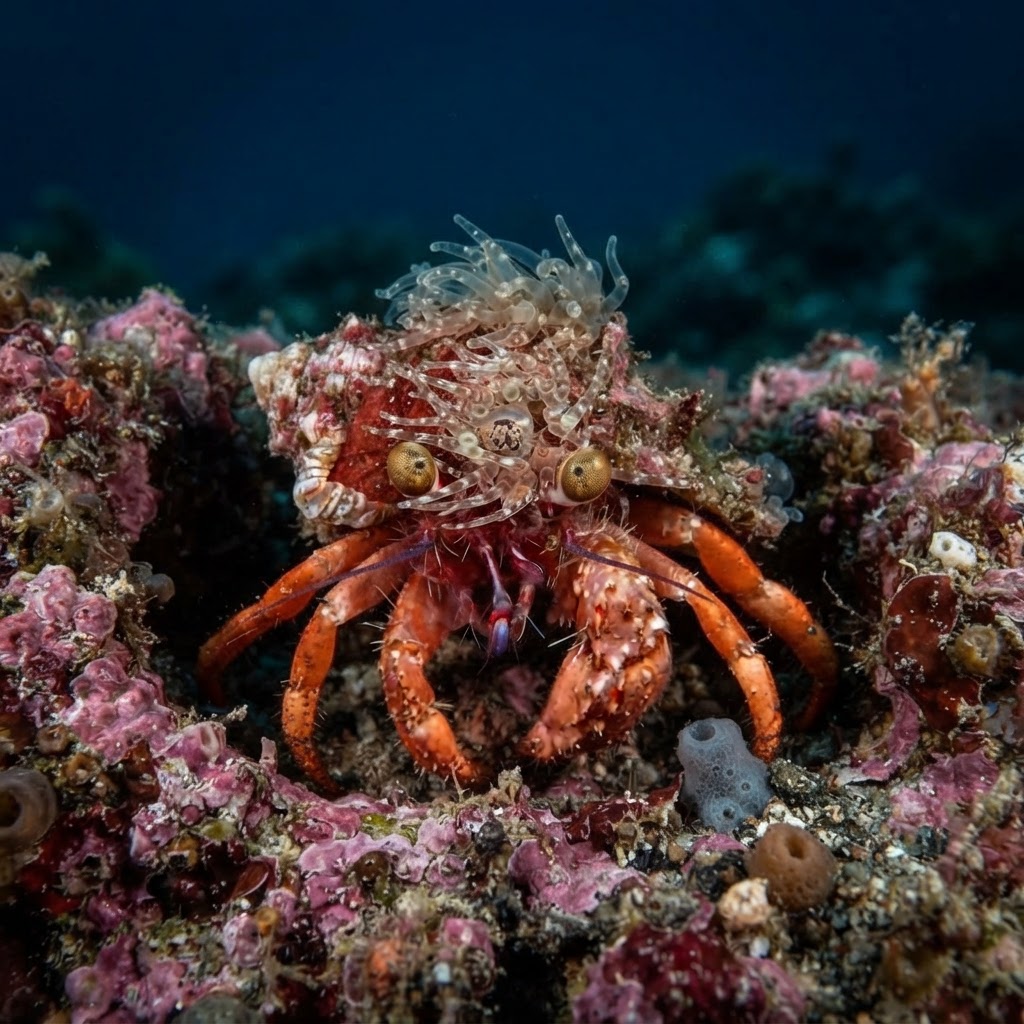
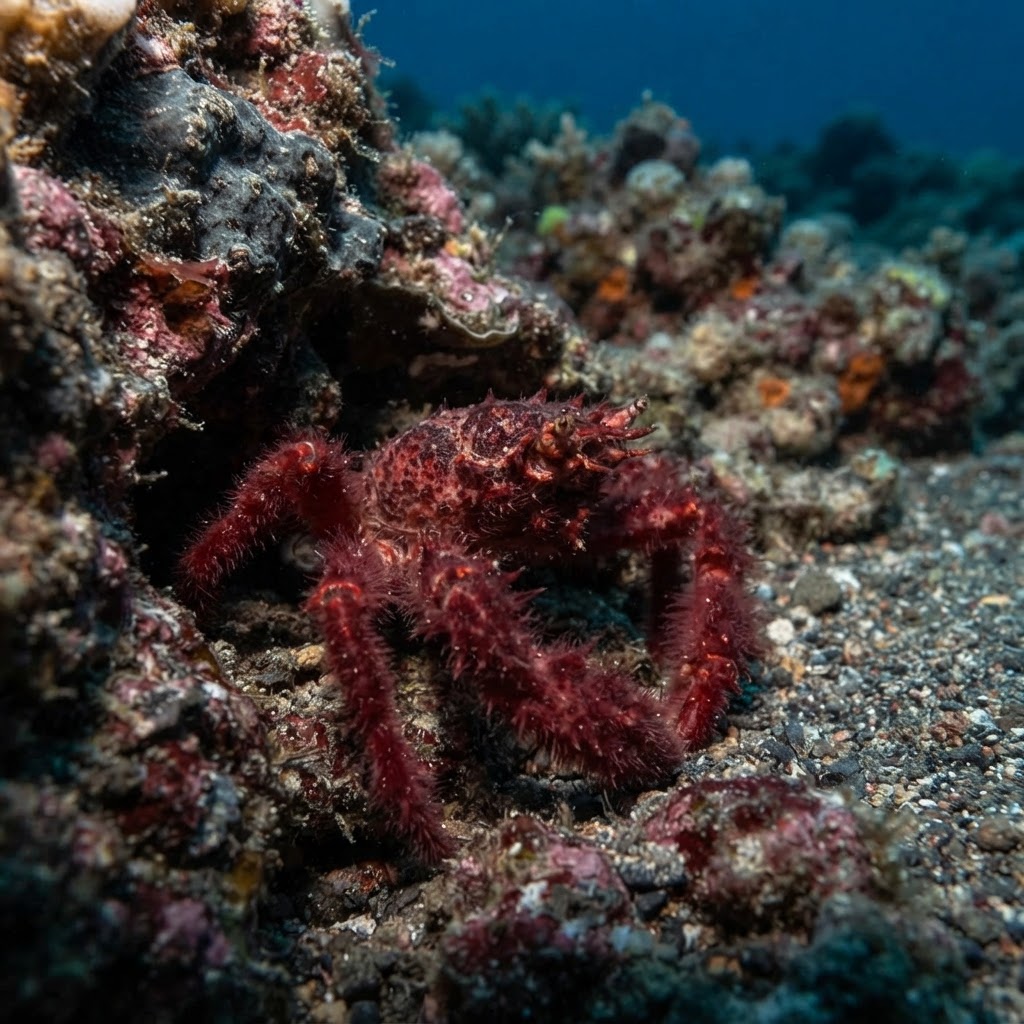
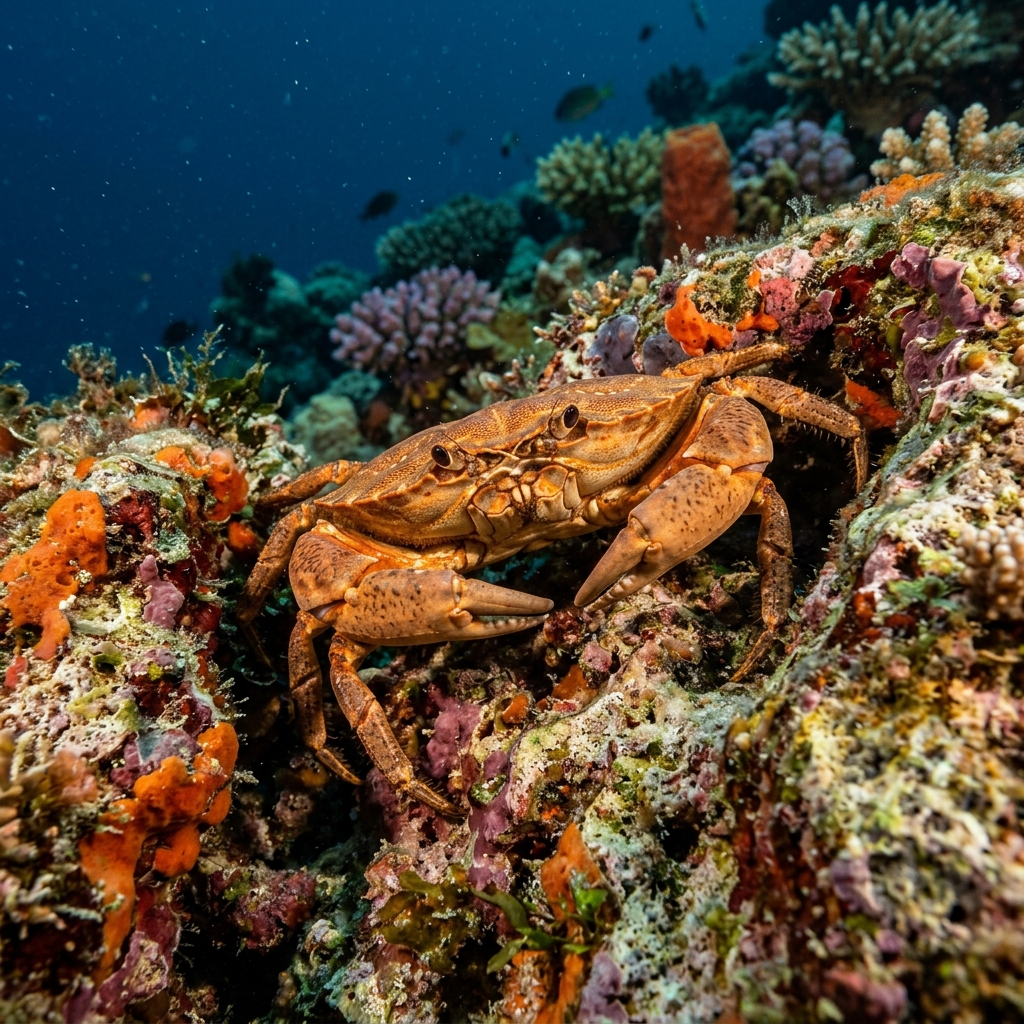
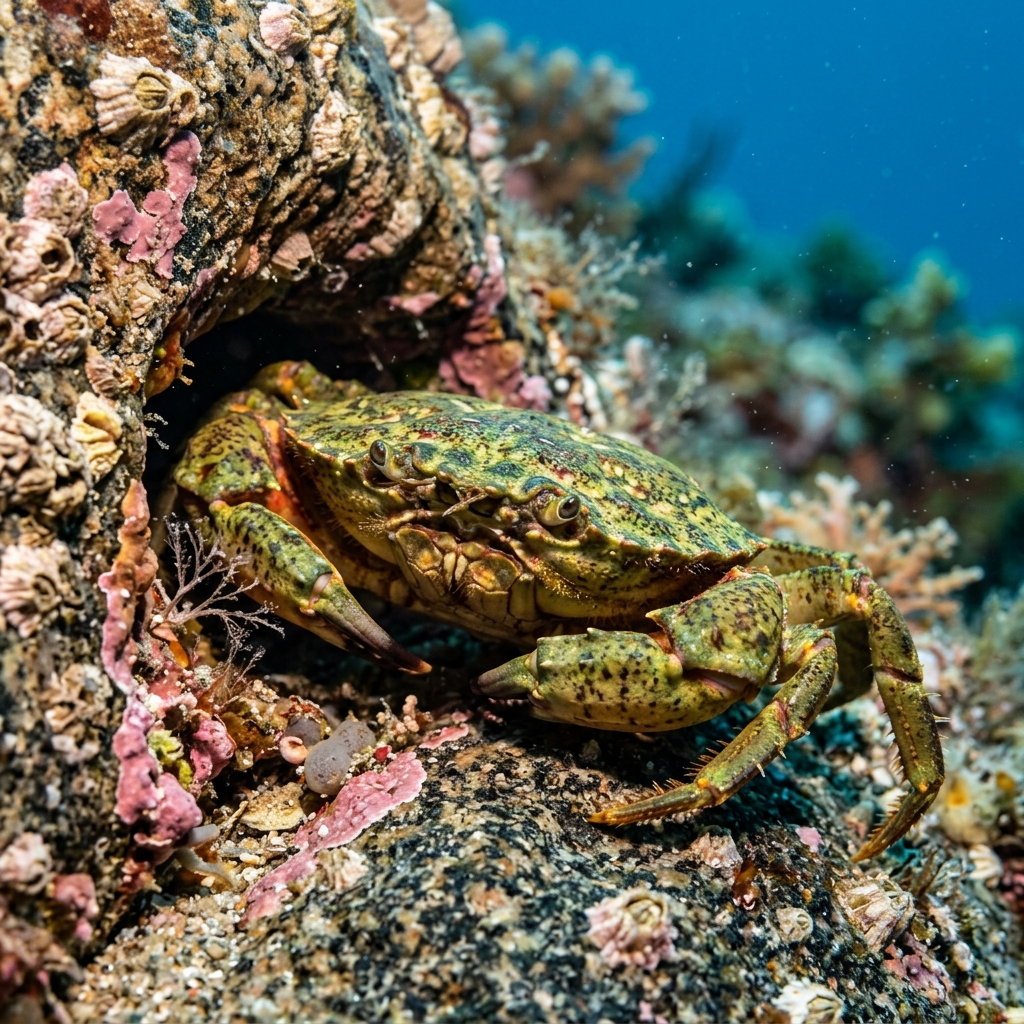
Look for a small, spiny-shelled crab so thickly covered in bits of sponge, algae and other reef debris that its own body shape almost disappears. The spines on the carapace (shell) act as anchor points for this disguise, so the silhouette often looks lumpy and irregular rather than smoothly crab-shaped. Colour is whatever it has collected, so it usually matches the exact patch of reef it is sitting on, making it far easier to spot by movement than by shape.
Divers usually find it sitting still on rubble, sponge or algae-covered substrate rather than out in the open, relying on its disguise instead of speed to avoid attention. It moves slowly and deliberately when disturbed, and because it blends so well with its surroundings it is often noticed only when a guide points it out or when a diver spots the faint outline of legs beneath the debris. Most sightings come from slower reef and rubble dives rather than drift sites, where there is time to scan closely.
It actively cuts and attaches pieces of sponge, algae and other encrusting organisms onto hooked bristles on its shell, effectively growing a living, renewable camouflage suit that it can update as it moves to new surroundings.
No clear seasonal pattern shows up in the sightings, and with a comfortable range of roughly 25 to 31C year-round on these Caribbean reefs, it can turn up on any dive regardless of month.
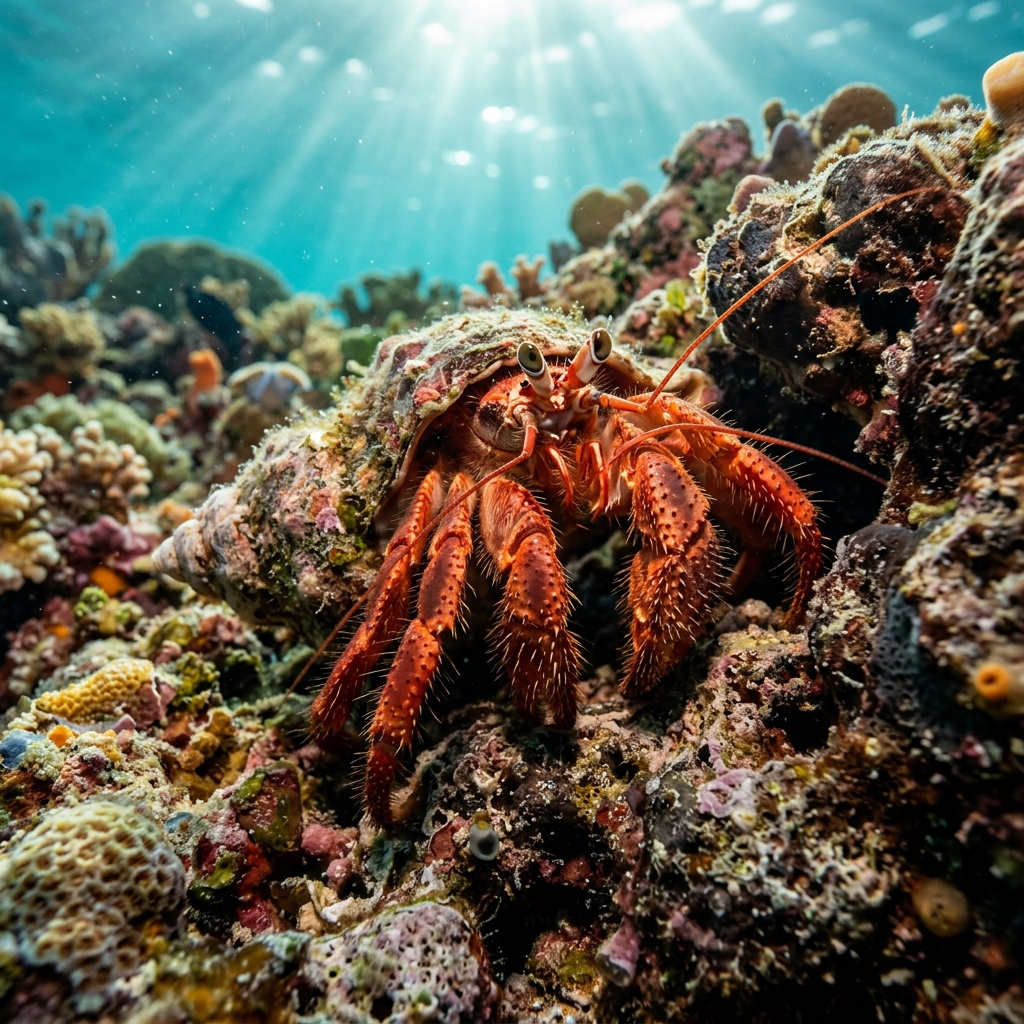
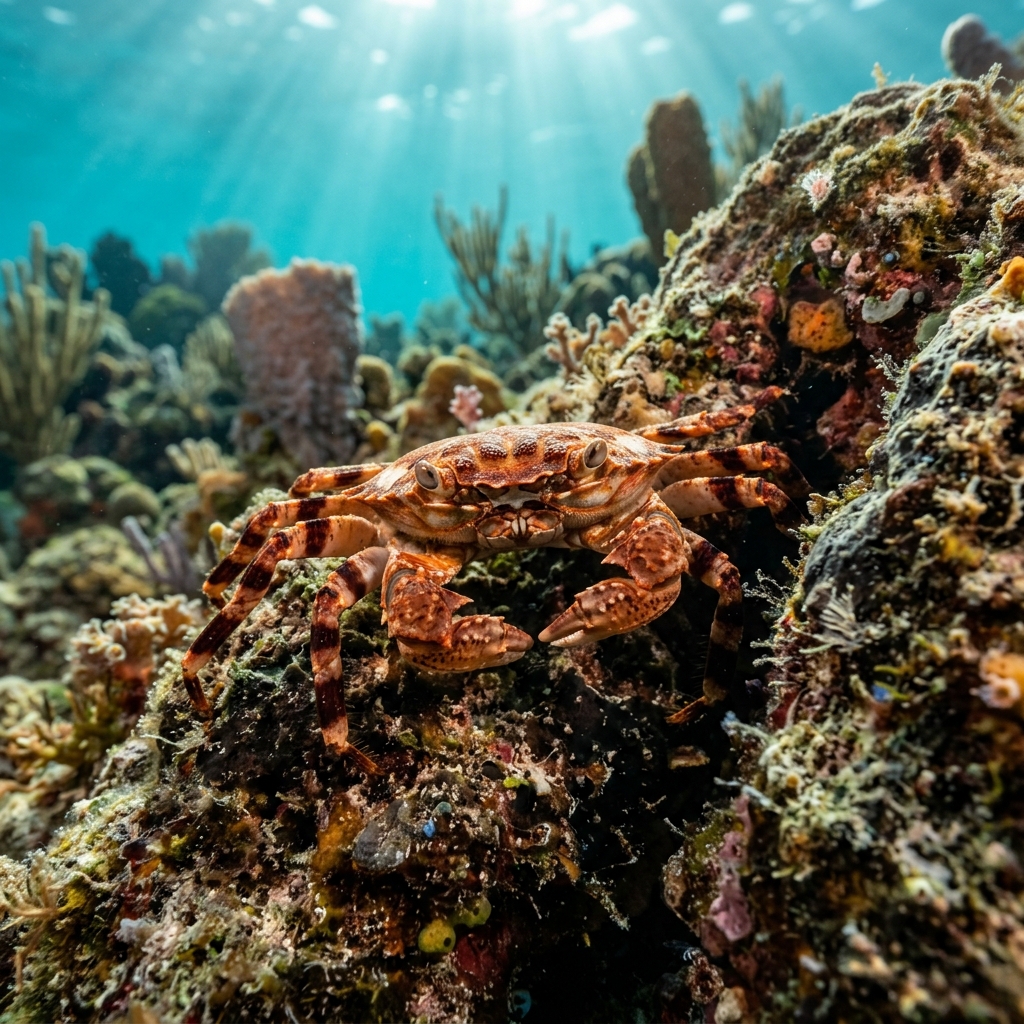
Reef neighbours a diver could mistake it for. Use the identification notes above to tell them apart.
Most reliably logged around Bayahibe in the Dominican Republic, which accounts for the bulk of sightings, with a smaller but steady presence around Soufriere in Saint Lucia. Both areas offer the mixed rubble, sponge and algae cover this crab needs for material to decorate itself with.
Mapping where Spongy Decorator Crab is logged…
The strongest sightings come from Bayahibe in the Dominican Republic, with additional records from Soufriere in Saint Lucia. Look for it on rubble patches and sponge-covered reef sections rather than open sand or coral bommies.
There is no distinct season in the sighting data, and it tolerates a wide warm-water range of about 25 to 31C, so it is present on Caribbean reefs throughout the year.
Look for a lumpy, irregular outline on rubble or sponge rather than a clean crab shape, since its shell is covered in attached bits of sponge and algae. It sits still and matches its immediate surroundings so closely that slow, close scanning is the best way to spot one.
Exact size data is not confirmed, but like most decorator crabs in this family it stays small, generally only a few centimetres across the shell, easy to miss without a careful look.
It deliberately snips pieces of sponge, algae and other reef organisms and attaches them to hooked bristles on its shell, building a living camouflage coat it can refresh as it moves around the reef.
Site and sighting data is aggregated from diver logs, iNaturalist and GBIF. For taxonomy and conservation status:
European Green Crab
2,469 sites