Parapercis cylindrica
Small reef fish common across the Visayas and Bali, perched on coral rubble in 25-29C water year-round.
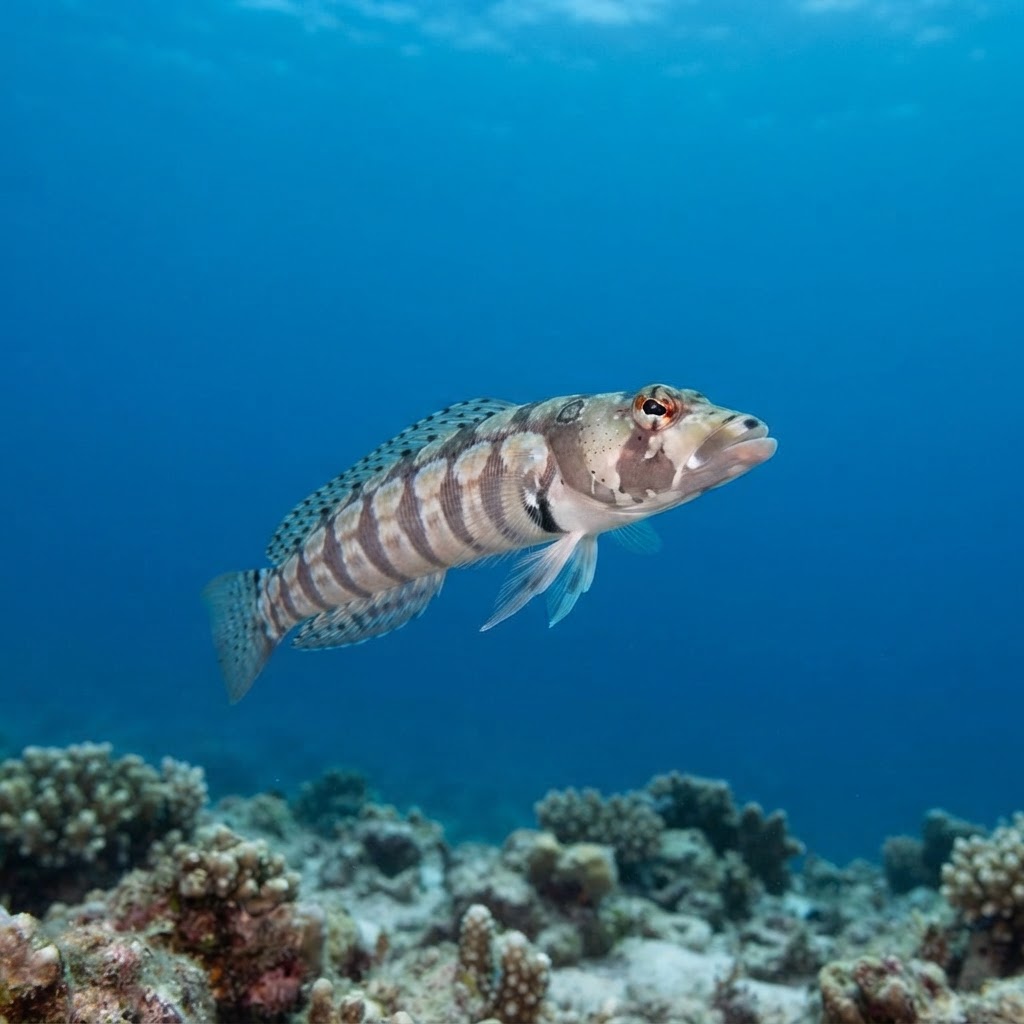
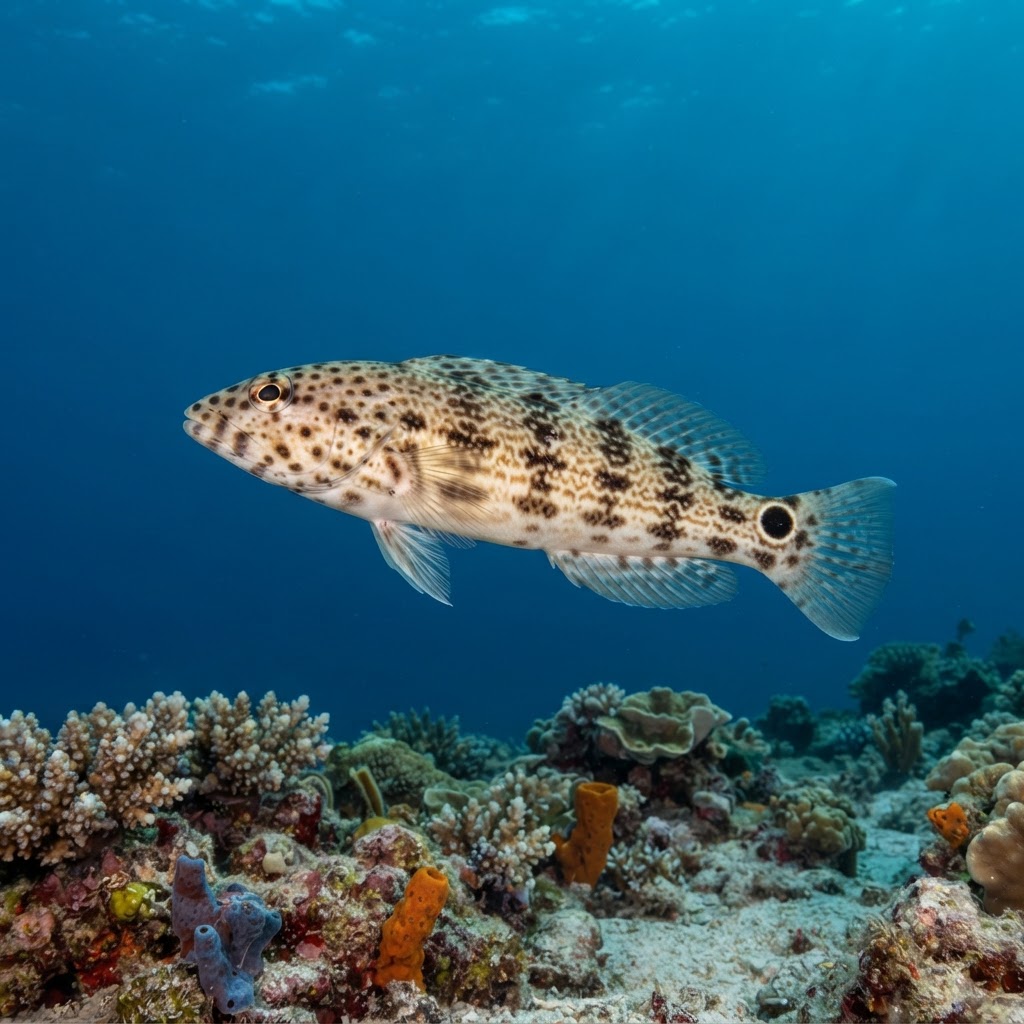
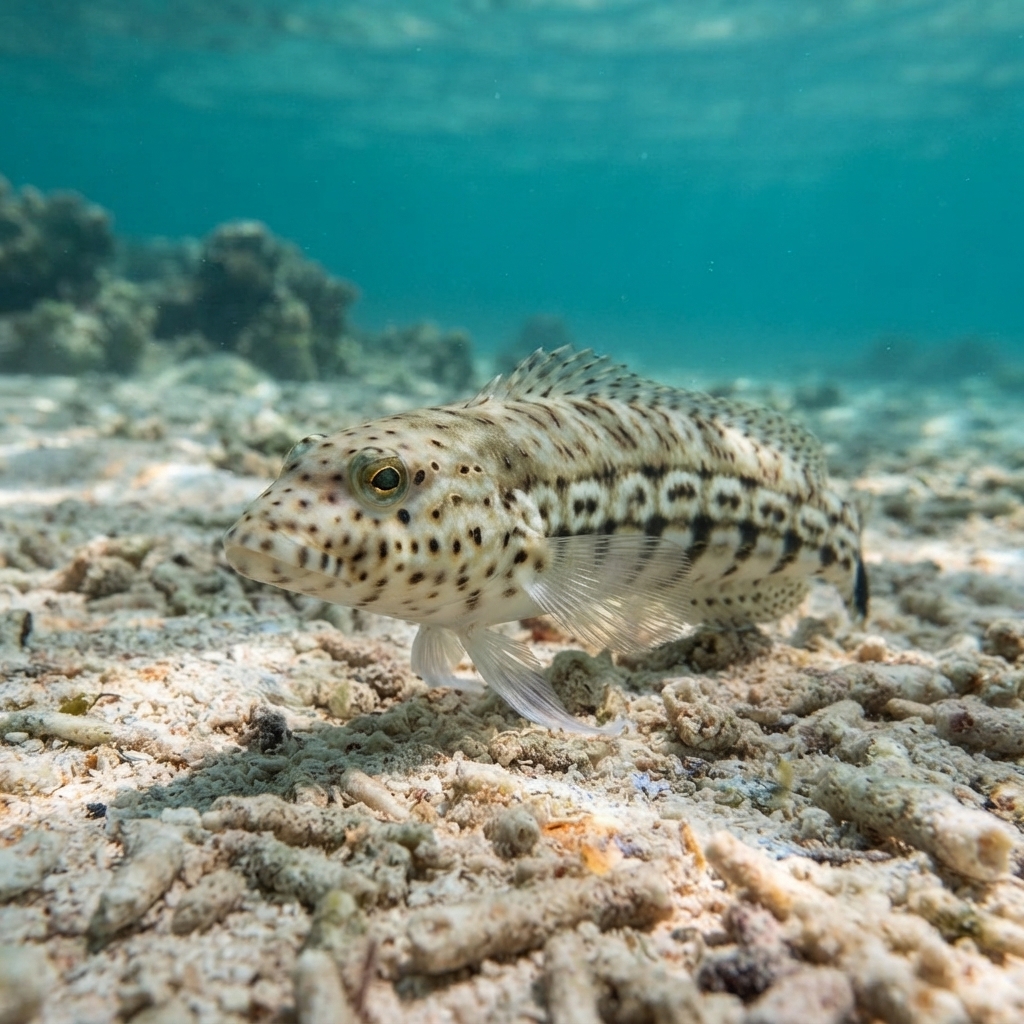
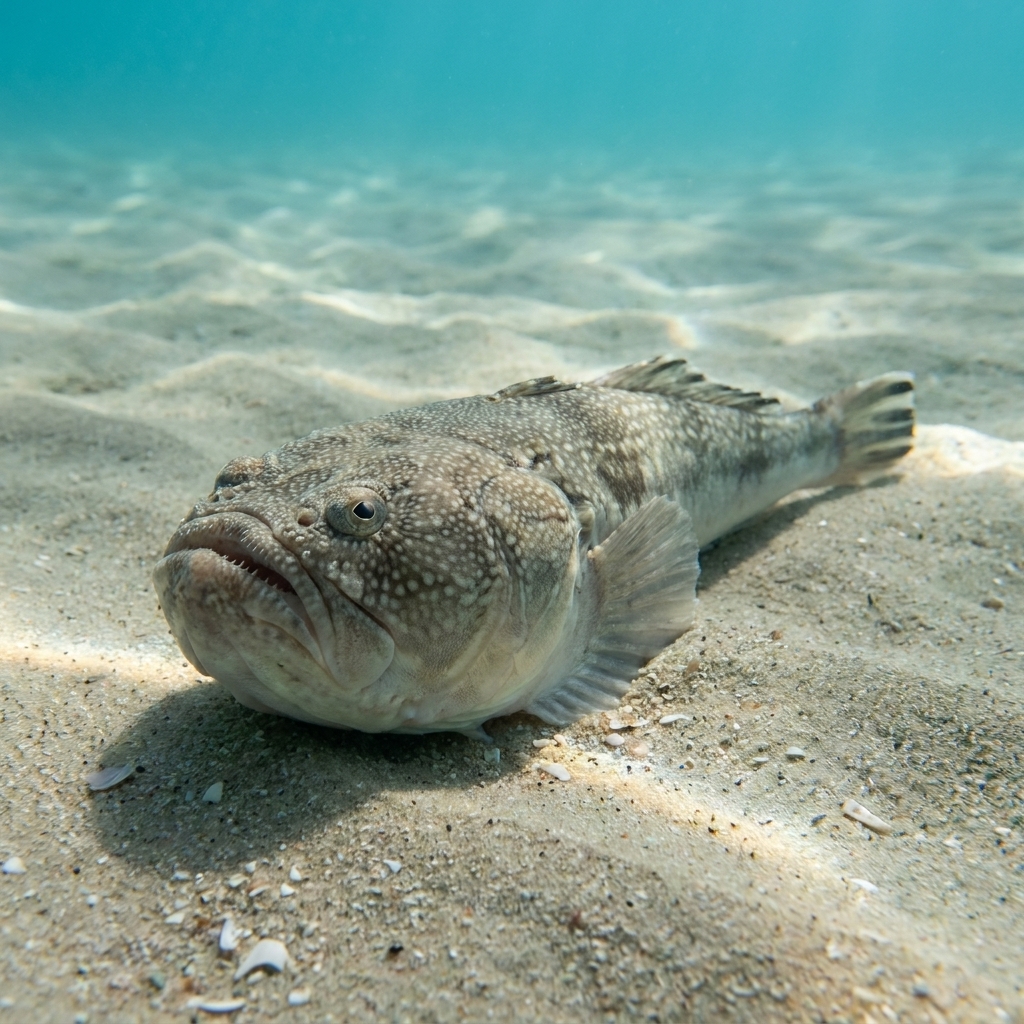
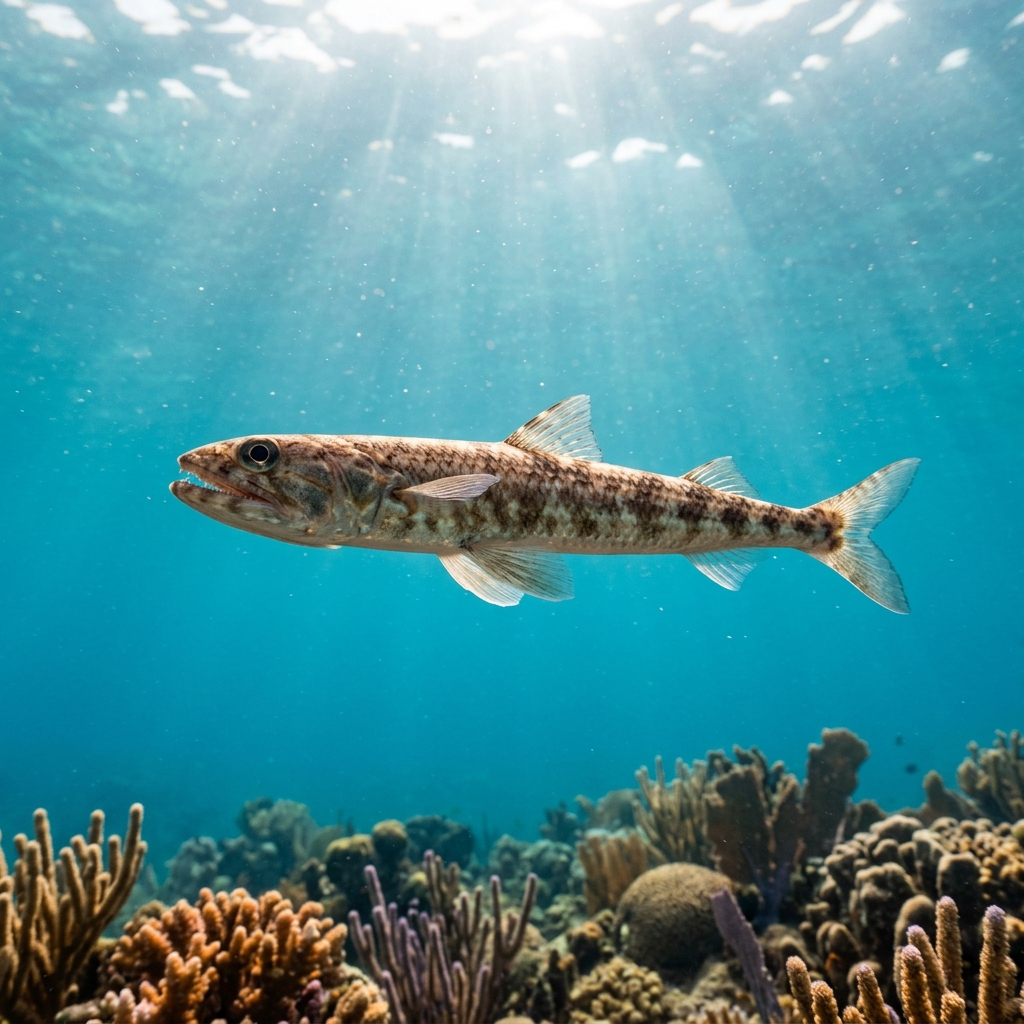
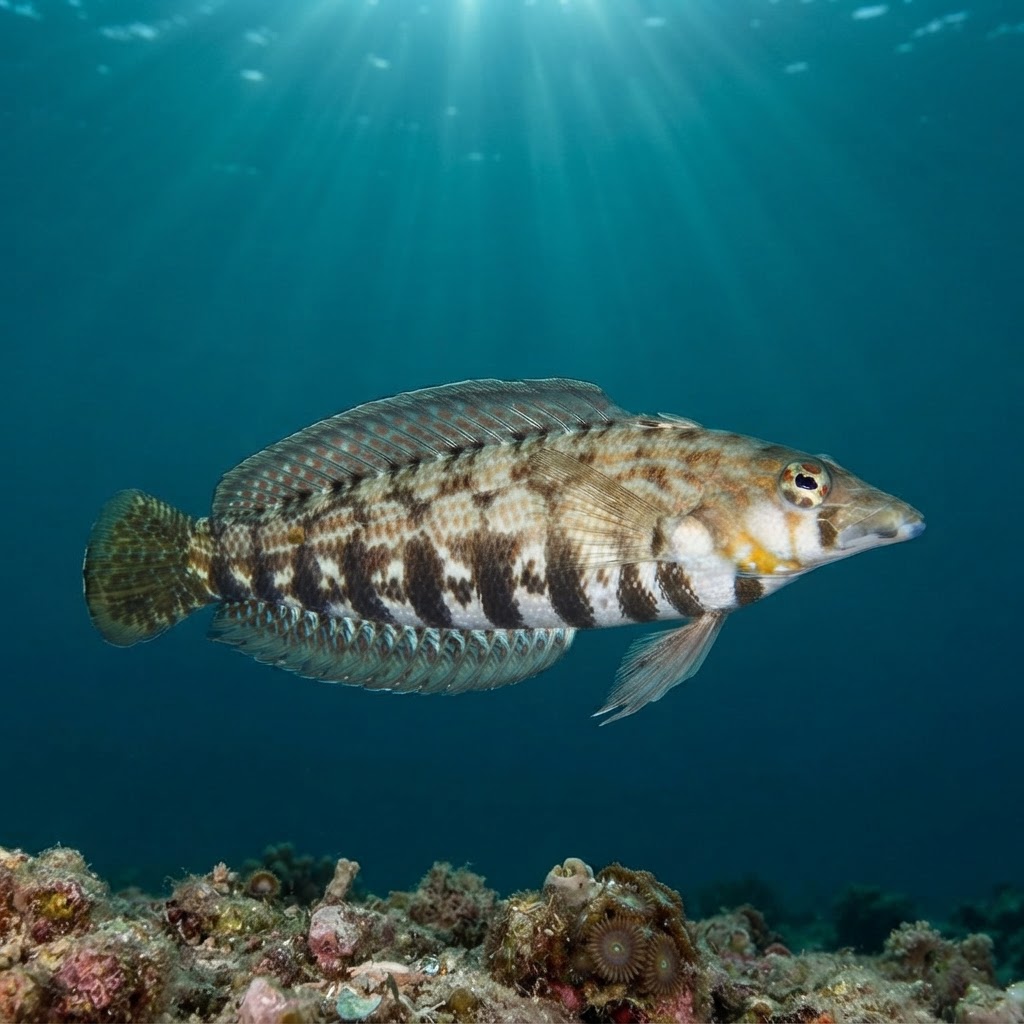
Slim, cylindrical body around 16 cm long, usually pale grey to tan with a row of dark blotches or bars along the upper side that can look like broken saddles. Look for the way it props itself on its pelvic fins on rubble or sand patches rather than swimming freely in the water column. The head is slightly pointed and the tail often carries a dark spot or bar, useful for telling it apart from similar-looking sandperches at a glance.
Spend most of the dive parked on rubble, coral debris or sandy patches, propped up on their pelvic fins while scanning for small prey. They dart short distances to snap up invertebrates or tiny fish, then resettle on a nearby perch rather than fleeing far. Divers who move slowly and keep a bit of distance can usually get a close look before the fish shifts position again.
Like other sandperches, this species is a protogynous hermaphrodite, meaning individuals start life as females and some later change into males, which helps explain the loose harem groupings sometimes seen over a patch of rubble.
No clear seasonal pattern shows up in the sightings, and with a comfort range of roughly 24.7 to 29.3C it stays active on tropical reefs all year. Plan around good visibility and calm conditions rather than a particular month.
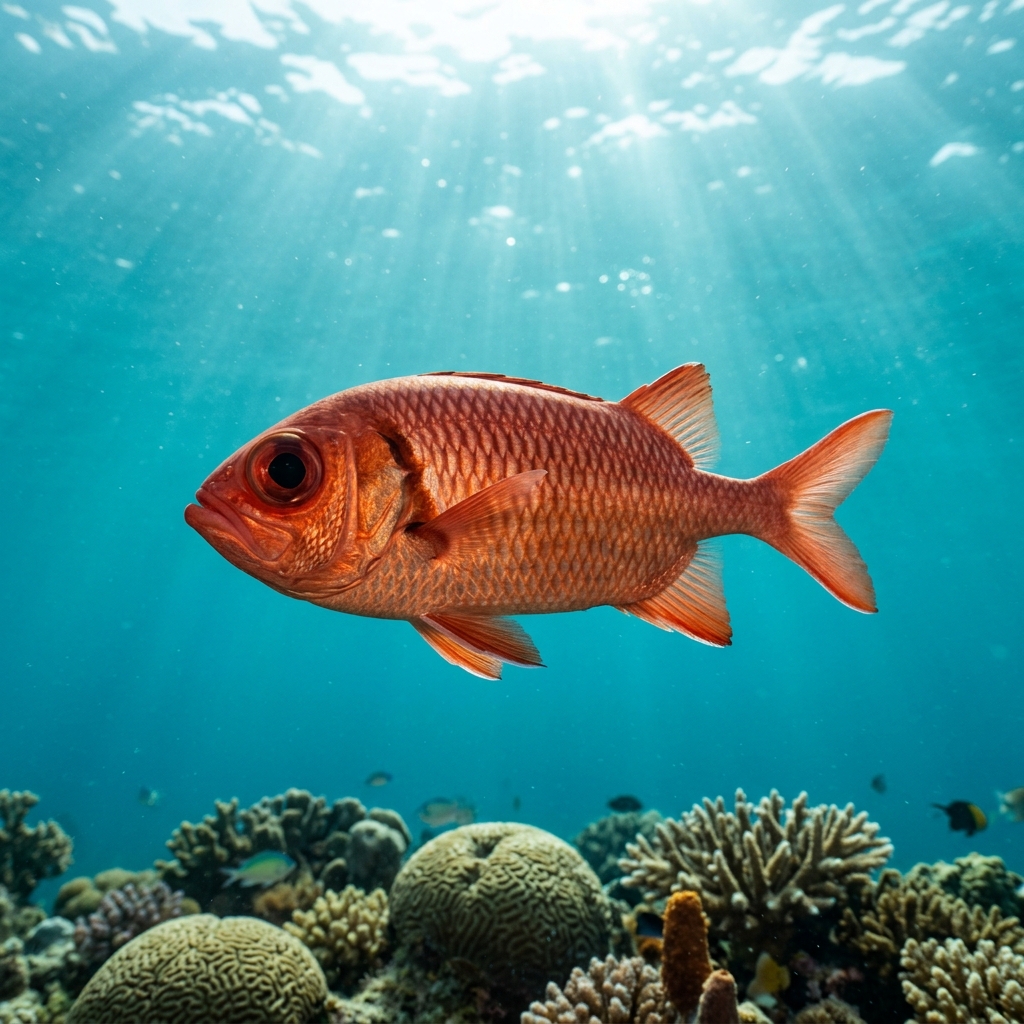
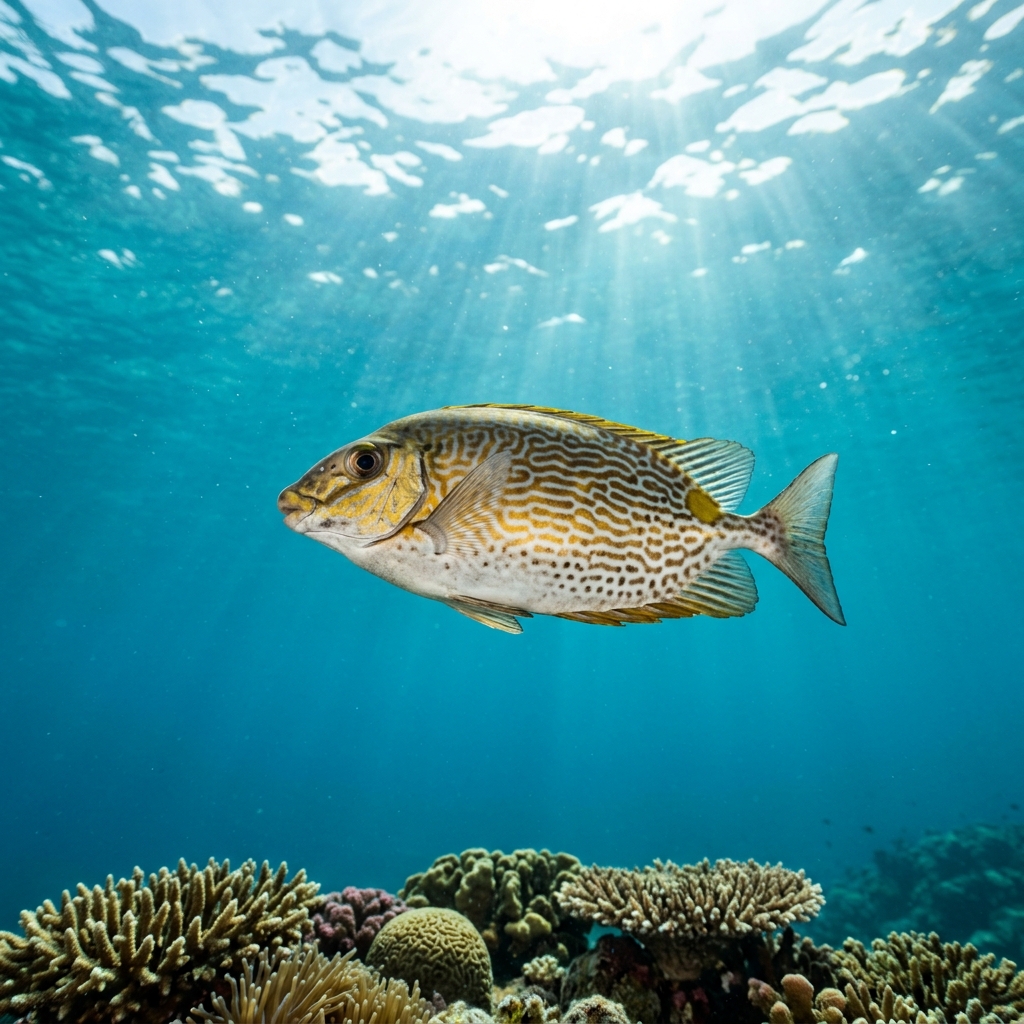
Reef neighbours a diver could mistake it for. Use the identification notes above to tell them apart.
Most reliably logged in the Philippines, especially across the Visayas, where it turns up on a large share of reef dives. Indonesia is the other stronghold, with steady sightings in Nusa Tenggara and Bali, and occasional reports from Sulawesi.
Mapping where Cylindrical Sandperch is logged…
Best odds are in the Philippines, particularly across the Visayas, where it is a regularly logged reef fish. Indonesia also produces steady sightings, especially in Nusa Tenggara and Bali.
There is no strong seasonal pattern in the sightings, and warm water in the 25-29C range keeps it present on reefs throughout the year, so any month with decent visibility works.
Look for a slender, cylindrical body about 16 cm long, pale grey to tan colouring with dark saddle-like blotches along the back, and its habit of resting propped on pelvic fins over rubble or sand rather than swimming in open water.
They top out around 16 cm, making them one of the smaller reef fish a diver will spot resting on rubble or coral debris.
No, they pose no threat to divers and simply dart off or resettle nearby if approached too quickly.
Site and sighting data is aggregated from diver logs, iNaturalist and GBIF. For taxonomy and conservation status:
Soldierfish
3,612 sites