Cyerce basi
An uncommon sea slug logged only at Xiaoliuqiu, Taiwan, in 24-30C water, year-round with no fixed season.
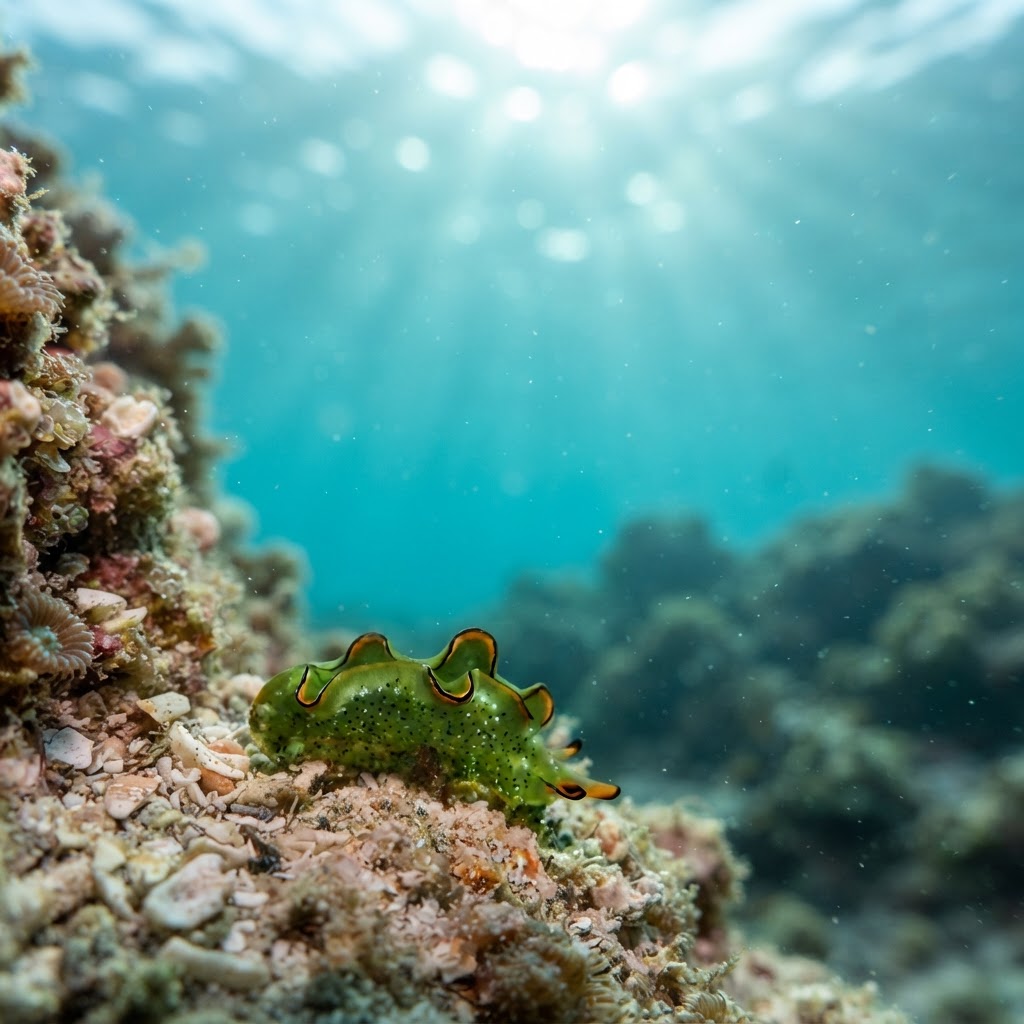
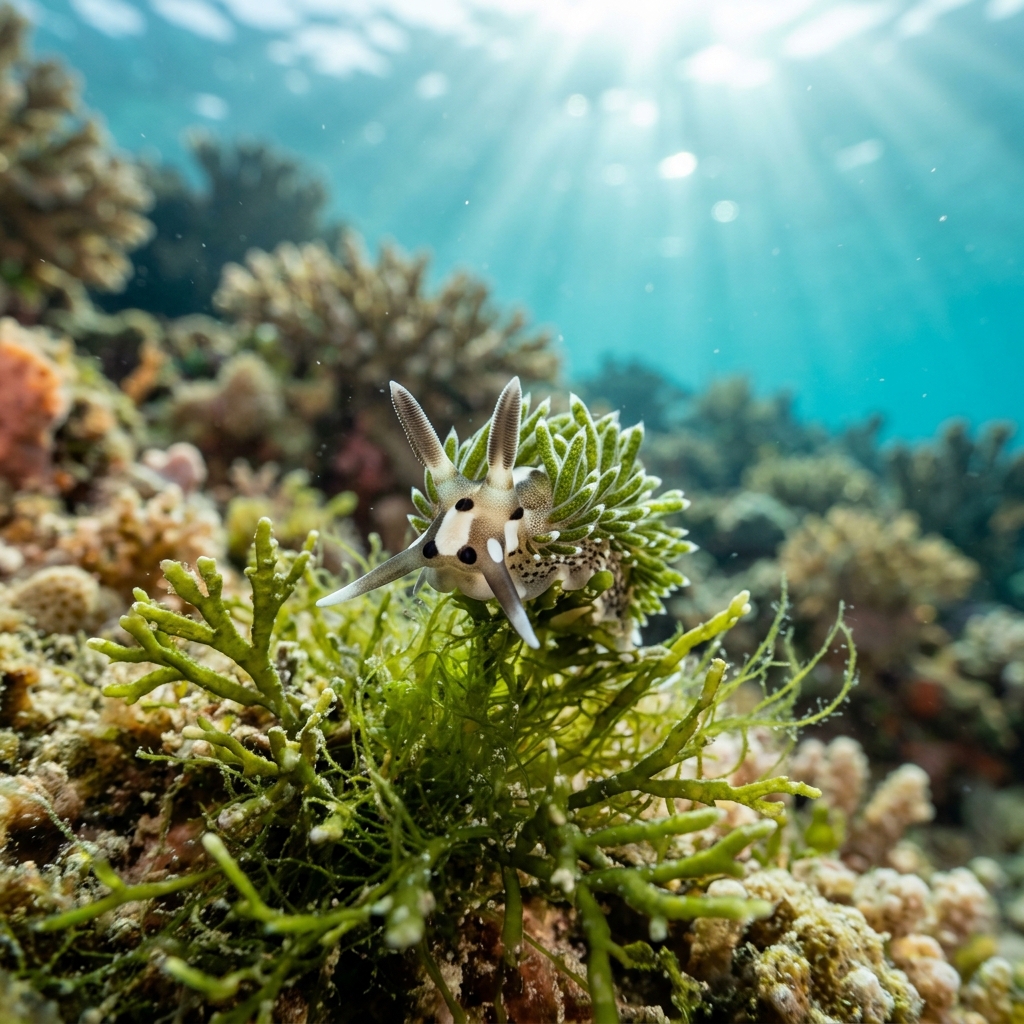
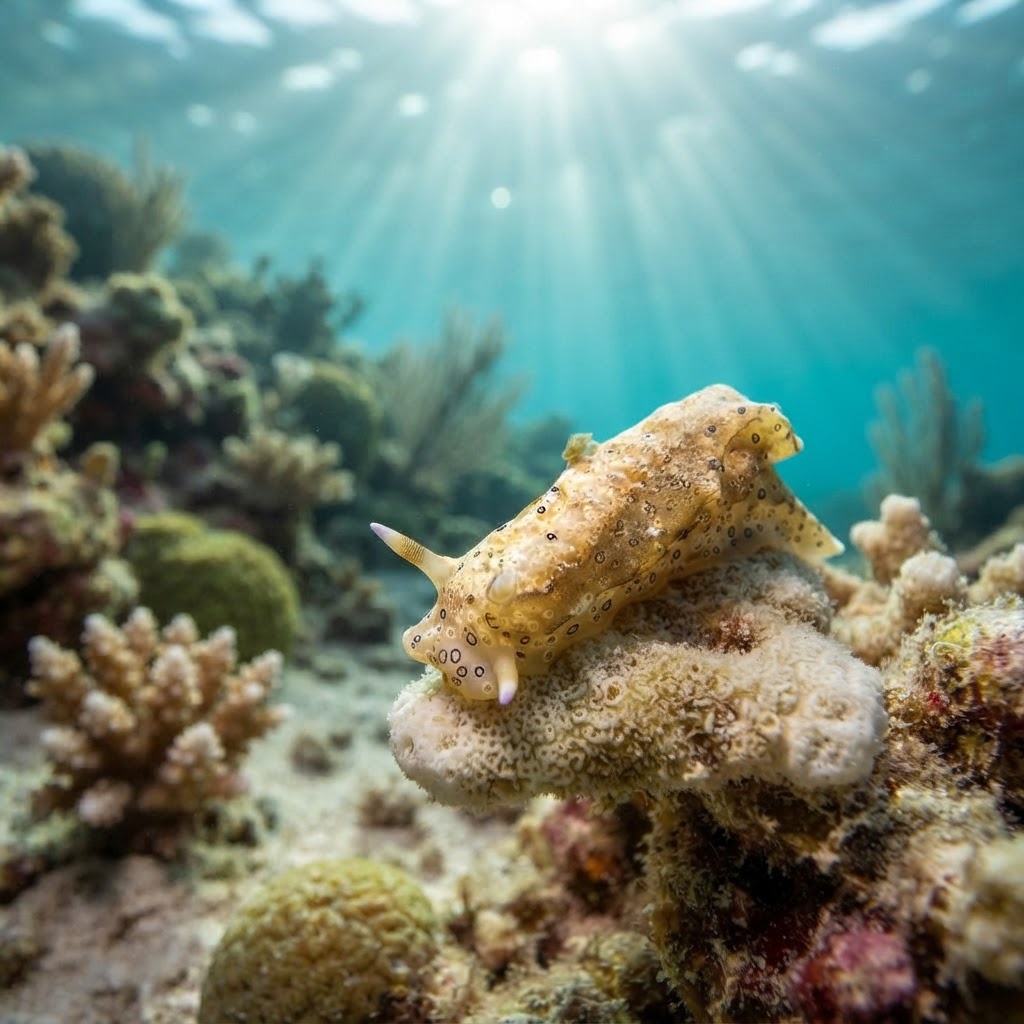
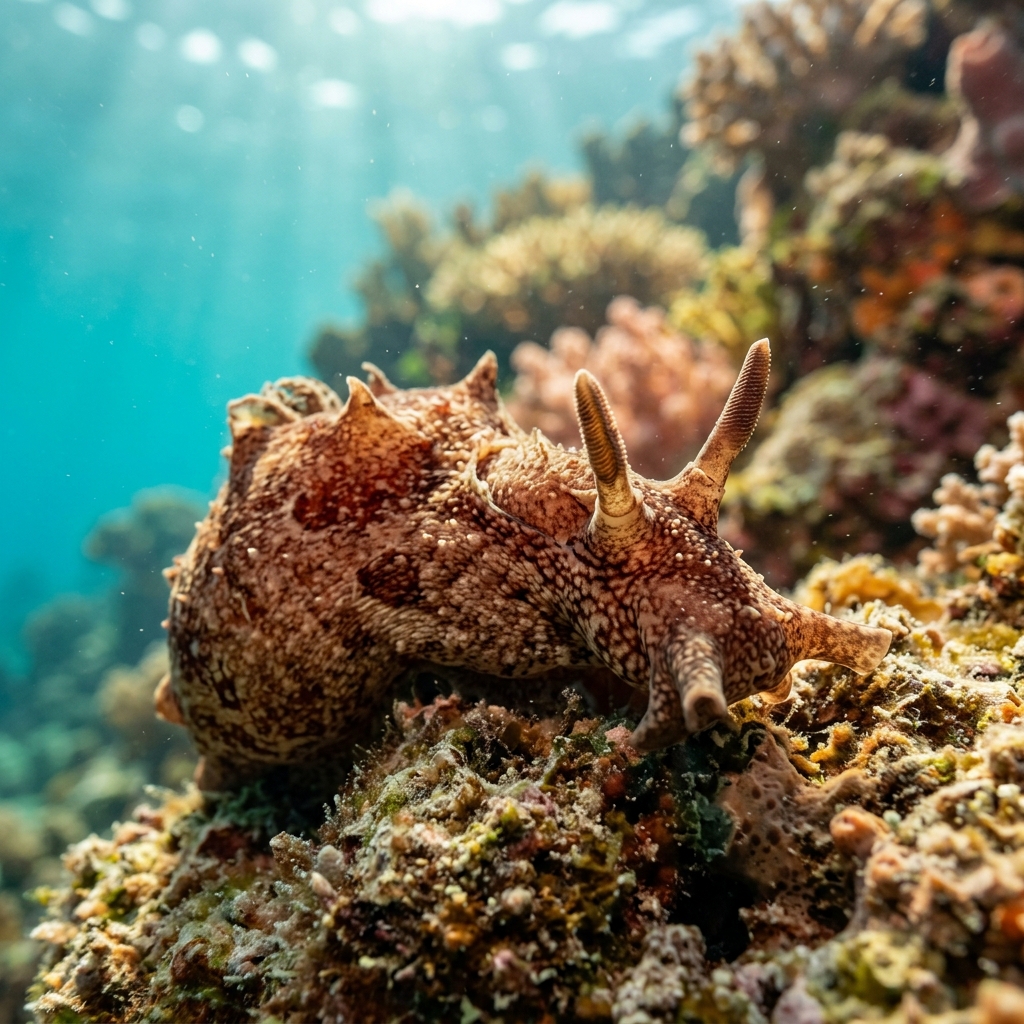
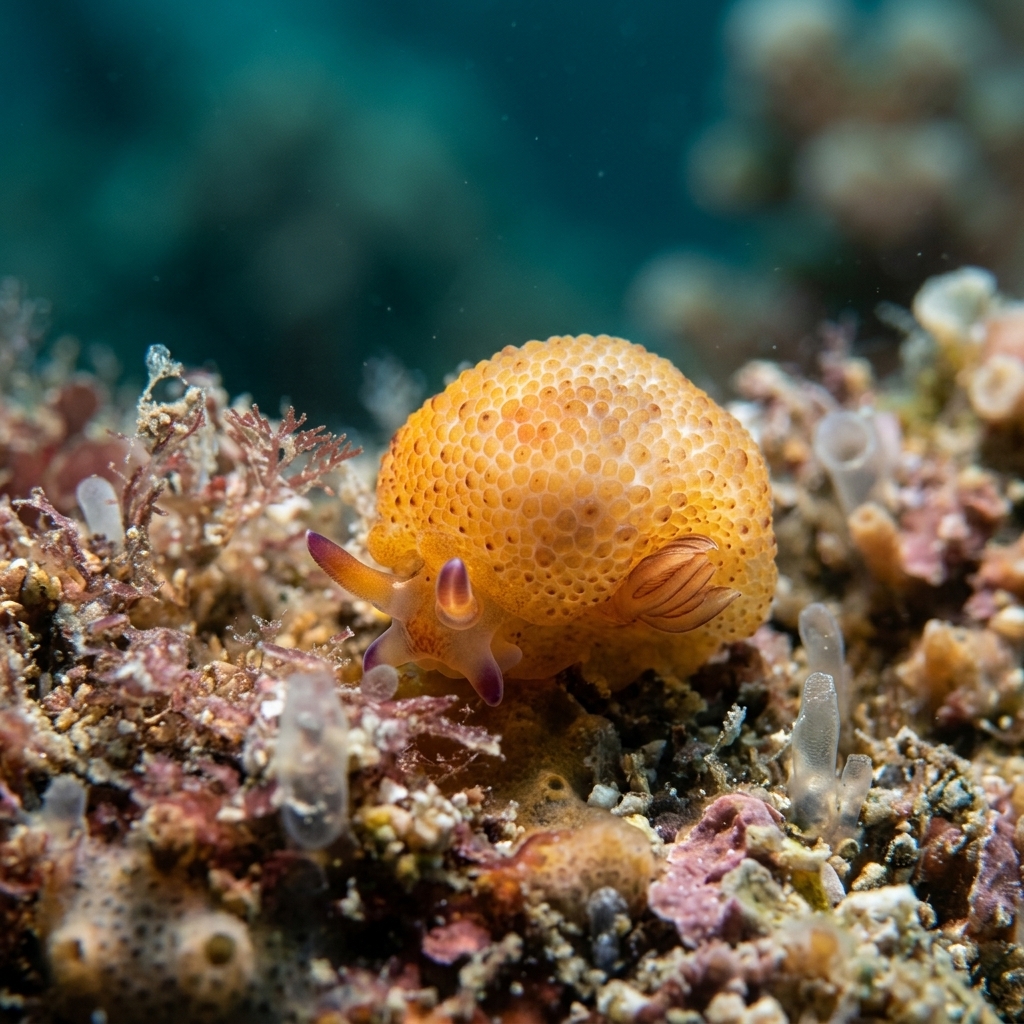
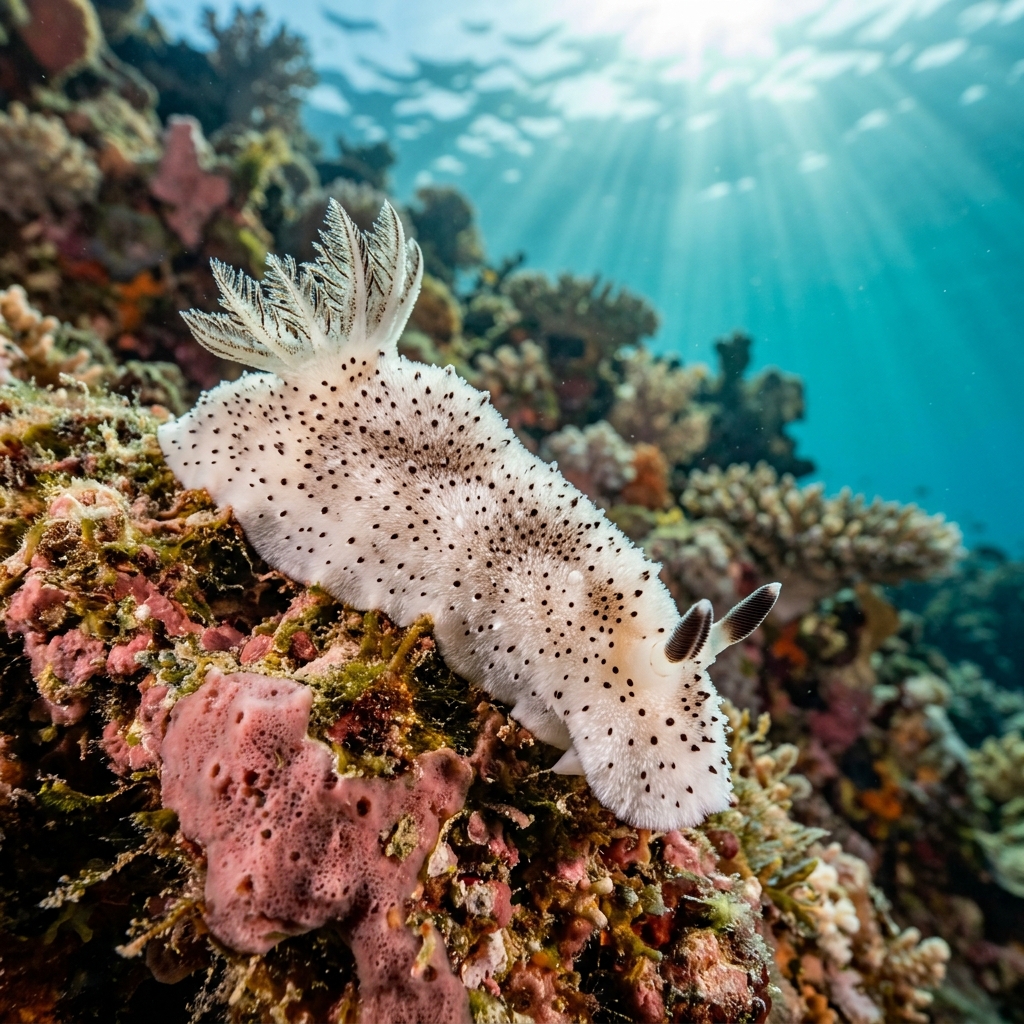
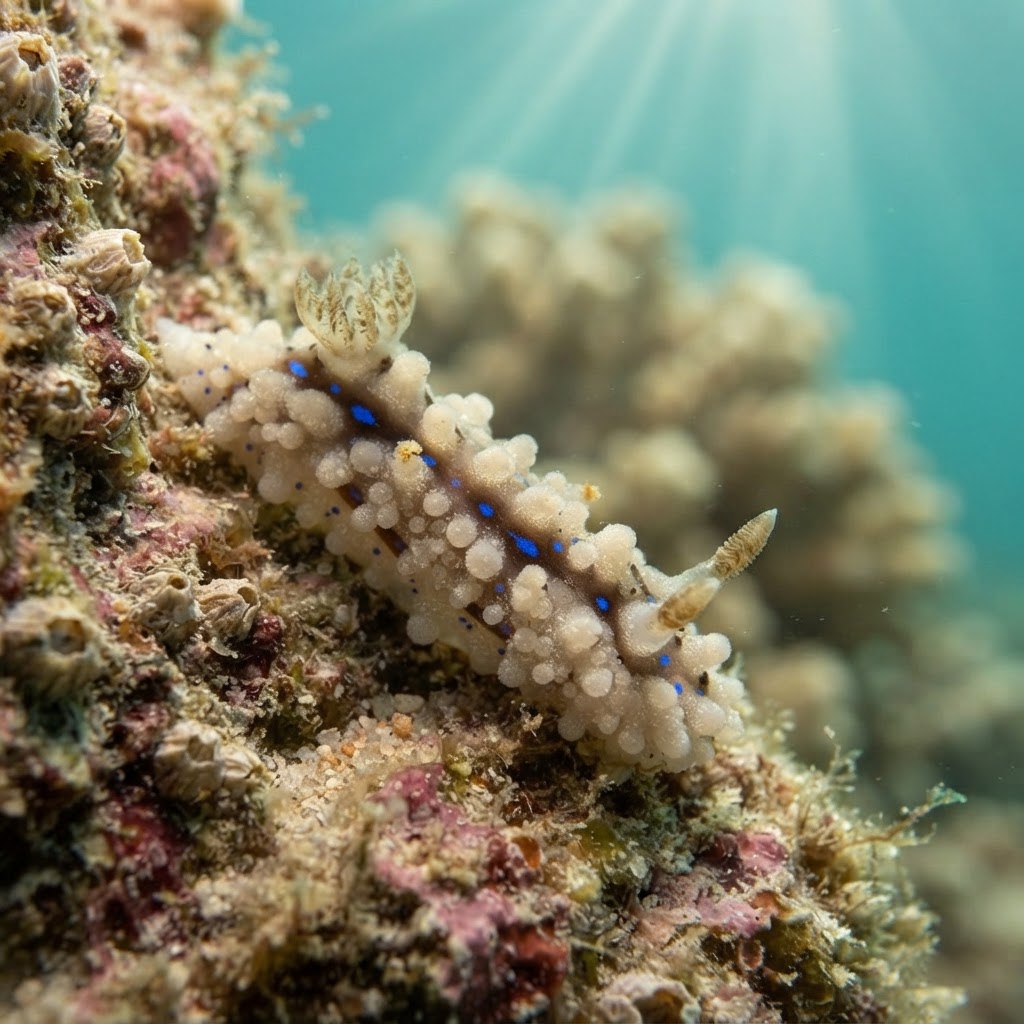
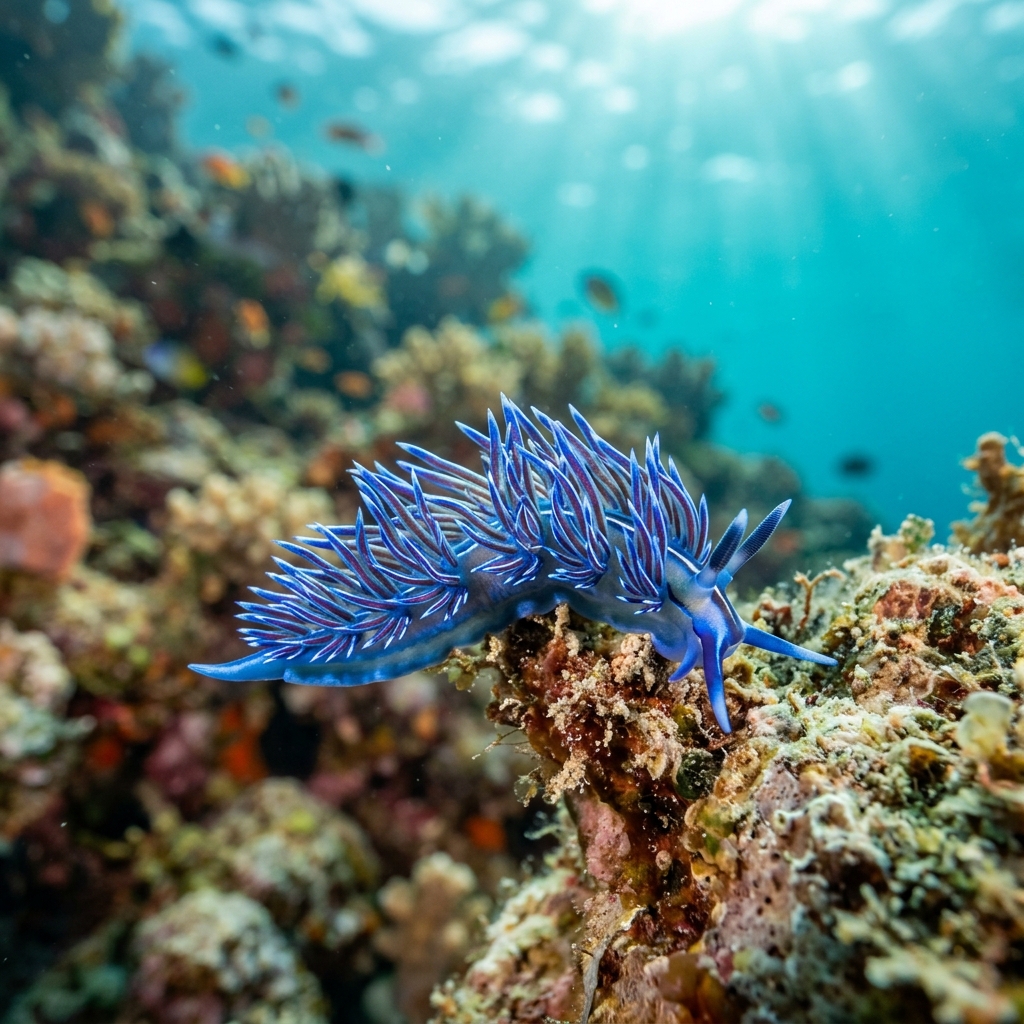
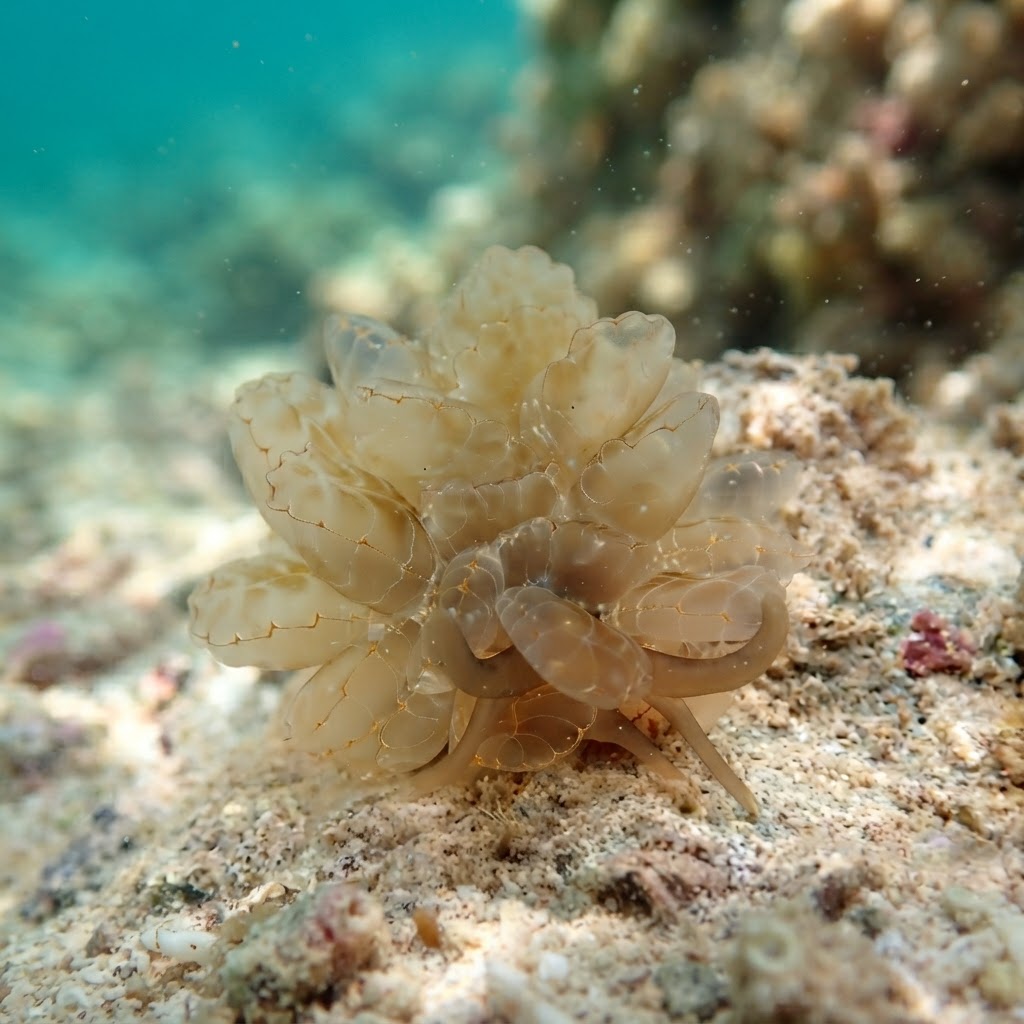
A small sea slug carrying rows of flattened, leaf-shaped appendages (cerata) along its back, giving it a ruffled, almost lettuce-like silhouette rather than a smooth slug body. Look for translucent to pale tissue in the cerata, often with a scattering of coloured spots or edging that catches a torch beam on a night dive. Size is not documented for this species, so judge it by the frilly outline and slow, deliberate crawl across the substrate rather than by scale.
Divers find it grazing slowly over algae-covered rock and rubble, using its leaf-like cerata to browse rather than swim, so it rarely reacts to a diver's presence beyond a slight retraction. It's an uncommon sighting even at the sites where it's known, which means a slow, close look at likely rubble and algae patches pays off more than a fast fin past the reef. Best spotted with a torch or a macro-focused eye, since its mottled cerata blend easily into weedy substrate.
Like other members of the sacoglossan slug group it belongs to, it likely feeds by piercing algae cells and can sequester their pigments or chloroplasts into its cerata, which is part of why the frilly appendages carry colour and pattern rather than being plain.
Sightings don't show a clear seasonal pattern, and with water temperatures logged between 23.8 and 29.8C, conditions stay within its comfort range across the year, so it's best treated as a year-round find at Xiaoliuqiu.
Reef neighbours a diver could mistake it for. Use the identification notes above to tell them apart.
Every logged sighting of this species comes from Taiwan, specifically the reefs around Xiaoliuqiu, which is currently the only reliable place divers have recorded it. If you are chasing this one specifically, Xiaoliuqiu is the spot to build a dive plan around.
Mapping where Bas's Cyerce is logged…
The only confirmed sightings logged so far are around Xiaoliuqiu, Taiwan, making it the go-to region if you want a real shot at finding this species.
There's no detected seasonal pattern in sightings, and water temperatures at known sites range from about 24 to 30C year-round, so it can turn up on any dive at Xiaoliuqiu regardless of month.
Look for a small slug covered in flattened, leaf-shaped cerata rather than a smooth or spiky body, giving it a frilly, lettuce-like look. It moves slowly over algae and rubble, so a close, patient look at textured substrate is the best way to spot it.
Exact size data hasn't been documented for this species, but like most Cyerce slugs it's a small, easily overlooked animal best found by scanning algae-covered rubble closely rather than looking for something large.
It belongs to a slug group known for feeding on algae in a way that lets them retain the algae's pigments or chloroplasts in their leaf-like cerata, which is likely why its frilly appendages show colour and pattern instead of staying plain.
Site and sighting data is aggregated from diver logs, iNaturalist and GBIF. For taxonomy and conservation status:
Light-spotted Aegires
3,168 sites