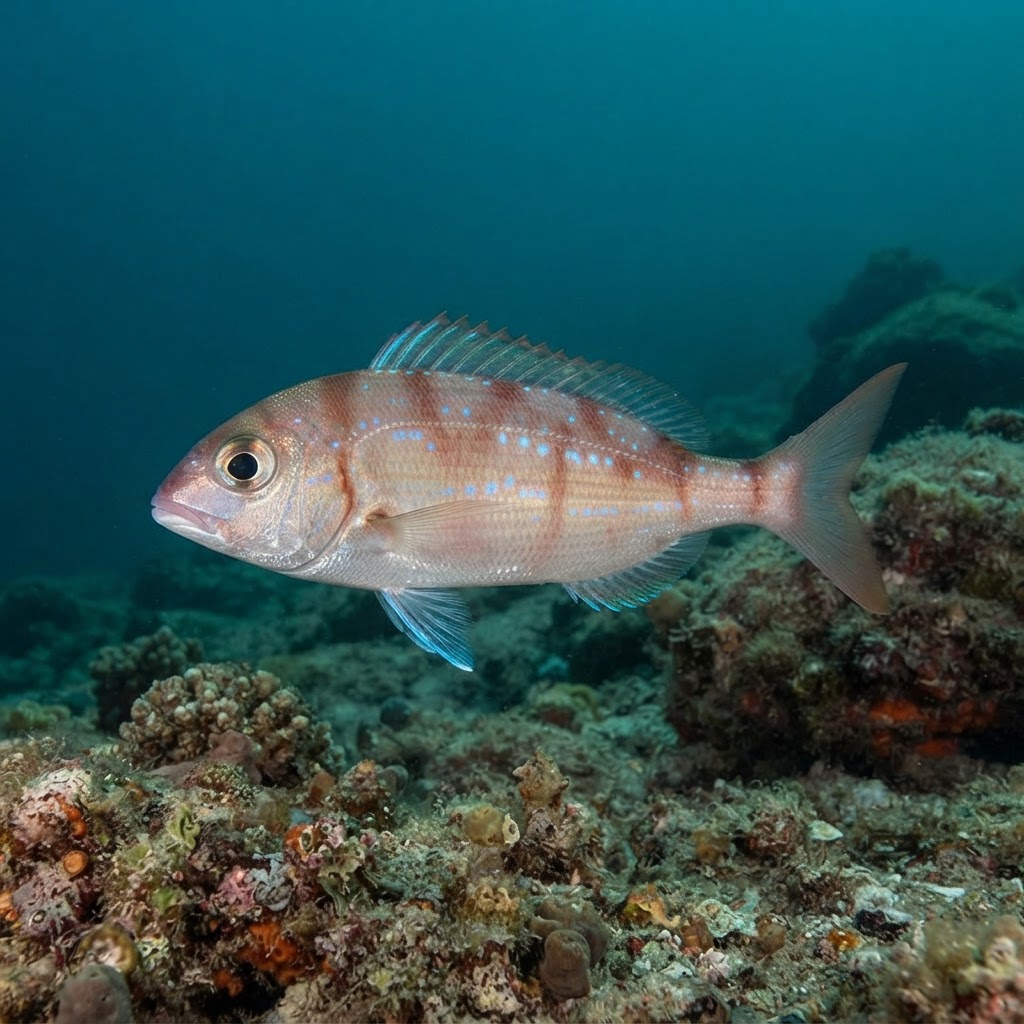
Pagellus erythrinus
Pinkish sea bream logged across Kvarner and the Canary Islands, usually uncommon at 12-21C reef sites year-round.
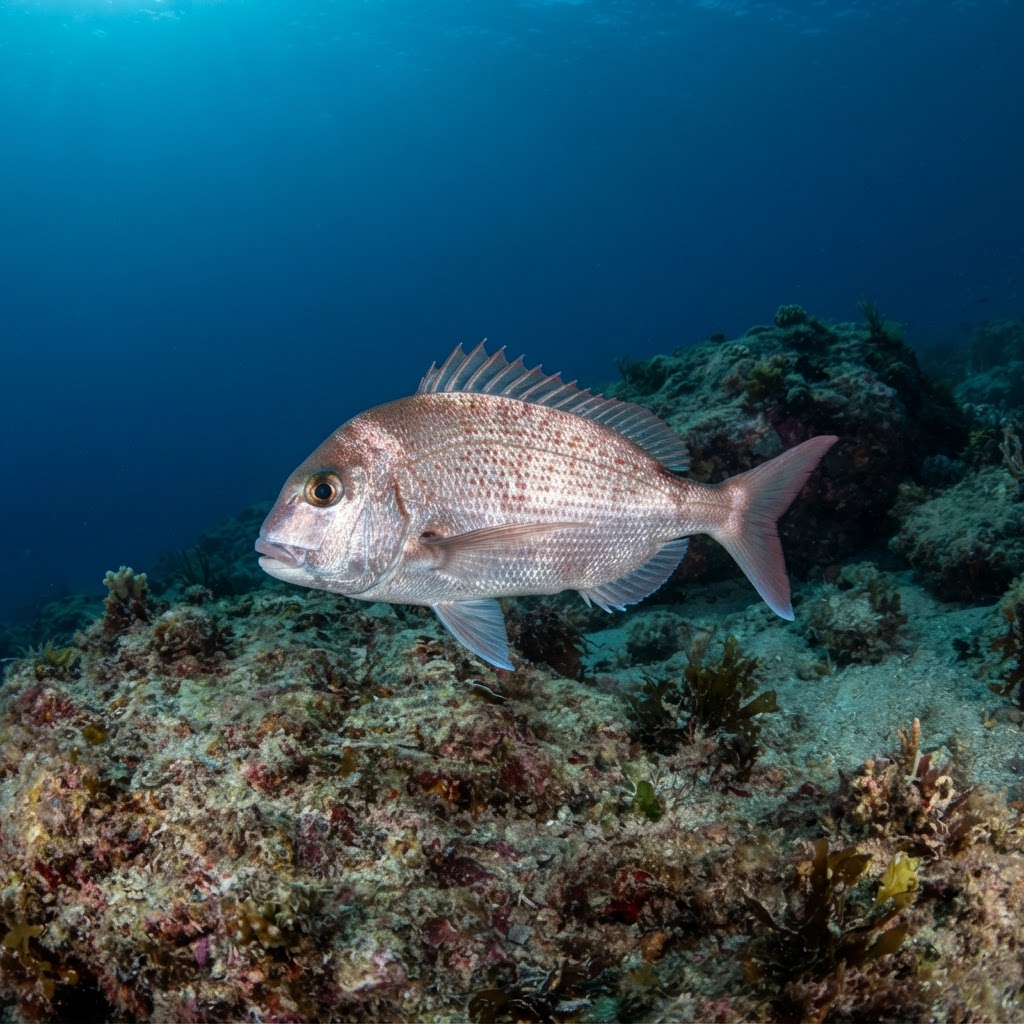
Slim, slightly elongated body up to about 42cm, coloured a silvery pink that flushes reddish along the back, with faint blue speckling scattered across the upper flanks and a pale belly. The snout is pointed and the profile is more streamlined than other seabream you will see on the same reef. Look for the reddish tinge along the dorsal line as the quickest cue at depth, where colours mute fast.
Typically seen cruising alone or in loose, small groups over sand, seagrass edges and rocky bottoms rather than tight against the reef wall. It keeps a fairly relaxed distance from divers, drifting off rather than bolting, and tends to hover close to the substrate where it forages rather than schooling in open water.
It is a protogynous hermaphrodite, meaning many individuals start life as females and some later switch to males, a trait shared with several of its sparid relatives.
Sightings show no clear seasonal pattern, and with a comfortable range of roughly 12 to 21C it turns up across the diving calendar in the Mediterranean and Canary Islands alike.
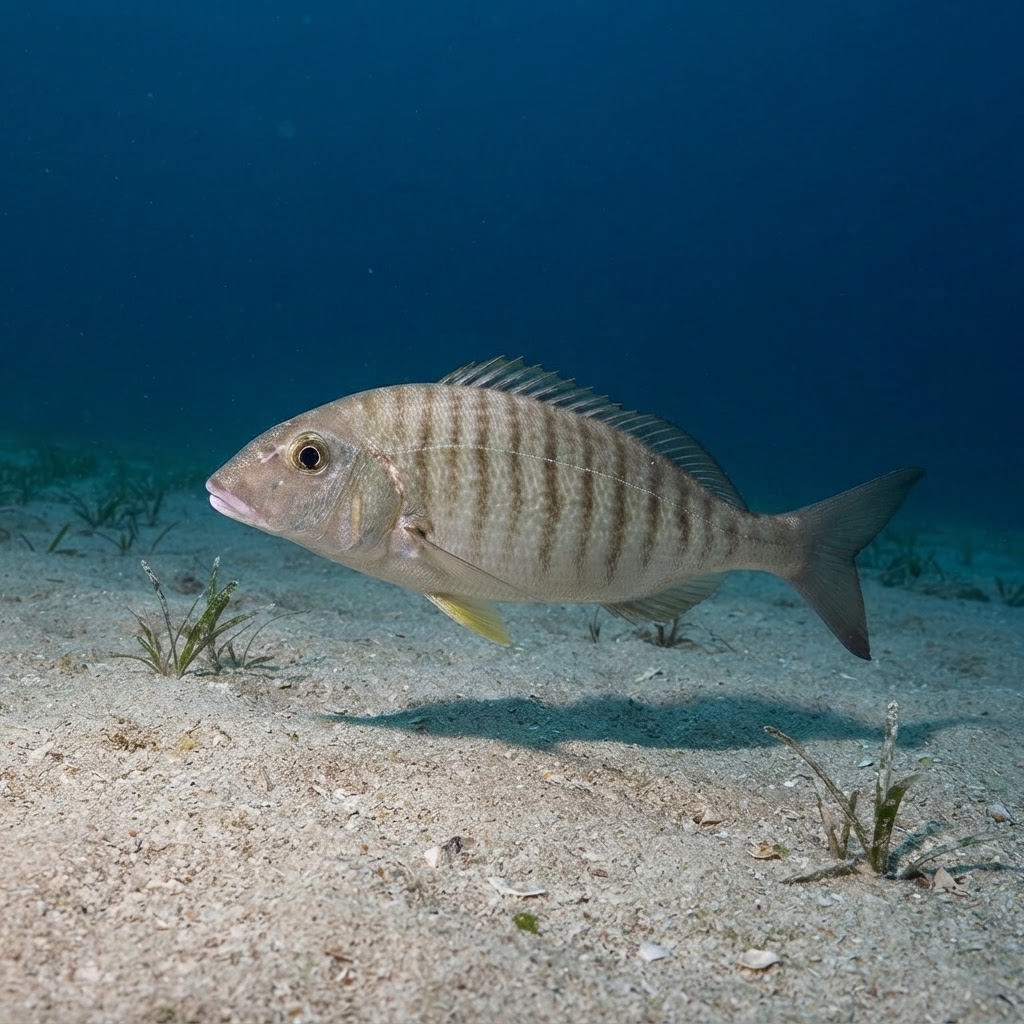
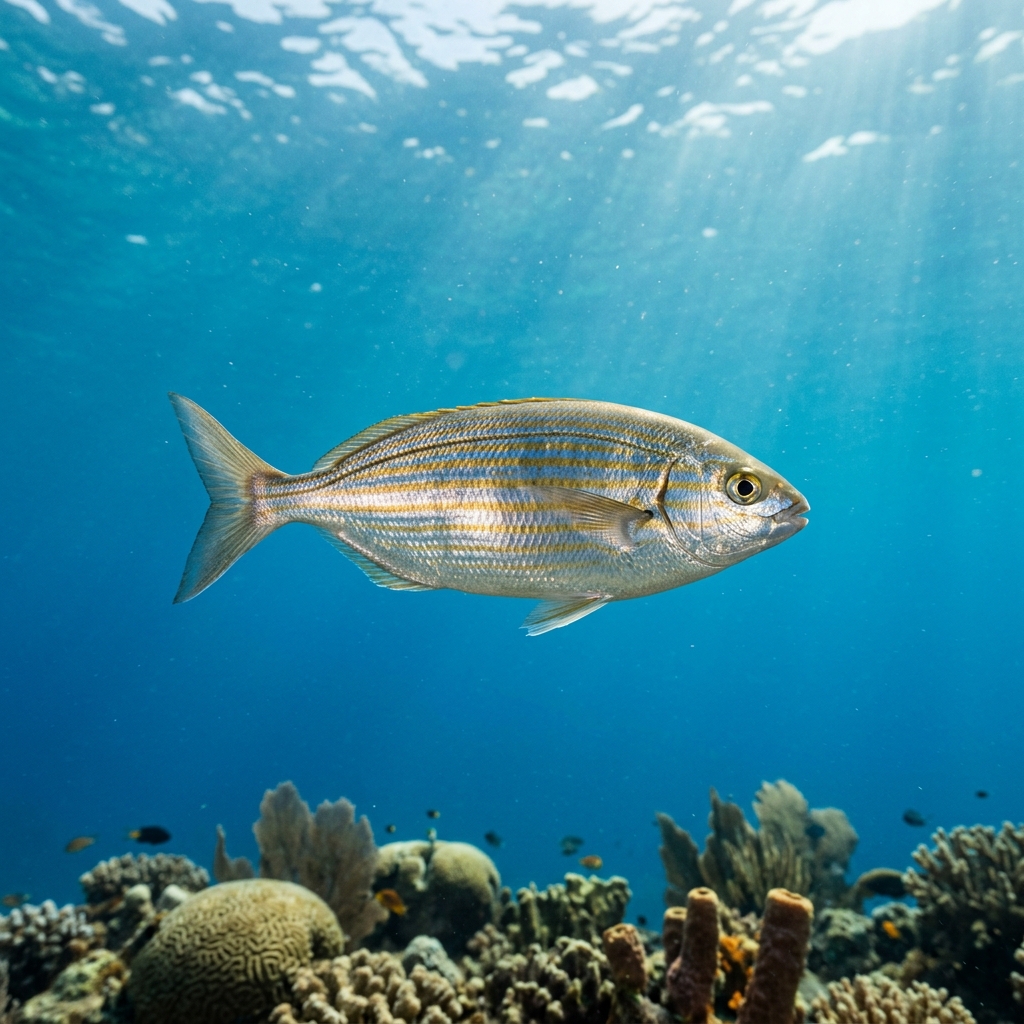
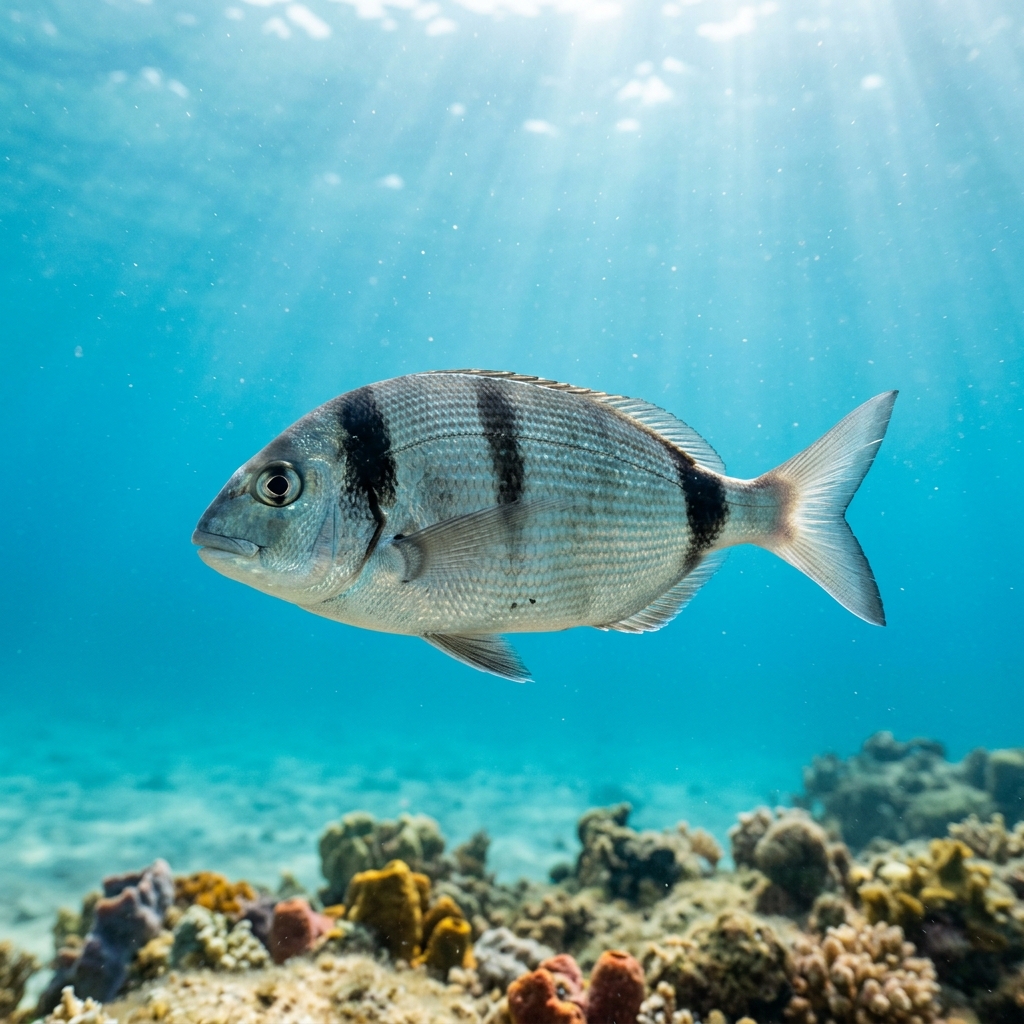
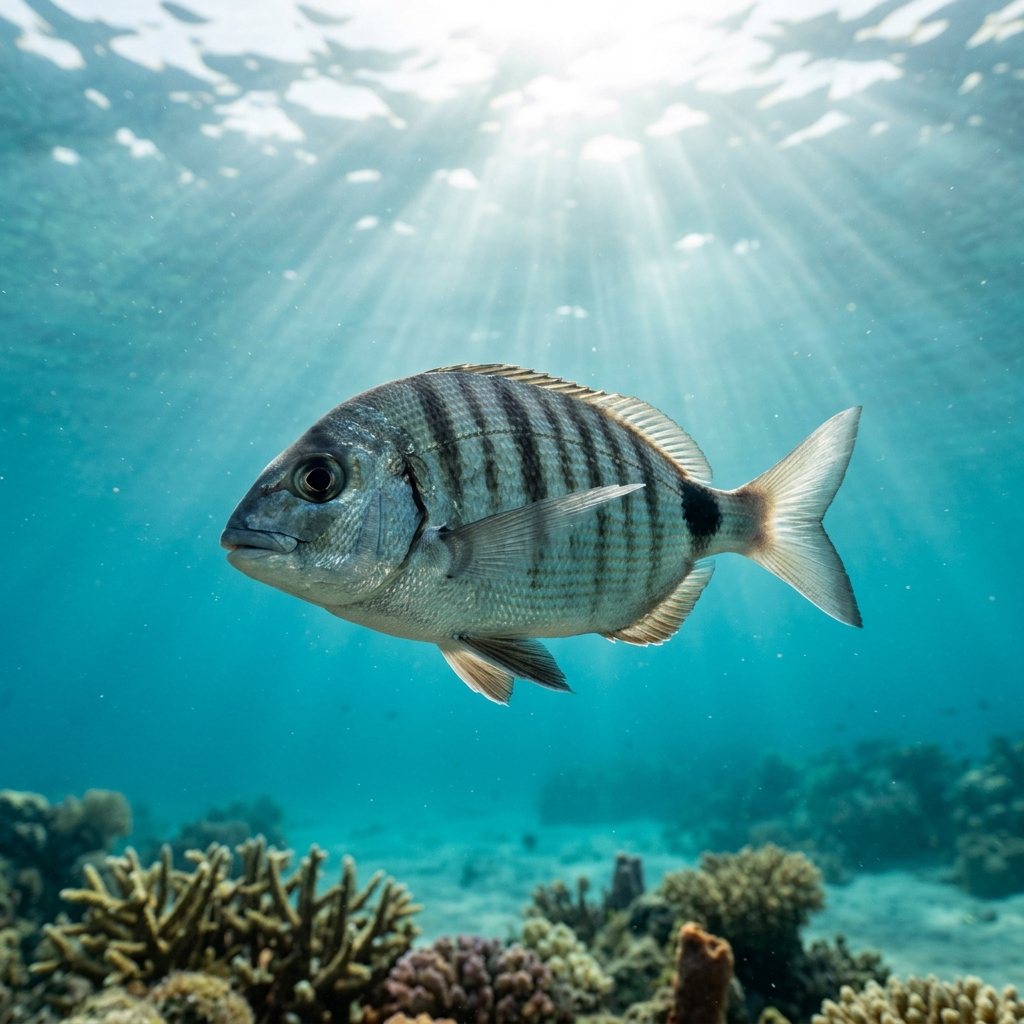
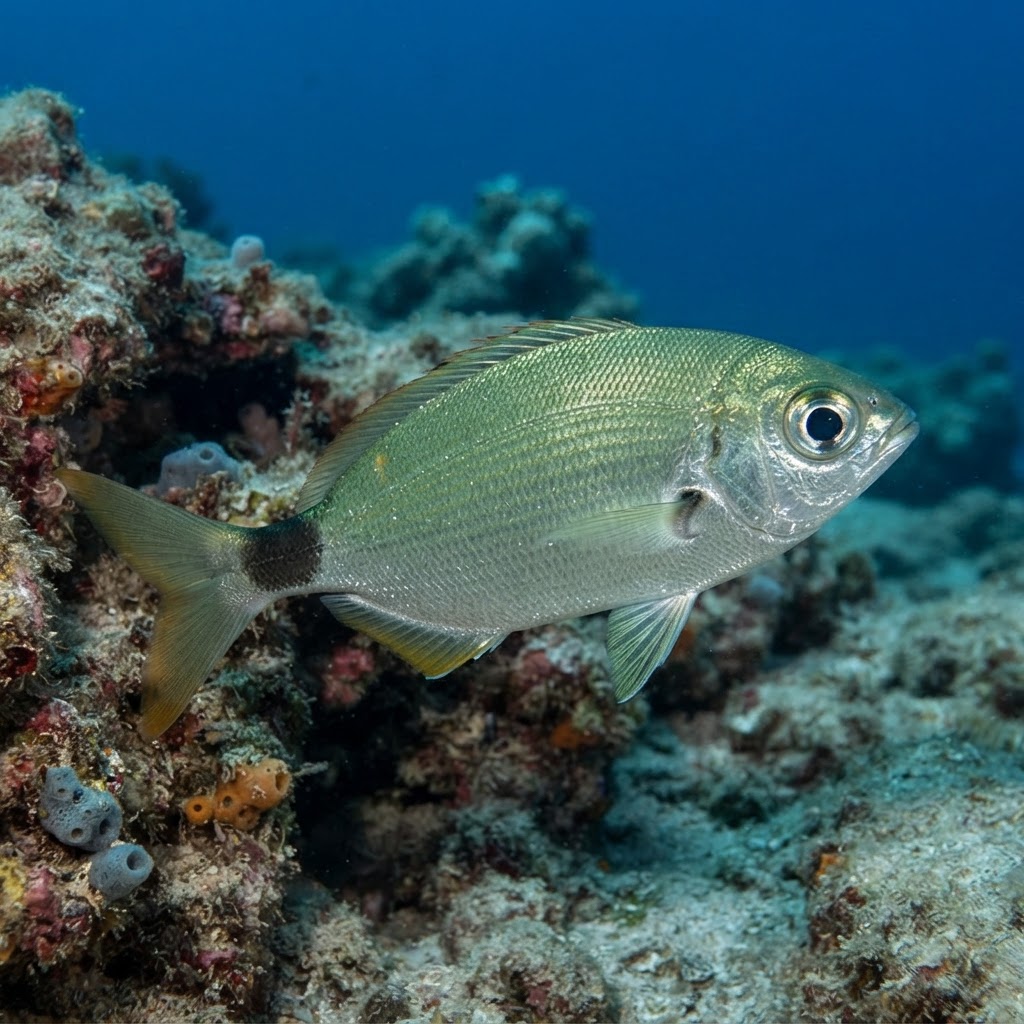
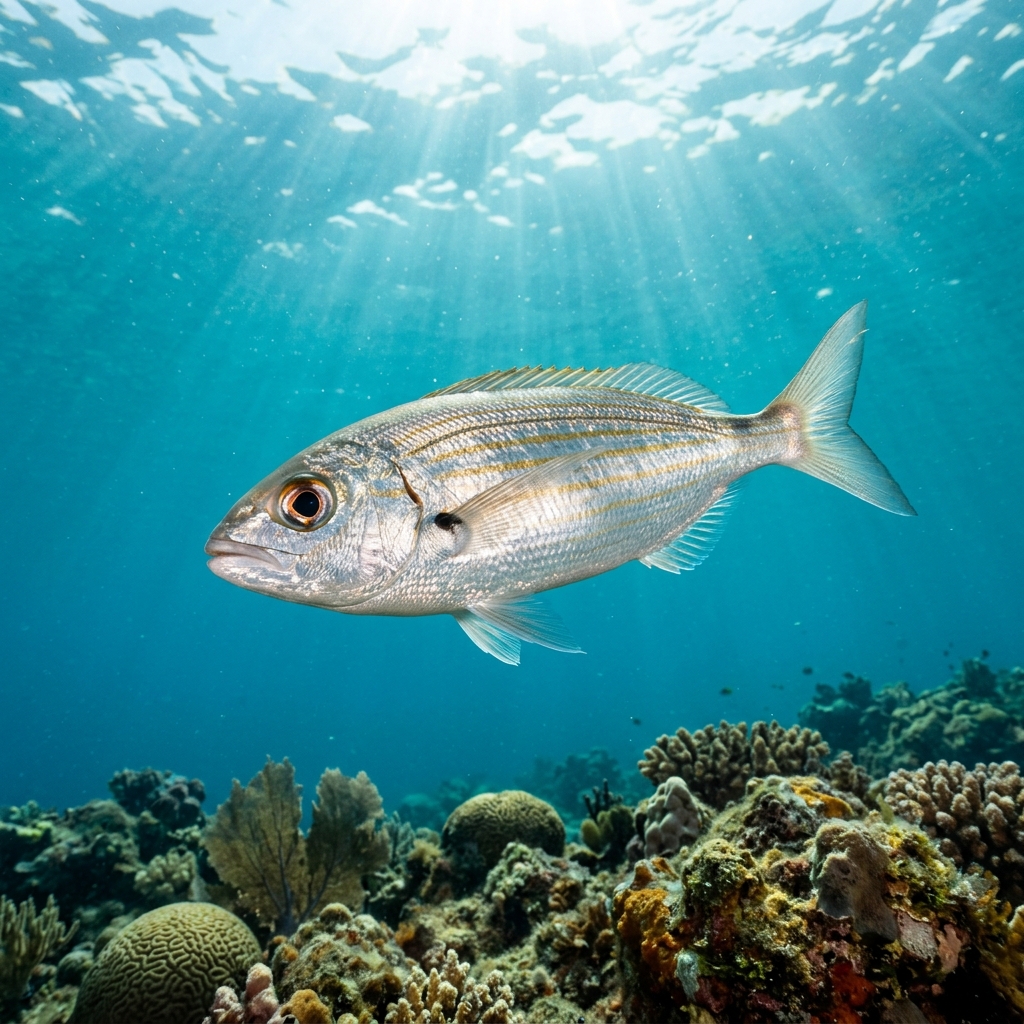
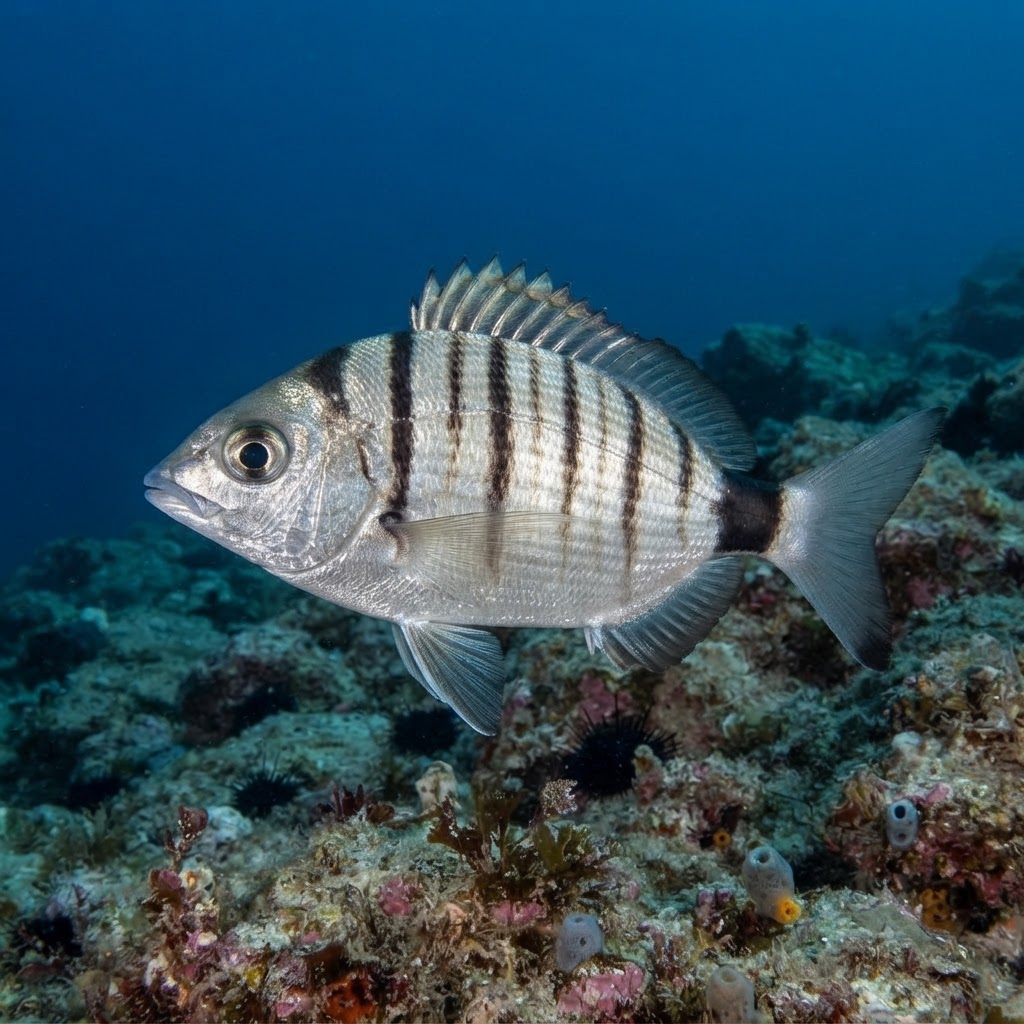
Reef neighbours a diver could mistake it for. Use the identification notes above to tell them apart.
Most reliably logged in Croatia's Kvarner region, and across the Canary Islands in Lanzarote, Fuerteventura and Tenerife. Also a steady find along Spain's Catalonia and Murcia coasts, France's Riviera and Provence, and Turkey's Turquoise Coast, usually turning up as an uncommon sighting rather than the main event of the dive.
Mapping where Common Pandora is logged…
Kvarner in Croatia and the Canary Islands (especially Lanzarote and Fuerteventura) are the strongest spots, with steady sightings also in Catalonia and Murcia in Spain, the French Riviera, and Turkey's Turquoise Coast.
There is no strong season in the sighting data, so it is effectively a year-round find, comfortable in water from about 12 to 21C.
Look for a slim, silvery-pink body with a reddish back and faint blue speckling on the upper flanks, and a pointed snout that gives it a more streamlined profile than other bream on the same reef.
They reach around 42cm in length, making them a mid-sized bream you will usually see as single fish or loose small groups rather than dense schools.
No, they are not dangerous. They keep their distance and simply drift away if a diver gets close.
Site and sighting data is aggregated from diver logs, iNaturalist and GBIF. For taxonomy and conservation status:
Saddled Bream
3,846 sites