Lysmata amboinensis
Spot the Ambon Cleaner Shrimp across the Maldives, South Africa and Mozambique. White-striped, reef-cleaning crustacean in waters from 19 to 29°C.
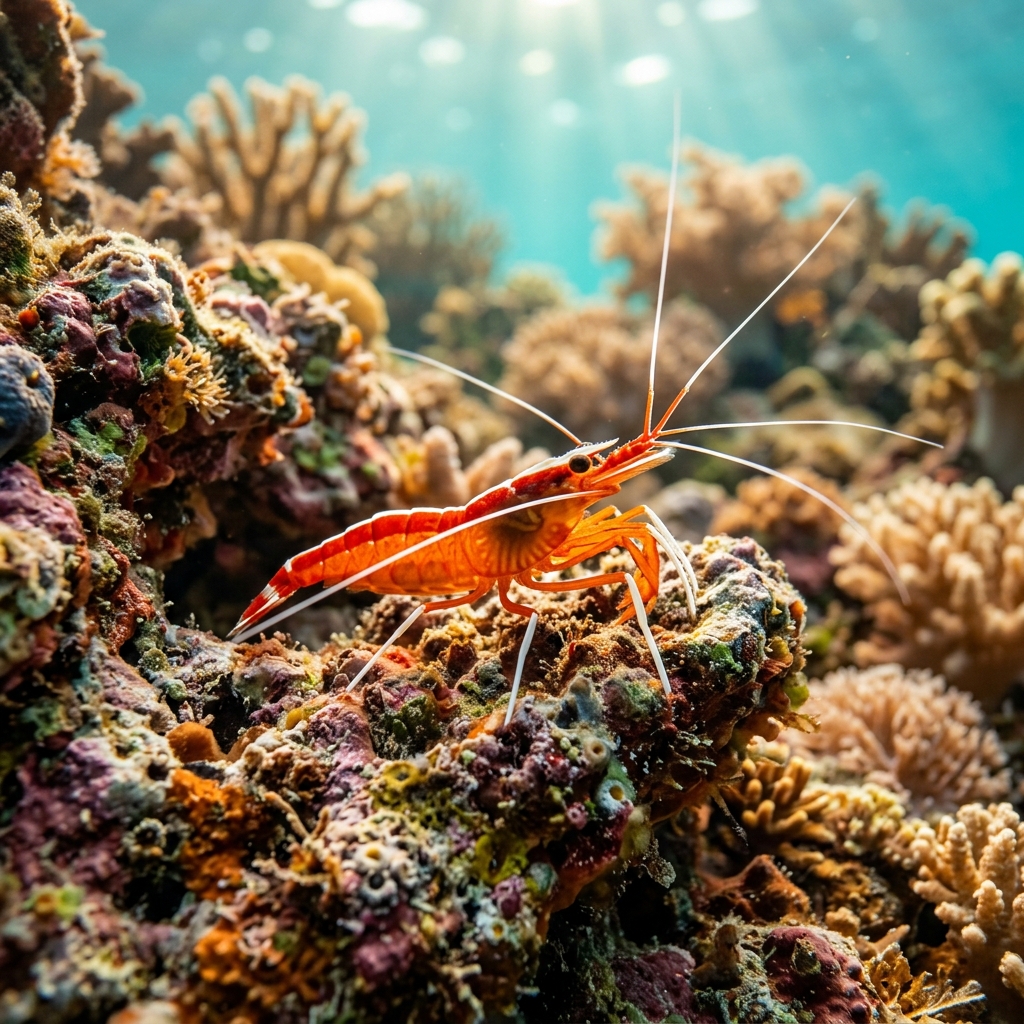
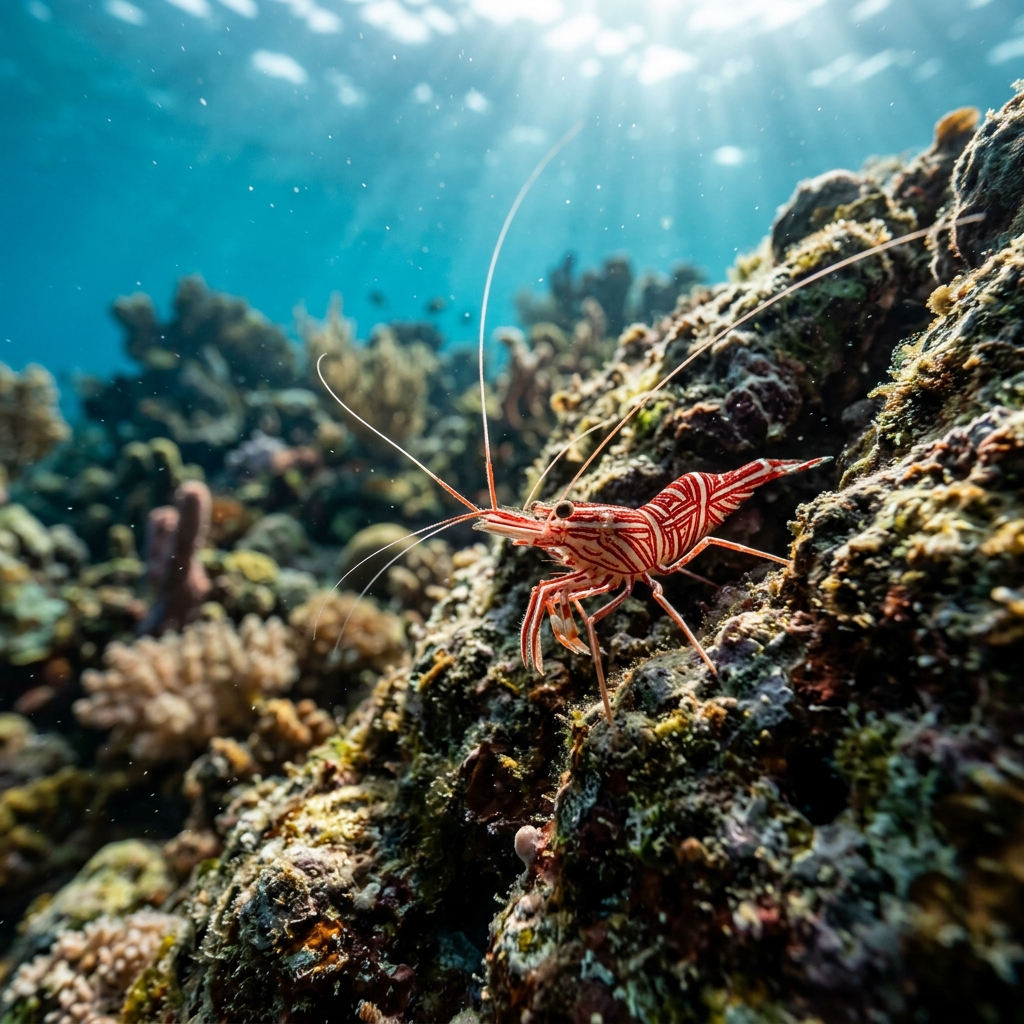
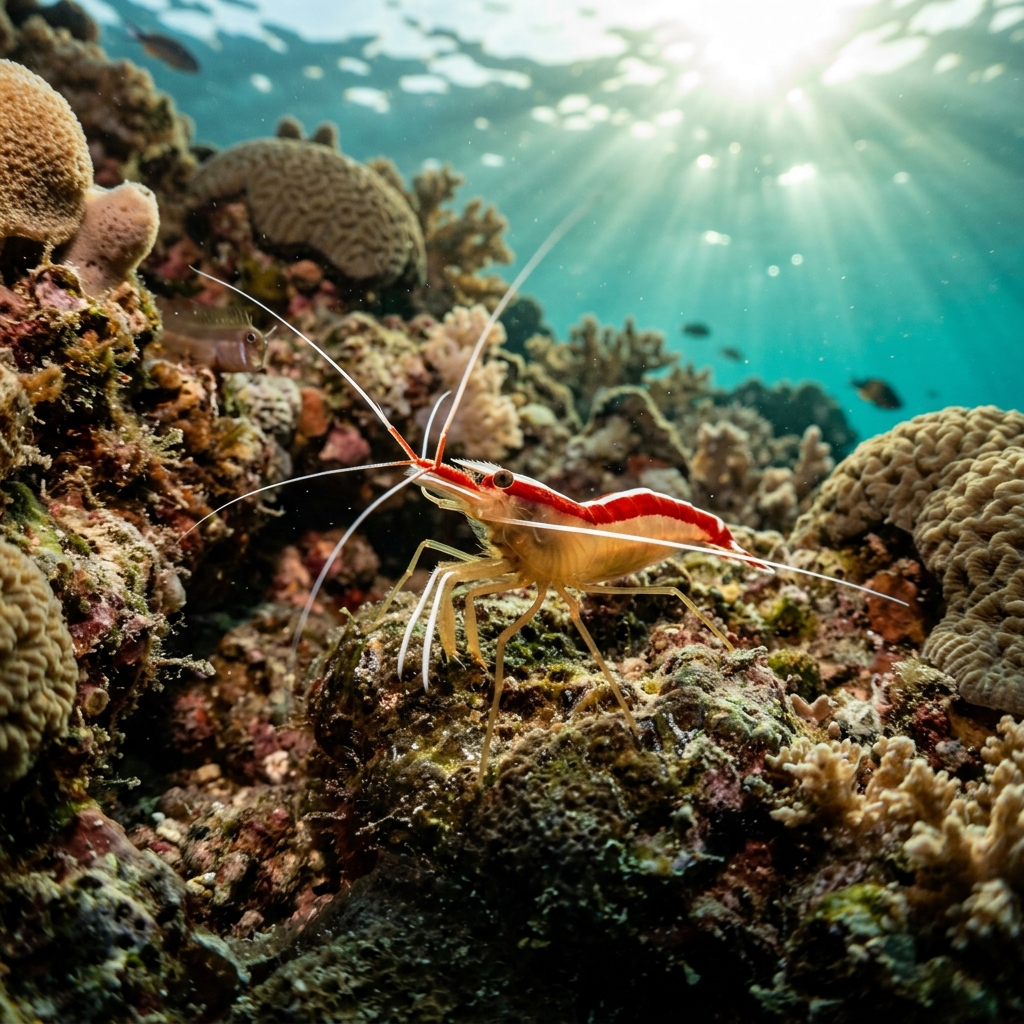
A bold white stripe runs the full length of the back, flanked by deep red on both sides, making this one of the more straightforward shrimp to pick out on a reef. Long white antennae, often waving conspicuously, are a reliable cue from a distance. The body is fairly slender and translucent at the sides, giving it a striped, almost candy-cane appearance. Look for it inside or just beside coral heads, sponges, or crevices where it sets up a cleaning station.
At a cleaning station, it rocks gently and waves its long antennae to advertise its services to passing fish, which queue up and adopt a still, open-mouthed posture while the shrimp picks off parasites, dead tissue, and debris. Divers who approach slowly and offer a hand or hover at eye level sometimes find the shrimp will investigate and even nip lightly at cuticles. It is strictly benthic (bottom-dwelling), rarely straying far from its chosen coral head or crevice.
Ambon cleaner shrimp are simultaneous hermaphrodites, meaning each individual carries both male and female reproductive organs at the same time. Two individuals can fertilise each other when they pair up, which is an efficient strategy when mates are hard to find on a reef.
In the Southern Hemisphere sites where seasonality data exists, sightings concentrate between February and June. The species tolerates a wide temperature range (around 19 to 29°C), so on tropical Indo-Pacific reefs it can be encountered year-round whenever conditions allow a slow, observant dive.
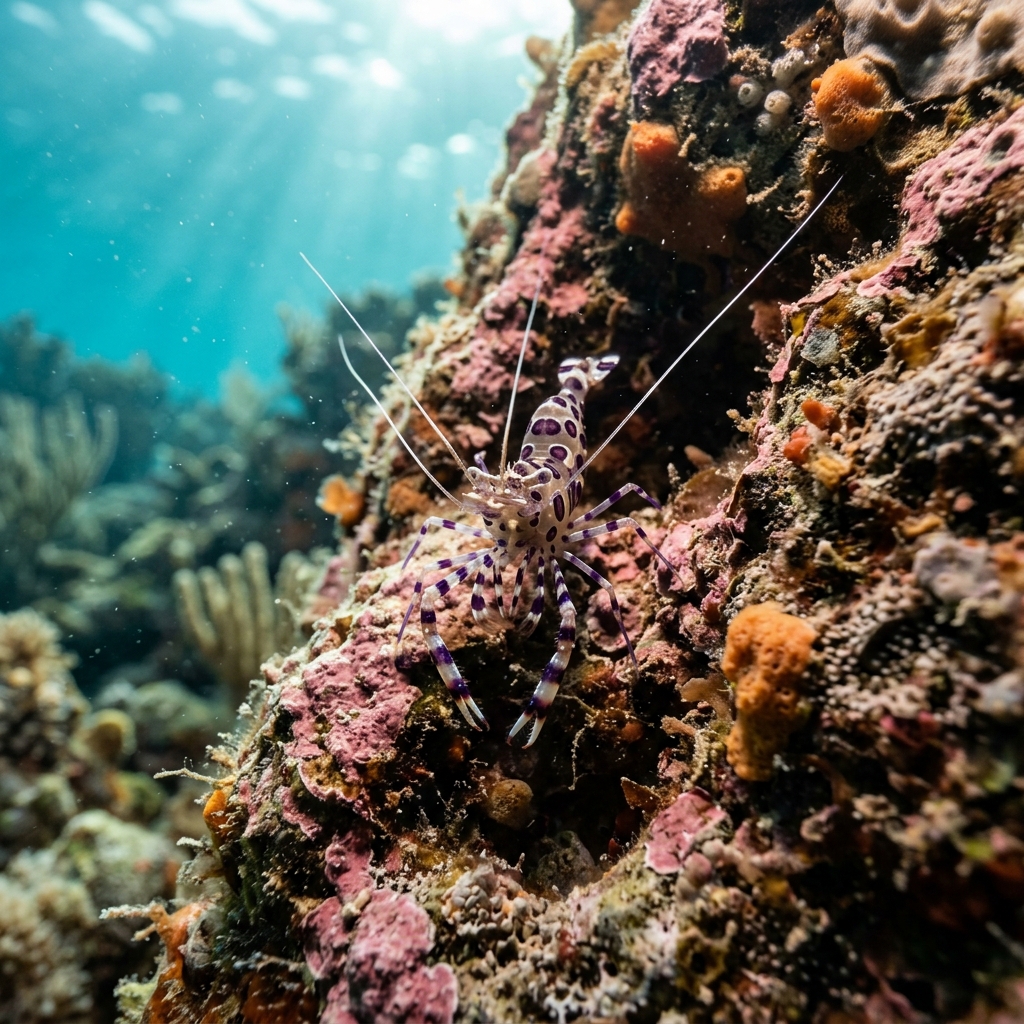
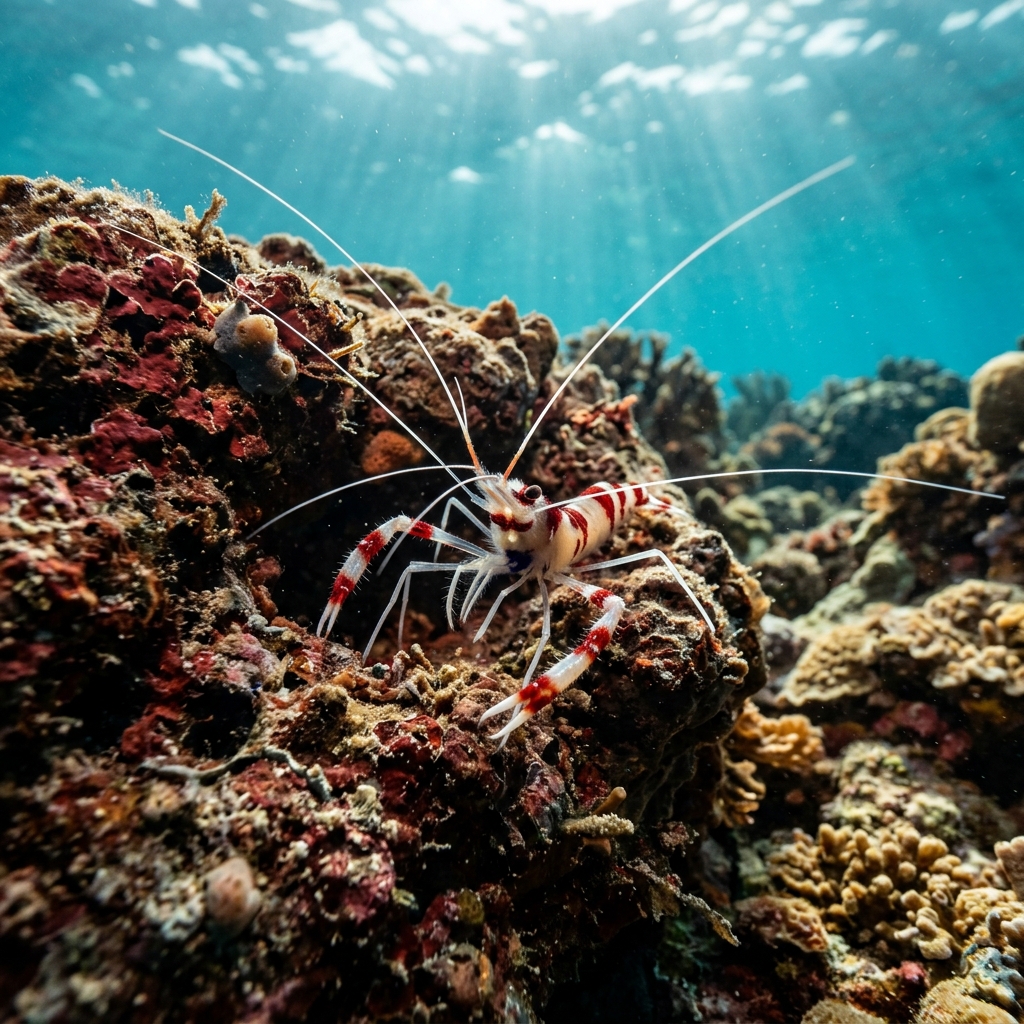
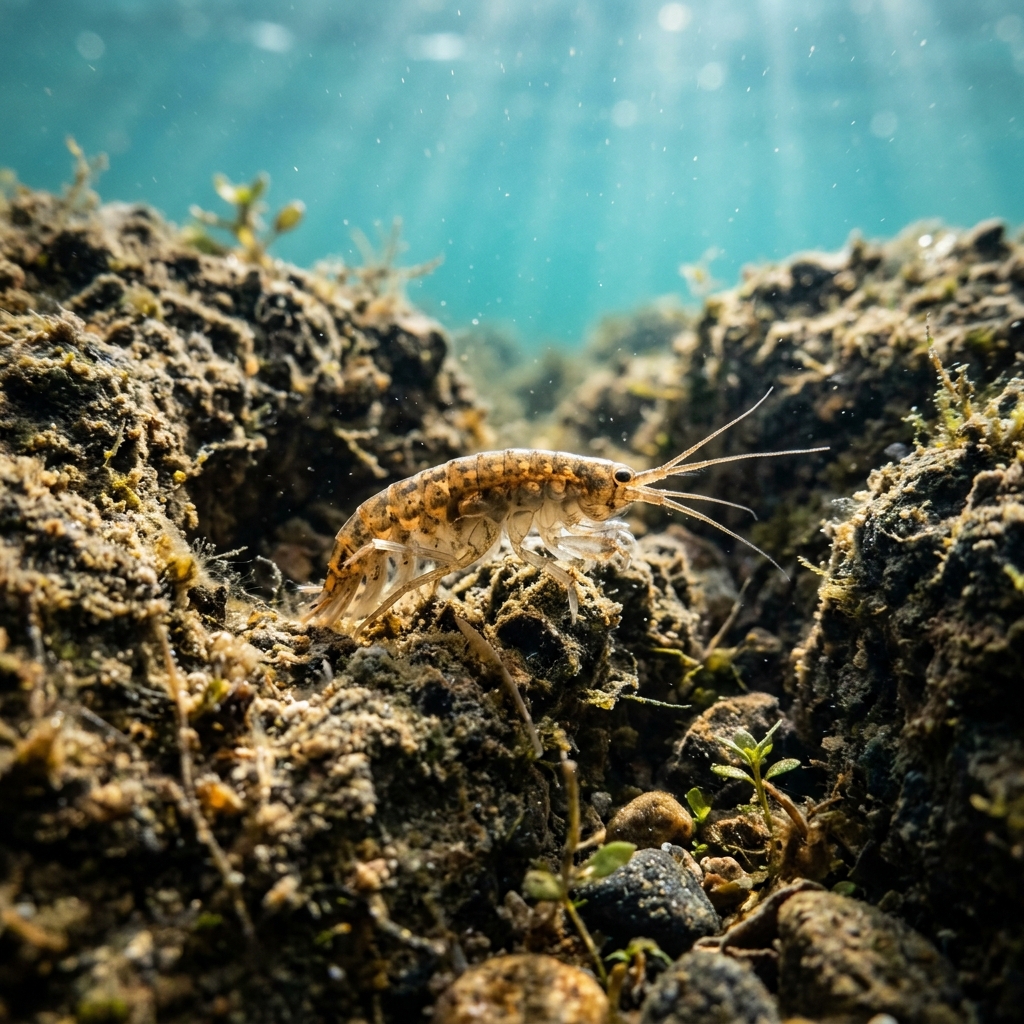
Reef neighbours a diver could mistake it for. Use the identification notes above to tell them apart.
Most commonly logged in the Maldives, particularly around the Male and Ari Atolls, and along the South African coast from Durban northward. Strong populations are also recorded across Mozambique's Tofo region, Western Australia, and Bali and the wider Indonesian archipelago. Malaysia's Layang Layang atoll and Timor-Leste round out the Indo-Pacific spread.
Mapping where Ambon Cleaner Shrimp is logged…
The species is most reliably logged in the Maldives (Male and Ari Atolls), along the KwaZulu-Natal coast of South Africa, and around Tofo in Mozambique. It is also well recorded in Bali and the broader Indonesian archipelago, Western Australia, and Malaysia's Layang Layang.
Southern Hemisphere sightings cluster between February and June. On tropical reefs across the Maldives and Indonesia the species is present through much of the year, as it tolerates water temperatures from roughly 19 to 29°C. Slow, reef-hugging dives at any time of year improve your chances.
Look for a distinctive white stripe running straight along the top of the body from head to tail, bordered by vivid red on each side. Long, bright white antennae wave noticeably at cleaning stations. The combination of that crisp dorsal stripe and active antenna-waving behaviour separates it from most other small reef shrimp.
They are a small shrimp, typically reaching around 3 to 6 cm in total body length. The long white antennae can exceed the body length, making the animal appear larger at first glance on the reef.
Each individual is a simultaneous hermaphrodite, carrying both male and female reproductive tissue at the same time. When two individuals meet, they can both act as father and mother in a single pairing. This maximises reproductive success when partners are scarce on a reef.
Site and sighting data is aggregated from diver logs, iNaturalist and GBIF. For taxonomy and conservation status:
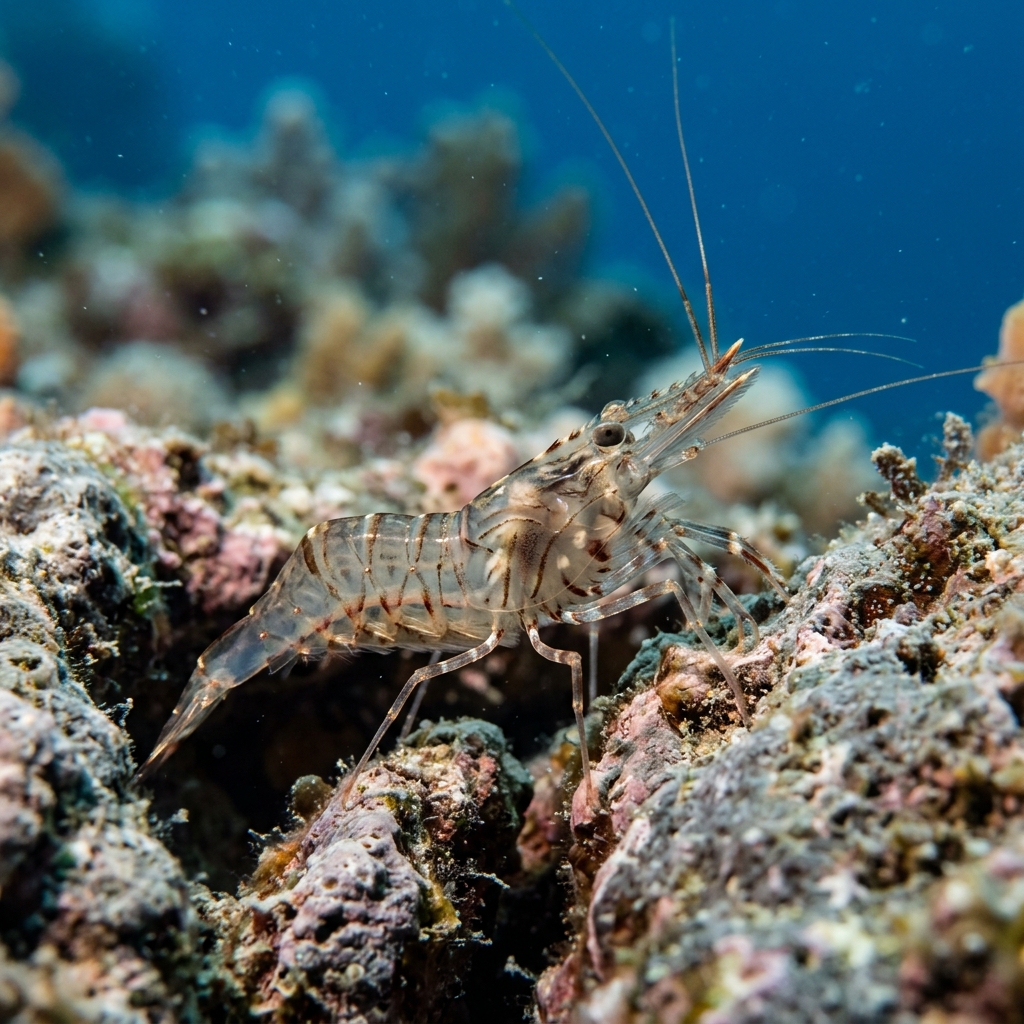
Rockpool Prawn
2,179 sites