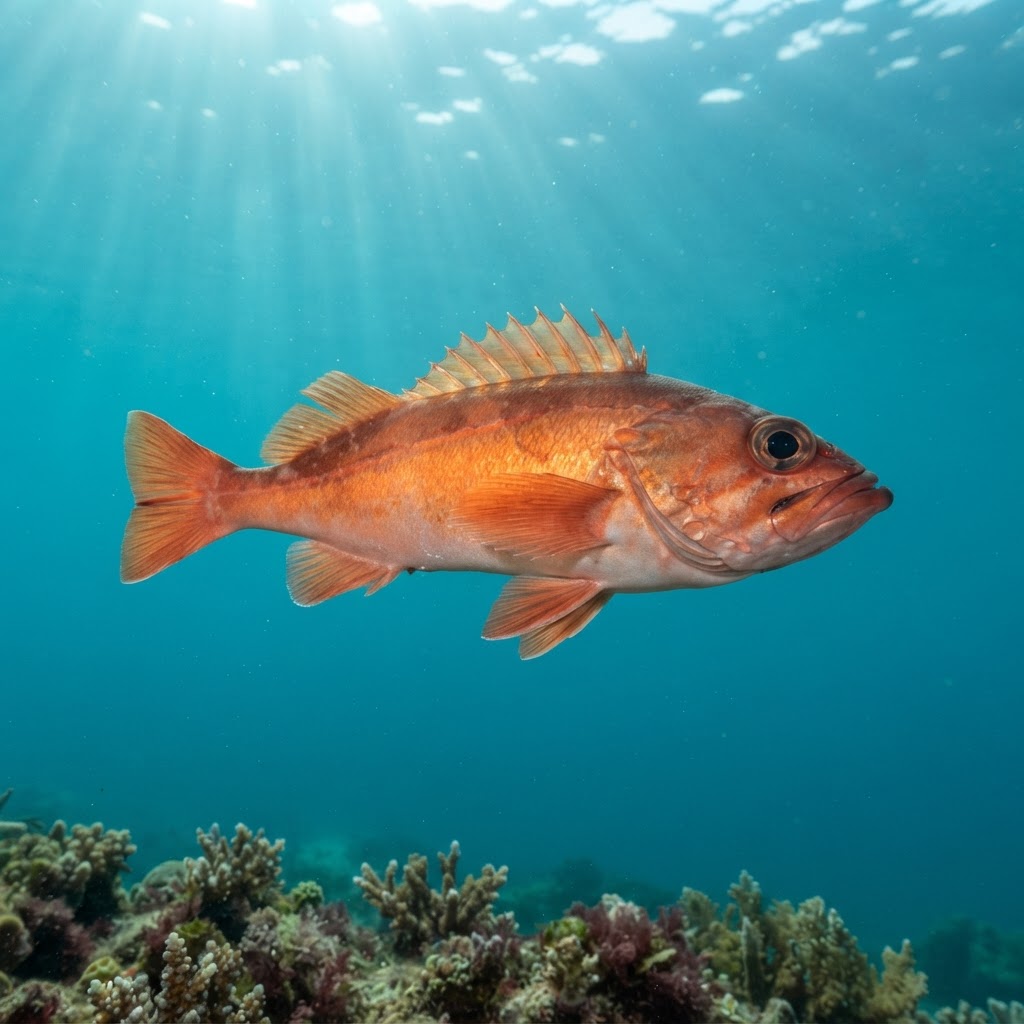
Sebastes goodei
Rarely logged and cold-water only: chilipepper rockfish turn up in California in 7 to 9.7C water. Here's how to spot one.
Safety warning
Scorpionfish family members carry venomous spines in their dorsal, anal and pelvic fins, and this species is no exception. Keep hands and gear away from direct contact with any rockfish resting on the reef, and watch buoyancy near rocky ledges where one might be sitting unseen.
If you're stung
Venomous spinesGeneral first-aid guidance, not a substitute for professional medical care. In an emergency, call your local emergency number.
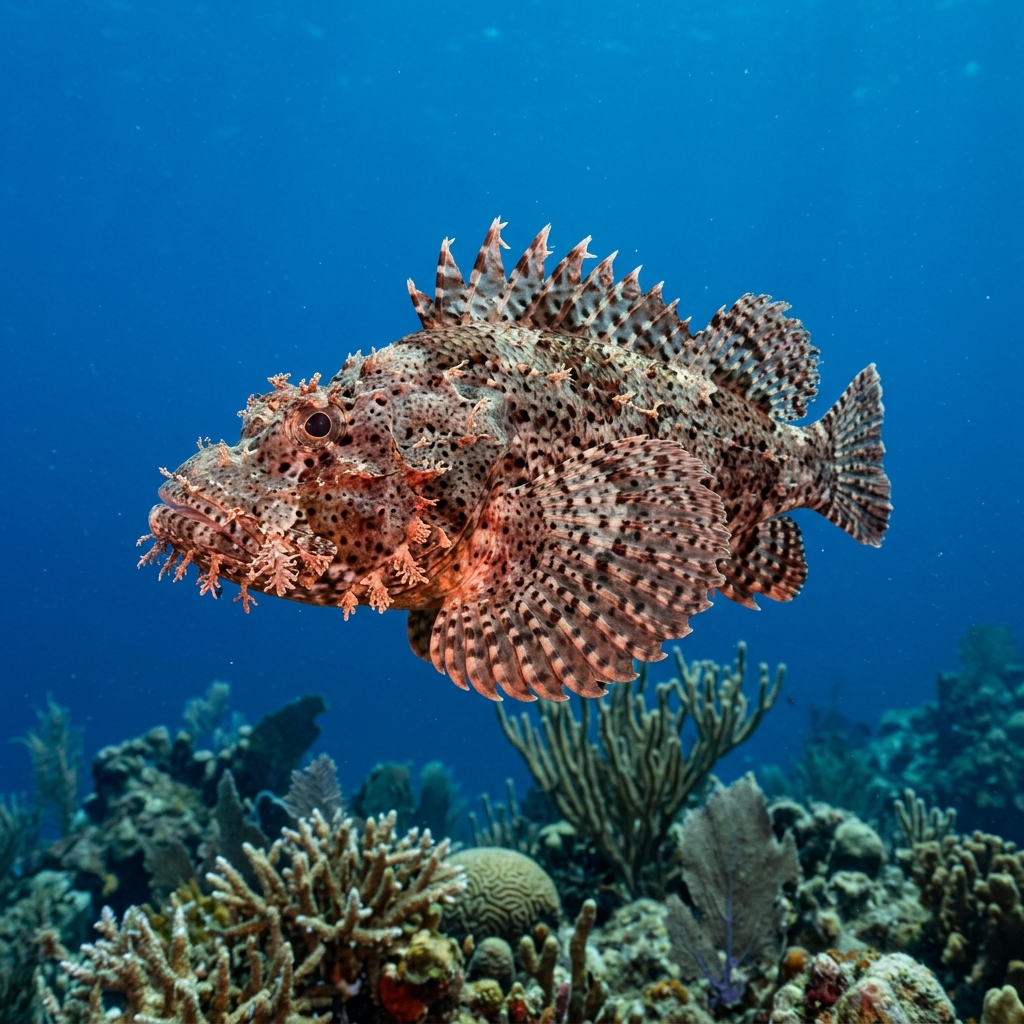
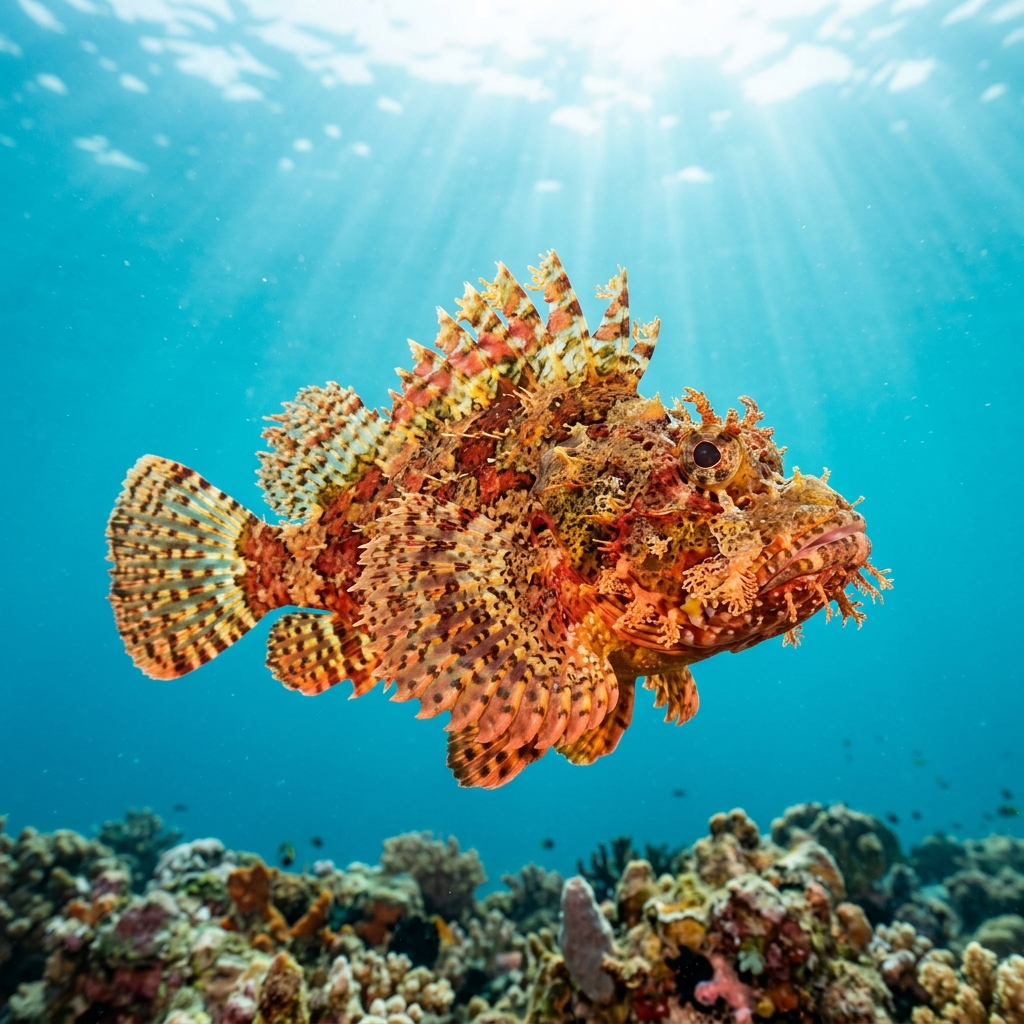
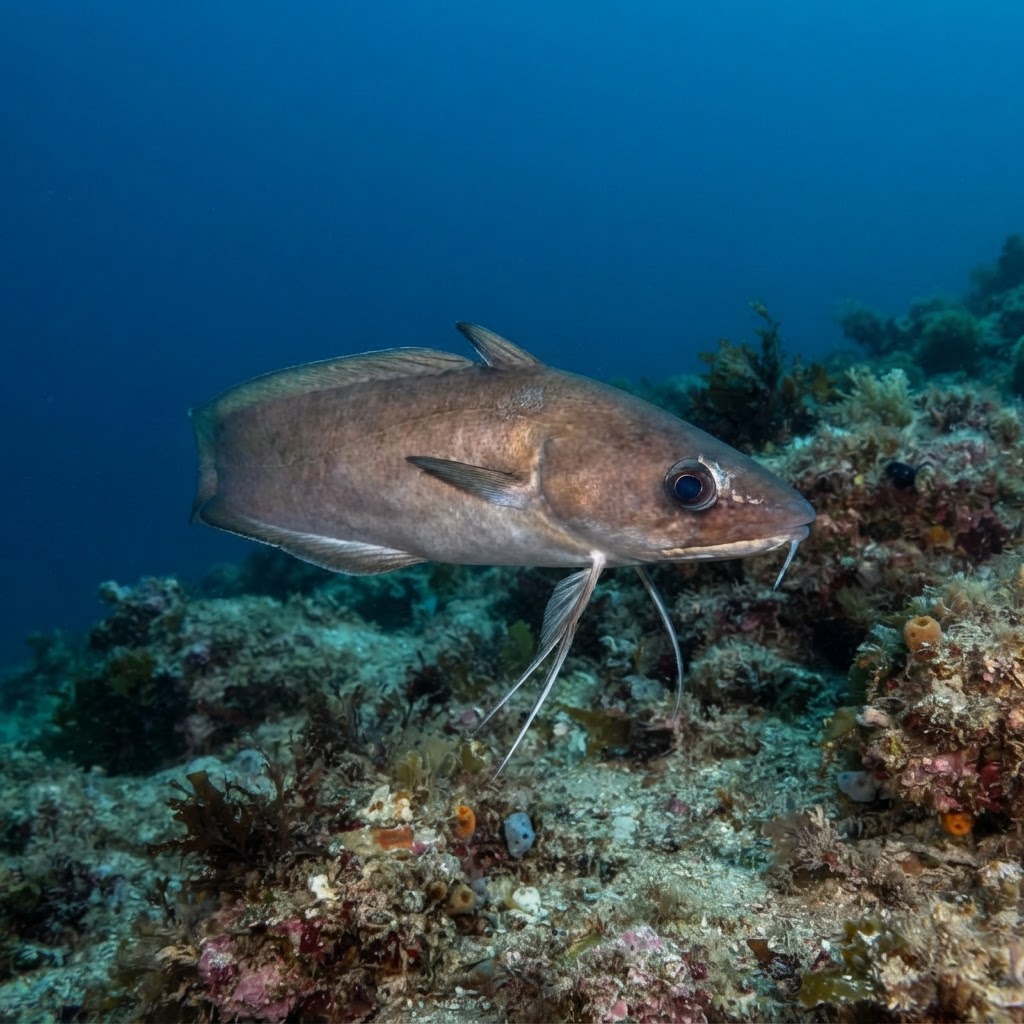
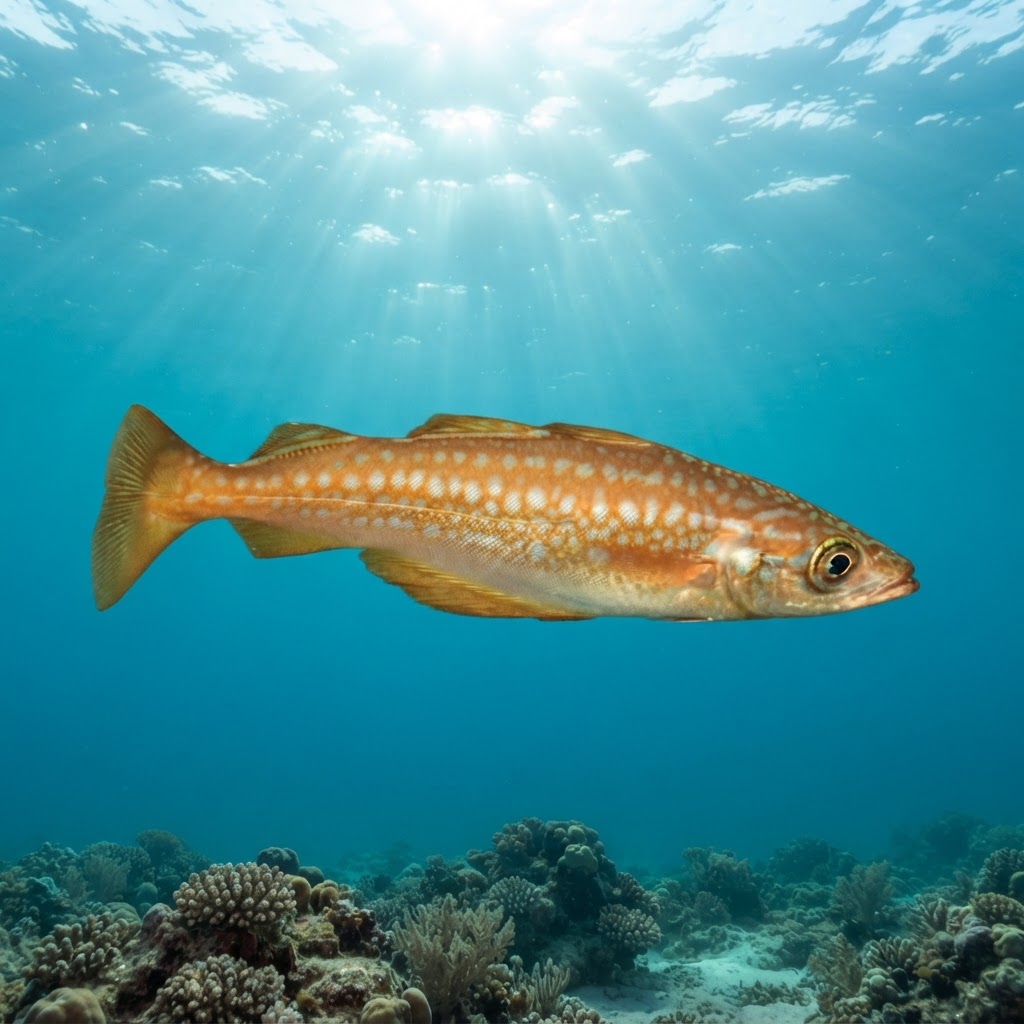
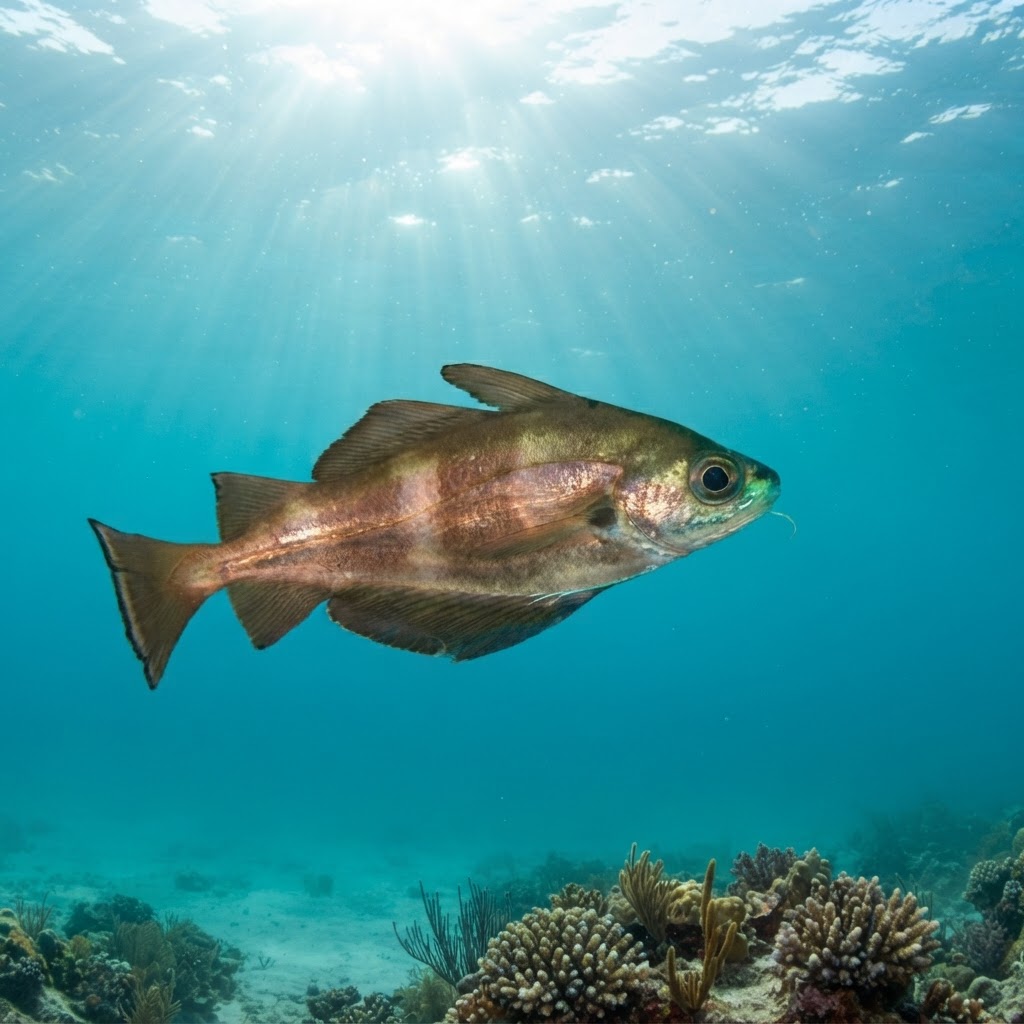
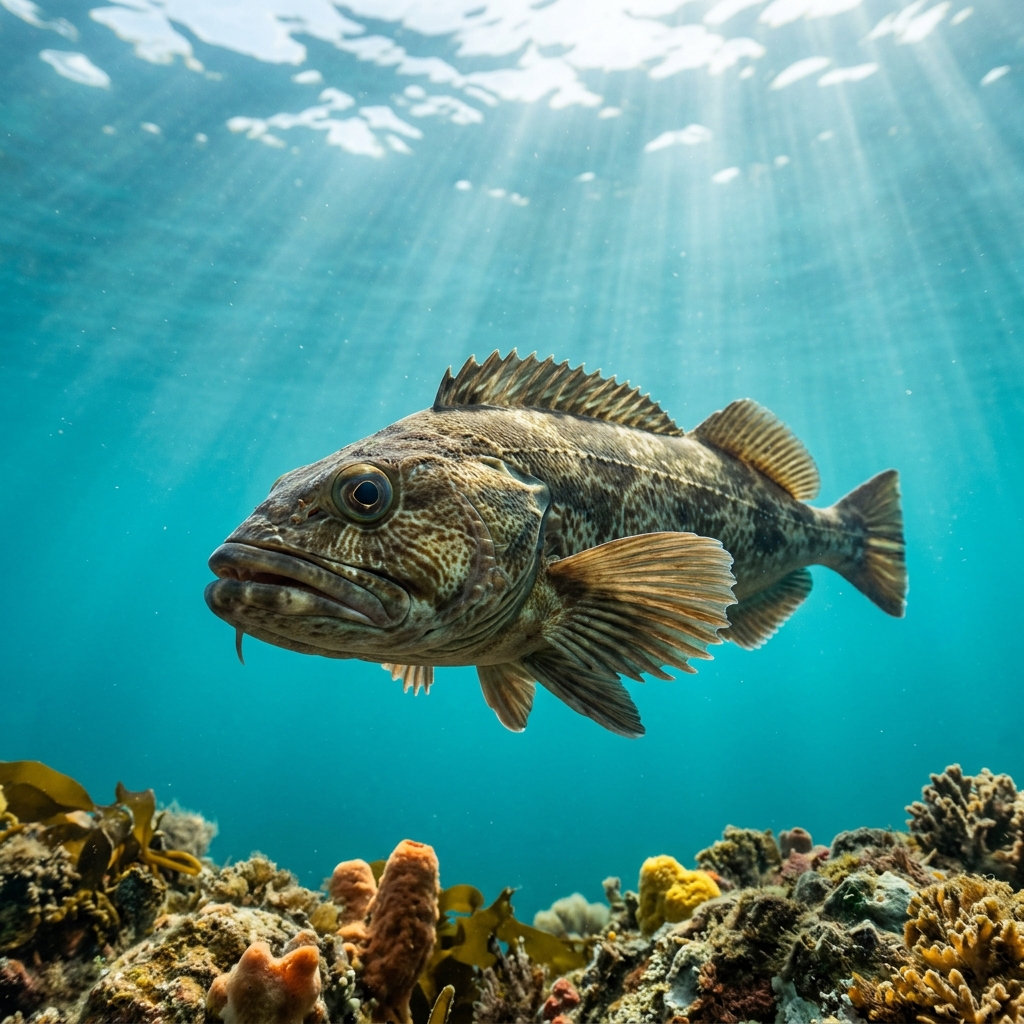
Slim, spindle-shaped body reaching around 39cm, coloured pinkish-red to olive with a dusky patch on the gill cover and pale blotching along the flanks. The lower jaw juts out slightly and the fins carry faint dark edging, both useful cues when it's hovering just off a rocky ledge in murky, cold water. Look for the overall slender profile compared to bulkier rockfish, which helps separate it from similar-looking scorpionfish at a glance.
Divers typically find it holding still near rocky reef structure or ledges in cold, deep water, relying on its mottled colouring to blend into the rock rather than swimming off when approached. It's not a fish that schools or displays, so most encounters are brief, close-range sightings of a single individual tucked against the reef.
Like other rockfish, it's a live-bearer: females release fully developed larvae rather than laying eggs, an unusual reproductive strategy for a fish this size.
Sightings don't show a clear season, and the narrow 7 to 9.7C temperature niche points to a fish tied to cold, deep California water year-round rather than a seasonal visitor. Plan around general California cold-water diving conditions rather than a specific month.
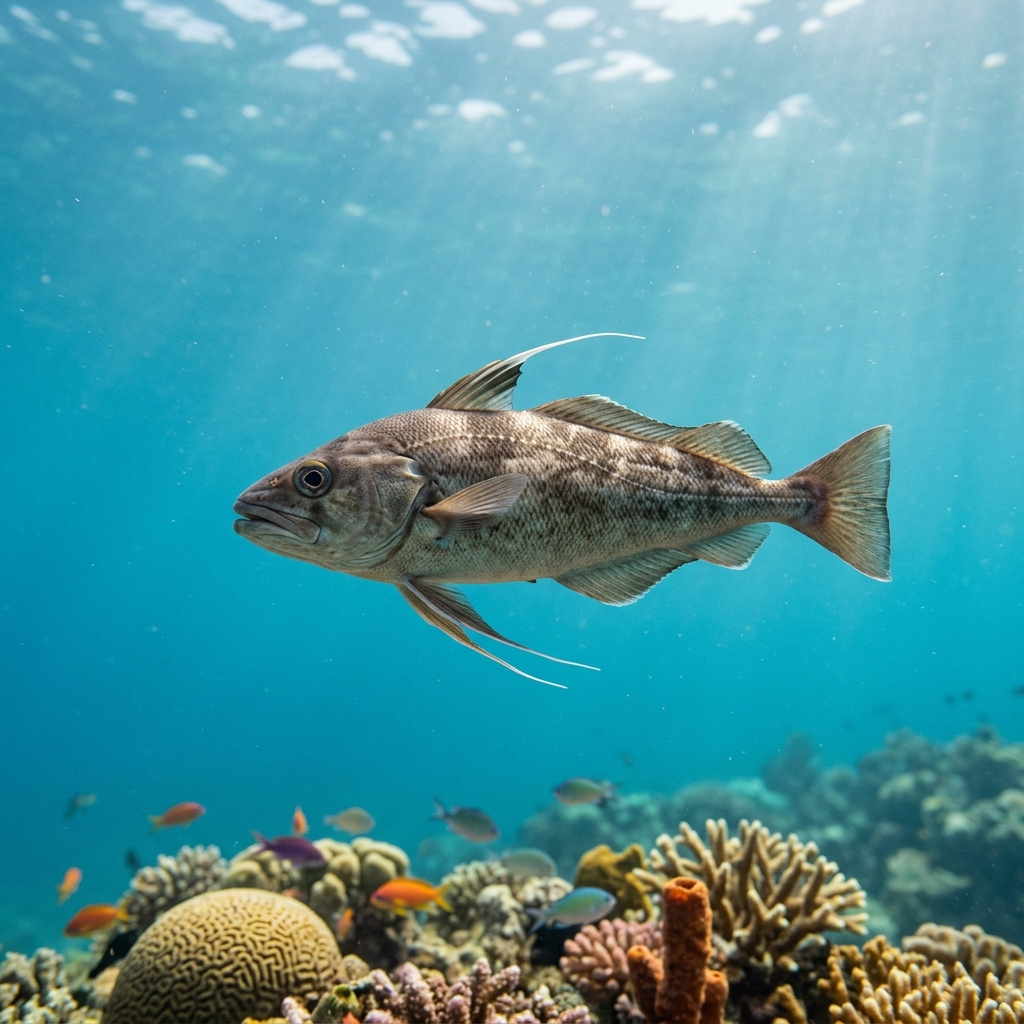
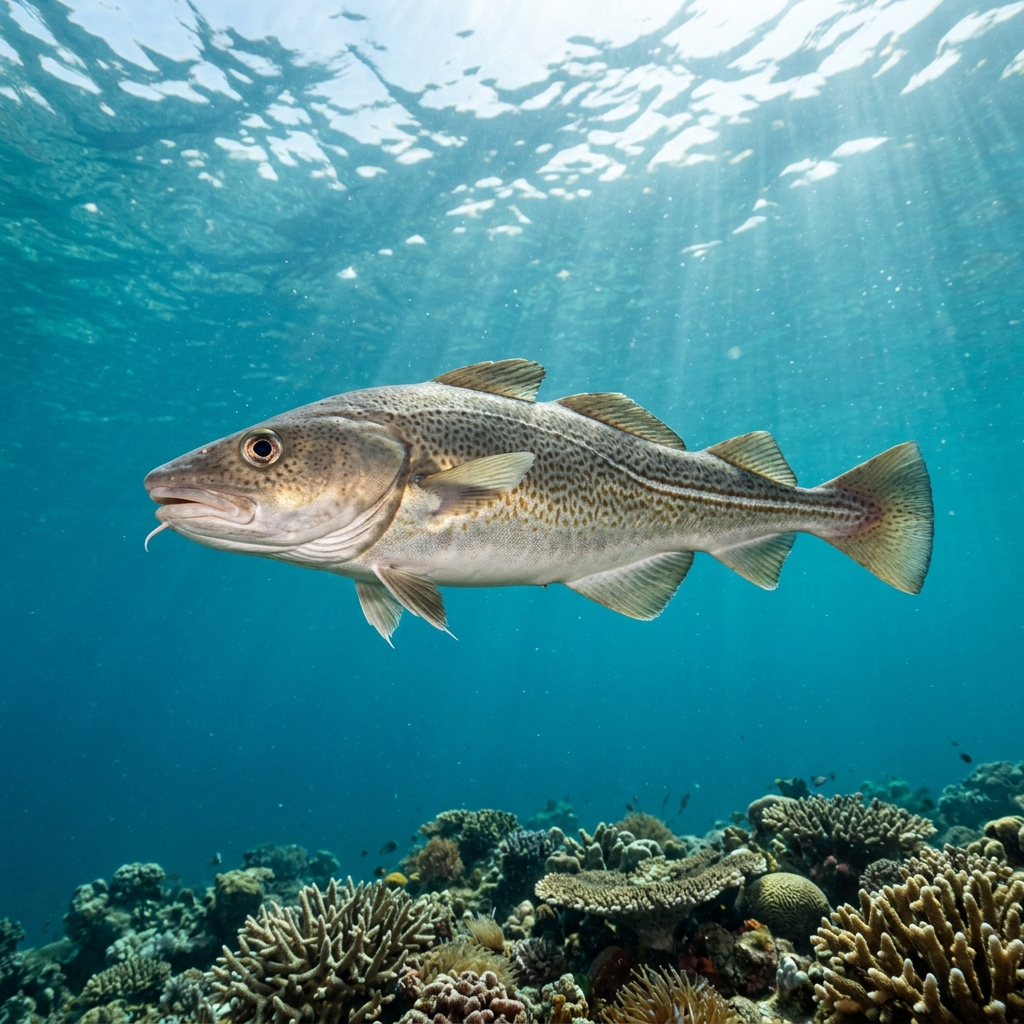
Reef neighbours a diver could mistake it for. Use the identification notes above to tell them apart.
Logged sites so far sit entirely in California, United States, making it the only real place in the data to plan a search for this species. Sightings are rare even there, so treat any encounter as a bonus rather than the goal of the dive.
Mapping where Chilipepper Rockfish is logged…
The only confirmed sightings in the data come from California, United States, where it's found on rocky reef habitat in cold water. It's not a species you'll find on tropical reefs elsewhere.
There's no detected seasonal pattern, and its narrow cold-water niche of 7 to 9.7C suggests it's a year-round resident of deeper California waters rather than a seasonal visitor.
Yes, it carries venomous spines typical of the scorpionfish family. Avoid touching it or resting your hands on rocky ledges where one might be hiding.
Look for a slender, pinkish-red to olive body around 39cm long, a dark smudge on the gill cover, and a slightly protruding lower jaw. Its slimmer build helps separate it from bulkier scorpionfish look-alikes.
They typically reach around 39cm in length, a mid-sized member of the rockfish group.
They're live-bearers: rather than laying eggs, females release fully formed larvae into the water, a trait shared across the rockfish genus.
Site and sighting data is aggregated from diver logs, iNaturalist and GBIF. For taxonomy and conservation status:
Pollack
282 sites