Scomberomorus regalis
Streaked, torpedo-shaped and quick, cero turn up on reefs from Grenada to Grand Cayman in 23-28C water, year-round.
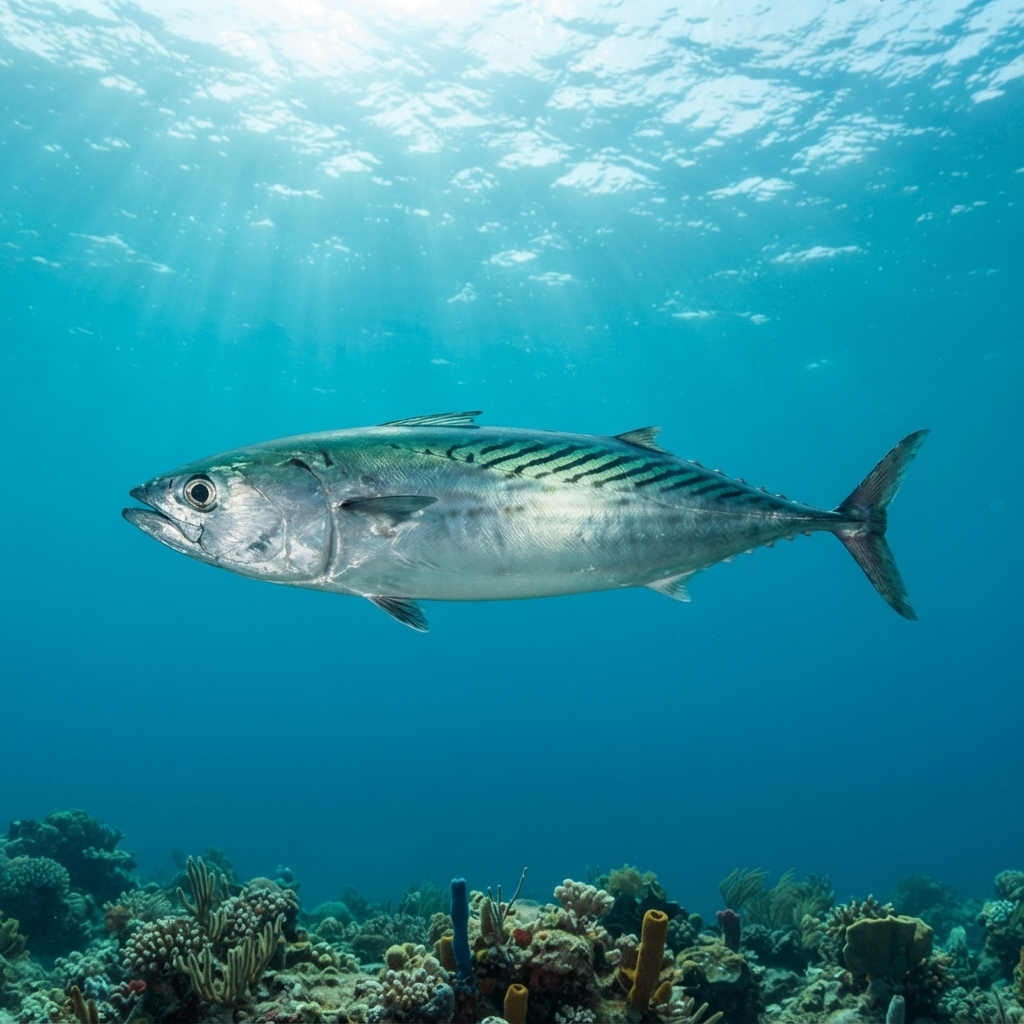
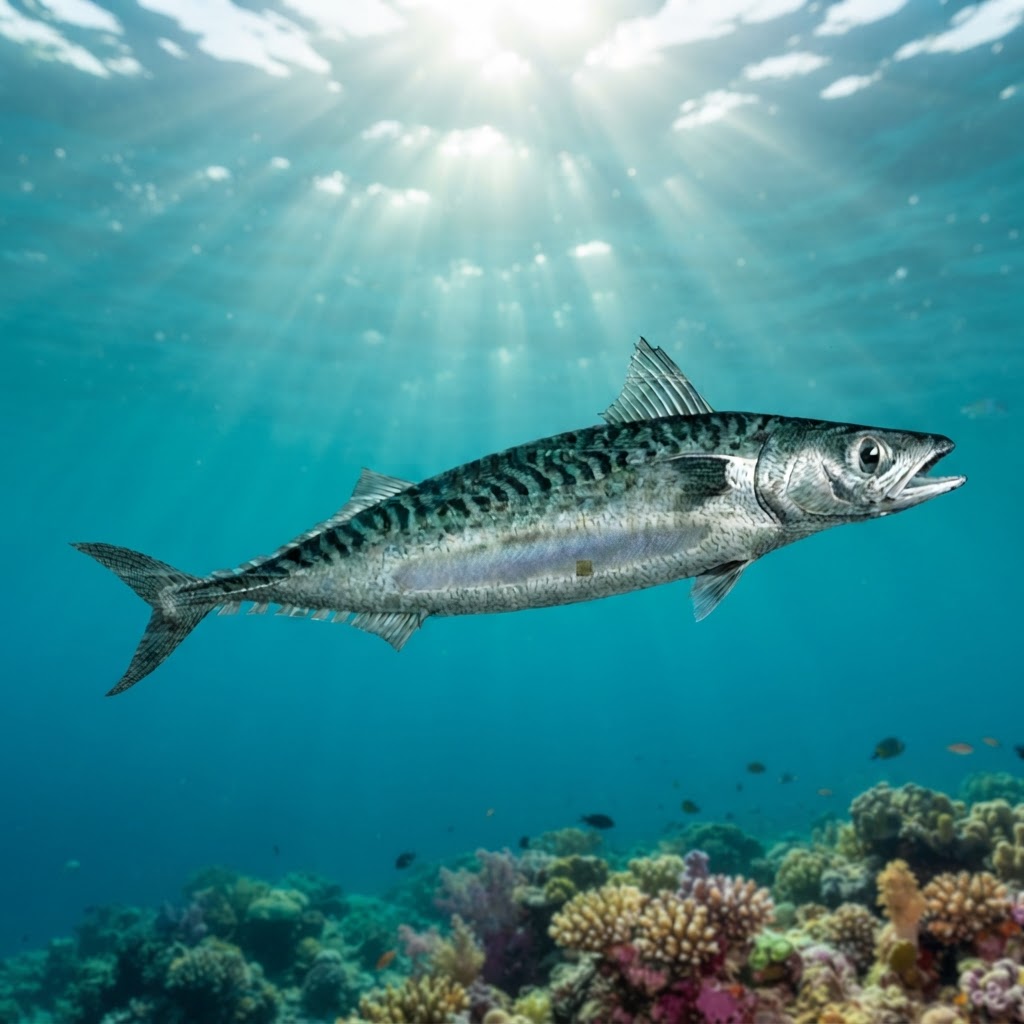
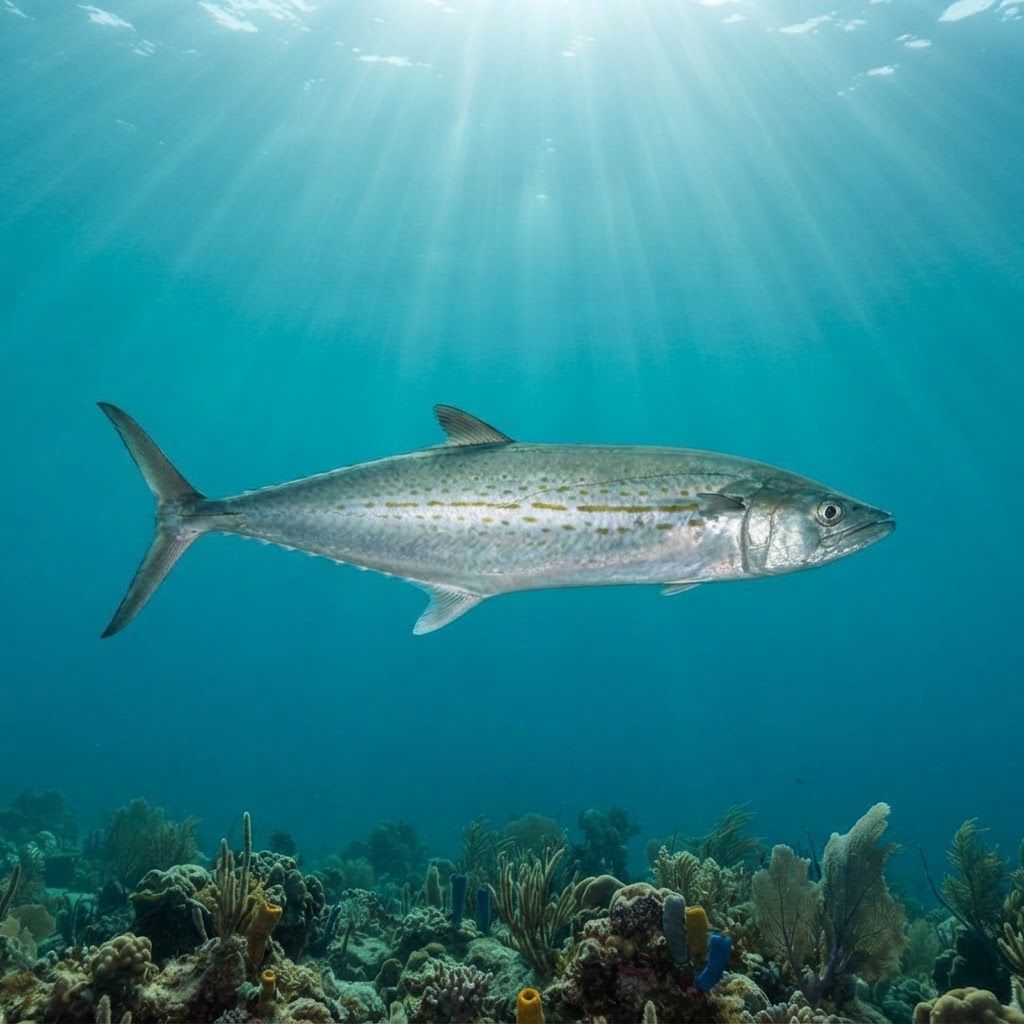
Long, torpedo-shaped body with a silvery flank marked by a distinct bronze or yellow lateral stripe running from gills to tail, plus rows of bronze spots above and below it. Grows up to 128 cm, though most divers see smaller individuals cruising mid-water or along the reef edge. The deeply forked tail and pointed snout are typical mackerel shape, and it holds a straighter, more purposeful swimming line than the reef fish around it.
Divers usually see cero alone or in small loose groups, moving steadily along the reef edge or just off the drop-off rather than holding a fixed station. It hunts by sight in open water over reef, chasing small baitfish, and tends to keep its distance rather than approach divers out of curiosity. Shallow depths of 1 to 20 metres put it well within recreational range, often spotted mid-water on the blue side of a reef wall.
Cero is a solitary hunter for a mackerel, more often seen singly or in twos than in the tight schools typical of many Scomberomorus relatives, which is partly why sightings log as uncommon or rare even on reefs where it's present.
No clear seasonal pattern shows up in the sighting data, so treat it as a year-round possibility on Caribbean and Florida reefs. It sits comfortably in 23.4 to 28.1C water, a range these reefs hold for most of the year, which fits with sightings spread evenly rather than clustering in one season.
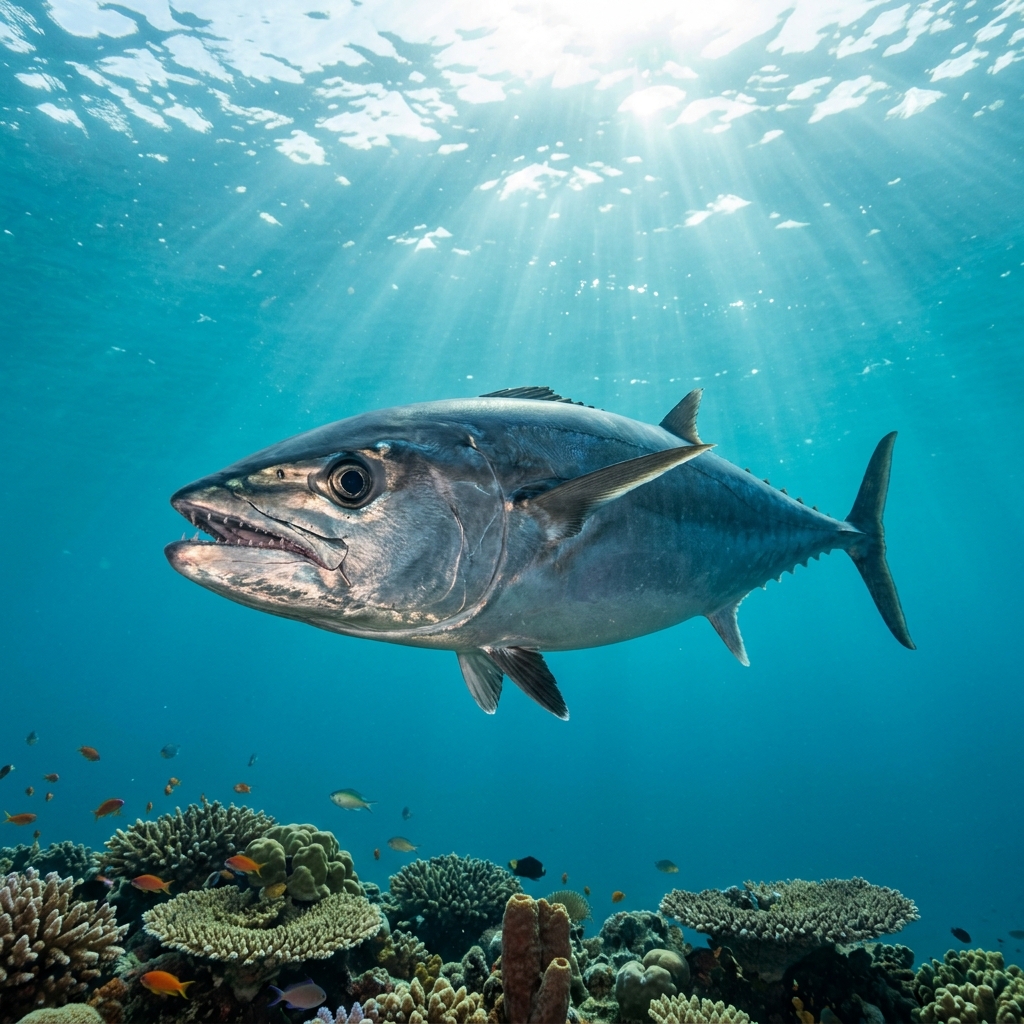
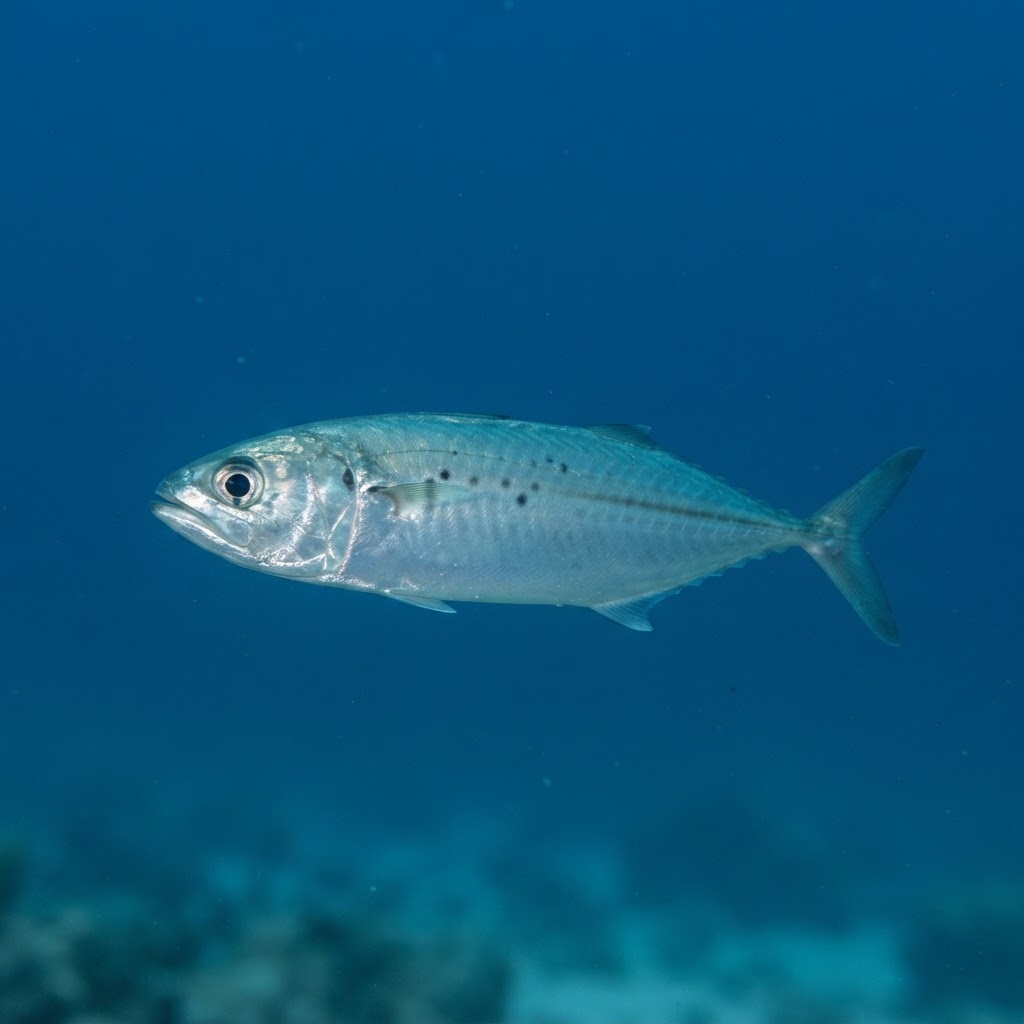
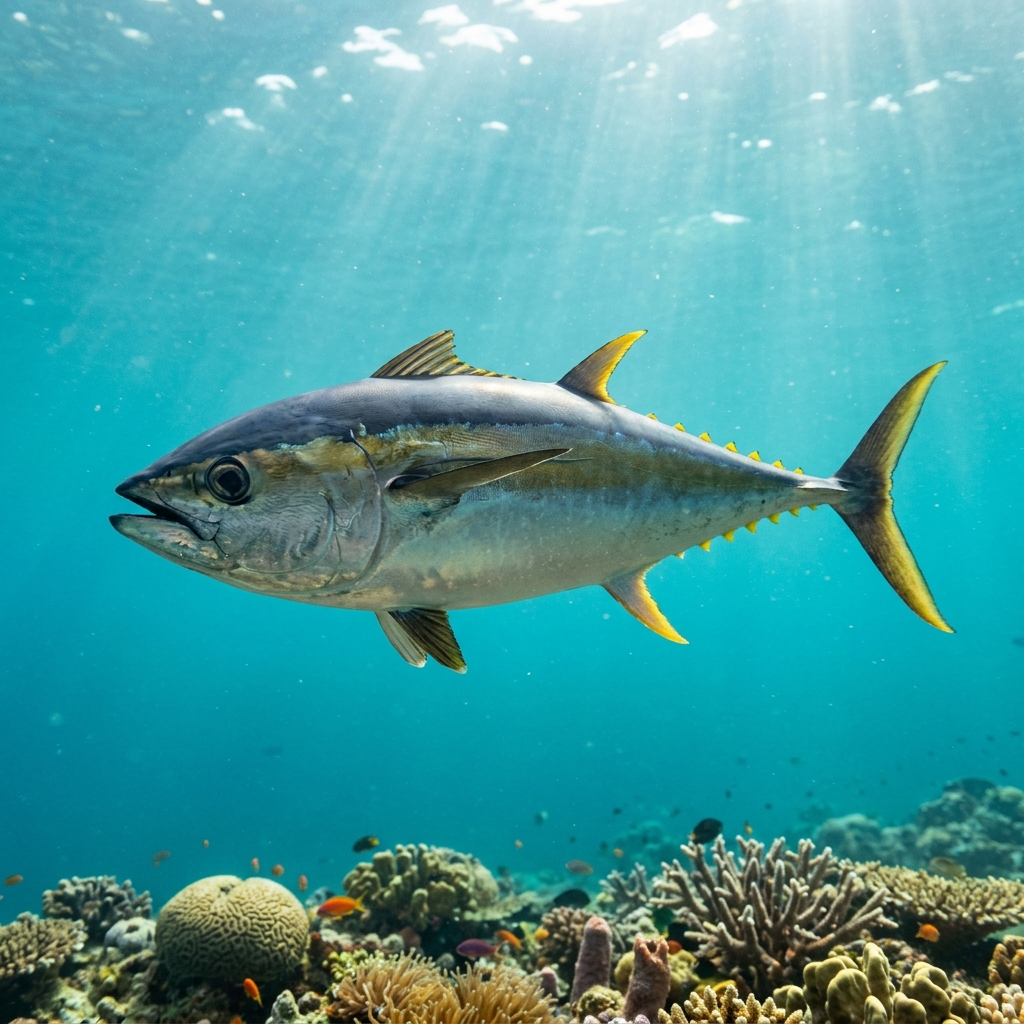
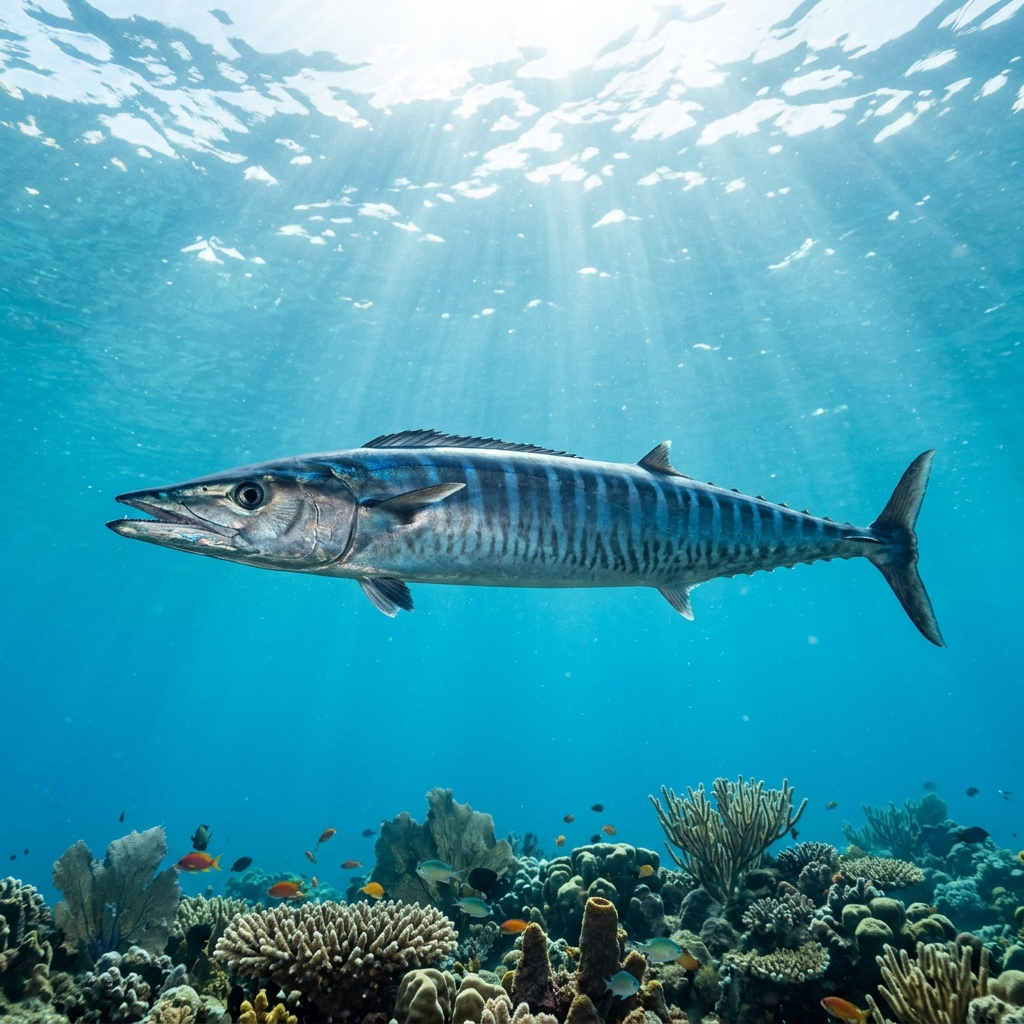
Reef neighbours a diver could mistake it for. Use the identification notes above to tell them apart.
Most reliably logged in Florida, on Grenada's reefs, and around Grand Cayman, with a further foothold in Carlisle Bay in Barbados and the Soufriere-Scotts Head Marine Reserve in Dominica. Smaller numbers turn up in the Dominican Republic's Bayahibe area, Martinique and Mexico's Yucatan Peninsula, but sightings across all these sites tend to run uncommon to rare rather than guaranteed.
Mapping where Cero is logged…
Florida, Grenada and Grand Cayman have the strongest logged sightings, with smaller numbers reported in Barbados, Dominica, the Dominican Republic, Martinique and Mexico. Even at these sites it's an uncommon to rare find rather than a guaranteed encounter.
There's no strong seasonal signal in the data, so it's considered a year-round sighting on the reefs where it's found. It favours water between 23.4 and 28.1C, a range Caribbean and Florida reefs hold for most months.
Look for a silvery, torpedo-shaped body with a bronze or yellow stripe running the length of the flank and rows of bronze spots above and below it. It swims in a straighter, more deliberate line than typical reef fish and can reach up to 128 cm.
They can reach up to 128 cm in length, though most divers encounter smaller individuals cruising reef edges rather than fish at the top end of that range.
No, cero pose no danger to divers. They keep their distance and are focused on hunting small baitfish rather than interacting with people in the water.
Site and sighting data is aggregated from diver logs, iNaturalist and GBIF. For taxonomy and conservation status:
Dogtooth Tuna
629 sites