Scomber scombrus
Fast-moving silver schools off Nova Scotia and Istria, best spotted in cool water between 7 and 17.5C. Here's how to find and ID them.
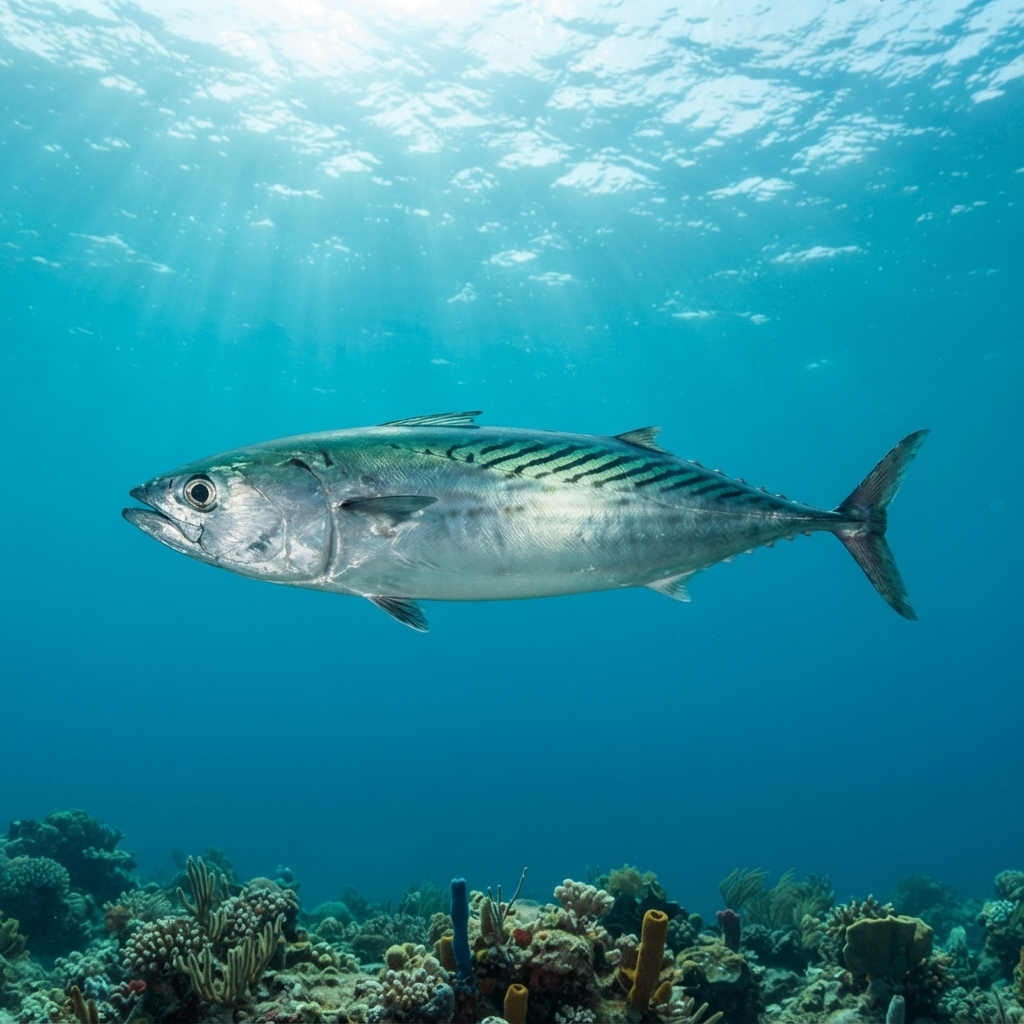
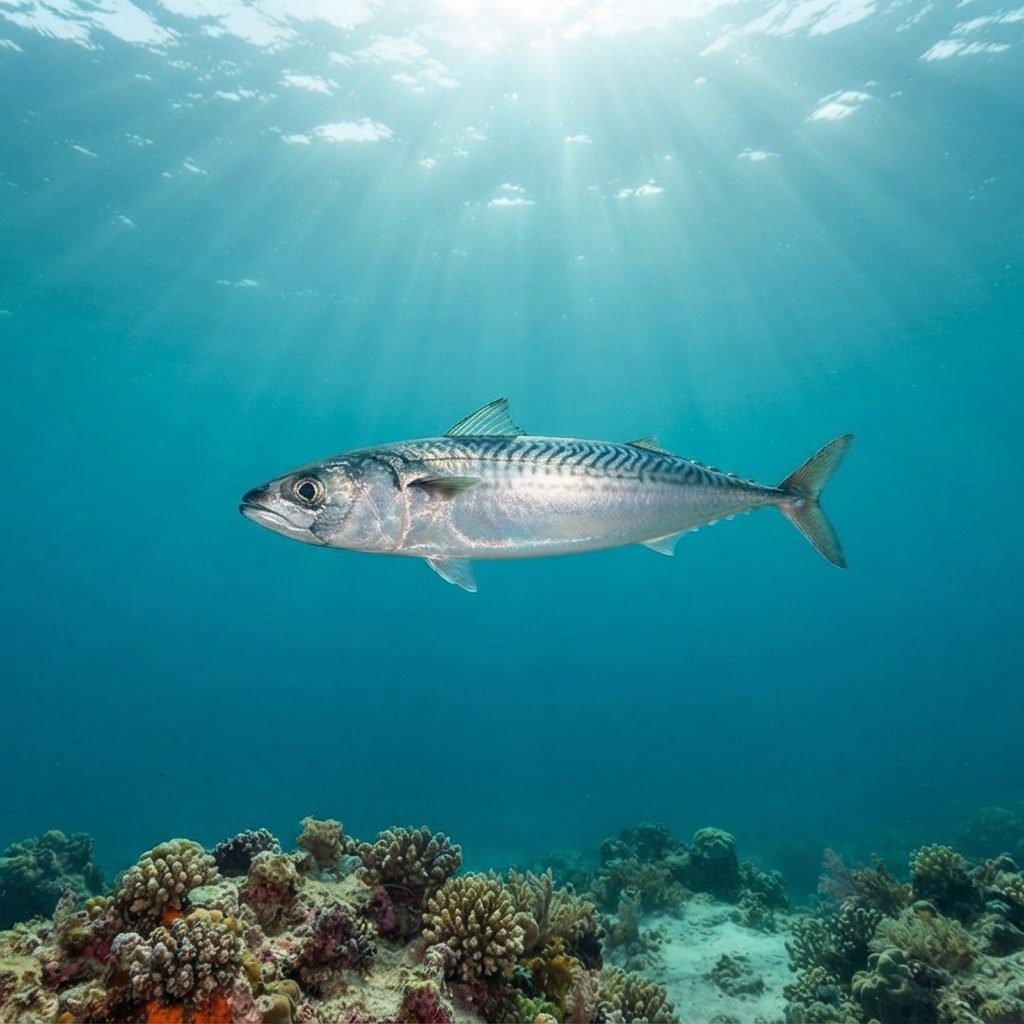
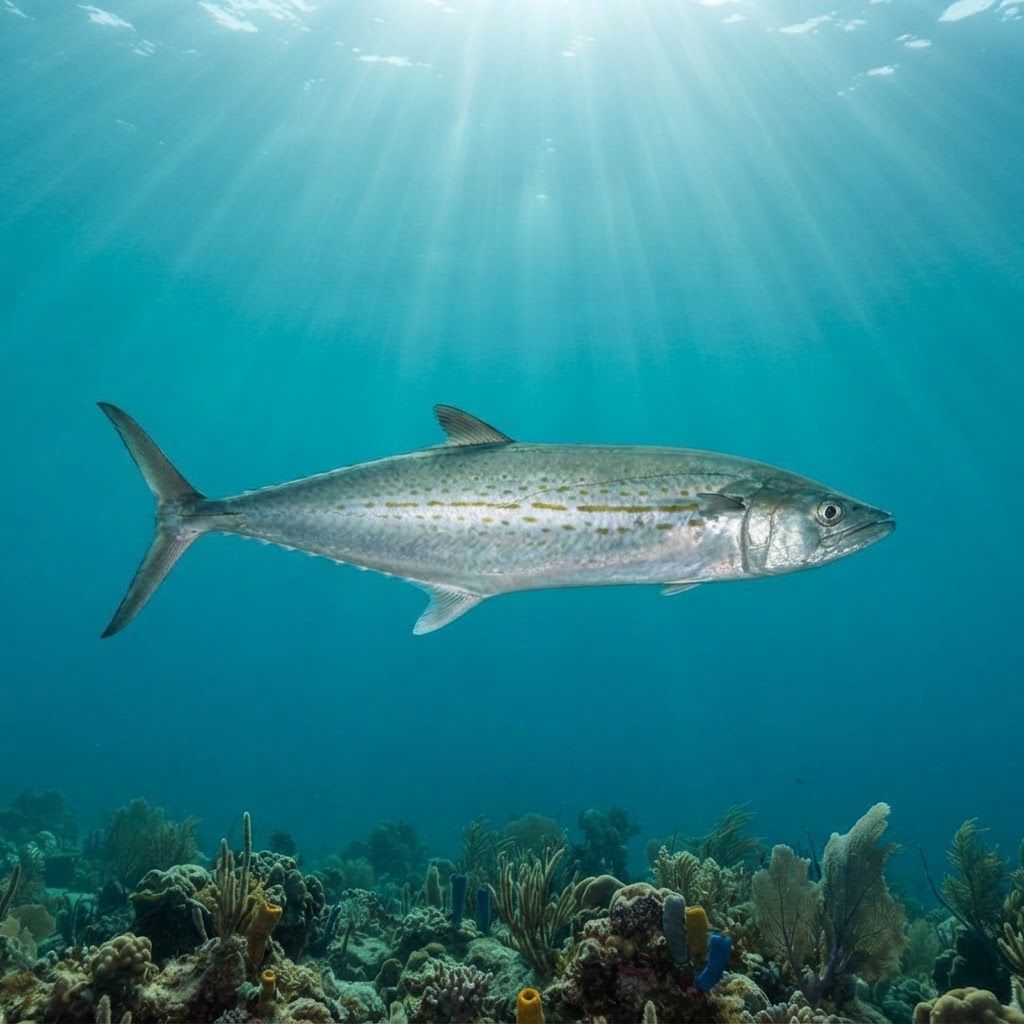
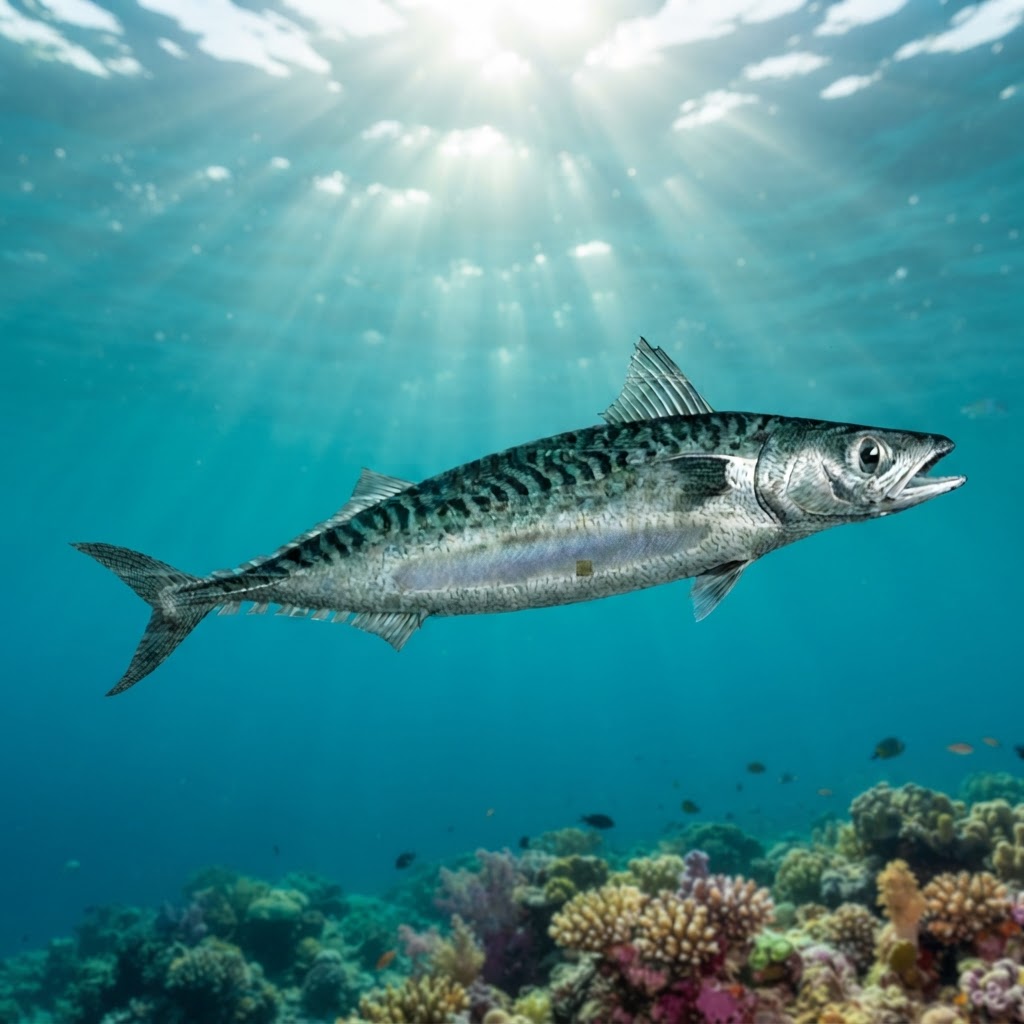
Torpedo-shaped and streamlined, growing to around 42cm, with a metallic blue-green back marked by dark wavy vertical stripes that fade into a silver-white belly and flanks. No scales are visible on most of the body, which gives it a smooth, almost polished look as it catches the light while swimming. It has a deeply forked tail and small finlets near the tail, and it almost always shows up in tight, fast-moving schools rather than alone.
Expect a tight, fast-moving school rather than a lone fish, often cutting through open water above the reef rather than hugging structure. They're logged as rare to uncommon at most sites, so a sighting is usually a quick pass rather than a lingering encounter, and the school will typically keep moving rather than circle back for a look at divers.
Mackerel schools swim constantly and never really stop, since they rely on forward motion to keep water flowing over their gills rather than pumping it actively like many other fish.
Sightings don't show a strong seasonal pattern in the data, so treat this as a year-round possibility wherever water sits in its comfort zone of roughly 7 to 17.5C. In practice that means cooler months and shoulder seasons in temperate regions like Nova Scotia and the Adriatic.
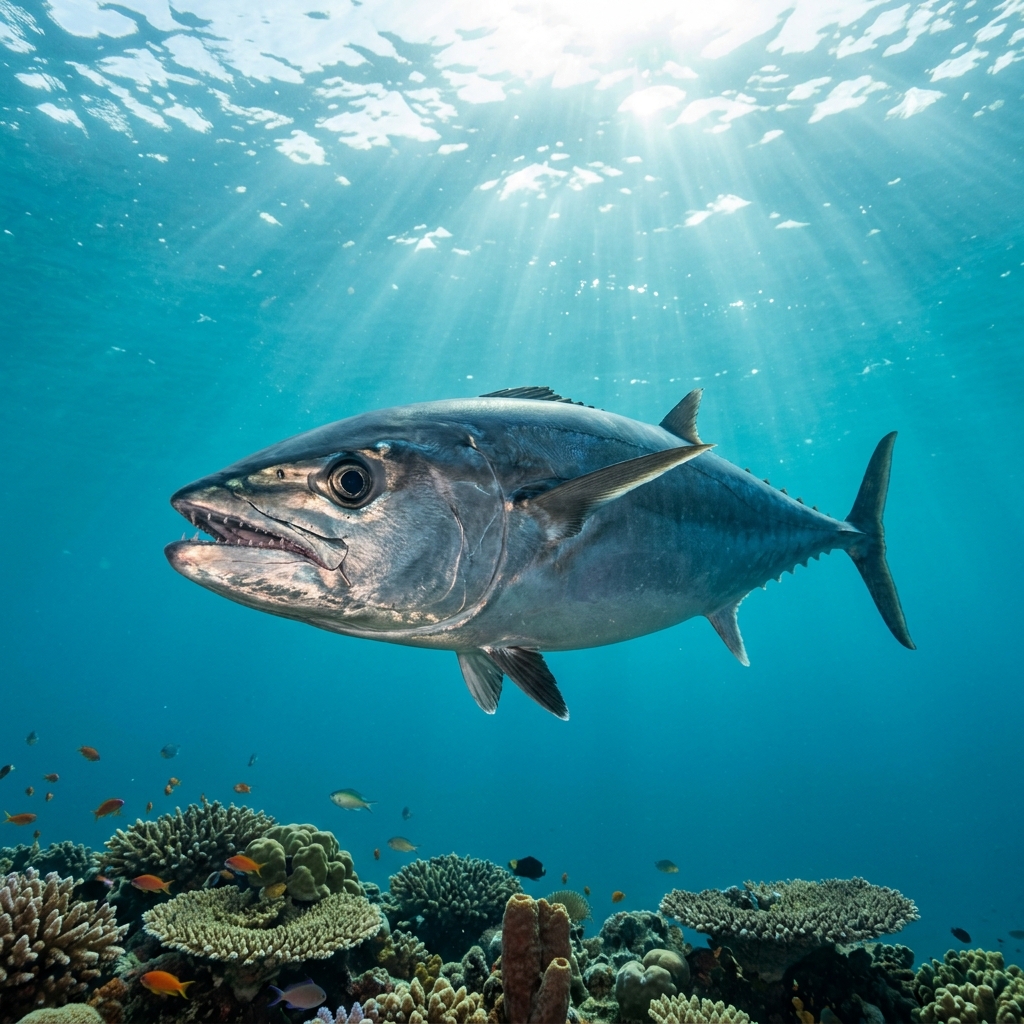
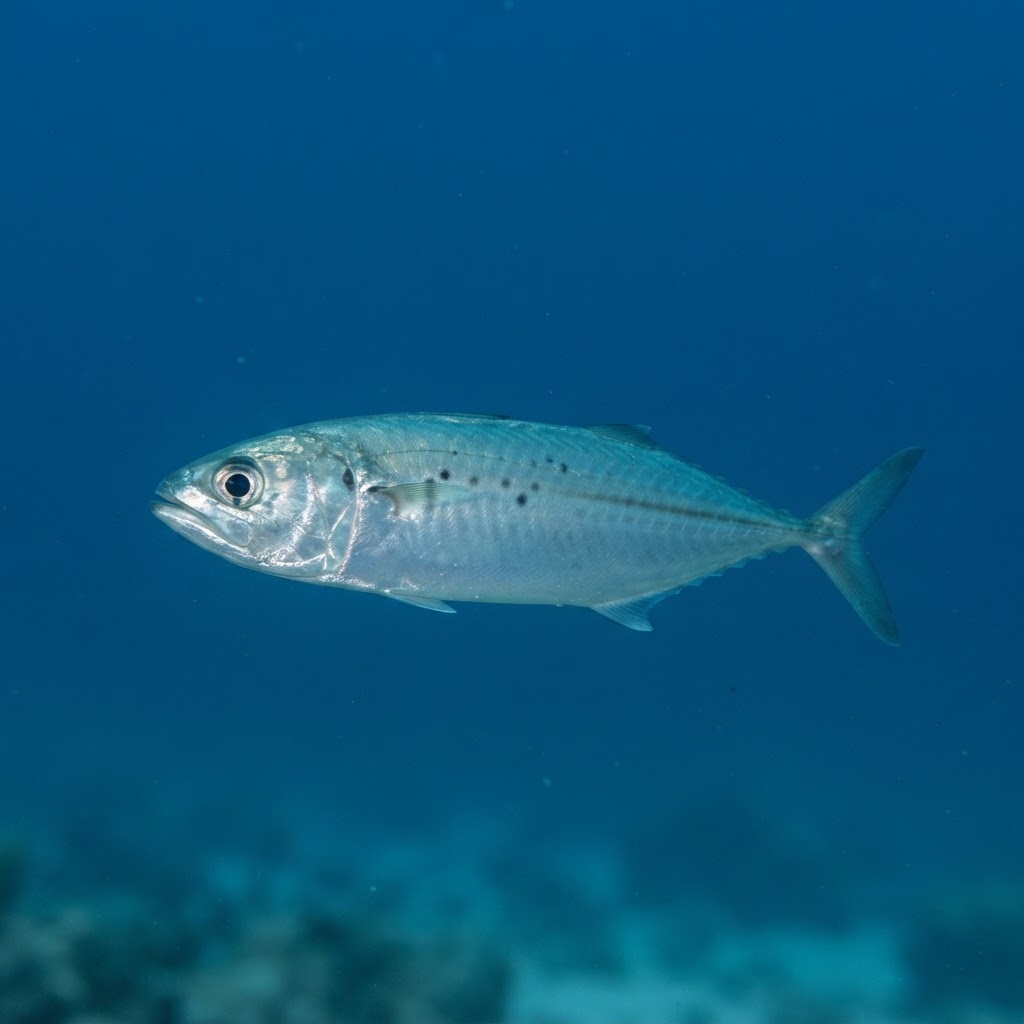
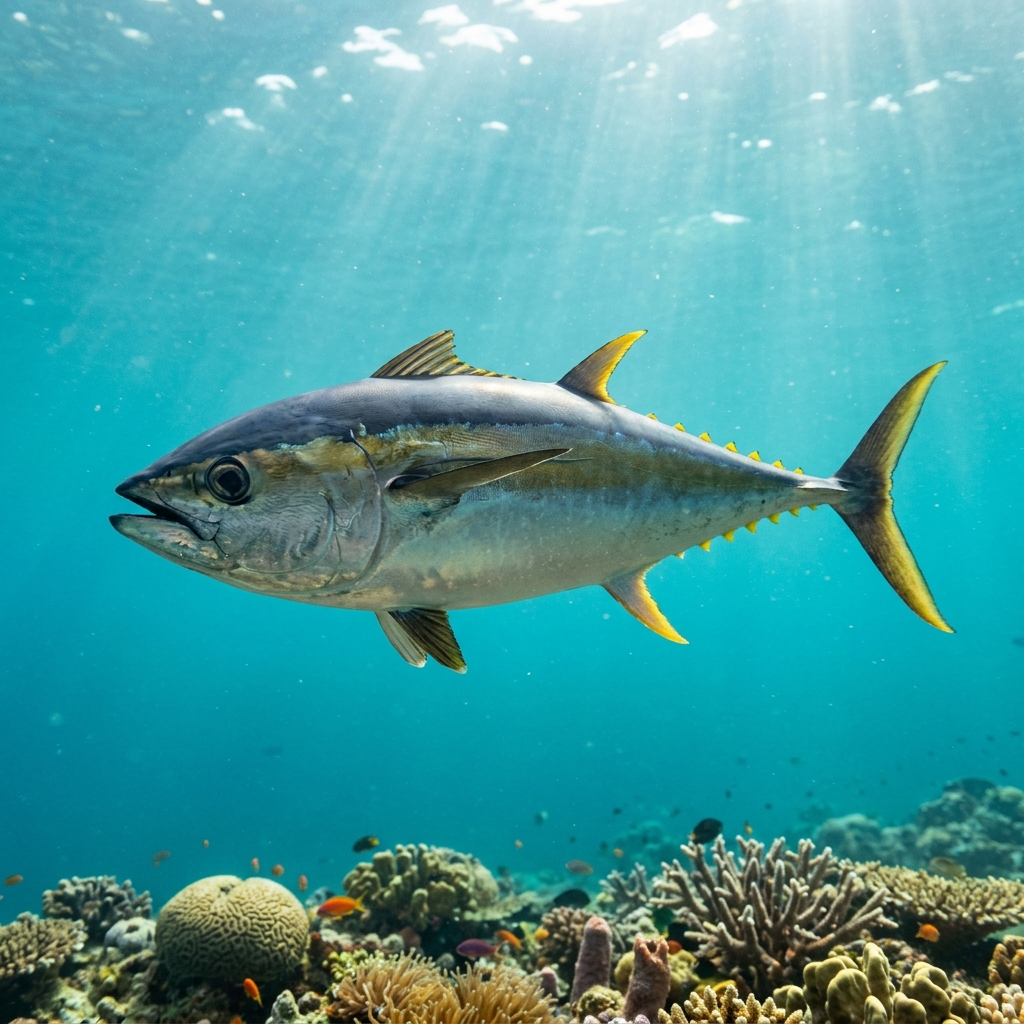
Reef neighbours a diver could mistake it for. Use the identification notes above to tell them apart.
Most reliably logged around Nova Scotia and New Brunswick in Canada, with strong showings along the Northeast coast of the United States. In Europe, divers pick them up in Istria, Croatia and along the Slovenian Coast, usually passing through in open water rather than tied to a specific reef feature.
Mapping where Atlantic Mackerel is logged…
Nova Scotia and New Brunswick in Canada are the most consistent spots, along with the Northeast coast of the United States. In Europe, Istria in Croatia and the Slovenian Coast also produce sightings.
There's no strong season in the sighting data, so they're logged year-round wherever water temperature sits between about 7 and 17.5C, which fits temperate sites like Nova Scotia through the cooler months.
Look for a silver, torpedo-shaped fish around 42cm long with a blue-green back covered in dark wavy stripes and a deeply forked tail. They're almost always seen schooling together in open water rather than resting on the reef.
Divers typically see them at around 42cm, a manageable size that lets them move fast in tight schools without much effort.
No. They have no interest in divers beyond curiosity at most, and there's no recorded risk associated with encountering a school.
Site and sighting data is aggregated from diver logs, iNaturalist and GBIF. For taxonomy and conservation status:
Dogtooth Tuna
629 sites