Acanthocybium solandri
Wahoo streak past divers in the Galápagos, Easter Island, and Cocos Island. Here's how to spot one and where sightings are most likely.
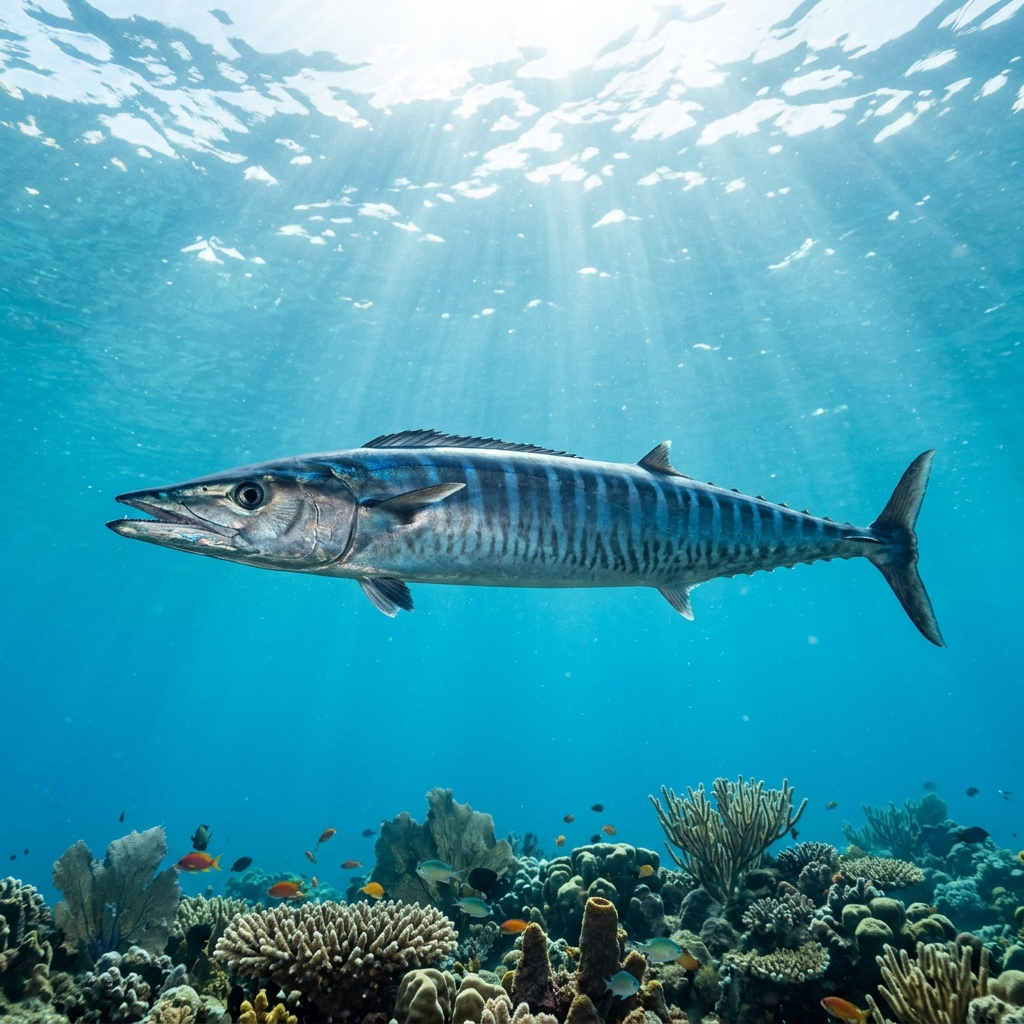
Few pelagic fish are as instantly recognisable as a wahoo once you clock the pattern: a vivid blue-green back over silver flanks, crossed by 25 or more vertical blue-grey stripes that look almost painted on. The body is long and torpedo-shaped, tapering sharply to a narrow tail, and the animal moves with the sort of speed that makes it hard to study at leisure. The snout is long and pointed, almost beak-like, which separates it cleanly from most other large scombrid visitors. At depth the blue often washes out and the stripes become the primary ID mark.
Wahoo are fast, open-water hunters and typically appear as brief, high-speed passes rather than lingering encounters, you often see a flash of stripes before the fish is gone. They tend to patrol the blue water around seamounts and island drop-offs rather than tracking the reef closely. Divers who see them usually report the fish approaching out of curiosity before accelerating away, rarely staying still long enough for more than a few frames.
Wahoo are among the fastest fish in the ocean, capable of bursts exceeding 75 km/h, the speed is part of why a sighting often feels like a blink.
There is not yet enough monthly sighting data to point to a peak season, so treat wahoo as a year-round possibility at its known sites. The observed sighting temperature range of roughly 23 to 29 °C matches warm tropical and subtropical waters, which these sites maintain throughout the year.
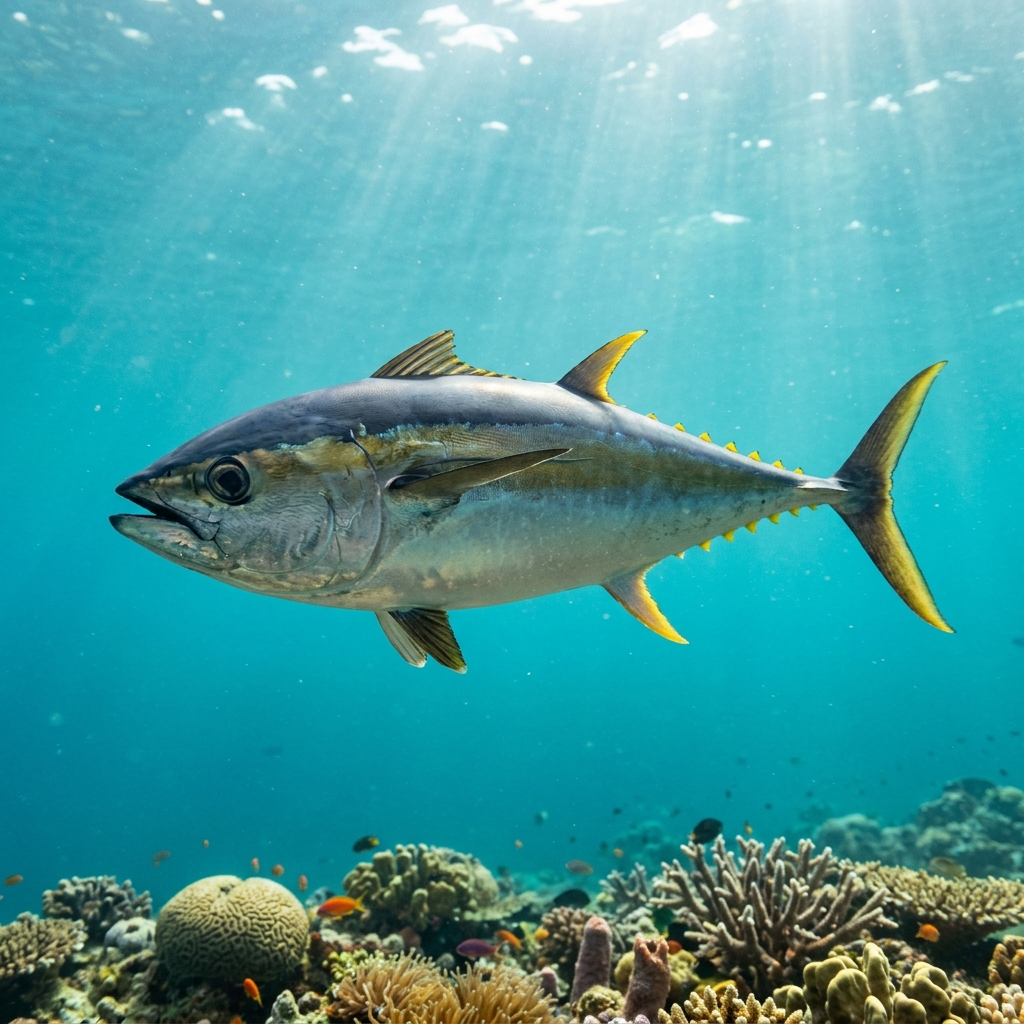
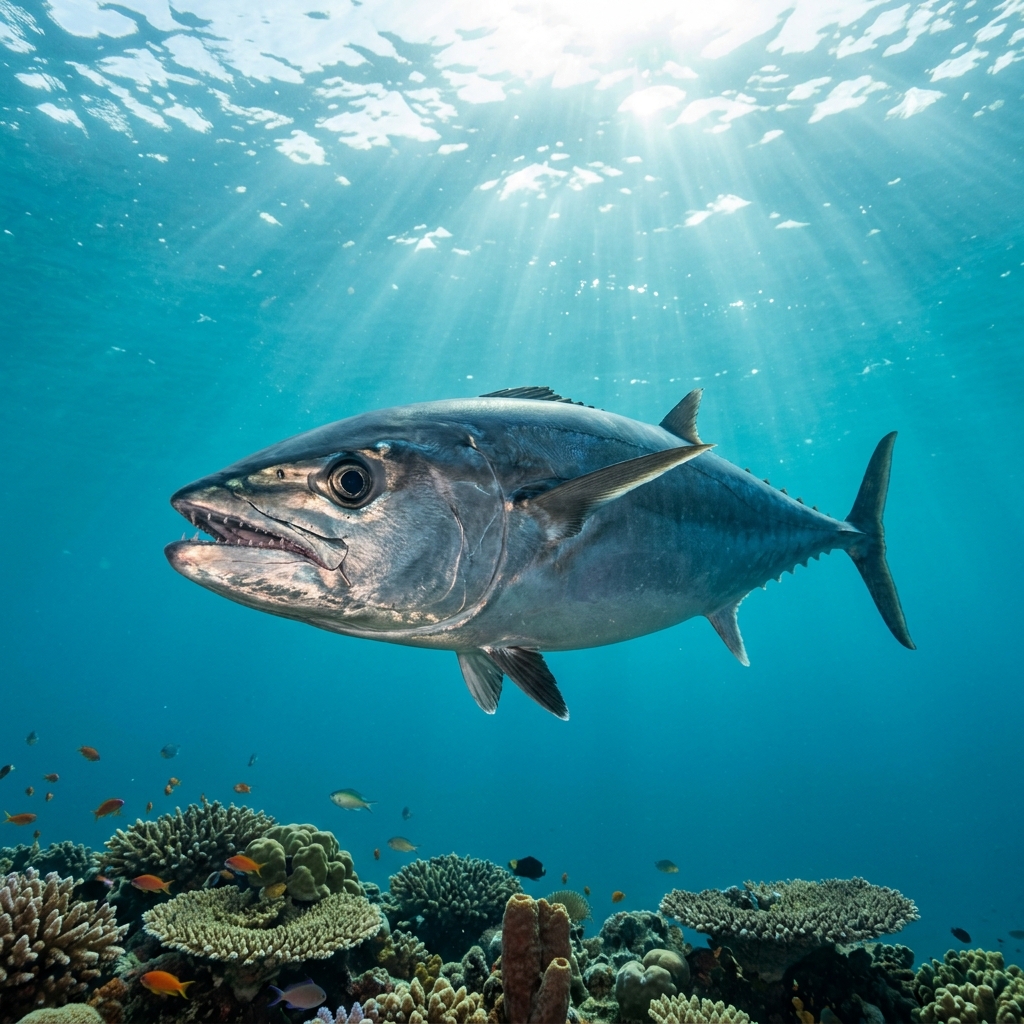
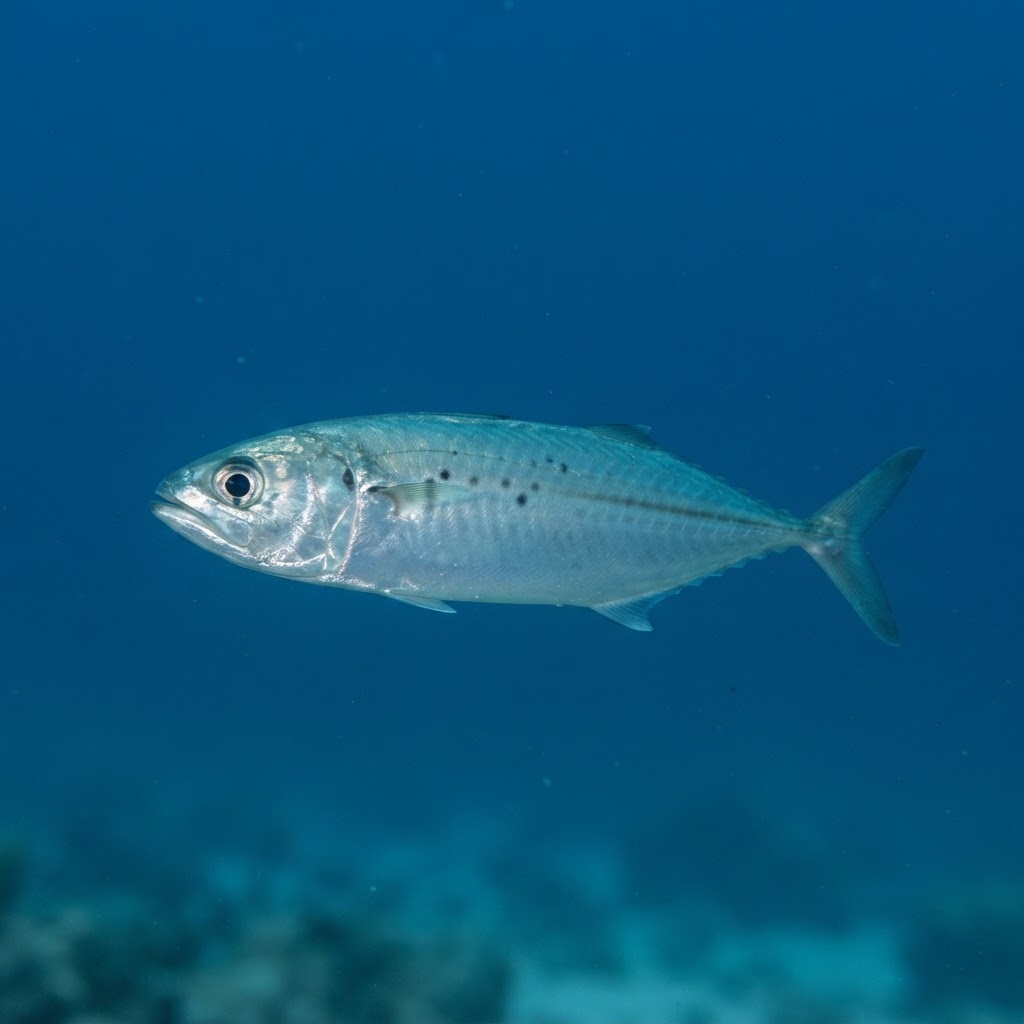
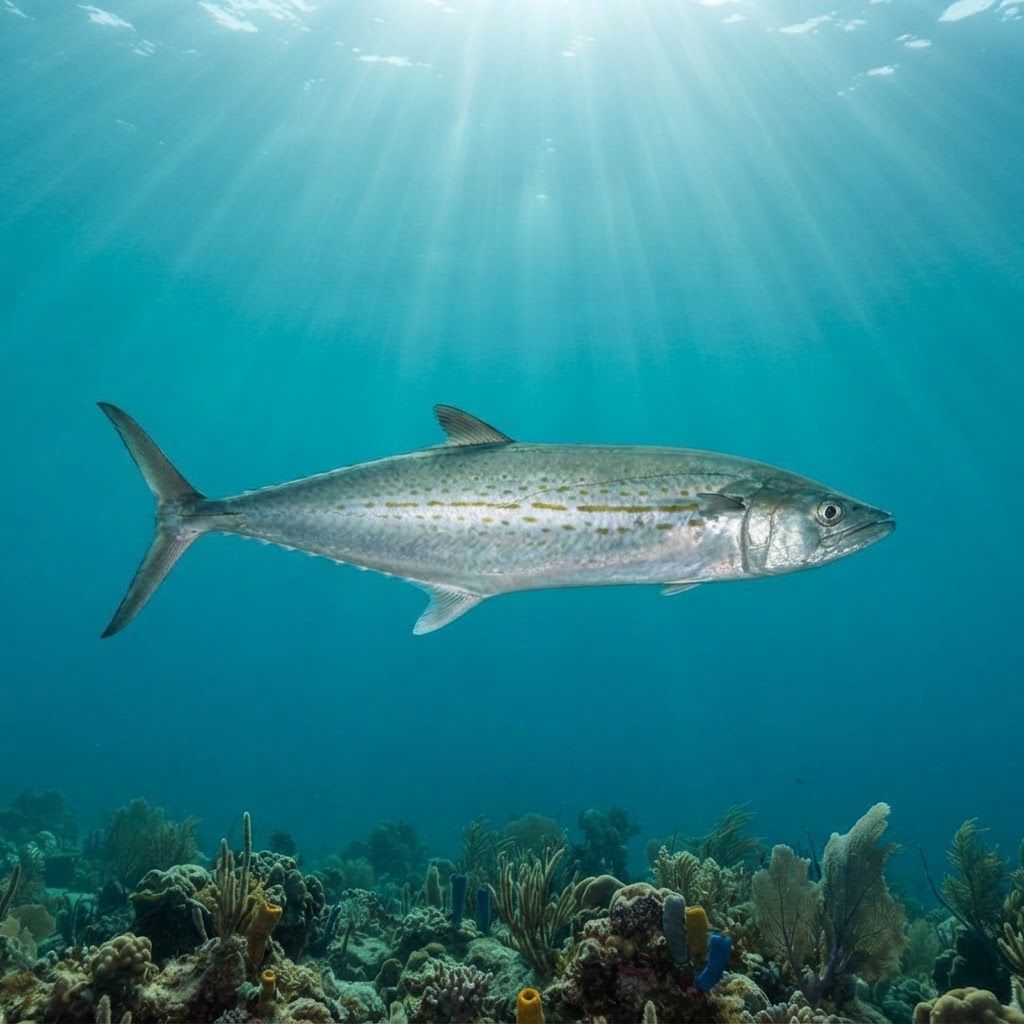
Reef neighbours a diver could mistake it for. Use the identification notes above to tell them apart.
Most wahoo sightings come from island or seamount sites in the eastern Pacific and the Atlantic. Easter Island and the Galápagos Islands account for the bulk of logged encounters, with Cocos Island a strong third; all three locations are known for open-water pelagic action. A handful of sightings also come from Sal in Cape Verde, adding an Atlantic data point.
Mapping where Wahoo is logged…
Logged dive-site sightings are concentrated in the eastern Pacific and eastern Atlantic. Easter Island and the Galápagos Islands are the top locations, followed by Cocos Island off Costa Rica. There are also sightings from Sal in Cape Verde. All are open-ocean or island-seamount environments rather than shallow reef sites.
There is not enough monthly sighting data to identify a reliable peak season. Wahoo appear to be a year-round possibility at their known sites, which sit within the 23-29 °C water-temperature range the species prefers. Your best strategy is to plan a trip to Easter Island, the Galápagos, or Cocos Island and treat a wahoo sighting as a welcome bonus.
Look for a long, slender, torpedo-shaped fish with a pointed, almost beak-like snout and a distinctive pattern of 25 or more vertical blue-grey stripes across silver flanks. The blue-green back can fade at depth, but the stripes remain the key ID mark. Speed is also a clue, wahoo move faster than almost anything else you will see on a reef visit.
Wahoo are large pelagic fish; adults commonly reach 1.5 to 2 metres in length and can exceed 80 kg, though most animals encountered by divers are in the 1 to 1.5 m range. Their slender build can make them look smaller than they are until one passes close by.
Wahoo are not considered dangerous to divers. They are built for speed and are typically too shy or too fast to pose any threat, the usual encounter is a brief pass before the fish disappears into blue water. Their teeth are sharp, but unprovoked aggression toward divers is not documented.
Site and sighting data is aggregated from diver logs, iNaturalist and GBIF. For taxonomy and conservation status:
Dogtooth Tuna
629 sites