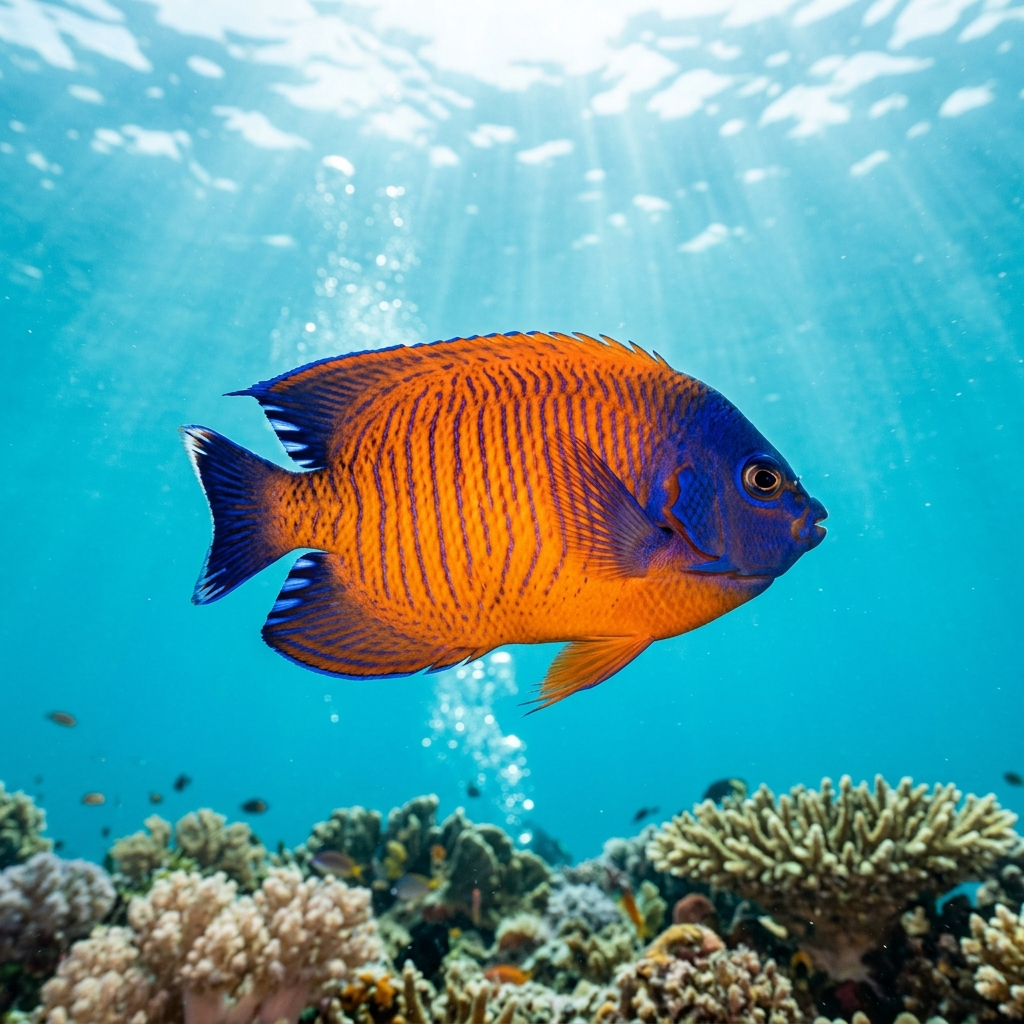
Centropyge bispinosa
Spot the Twospined Angelfish across Sulawesi, Queensland and Zanzibar. Know what to look for and when to dive for the best chance of a sighting.
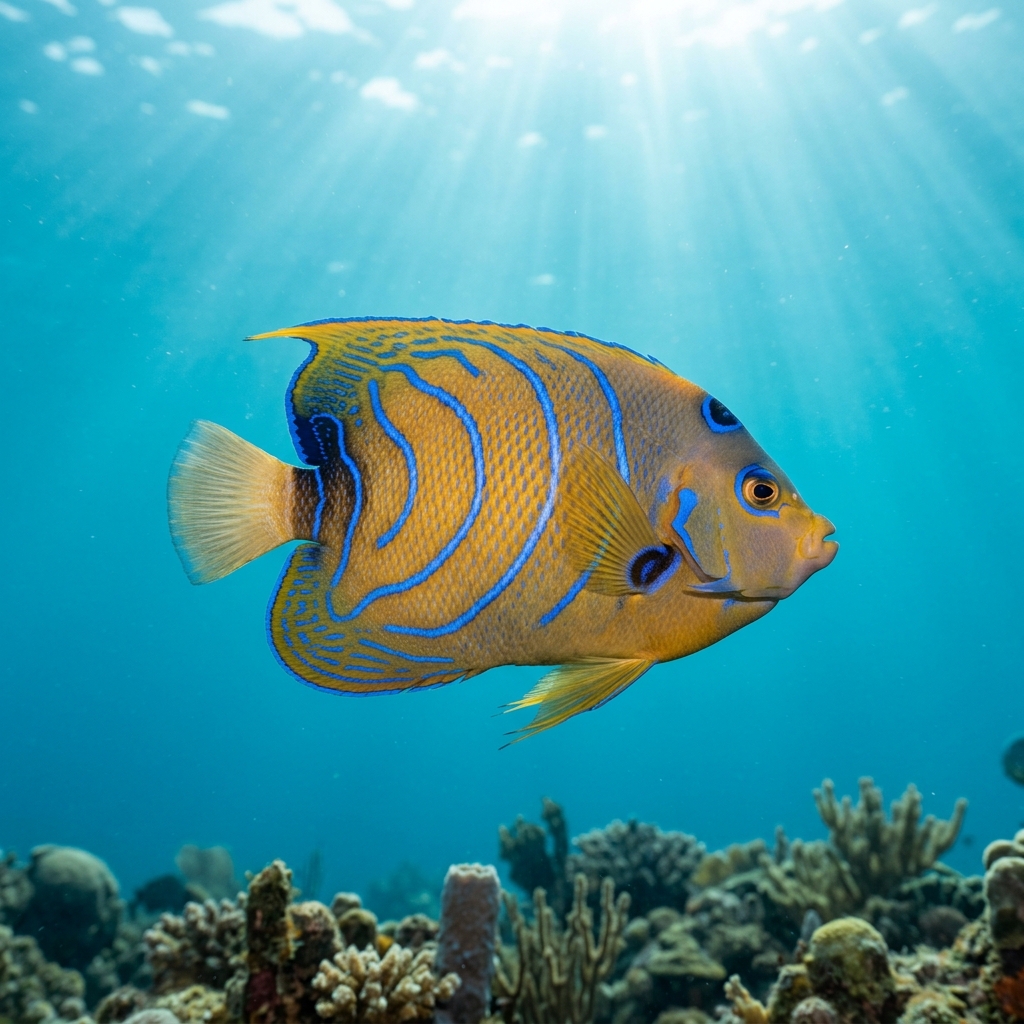
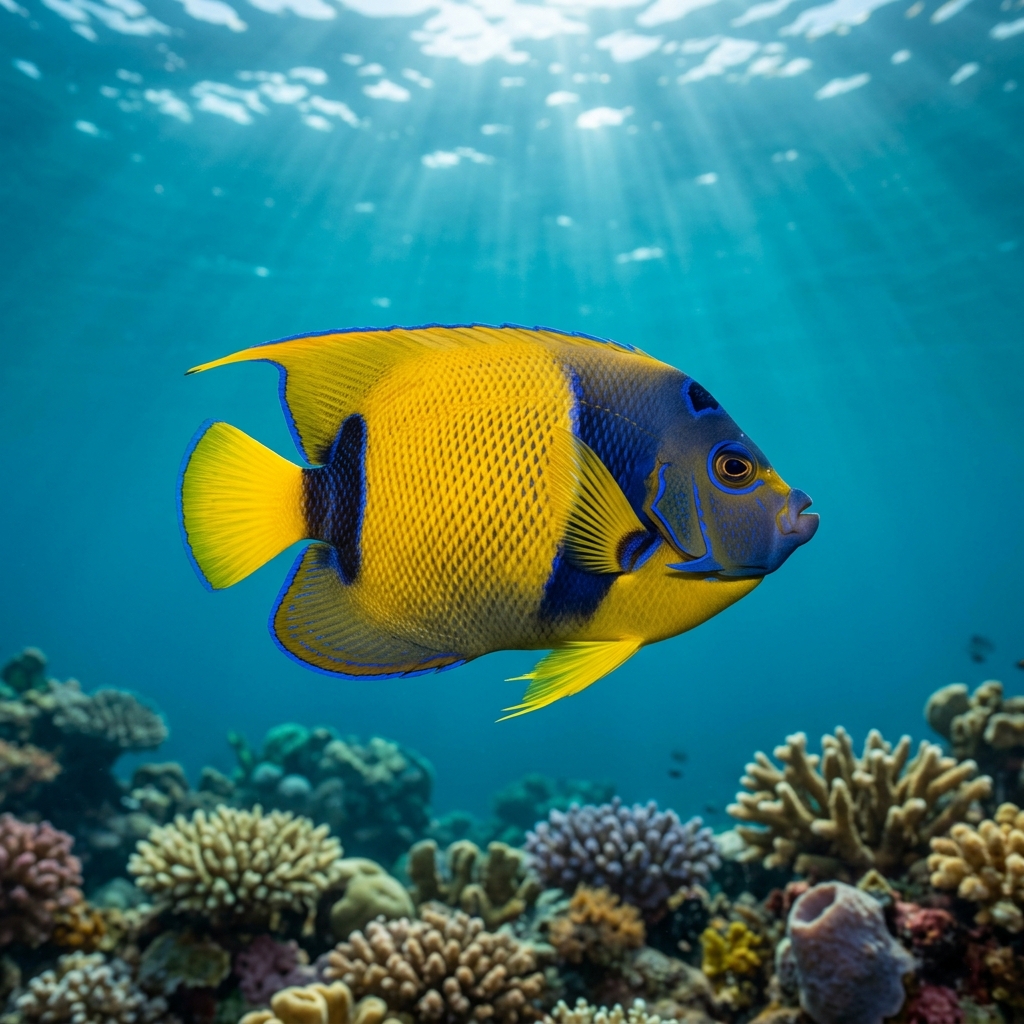
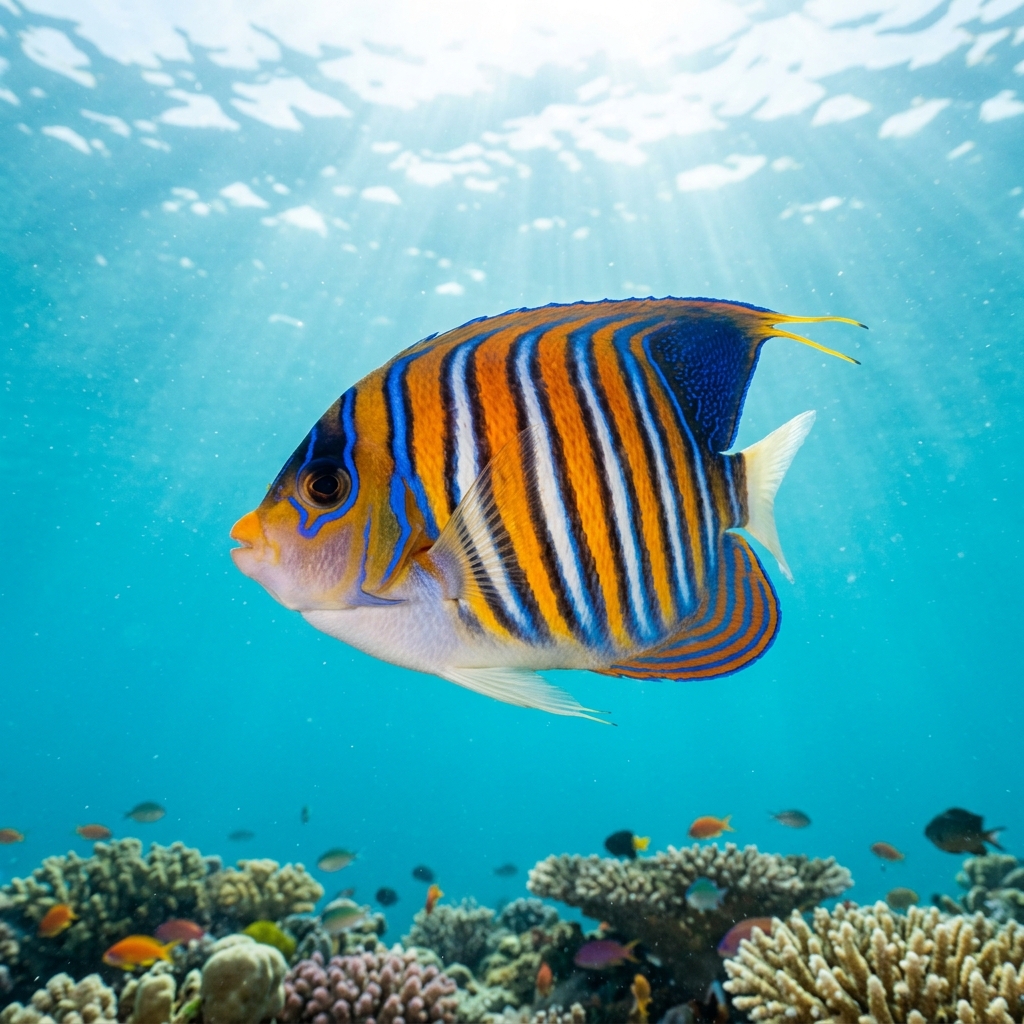
A small, deep-bodied angelfish with rich orange-red flanks crossed by vertical blue bars and a predominantly blue head and belly, giving it a striking two-tone split underwater. The body is compact and rounded, and the blue scalloping on the scales becomes more visible as light catches it at close range. Look for the characteristic two spines at the base of the gill cover (preopercle), though at reef distances the bold colour contrast is the quickest ID cue. Juveniles are darker overall with more pronounced blue vertical banding and less orange.
Twospined angelfish tend to hug the reef closely, darting in and out of coral rubble and ledges rather than cruising in open water. They are shy and quick to retreat into gaps when approached, so slow movements and patience at a distance usually yield better views than direct advances. You are most likely to spot them working over algae-encrusted surfaces during daylight dives, often singly or in small loose groups.
Like many pomacanthids (members of the angelfish family), twospined angelfish are protogynous hermaphrodites: dominant females can transition to male if the group's male disappears, reshaping the social structure without any outside fish needing to arrive.
No strong Northern Hemisphere seasonal pattern emerges from the data, and its comfortable temperature range of 24 to 29 °C means it is present on tropical Indo-Pacific reefs throughout the year. In the Southern Hemisphere, sightings concentrate from April through September, so that window is worth targeting for Australian and South Pacific dive trips.
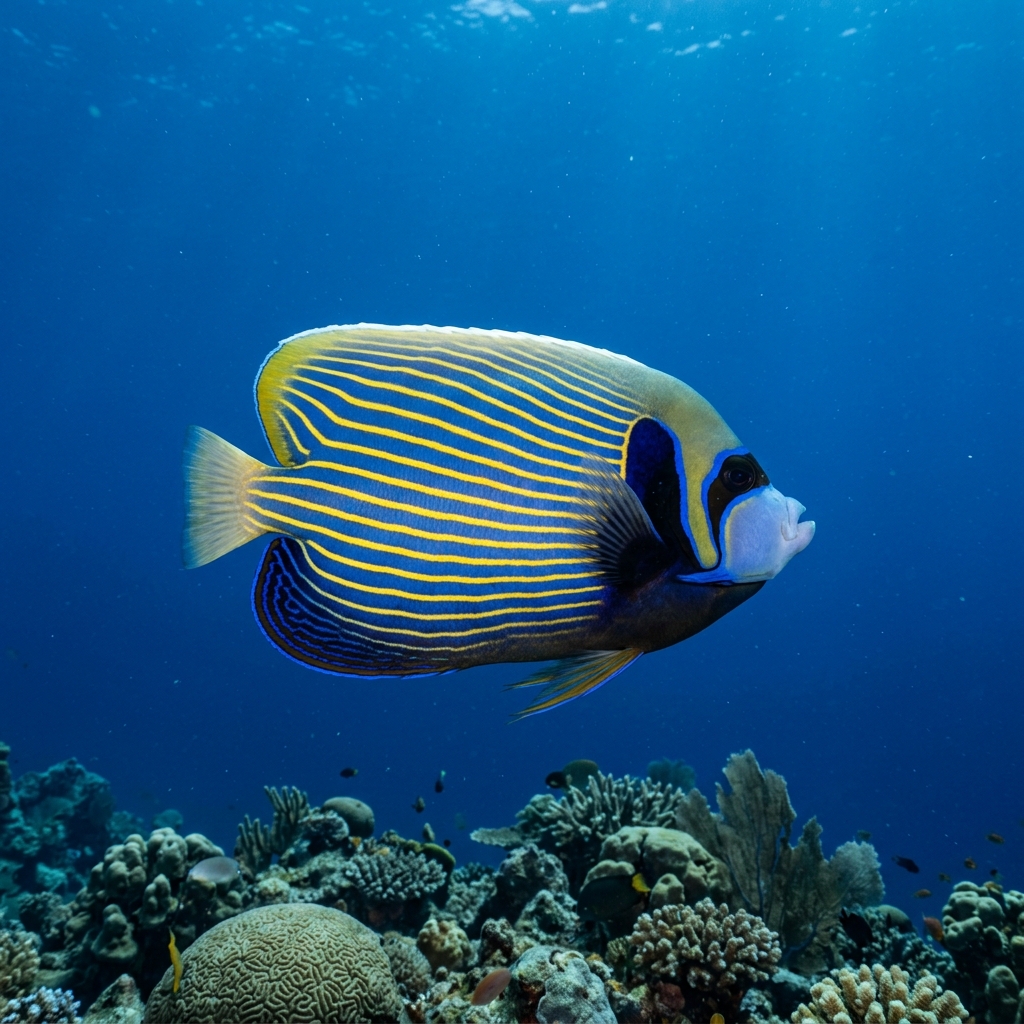
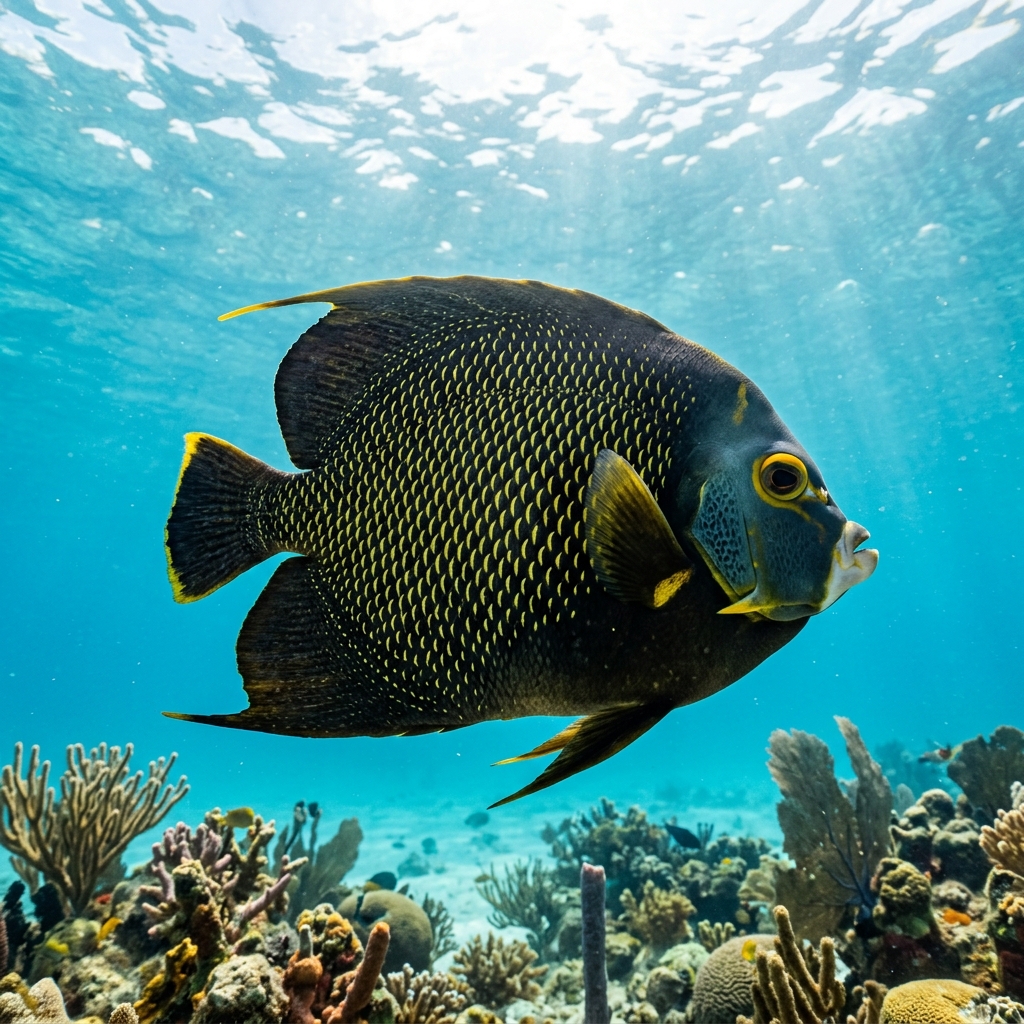
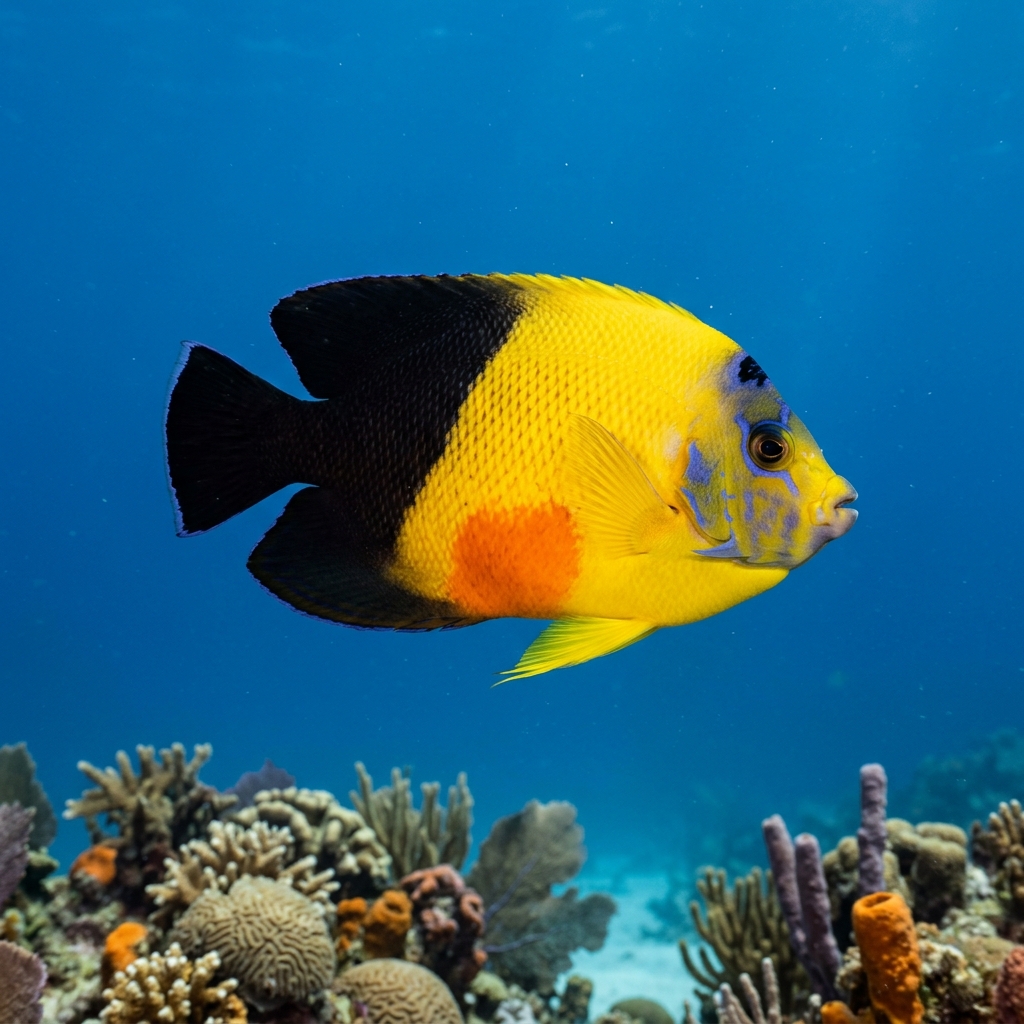
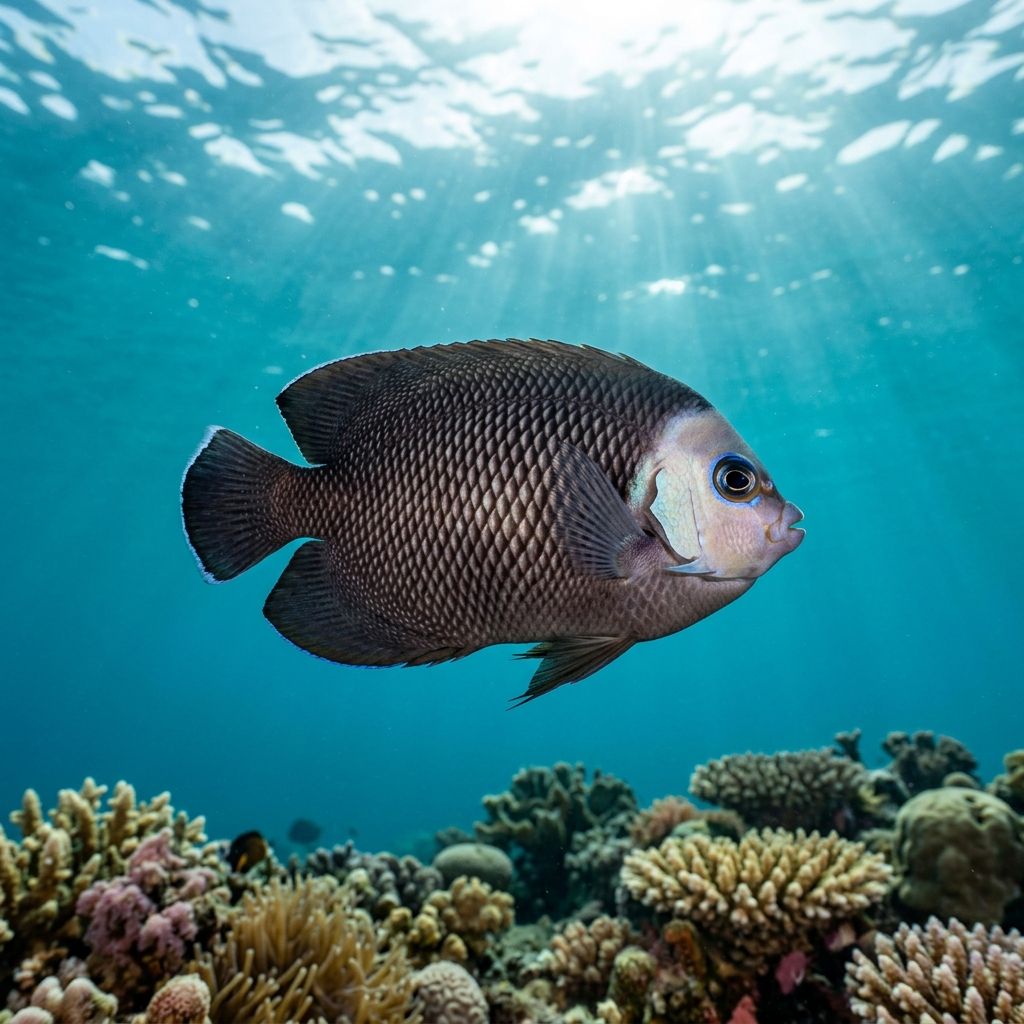
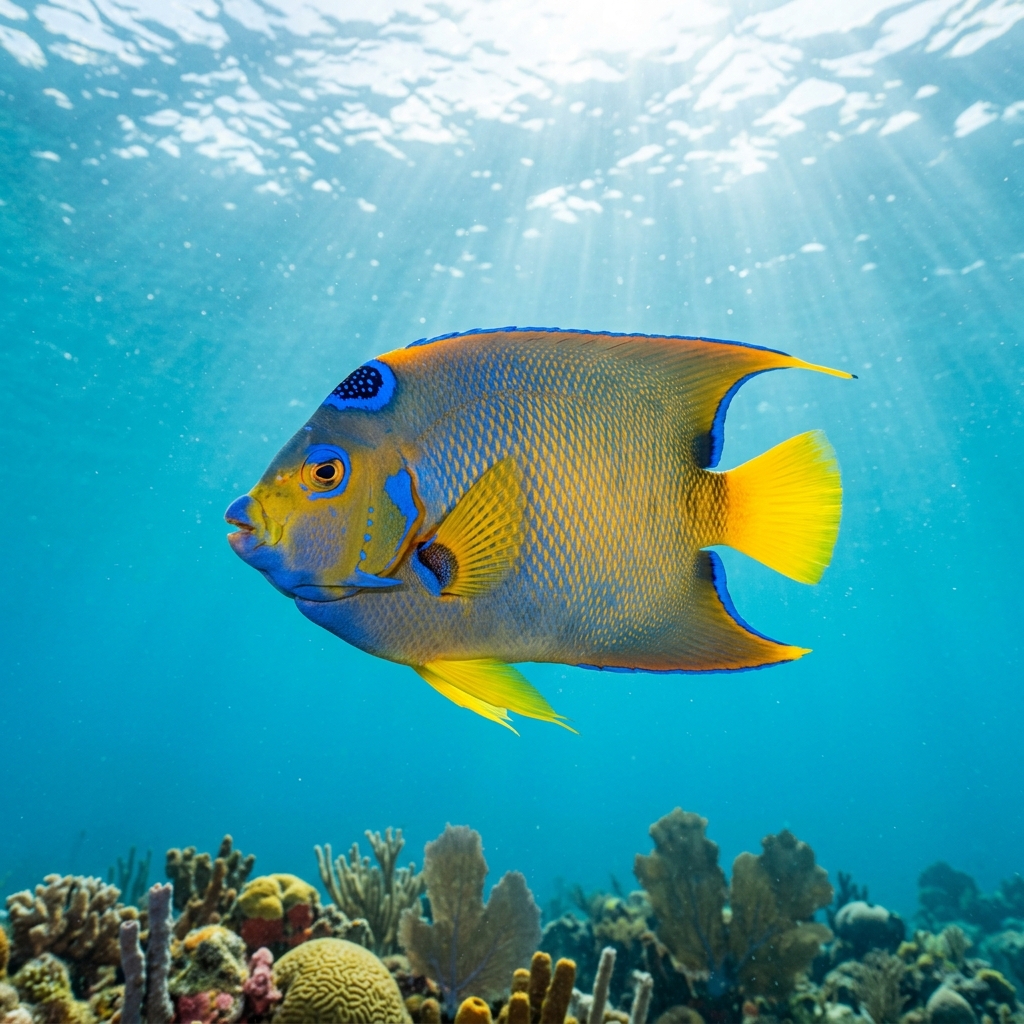
Reef neighbours a diver could mistake it for. Use the identification notes above to tell them apart.
Most consistently logged across Indonesia (particularly Sulawesi), Australia (primarily Queensland reefs), and the Philippines (central Visayas), making the Indo-Pacific triangle the best region to target it. Strong populations are also recorded in French Polynesia, Tanzania's Zanzibar waters, and Vanuatu, with further sightings across New Caledonia and Fiji rounding out the Pacific spread.
Mapping where Twospined Angelfish is logged…
The best-documented hotspots are Sulawesi in Indonesia, Queensland in Australia, and the central Visayas in the Philippines. Solid sightings are also recorded around Zanzibar in Tanzania, Efate in Vanuatu, Tahiti in French Polynesia, and the reefs around Nouméa in New Caledonia.
On Northern Hemisphere and equatorial reefs the species appears year-round within its 24 to 29 °C comfort range, so timing is flexible. For Southern Hemisphere destinations like Queensland and New Caledonia, sightings are most concentrated between April and September.
Key in on the strong two-tone split: orange-red flanks crossed by blue vertical bars against a blue head and belly. It is a small, rounded fish that stays tight to the reef. Juveniles look much darker with bolder blue banding and little orange, so they can catch you off guard.
They are one of the smaller angelfish, typically reaching around 9 to 10 cm in length. On the reef they appear quite diminutive, which is part of why they can be easy to overlook as they dart between coral heads.
Yes. They are protogynous hermaphrodites, meaning females can transition into males. When a dominant male is removed from a group, the leading female will typically change sex to fill the role, a trait shared across much of the angelfish family.
Site and sighting data is aggregated from diver logs, iNaturalist and GBIF. For taxonomy and conservation status:
Rock Beauty
1,573 sites