Bulla gouldiana
A rare but rewarding find on sandy bottoms in California and Mexico's Pacific coast, in water as cool as 12.8C.
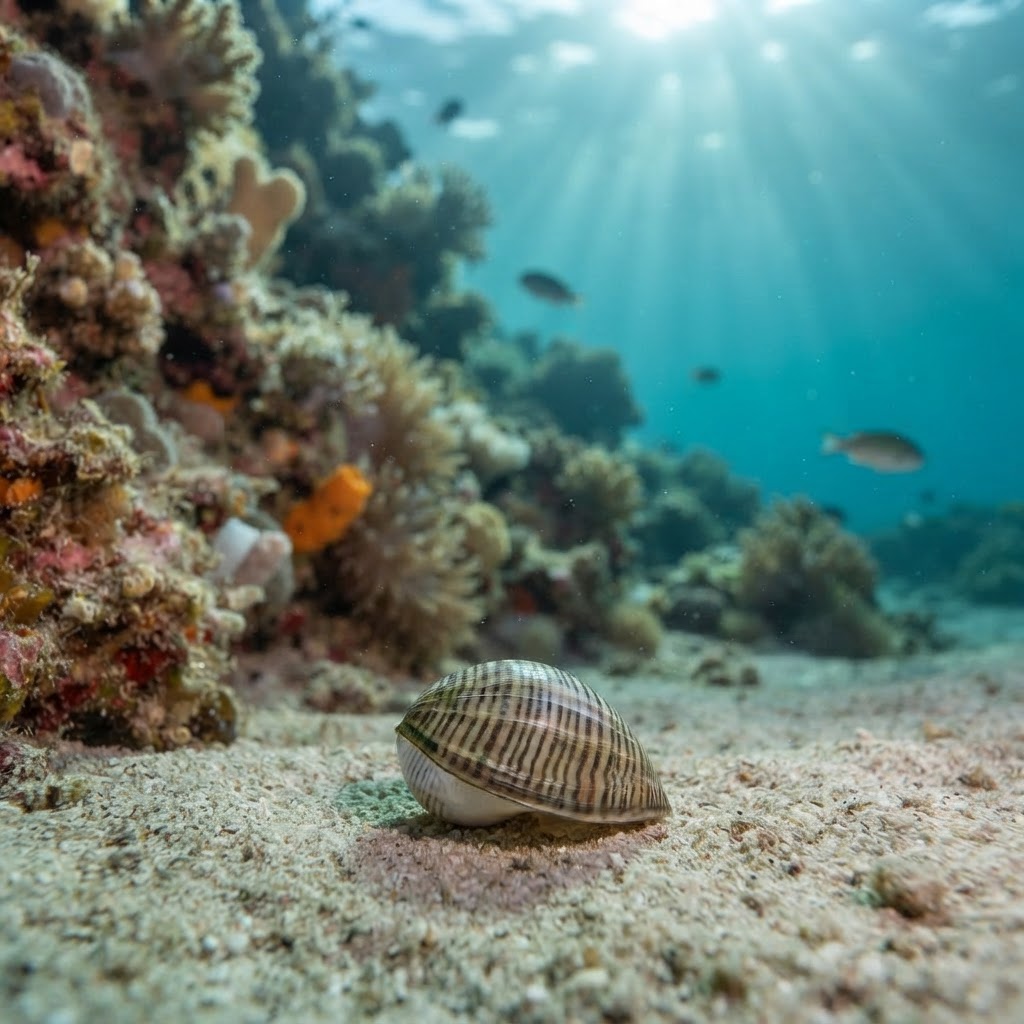
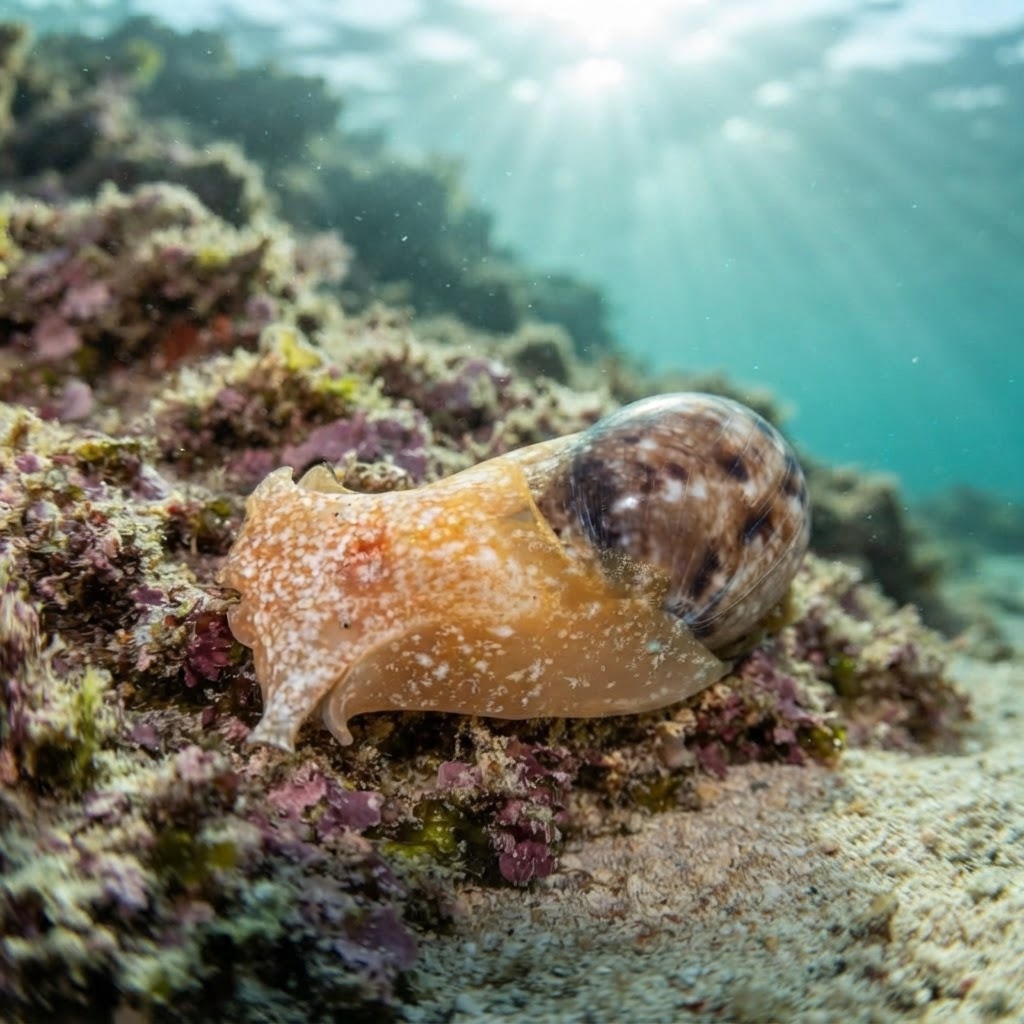
Look for a glossy, inflated oval shell about 4 cm long, mottled in brown, olive and cream with a marbled pattern that helps it blend into sand. The shell has no obvious spire, giving it a smooth, bubble-like profile, and the soft body often shows dark speckled flecks where it extends beyond the shell edges. It moves slowly across sand and silt patches rather than climbing reef structure.
Divers usually find it sitting on or just under the surface of sand or mud patches, often in the same low-relief spots where other sea snails and slugs turn up. It moves at a snail's pace, quite literally, and shows no reaction to divers beyond retracting slightly if disturbed. Most sightings happen during daylight dives on gentle, silty terrain rather than current-swept reef.
Like other bubble snails, it uses a gizzard lined with hard plates to grind up the sand and small invertebrates it swallows whole, since it has no teeth to speak of.
No clear seasonal pattern shows up in sightings, so treat it as a year-round find. It sits comfortably in cooler temperate water from about 12.8 to 18.9C, which matches conditions off California and Pacific Mexico for most of the year.
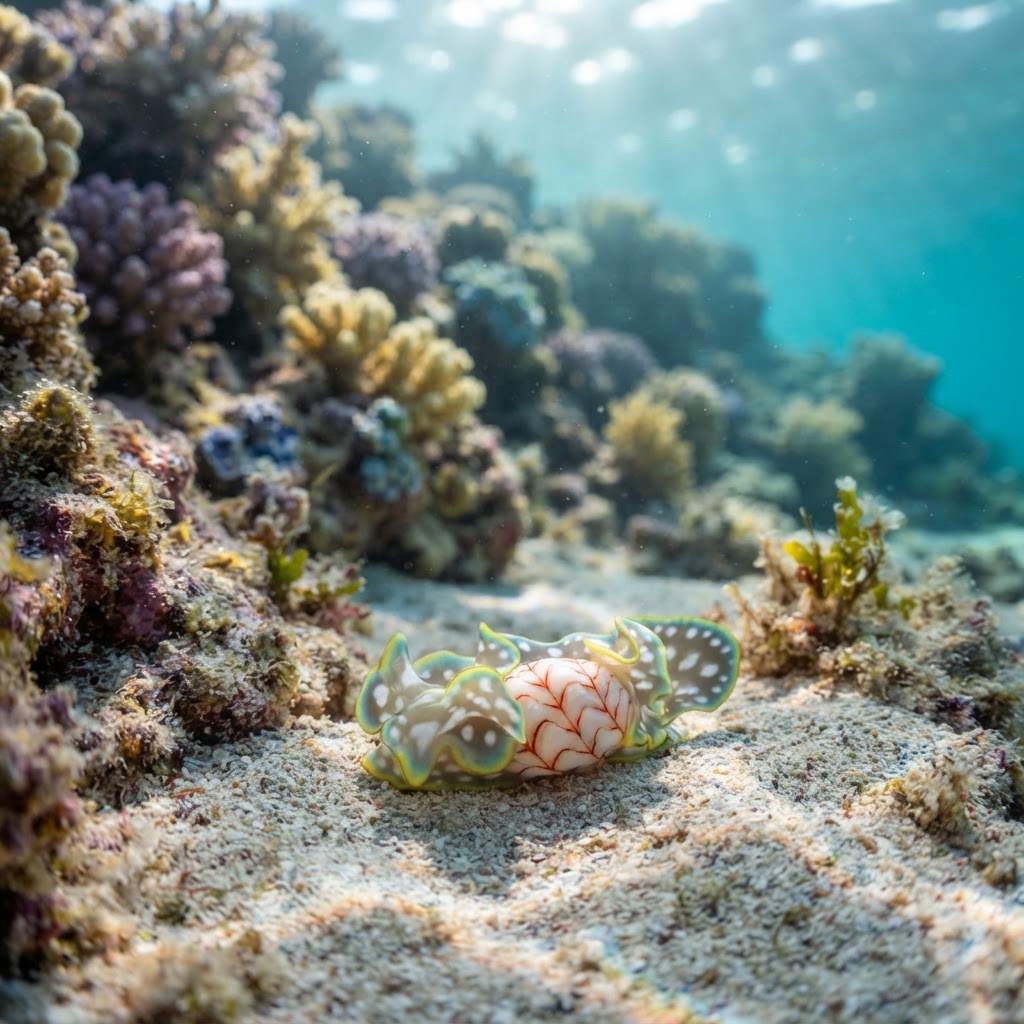
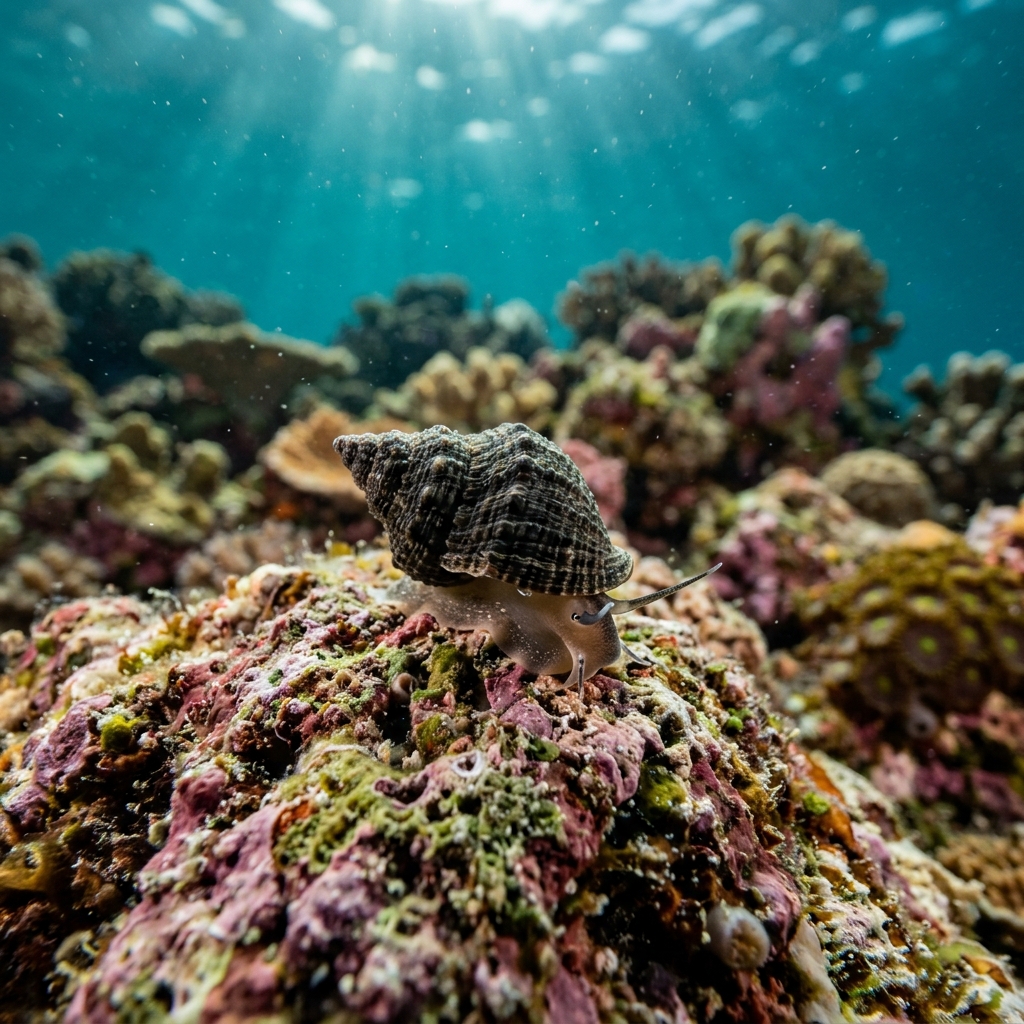
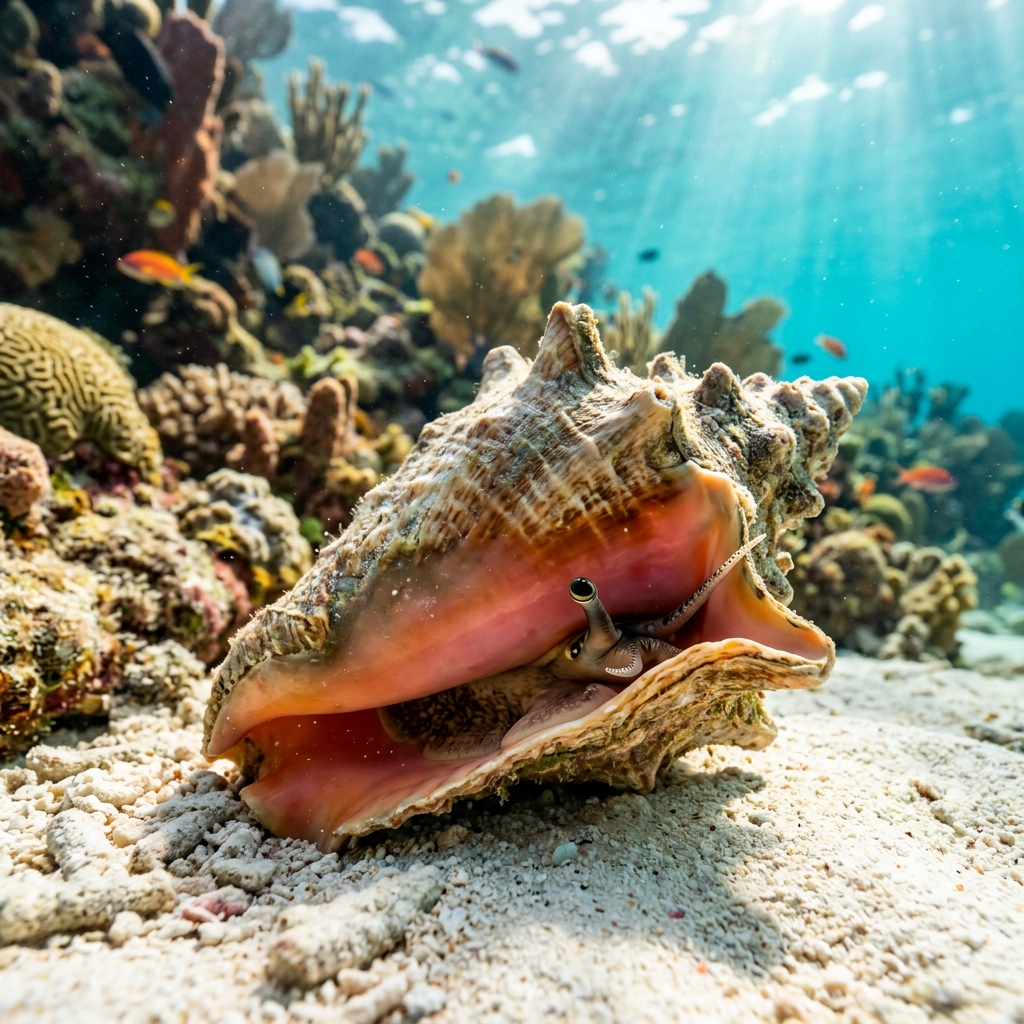
Reef neighbours a diver could mistake it for. Use the identification notes above to tell them apart.
Most consistently logged along the California coast in the United States, with a solid secondary presence along Mexico's Pacific Coast. Divers report it most often on sand-bottom sites rather than rocky reef or kelp structure.
Mapping where California Bubble is logged…
It is most reliably spotted along the California coast in the United States, with additional sightings along Mexico's Pacific Coast. Look for sandy, low-relief patches rather than rocky reef.
Sightings don't follow a clear season, so it's considered a year-round find. It favours cooler water between roughly 12.8 and 18.9C, typical of California and Pacific Mexico dive conditions most months.
Look for a smooth, spireless shell around 4 cm long with a mottled brown and cream marbled pattern, sitting on sand or silt. Its soft body is often speckled and extends slightly past the shell edges.
They typically reach about 4 cm in shell length, making them a small, easy-to-miss find on sandy bottoms.
No, they pose no threat to divers. They're slow-moving sand dwellers with no stinging cells or bite to worry about.
It lacks teeth and instead relies on a muscular, plate-lined gizzard to grind up sand and small invertebrates it swallows whole.
Site and sighting data is aggregated from diver logs, iNaturalist and GBIF. For taxonomy and conservation status:
Triton Shell
2,297 sites