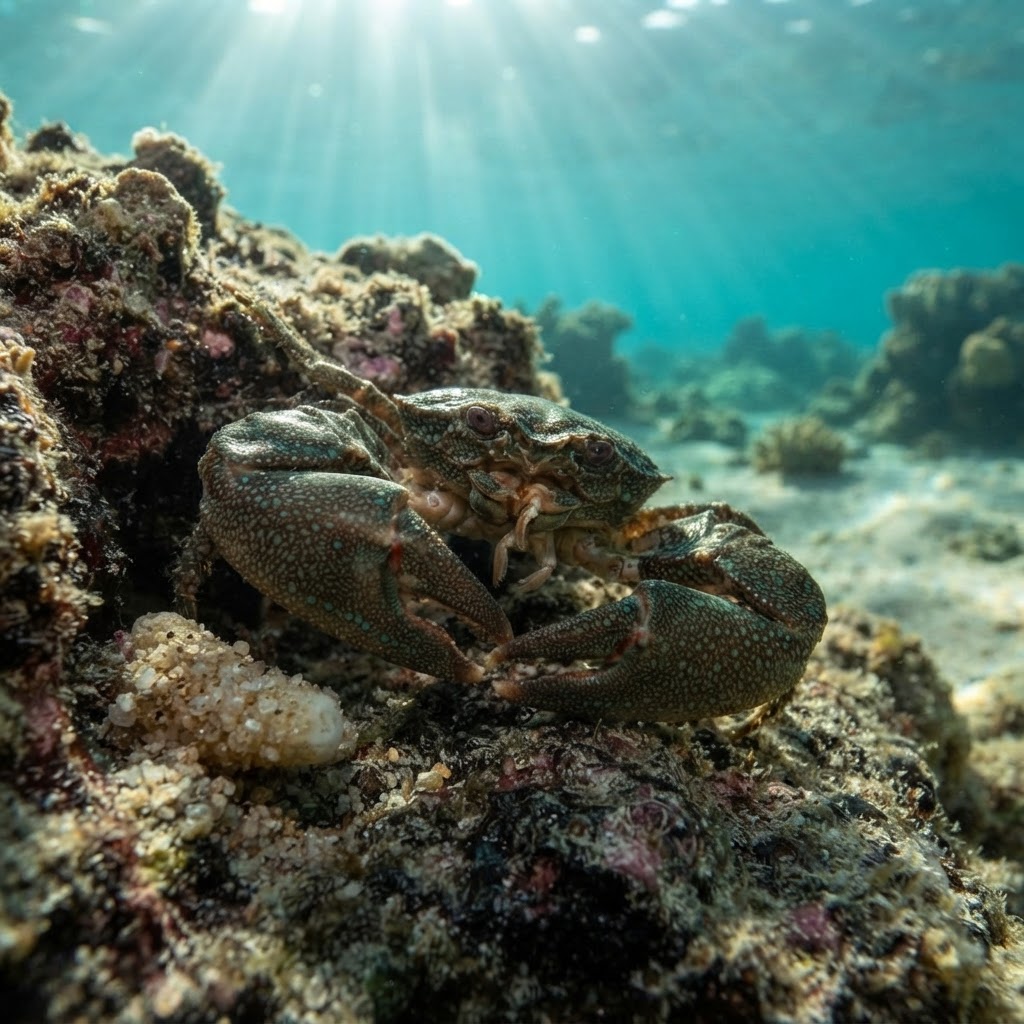
Petrolisthes cabrilloi
A tiny flattened crab tucked under California rocky reef ledges, rare but real in cool 14-20C water off the US coast.
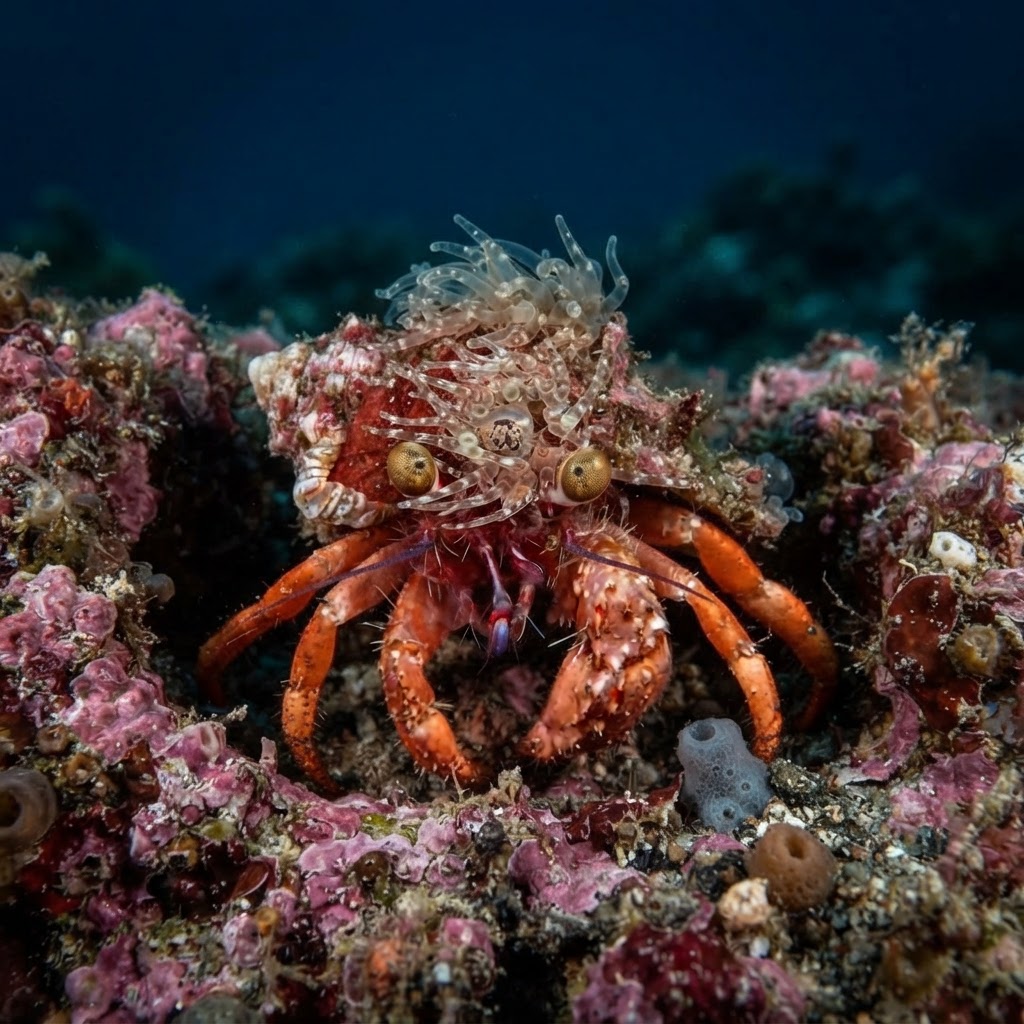
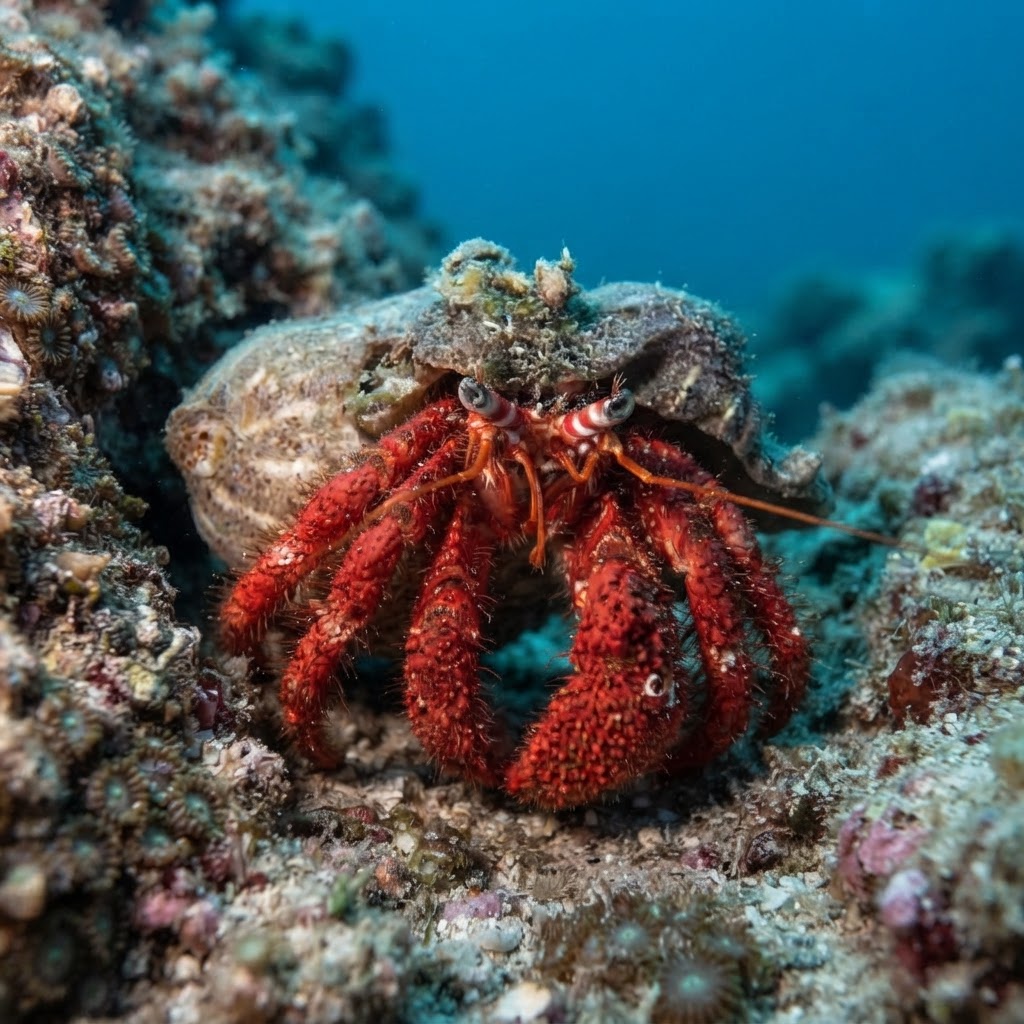
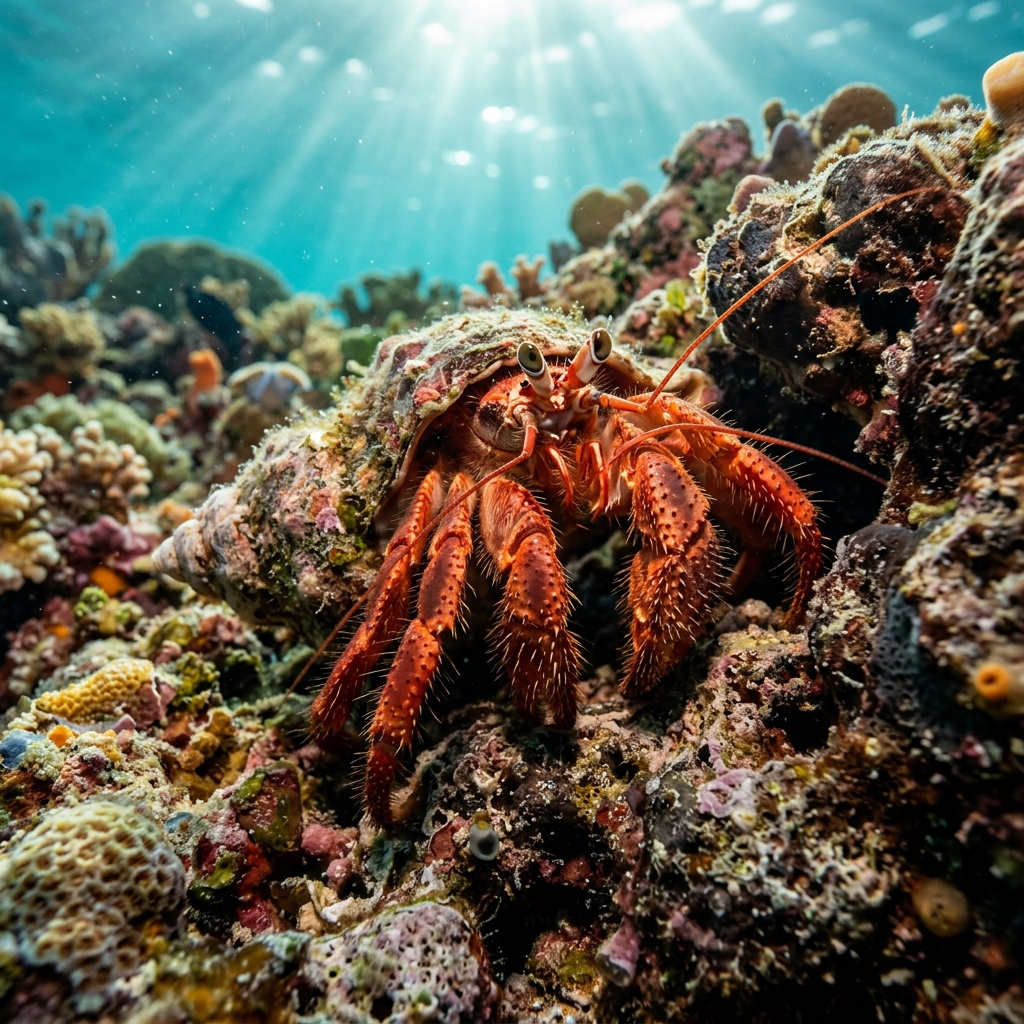
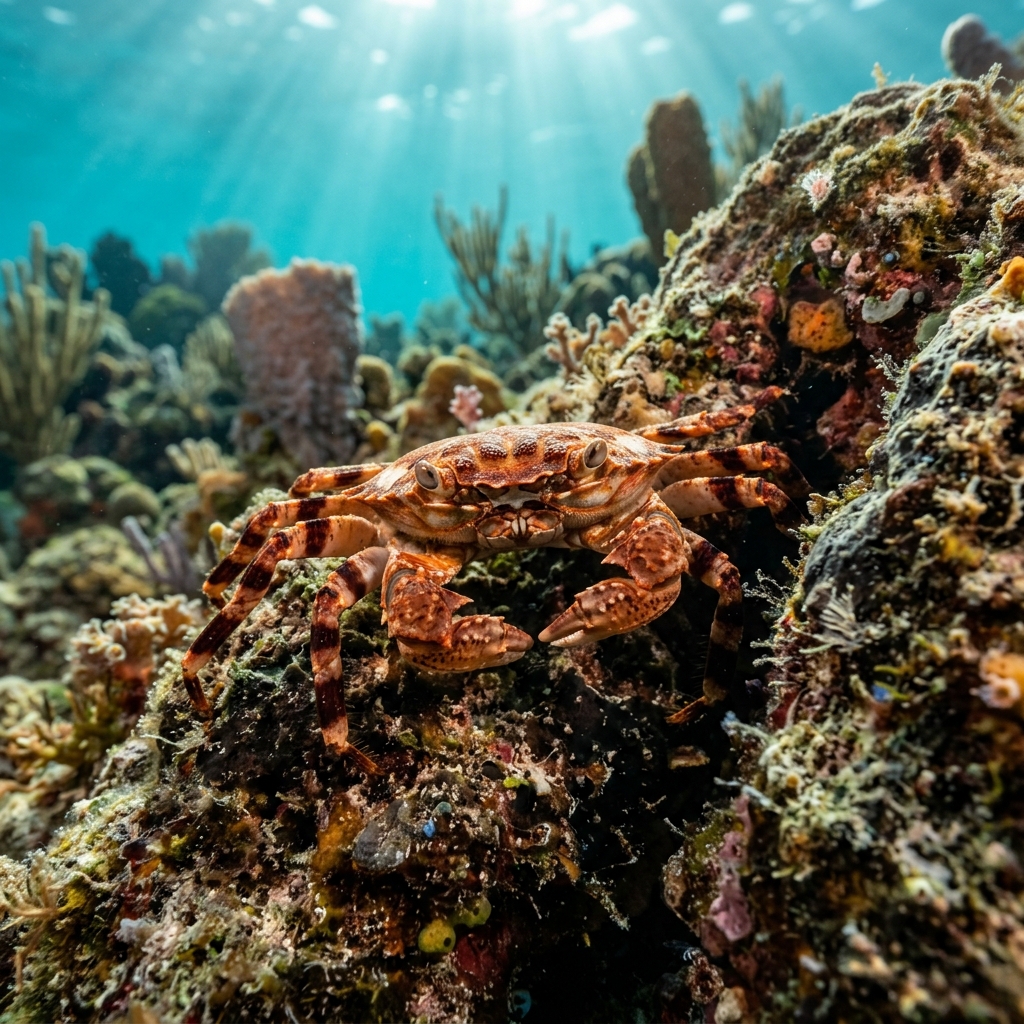
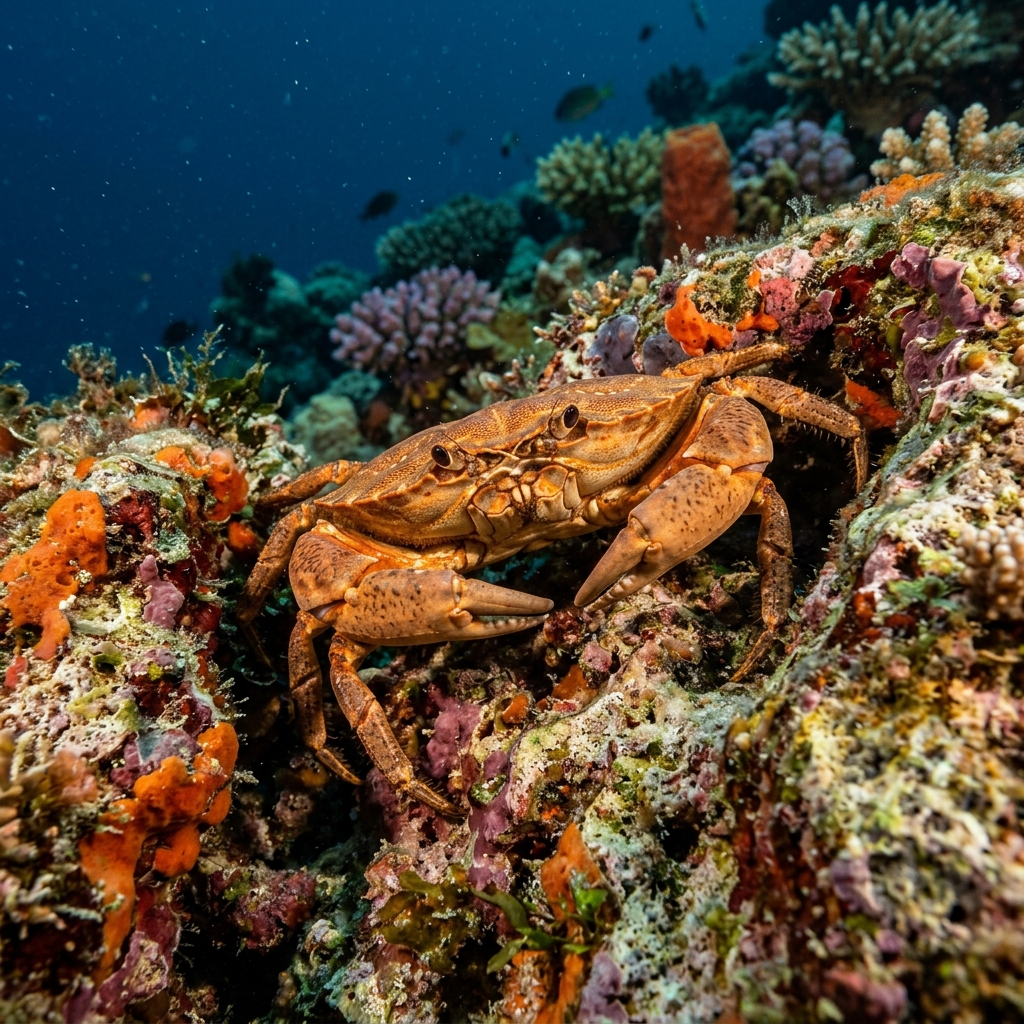
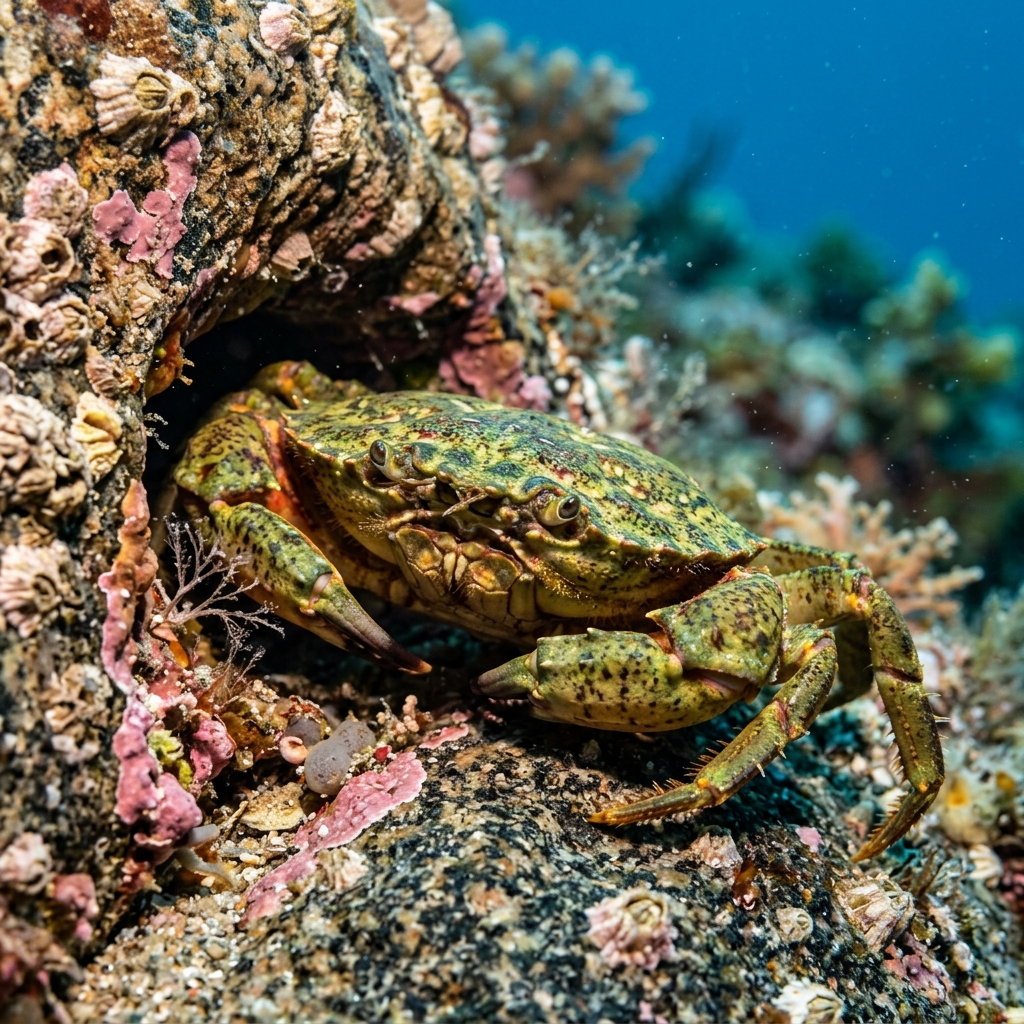
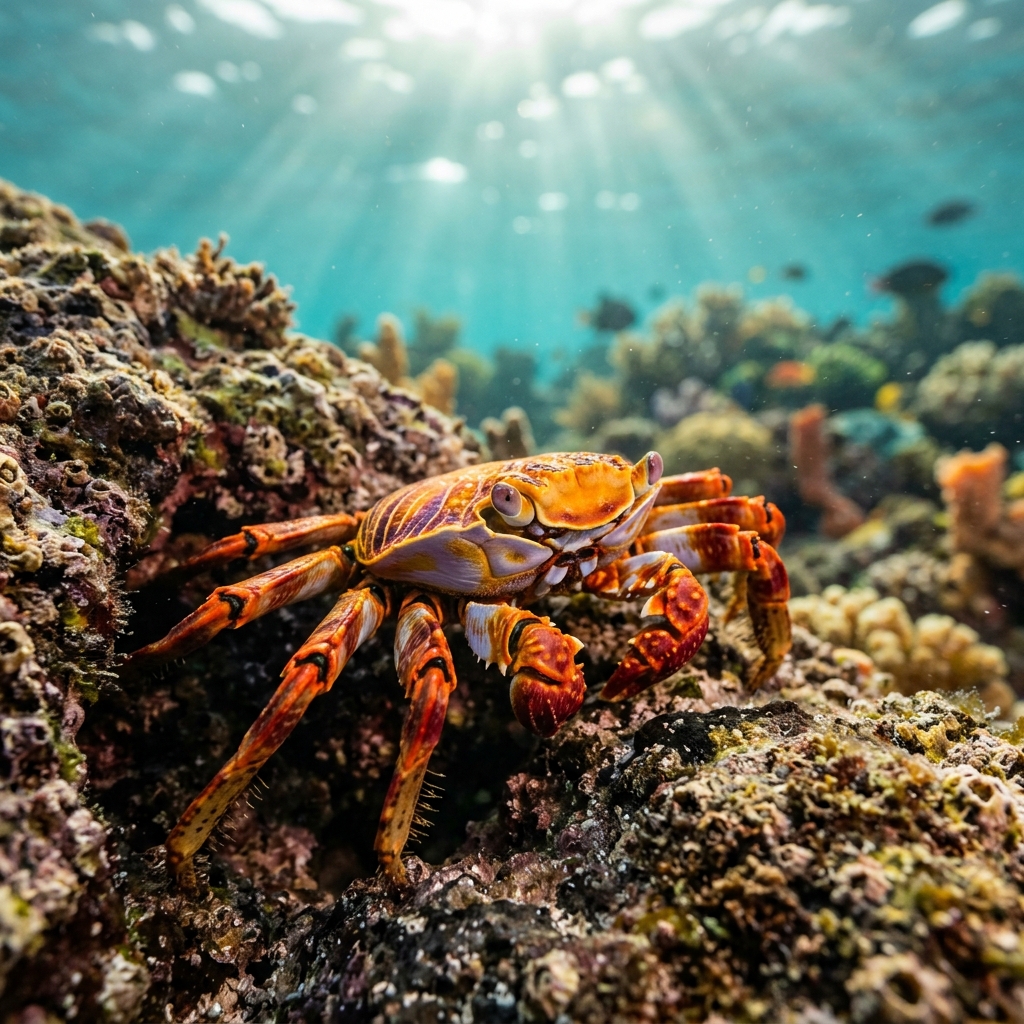
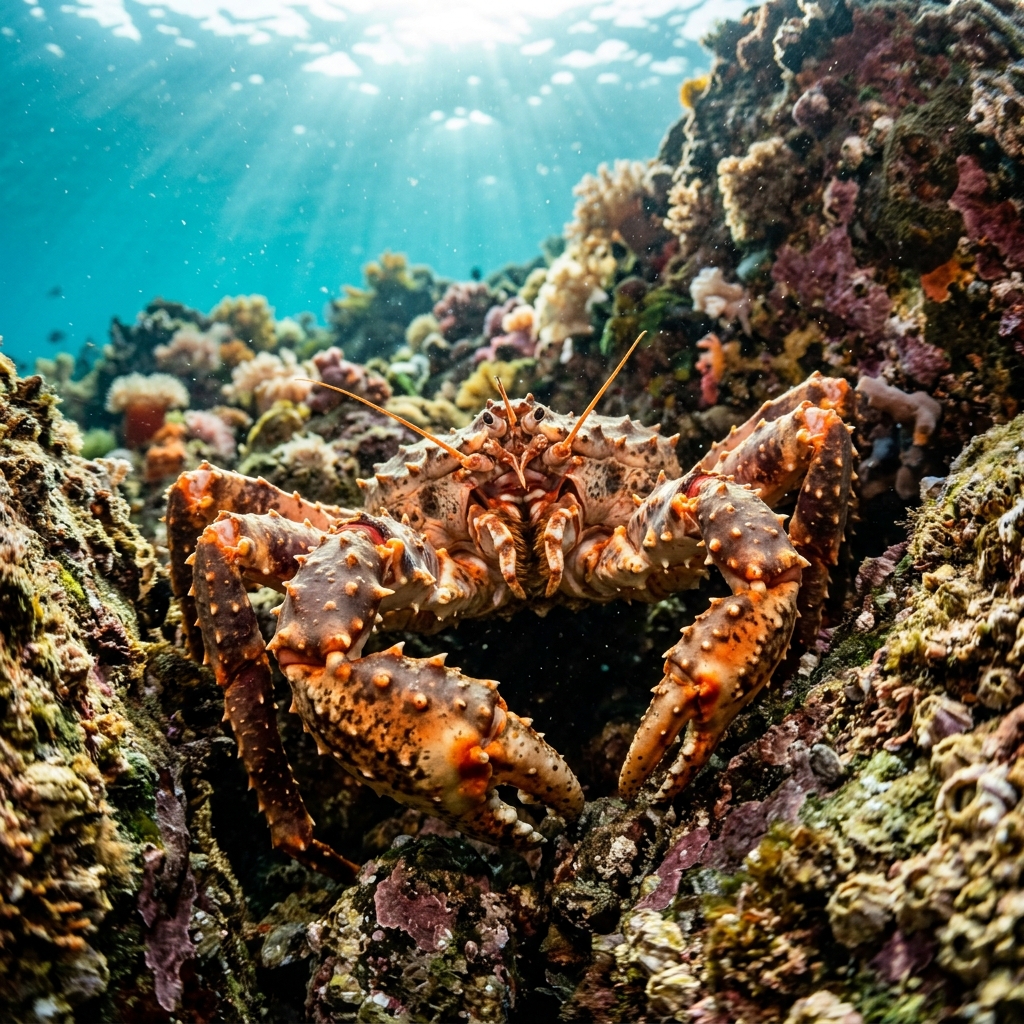
Small, flattened, fan-shaped body built to wedge under rocks rather than swim or walk about openly. Look for the broad, flattened claws held close to the body and long antennae sweeping the water, a classic porcelain crab silhouette. Colour tends toward mottled browns and greys that blend into the rock and algae it hides against, making it easy to miss unless you check under ledges closely.
Expect it wedged tight under rocks and ledges rather than out in the open, using its flattened body to stay jammed into crevices out of current and away from predators. When exposed it tends to freeze or scuttle deeper into the crack rather than flee across open reef, so a slow, patient look under rubble and rock overhangs is the way to actually find one. It is not a species that reacts to divers in any dramatic way, it simply avoids being seen.
Porcelain crabs like this one feed by sweeping feathery mouthparts (technically modified appendages) through the water to filter plankton, rather than scavenging or hunting like true crabs.
No clear seasonal pattern shows up in the sighting data, and it sits in a cool 14 to 20C range typical of California's rocky reefs year-round, so any month with a dive booked is a fair shot.
Reef neighbours a diver could mistake it for. Use the identification notes above to tell them apart.
Logged sites for this crab sit entirely in California, on the United States west coast, making it a California specialty rather than a species you will find on a broader trip itinerary. Divers searching for it should focus on rocky reef dive sites in the region rather than tropical destinations.
Mapping where Cabrillo Porcelain Crab is logged…
Sightings logged so far are all from California, on rocky reef dive sites along the US west coast. It has not been reported from other regions in diver observation data.
There is no detected seasonal pattern, and the cool 14 to 20C water it is found in is typical of California's rocky reefs throughout the year, so it can turn up on any dive.
Look for a small, flattened, fan-shaped crab wedged under rocky ledges, with broad flattened claws held close to the body and long antennae. Mottled brown-grey colouring helps it blend into the rock.
No, it poses no danger to divers. It is a small, reclusive crab that hides under rocks and has no means or inclination to threaten a diver.
Exact size data is not documented, but like other porcelain crabs it stays small, generally under a couple of centimetres across the body, small enough to be easily overlooked on a rocky reef.
Rather than scavenging or hunting, it filters plankton from the water using feathery modified mouthparts, a feeding style shared across the porcelain crab family.
Site and sighting data is aggregated from diver logs, iNaturalist and GBIF. For taxonomy and conservation status:
European Green Crab
2,469 sites