Petroscirtes lupus
Common on rocky reefs in New South Wales at 21-28C, this fanged blenny hides in crevices year-round. Here's how to spot one.
Safety warning
Not aggressive towards divers and poses no real threat if left alone in its crevice. The bite risk comes only from handling it or poking a hand into its burrow, since those sabre-like teeth can deliver a sharp nip; the simple fix is to look, not touch.
If you're bitten
Venomous bite (mild)General first-aid guidance, not a substitute for professional medical care. In an emergency, call your local emergency number.
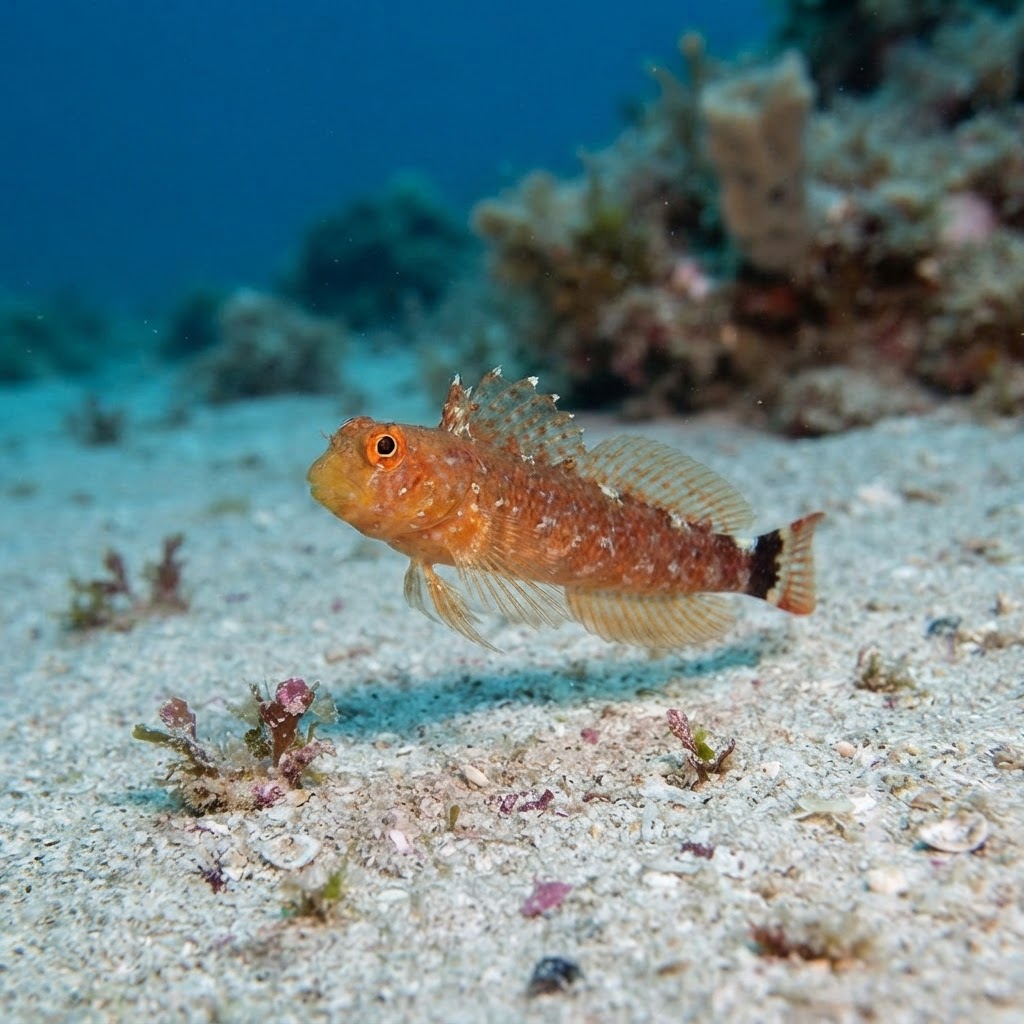
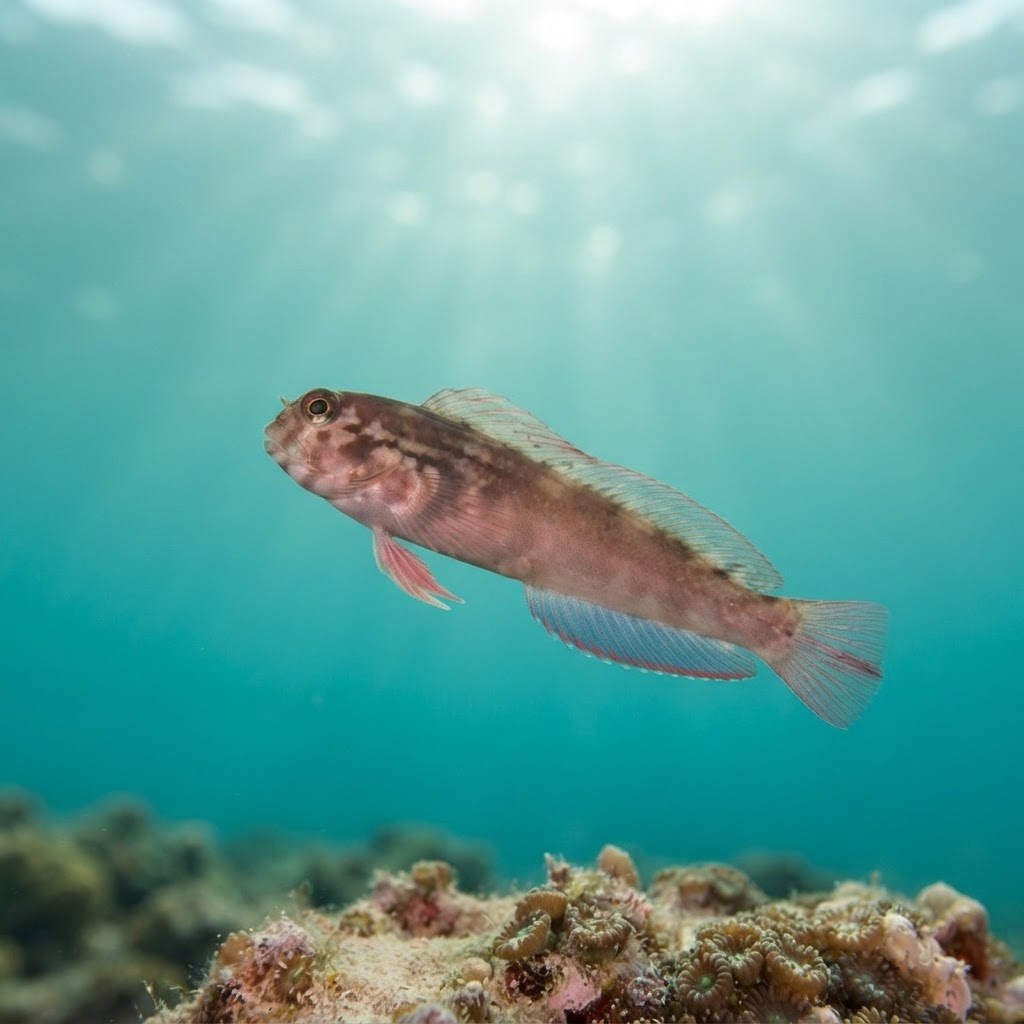
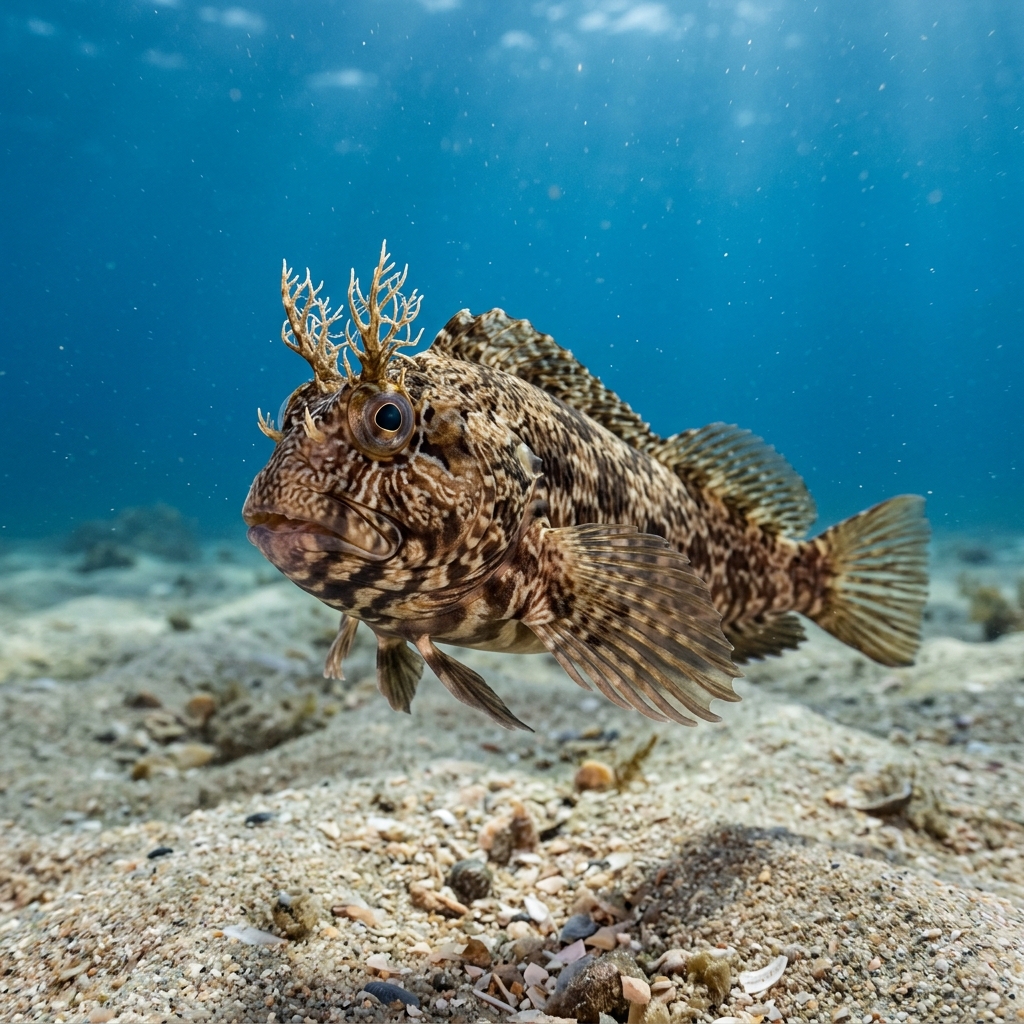
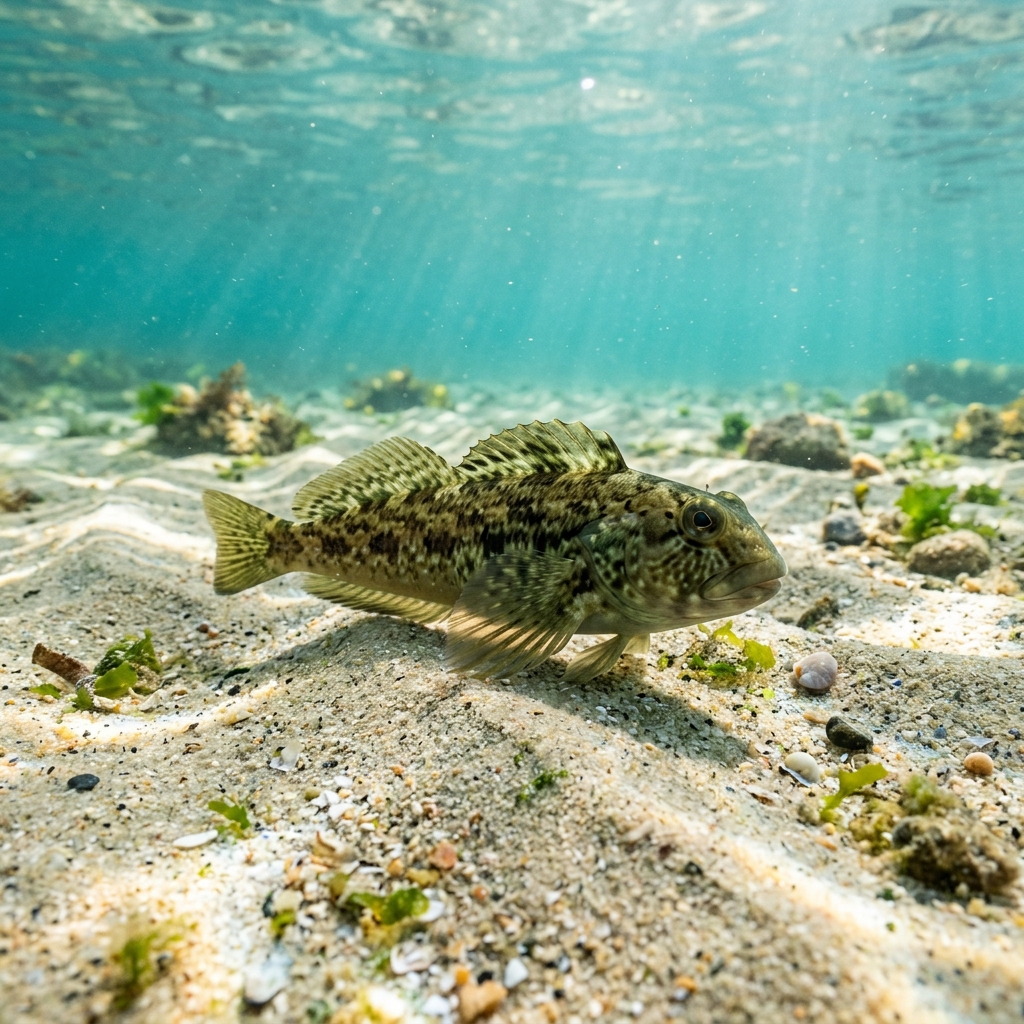
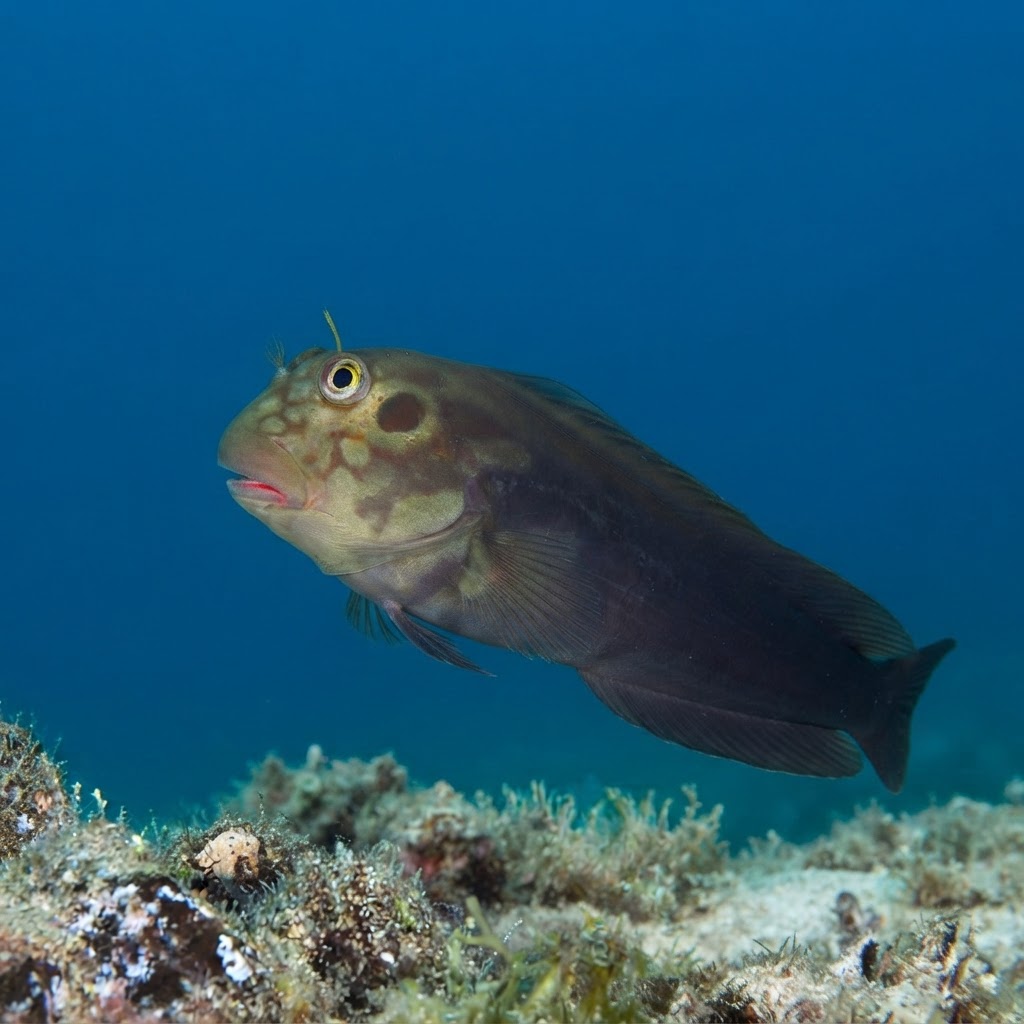
A small, elongated fish around 9 cm long, mottled brown to olive with a blunt head and large eyes set high on the skull. Look for it perched motionless in a burrow or crevice rather than swimming in open water, with a slightly humped forehead profile typical of blennies. The mouth carries the family's namesake fang-like teeth, though these are only visible up close.
Spends most of its time tucked into a burrow, crevice, or empty shell, poking its head out to watch divers pass rather than venturing into open water. It tends to hold its ground when approached slowly, darting back into cover only if pressed, which makes it a good subject for patient close-up photography. Most sightings come from divers working slowly along rock and rubble sections of reef rather than mid-water.
Its fang-like lower teeth are a defensive tool rather than a feeding structure, used to deliver a nip if it feels cornered rather than to catch prey.
Sightings show no clear seasonal pattern, and with a comfortable range of 21.2 to 28.0 C it's a reasonable year-round find on New South Wales reefs. Divers report it about as often across different months, so there's no need to time a trip around it.
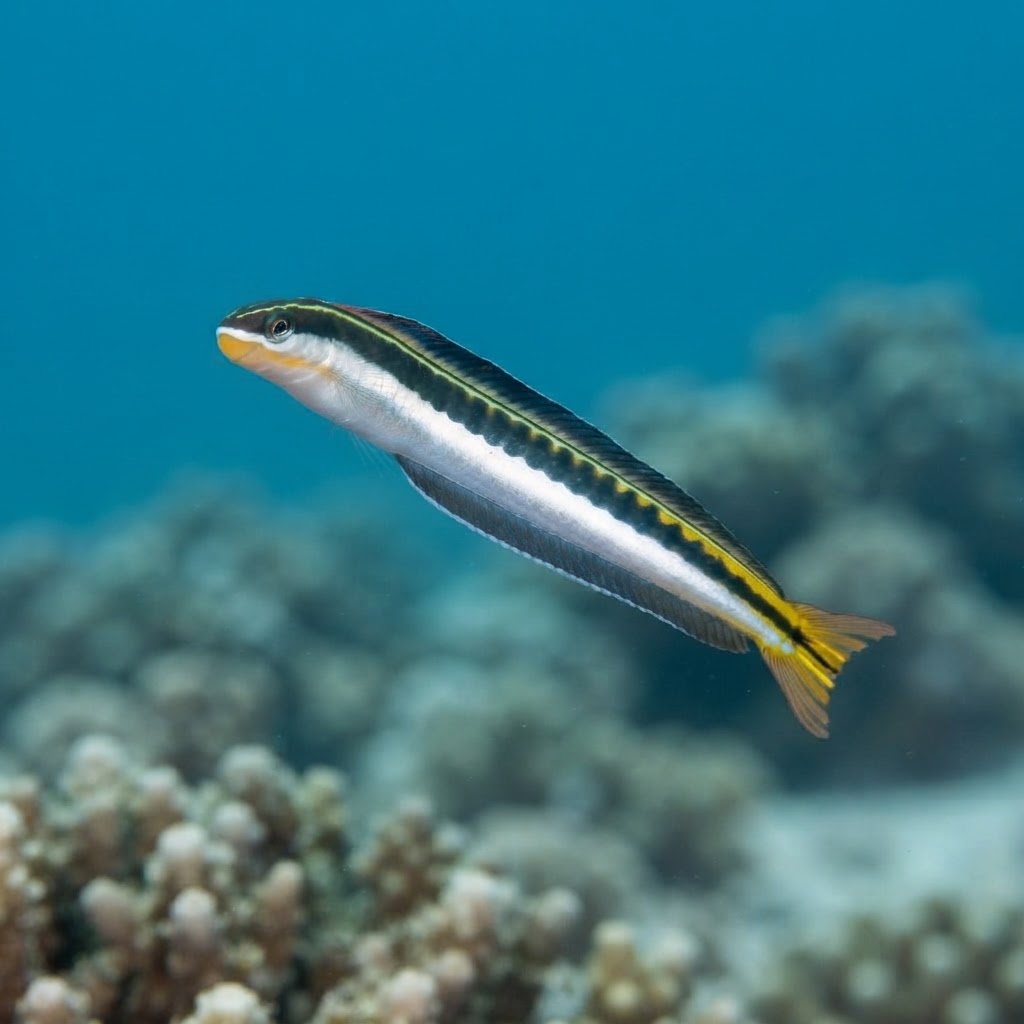
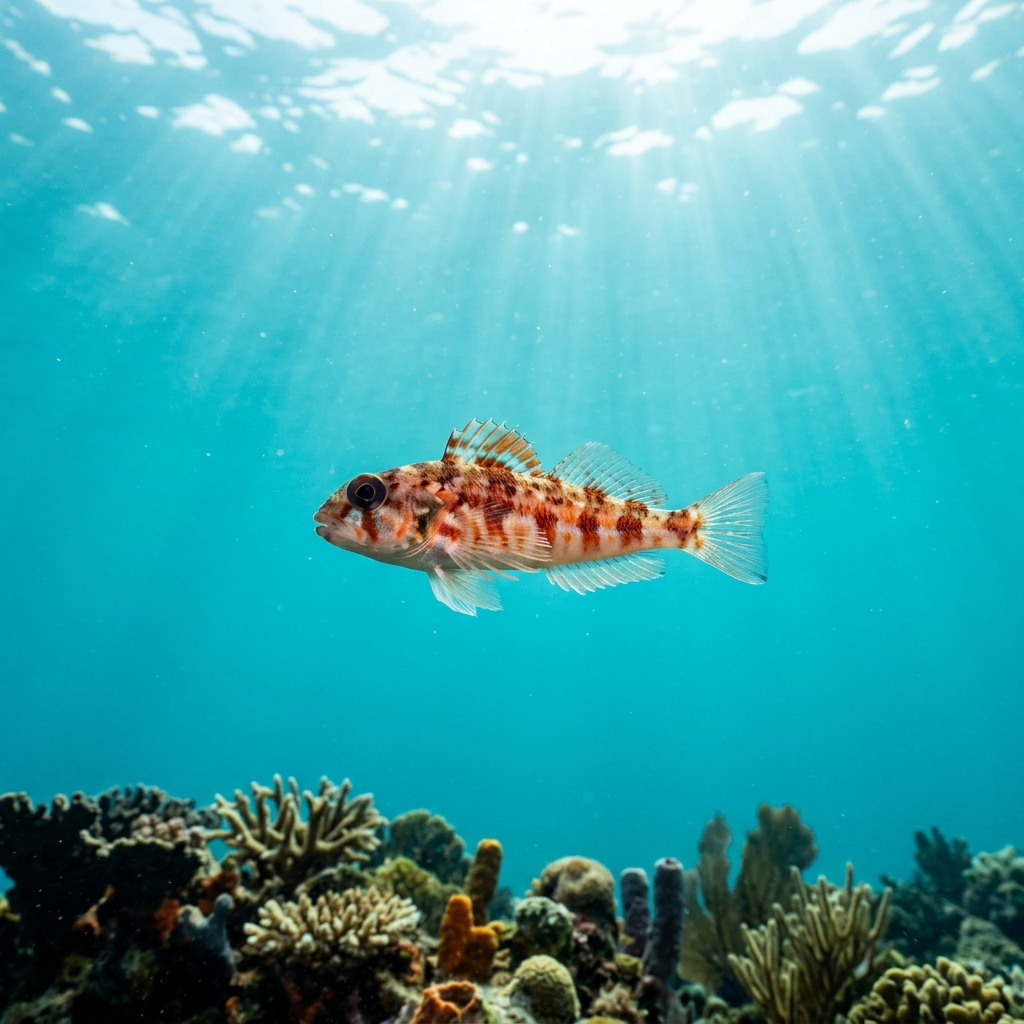
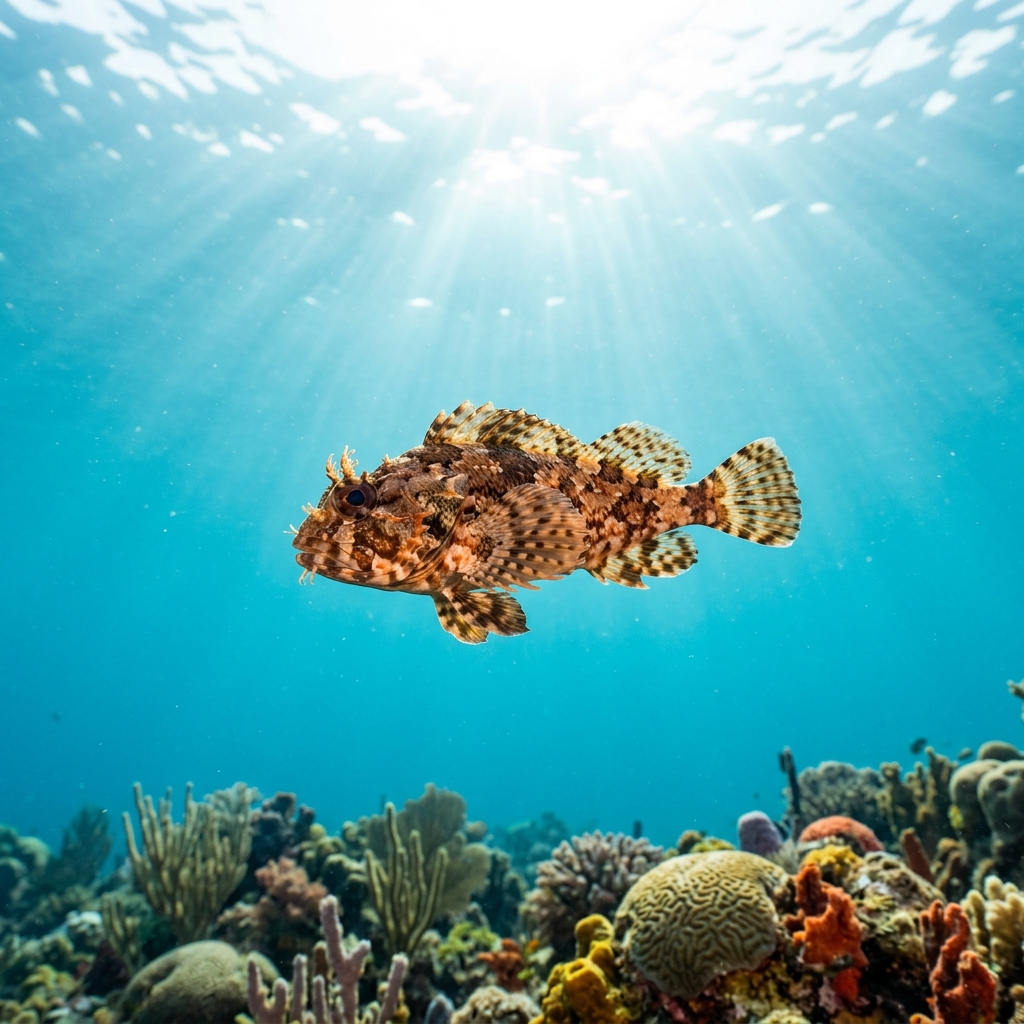
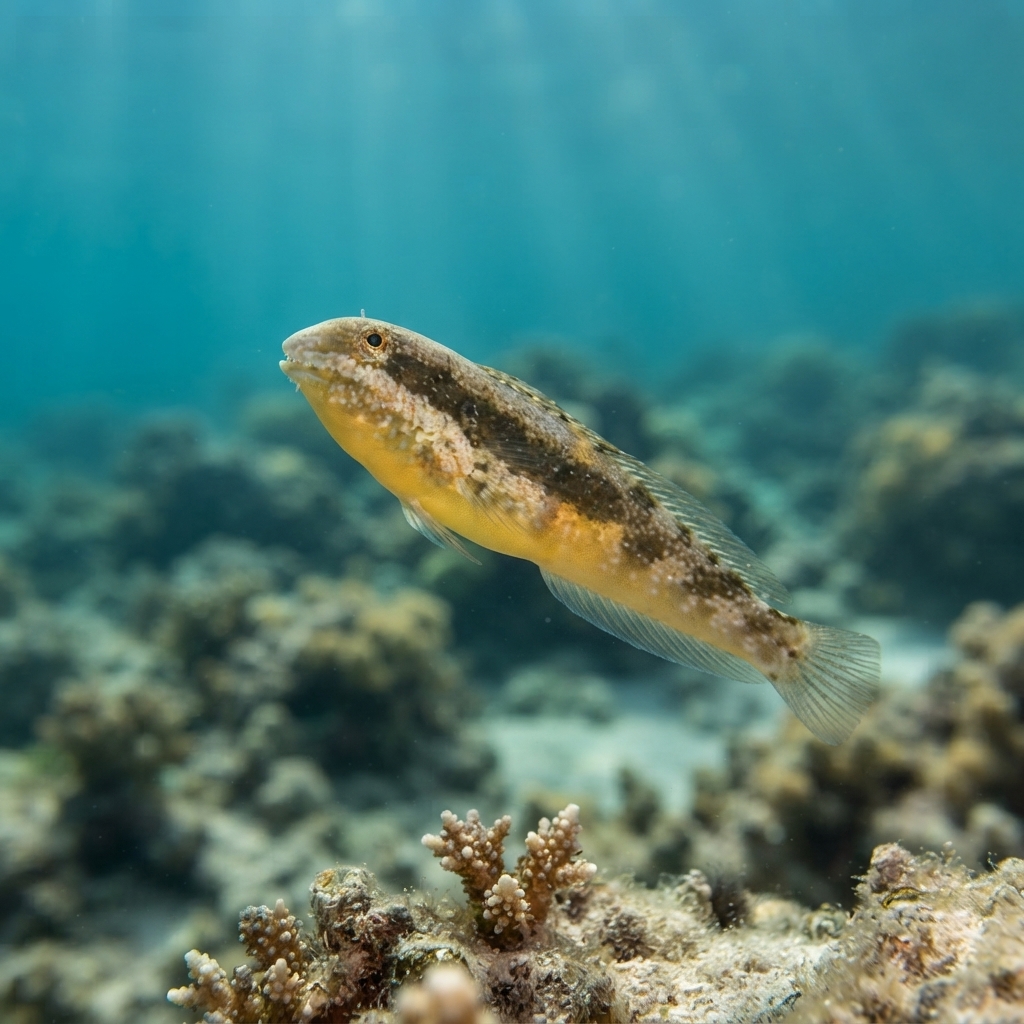
Reef neighbours a diver could mistake it for. Use the identification notes above to tell them apart.
Logged almost exclusively on rocky and reef sites in New South Wales, Australia, where it turns up as a common sighting at the majority of dive and snorkel sites tracked. This is the region to look for it, particularly on temperate rocky reefs rather than tropical coral systems.
Mapping where Brown Sabretooth Blenny is logged…
It's most reliably seen on rocky reef sites in New South Wales, Australia, where divers log it as a common find at most locations surveyed.
There's no strong seasonal pattern, so it's a year-round sighting on New South Wales reefs within its comfortable 21.2 to 28.0 C range.
They're not aggressive and won't approach divers, but their sabre-like teeth can nip if you try to handle one or reach into its crevice. Best practice is to observe from a short distance and keep hands out of holes and burrows.
Look for a small mottled brown fish, about 9 cm long, poking its head out of a crevice or burrow rather than swimming freely. The blunt head, high-set eyes, and stationary crevice-dwelling habit are the giveaways.
They max out at around 9 cm, making them one of the smaller reef fish you'll spot on a New South Wales dive.
It carries fang-like teeth used purely for defence, not feeding, letting it deliver a sharp nip if grabbed or cornered in its burrow.
Site and sighting data is aggregated from diver logs, iNaturalist and GBIF. For taxonomy and conservation status:
Ophioblennius atlanticus
Rusty Blenny
2,605 sites