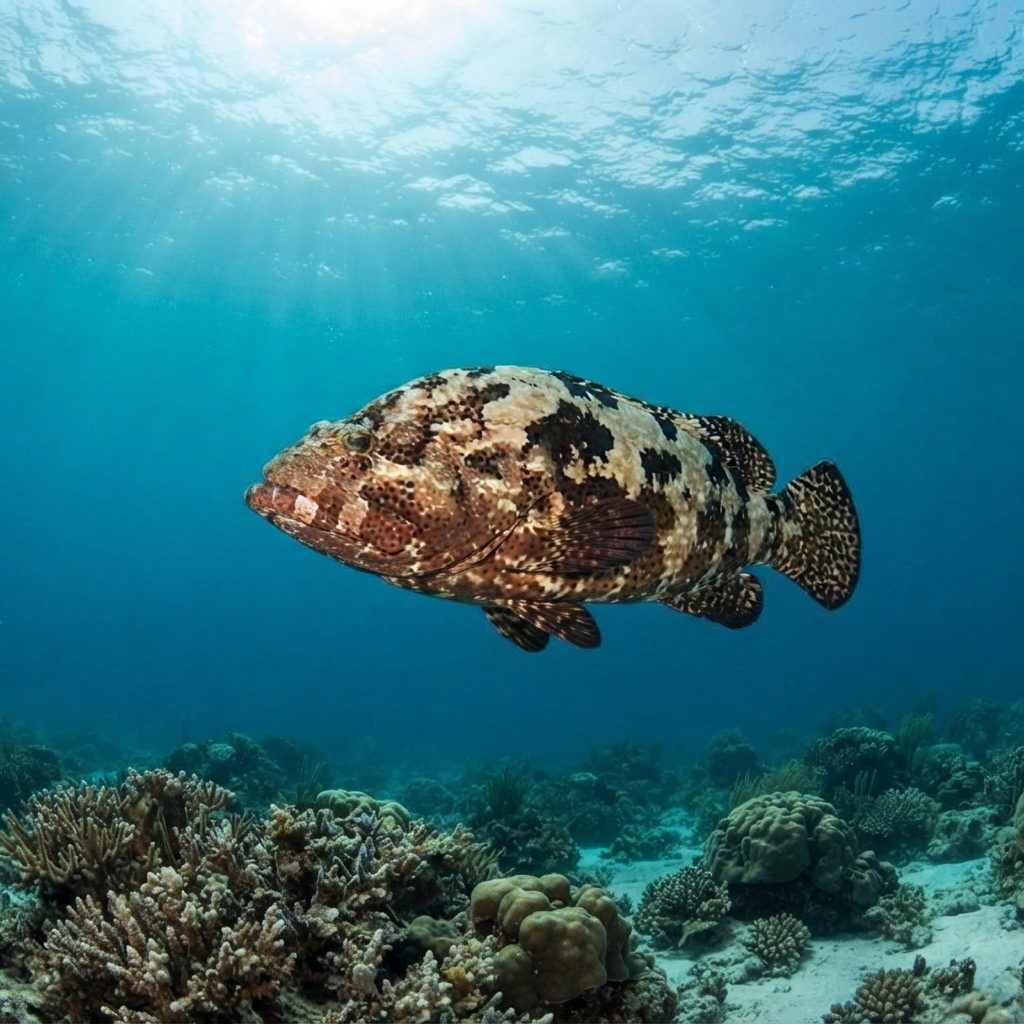
Epinephelus fuscoguttatus
Mottled brown grouper logged uncommonly across Queensland reefs in warm 25-29C water year-round. Here's how to spot one.
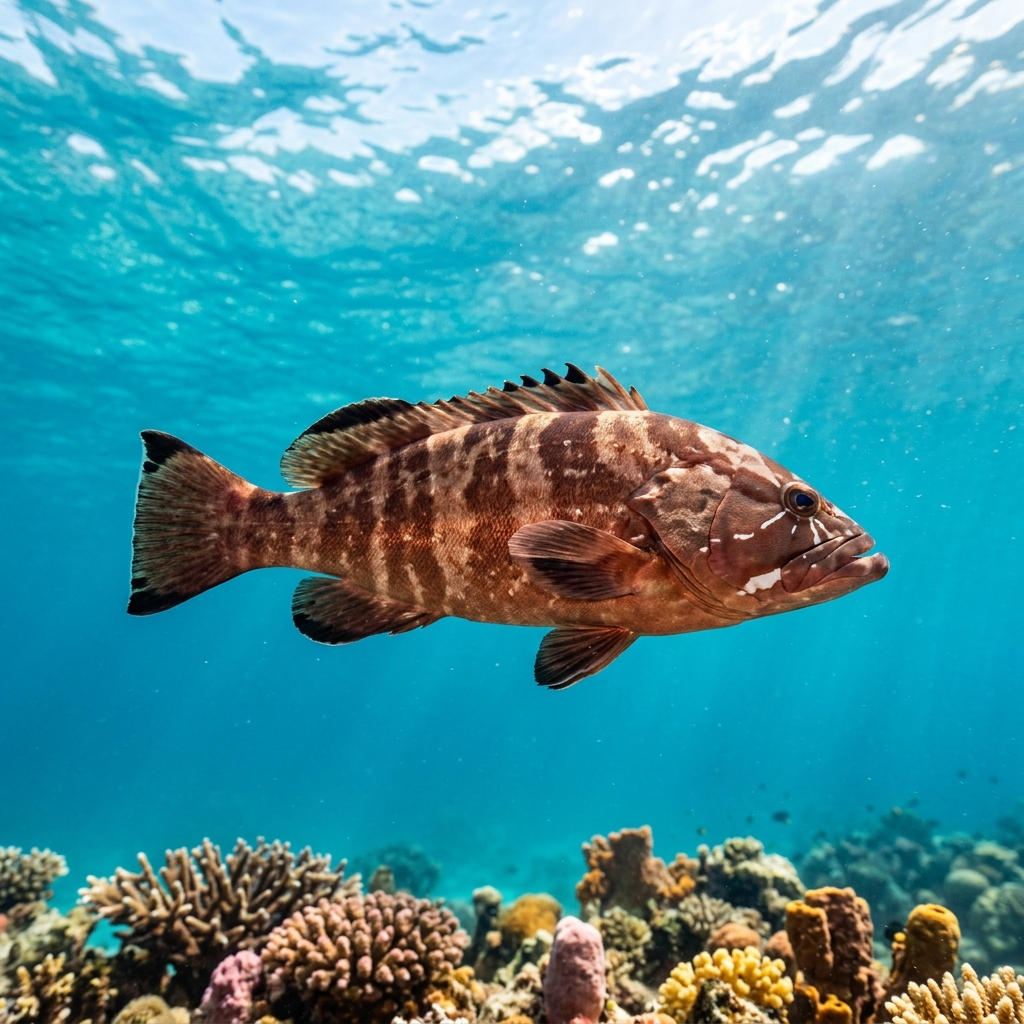
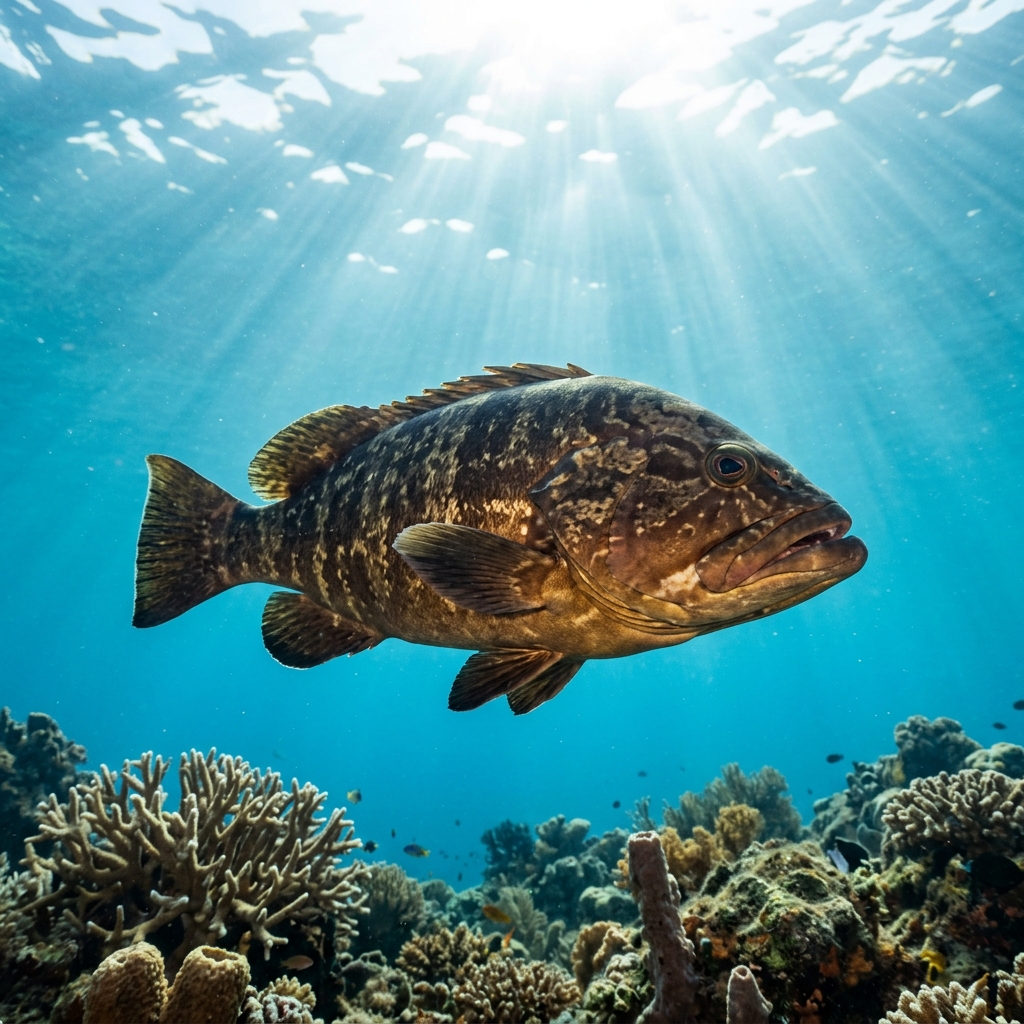
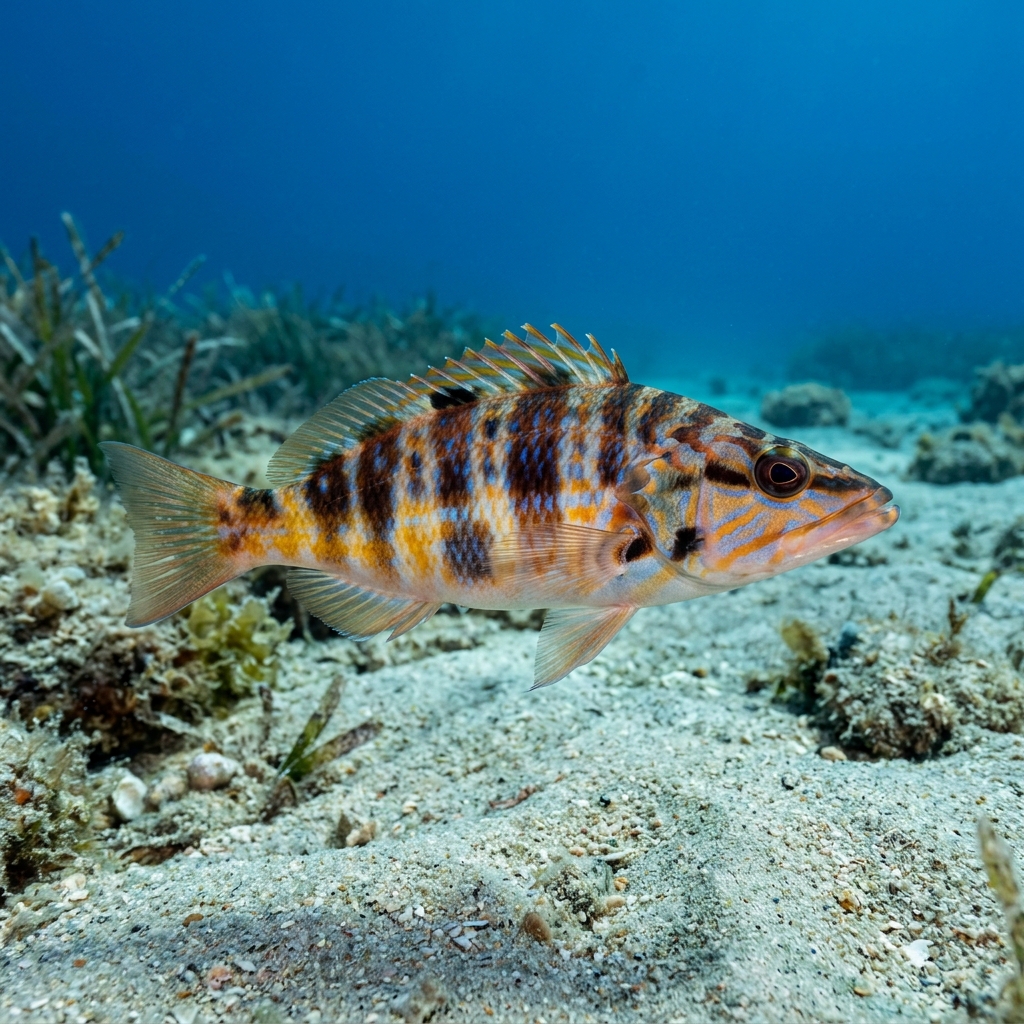
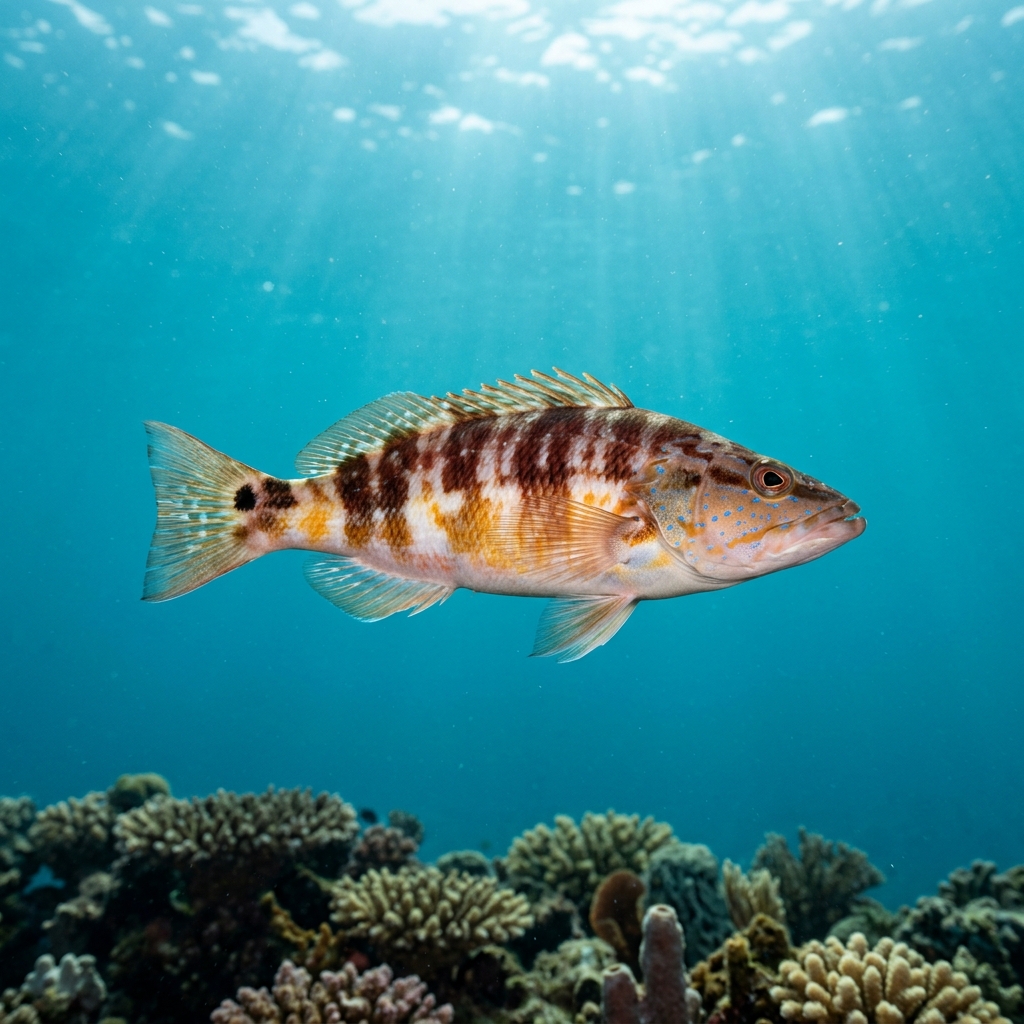
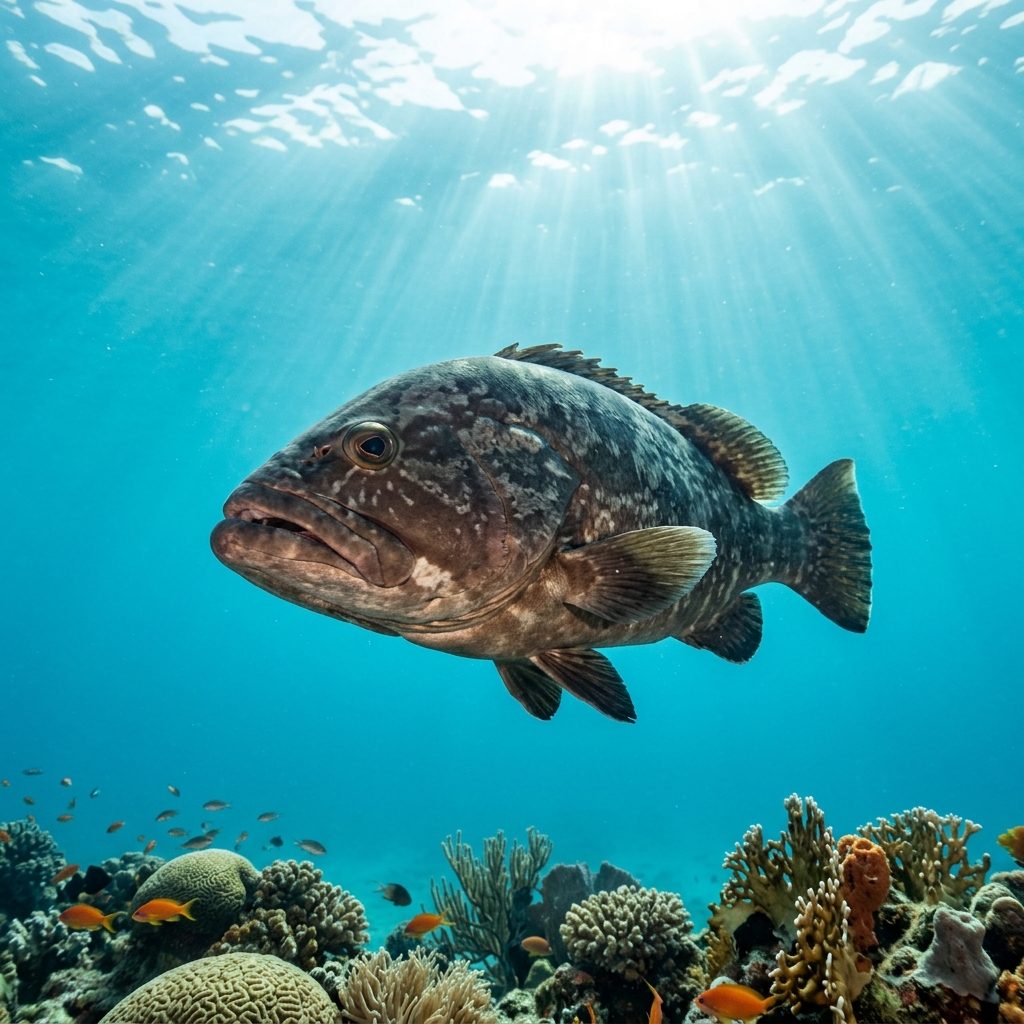
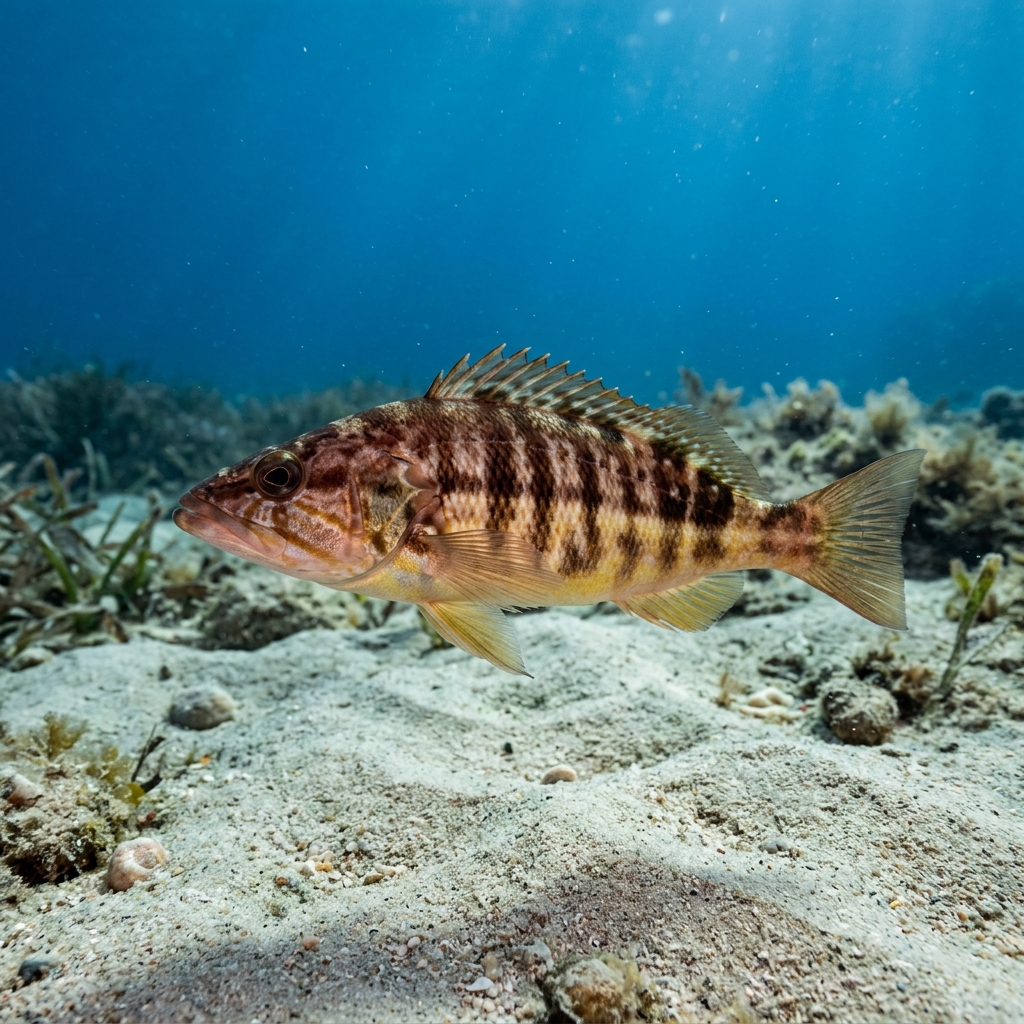
Bulky, heavy-bodied grouper reaching around 84cm, covered in a dense mottled pattern of dark brown blotches over a paler grey-brown base that gives a marbled, almost camouflage look. The head and fins carry the same blotching, with no single bold stripe or spot to key on, so it's the overall marbled camouflage rather than one mark that identifies it. Often seen holding still near reef structure rather than swimming in the open, which helps separate it from more active reef fish nearby.
Typically found parked near caves, ledges or coral bommies rather than cruising open water, relying on its marbled camouflage to blend into the reef背景 rather than fleeing. Divers usually get a calm, unhurried look as it holds position and watches rather than bolts, though it will retreat into structure if approached too directly. Most sightings are on the reef itself during daylight dives rather than in open sand or blue water.
Like many groupers in this family, it's a protogynous hermaphrodite, meaning individuals typically start life as females and some later transition to males, which is relevant to how populations aggregate to spawn.
No clear seasonal pattern shows up in the data, so treat it as a year-round possibility. It's recorded in water between 25.4 and 29.1C, comfortably within the range Queensland reefs sit at most of the year.
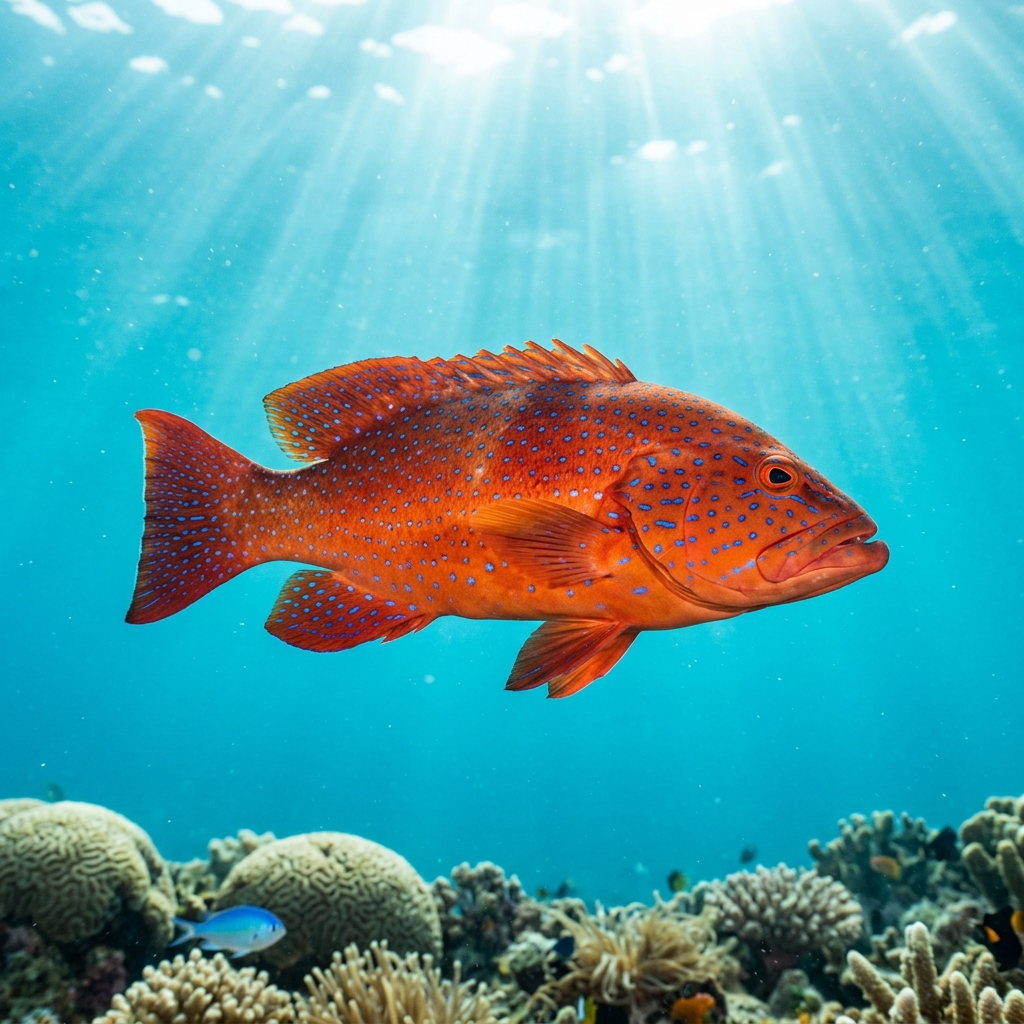
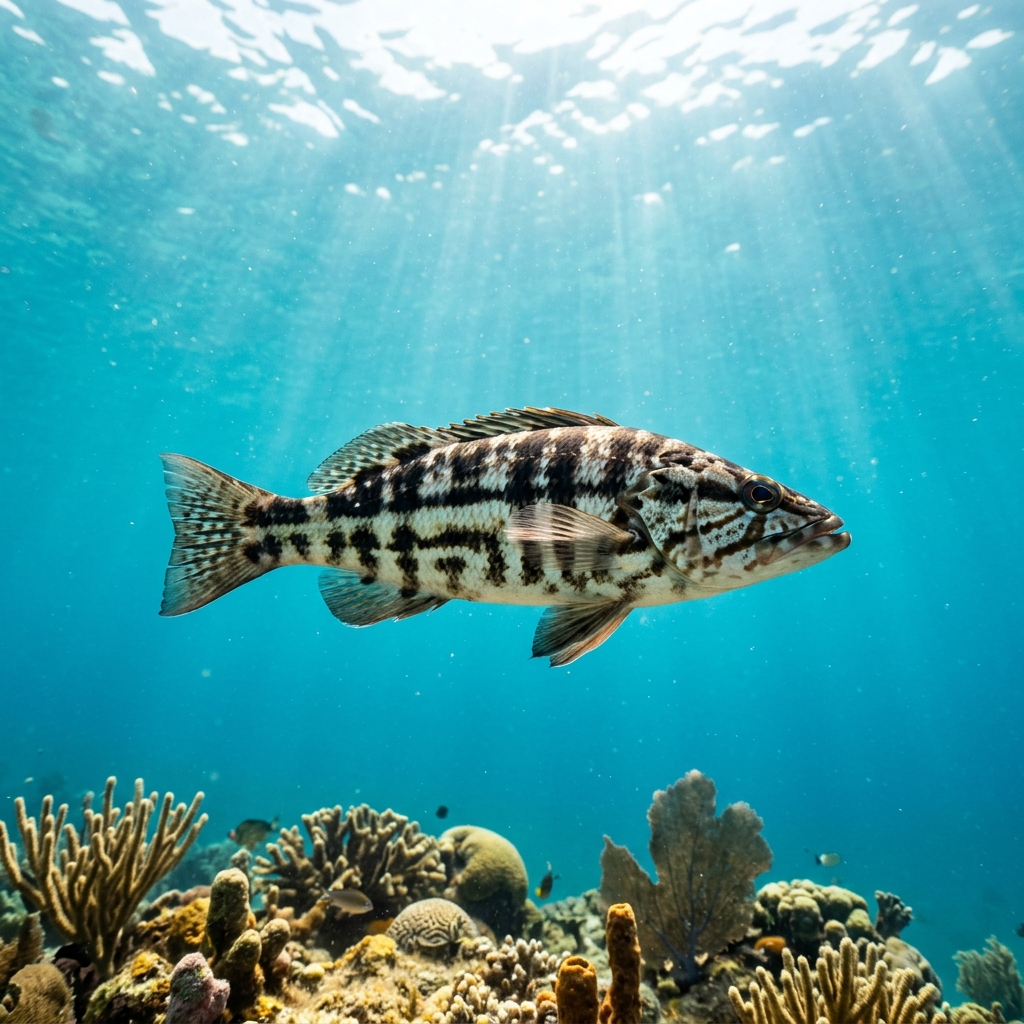
Reef neighbours a diver could mistake it for. Use the identification notes above to tell them apart.
All logged sightings in this dataset come from Queensland, Australia, making it the reliable region for this species. Divers on the Great Barrier Reef and surrounding Queensland sites have the best documented chance of an encounter, though it's rated uncommon even there, so treat any sighting as a bonus rather than a given.
Mapping where Brown-marbled Grouper is logged…
Queensland, Australia is the region with documented sightings, including sites along the Great Barrier Reef. It's logged as uncommon even in these areas, so it's a possible encounter rather than a guaranteed one.
There's no detected seasonal pattern, so sightings are possible year-round. Water temperatures where it's been recorded range from 25.4 to 29.1C, typical of Queensland reefs for most of the year.
Look for a heavy-bodied grouper up to about 84cm covered in dense dark brown marbling over a paler base, with no single bold spot or stripe. It's usually resting near reef structure like ledges or bommies rather than swimming in open water.
They typically reach around 84cm in length, making them one of the larger reef groupers a diver is likely to encounter. Their bulky build makes them look even larger at close range.
They're protogynous hermaphrodites, starting life as female with some individuals later changing sex to male. This sex-change strategy is common across grouper species and shapes how they form spawning groups.
Site and sighting data is aggregated from diver logs, iNaturalist and GBIF. For taxonomy and conservation status:
Blacktip Grouper
2,726 sites