Bulla quoyii
A rarely-seen sea snail turning up on muck dives in Western Australia and New Zealand's North Island, in cool 16-22C water.
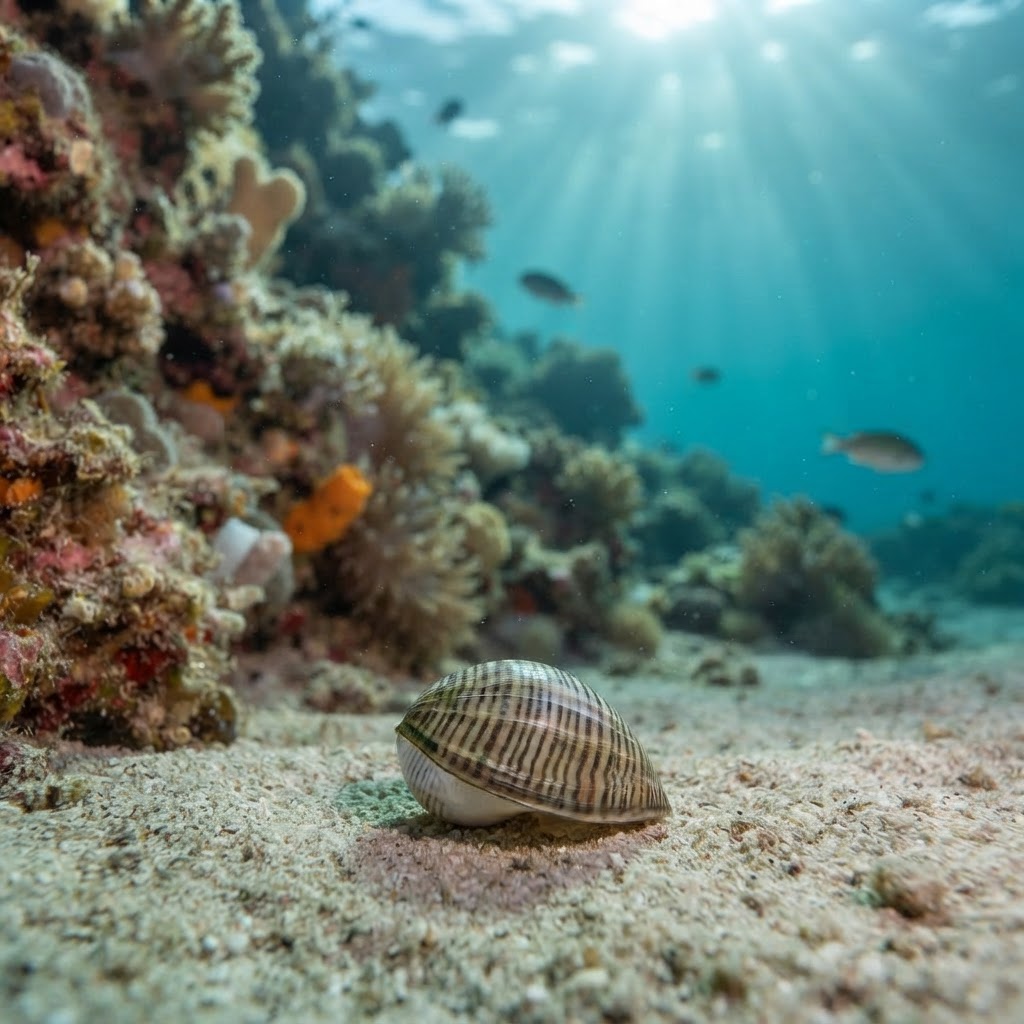
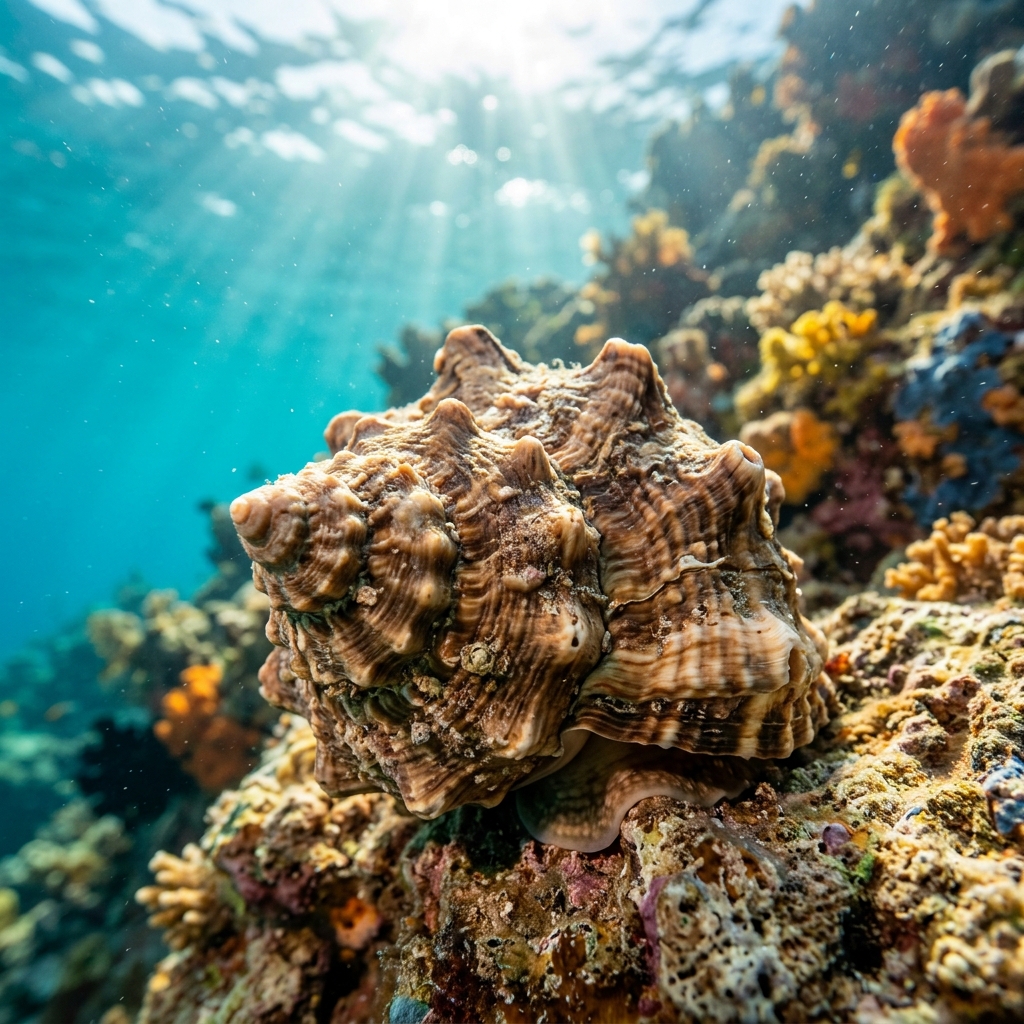
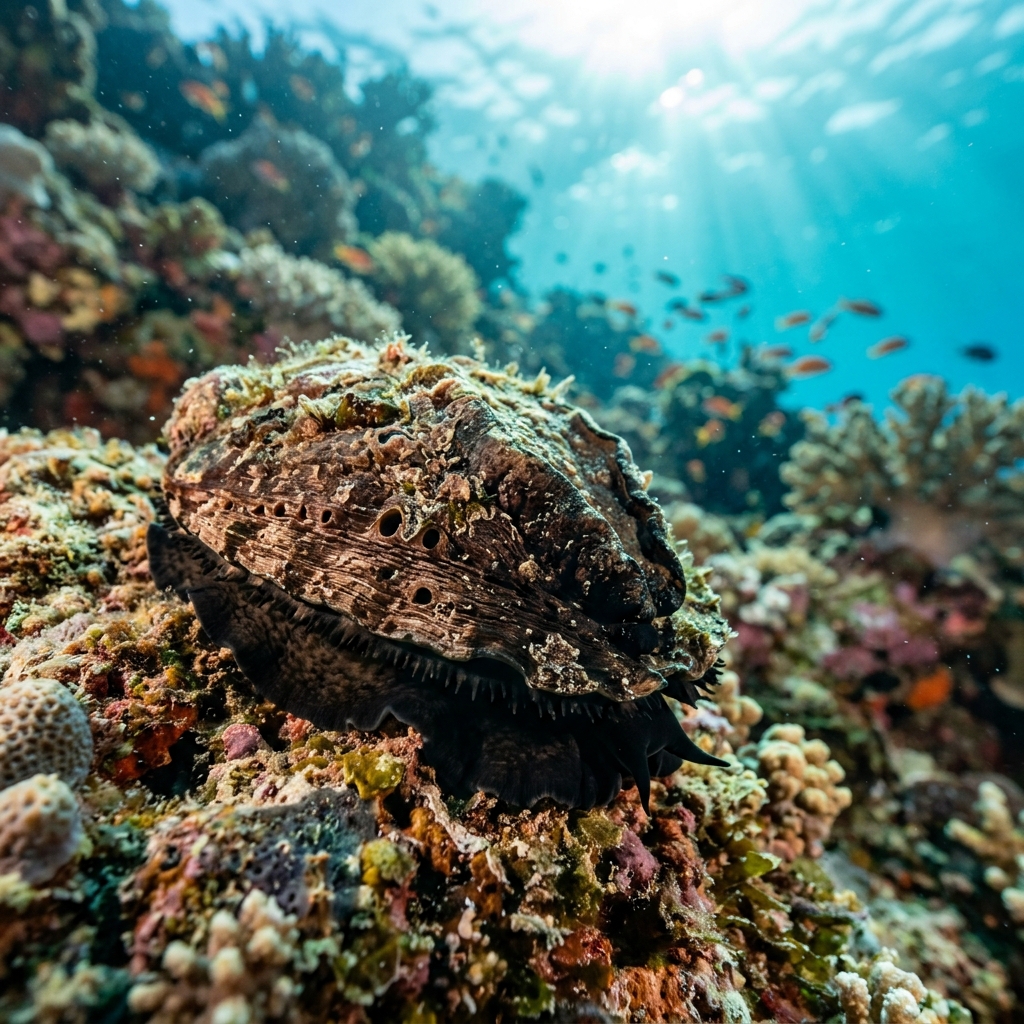
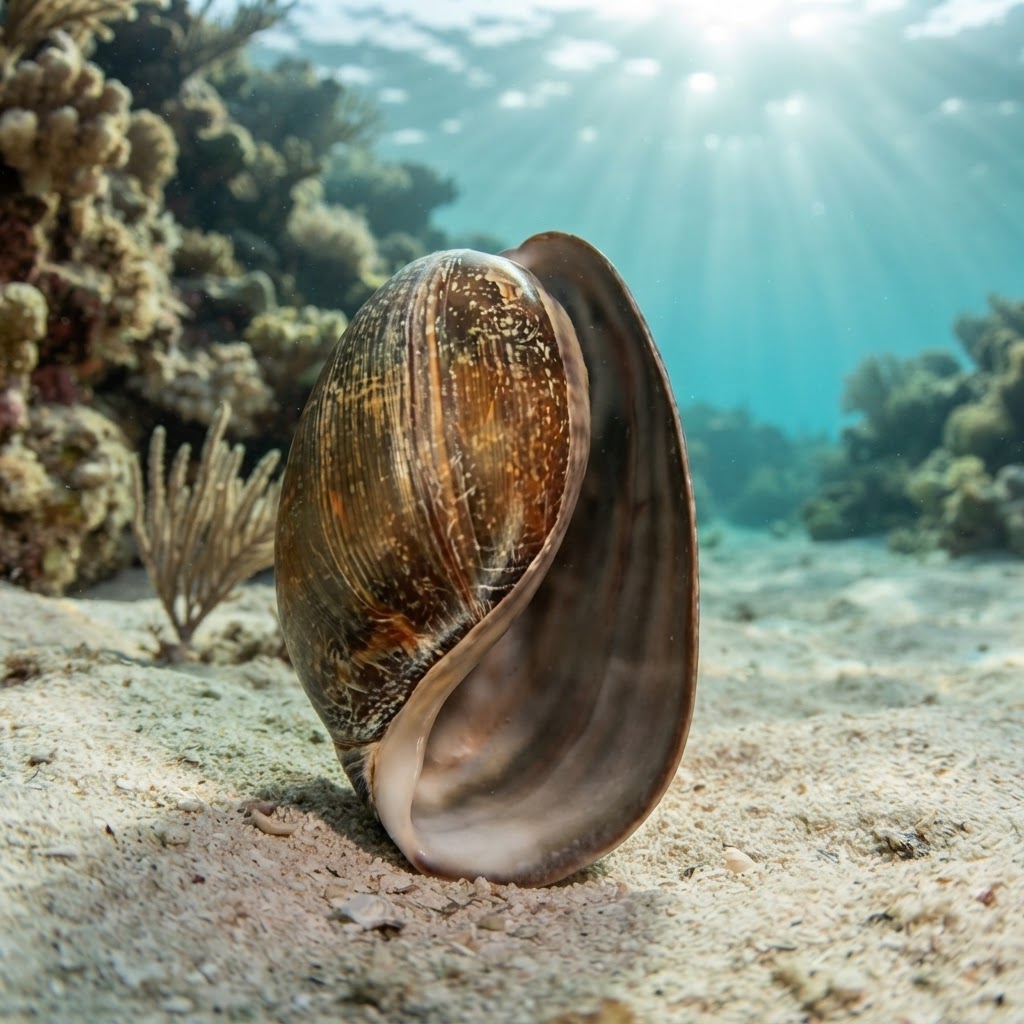
Look for a smooth, glossy, inflated shell in mottled brown and tan tones, more rounded and bubble-like than a typical snail shell rather than spiralled to a point. The soft body is often only partly visible, with fleshy lobes that can wrap up over the shell as it moves across sand or silty bottom. It sits low and moves slowly, so divers usually spot it as a small oval lump rather than anything actively swimming.
Divers find it parked on sand, mud or silty patches rather than on hard reef, usually moving at a snail's pace across the substrate or half-buried at its edge. It shows no reaction to divers and will simply keep grazing or ploughing forward when approached, making it an easy subject once you spot it, the trick is just noticing it at all given how well it blends into the sediment.
Like other bubble shells, it's thought to feed by ploughing through sand and silt for small invertebrates and organic matter, which is exactly why divers find it on soft-bottom patches rather than coral or rock.
Sightings show no clear seasonal peak, and with a comfortable range of about 16 to 22C it's a year-round find wherever divers log it. Treat any visit to its Australian and New Zealand sites as a fair shot at spotting one, regardless of month.
Reef neighbours a diver could mistake it for. Use the identification notes above to tell them apart.
Most reliably logged in Western Australia and South Australia, with a strong secondary population on New Zealand's North Island. Smaller numbers turn up in New South Wales and Victoria, so it's very much a Southern Hemisphere temperate-water find rather than a tropical reef species.
Mapping where Brown Bubble Shell is logged…
It's most often logged in Western Australia and South Australia, with a solid population on New Zealand's North Island and smaller numbers in New South Wales and Victoria.
There's no detected season for sightings, and it tolerates a wide 16 to 22C range, so it can be found year-round at its Australian and New Zealand sites.
Look for a smooth, rounded, bubble-shaped shell in mottled brown, sitting on sand or silt rather than hard reef. It moves slowly and lacks any bright colours or patterning that would make it stand out.
No, it poses no risk to divers and simply continues grazing across the substrate when approached.
Most dive sites where it's recorded log it as rare, with a smaller number reporting it as uncommon or common, so treat any sighting as a nice bonus rather than a guarantee.
Site and sighting data is aggregated from diver logs, iNaturalist and GBIF. For taxonomy and conservation status:
Triton Shell
2,297 sites