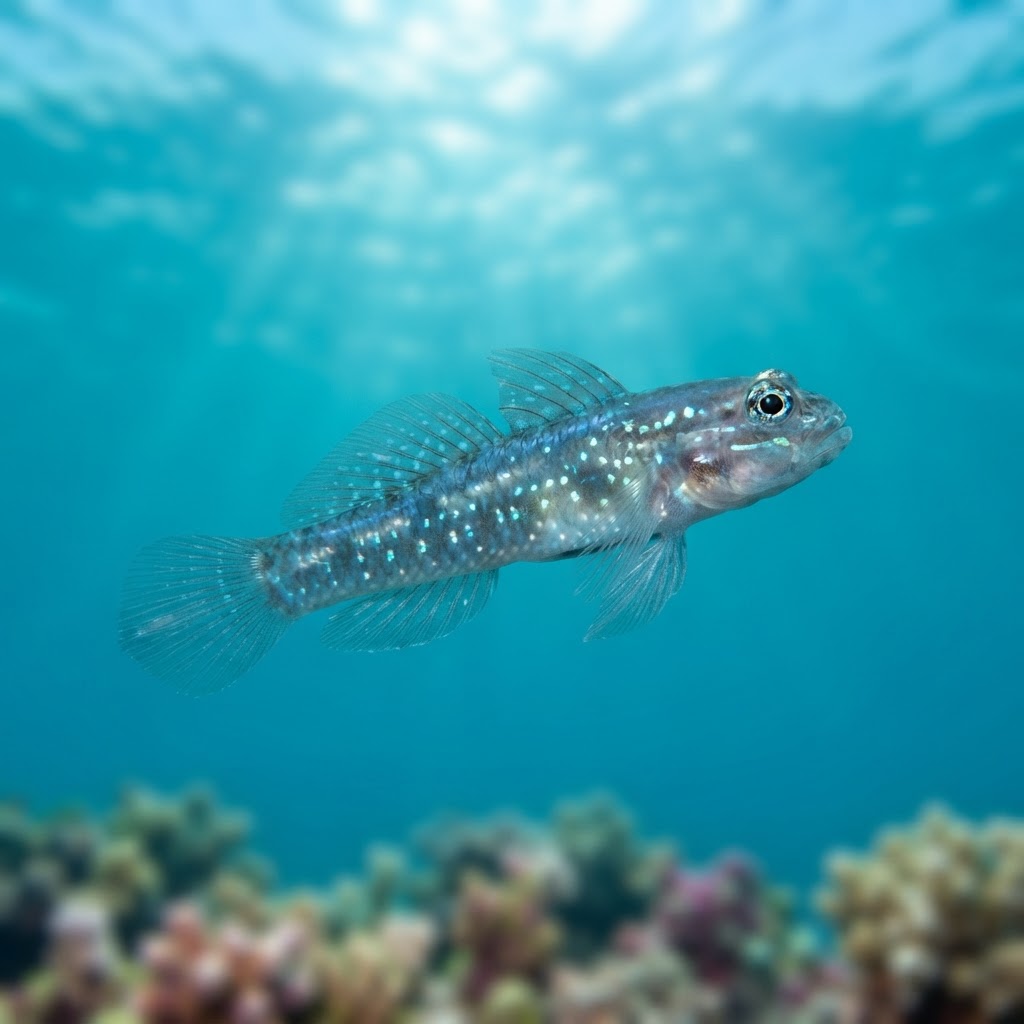
Coryphopterus glaucofraenum
A tiny sand-dweller logged across Florida and Honduras's Bay Islands, comfortable in 24 to 28C water and easy to miss if you don't look down.
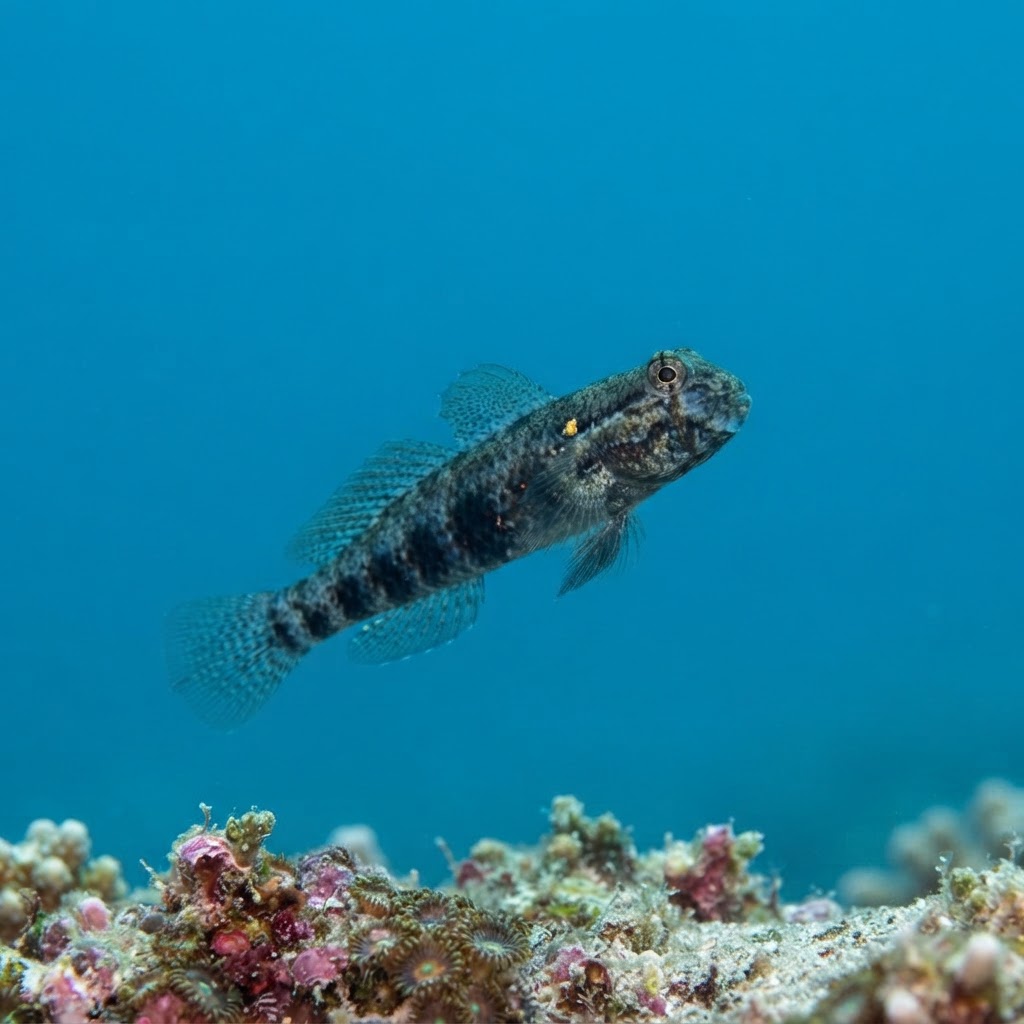
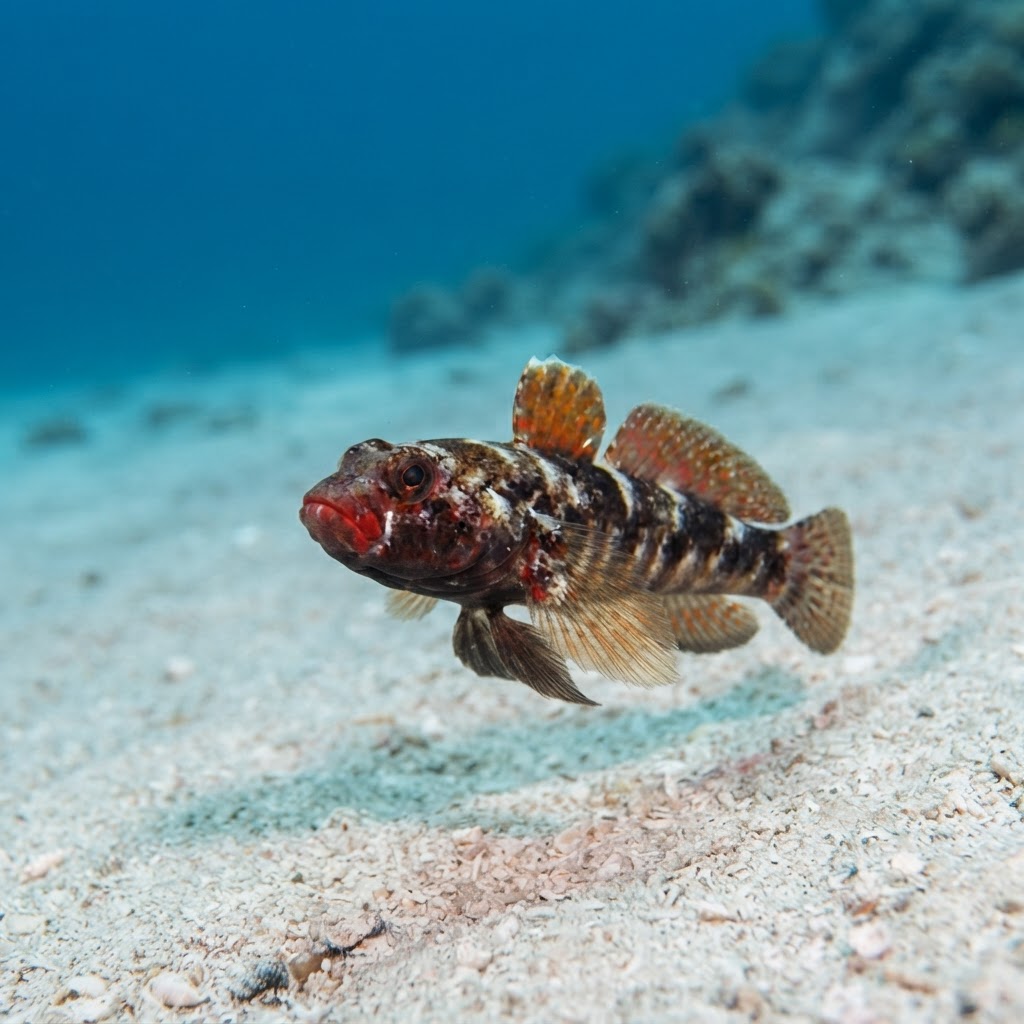
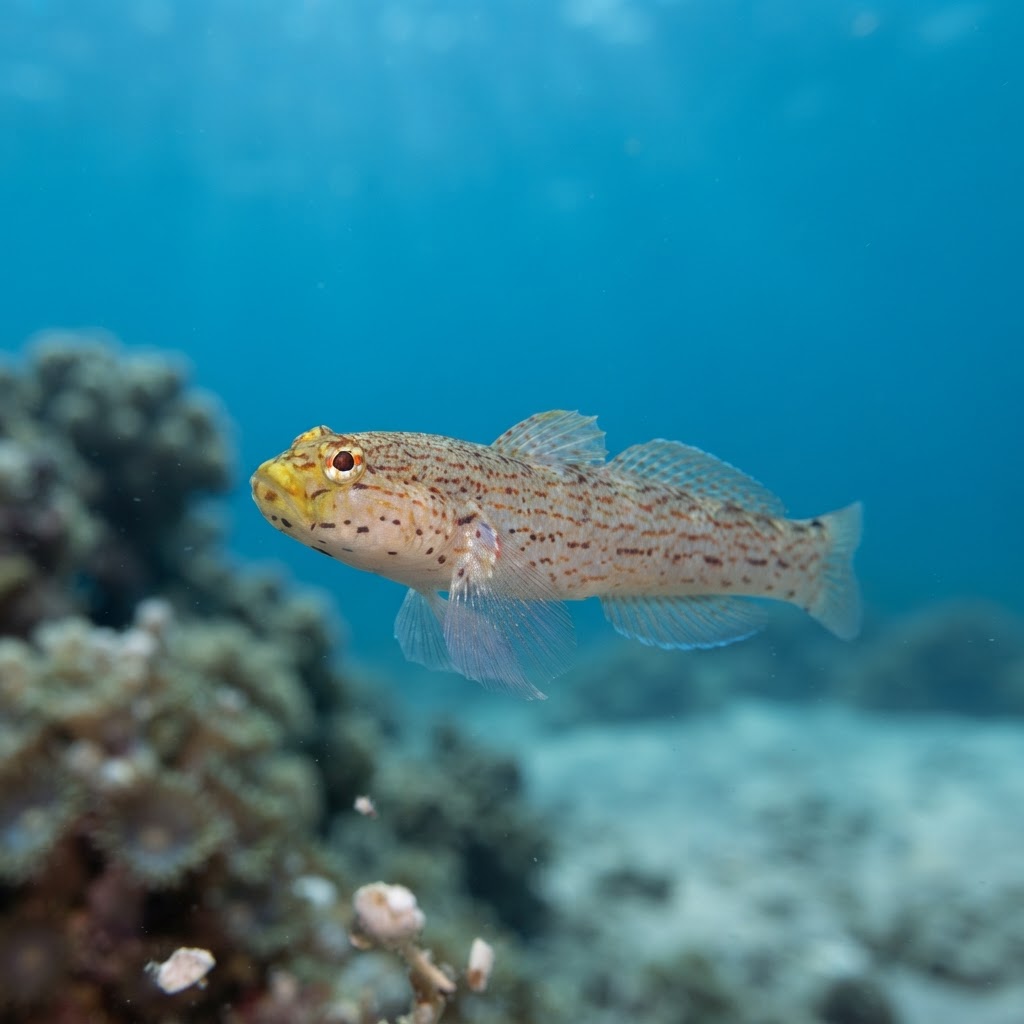
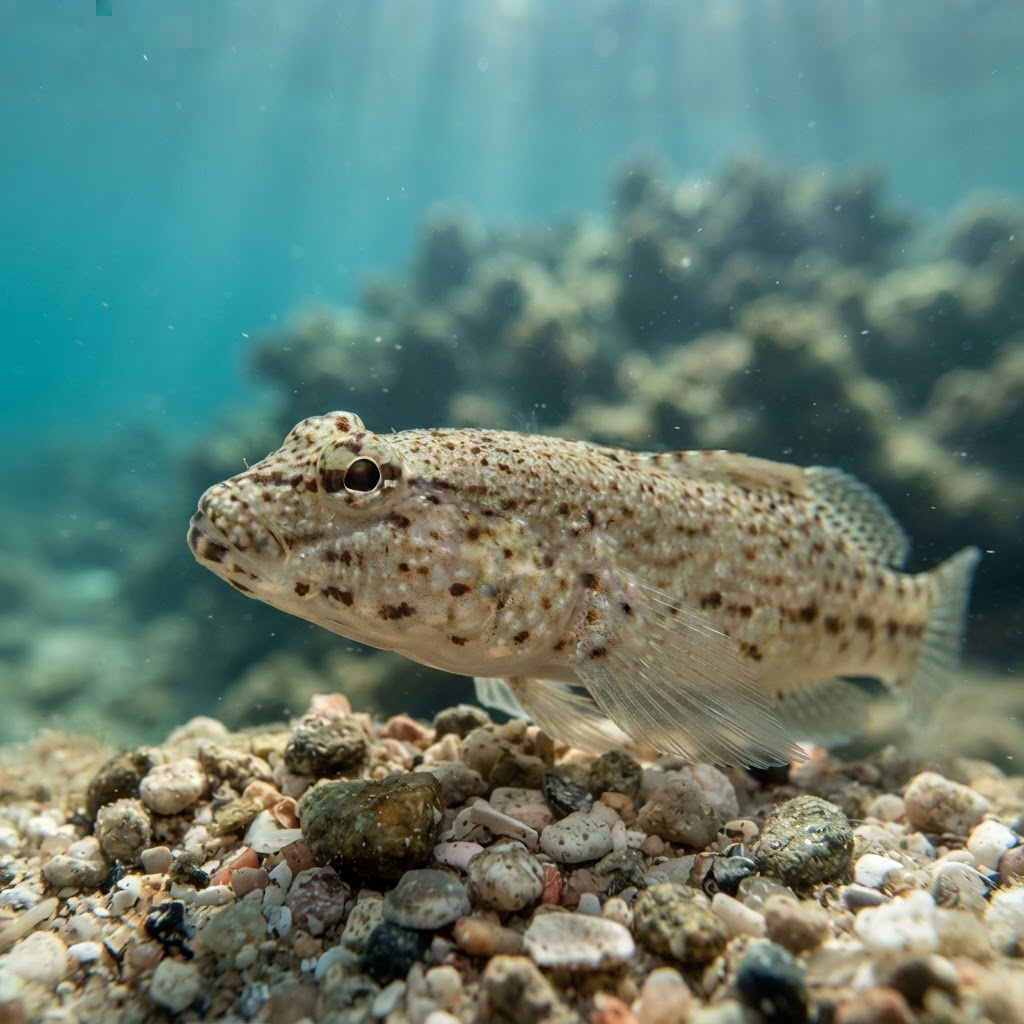
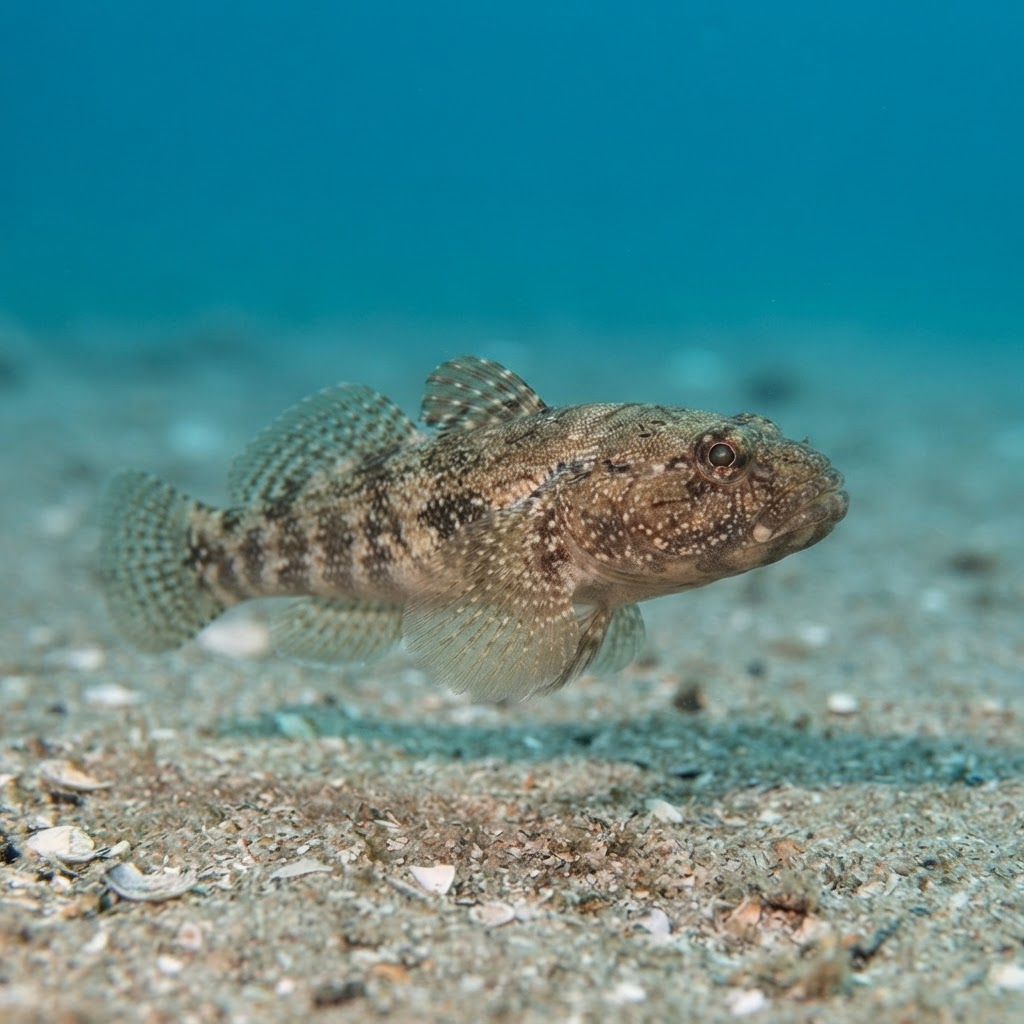
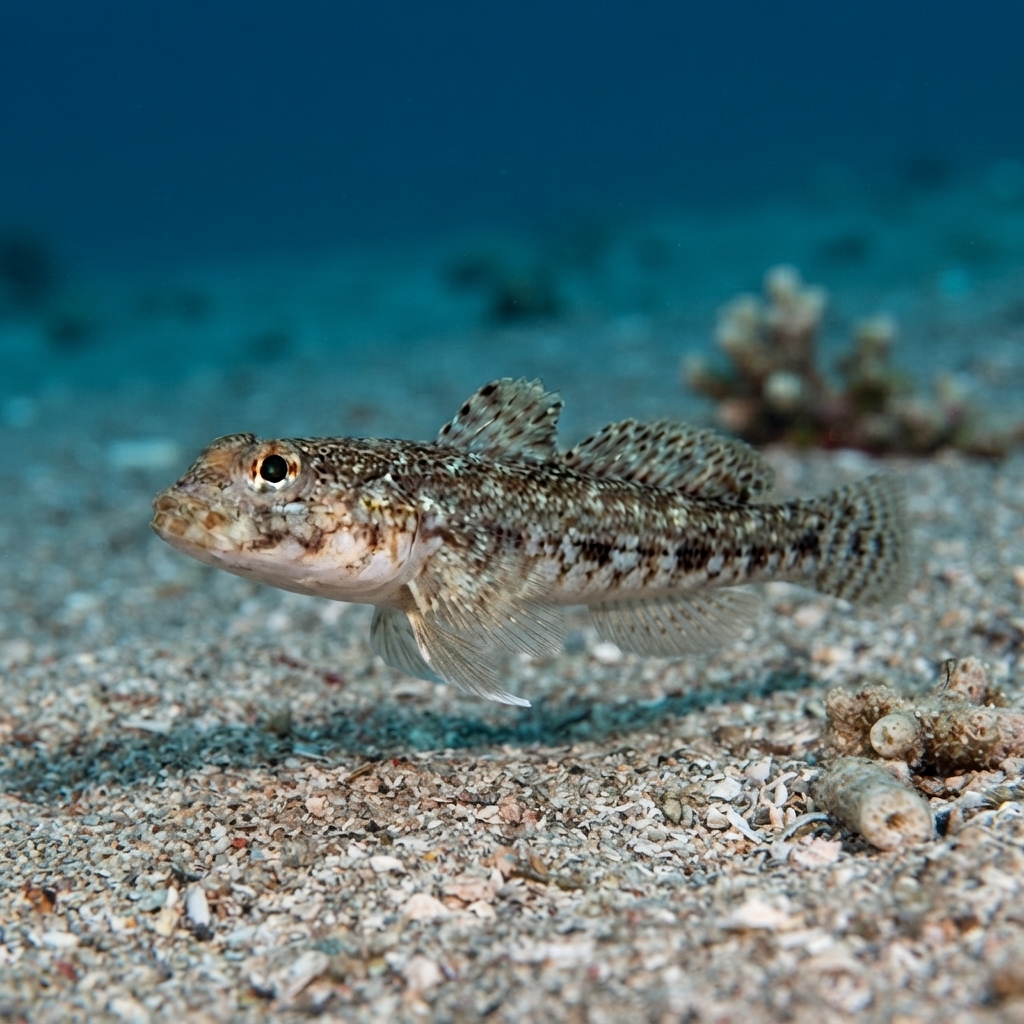
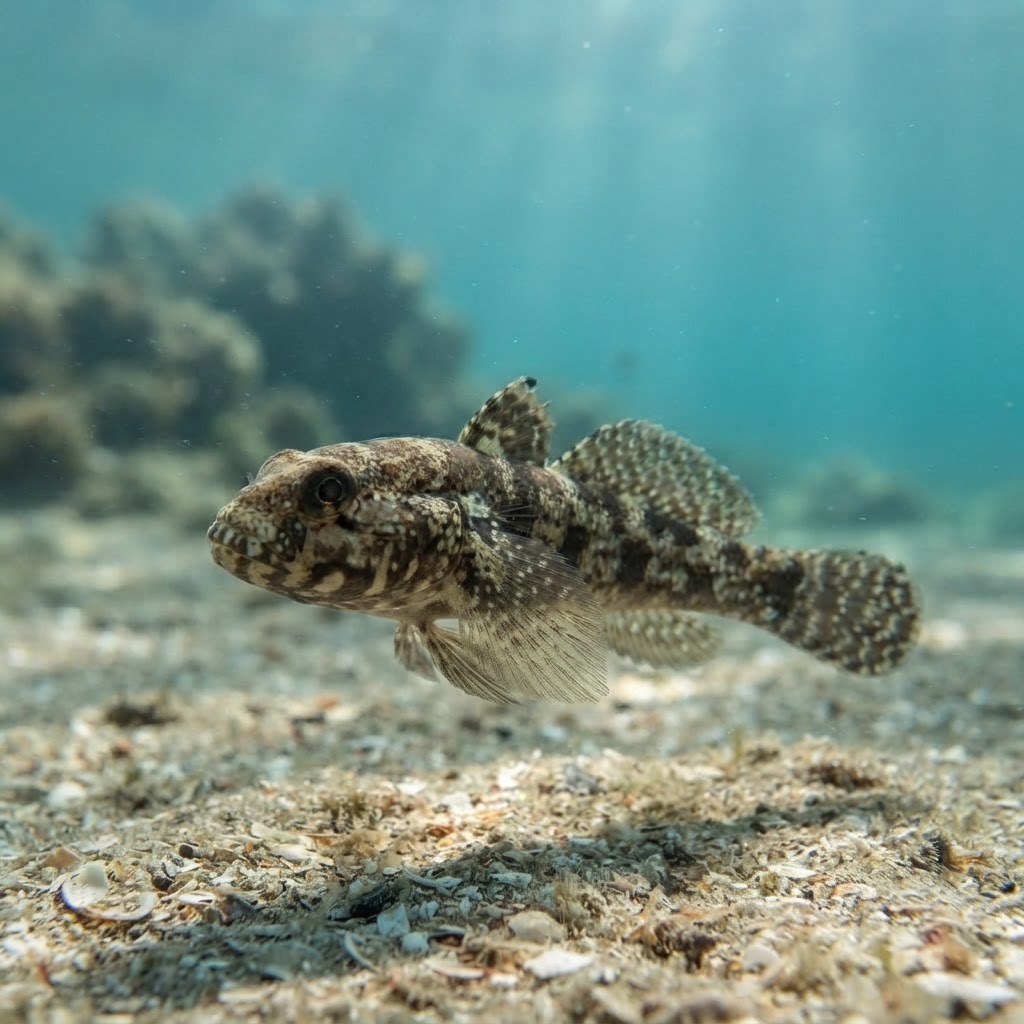
A slender, translucent-pale fish barely 6cm long, usually seen perched or propped on its front fins (pelvic fins) just above sand or rubble rather than swimming in open water. Look for a dark stripe running through the eye and a scatter of faint dusky blotches down a mostly see-through body. It rarely strays far from its patch of bottom, which is often the giveaway that separates it from similar small gobies darting mid-water.
Spend most dives hovering just centimetres above sand or rubble, propped on its pelvic fins and darting a short distance if approached before resettling nearby. It holds station near small burrows or debris rather than schooling, and tends to ignore divers who keep a slow, steady pace rather than swimming straight at it. Most sightings come from close, unhurried looks at sandy patches between coral heads rather than open-water encounters.
Like many gobies, it lacks a swim bladder, which is exactly why it perches on the bottom instead of hovering freely in the water column.
No clear seasonal pattern shows up in the data, and with a comfortable range of 24.4 to 28C it's present on these reefs year-round. Plan around good visibility and calm bottom conditions rather than a particular month.
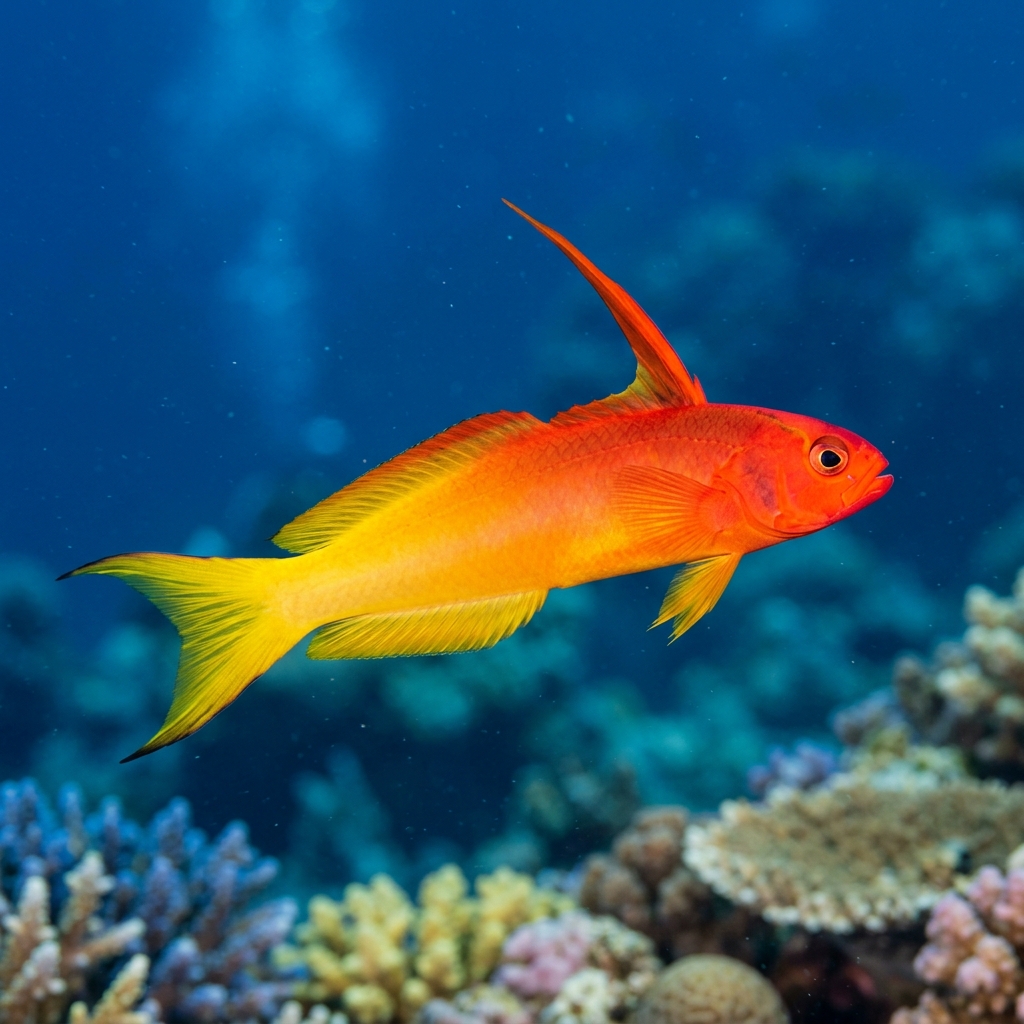
Reef neighbours a diver could mistake it for. Use the identification notes above to tell them apart.
Most reliably logged in Florida, particularly around its southern reefs, and in Honduras's Bay Islands, where it turns up on sand patches and rubble edges near reef structure. Between these two regions divers account for nearly all recorded sightings, so it's very much a Caribbean-basin fish rather than a wide-ranging tropical one.
Mapping where Bridled Goby is logged…
It's most commonly logged in Florida and in Honduras's Bay Islands, usually on sand patches or rubble near reef structure. Sightings outside these two regions are uncommon in current data.
There's no strong seasonal signal, and it tolerates a wide temperature range of roughly 24 to 28C, so it's seen year-round on the reefs where it occurs.
Look for a translucent, pale body under 6cm long with a dark stripe through the eye, perched on its pelvic fins just above sand rather than swimming freely. It stays close to the bottom and darts only short distances when disturbed.
They top out around 6cm, making them one of the smaller reef gobies a diver is likely to notice.
It has no swim bladder, the organ most fish use for buoyancy, so resting on sand or rubble using its pelvic fins as a prop is its normal posture rather than a sign of distress.
Site and sighting data is aggregated from diver logs, iNaturalist and GBIF. For taxonomy and conservation status:
Slender Goby
806 sites