Gobioclinus dendriticus
A small, well-camouflaged blenny logged at reef sites across the Galápagos Islands and Malpelo, in water around 23 to 27 C.
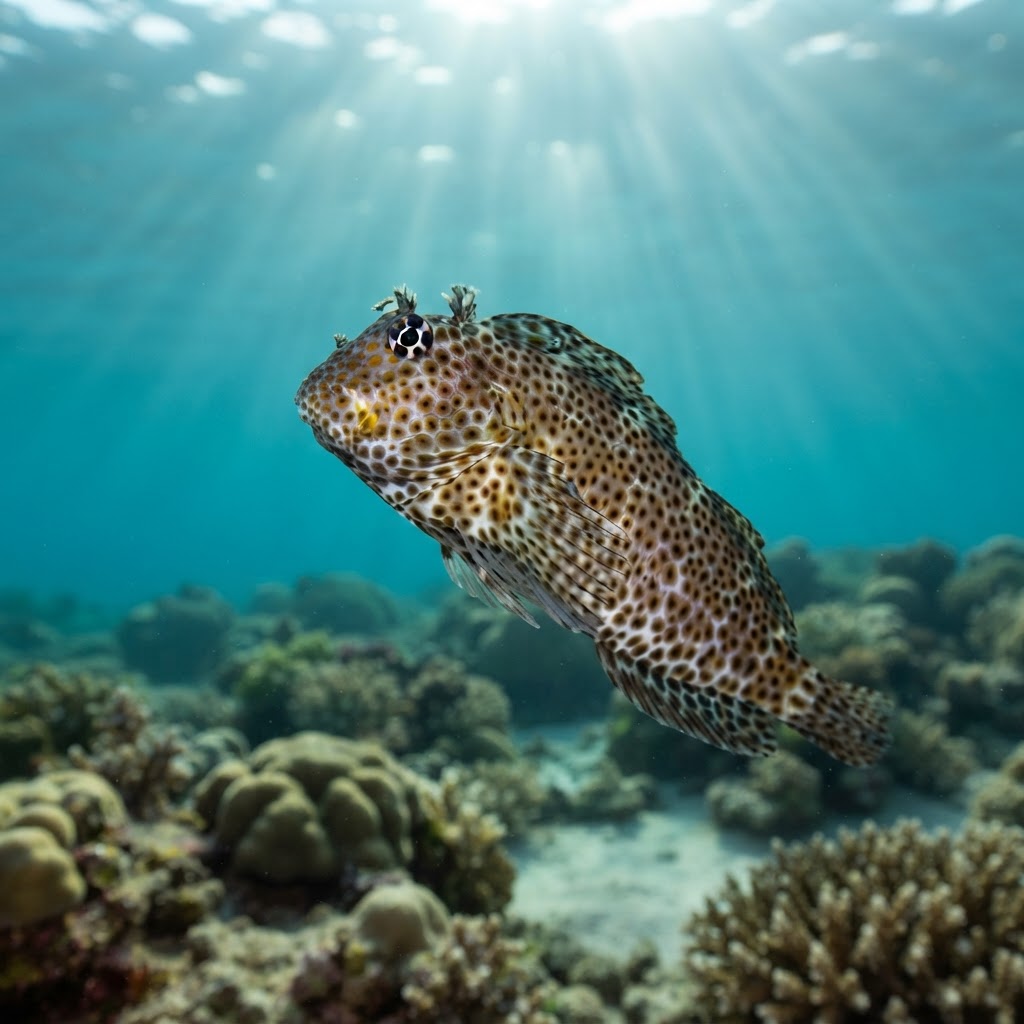
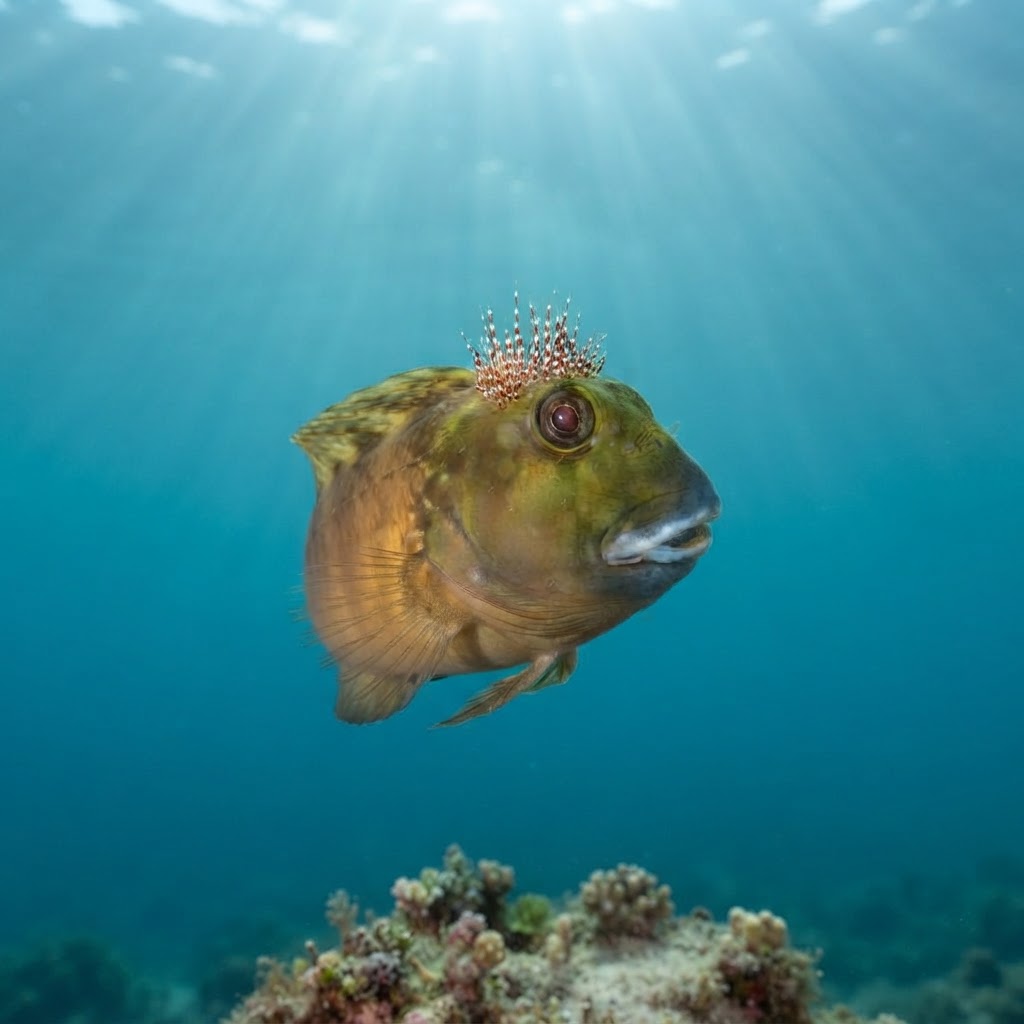
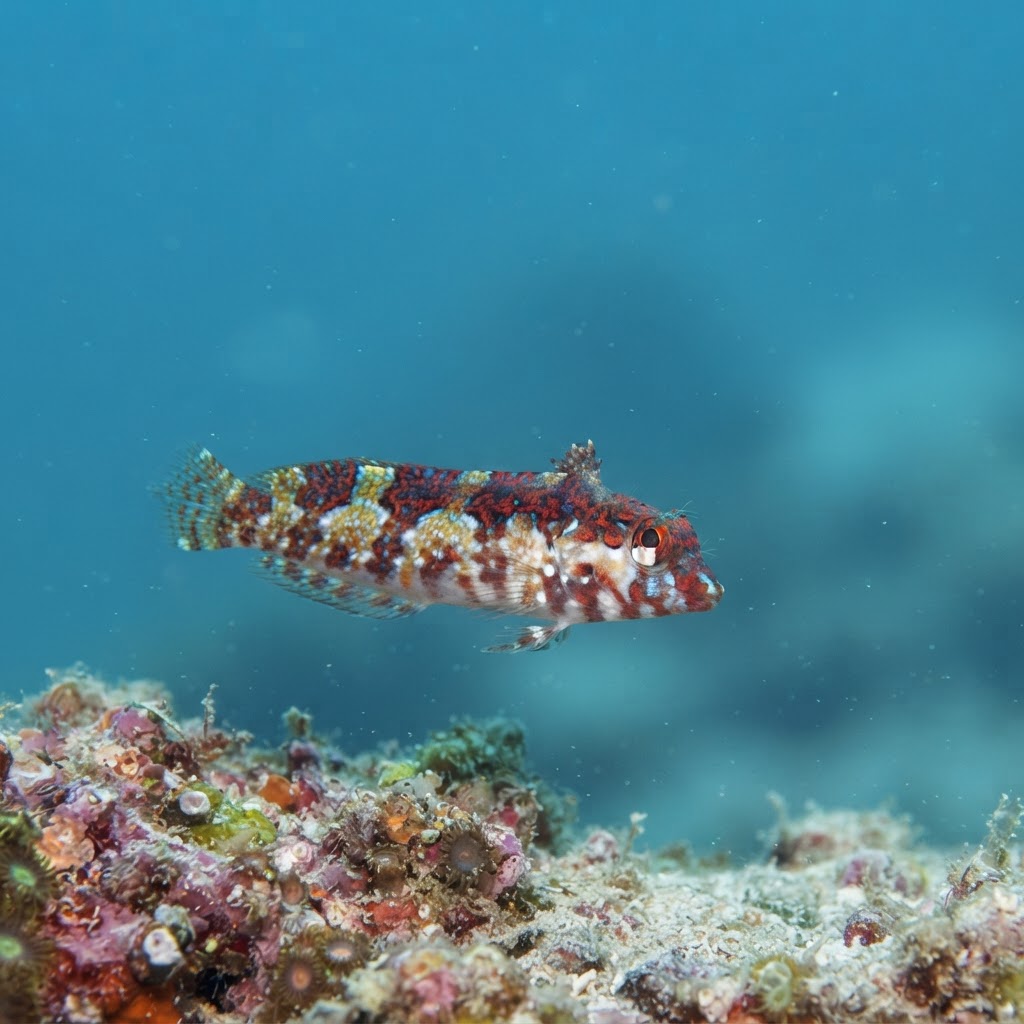
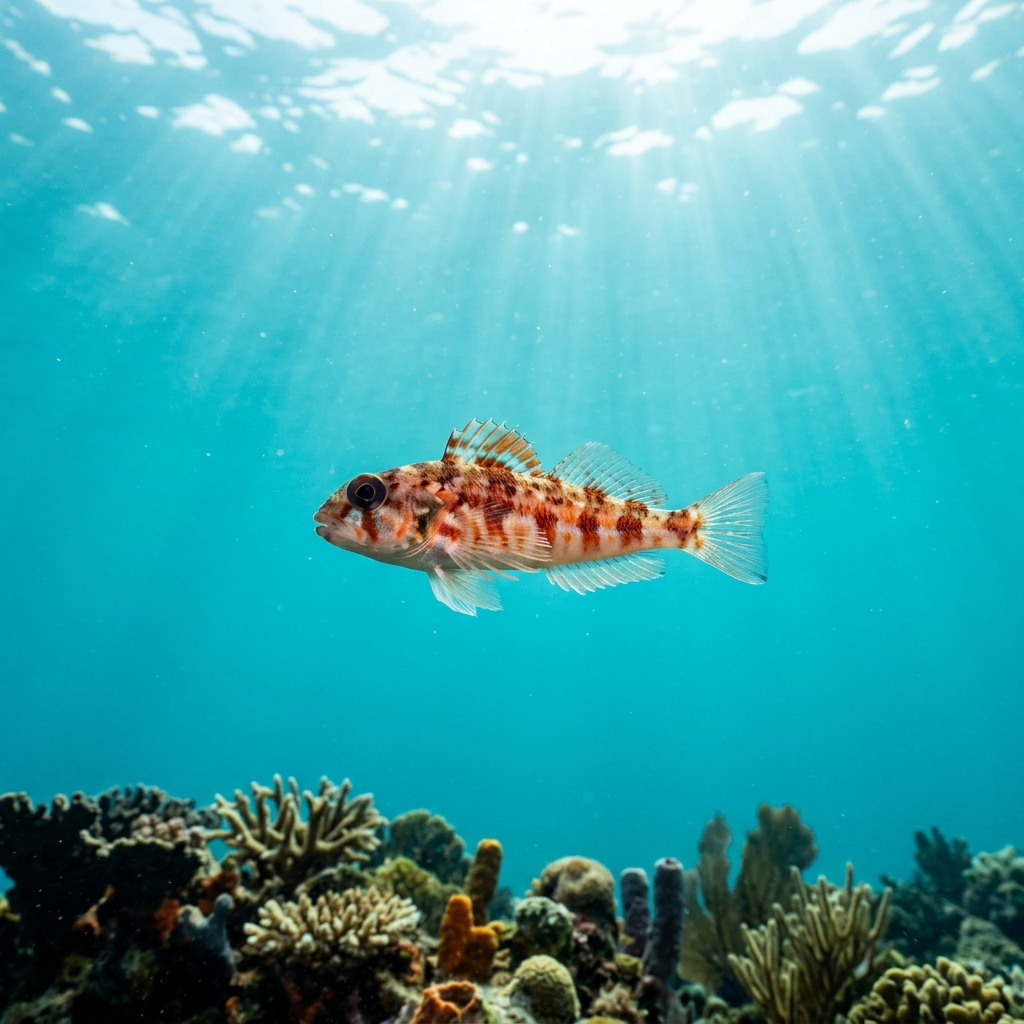
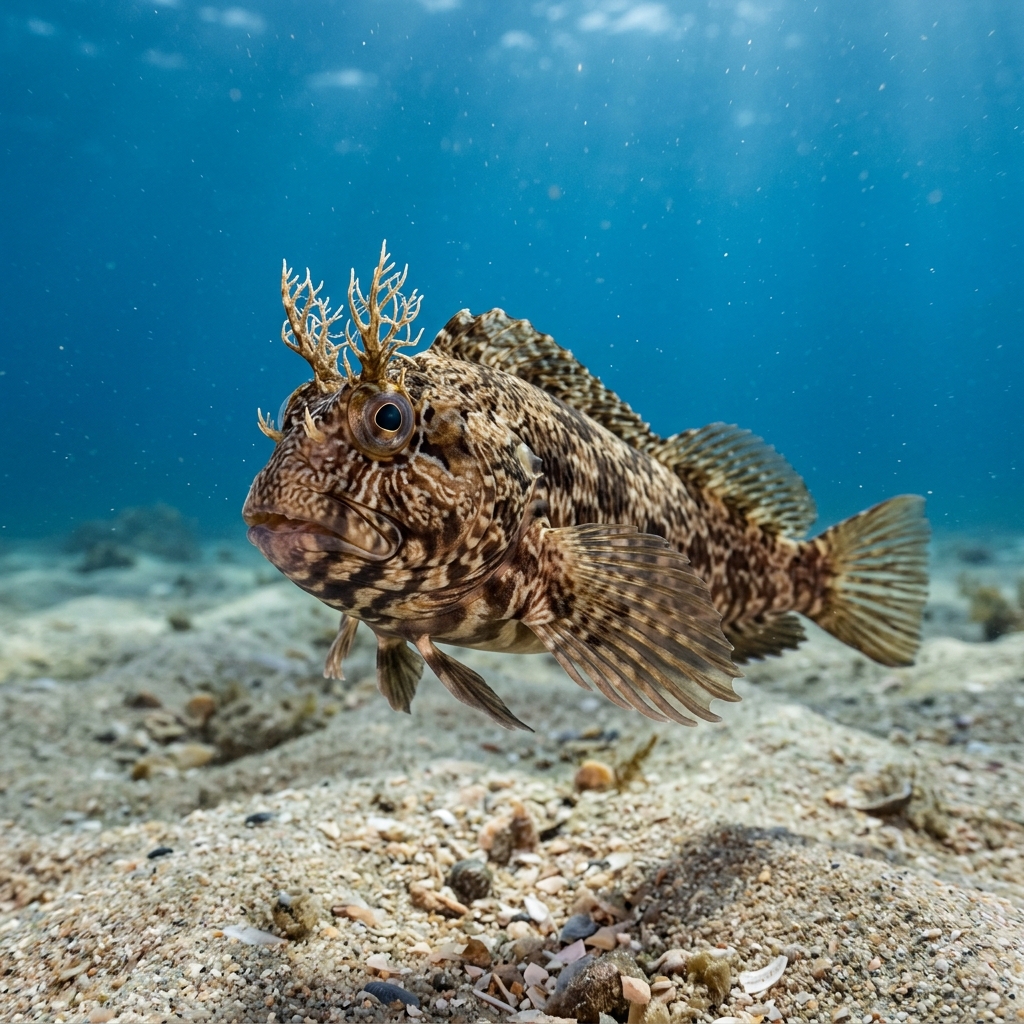
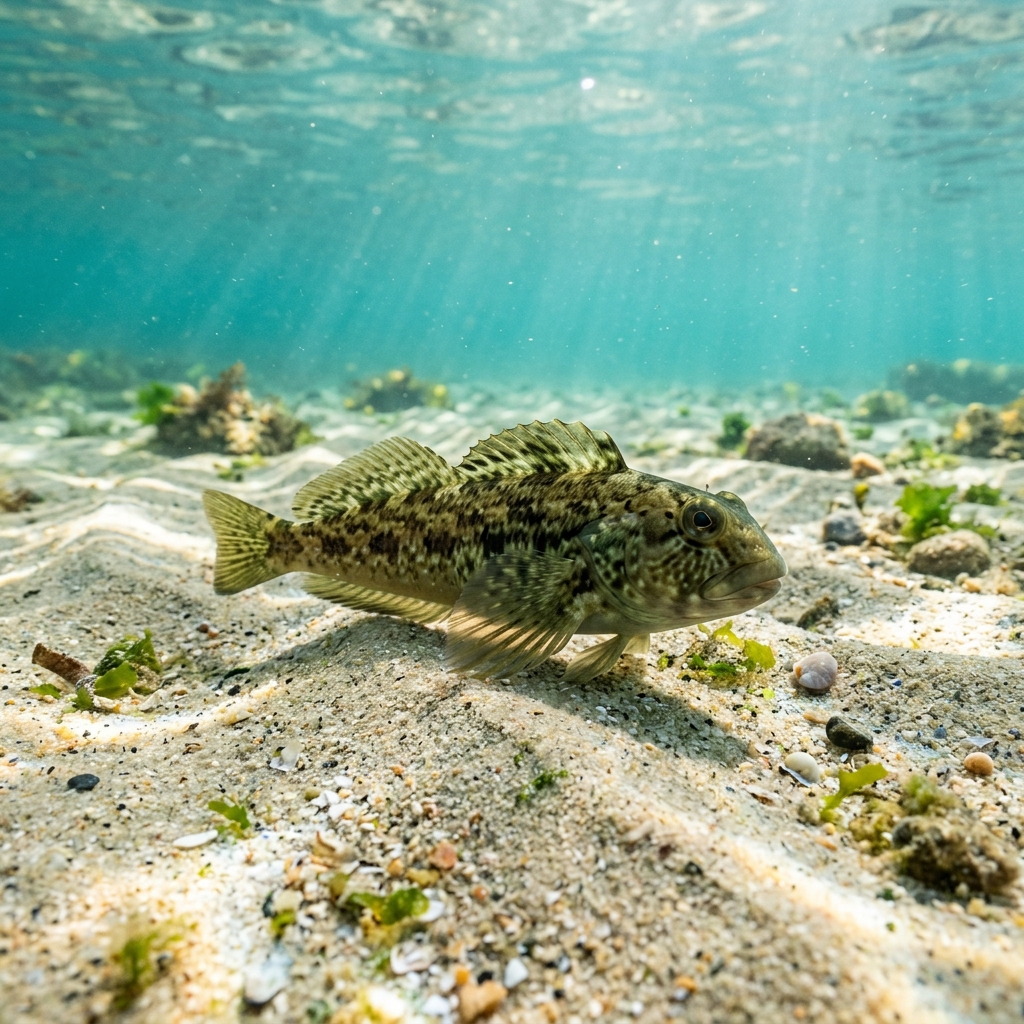
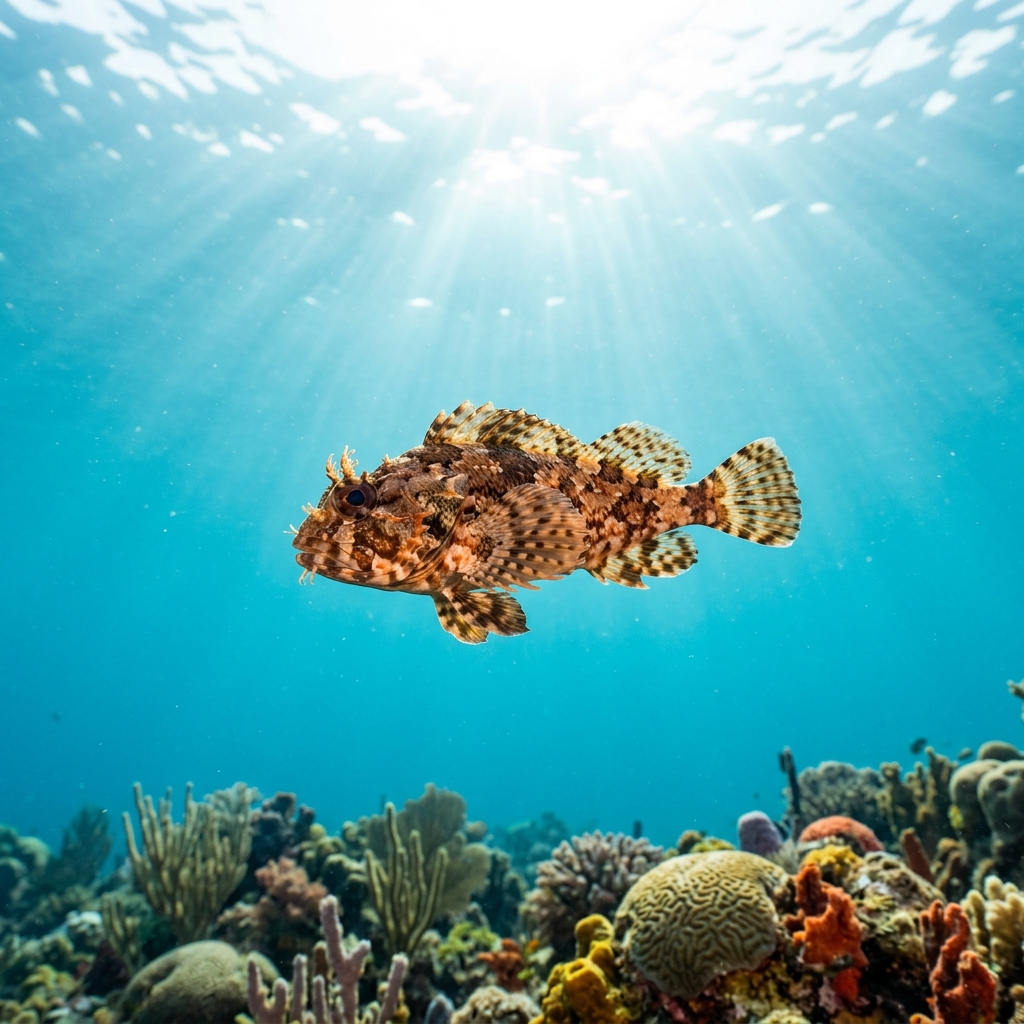
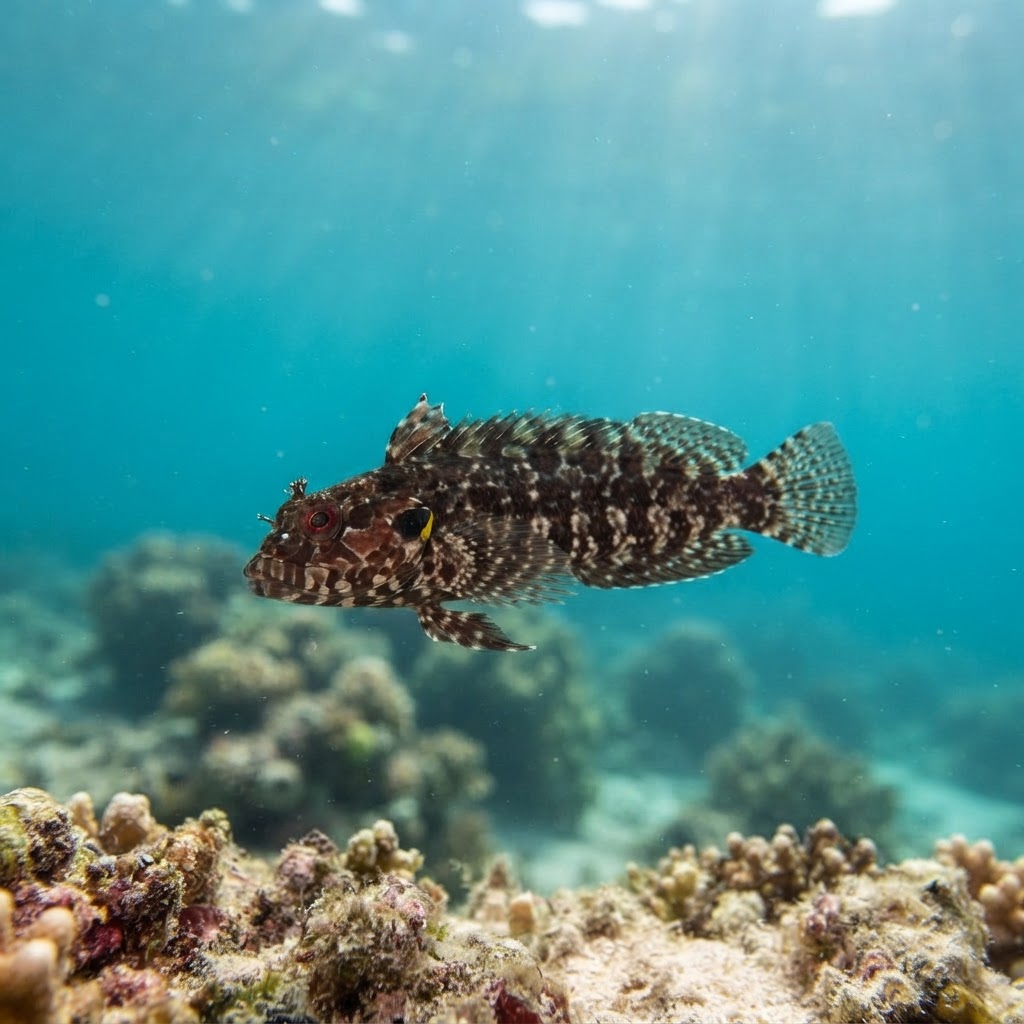
A stocky little blenny that tops out around 9 cm, usually spotted perched motionless on rock or reef rubble rather than swimming in open water. Body colour runs through mottled browns and rust tones that break up its outline against encrusted substrate, and like other clinids it has small cirri (branching fleshy tabs) above the eyes that help it disappear against the reef. Look low, close to structure, rather than mid-water.
Divers most often log this one sitting still on rock or rubble, using its cryptic colouring to blend in rather than dashing about the reef. It's a bottom-dwelling species that holds its ground on close approach, so a slow scan of rocky ledges and crevices, rather than the open water, is how you'll actually spot it. Reported as common at more sites than not, meaning a patient look at the right kind of structure in Galápagos or Malpelo has a decent chance of paying off.
Its cirri and mottled skin are camouflage tools, not decoration: clinids rely on blending into rock and rubble rather than fleeing, which is exactly why divers describe them as easy to miss until you slow down and look closely.
Sighting data shows no detectable season, so it's a year-round find rather than a seasonal target. Water in its recorded range sits between about 23 and 27 C, comfortable for it across the calendar year in both Galápagos and Malpelo.
Reef neighbours a diver could mistake it for. Use the identification notes above to tell them apart.
Most reliably found in Ecuador, especially around the Galápagos Islands, with a strong secondary population at Malpelo in Colombia. These two regions account for essentially every logged sighting, so a trip built around either the Galápagos or Malpelo gives good odds of spotting one on rocky reef.
Mapping where Bravo Clinid is logged…
It's most consistently logged around the Galápagos Islands in Ecuador, with a second strong population at Malpelo in Colombia. Outside these two regions it isn't a species divers reliably report.
There's no clear seasonal pattern in sightings, so it can turn up any time of year. Water temperatures in its range stay in a comfortable 23 to 27 C band year-round.
Look for a small, roughly 9 cm blenny with mottled brown camouflage sitting still on rock or rubble rather than swimming freely. Small branching cirri above the eyes and its habit of staying put on close approach are good giveaways.
They're small, reaching around 9 cm in length, so they're easy to swim past if you're not scanning the reef closely.
No, they pose no risk to divers. They're a small, sedentary reef fish that relies on camouflage rather than aggression.
Site and sighting data is aggregated from diver logs, iNaturalist and GBIF. For taxonomy and conservation status:
Rusty Blenny
2,605 sites