Salarias guttatus
A pocket-sized reef dweller found at over 30 sites around Koh Lipe, plus Koh Tao and Sihanoukville, in water near 25 to 29 C.
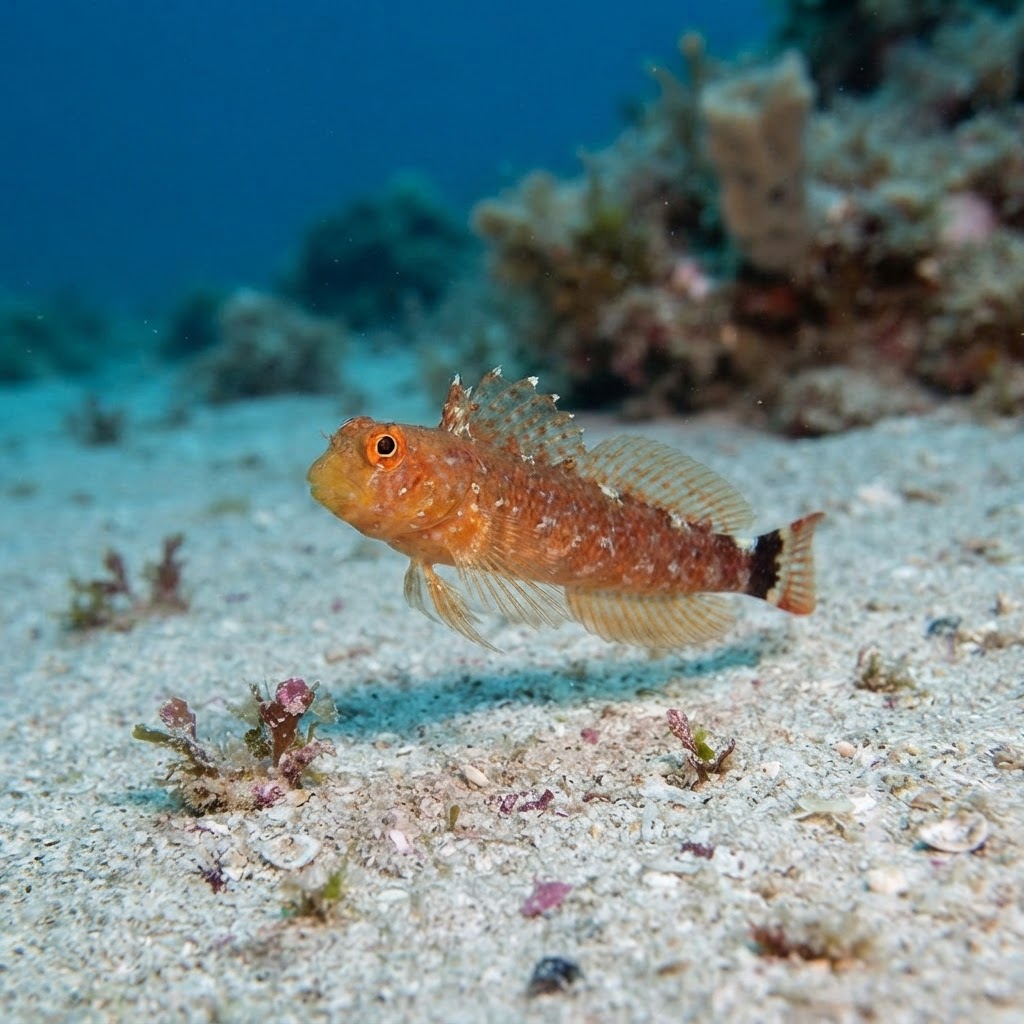
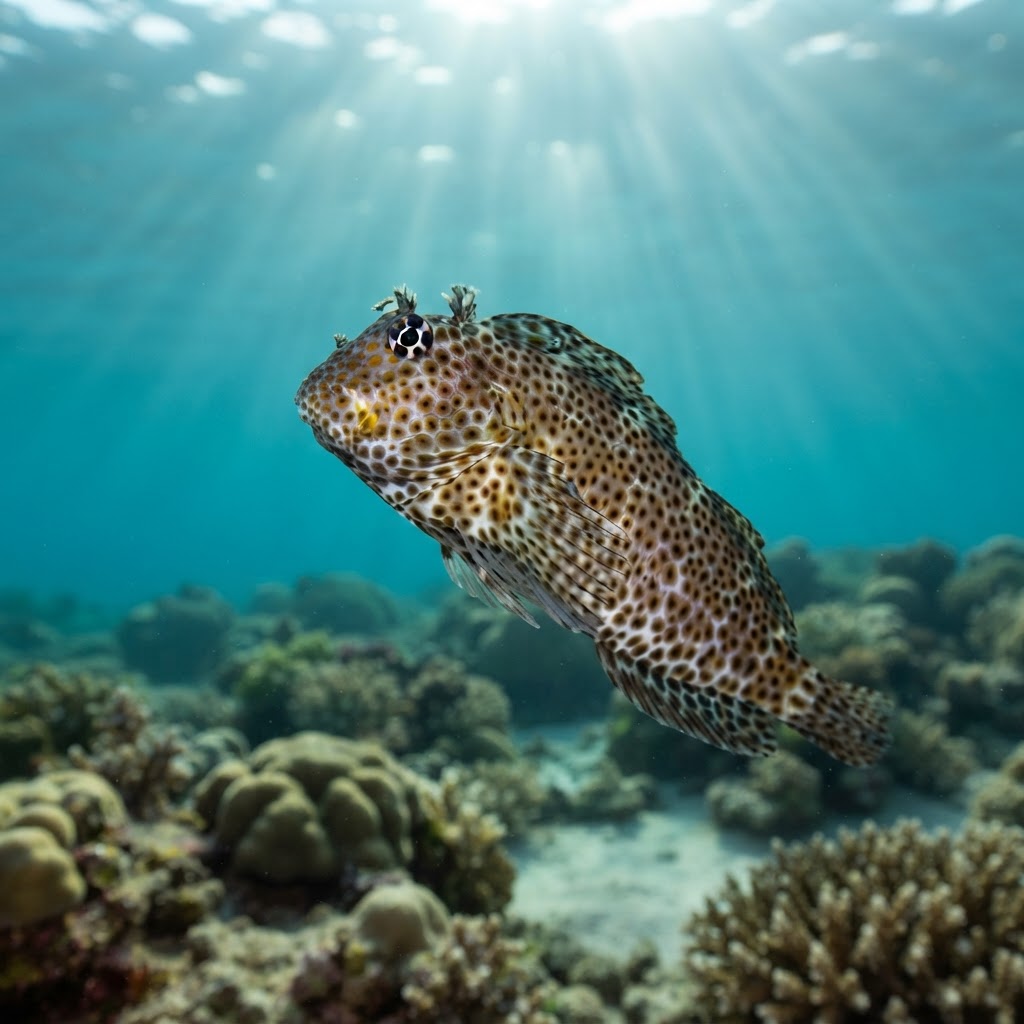
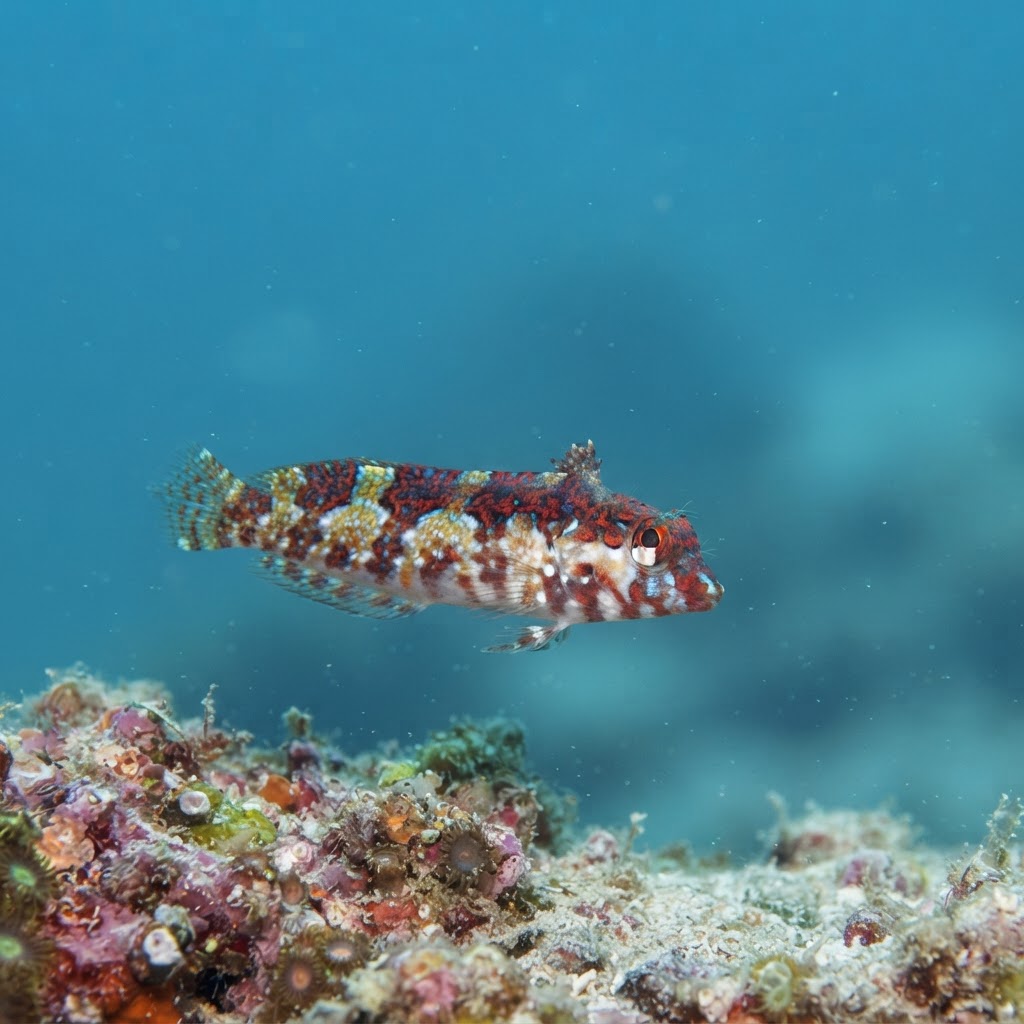
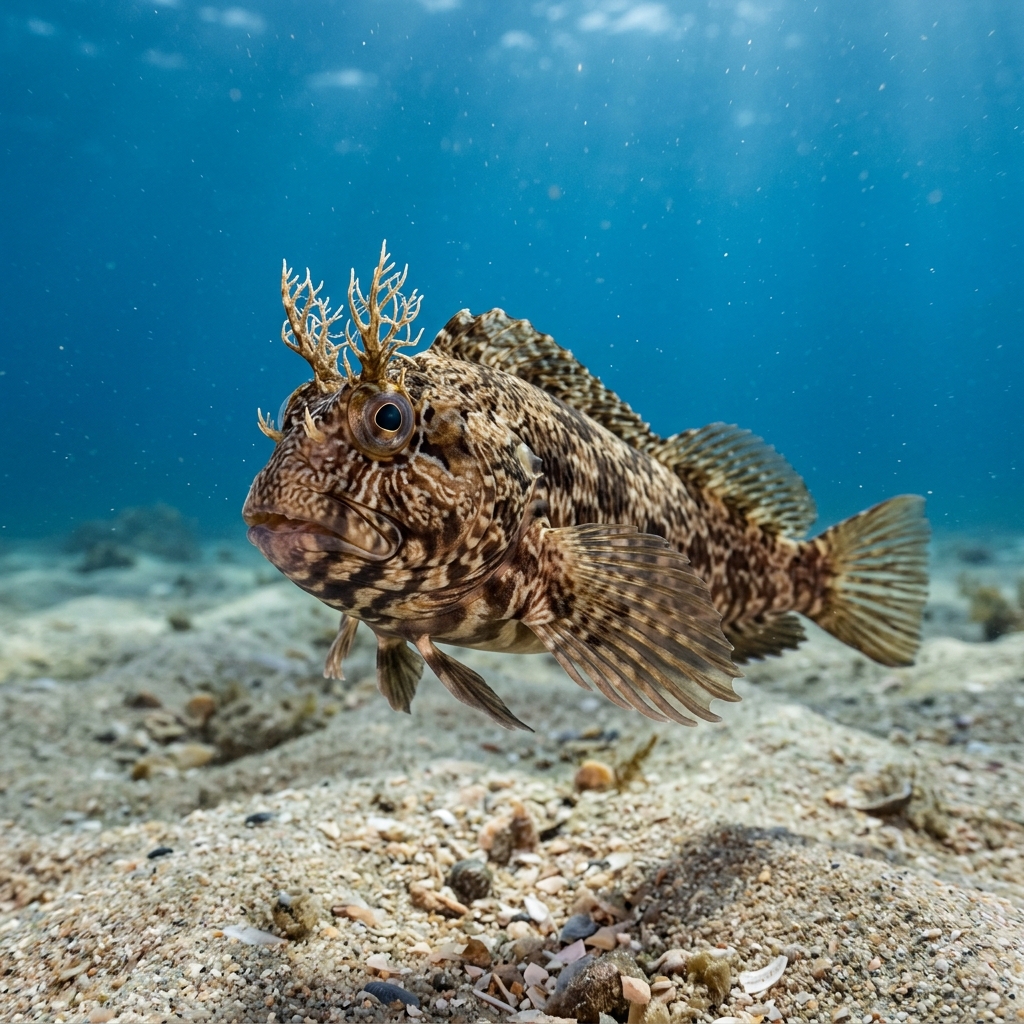
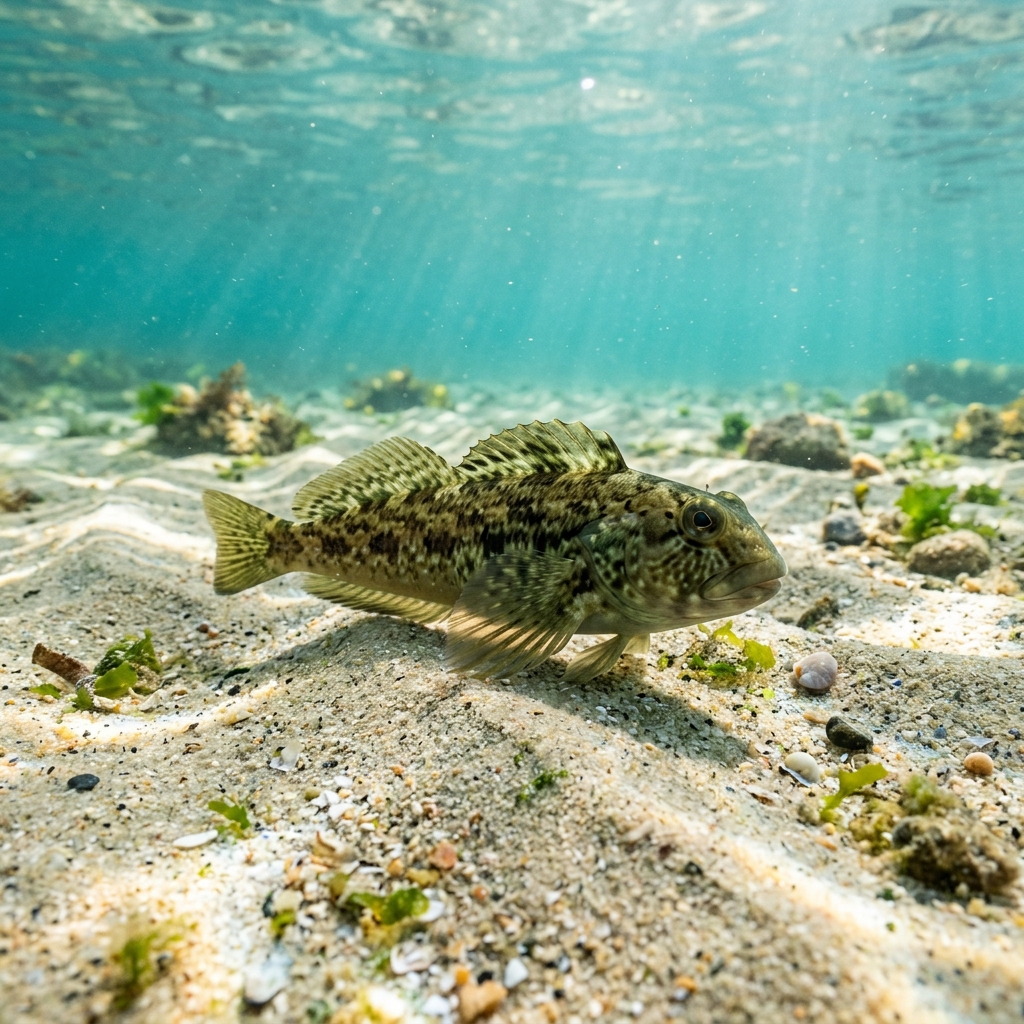
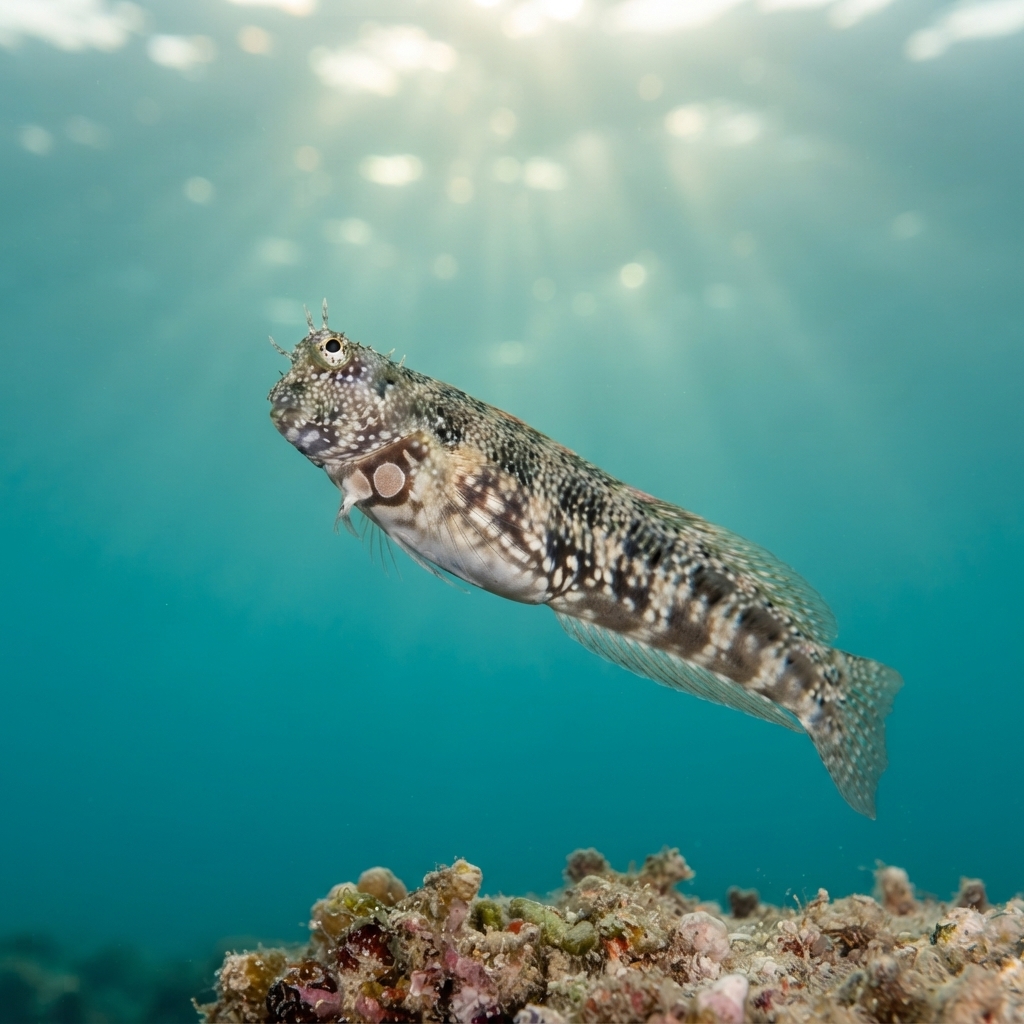
A stubby little fish barely 7 centimetres long, usually seen propped on its pectoral fins on rock or coral rubble rather than swimming freely. Look for a mottled body covered in pale blue to whitish spots over a darker base colour, with a blunt head and no obvious fin extensions. It tends to freeze in place when you approach, which is often the best clue you have found one rather than a patch of algae.
Spends most of its time perched motionless on rubble, dead coral or rock, using its pectoral fins to prop itself up while scanning the immediate area. Divers usually find it during slow, close-focus looks at the reef floor rather than mid-water, and it tends to hold still or dart a short distance rather than flee outright. Most sightings are logged as an uncommon find, so it rewards divers who take the time to check ledges and rubble patches carefully.
Like other members of its family, it grazes algae and detritus off hard surfaces using comb-like teeth, effectively keeping small patches of reef substrate grazed down.
No clear seasonal pattern shows up in the sighting data, and with a comfortable range of roughly 25 to 29 C it stays active on these reefs year-round. Plan around general dive conditions at your chosen site rather than a particular month.
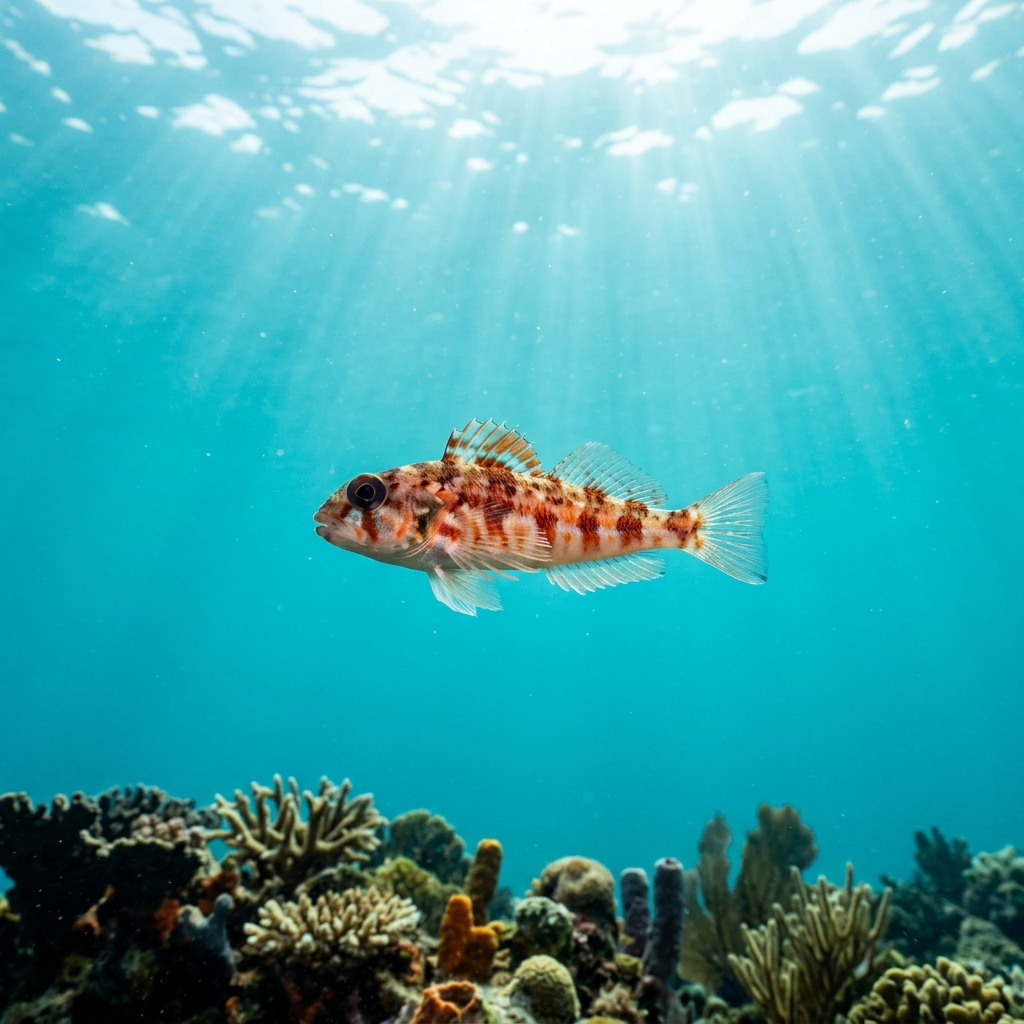
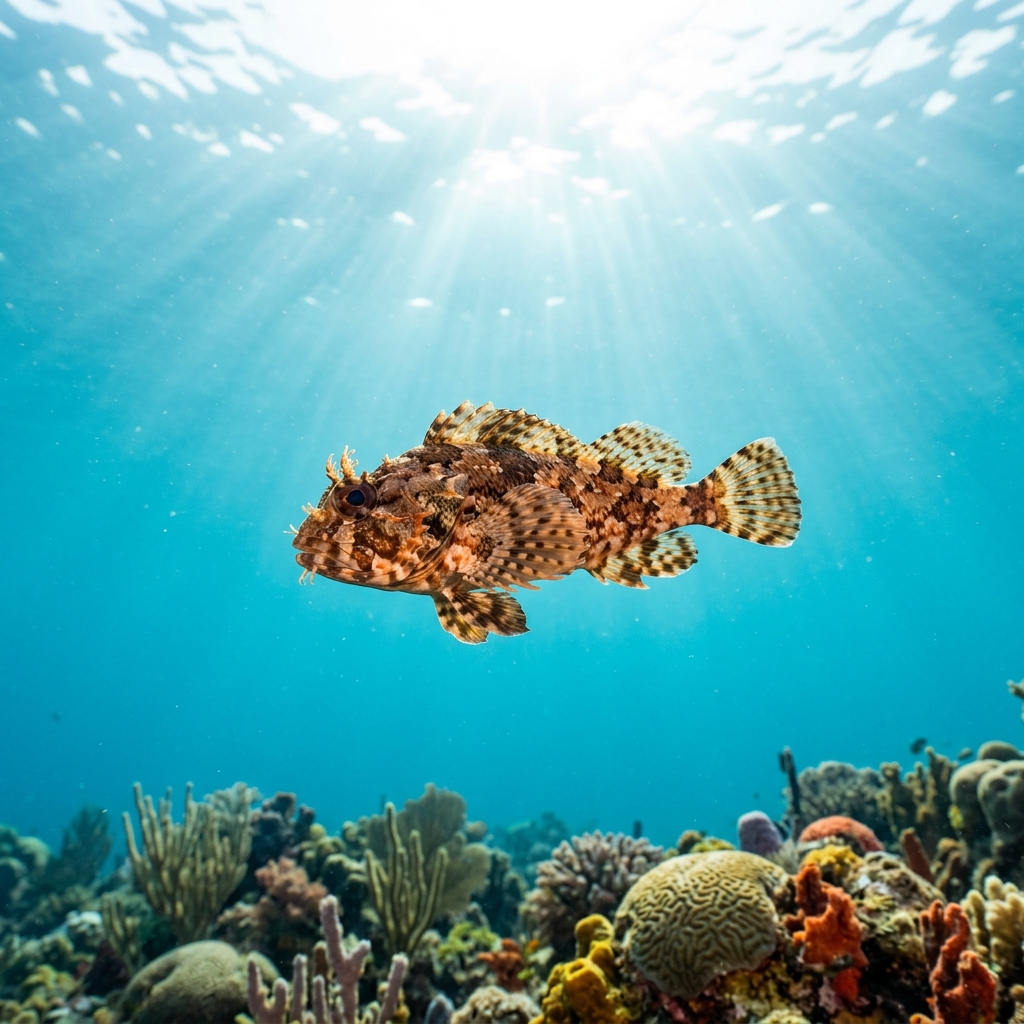
Reef neighbours a diver could mistake it for. Use the identification notes above to tell them apart.
Most reliably logged around Koh Lipe in Thailand, with strong numbers also at Koh Tao, making southern Thailand the easiest place to plan a sighting. Sihanoukville in Cambodia is nearly as productive, and it also turns up in smaller numbers around Raja Ampat, Sulawesi and Bali in Indonesia.
Mapping where Blue-spot Blenny is logged…
Southern Thailand is the strongest bet, particularly Koh Lipe and Koh Tao, with Sihanoukville in Cambodia also producing regular sightings. Smaller numbers have been logged in Indonesia around Raja Ampat, Sulawesi and Bali.
There is no strong seasonal signal in the data, and it lives comfortably in water from about 25 to 29 C, so it is present on these reefs throughout the year.
Look for a small, stocky fish around 7 centimetres long, mottled with pale blue to whitish spots, usually resting still on rubble or rock rather than swimming in the open. It relies on freezing in place rather than fleeing, so slow, close scanning of the substrate is the best way to spot one.
They stay small, topping out around 7 centimetres, which makes them easy to overlook against rubble and coral debris.
No. They are harmless, tiny reef fish that pose no threat to divers and simply hold still or dart away if approached too closely.
Rather than swimming freely, it braces itself on the reef using its pectoral fins and grazes algae and detritus straight off hard surfaces with comb-like teeth, a habit shared across many blenny species.
Site and sighting data is aggregated from diver logs, iNaturalist and GBIF. For taxonomy and conservation status:
Rusty Blenny
2,605 sites