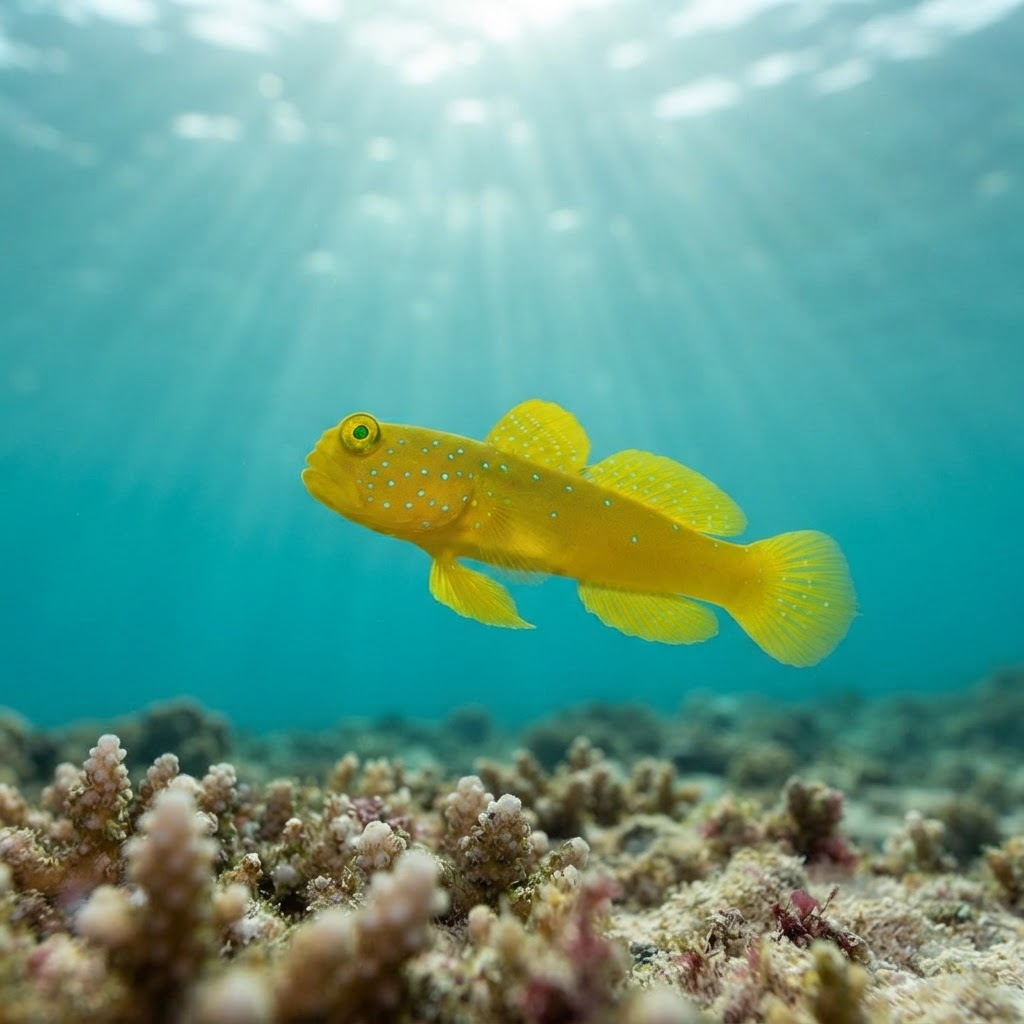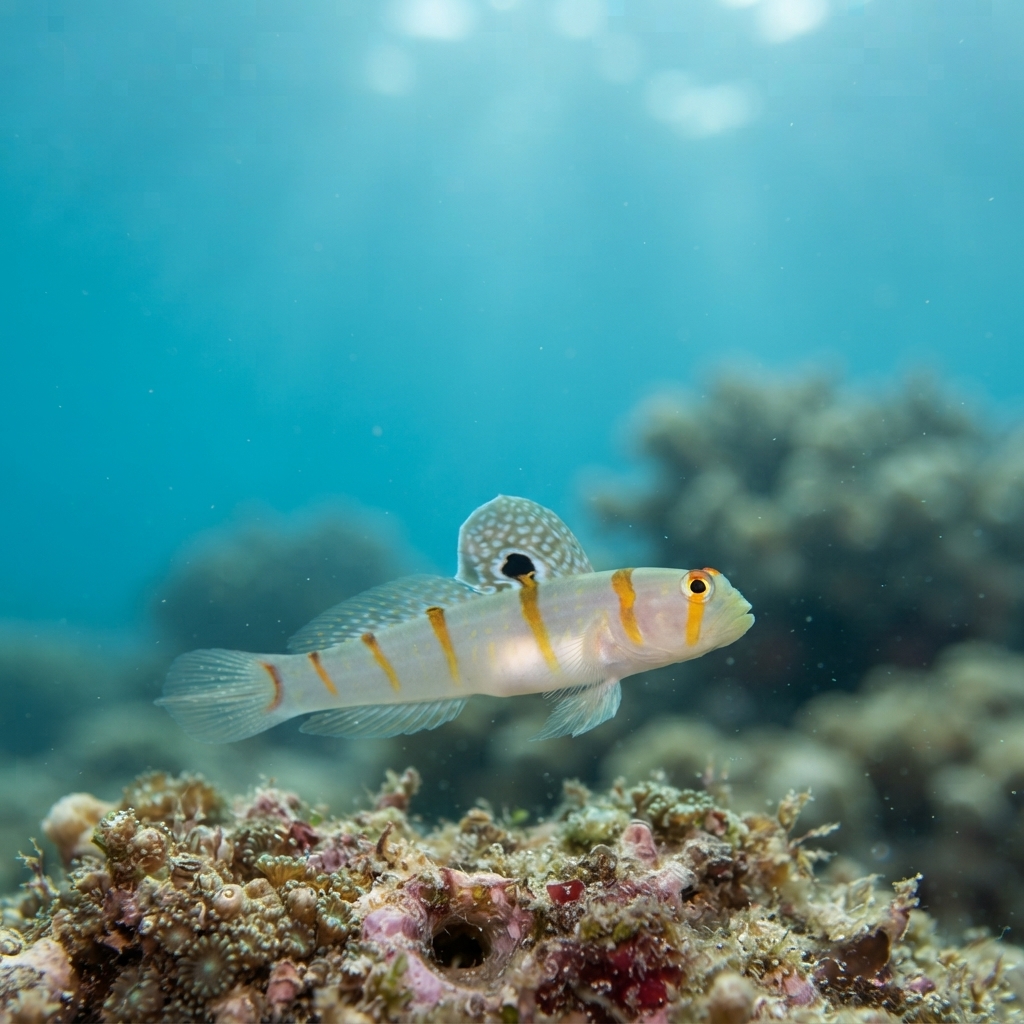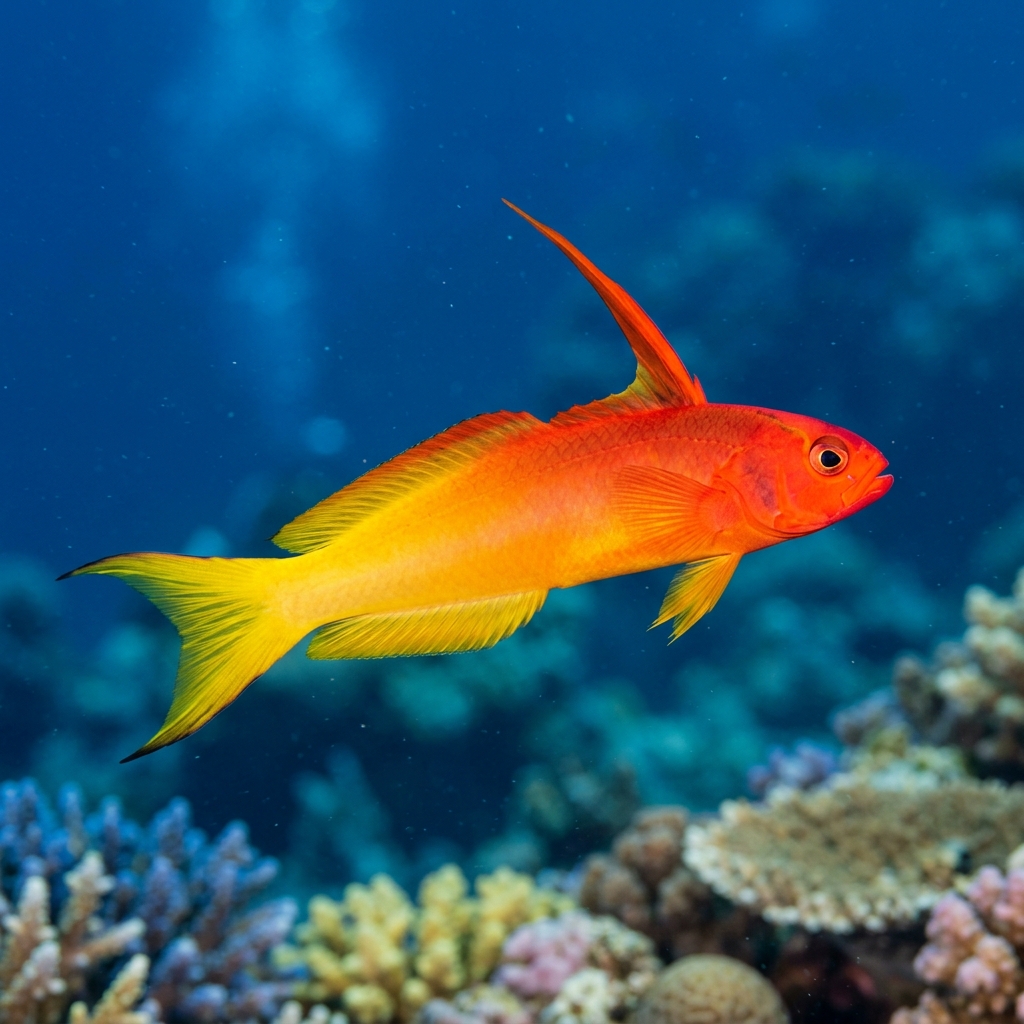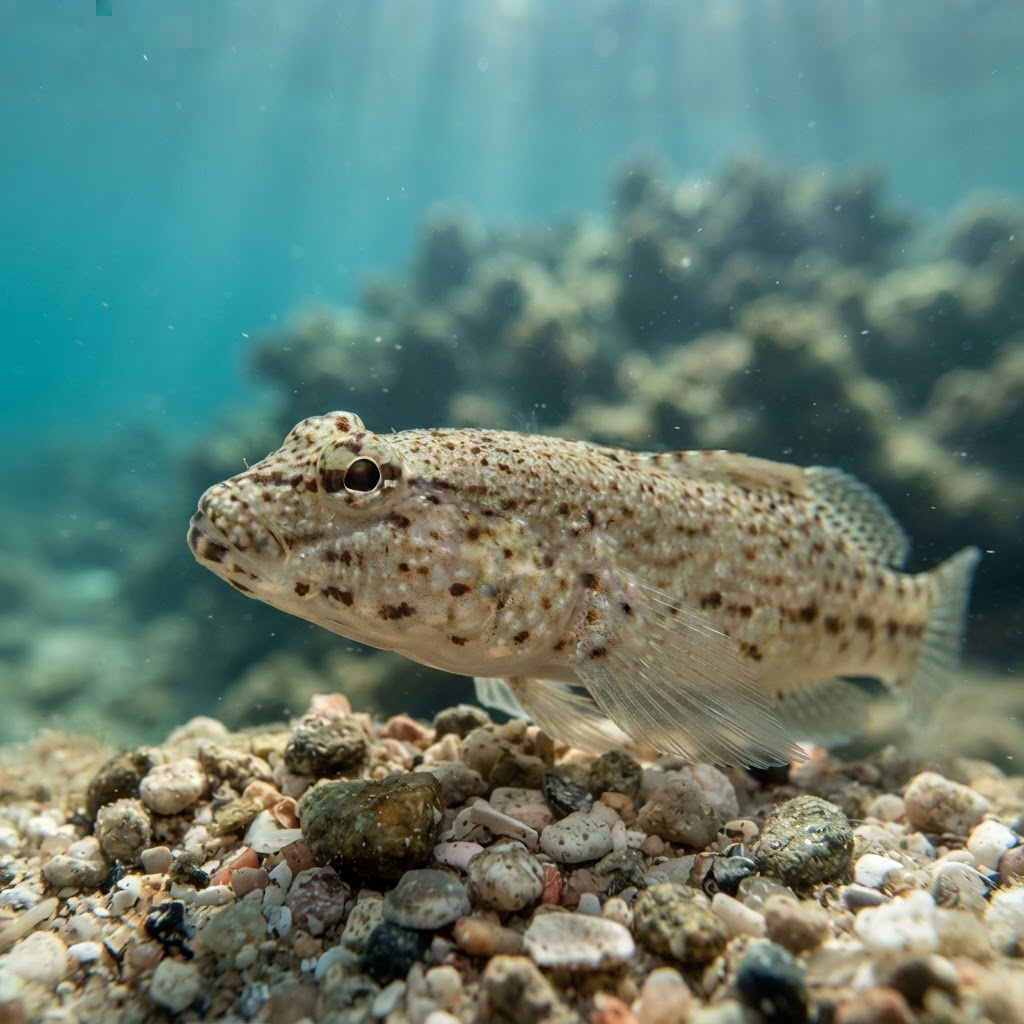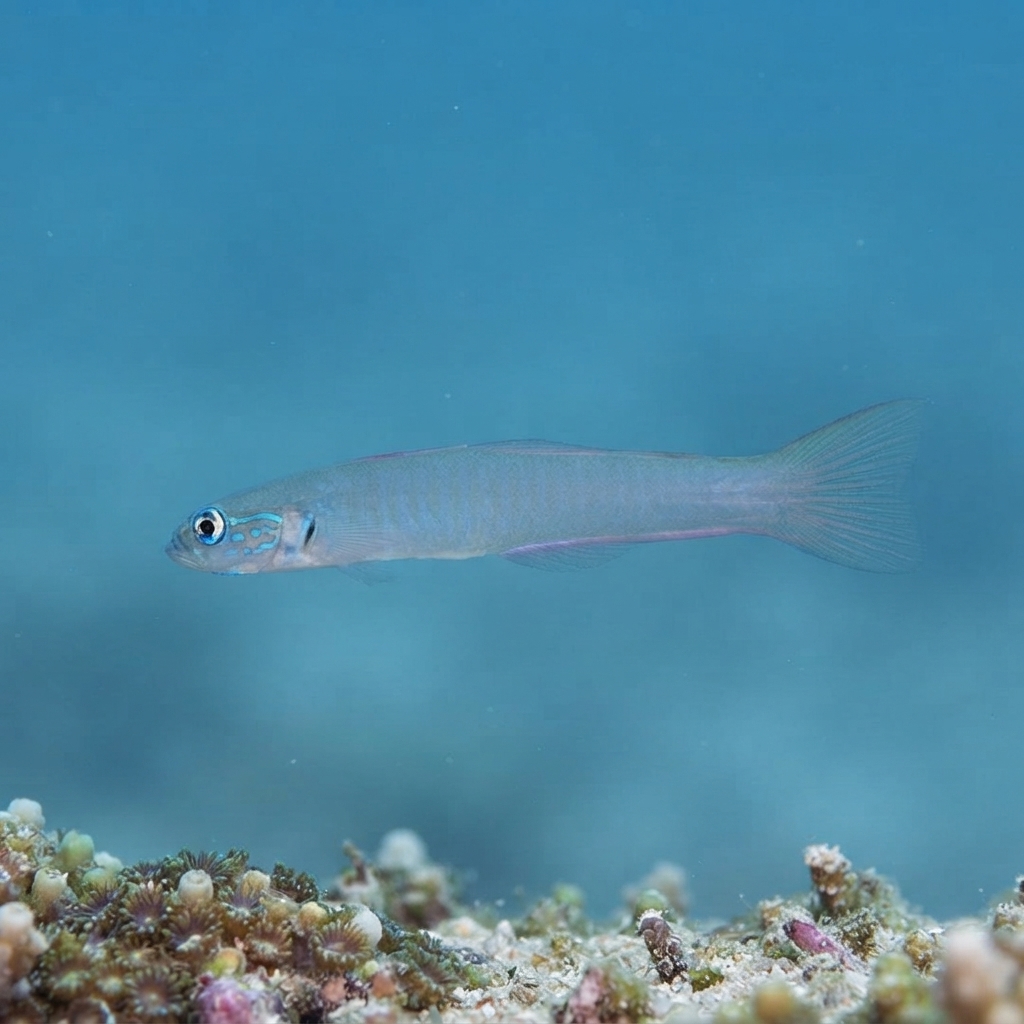
Ptereleotris microlepis
Hovering in loose pairs over reef rubble in Koror & Malakal, Palau: a slim, pale blue goby active in 25-29C water year-round.
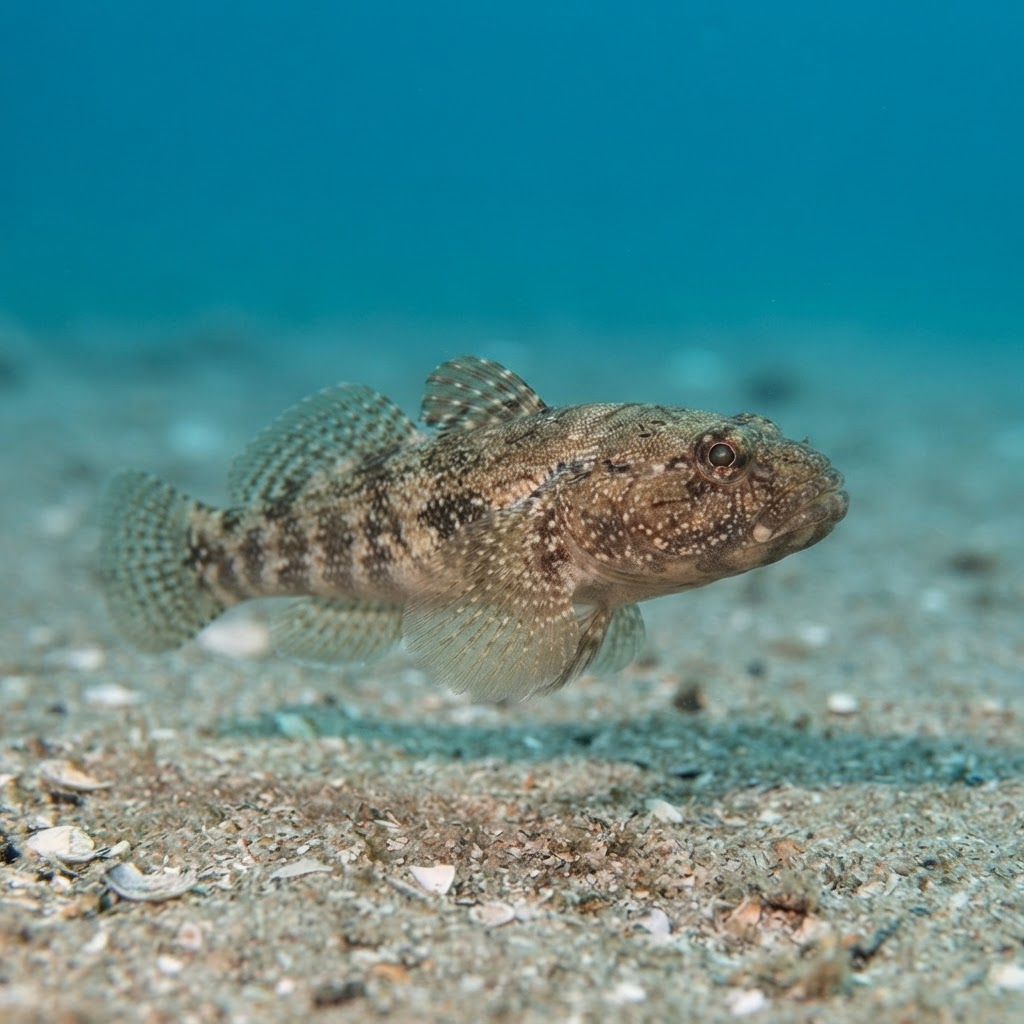
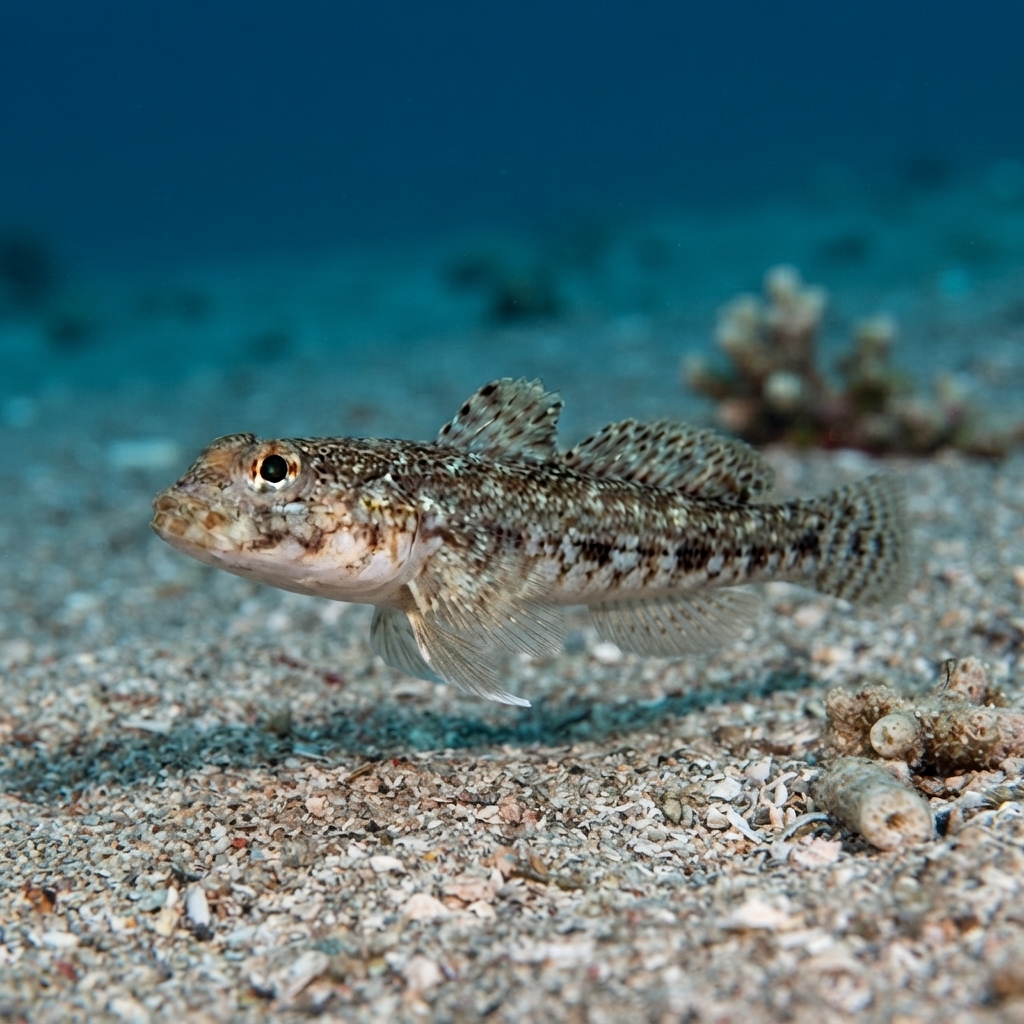
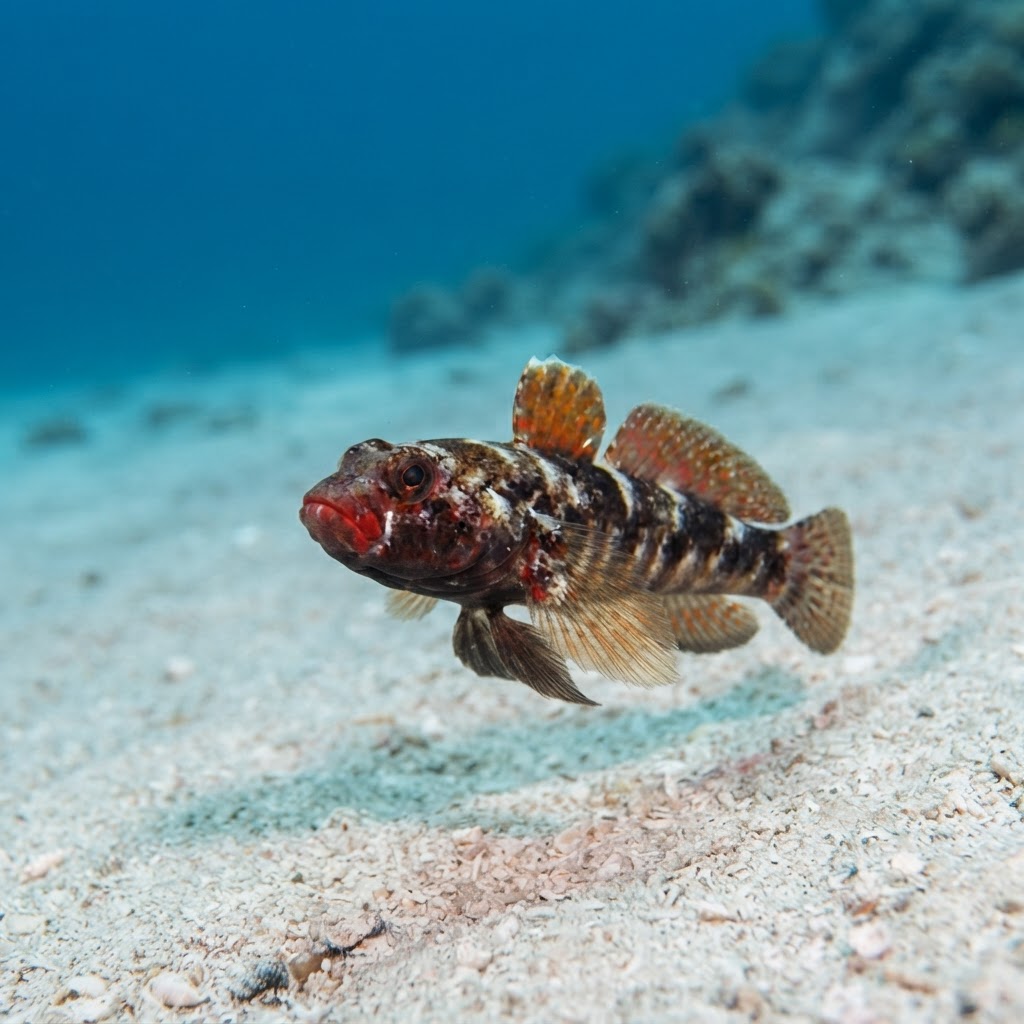
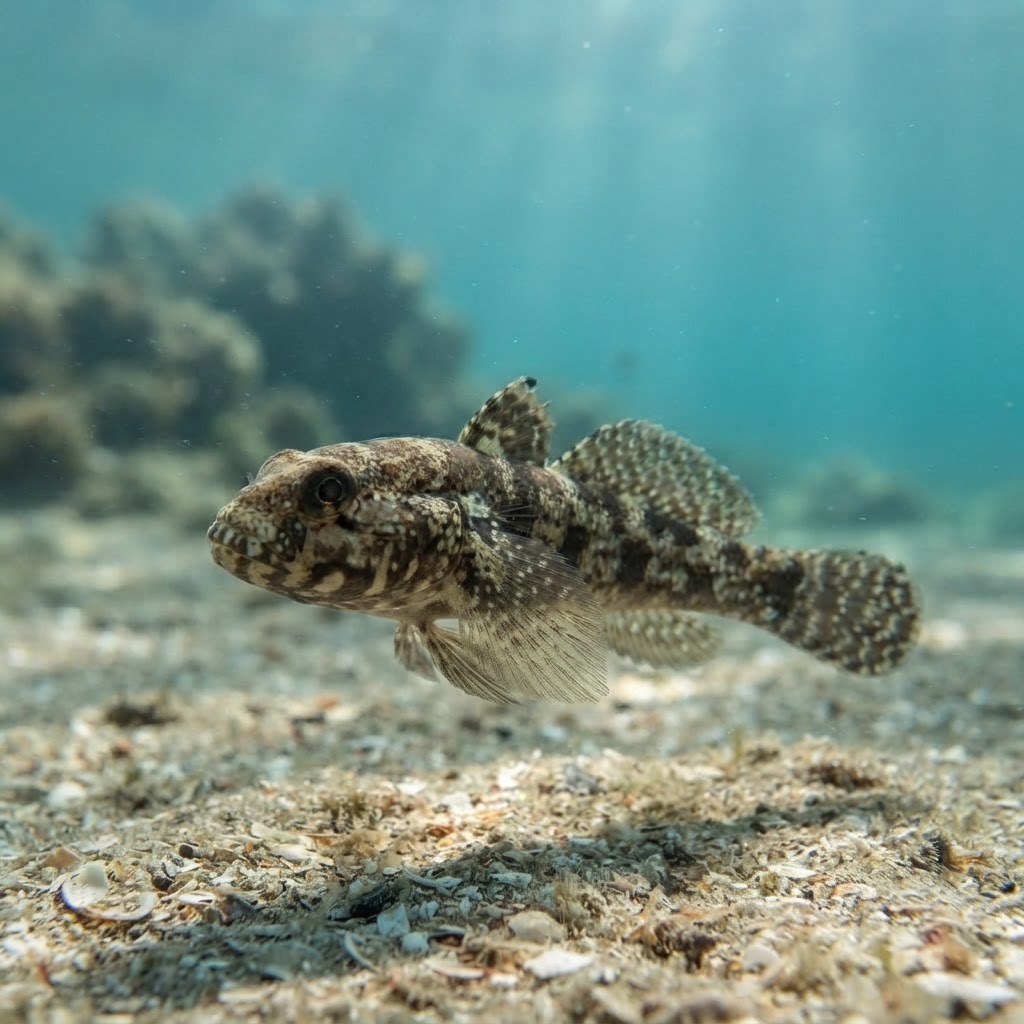
A slim, elongated goby around 9 cm long, pale blue-grey with a faint yellowish wash along the back and a slightly forked tail. It hovers nose-into-current with a distinctive tail-up, head-down posture rather than resting flat on the substrate like most gobies. Look for it in loose pairs or small groups just above rubble patches or sand at the reef edge, not perched on coral heads.
Watch for it hovering in a loose, tail-down posture a body length or two off rubble or sandy patches near the reef edge, often in small groups sharing a burrow area. It stays alert to divers and darts for cover into a hole at the first sudden move, so a slow approach from a distance gets the best look. Most sightings come from open, low-relief ground rather than dense coral, making it easy to overlook if you are focused on the reef wall.
Like other Ptereleotris species, it shelters in a burrow it shares with neighbours and retreats there tail-first the instant it feels threatened, which is often the only clue divers get before it vanishes.
No clear seasonal pattern shows up in the sightings, and its comfort range of 25 to 29.3C matches tropical reef temperatures year-round, so any month works at these sites.
Reef neighbours a diver could mistake it for. Use the identification notes above to tell them apart.
Most reliably logged around Koror & Malakal in Palau, which carries the bulk of recorded sightings, with further reports from Queensland in Australia and Apra Harbor in Guam. Smaller numbers turn up in Sai Kung, Hong Kong, around Nouméa in New Caledonia, and off Saipan in the Northern Mariana Islands.
Mapping where Blue Gudgeon is logged…
Palau's Koror & Malakal area is the most consistent spot, with additional sightings around Queensland in Australia, Apra Harbor in Guam, Sai Kung in Hong Kong, and Nouméa in New Caledonia.
There is no strong seasonal signal in the data, and its warm-water niche of 25 to 29.3C holds year-round on the reefs where it is found, so it can be seen in any month.
Look for a slender, pale blue-grey goby about 9 cm long hovering tail-down over rubble or sand near the reef edge, usually in small loose groups rather than sitting on coral.
They stay small, reaching around 9 cm in length, which along with their pale colour makes them easy to miss against open rubble.
No. They are small, harmless reef fish that flee into a burrow at any sign of disturbance rather than defend themselves.
Site and sighting data is aggregated from diver logs, iNaturalist and GBIF. For taxonomy and conservation status:
Slender Goby
806 sites