Catostylus mosaicus
Bell-shaped jellies in shallow bays across New South Wales and Victoria, most often logged as an uncommon but reliable find year-round.
Safety warning
Its sting is generally mild compared to more notorious jellyfish, but sensitive skin (face, inner arms) can still react, and some individuals sting more than others. Avoid handling it directly and give a wide berth to any washed-up or stranded individuals on beaches, as stinging cells can remain active.
If you're stung
Stinging tentaclesGeneral first-aid guidance, not a substitute for professional medical care. In an emergency, call your local emergency number.
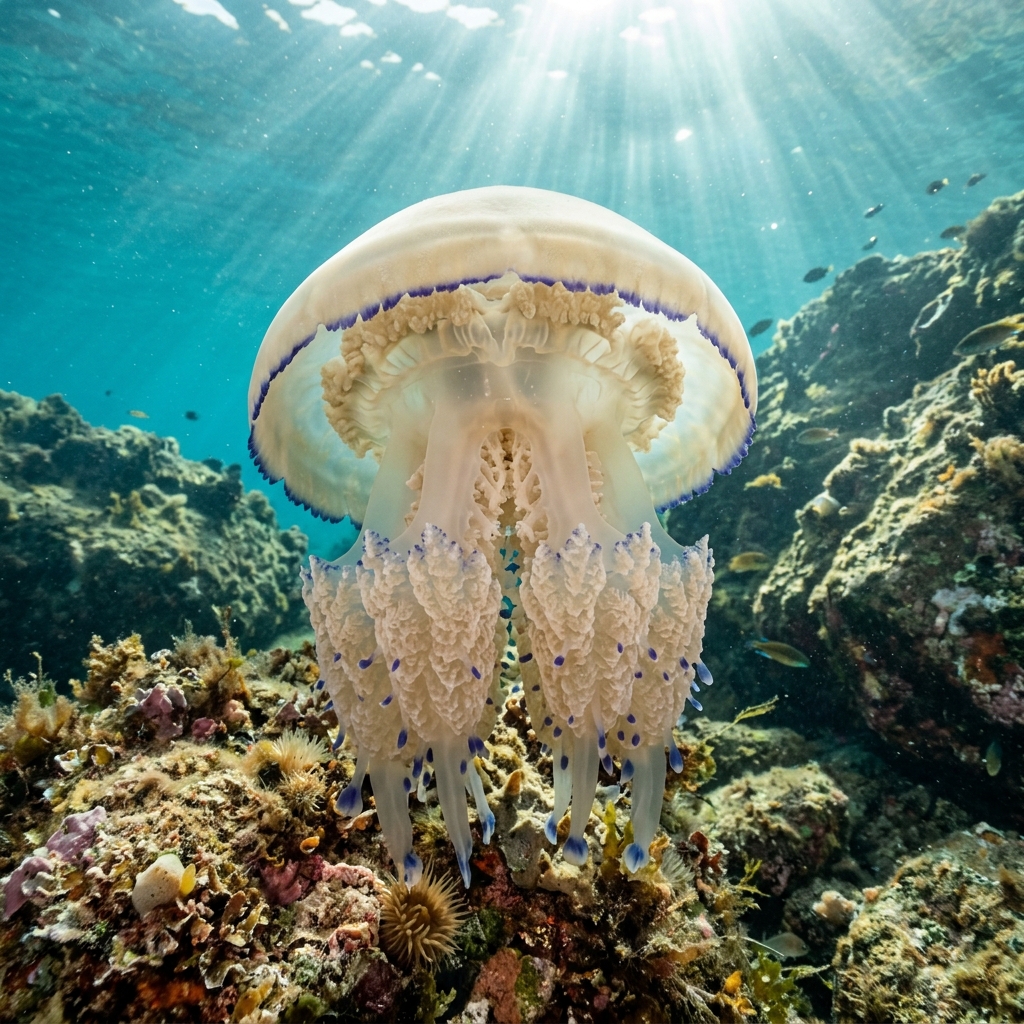
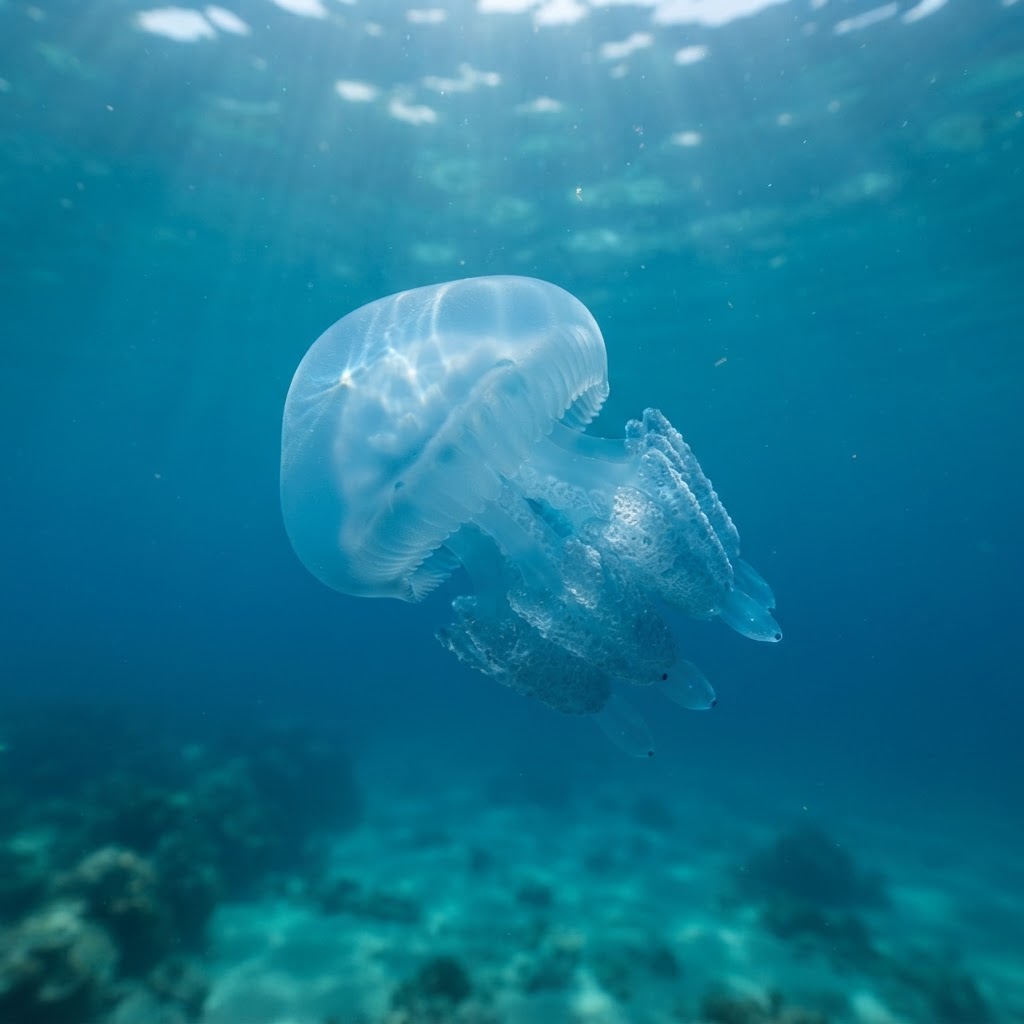
A solid, rounded bell up to about 24 cm across, usually tinted blue, milky white or brownish, without the long trailing tentacles divers expect from a jellyfish. Instead of stinging tentacles it has short, frilly oral arms clustered under the bell, giving it a compact, almost solid look. It tends to sit near the surface, pulsing slowly rather than drifting limp, which helps separate it from thinner-bodied jellies.
Divers and snorkellers typically find it pulsing gently near the surface in calm, shallow water, sometimes in loose groups rather than one at a time. It shows little reaction to a diver's presence, drifting on tide and current rather than actively swimming away. Because it favours the shallowest metre or so of water, most encounters happen while snorkelling or wading rather than on deeper dives.
Unlike most jellyfish, it lacks long marginal tentacles altogether, relying instead on short frilled mouth-arms to catch plankton, which is why it looks unusually solid and rounded compared to typical jellies.
There's no clear seasonal pattern in the data, so treat this as a year-round sighting in its core range. It's been logged in water from about 15 to 22 C, which covers most of the year in southeastern Australian estuaries.
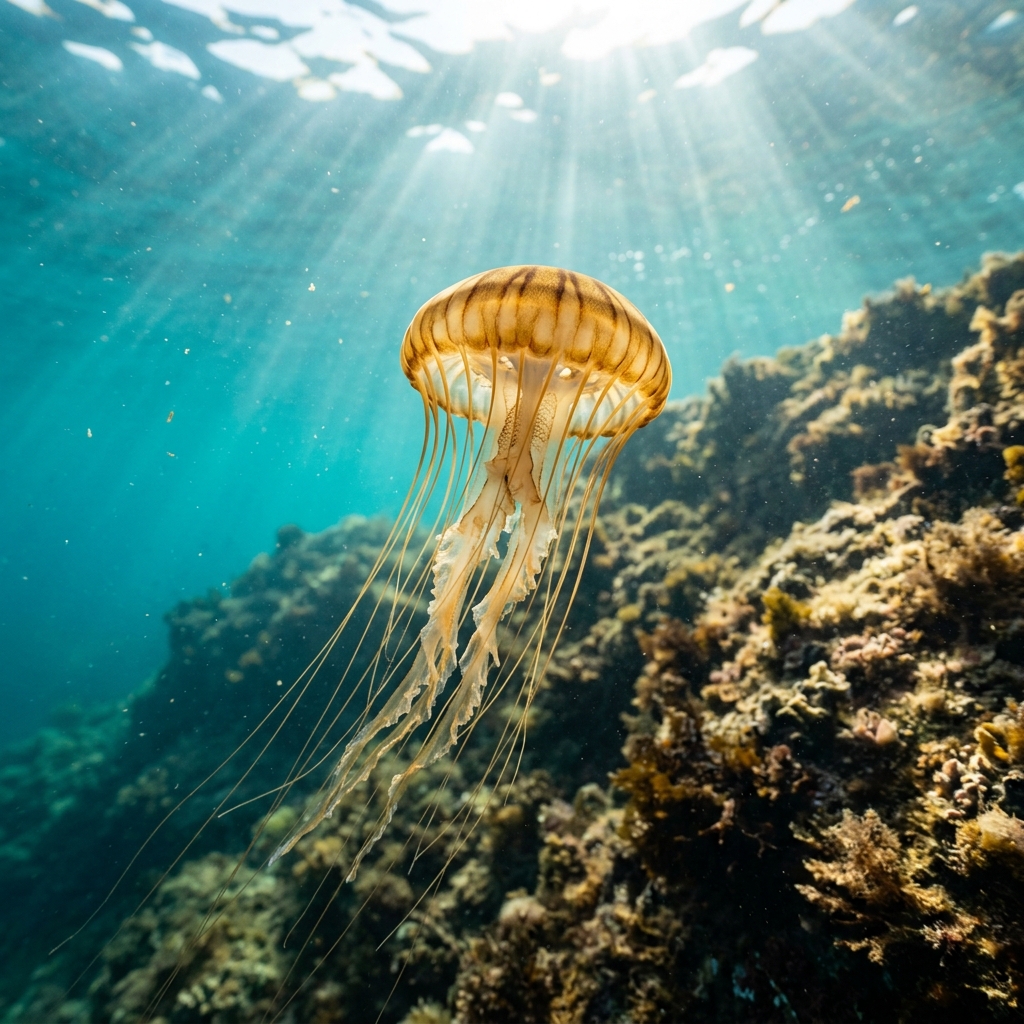
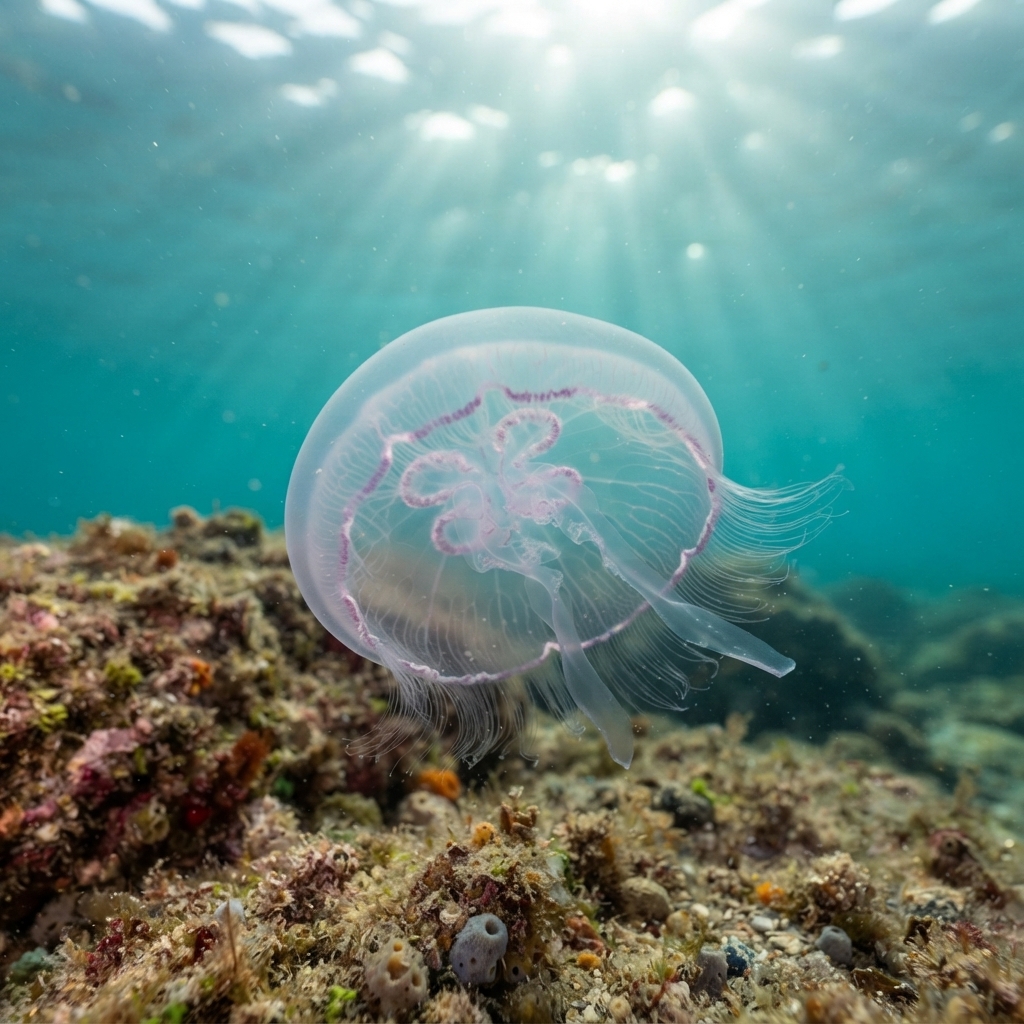
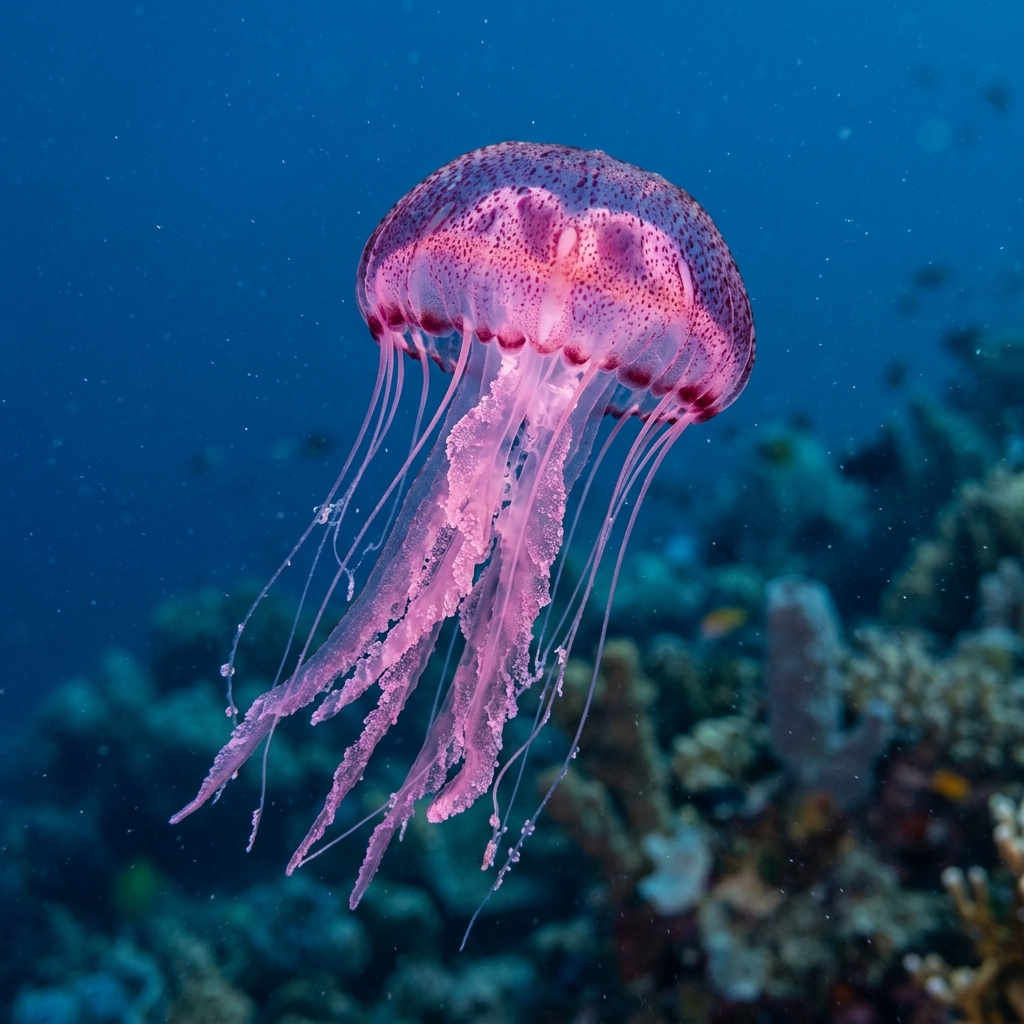
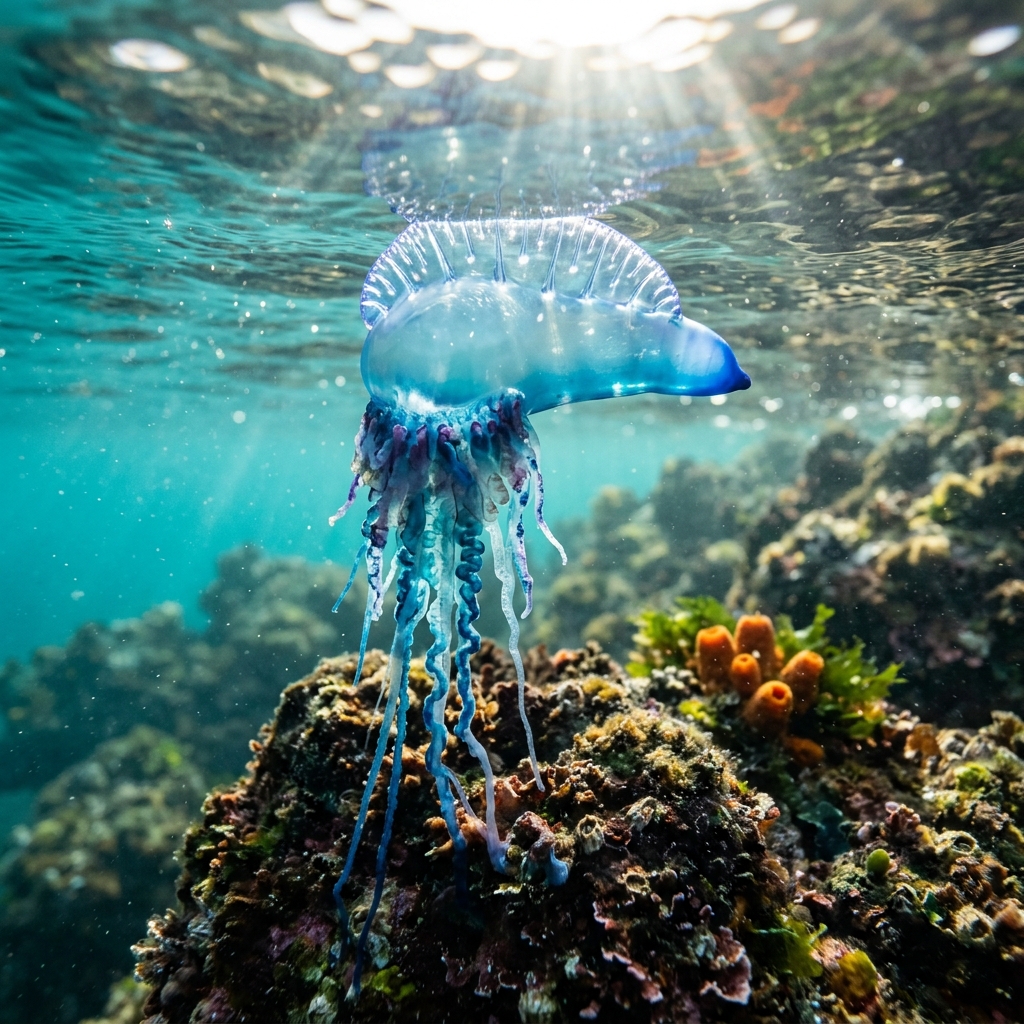
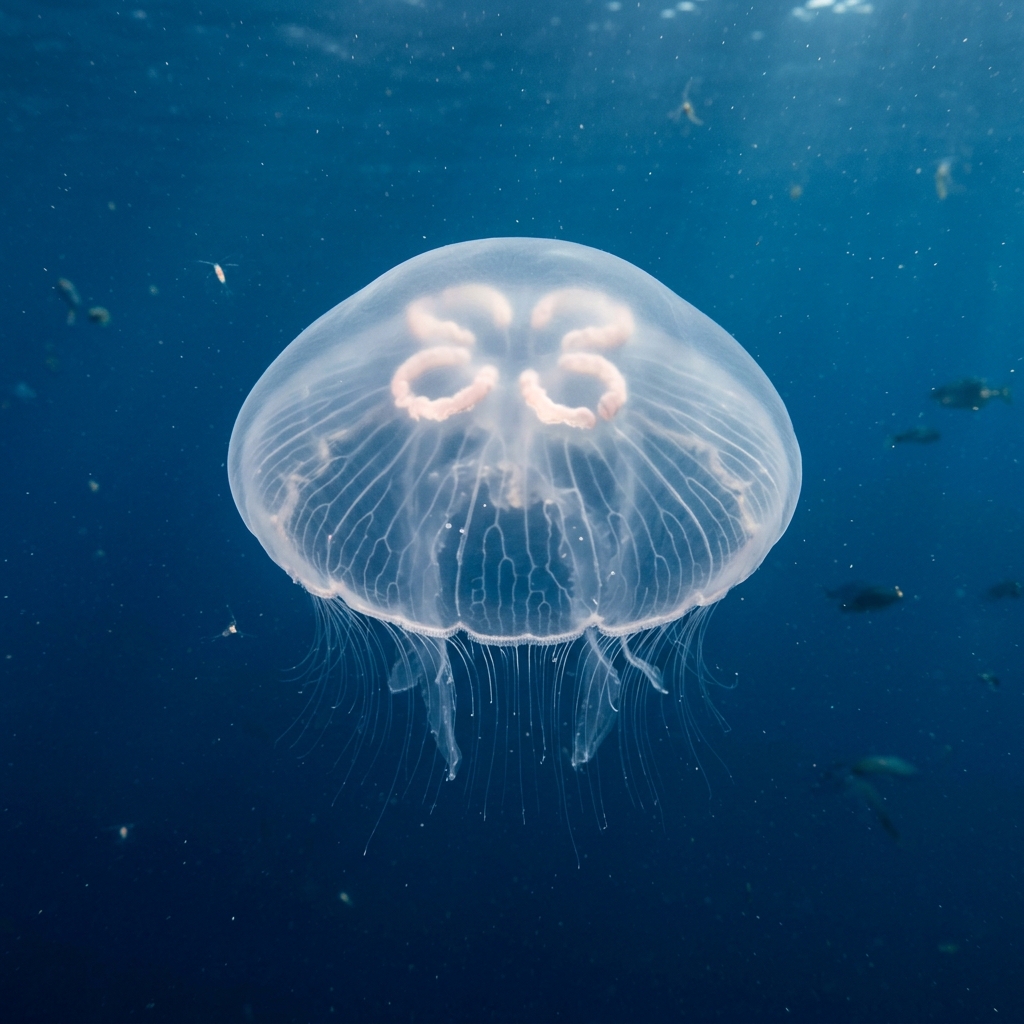
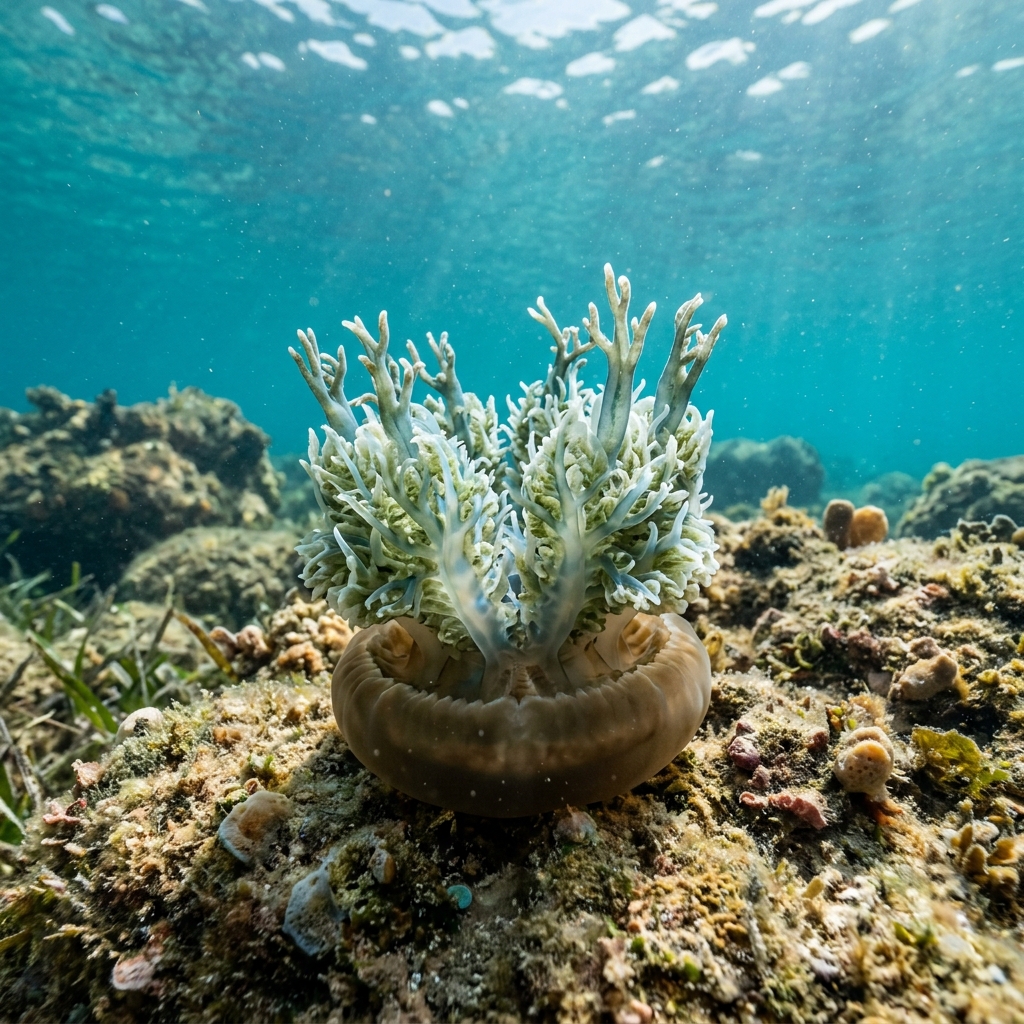
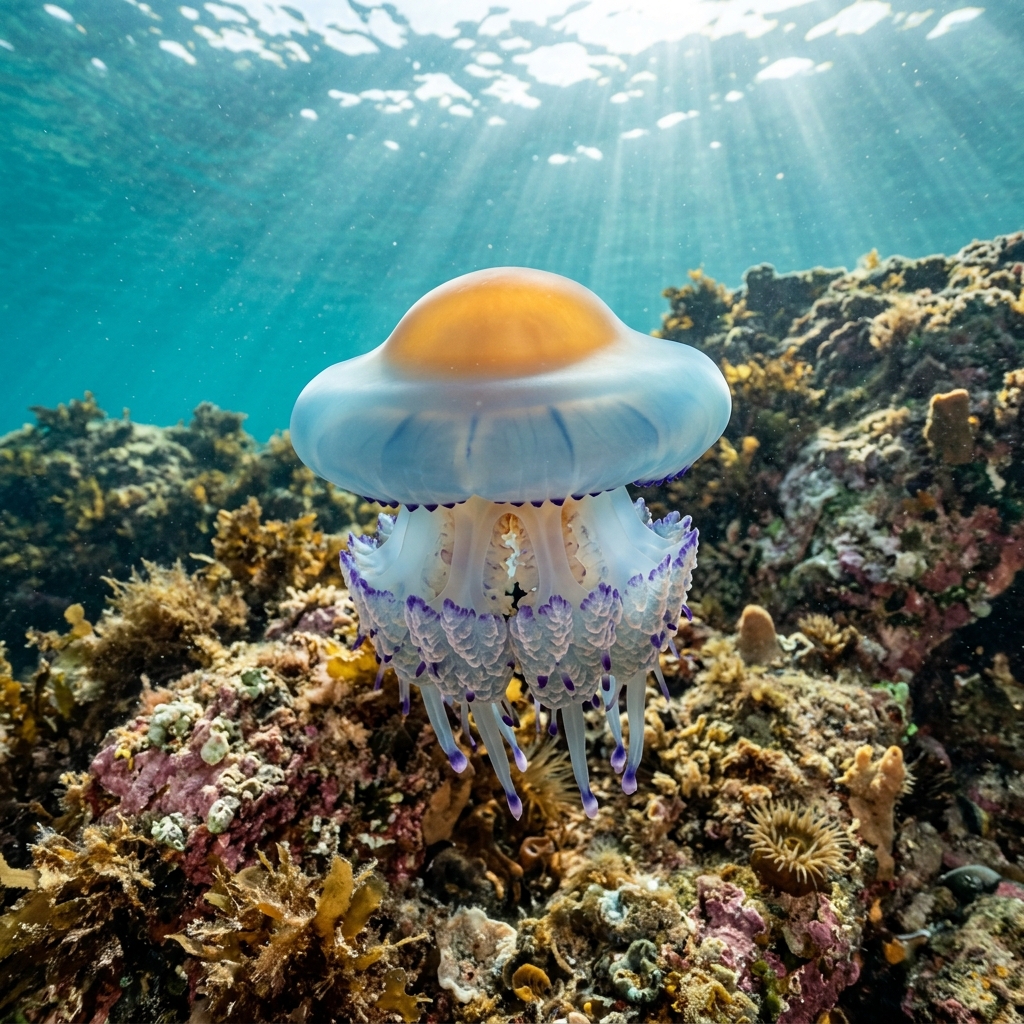
Reef neighbours a diver could mistake it for. Use the identification notes above to tell them apart.
Most consistently logged in New South Wales, with Victoria a strong secondary spot and a smaller presence in Queensland. Sightings cluster in sheltered estuaries and shallow coastal bays around these regions rather than open reef.
Mapping where Blue Blubber is logged…
New South Wales is the most reliable region, with Victoria also producing regular sightings and a smaller number recorded in Queensland. Look in sheltered estuaries and shallow coastal bays rather than open reef.
There's no strong seasonal signal in the sighting data, so it's best treated as a year-round find in its core Australian range, turning up in water from roughly 15 to 22 C.
They can sting, but it's generally mild compared with many other jellyfish. Sensitive skin areas may still react, so it's best not to handle them and to keep clear of stranded ones on the sand.
Look for a solid, rounded bell up to about 24 cm across, often blue-tinted, with short frilly mouth-arms underneath instead of long trailing tentacles. It pulses steadily near the surface rather than drifting limp.
They typically reach around 24 cm across the bell, making them a mid-sized jellyfish easy to spot in shallow water.
They don't have the long stinging tentacles most jellyfish rely on. Instead, short frilled oral arms under the bell do the work of catching plankton, giving the animal its unusually compact, solid shape.
Site and sighting data is aggregated from diver logs, iNaturalist and GBIF. For taxonomy and conservation status:
Moon Jellyfish
1,766 sites