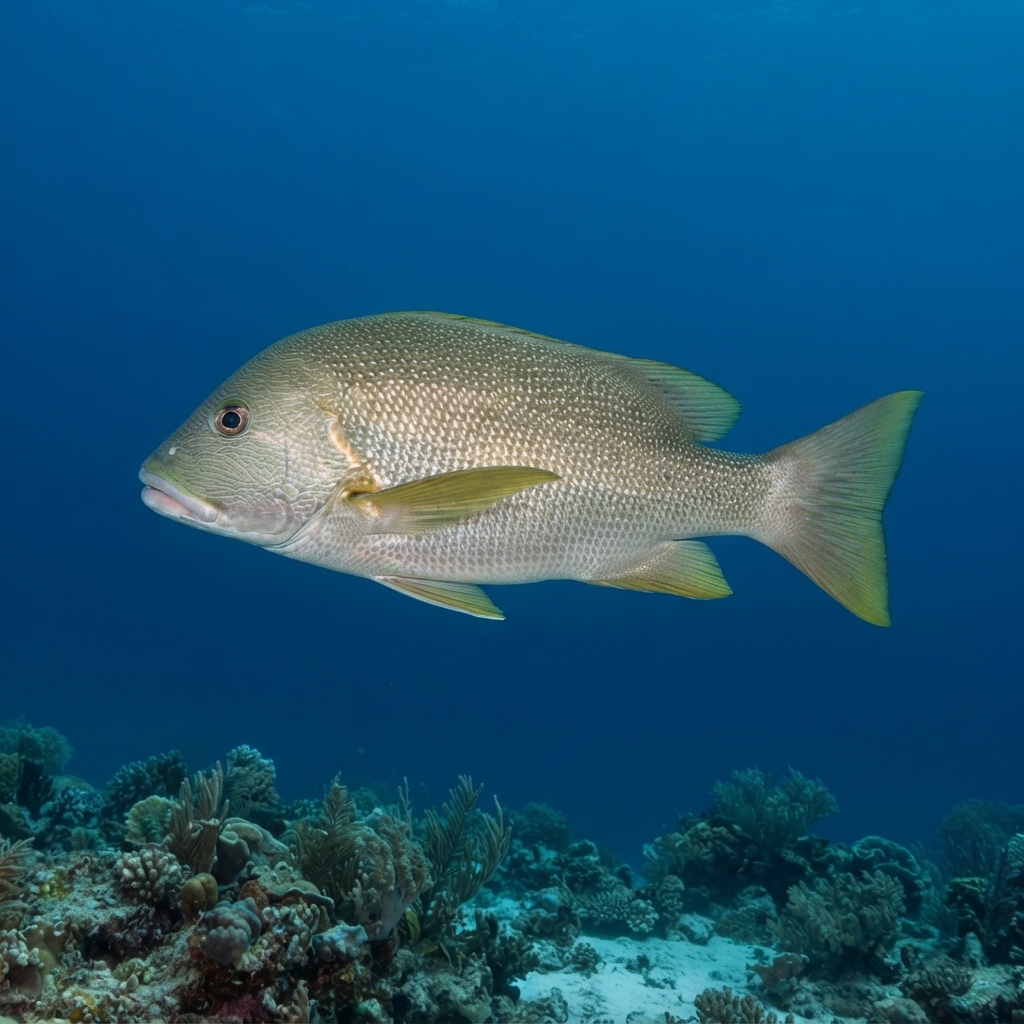
Lutjanus rivulatus
Thick-lipped reef predator most reliably logged off KwaZulu-Natal, South Africa, in warm 22.5-28.2C water year-round.
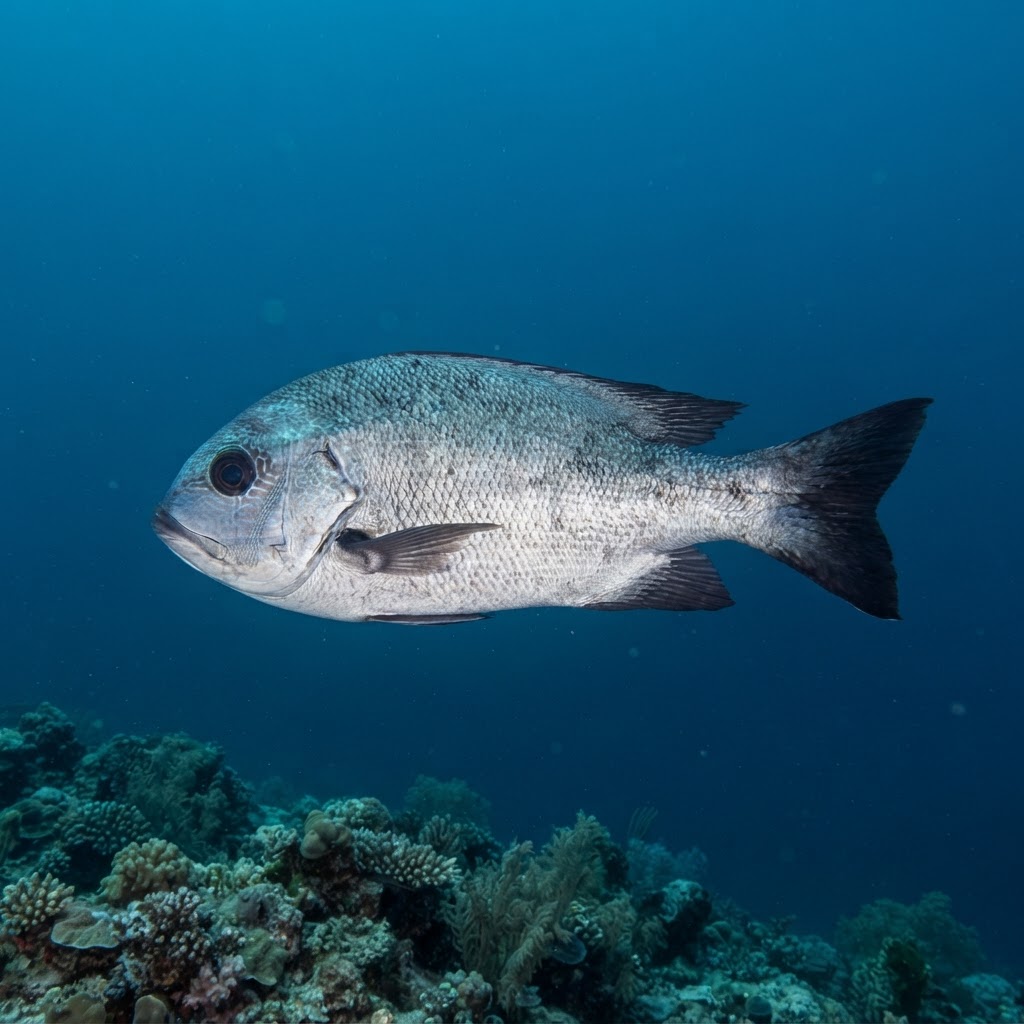
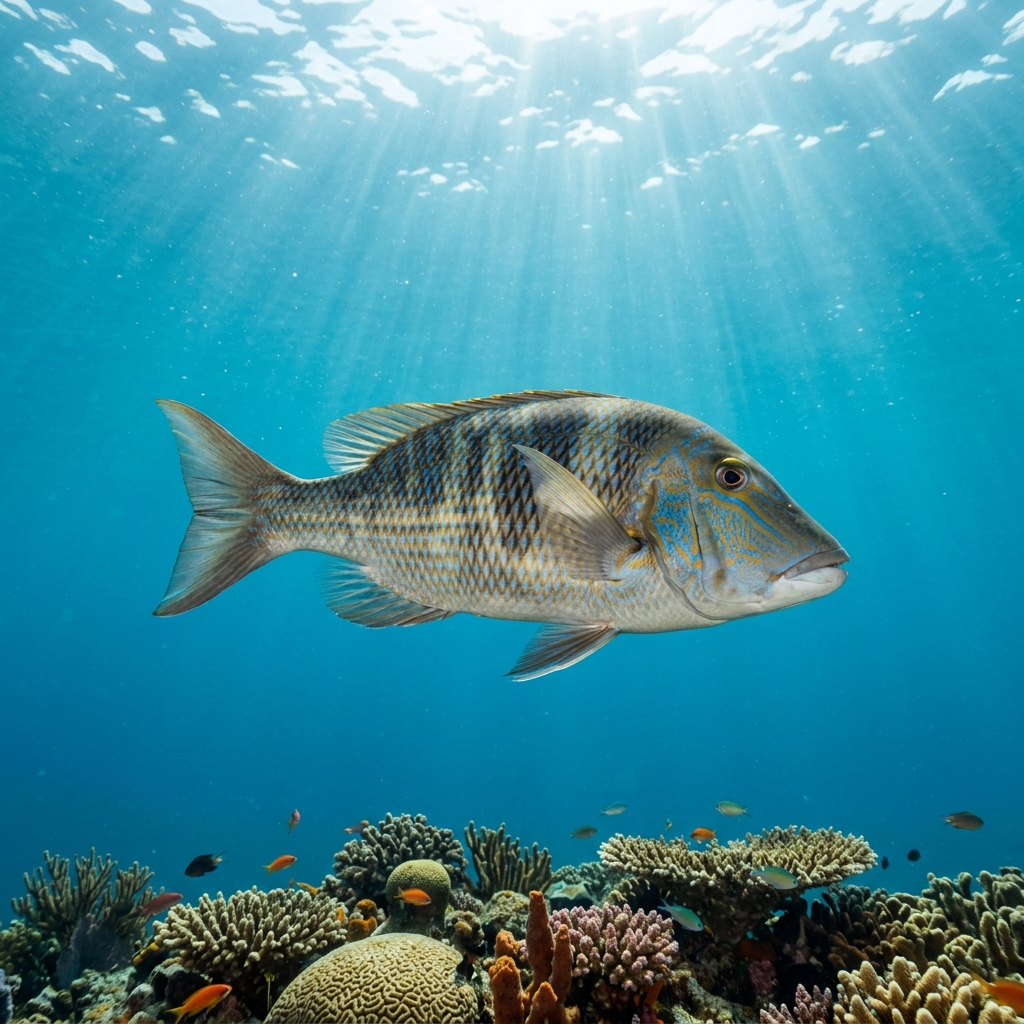
Bulky, deep-bodied snapper built around a set of unmistakably thick, fleshy lips that give it its name. Base colour runs pale grey to silvery white, often with faint dusky bars or a mottled pattern along the flanks and a dark saddle-like patch near the tail. Adults reach around 59 cm and tend to hang close to reef structure rather than out in open water, which combined with that heavy-lipped face is the quickest giveaway underwater.
Usually spotted alone or loosely associating near caves, overhangs, and reef ledges rather than schooling in open water. It tends to sit fairly still or hover close to cover, giving divers a good long look before easing off rather than bolting, and most logs describe it as an uncommon but calm encounter rather than a rare one.
Those oversized lips aren't just cosmetic, they help it grip and manoeuvre crustaceans and smaller reef fish pulled from crevices, which is why it's so often found parked near structure instead of cruising the open reef.
Sightings don't show a clear seasonal pattern, and with a comfortable range of 22.5 to 28.2C it's a year-round resident on the reefs where it occurs rather than a seasonal visitor.
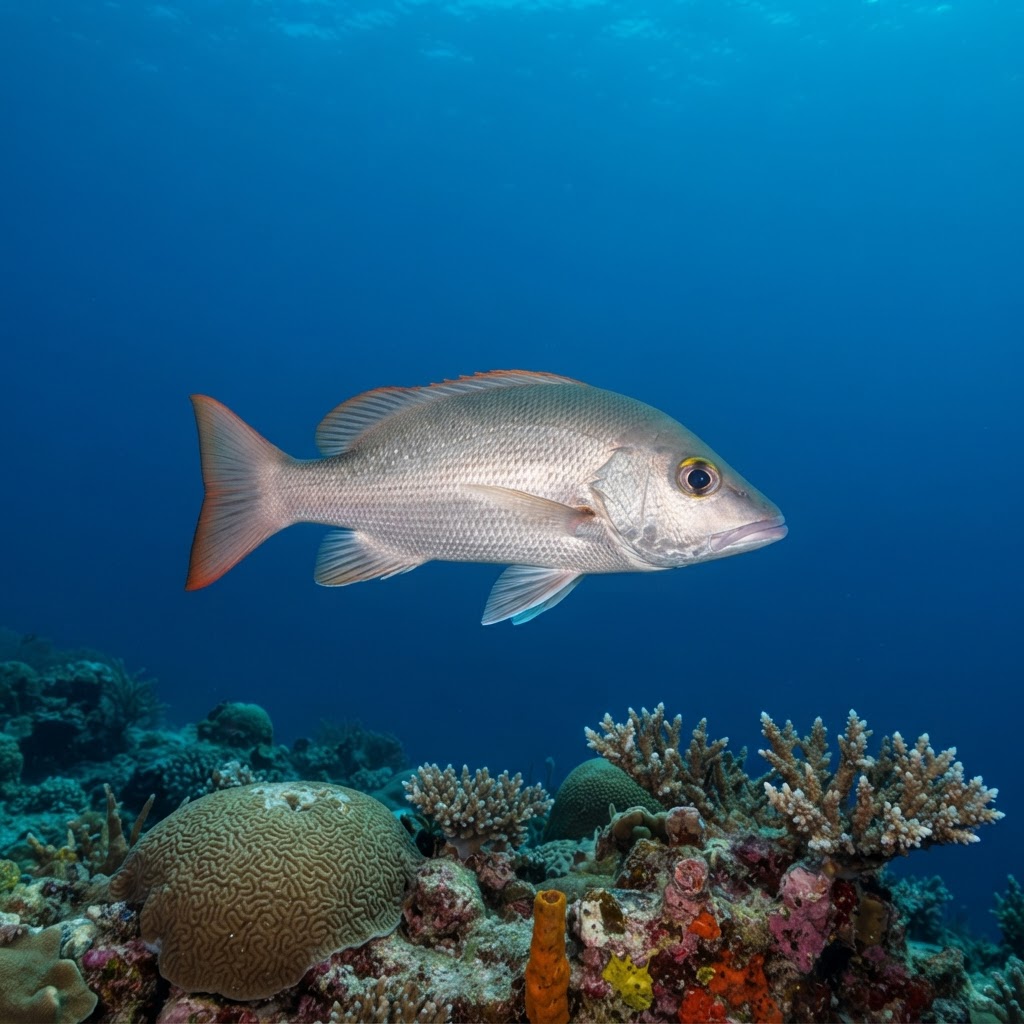
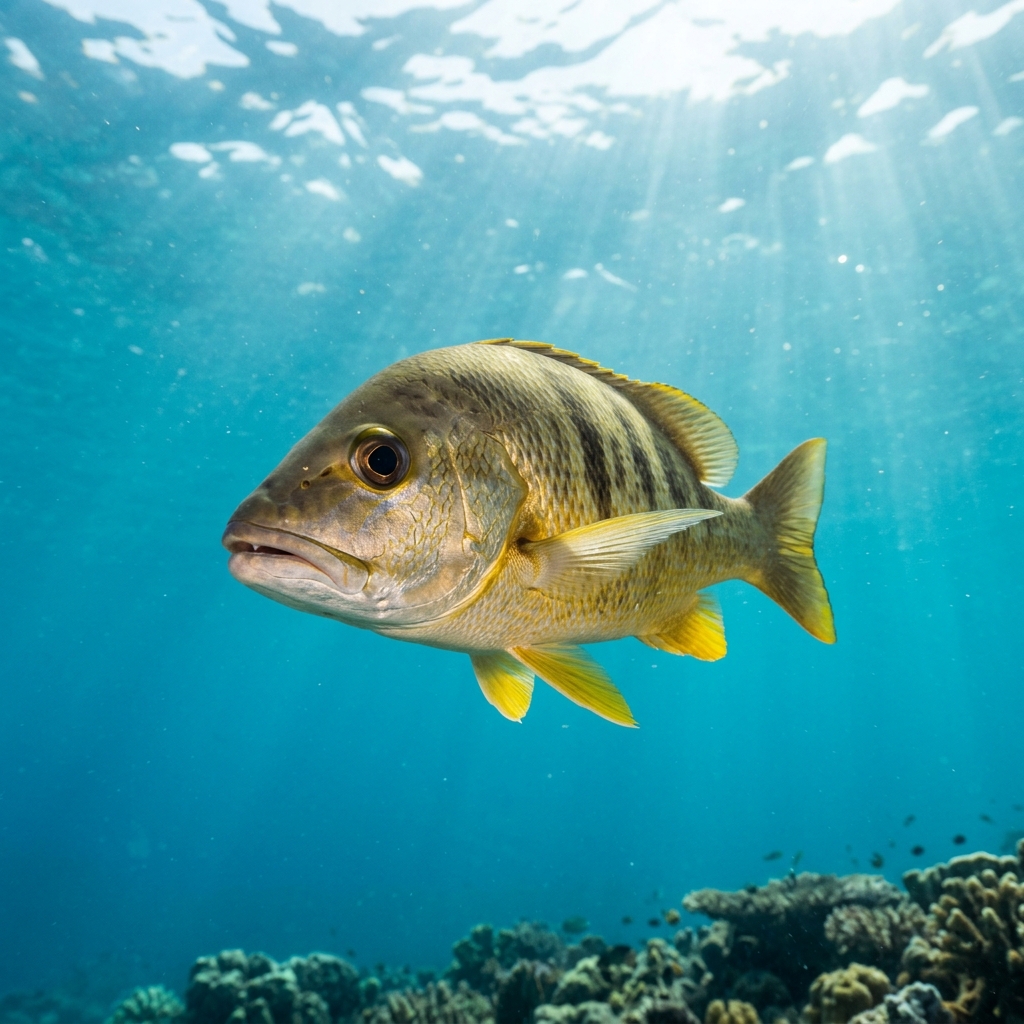
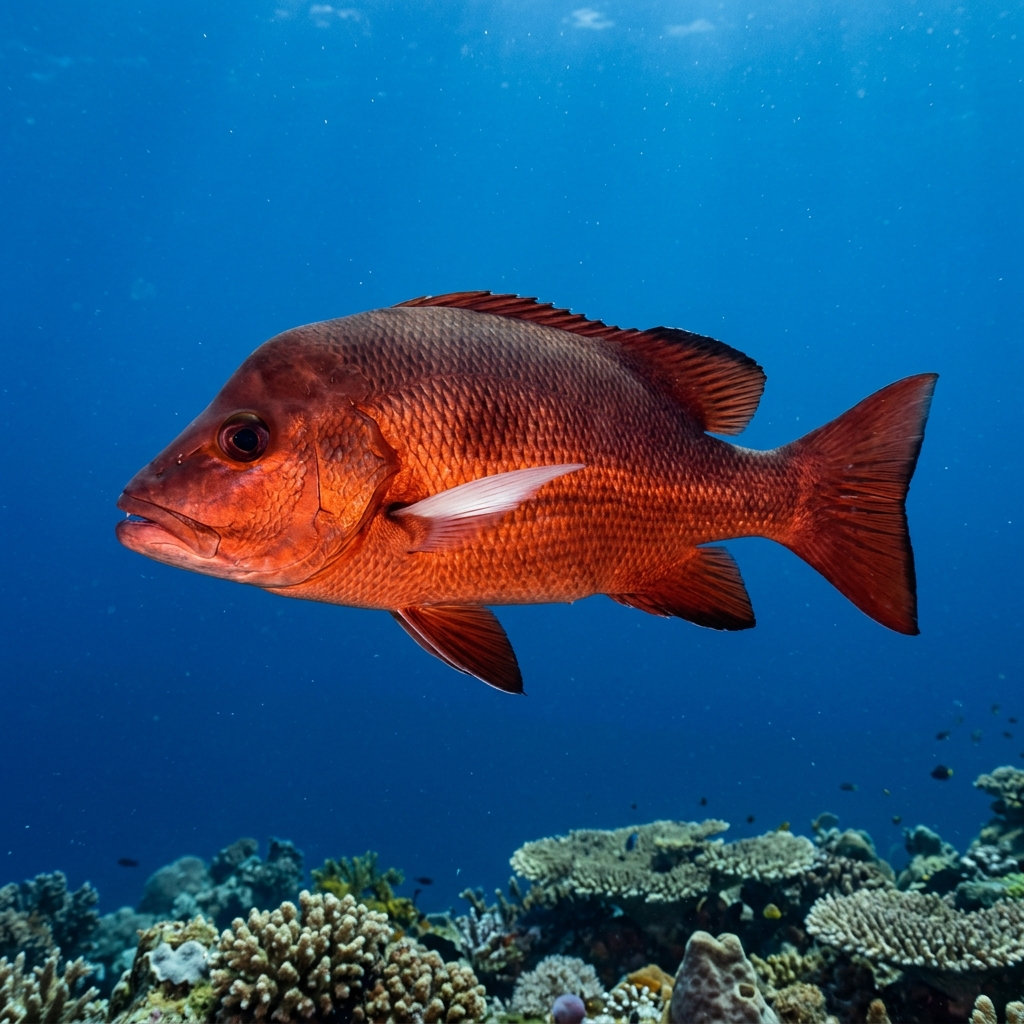
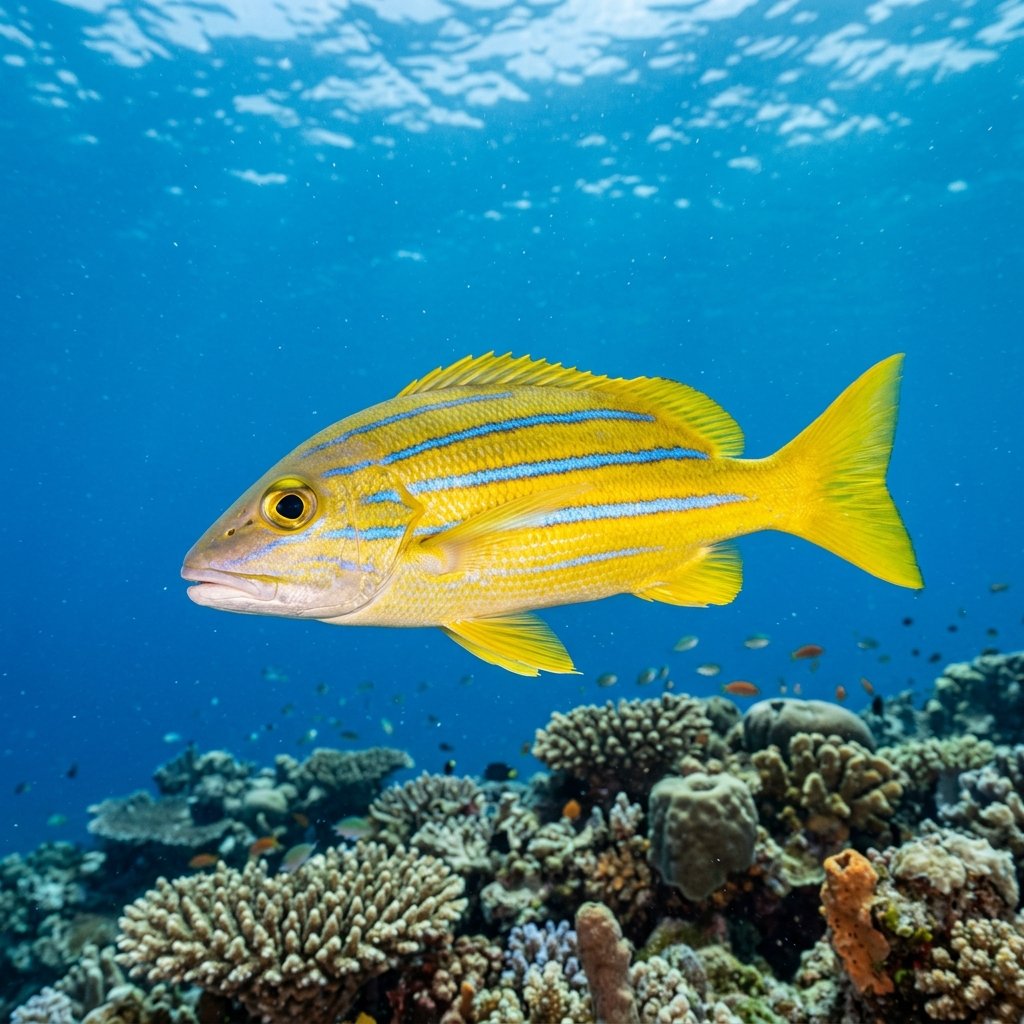
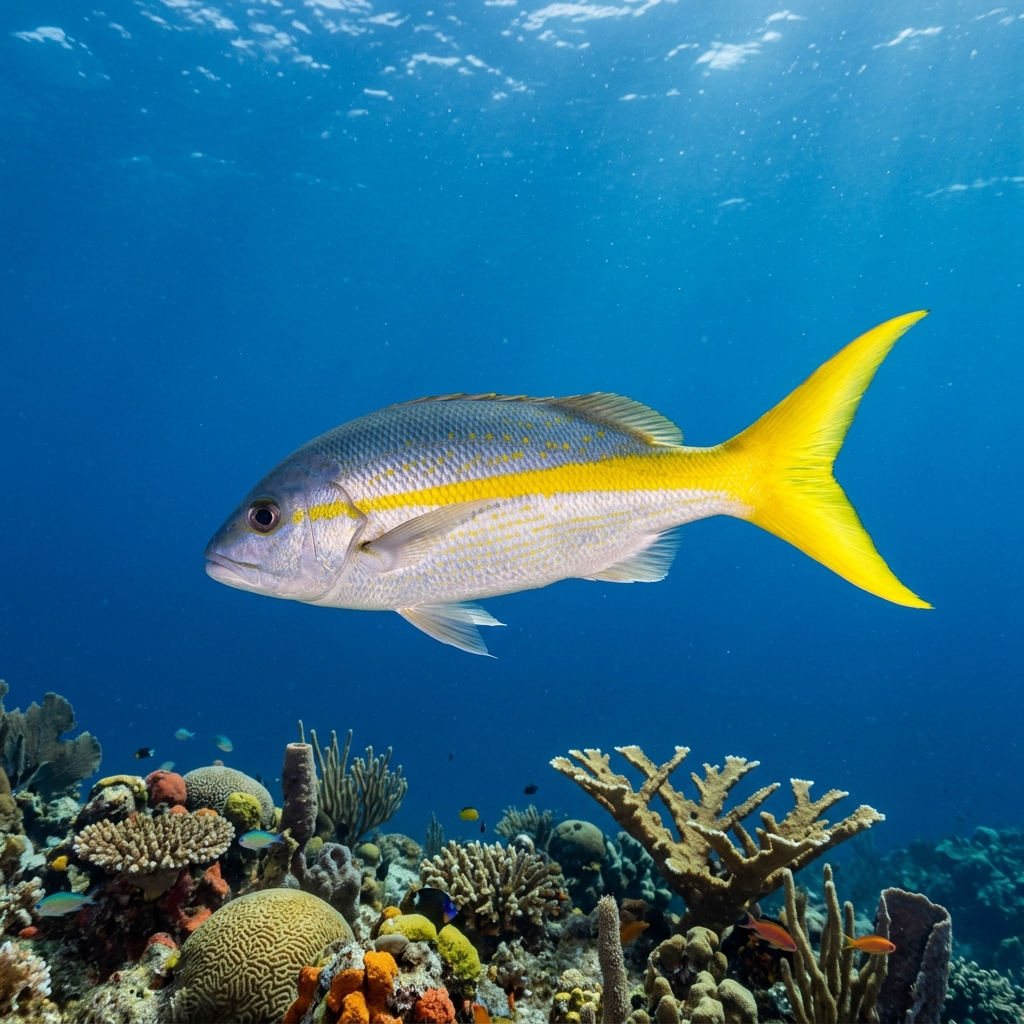
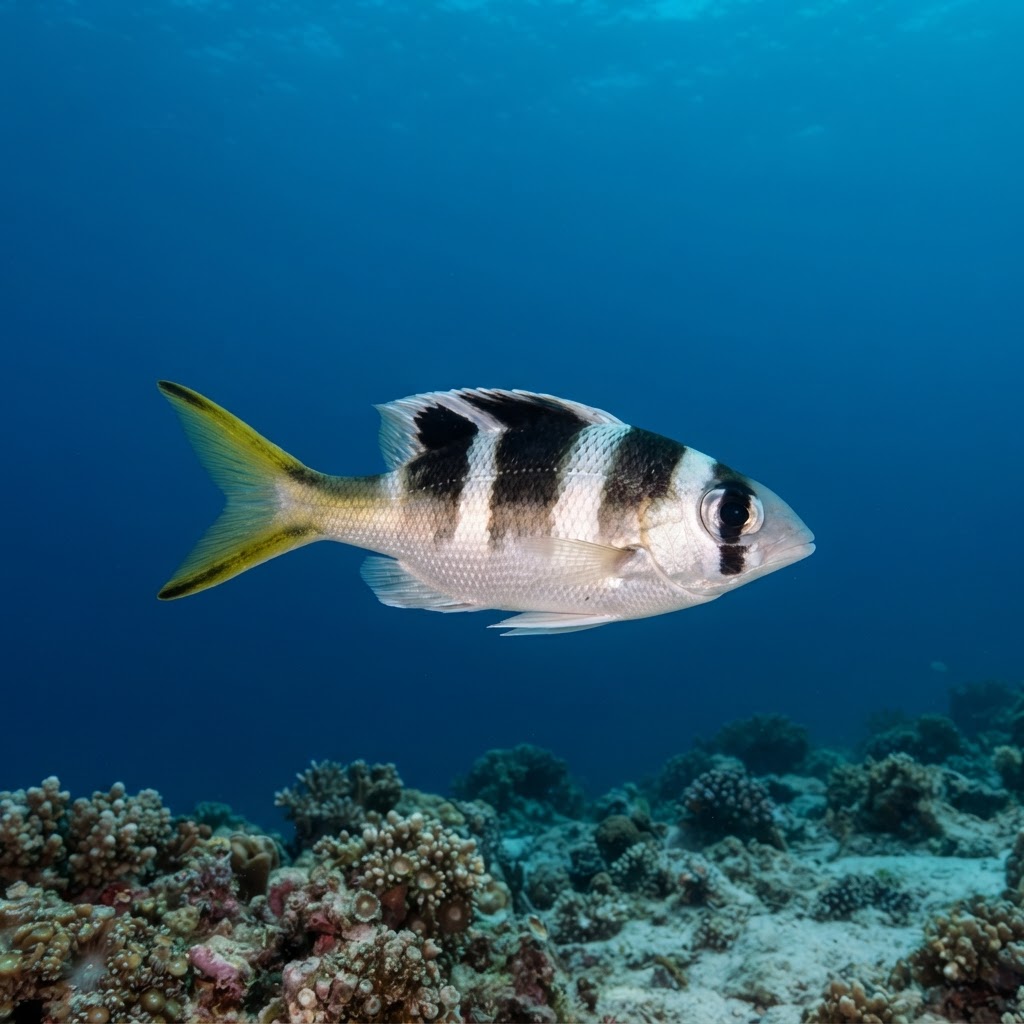
Reef neighbours a diver could mistake it for. Use the identification notes above to tell them apart.
Most consistently logged off KwaZulu-Natal in South Africa, which accounts for the bulk of sightings, with further reliable records from West Papua and Bali in Indonesia and from Goa, India. Smaller numbers turn up around Sulawesi and Raja Ampat in Indonesia and at Khao Lak in Thailand, so it's a realistic find across Indo-Pacific and southwest Indian Ocean reef systems even though it's never the headline fish on a dive.
Mapping where Blubberlip Snapper is logged…
The strongest sightings come from KwaZulu-Natal in South Africa, with further records from West Papua, Bali, and Sulawesi in Indonesia, Goa in India, and Khao Lak in Thailand.
There's no strong season in the data, it's a year-round fish on reefs that sit within its 22.5 to 28.2C comfort range, so any time you're diving those regions is fair game.
Look for a deep-bodied, grey to silvery snapper with noticeably thick, fleshy lips and faint dusky bars along the body. It typically sits near reef ledges and caves rather than schooling in open water, which helps separate it from more free-swimming snappers.
They typically reach around 59 cm in length, making them one of the bulkier reef-associated snappers a diver is likely to encounter.
No, they're not considered dangerous to divers and generally hold steady near cover rather than showing any defensive or aggressive behaviour.
Its thick lips aid in gripping crustaceans and small fish pulled from crevices, which explains why it's so often found tucked near caves and overhangs instead of cruising open reef.
Site and sighting data is aggregated from diver logs, iNaturalist and GBIF. For taxonomy and conservation status:
Emperor
2,052 sites