Parapercis queenslandica
A small sandperch most often logged around Queensland's reefs, resting on rubble in 24-29C water year-round.
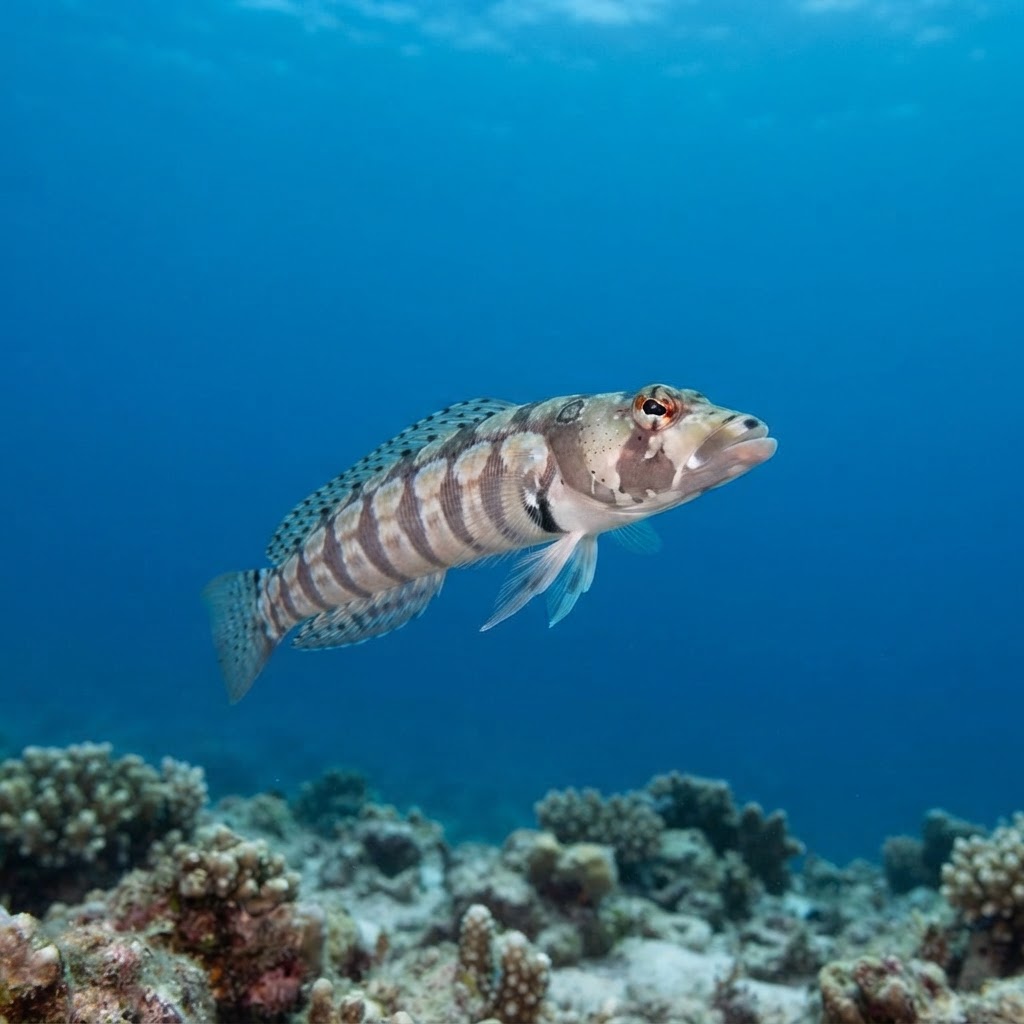
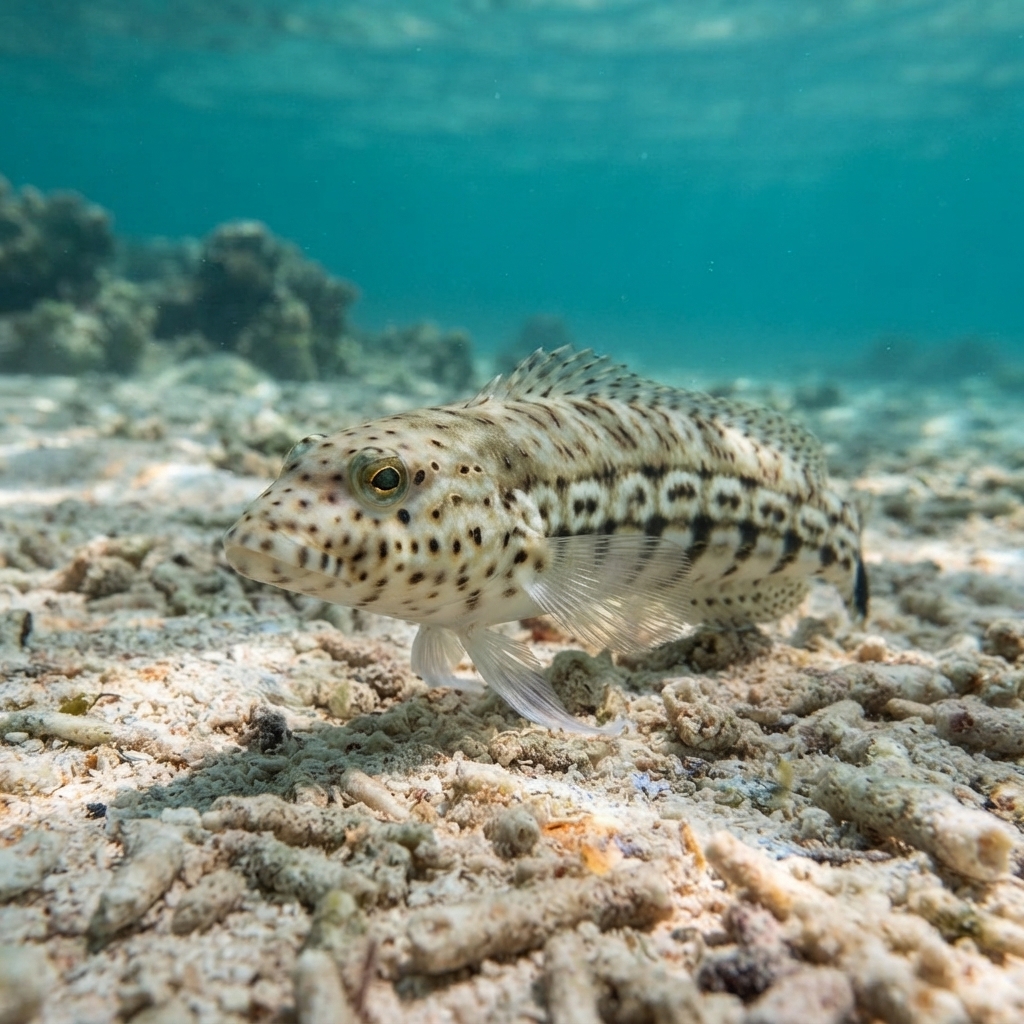
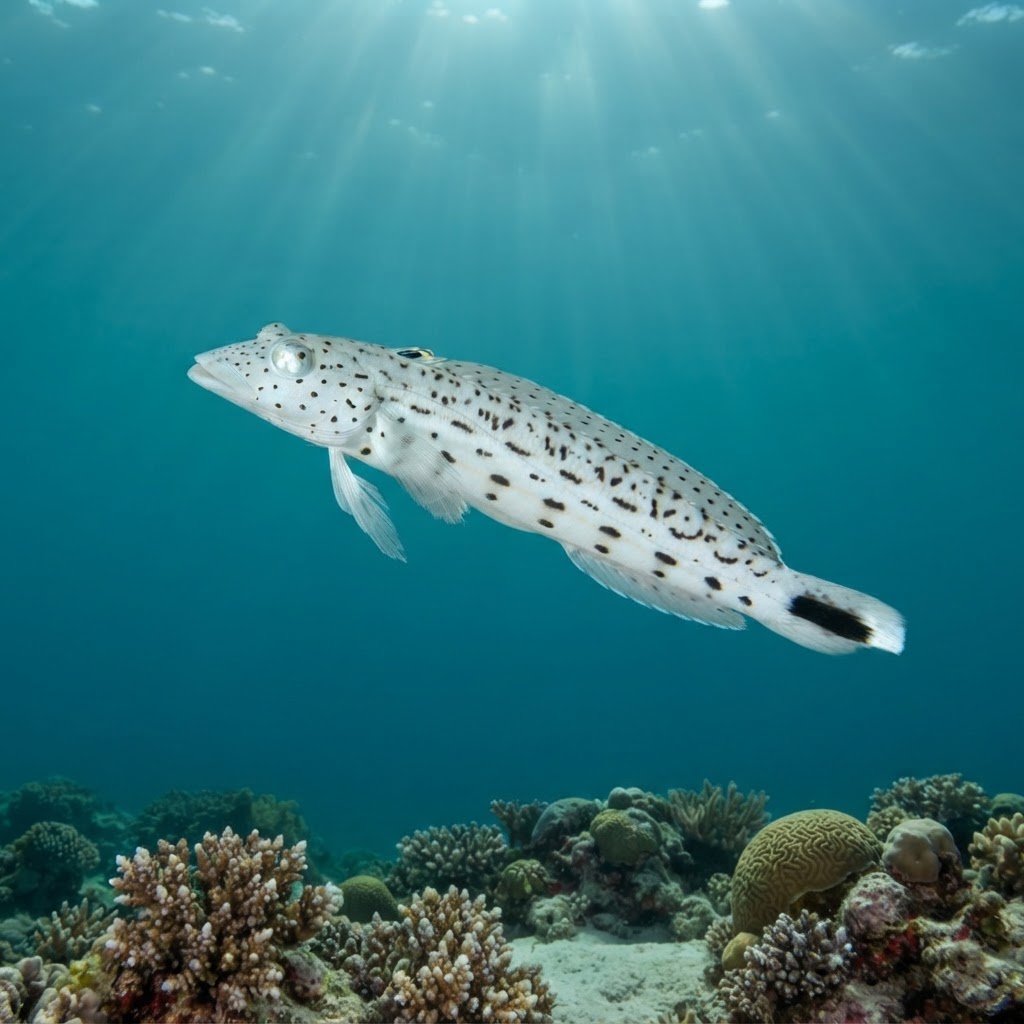
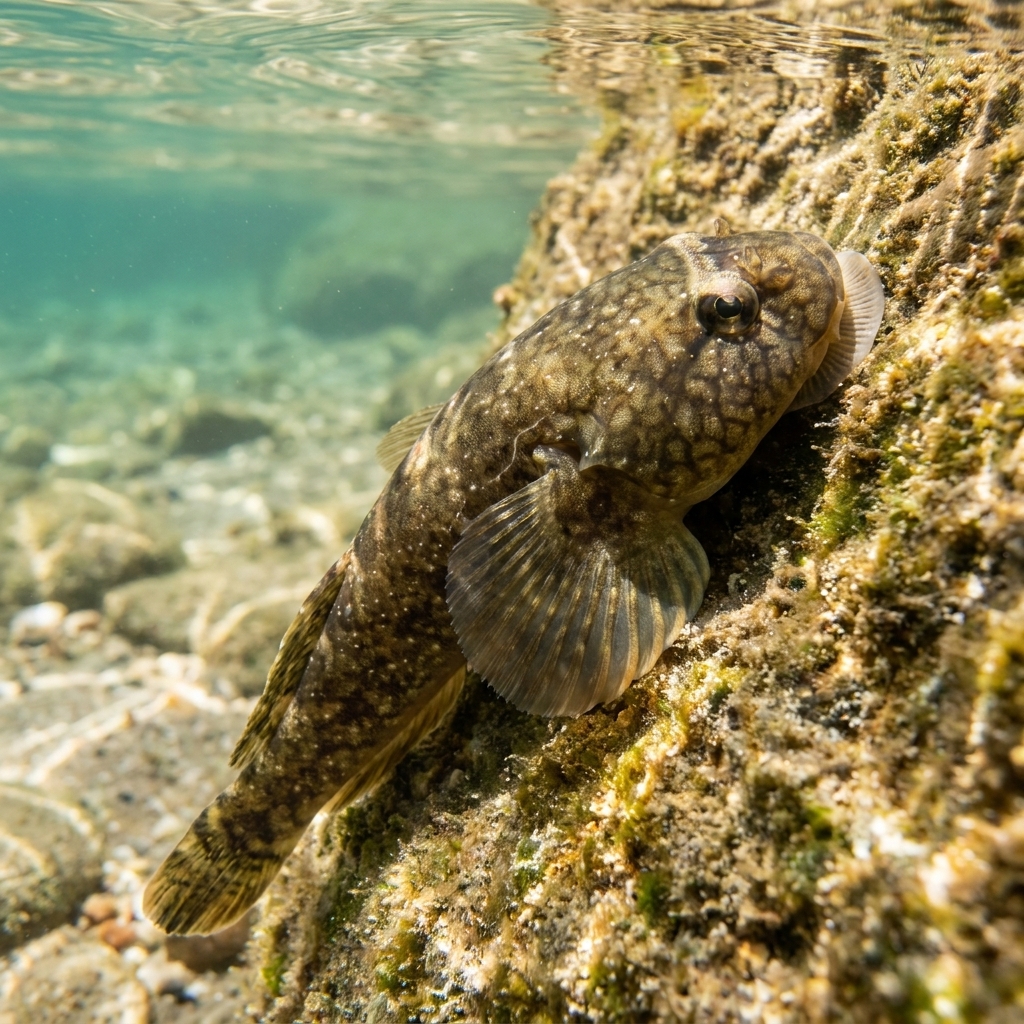
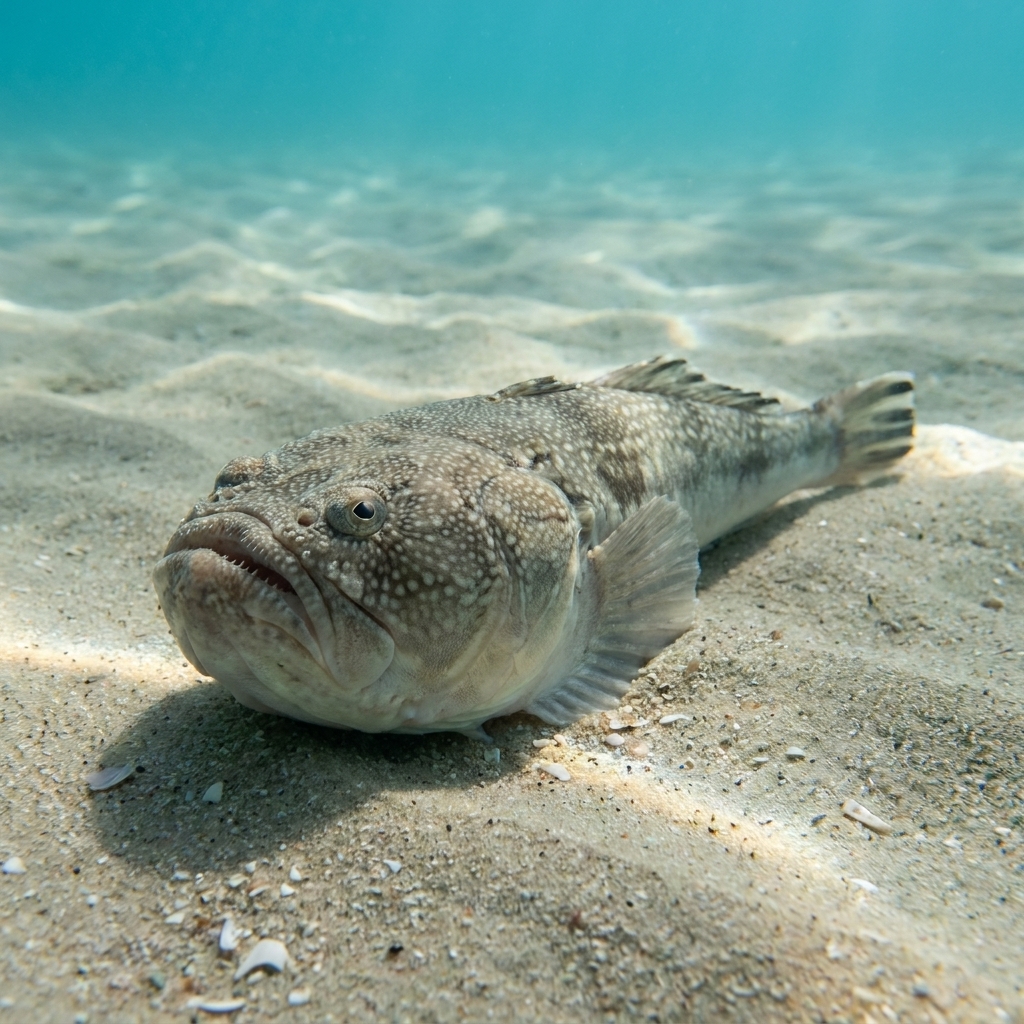
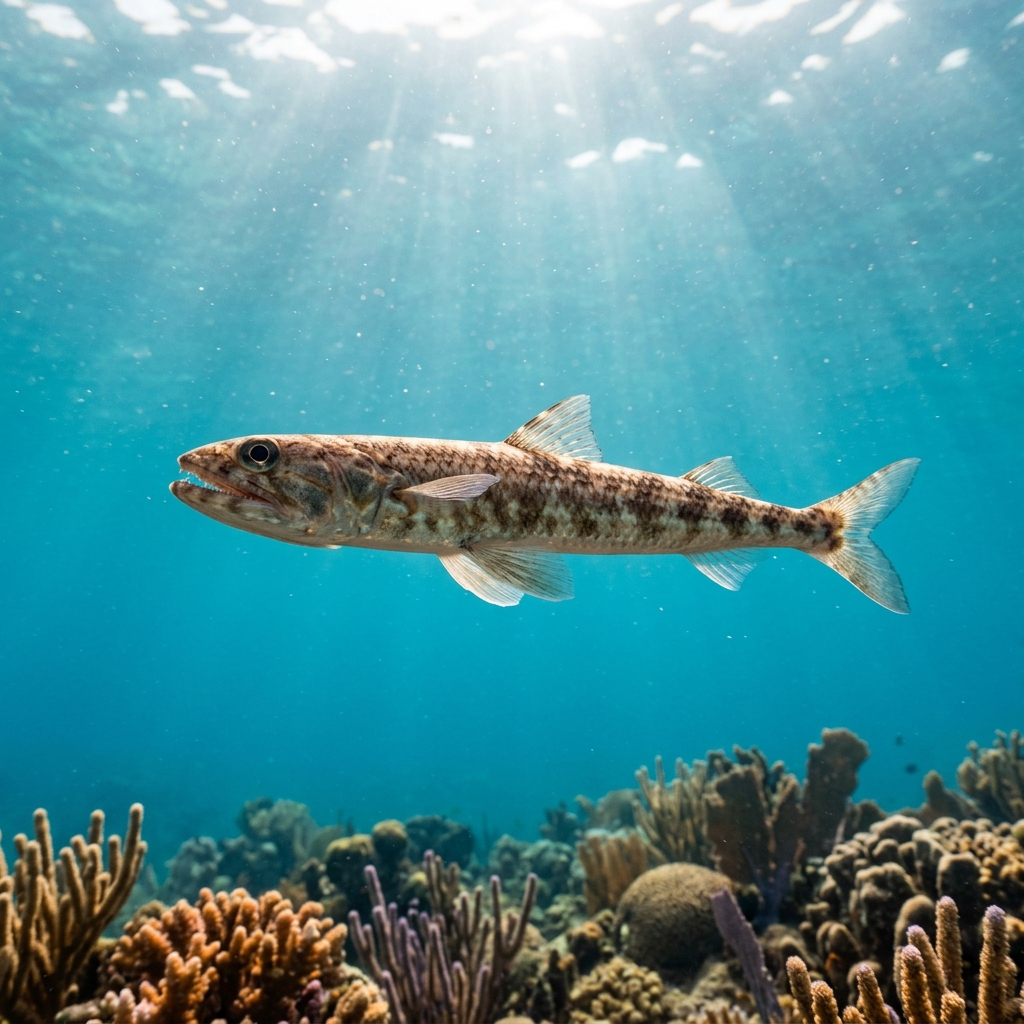
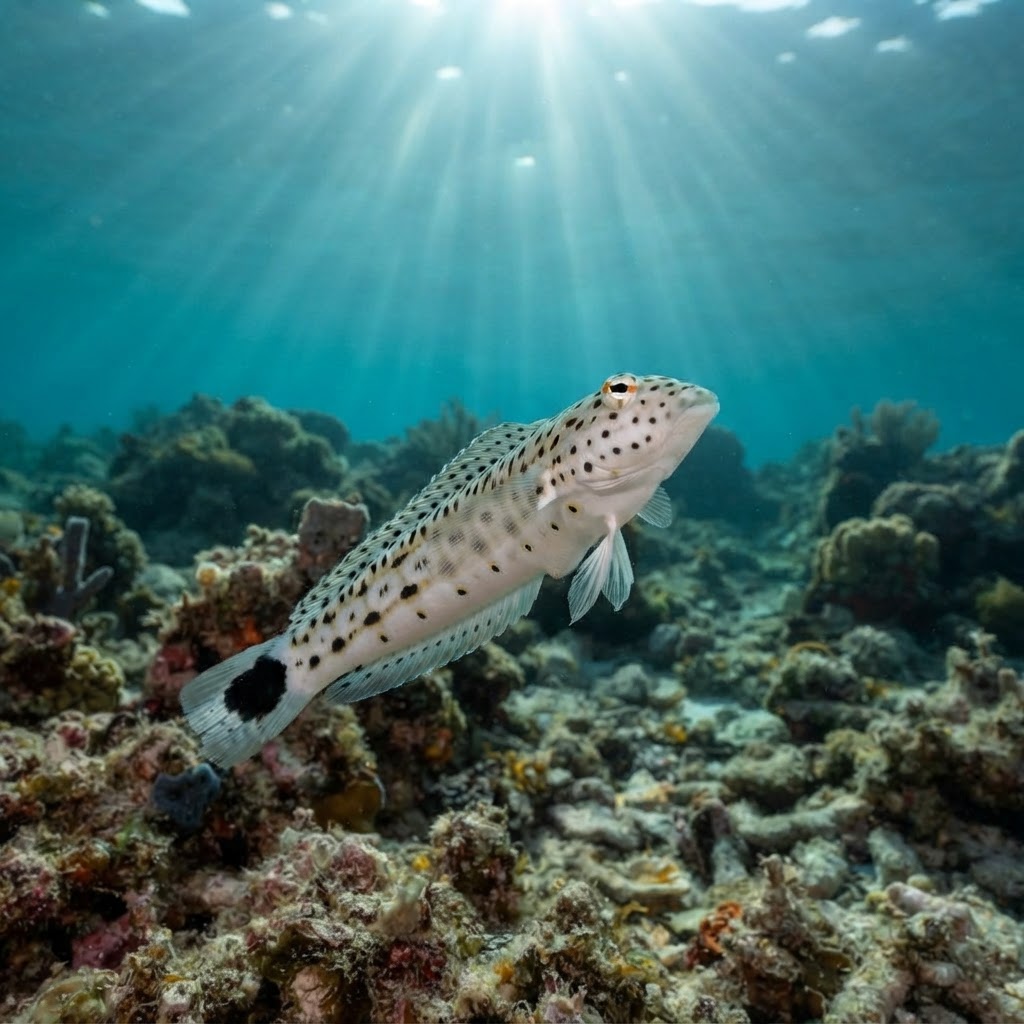
A slim, cylindrical little fish around 14 cm, usually seen propped on its pelvic fins on sand or rubble rather than swimming freely. Look for a pale, slightly mottled body and the dark blotch at the base of the tail that gives it the common name. The head is pointed with large eyes set high, a typical sandperch shape built for watching the reef from a perch rather than cruising it.
Expect to find it resting on sand, rubble or the reef base rather than out in open water, propped up on its lower fins like a tripod. It tends to hold still and watch rather than bolt, letting divers get reasonably close before darting a short distance and settling again. Most sightings are logged as uncommon rather than common, so it rewards divers who scan the bottom carefully instead of just the water column.
Like other sandperches, it is a sit-and-wait predator that uses short bursts of speed to snatch small crustaceans and other invertebrates off the bottom rather than chasing prey through the water column.
No clear seasonal pattern shows up in the sighting data, and the water temperatures it is found in (24.4 to 28.8C) span most of the year on Queensland reefs, so it is fair to treat this as a year-round species. Turn up on any dive in its range and there is a reasonable chance of finding one perched on the substrate.
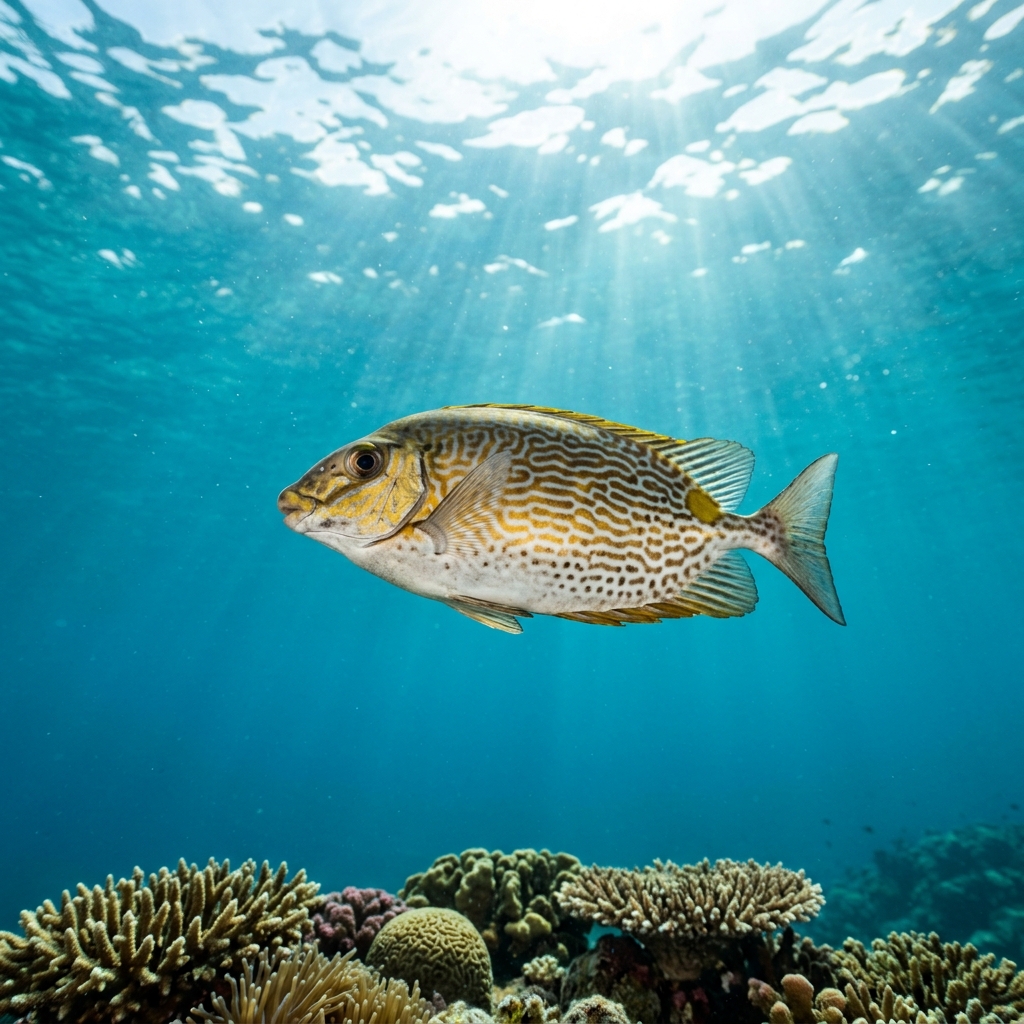
Reef neighbours a diver could mistake it for. Use the identification notes above to tell them apart.
This is very much a Queensland fish: it turns up most reliably across sites in Queensland, with further records in New South Wales, both in Australia. Outside Australia it has also been logged in New Caledonia, around the Loyalty Islands and Nouméa, though sightings there are far sparser.
Mapping where Blacktail Grubfish is logged…
Queensland, Australia is by far the most reliable place to find it, with additional records from New South Wales. It has also been logged in New Caledonia, around Nouméa and the Loyalty Islands, but far less often.
There is no strong season in the sighting data, and it is recorded across a wide temperature range from 24.4 to 28.8C, so it is best treated as a year-round find on Queensland reefs.
Look for a small, slender fish around 14 cm long, pale and mottled, resting on sand or rubble propped on its pelvic fins. The dark blotch at the base of the tail is the clearest single feature to check.
They reach around 14 cm in length, making them one of the smaller reef fish divers will spot resting on the bottom.
No. They are small, non-aggressive bottom-dwellers with no venom or defences that pose any risk to divers.
Site and sighting data is aggregated from diver logs, iNaturalist and GBIF. For taxonomy and conservation status:
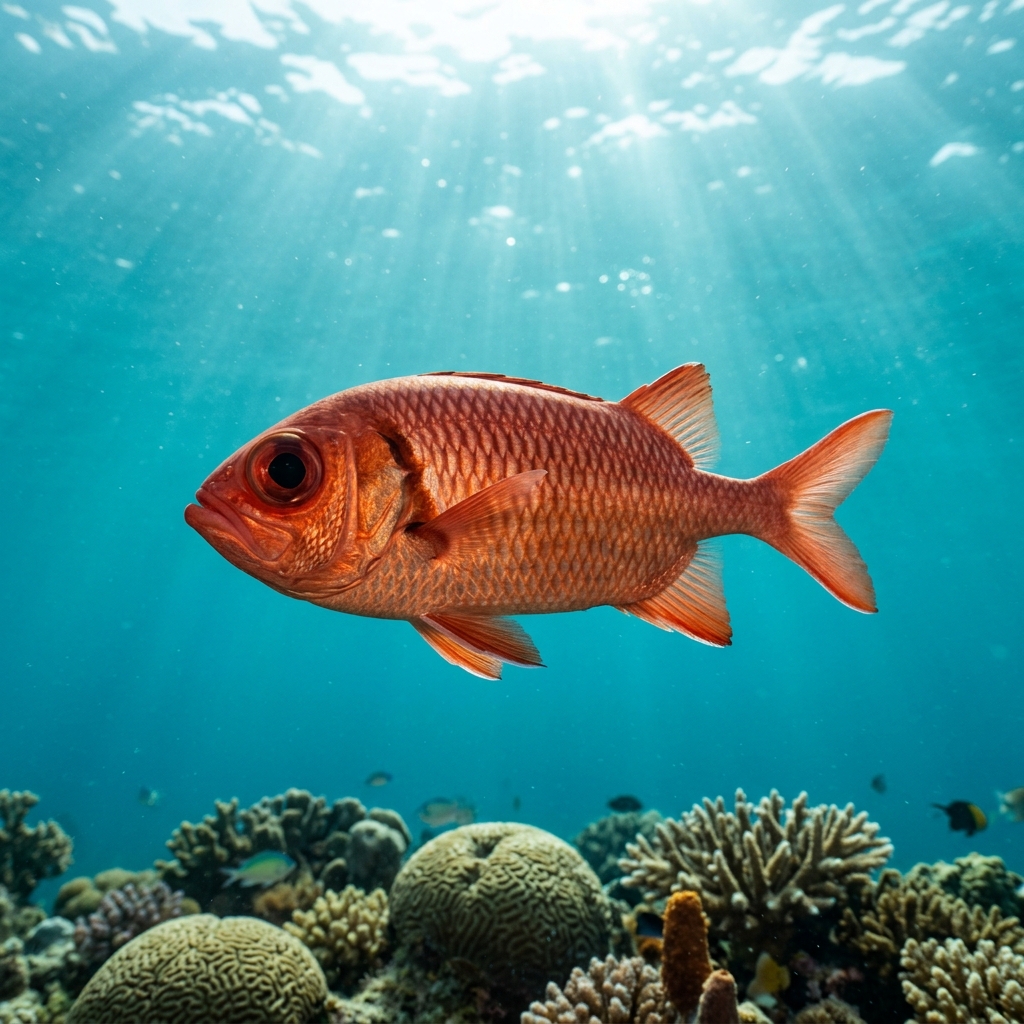
Soldierfish
3,612 sites