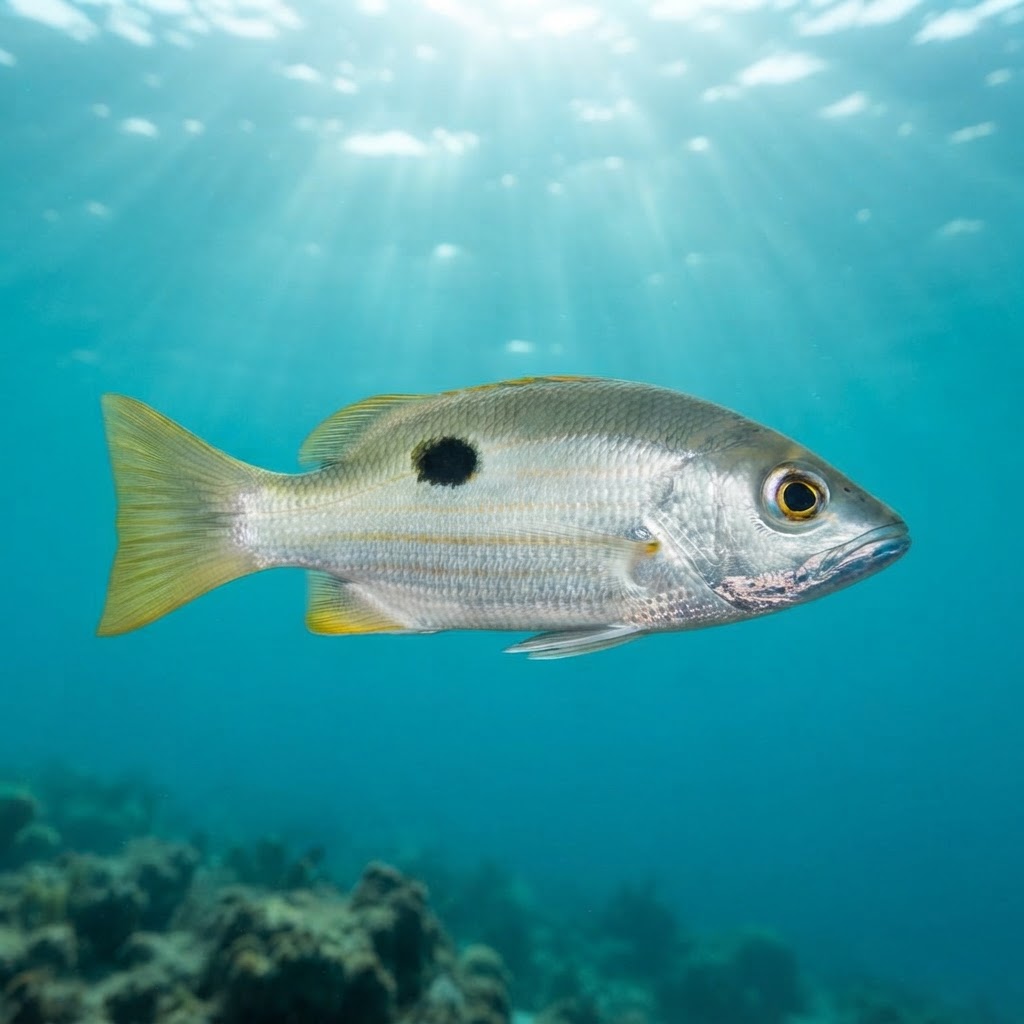
Lutjanus ehrenbergii
Silvery reef snapper with a dark side-spot, most often logged around Marsa Alam and the Philippines' Visayas in warm 26-29C water.
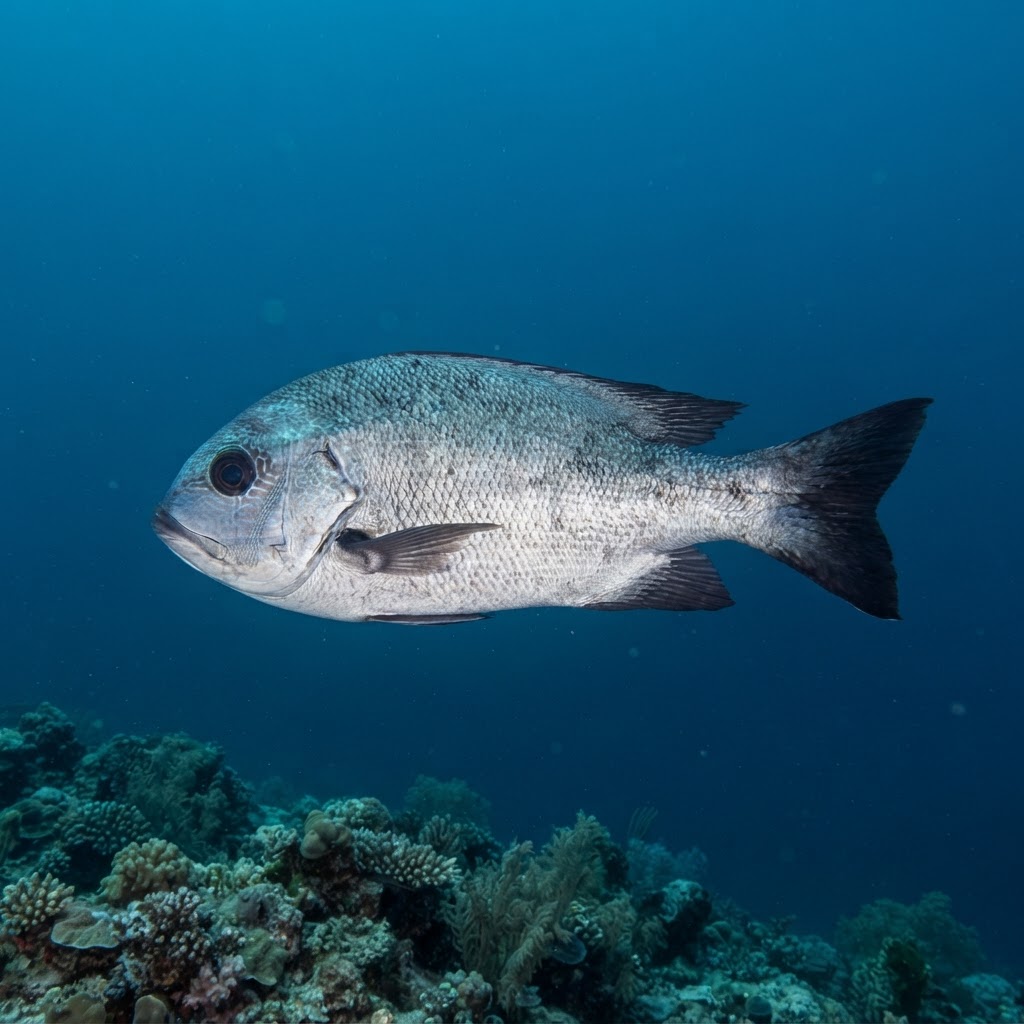
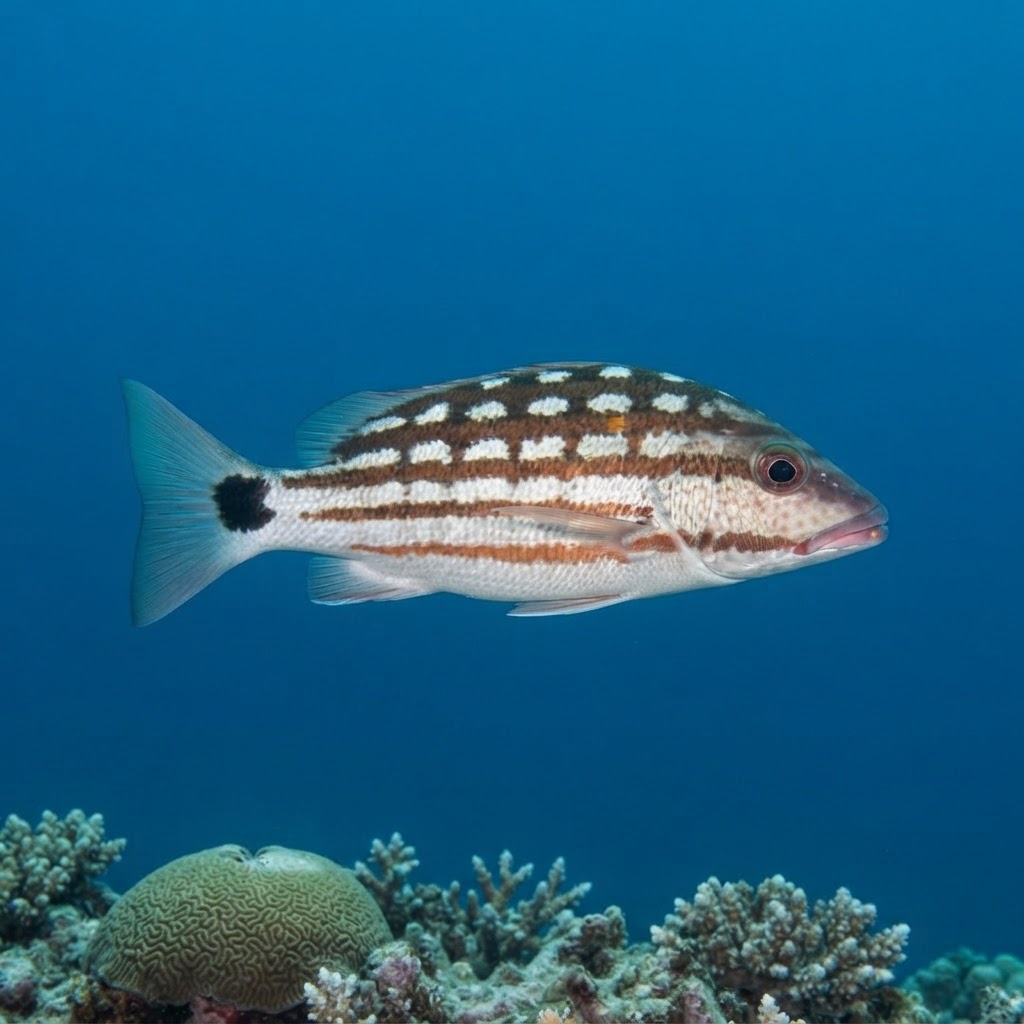
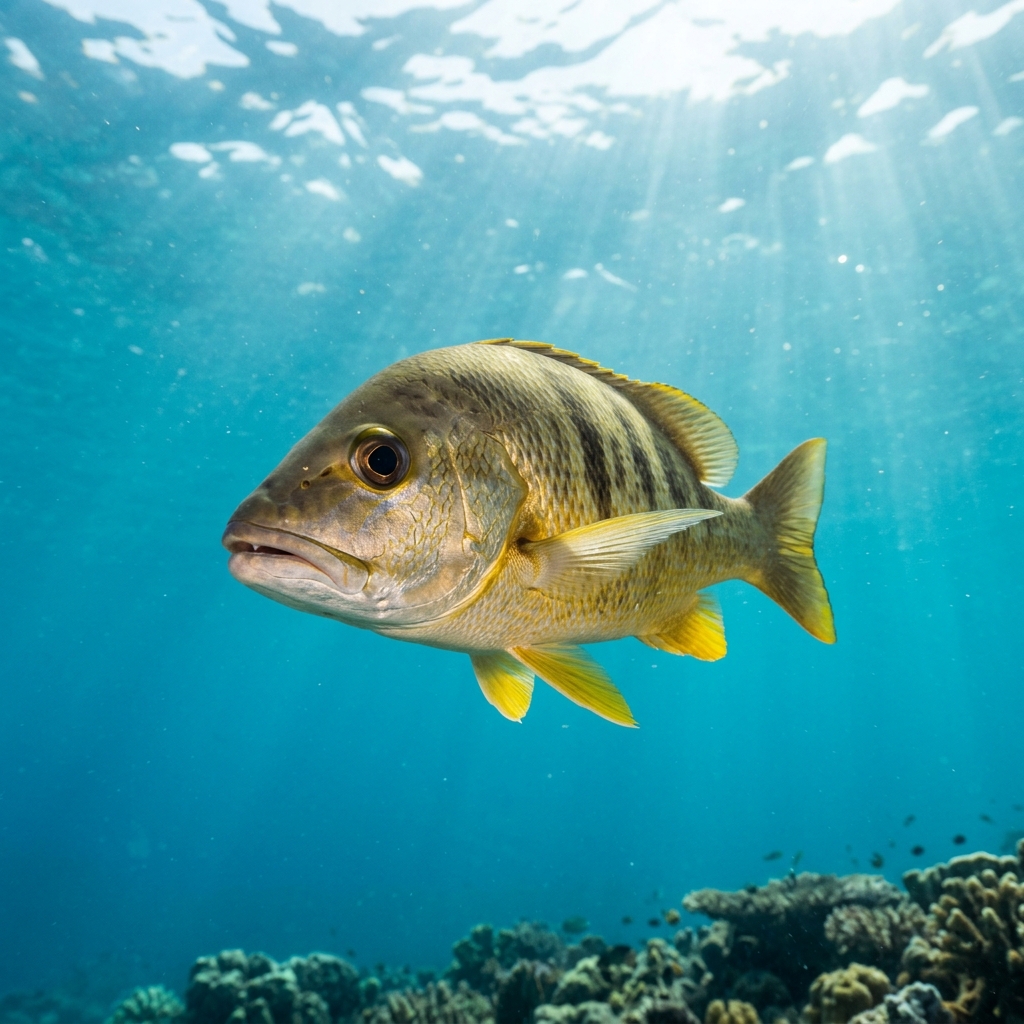
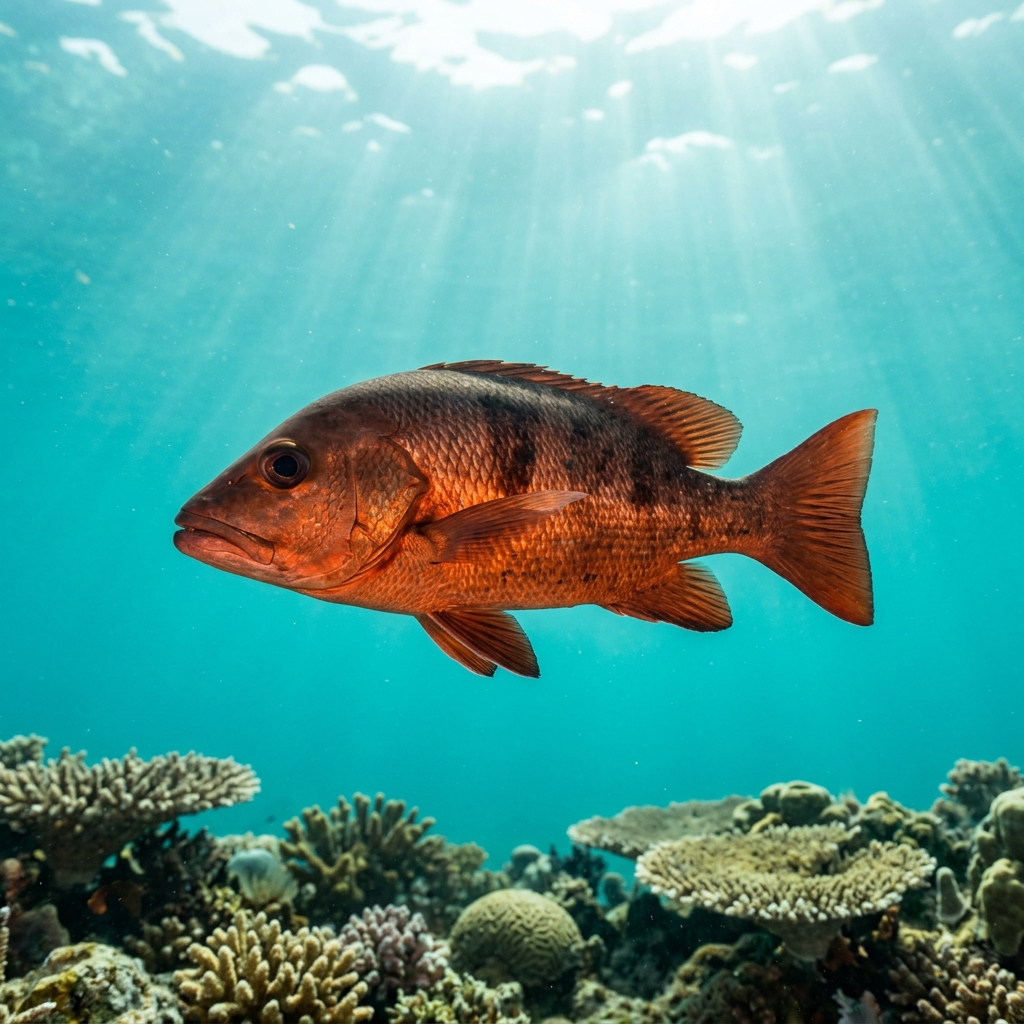
Silvery-grey body with faint yellow tinges along the back, growing to around 24cm, with a compact, deep-bodied snapper shape. The giveaway mark is a distinct black spot sitting just below the dorsal fin toward the tail, which is what gives the fish its name. Faint dusky lines may run along the upper flanks but the black spot is the feature to key on at a glance.
Usually spotted hovering in small, loose groups over sand patches, seagrass edges or the base of reef structure rather than out in open water. It tends to hold a cautious distance from divers without bolting, making it an easy fish to watch if you approach slowly. Most sightings come from daytime reef dives, where it mixes in with other small reef fish rather than schooling tightly.
It is logged as uncommon at the vast majority of sites where it appears, so spotting one is more a case of knowing the tell-tale black spot than expecting to see numbers of them.
No clear seasonal pattern shows up in the data, so treat this as a year-round sighting on any dive in its range. It sits comfortably in water from about 26 to 29C, which covers most tropical reef diving conditions through the year.
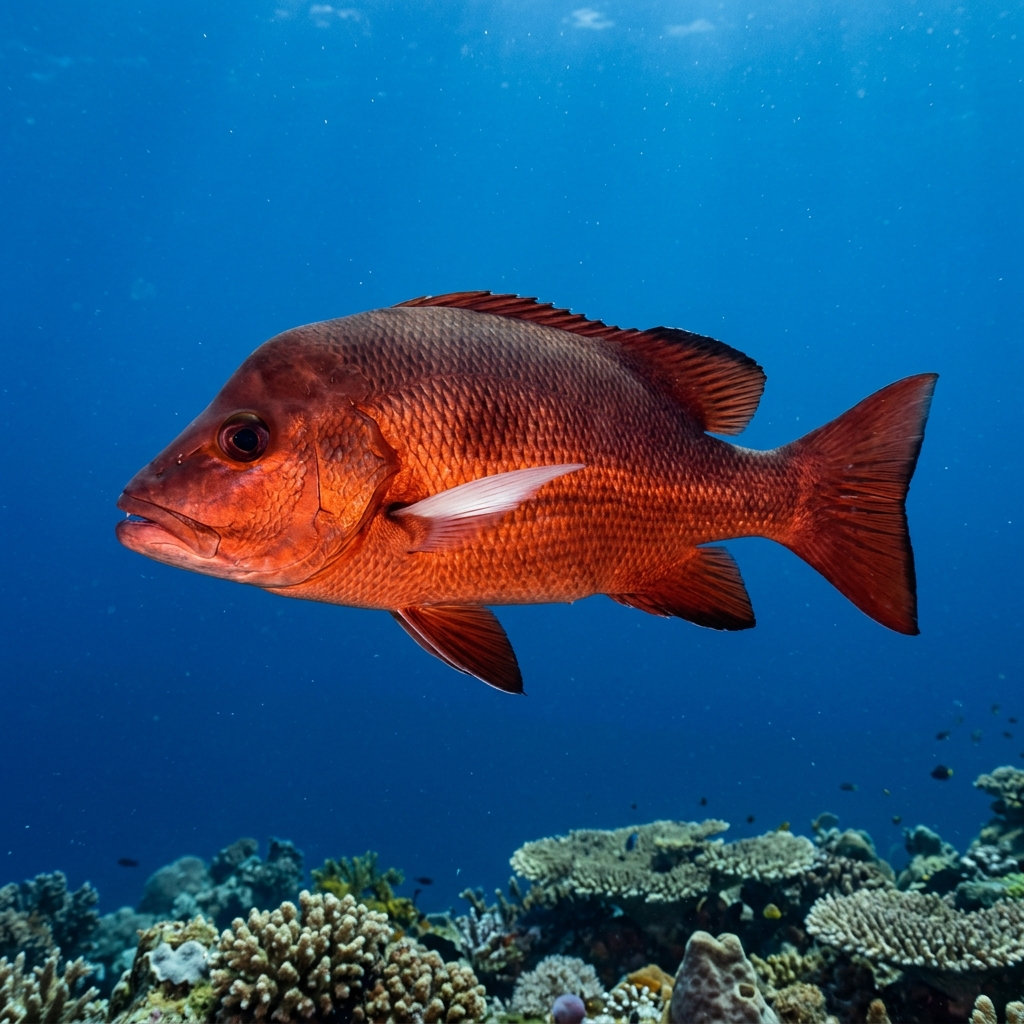
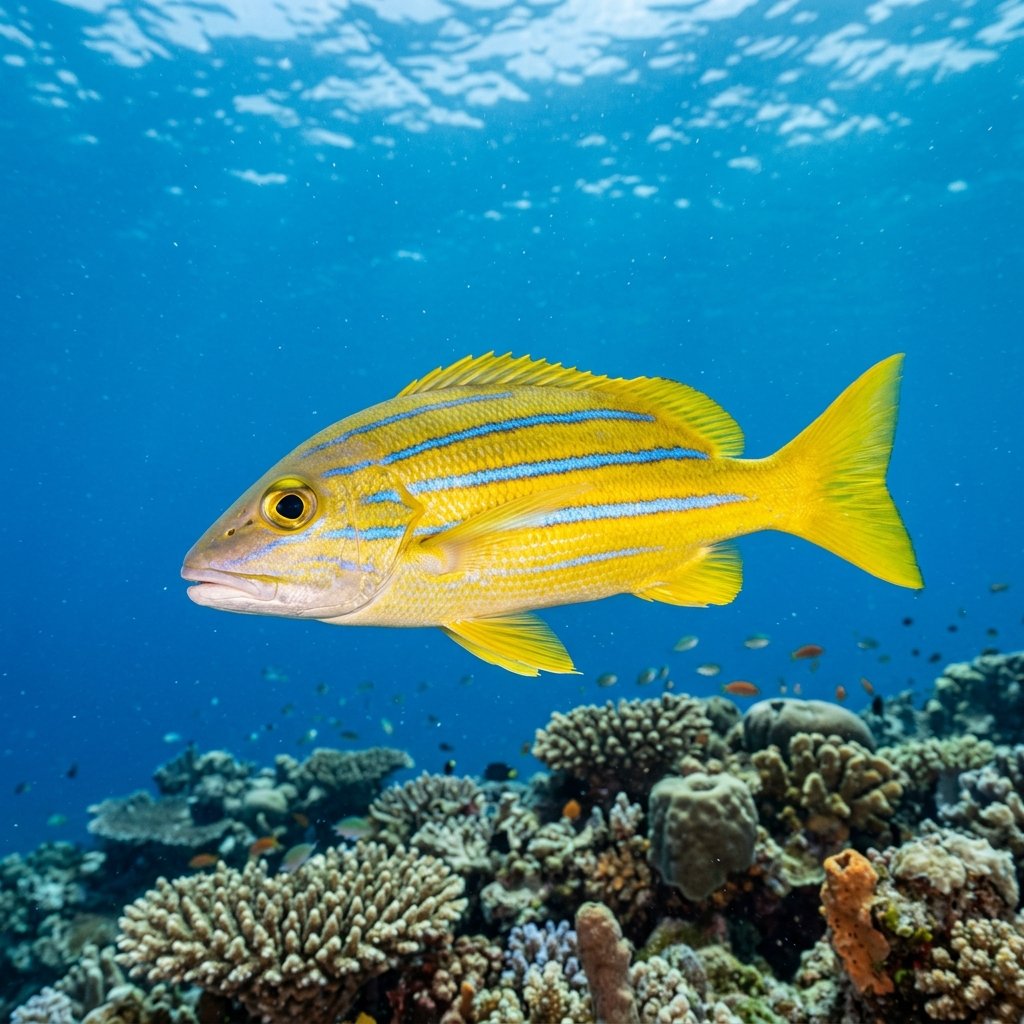
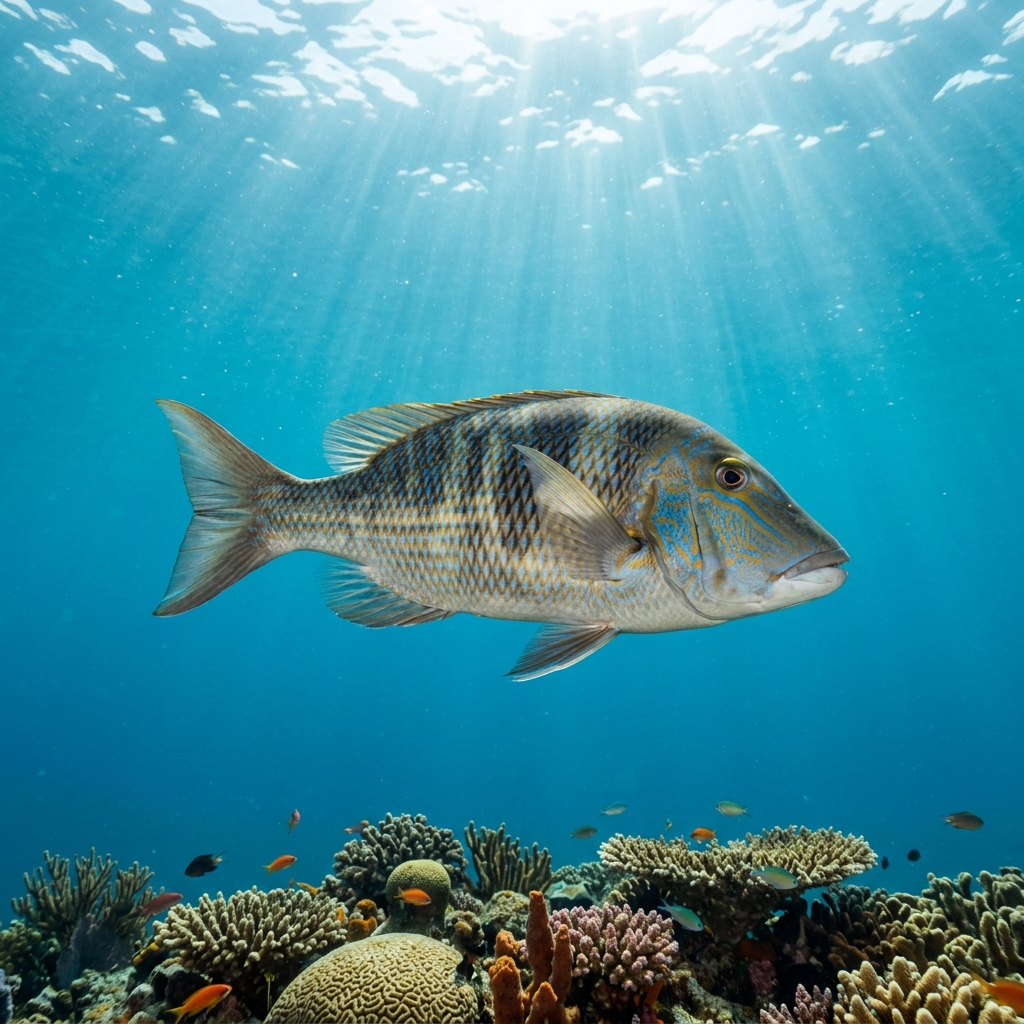
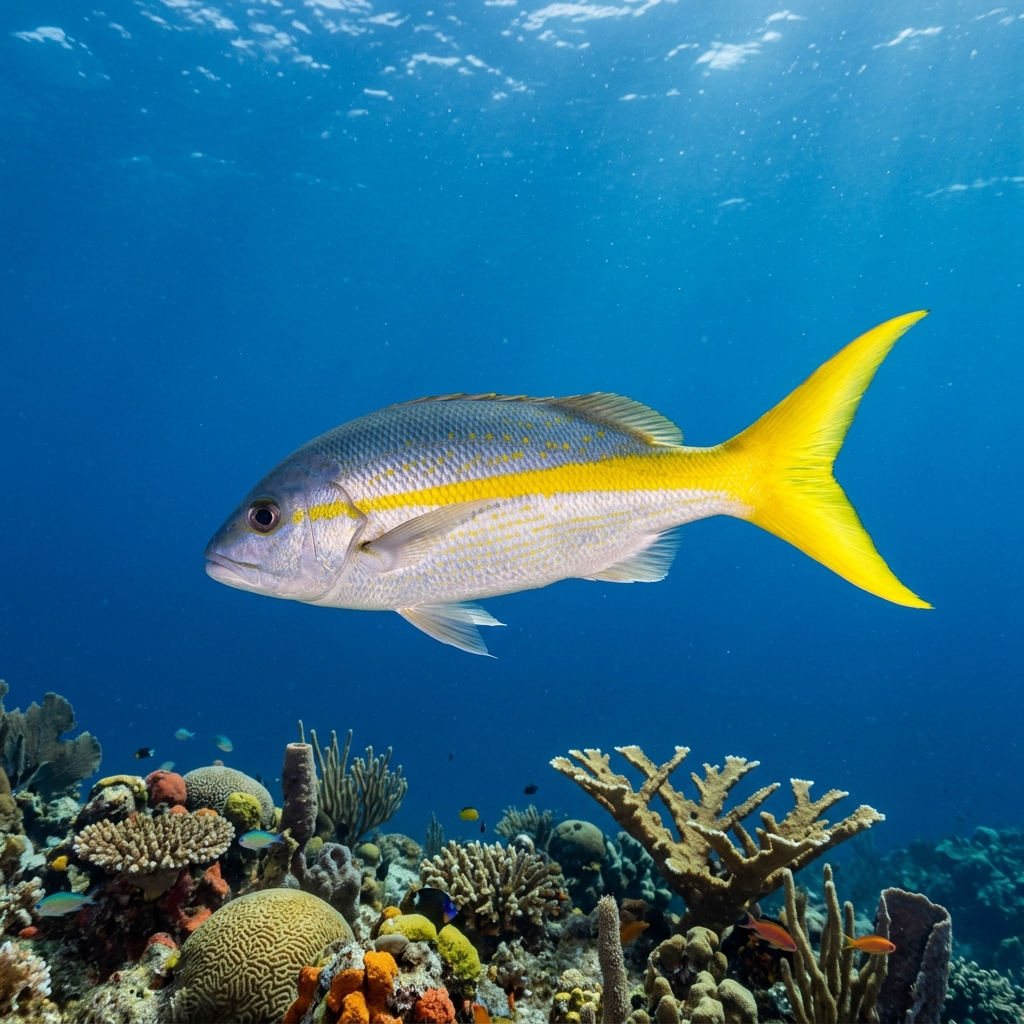
Reef neighbours a diver could mistake it for. Use the identification notes above to tell them apart.
Most reliably logged in Egypt, especially around Marsa Alam and the Deep South and the wider Red Sea Riviera, and a strong presence through the Visayas in the Philippines. Smaller but consistent numbers turn up on Queensland's reefs in Australia, plus scattered sightings in Indonesia's Nusa Tenggara, Sulawesi and Raja Ampat, and along South Africa's KwaZulu-Natal coast.
Mapping where Ehrenberg's Snapper is logged…
Egypt is the standout location, particularly Marsa Alam and the Deep South and the Red Sea Riviera, with the Philippines' Visayas region also a reliable spot. Smaller populations show up in Queensland, Australia, parts of Indonesia and KwaZulu-Natal in South Africa.
There is no strong seasonal pattern, so it is a year-round sighting wherever it occurs. It favours warm reef water between about 26 and 29C, which suits most tropical dive seasons.
Look for a silvery, deep-bodied snapper around 24cm with a clear black spot on the rear flank below the dorsal fin. It usually hovers near sand or reef edges rather than schooling in open water.
They typically reach around 24cm in length, making them a modest-sized reef snapper rather than one of the larger schooling species.
No, they pose no danger to divers and are a calm, easy fish to observe at a comfortable distance.
Site and sighting data is aggregated from diver logs, iNaturalist and GBIF. For taxonomy and conservation status:
Bluestriped Snapper
2,054 sites