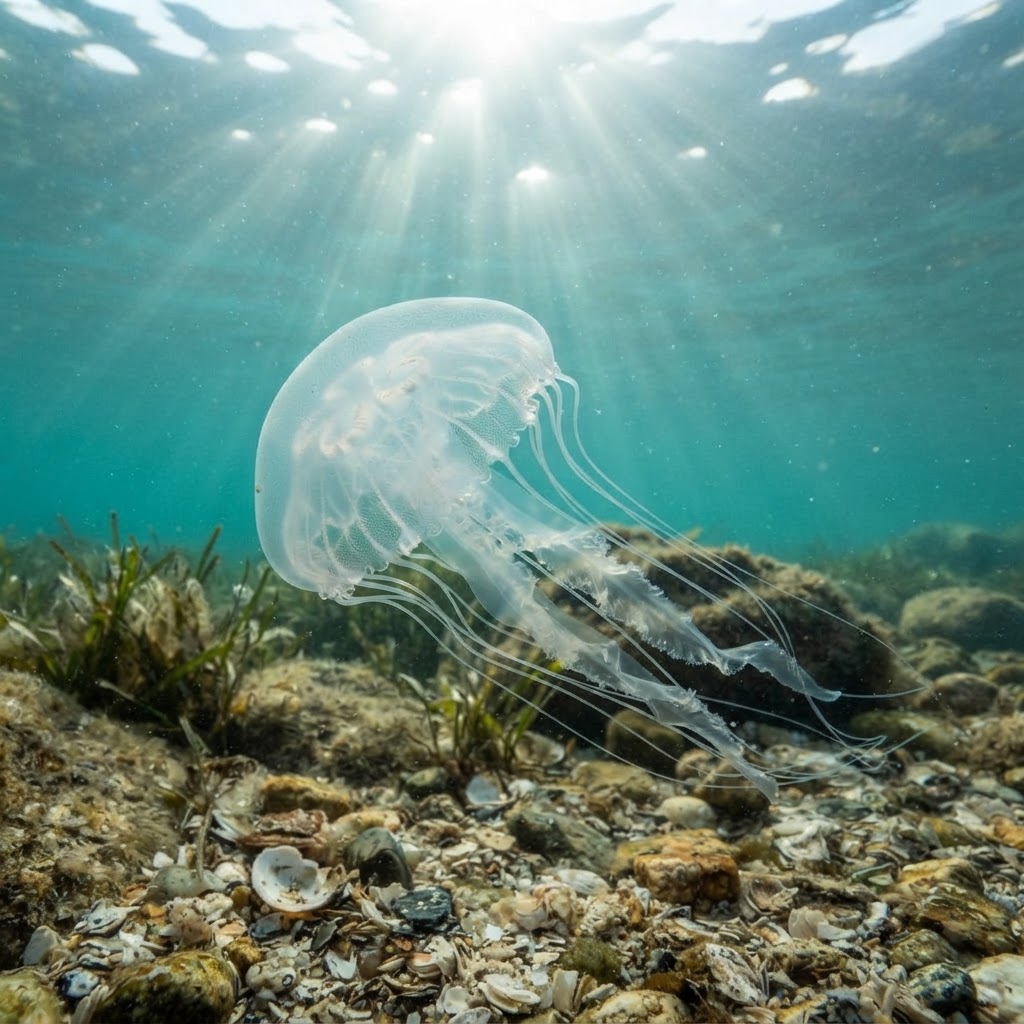
Chrysaora chesapeakei
Uncommon but real: Bay Nettle turns up in Florida estuaries and brackish Northeast waters, stinging tentacles trailing year-round.
Safety warning
Contact with the tentacles delivers a sting that ranges from mild irritation to a painful welt, so avoid touching one even if the bell looks faded or the animal seems inactive. Keep hands and exposed skin clear, and rinse any sting with vinegar or hot water rather than fresh water, which can trigger further discharge.
If you're stung
Stinging tentaclesGeneral first-aid guidance, not a substitute for professional medical care. In an emergency, call your local emergency number.
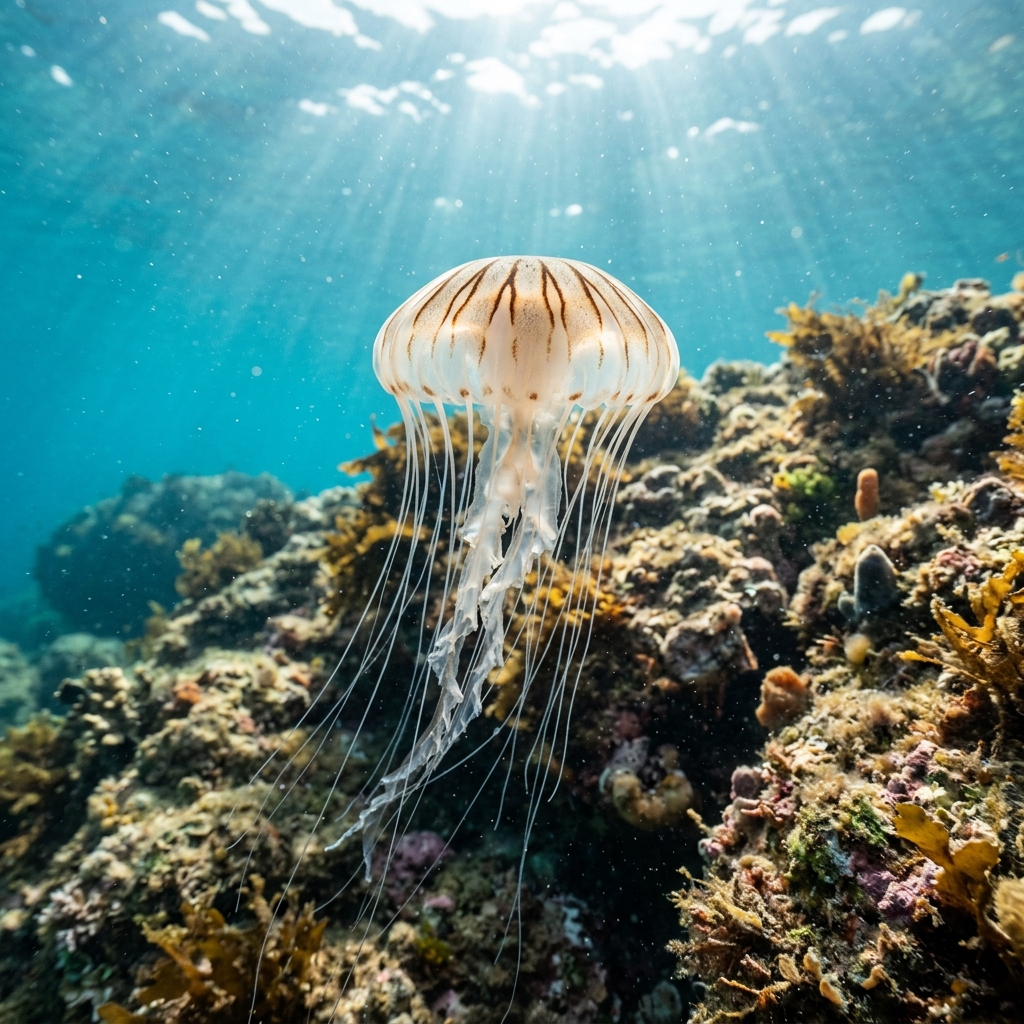
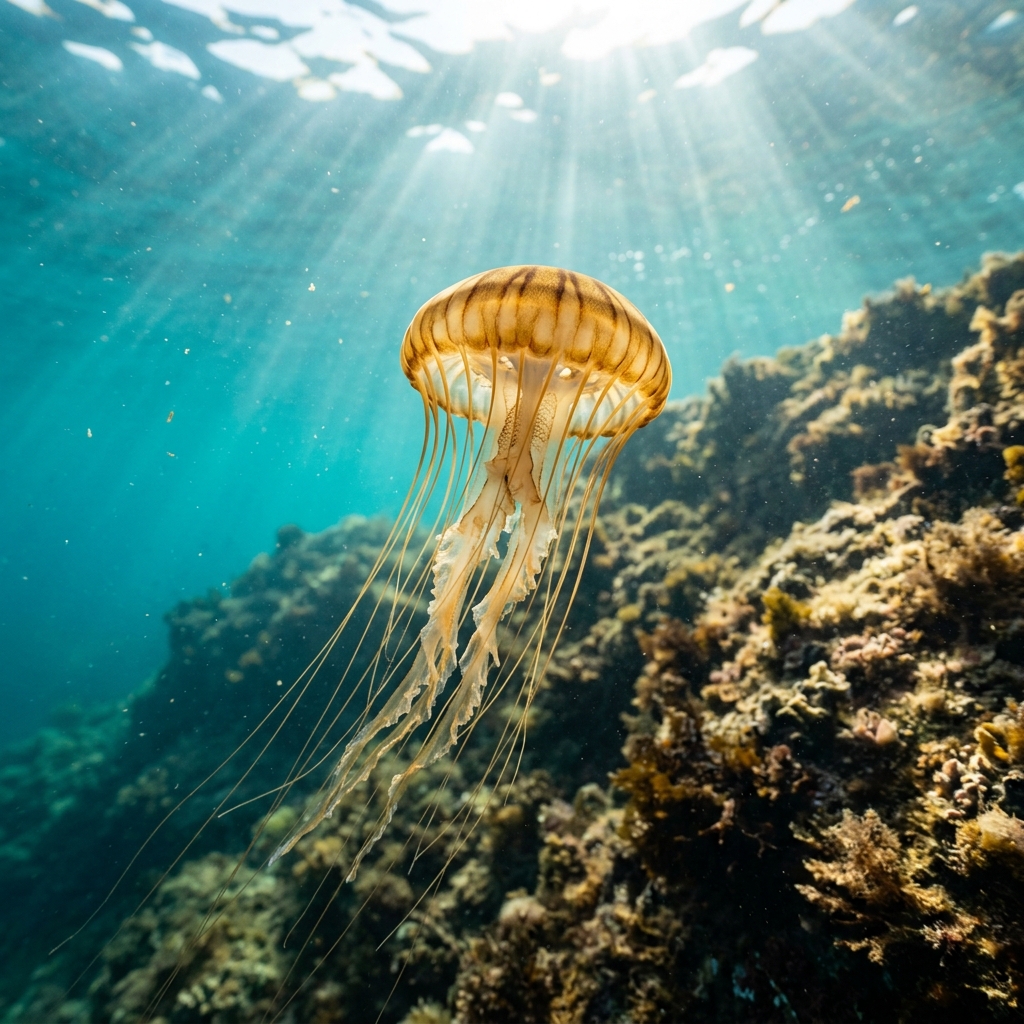
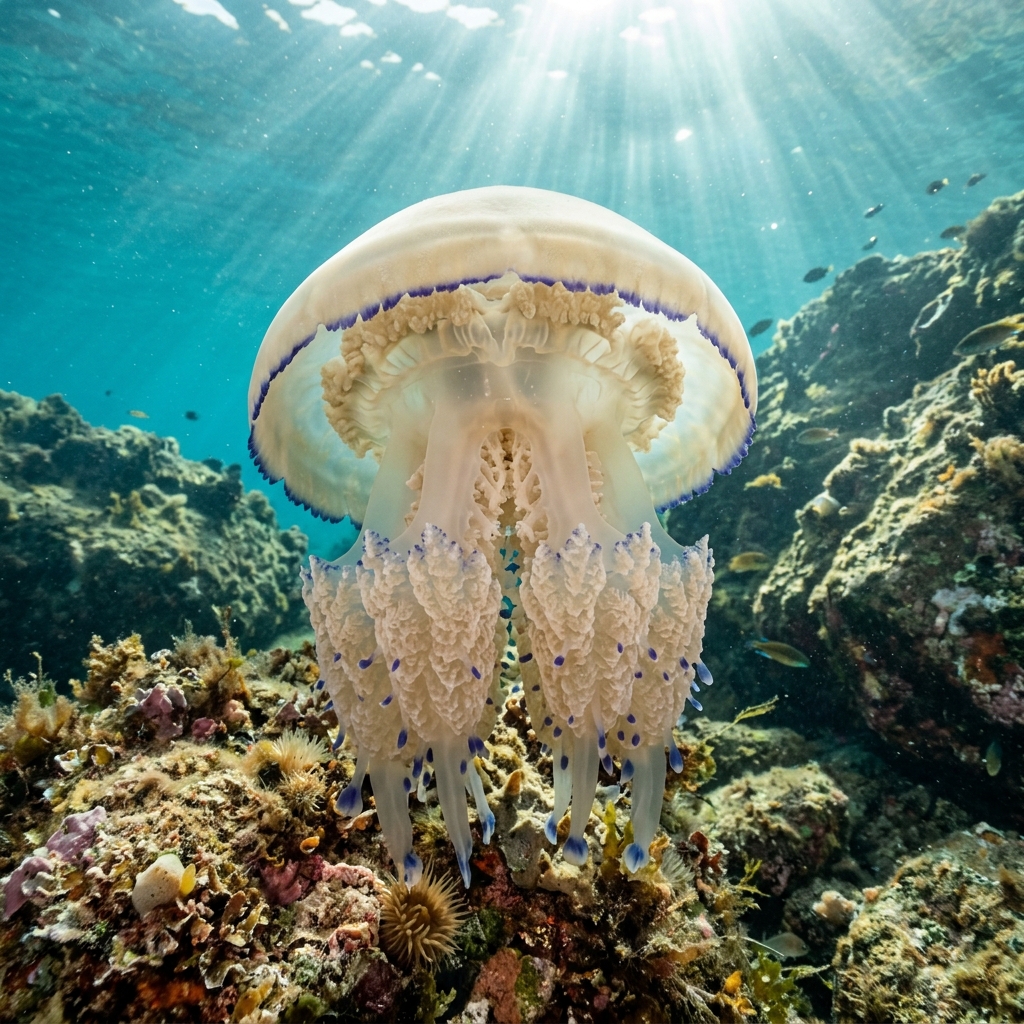
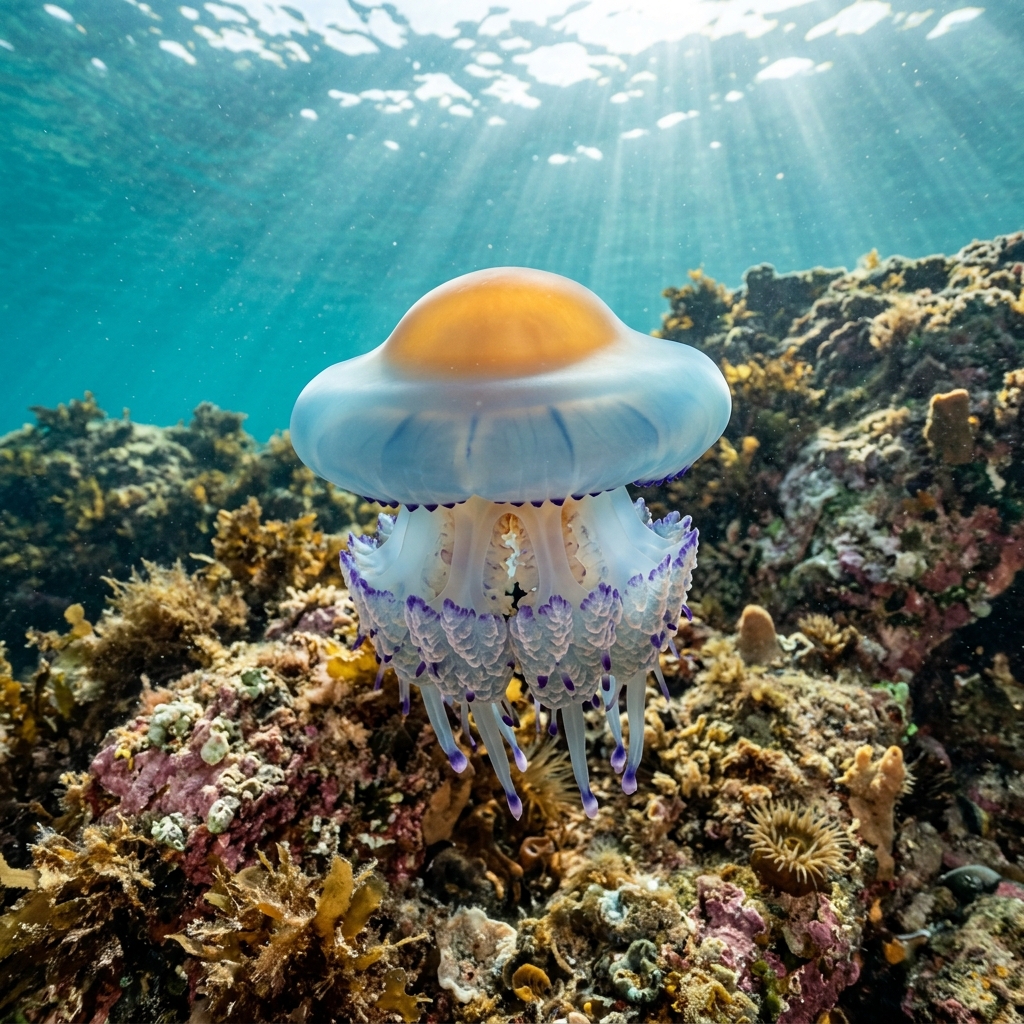
Recognisable by a translucent bell often washed with reddish-brown or amber striping, more muted than its saltwater relatives, trailing a mass of long thin tentacles and four frilly oral arms beneath the bell. Bell size varies a lot between estuaries depending on local salinity, so treat it as a mid-sized nettle rather than fixing on one exact diameter. Look for it drifting rather than swimming hard, tentacles spread wide in the water column.
Mostly seen drifting passively in the water column, tentacles extended, rather than actively hunting divers down. It's an uncommon to rare find at most logged sites, so a sighting tends to be a slow-moving surprise mid-water rather than a reef-bottom encounter. Give it space and it will simply carry on drifting with the current.
It's a brackish-water specialist, tolerating the lower salinity of estuaries and bays where fully marine jellyfish struggle, which is why most sightings cluster in coastal inlets rather than open ocean sites.
Sightings don't show a clear season in the data, and it's been recorded across a wide 12.3 to 25.0C range, so treat it as a year-round possibility at the sites where it turns up rather than a seasonal event.
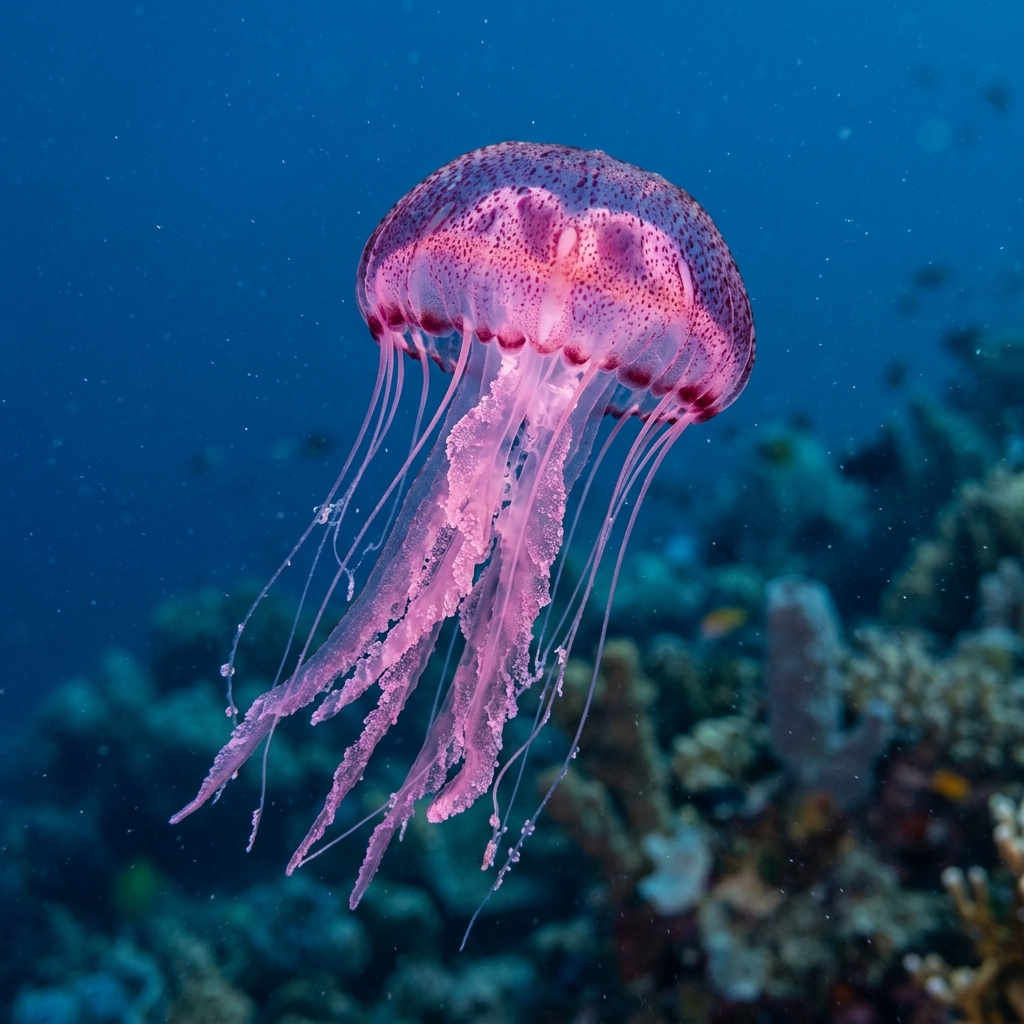
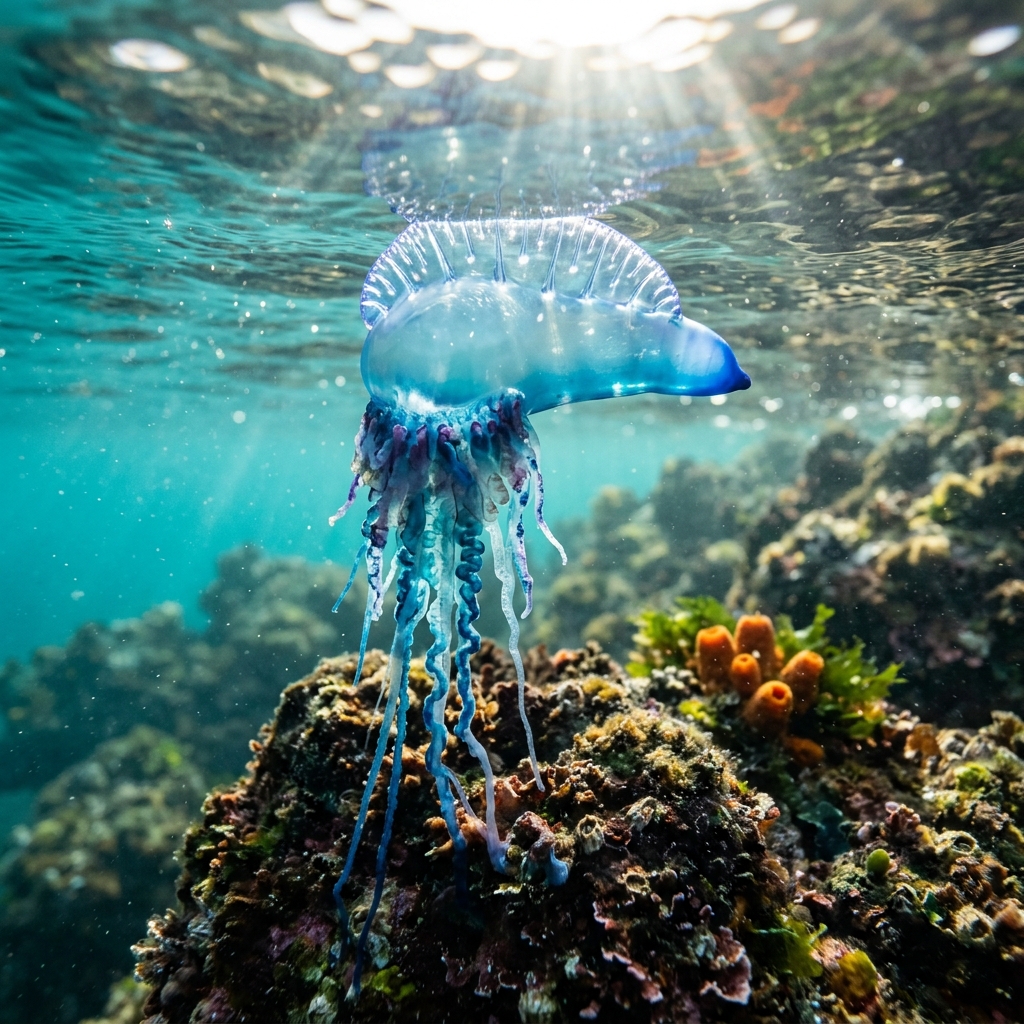
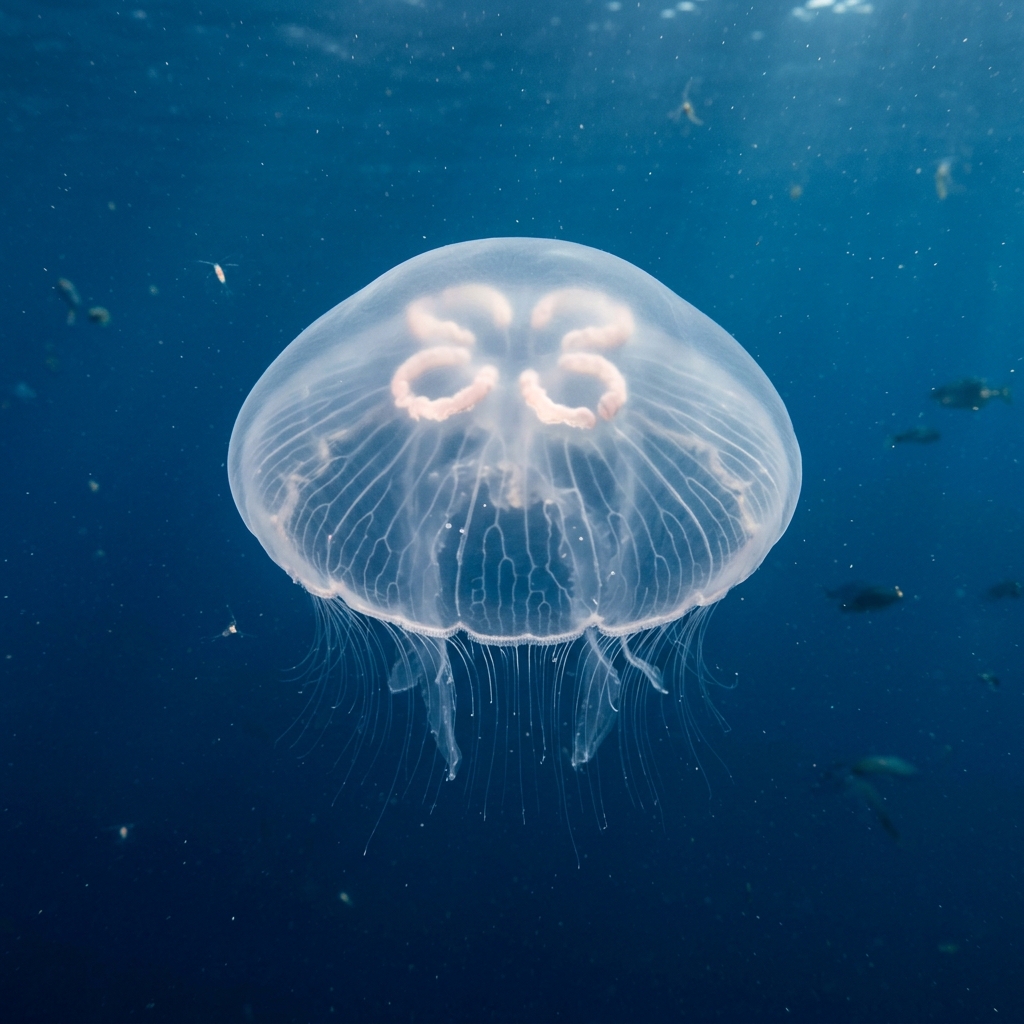
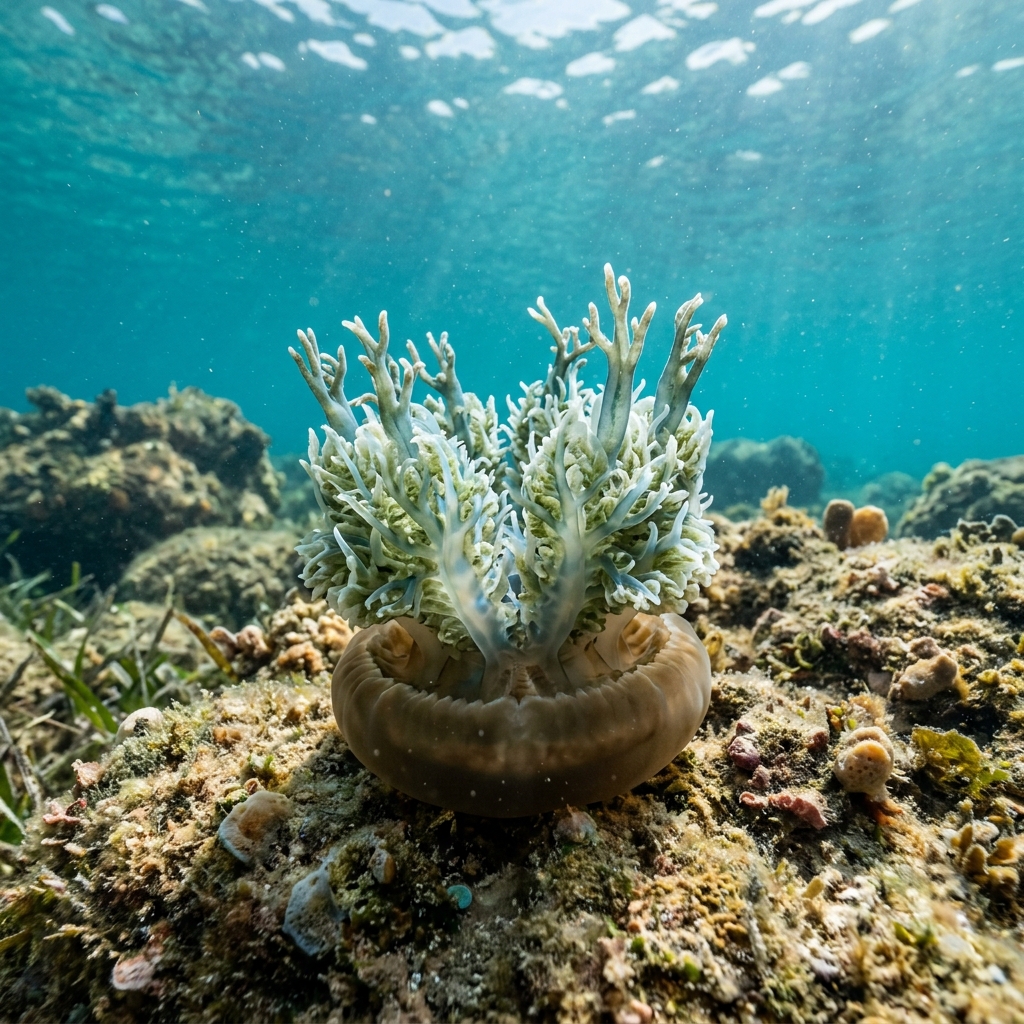
Reef neighbours a diver could mistake it for. Use the identification notes above to tell them apart.
Logged almost entirely in the United States, with the strongest showing in Florida, followed by scattered sightings in the Northeast and along the Texas coast. It favours brackish, estuarine water more than open reef, so divers and snorkellers encounter it in coastal inlets and nearshore sites rather than offshore drop-offs.
Mapping where Bay Nettle is logged…
Most sightings come from Florida, with additional records in the Northeast United States and along the Texas coast. It's an estuarine species, so look in coastal inlets and brackish nearshore sites rather than open reef.
There's no clear seasonal pattern in the sighting data, and it's been recorded across a broad temperature range, so it's best treated as a year-round possibility wherever it's known to occur.
Yes. Their tentacles carry a sting that can cause real pain and irritation, so avoid contact even with drifting or apparently inactive individuals.
Look for a translucent bell with reddish-brown or amber striping, trailing long thin tentacles and frilly oral arms, drifting passively rather than swimming with purpose.
It's one of the few jellyfish adapted to brackish water, thriving in the lower-salinity conditions of estuaries and bays where most marine jellyfish can't tolerate the dilution.
Site and sighting data is aggregated from diver logs, iNaturalist and GBIF. For taxonomy and conservation status:
Moon Jellyfish
1,766 sites