Upeneus australiae
Small barbeled goatfish found year-round on New South Wales reefs, comfortable in 21 to 28.5 C water and worth a slow, close look.
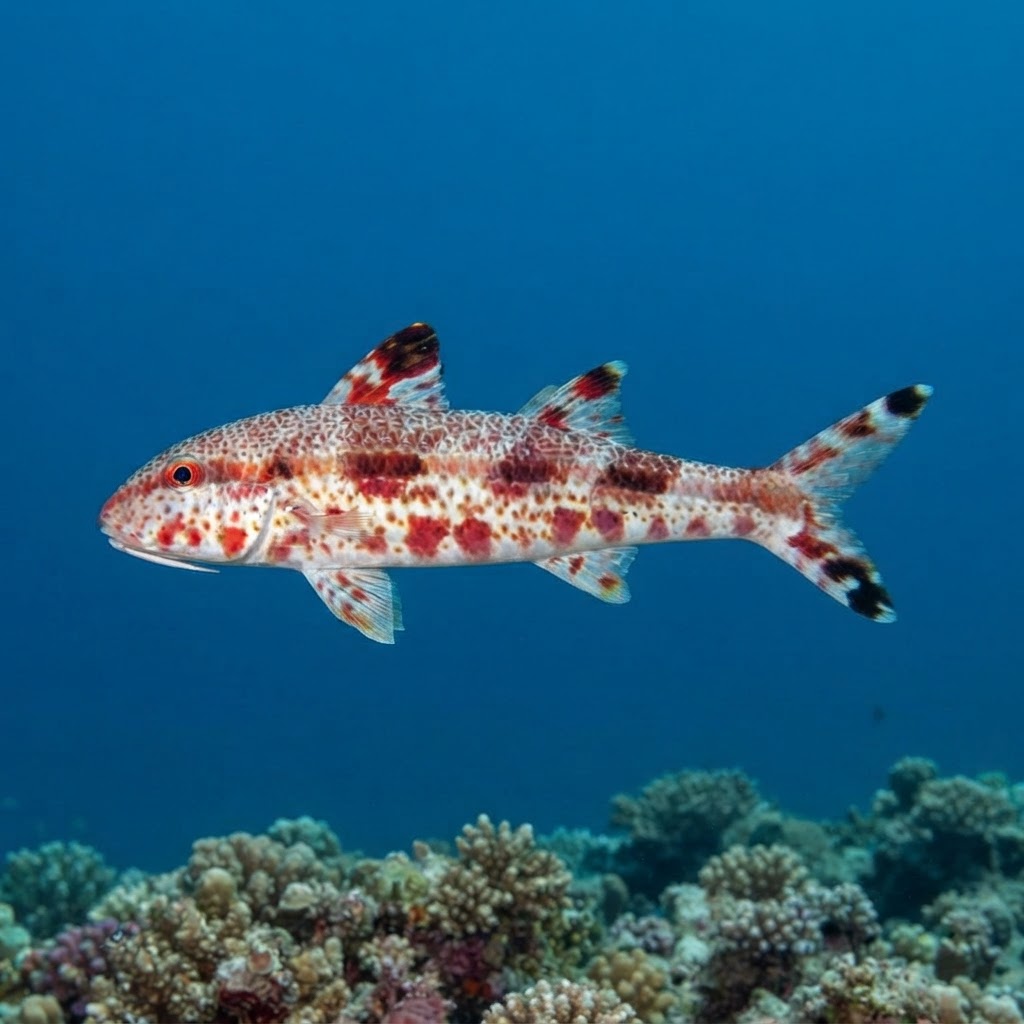
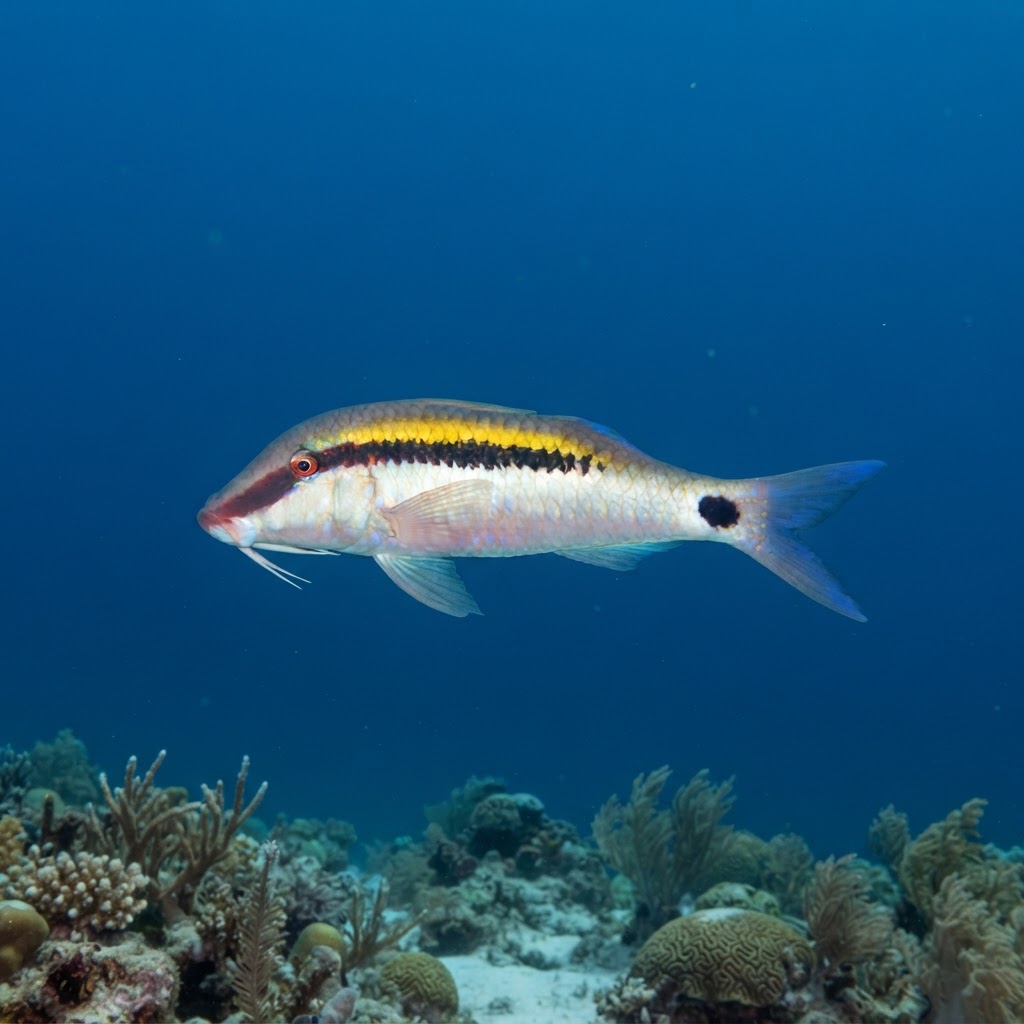
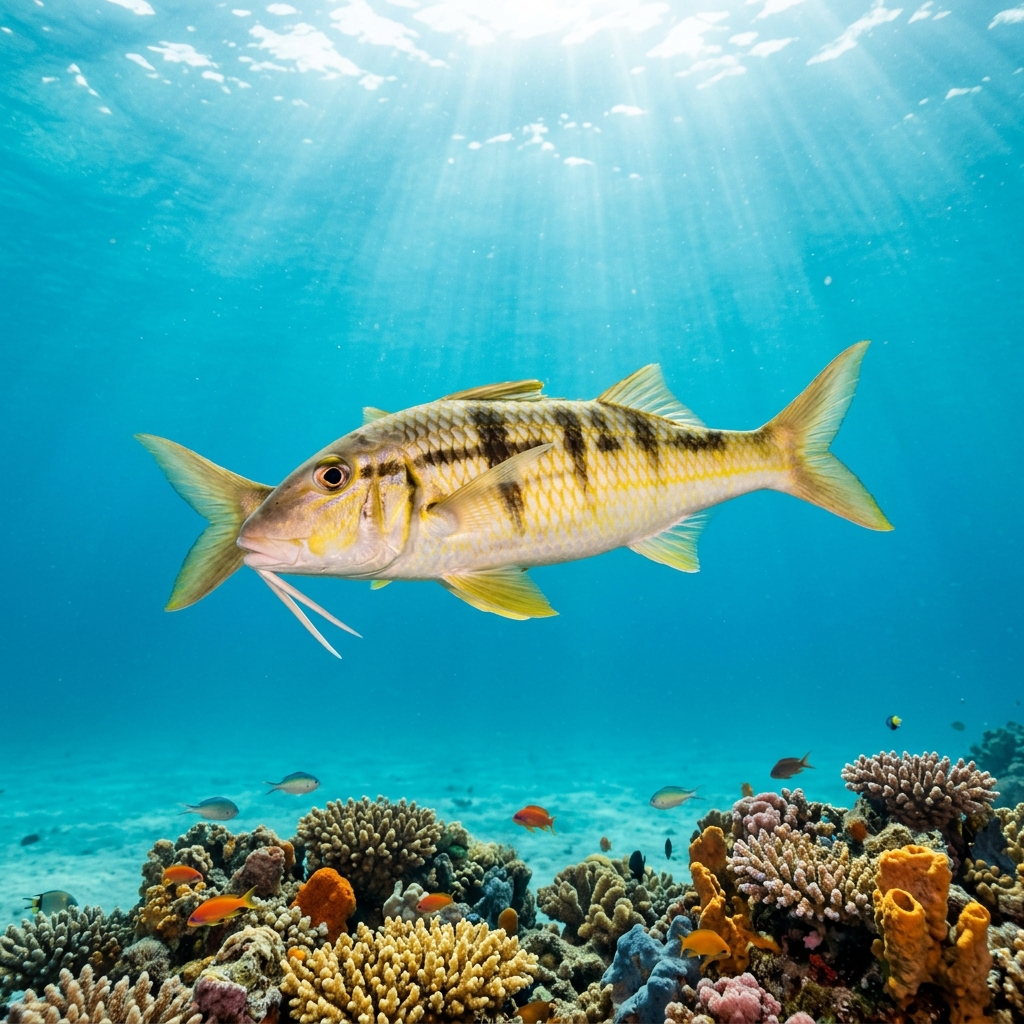
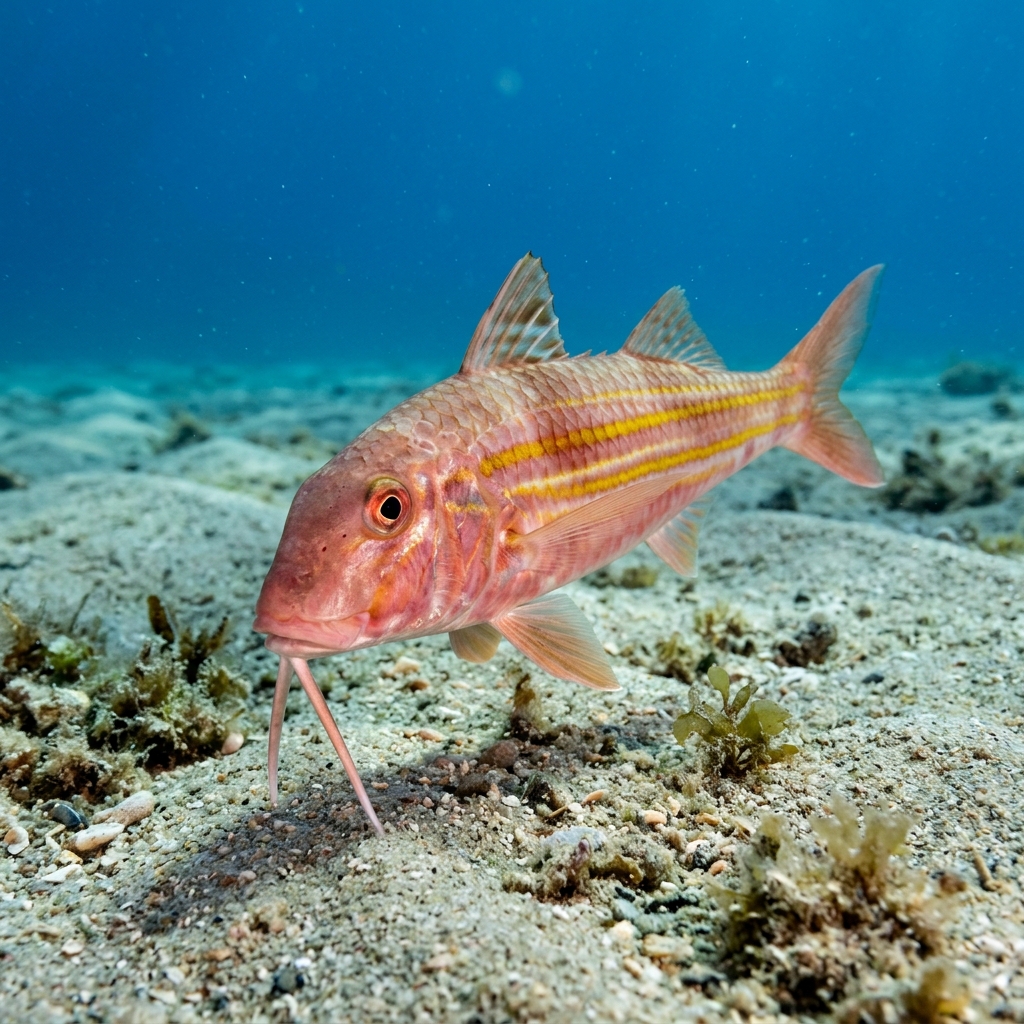
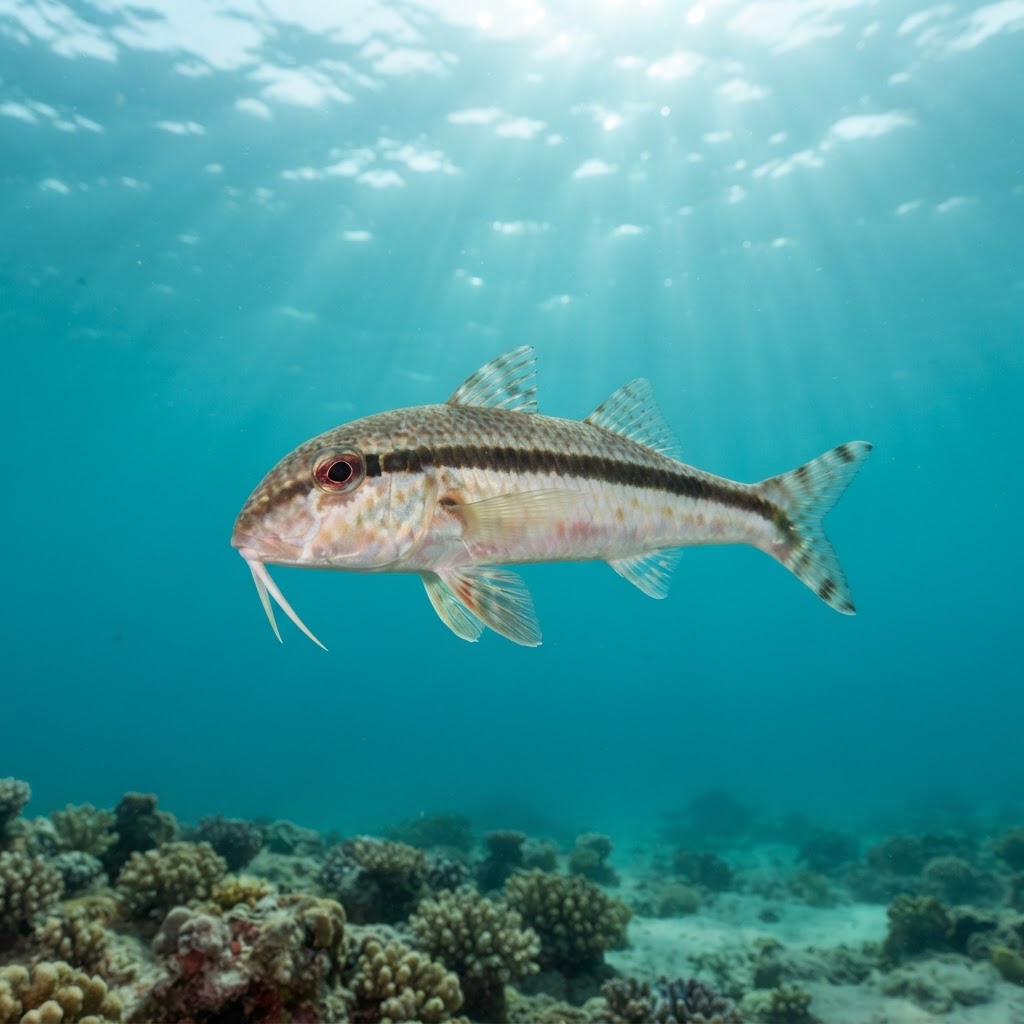
A small, slender goatfish reaching around 11 cm, best recognised by the pair of long chin barbels it drags along the sand to probe for food. Body colour runs pale pinkish to tan, often with faint darker banding or blotches along the flanks that can be tricky to pin down without a close look. Look for it hovering just off the bottom or resting on sand patches near reef structure, barbels tucked or actively sweeping the substrate.
Divers most often find this one working sand patches and rubble edges near reef, sweeping its barbels side to side to feel out buried worms and small invertebrates. It tends to keep a low profile, staying close to the substrate rather than schooling in open water, and generally tolerates a slow, careful approach before it moves off. Most sightings are logged as uncommon, so it rewards divers who take time scanning sand and reef margins rather than expecting it on every dive.
Those chin barbels are packed with taste buds, letting it detect prey hidden in sand without ever seeing it, a feeding trick shared across the whole goatfish family.
Sighting data shows no strong seasonal pattern, and with a comfortable range of roughly 21 to 28.5 C it appears to be present across the year rather than tied to a narrow window. Plan around general New South Wales dive conditions rather than a specific goatfish season.
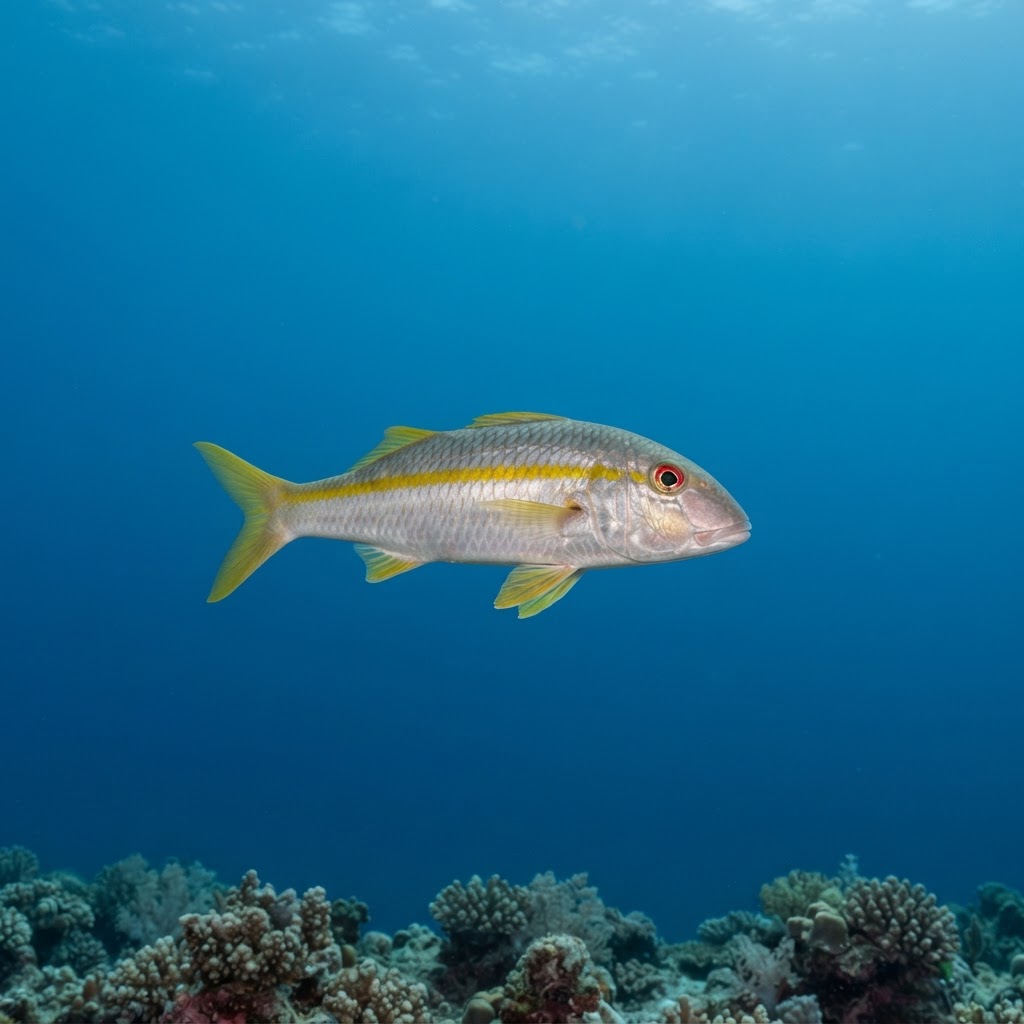
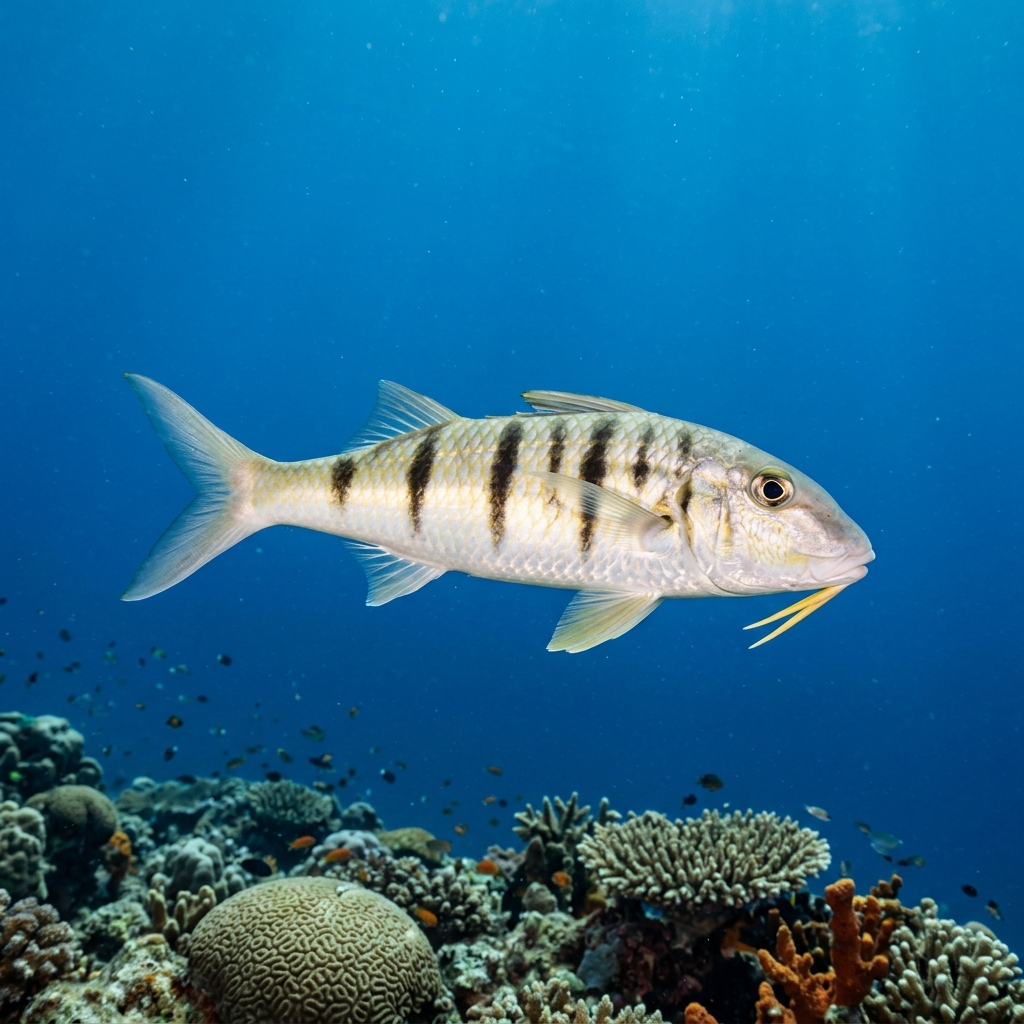
Reef neighbours a diver could mistake it for. Use the identification notes above to tell them apart.
Logged almost entirely in Australia, with New South Wales the clear stronghold for sightings and a single site recorded in Western Australia. Divers looking for it should focus on temperate and subtropical reef sites along the New South Wales coast, where it turns up as an uncommon but reliable find rather than a headline species.
Mapping where Australian Goatfish is logged…
New South Wales is by far the most reliable region, with a scattering of sightings also logged in Western Australia. It shows up on temperate reef and sand-edge sites rather than being tied to one famous location.
There is no clear seasonal spike in sightings, and its temperature range of roughly 21 to 28.5 C suggests it stays around year-round rather than migrating in and out with the seasons.
Look for a small, slender fish around 11 cm with two long barbels under its chin, pale pinkish-tan colouring, and a habit of resting or sweeping the sand near reef structure. The barbel-sweeping feeding action is the giveaway.
They stay small, typically around 11 cm long, making them easy to overlook against sand and rubble unless you spot the barbel movement.
They use a pair of sensory chin barbels loaded with taste receptors to probe sand and rubble for hidden worms and small invertebrates, feeding almost by touch rather than sight.
No, they pose no threat to divers and simply move off if approached too quickly.
Site and sighting data is aggregated from diver logs, iNaturalist and GBIF. For taxonomy and conservation status:
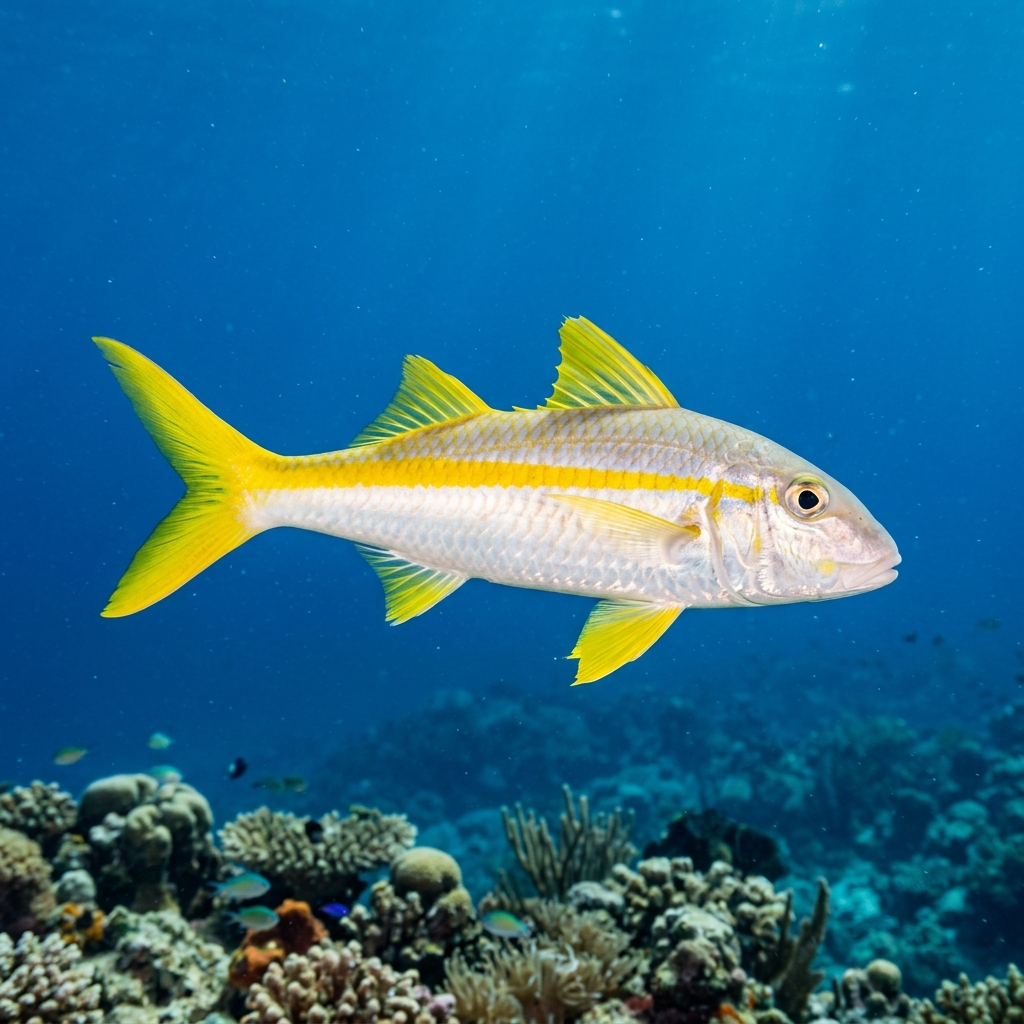
Yellowfin Goatfish
2,241 sites